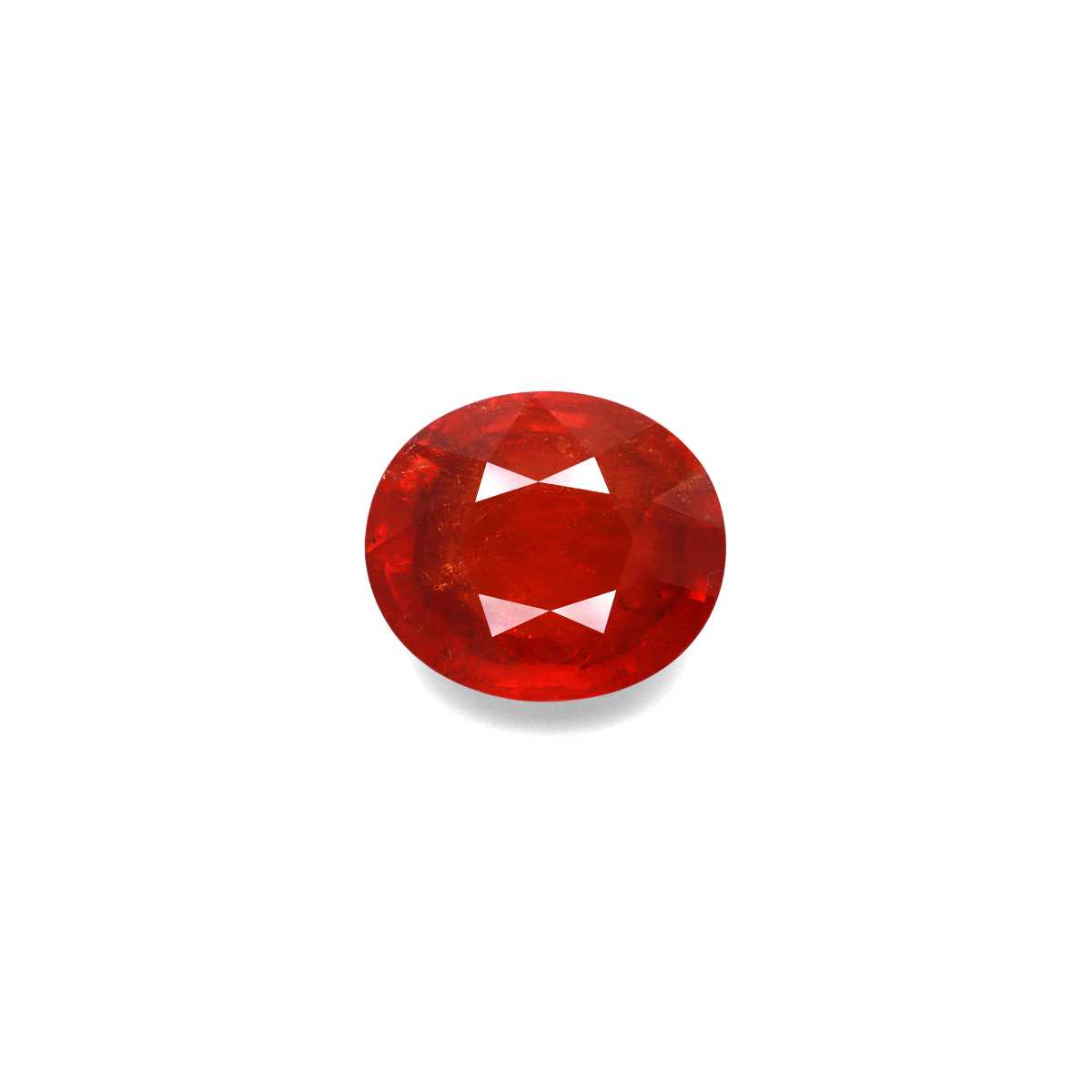
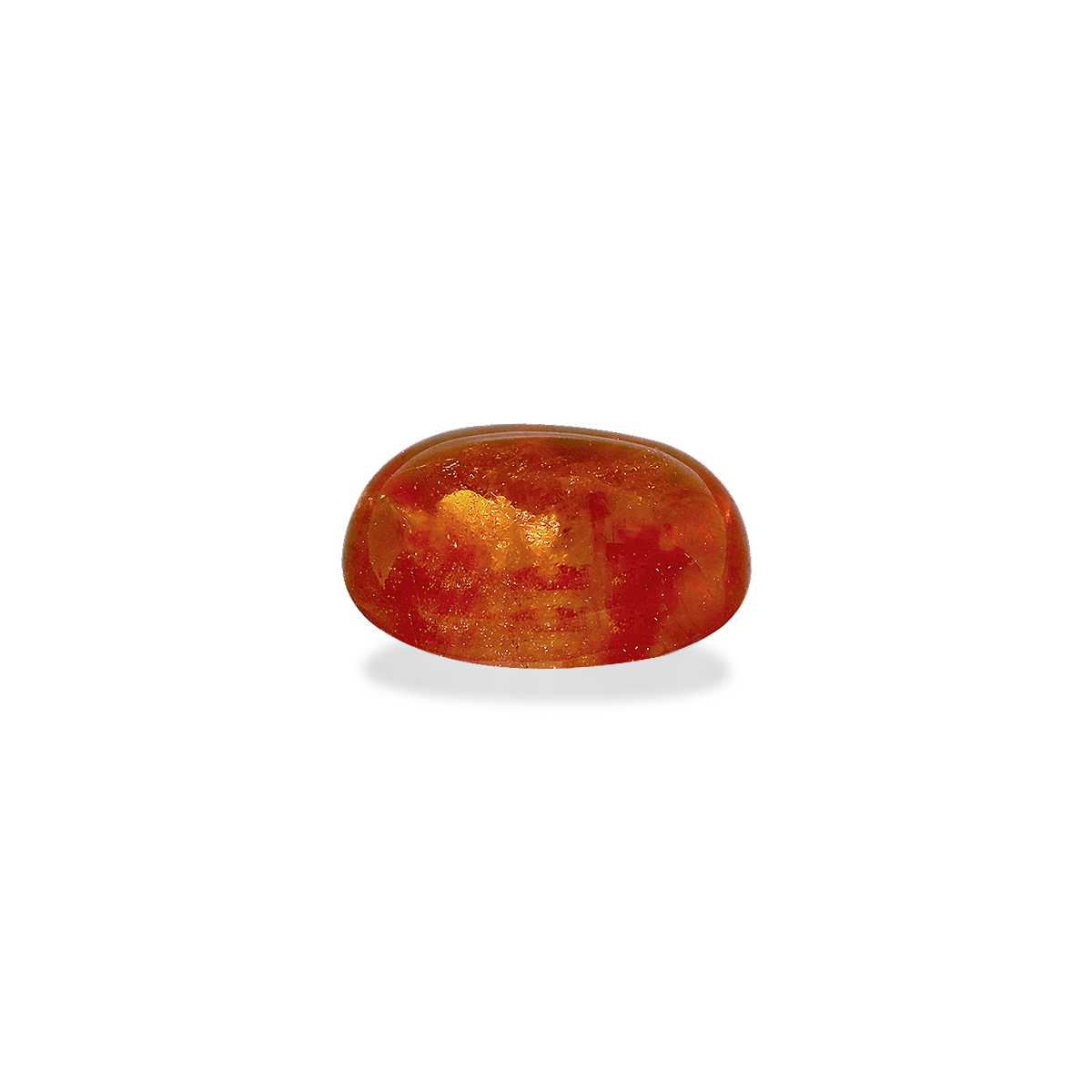
This selection gathers stones graded I (Included) — gems in which inclusions are visible to the unaided eye and may, to varying degrees, affect transparency, light return or the evenness of colour. Clarity is always read in the context of the variety: what counts as exceptional in one species would be considered heavily included in another, and the gemmological grading types reflect this.
The varieties appearing here are those whose growth environments naturally favour inclusions. Zambian emerald and rubellite tourmaline are classically included stones, formed in turbulent conditions that leave behind healed fissures, growth tubes and internal veils. Paraiba tourmaline is prized chiefly for its cuprian blue-to-green colour, and eye-visible inclusions are frequently accepted in pursuit of it. Demantoid garnet is another species in which internal features are characteristic. Aquamarine typically grows cleaner, so an included example is less usual and is best judged on its face-up appearance.
When choosing between these stones, weigh where the inclusions sit rather than simply how many there are: a veil under the table reads differently from one beneath the crown. Consider transparency, colour saturation and whether any feature reaches the surface, which may influence setting and everyday wear. Review each individual stone's details for disclosed treatment.