Gemstone guide

What is Aquamarine?
Aquamarine is a variety of beryl, coloured by iron. A guide to the gem, and to buying one well.
About Aquamarine
01- Species
- Beryl
- Variety
- Aquamarine
- Hardness (Mohs)
- 7.5-8
- Refractive index
- 1.577-1.583
- Colour caused by
- Iron
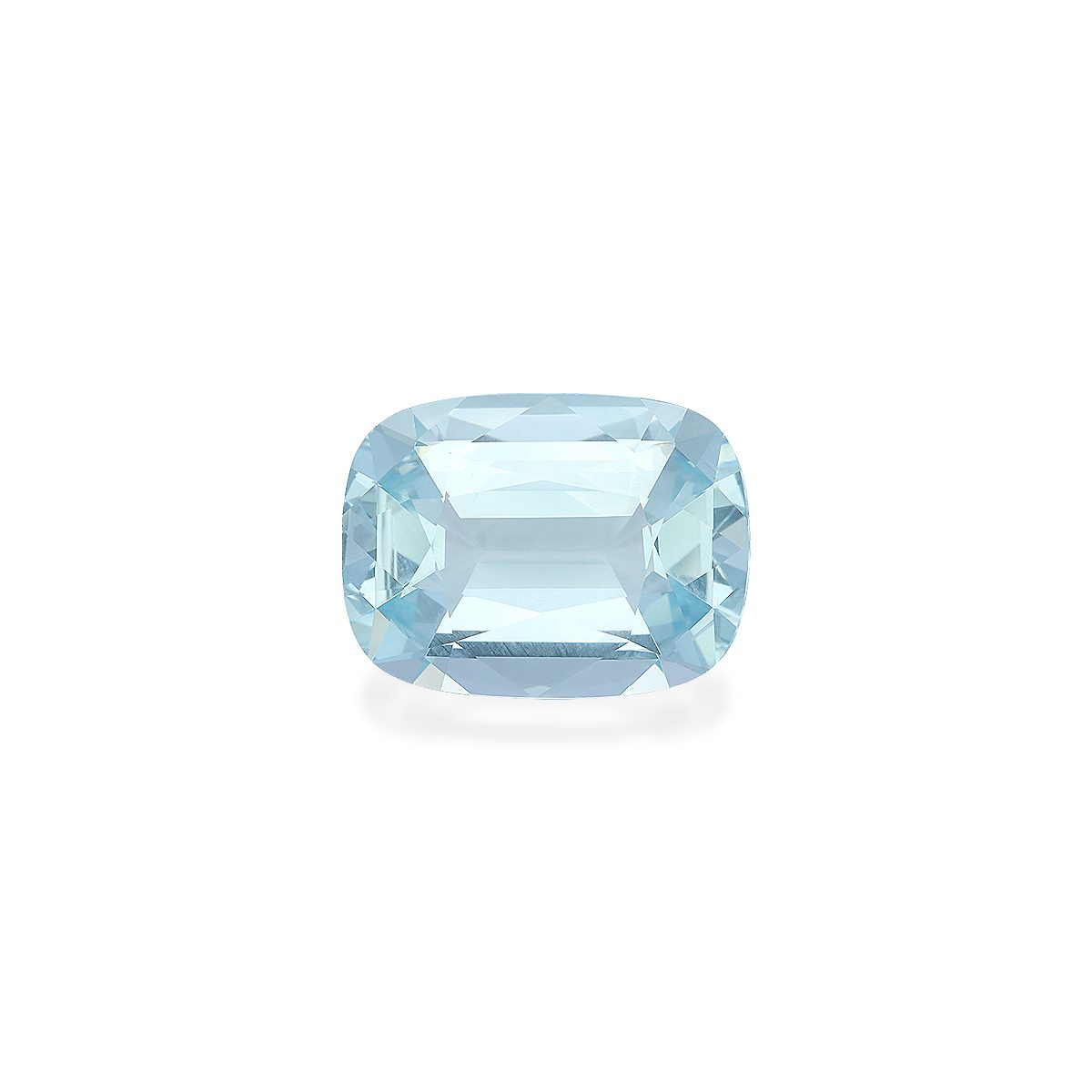
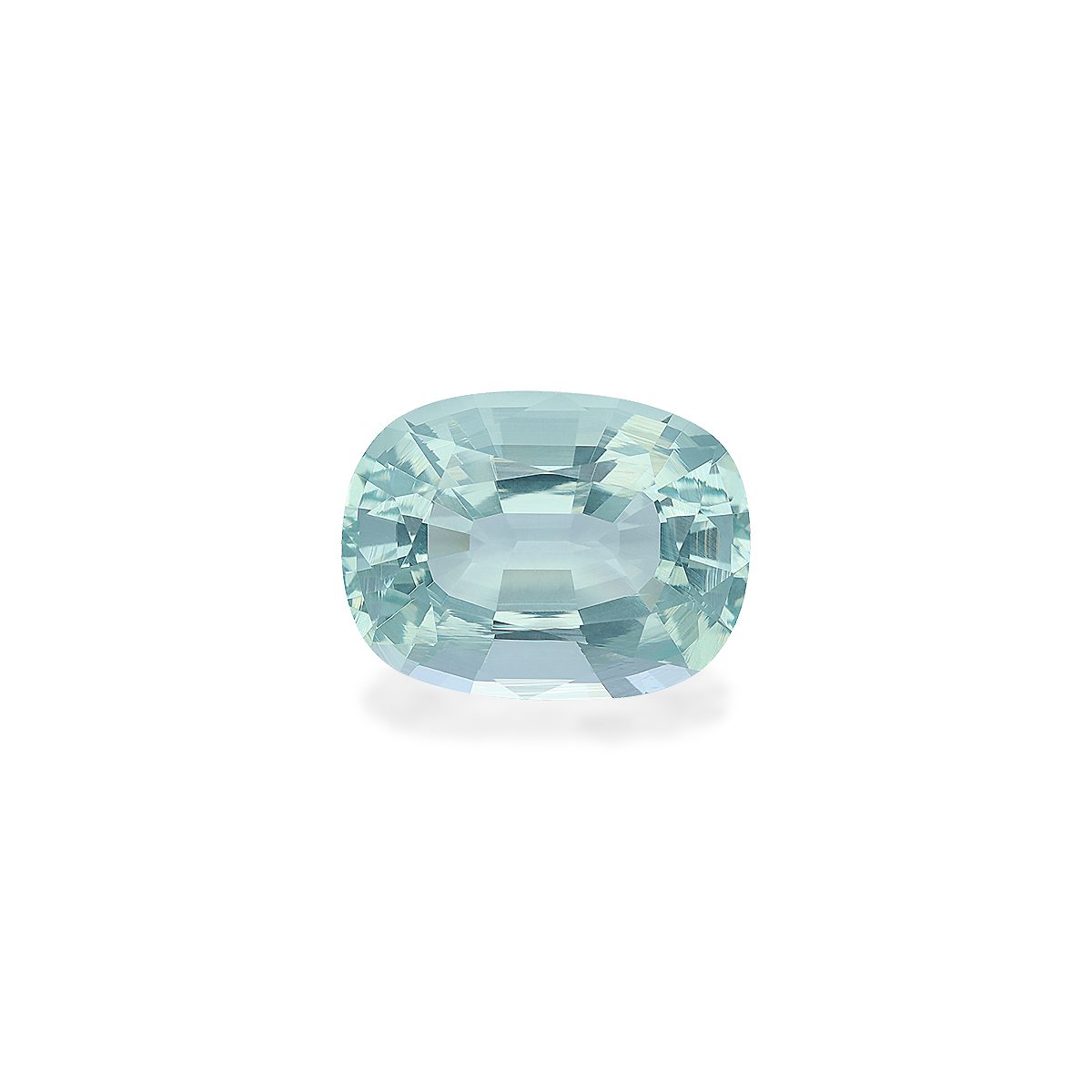
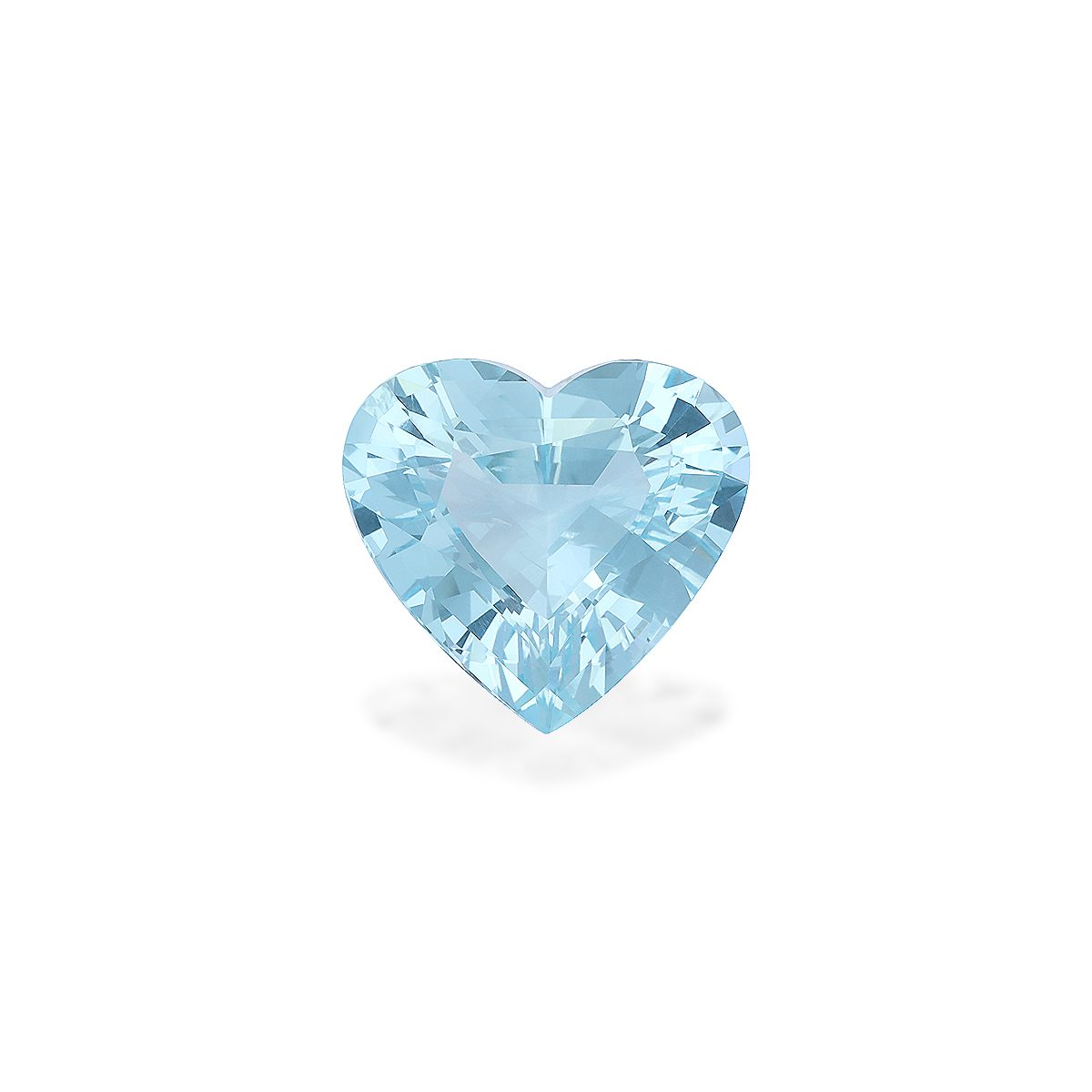
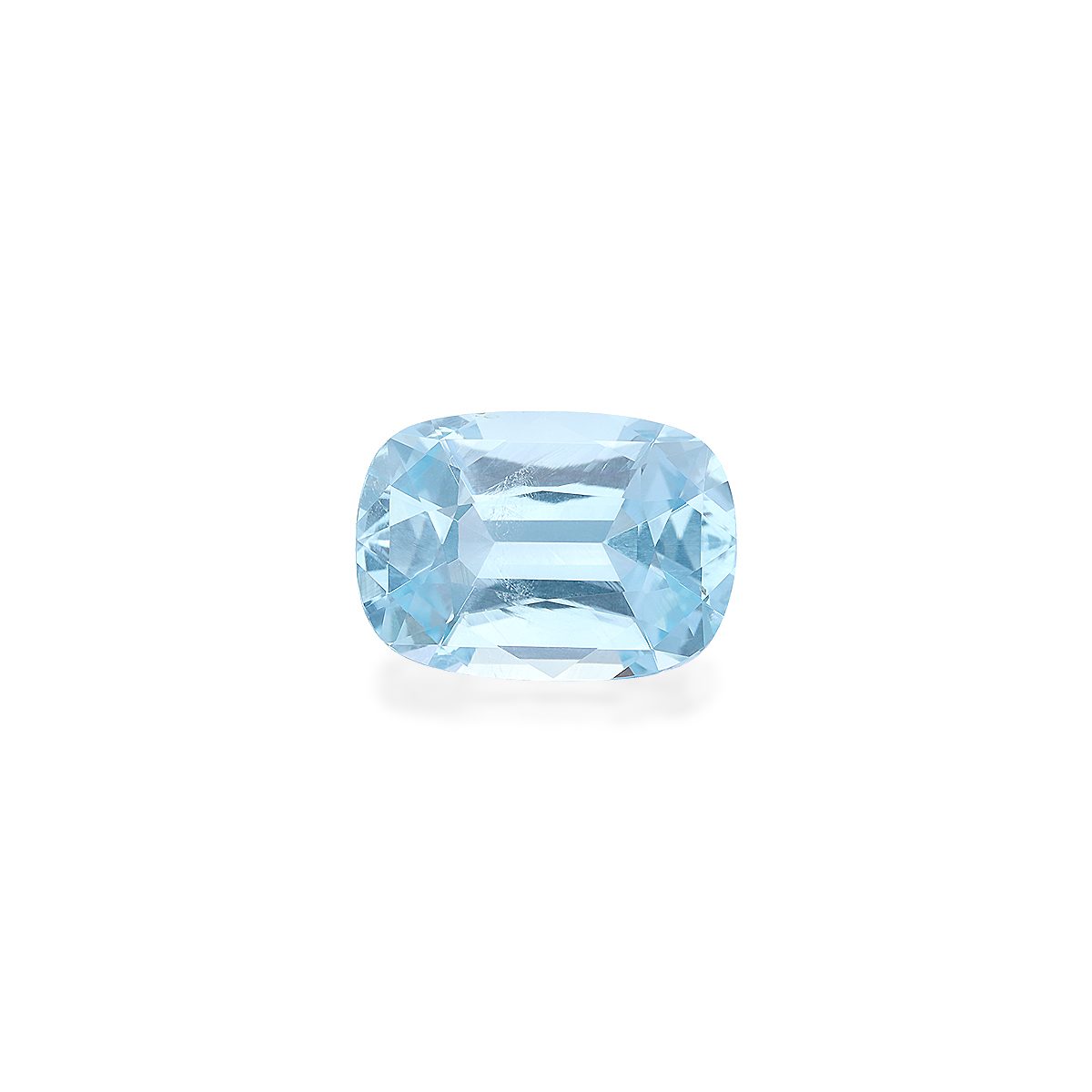
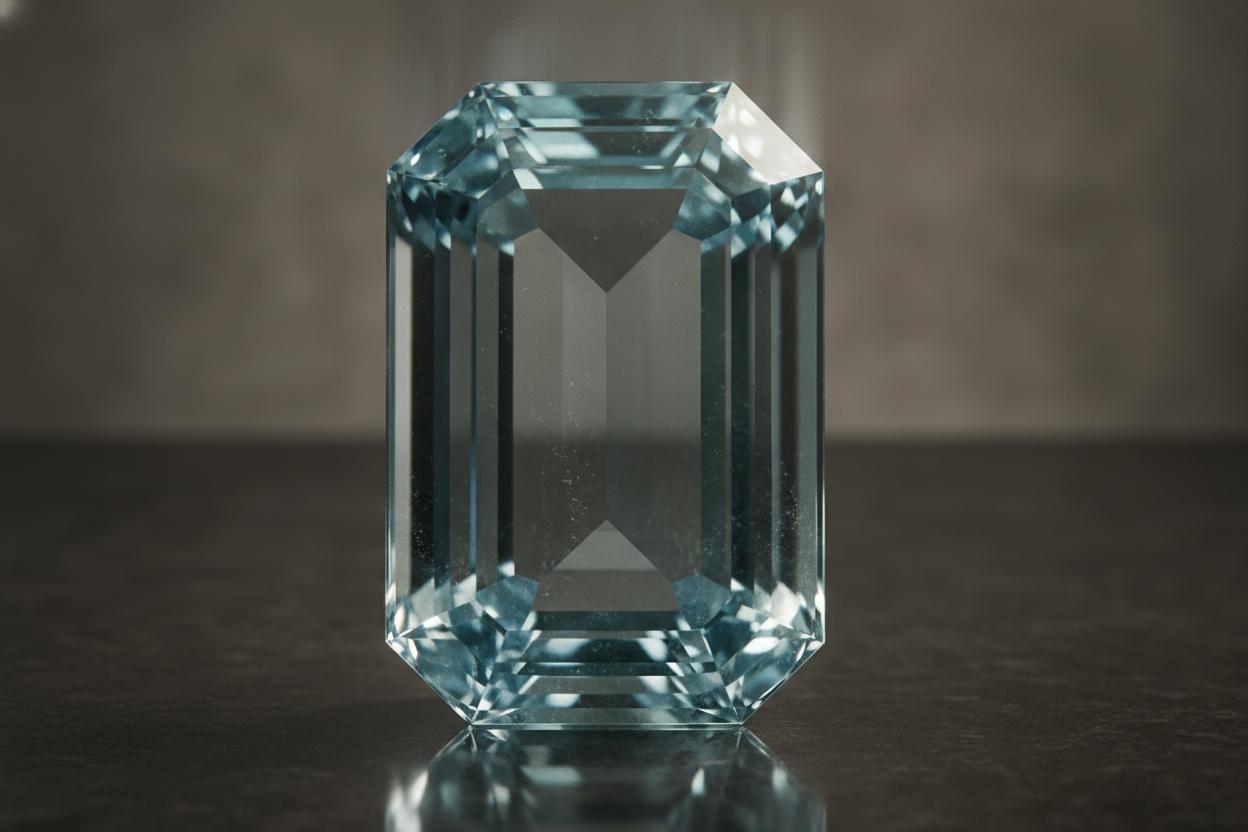
Discover the serene allure of Aquamarine, a gemstone that embodies the tranquil beauty of the sea. Known for its captivating blue hues, ranging from the lightest sky blue to deep oceanic tones, Aquamarine is treasured for its clarity and vibrant colour. Our collection showcases origins from the rich deposits of Africa, Zambia, India, Mozambique, Madagascar, and Brazil, each bringing its unique touch to this exquisite gem.
Many of our Aquamarines are enhanced through gentle heating, a customary practice that enriches their natural colour, while a selection remains unheated, preserving their innate beauty. The value of Aquamarine is significantly influenced by its colour intensity, clarity, and expert cut, with prices starting from around $38 per carat. Each stone is a unique masterpiece, with many accompanied by a laboratory certificate from esteemed institutions such as GRS, GIA, GIT, and ICALAB, ensuring authenticity and quality.
Judging quality
02What drives the value
- Colour saturation
- Clarity
- Cut quality
- Size
What to watch for when buying
- Overpaying for low-quality stones
- Misunderstanding treatment implications
- Confusing with lower-quality blue stones
Inclusions you may see
- Liquid inclusions
- Gas bubbles
- Crystals
Origin, treatment and trade names
03Where it comes from
TreatmentAs disclosed for the stones we sell; every listing states its own.
Trade names
Price per carat
04- Typical price
- $83 per carat
- Most stones
- $51–$158 per carat
- Based on
- 1425 stones in our stock, updated weekly. Aquamarine prices by carat size →
From our stock
05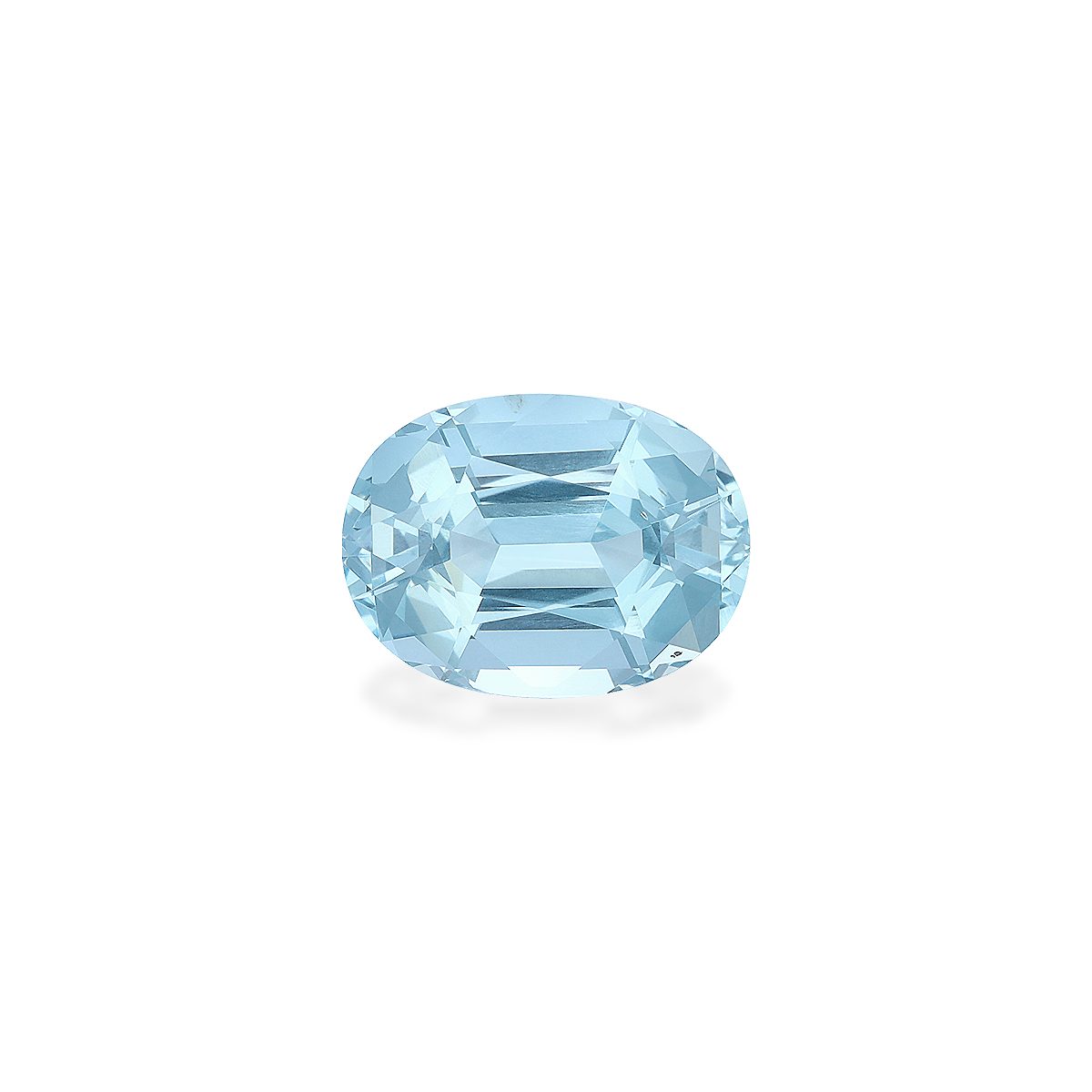
From the journal
06
Frequently Asked Questions
07Where does Aquamarine come from?
+
Aquamarine in our collection originates from Africa, Zambia, India, Mozambique, Madagascar, and Brazil, each offering distinct characteristics to the gem.
Is Aquamarine treated?
+
Many Aquamarines undergo heat treatment to enhance their natural colour, while some remain unheated, showcasing their original beauty.
What determines the value of Aquamarine?
+
The value of Aquamarine is primarily driven by its colour intensity, clarity, and the precision of its cut. Deeper blues with exceptional clarity are particularly prized.
How should I choose an Aquamarine?
+
When selecting an Aquamarine, consider the depth of its colour, clarity, and the quality of its cut. Personal preference for hue and the gem's origin may also guide your choice.
Is Aquamarine certified?
+
Many Aquamarines in our collection are accompanied by a laboratory certificate from GRS, GIA, GIT, or ICALAB. Certification is available on request for any stone.
Shop
Aquamarine
Every stone shows its own price, weight, origin and treatment. Browse our aquamarine, or contact our team for personal help choosing one.