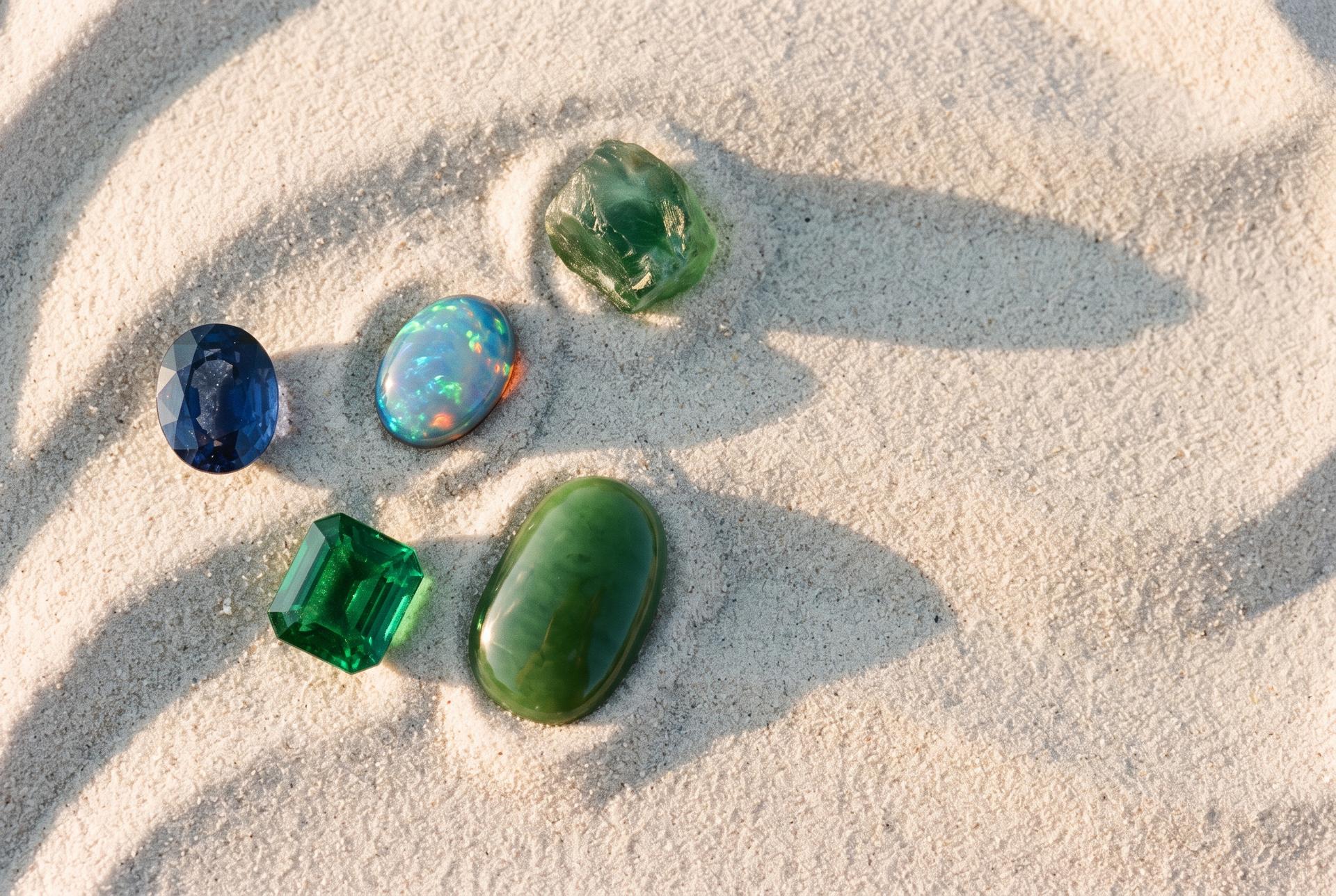
Gemstone Durability: Wear, Care, Cut
Durability is three separate properties, not one: hardness (resistance to scratching), toughness (resistance to chipping and breaking) and stability (resistance to heat, light and chemicals). Any useful gemstone durability guide weighs all three — diamond sits at Mohs 10 yet cleaves along four directions, while jade rates only around 6.5–7 and is among the hardest gems on earth to break. For a ring worn every day, favour stones at Mohs 7.5 or above with no easy cleavage: sapphire, ruby, spinel, chrysoberyl, diamond. Softer or cleavage-prone material — opal, moonstone, tanzanite, pearl, emerald — belongs in earrings, pendants and occasional-wear rings.
The rest follows from that framework: how cutting style creates weak points, which cleaning methods are safe, and which mountings absorb the impacts a stone would otherwise take itself.
Hardness, toughness, stability
The Mohs scale is a relative scratch ranking, not a measure of strength. It tells you what will mark the surface, nothing about what will split the stone.
The practical threshold is quartz at Mohs 7. Ordinary household dust contains fine quartz particles, so anything below 7 slowly abrades from wiping, pocket contact and normal handling — facet edges dull, polish goes grey, cabochons lose their lustre.
Toughness is independent of hardness and governed largely by internal structure. Cleavage — a plane of weak atomic bonding — is the usual culprit: topaz has perfect basal cleavage, and tanzanite, kunzite and moonstone all part readily under a knock. Jadeite and nephrite, built from interlocking fibrous crystals, resist breakage better than almost anything else despite moderate hardness.
Stability covers the reactions nobody sees coming. Opal can craze if dehydrated or thermally shocked, kunzite can fade under prolonged light, amethyst can lighten with heat, and porous materials — pearl, turquoise, coral, amber — absorb perfume, hairspray and perspiration permanently.
Where familiar gems sit
A rough working order for ring wear, combining all three properties:
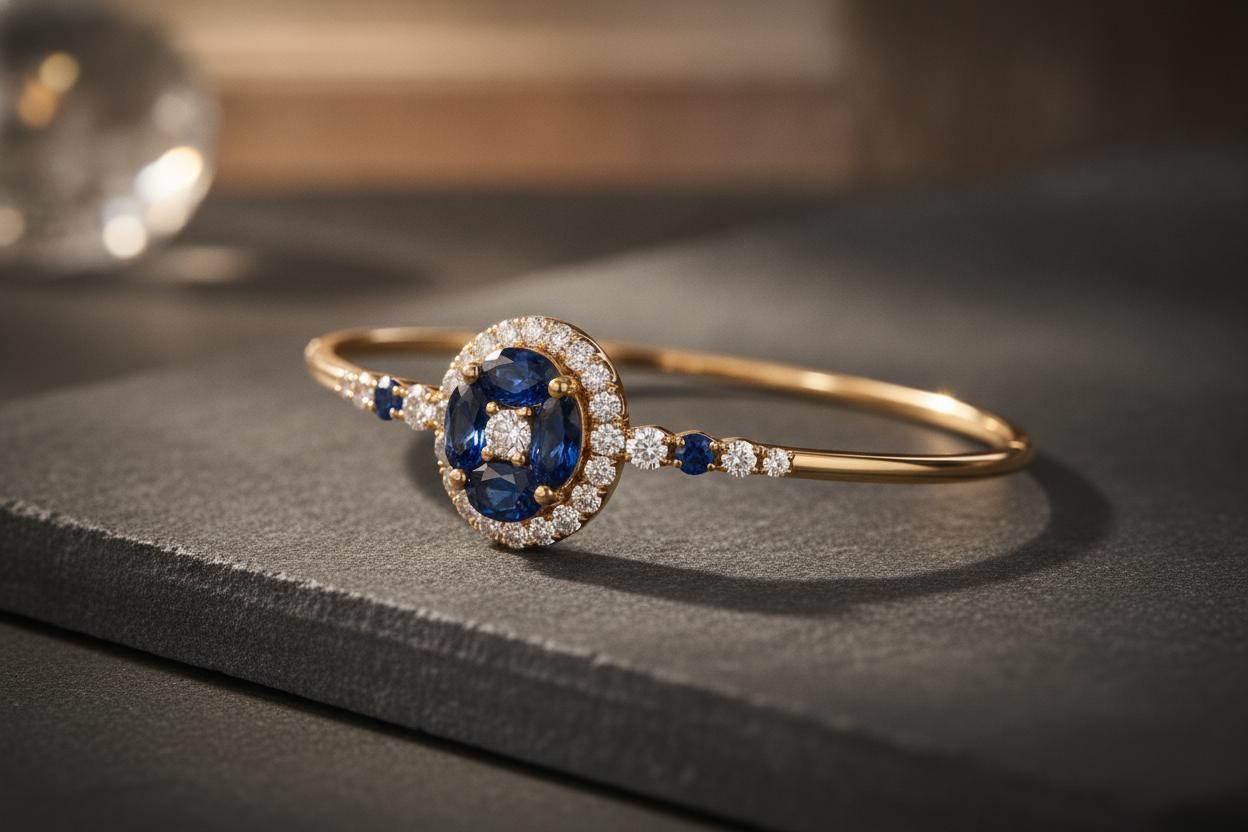
- Excellent for daily wear: diamond (10, but cleaves), corundum — sapphire and ruby (9), chrysoberyl including alexandrite and cat's eye (8.5), spinel (8).
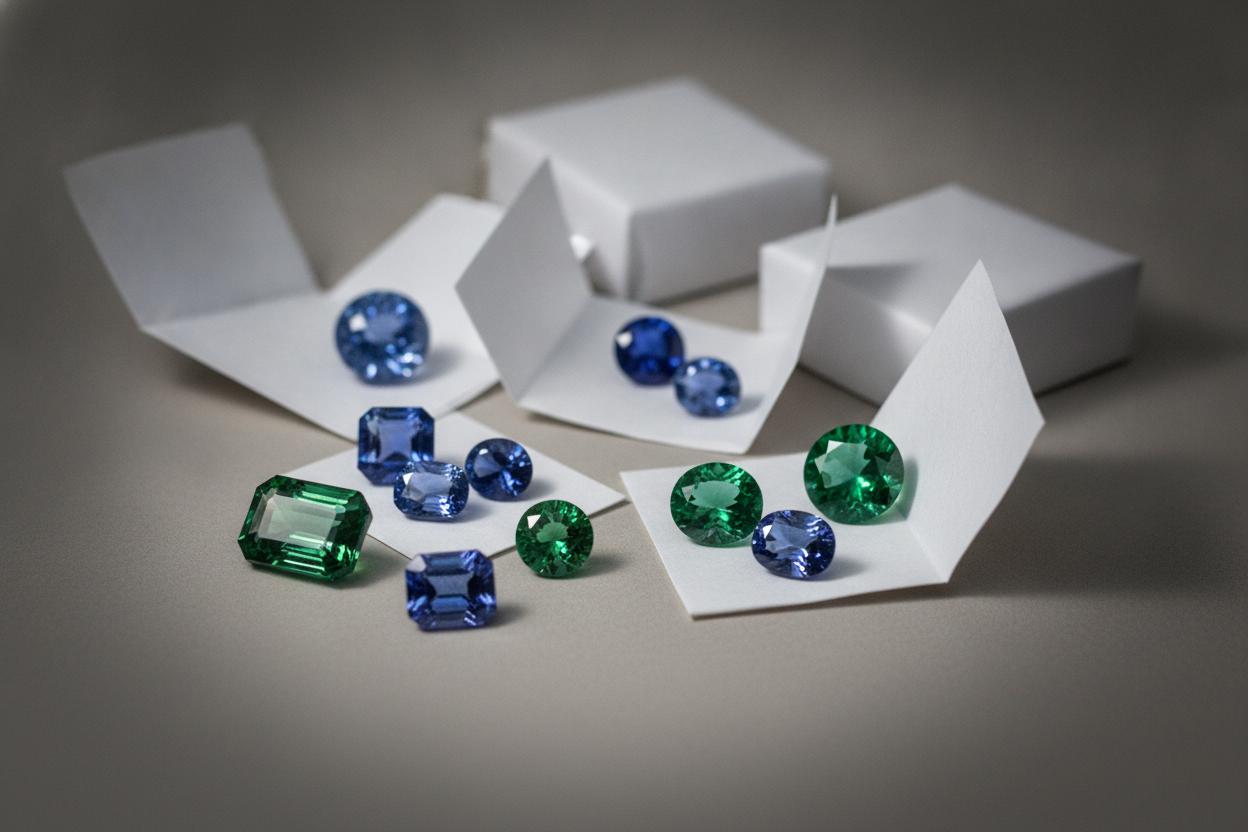
- Good with sensible mounting: topaz (8, cleavage), aquamarine and other beryls (7.5–8), tourmaline (7–7.5), most garnets (6.5–7.5), quartz varieties including amethyst and citrine (7).
- Protected settings or occasional wear: emerald (7.5–8 but typically fissured and oiled), zircon (6–7.5, brittle facet edges), peridot (6.5–7), tanzanite (6–7), moonstone (6–6.5).
- Pendants, earrings and brooches: opal (5.5–6.5), turquoise (5–6), pearl (2.5–4), amber, malachite and coral.
Jade is the deliberate exception — moderate hardness, outstanding toughness, and perfectly suited to a worn bangle provided it is never dropped onto stone.
Cut, shape and weak points
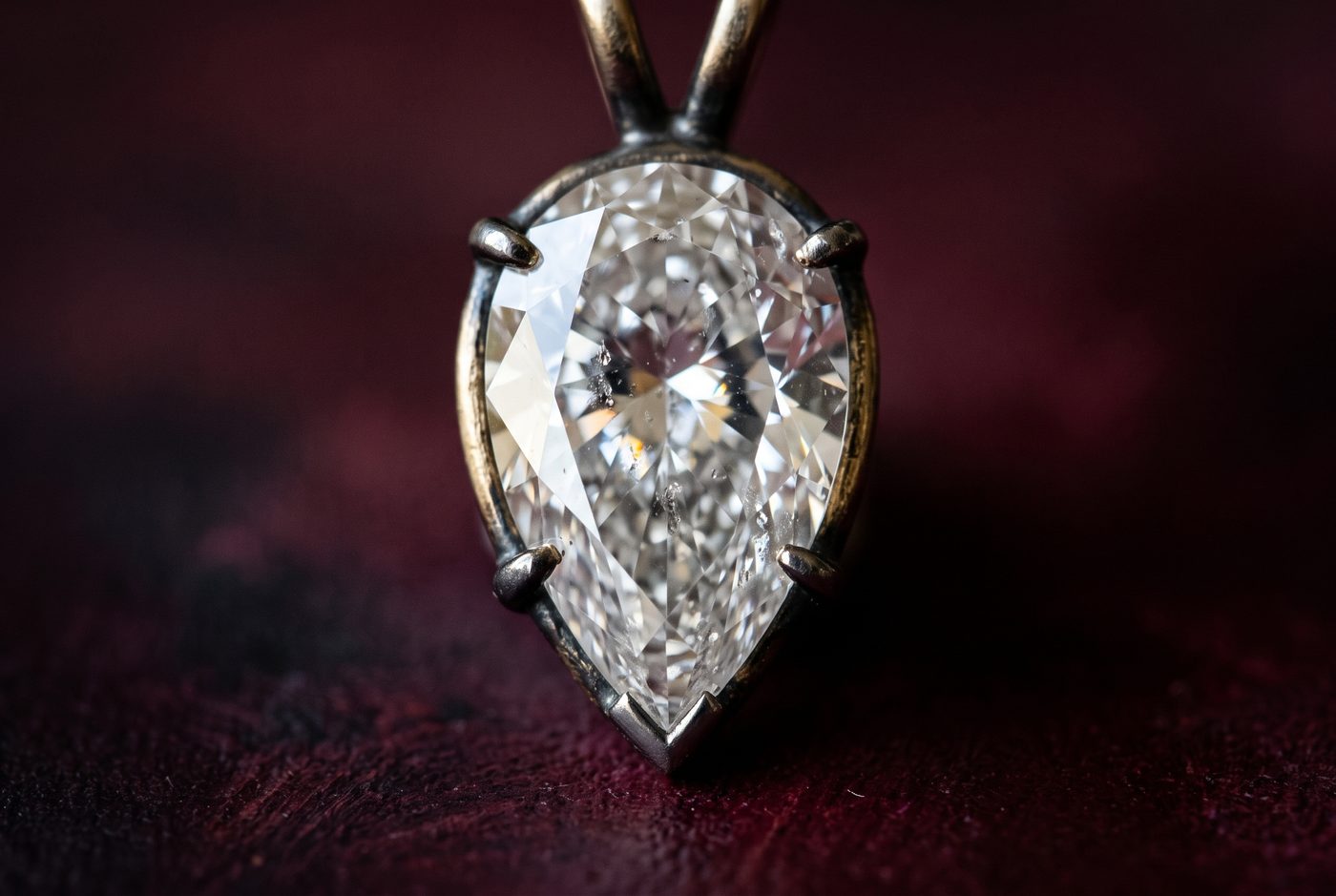
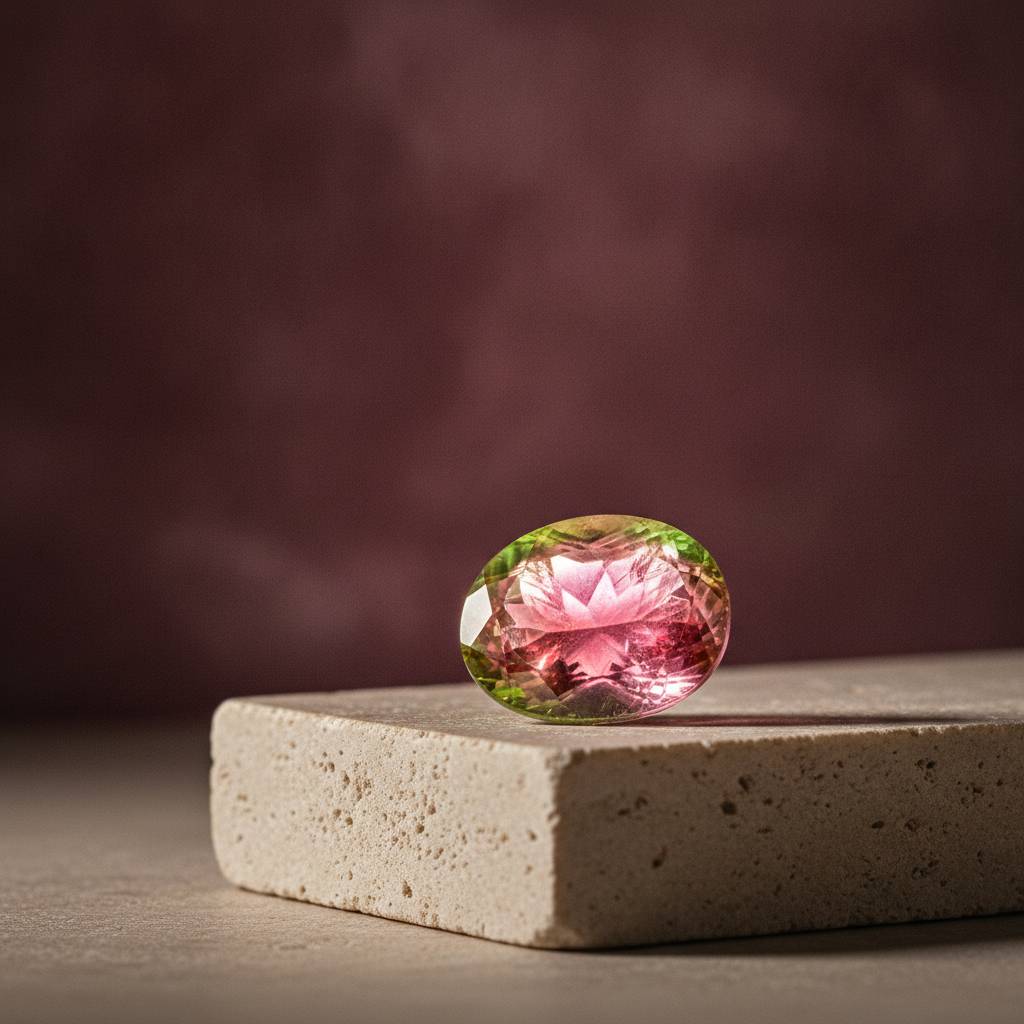
How gemstones are cut changes their survival odds considerably. Sharp corners and points concentrate force, which is why marquise, pear and princess shapes chip at their tips far more often than ovals and cushions of the same material.
Girdle thickness matters just as much. A knife-edge girdle looks elegant and leaves no margin — a single knock against a door frame removes a chip that cannot be polished out without recutting the stone.
For cleavage-prone species, orientation is the cutter's defence. A competent lapidary angles the table away from the cleavage plane so impacts do not strike it squarely; this is routine practice in good topaz and tanzanite cutting and invisible to the buyer.
Cabochon cutting suits soft and fragile material for the same reason a rounded tool handle outlasts a square one: no edge, no point, no stress concentration.
Cleaning methods by risk
Warm water, a drop of mild dish soap and a soft toothbrush is safe for essentially every gemstone and removes the film of skin oil that dulls brilliance. Rinse, then dry on a lint-free cloth rather than a towel that can snag prongs.
Reserve mechanical cleaning for stones that genuinely tolerate it.
Ultrasonic and steam
Acceptable for untreated or heat-treated diamond, sapphire, ruby and spinel that are free of significant fissures. Vibration propagates existing cracks, so any stone with reaching feathers should be hand-cleaned regardless of species.
Never ultrasonic or steam
Emerald, opal, pearl, turquoise, tanzanite, moonstone, lapis lazuli, malachite, coral and amber. The same prohibition applies to any fracture-filled, dyed, impregnated or glass-filled stone — the treatment is usually what fails first.
Avoid chlorine, bleach and acetone entirely. Chlorine attacks the alloys in gold and can pit solder joints, which is how stones quietly loosen in their settings.
Mountings that absorb impact
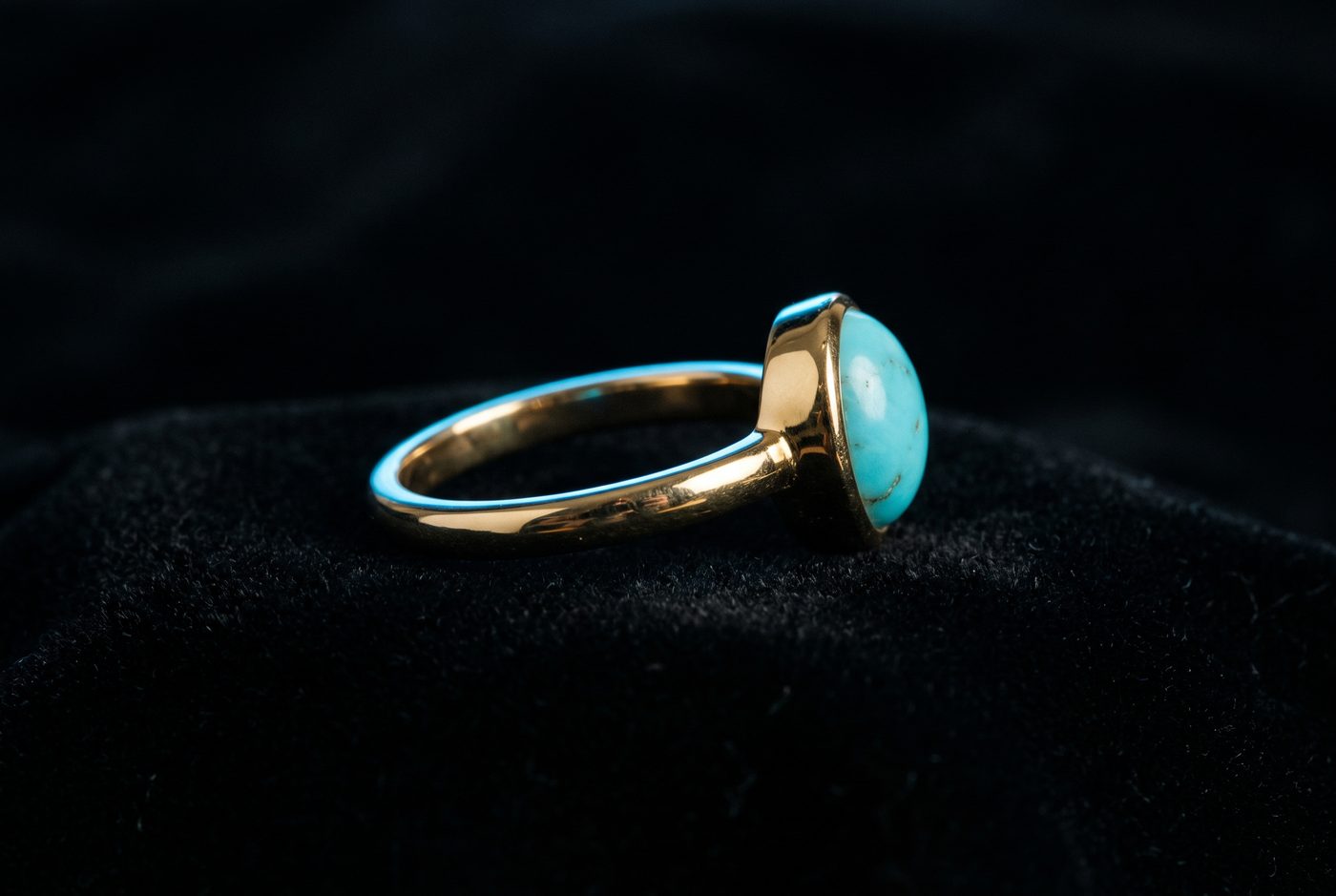
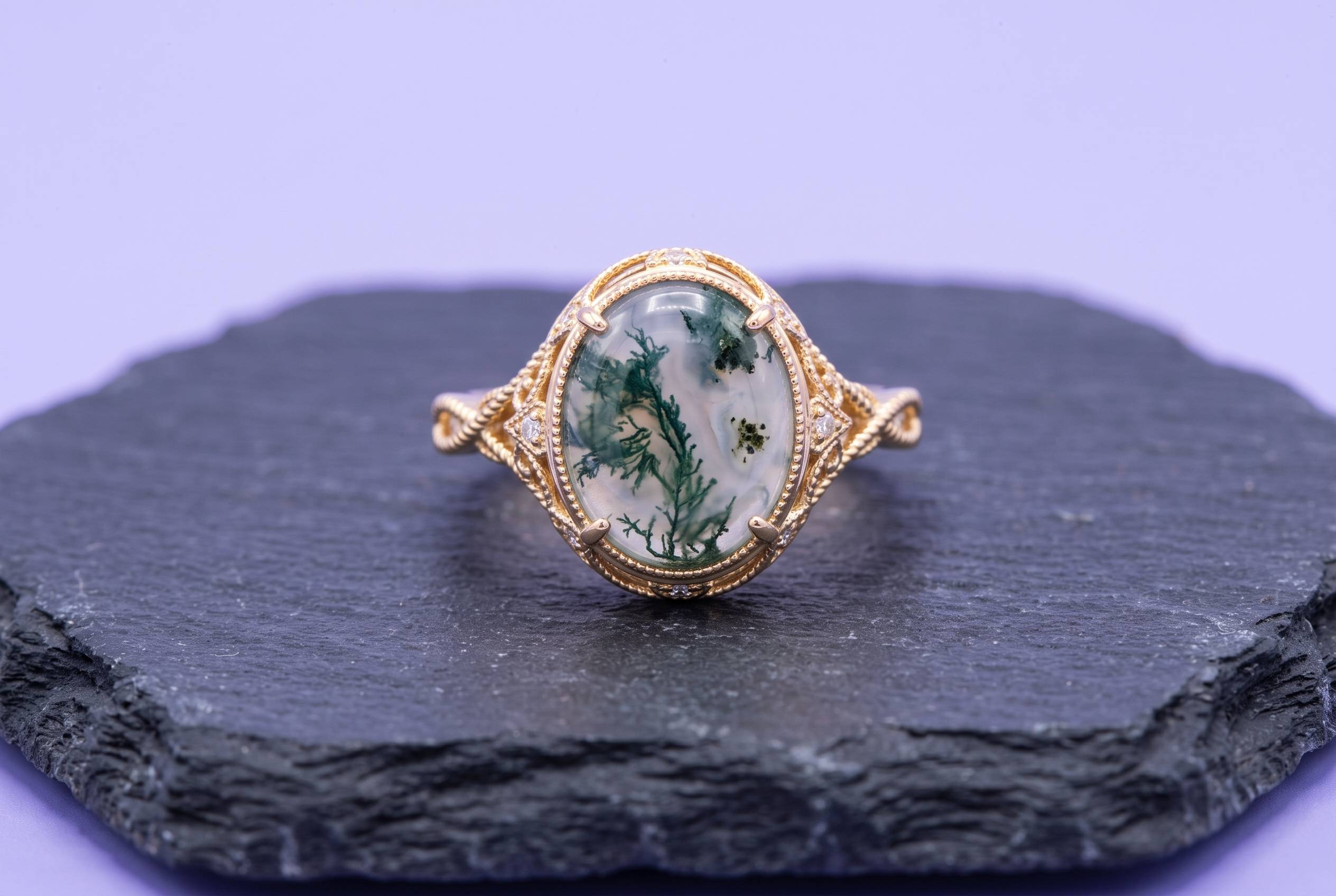
A setting should take the blows the gem would otherwise take. Bezels do this best, enclosing the girdle in metal and shielding the most vulnerable zone — the sensible choice for opal, moonstone, peridot and emerald in rings.
Where prongs are used, V-prongs over the points of pears, marquises and princess cuts are not optional on brittle material. Six prongs distribute pressure better than four, and slightly heavier prongs on a low-profile head will outlast tall, thin claws.
Height is the quietest variable. A stone set low against the finger meets fewer obstacles than one raised on a cathedral mount, and loses far less material to abrasion over a decade.
Have prongs checked annually by a bench jeweller. Most lost stones were loose for months first.
A gemstone durability guide checklist
- Match the stone to the wear pattern before you fall for the colour.
- Ask whether the species has cleavage, not only its Mohs number.
- Inspect the girdle and any points under magnification for existing chips.
- Confirm all treatments — they dictate cleaning and repair limits.
- Remove rings for gardening, gym work, cleaning and swimming.
- Store pieces separately in soft pouches; harder gems scratch softer ones.
- Tell any jeweller the exact species before heat is applied for sizing.
Well-chosen and well-set, a gemstone outlives its owner. Most damage traces back to a mismatch between the stone's properties and the life it was asked to lead.
Frequently asked questions
Does the way gemstones are cut affect durability?+
Yes. Sharp points on marquise, pear and princess cuts concentrate impact and chip more readily than rounded outlines, and knife-edge girdles leave no margin for a knock. For cleavage-prone species, a cutter who orients the table away from the cleavage plane meaningfully improves the stone's resistance to breakage.
What is the lowest Mohs hardness suitable for an everyday ring?+
Around 7.5 and above is the safe range for daily wear, provided the stone has no easy cleavage. Below Mohs 7, airborne quartz dust alone will gradually abrade the polish and soften facet edges, so softer gems are better suited to pendants and earrings.
Is hardness the same as toughness?+
No. Hardness measures resistance to scratching; toughness measures resistance to chipping and breaking. Diamond is the hardest gem known yet cleaves along four directions, while jade at roughly Mohs 6.5–7 is exceptionally difficult to break because of its interlocking fibrous structure.
Which gemstones must never go in an ultrasonic cleaner?+
Emerald, opal, pearl, turquoise, tanzanite, moonstone, lapis lazuli, malachite, coral and amber, along with any fracture-filled, dyed or impregnated stone. Ultrasonic vibration propagates existing fissures and can strip fillings and oils; warm soapy water and a soft brush is the safe alternative.
Do bezel settings really protect a gemstone better than prongs?+
A bezel encloses the girdle in metal, shielding the thinnest and most chip-prone part of a faceted stone, which is why it suits opal, moonstone, peridot and emerald in rings. Prong settings expose more of the stone but allow more light in, so V-prongs over points and a low profile are the compromise.
How often should settings be checked?+
Once a year for rings worn daily, and after any sharp knock. Most stones lost from jewelry were loose for weeks or months beforehand, and a bench jeweller can retip or tighten prongs long before the gem is at risk.
From our Journal
Buying guides, origin stories, and notes from the trade.