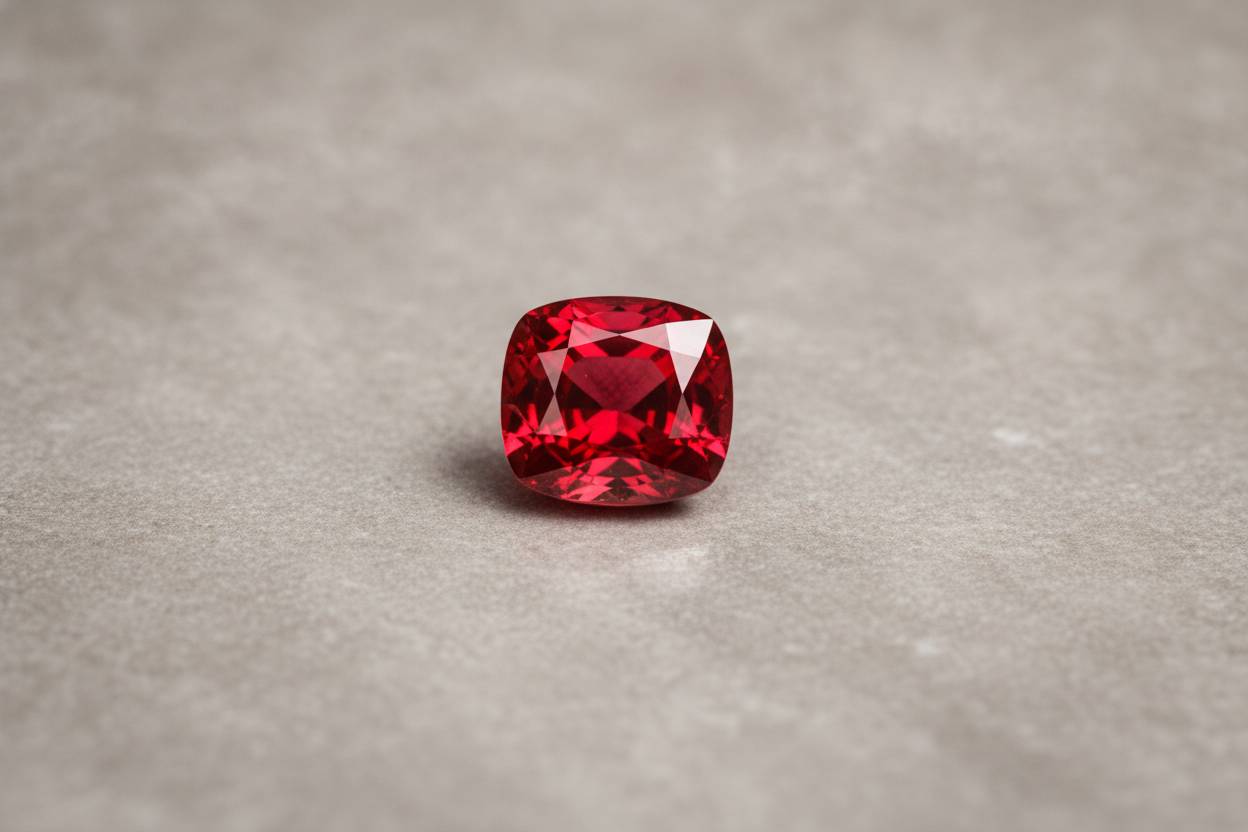
Ruby Hardness, Value Factors and Pricing
Ruby price is driven overwhelmingly by colour, then by transparency, treatment status, size and origin — in that order. Ruby hardness (9 on the Mohs scale, second only to diamond) governs how the stone survives daily wear, but it barely moves the price, because every ruby shares it. The single largest price fork in the market is treatment: an unheated stone with a respected laboratory report and a lead-glass-filled stone of identical face-up colour can sit in entirely different price universes.
The practical consequence is simple. Judge the colour and transparency with your own eyes, then let a report tell you what you cannot see.
Ruby hardness and what durability buys
Ruby is corundum: trigonal crystal system, refractive index approximately 1.762–1.770, specific gravity around 4.00, Mohs hardness 9. That hardness means it resists scratching from almost everything it will meet in ordinary life, which is why ruby has always been a credible daily-wear stone.
Hardness is not toughness, however. Corundum has no true cleavage but can show parting along twin planes, and a stone riddled with fissures reaching the surface is vulnerable regardless of its Mohs number.
Fracture-filled rubies are the important exception. The lead glass inside them is soft and chemically fragile, so it can be etched by lemon juice, pitted by jeweller's pickle and dulled by ultrasonic cleaning. In those stones, ruby hardness protects the corundum but not the filler holding the appearance together.
More from Ruby
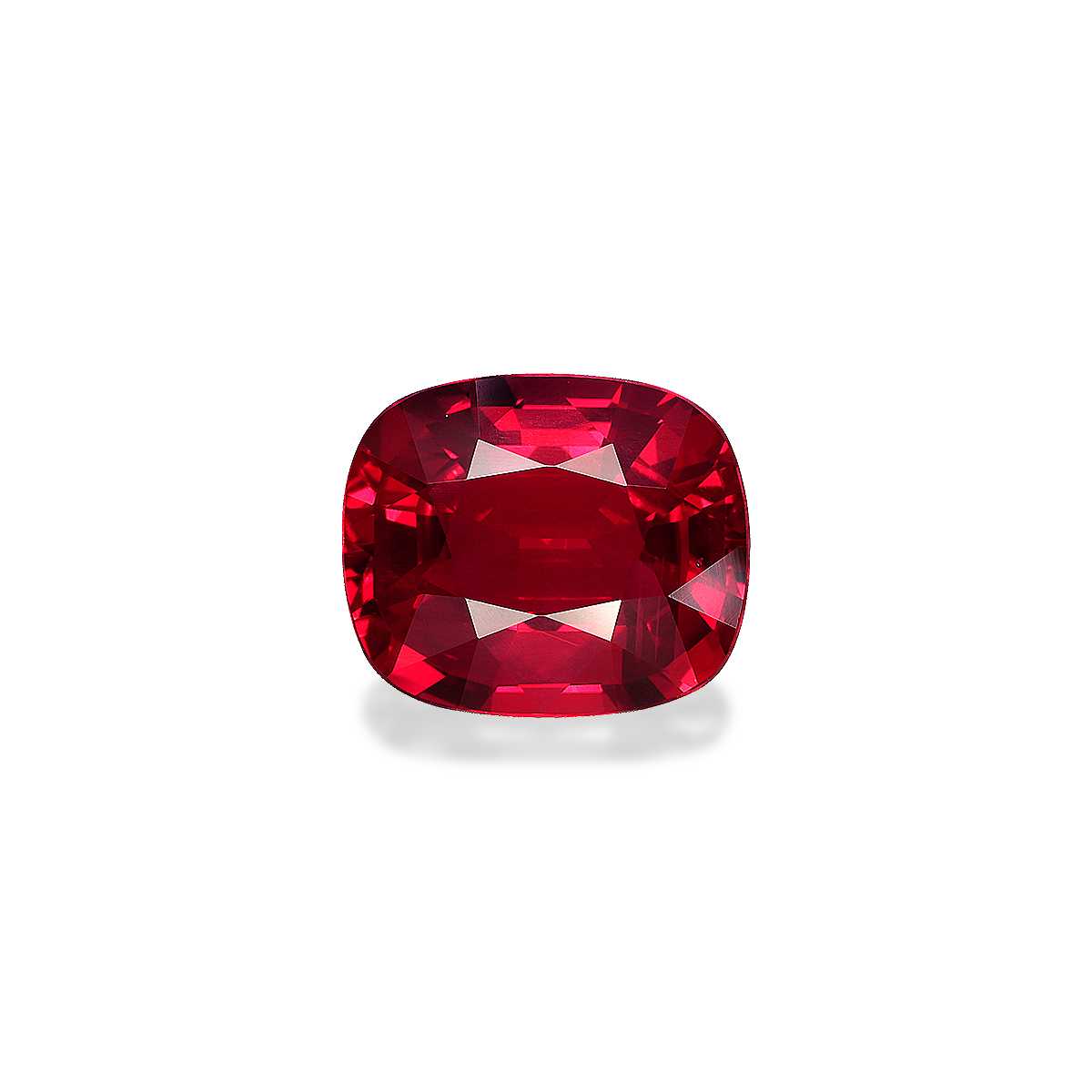
Ruby value drivers, ranked by impact
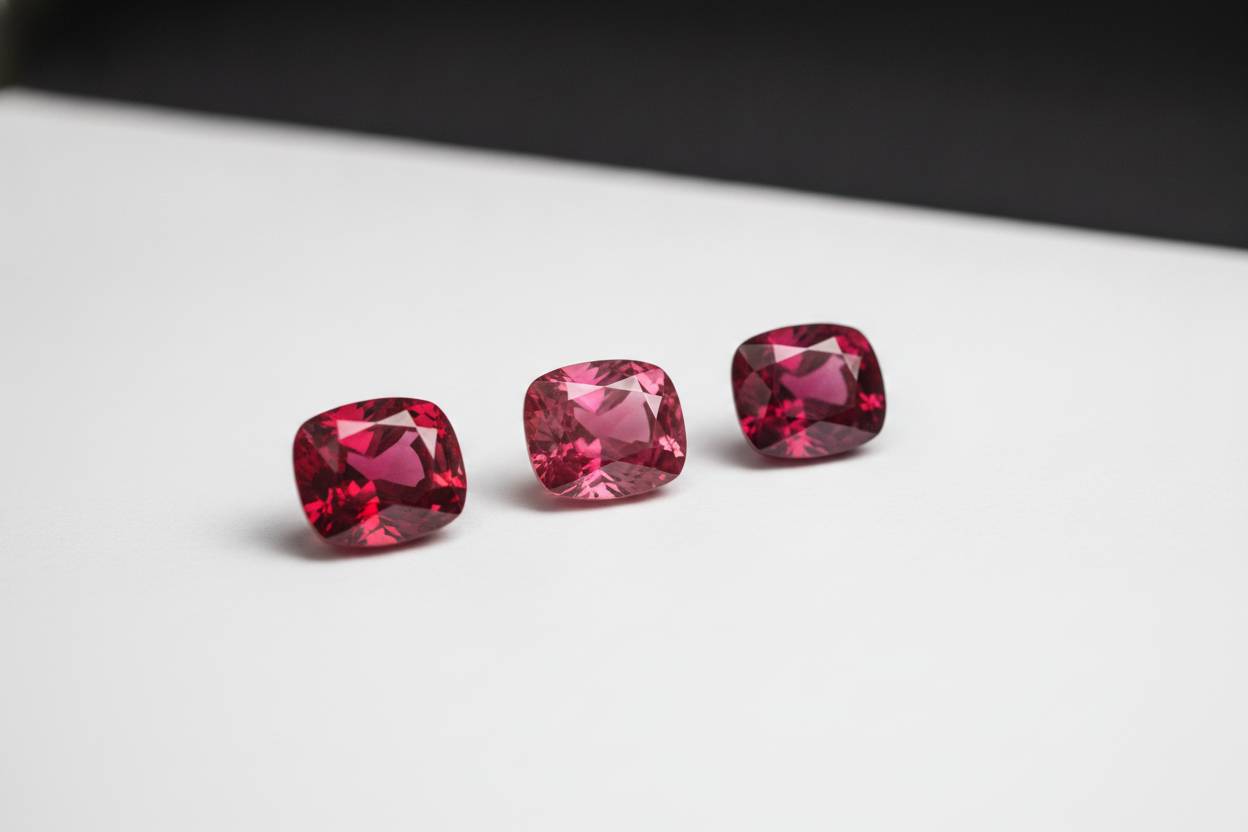
Colour, and then colour again
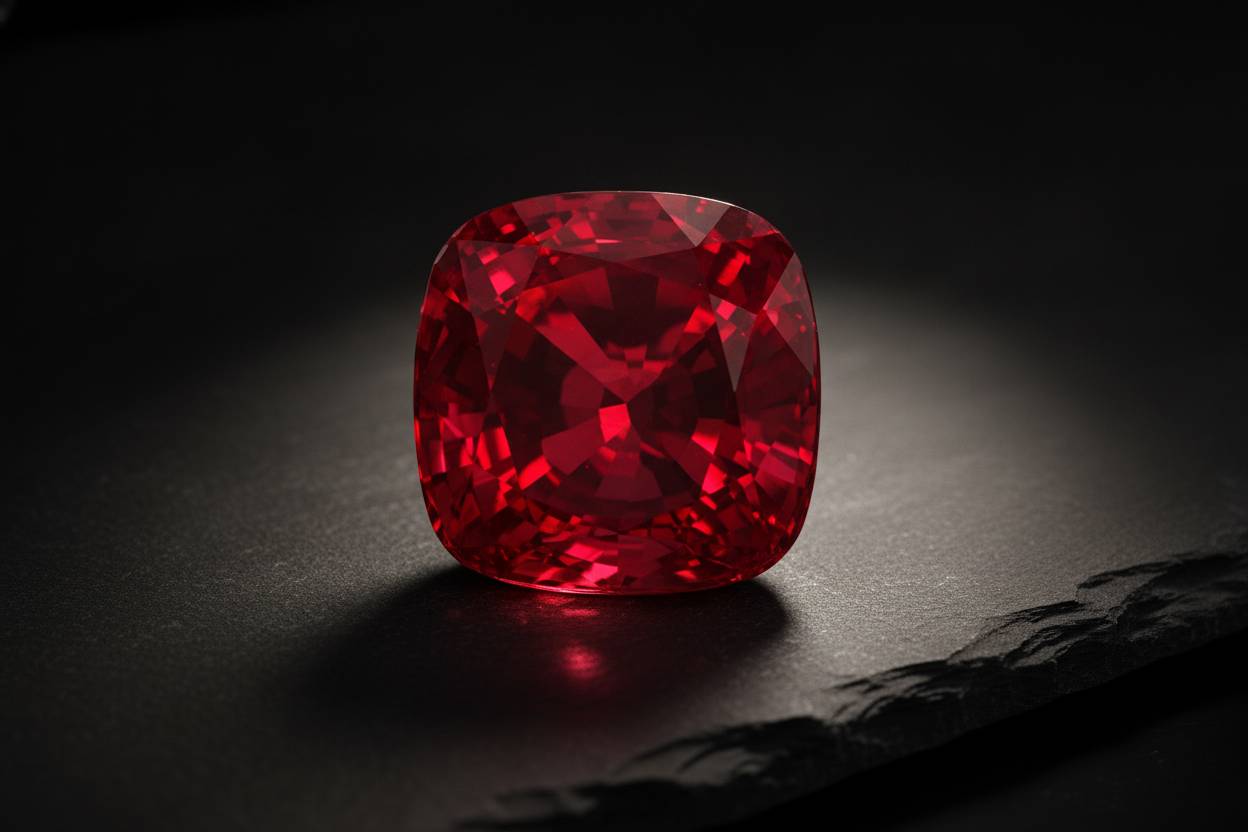
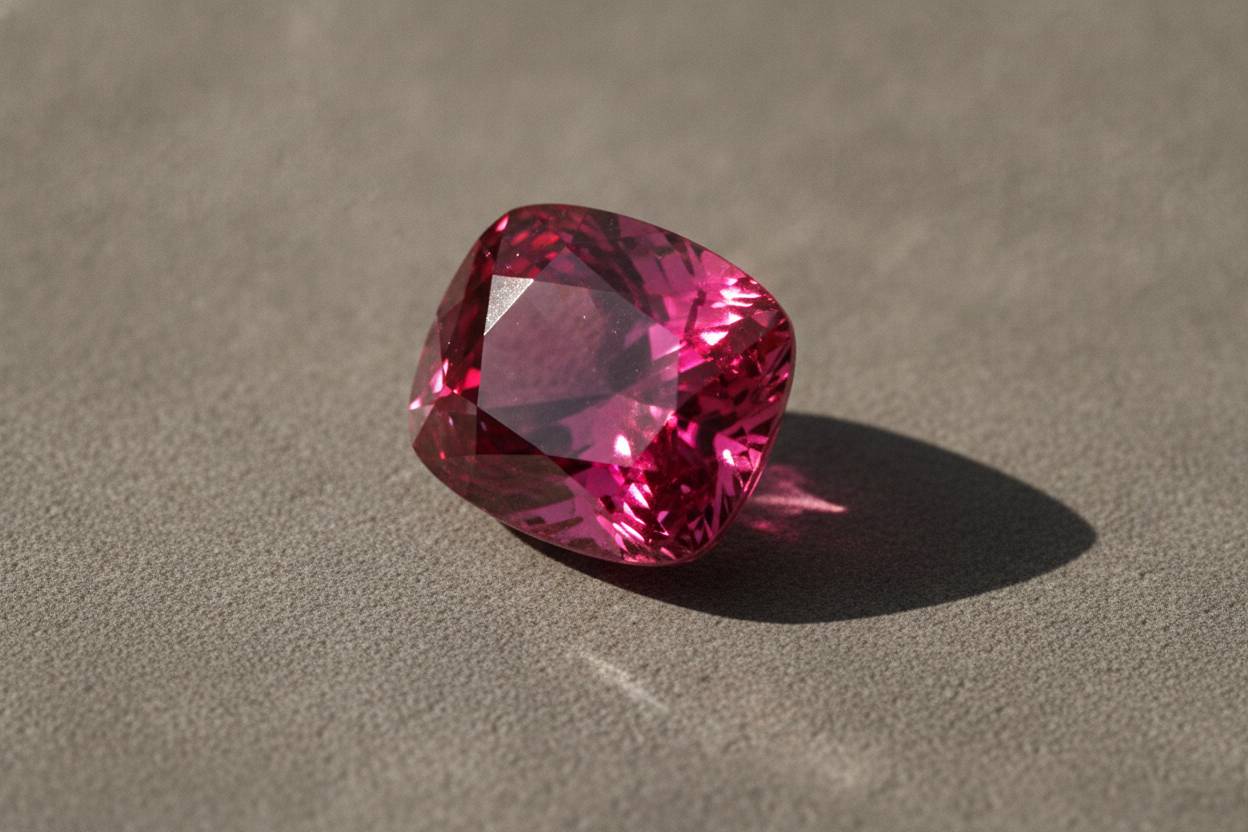
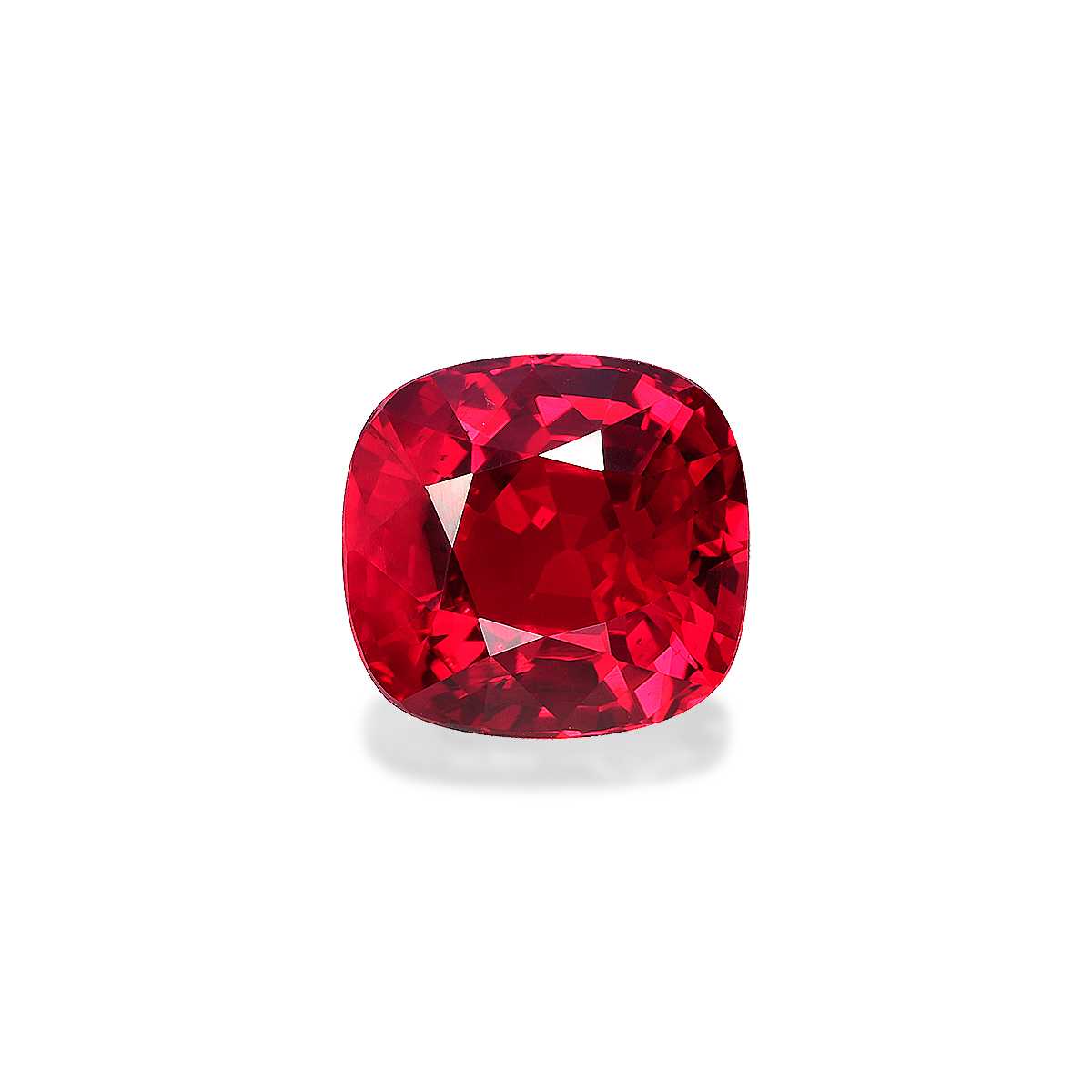
The premium sits in a pure to slightly purplish red of high saturation with medium to medium-dark tone. Stones that drift orange, brown or into pink territory drop away quickly; a stone too dark reads black in low light, and one too light is competing with fine pink sapphire.
The trade term pigeon's blood describes a narrow band of vivid red, often with strong fluorescence. Treat it as a laboratory colour call, not a guarantee of beauty — some reports apply it more generously than others.
Transparency, not flawlessness
Fine rubies are rarely clean. Silk, healed fissures and crystal inclusions are normal, and buyers who chase eye-clean stones at the expense of colour usually end up with something pale.
What matters is whether inclusions scatter light. Dense silk that greys the stone, or a large reflective fissure sitting under the table, costs far more value than a scatter of tiny crystals near the girdle.
Cut and weight retention
Rubies are cut to save weight from expensive rough, so windows, heavy bellies and off-centre culets are common. A window that lets you read print through the table is a real deduction, however good the raw colour.
Treatment status
Conventional heat treatment is widely accepted and disclosed. Flux-assisted healing of fissures and lead-glass filling are progressively less acceptable and priced accordingly; a substantially glass-filled ruby is a composite product, not a fine gemstone.
Origin
Burmese material from Mogok carries the strongest historical premium, with Mozambique from the Montepuez region now supplying much of the market's finest commercial and high-end goods. Madagascar, Thailand, Sri Lanka and Vietnam each have recognisable signatures. Origin is a multiplier on quality, never a substitute for it.
How the price range is built
Ruby pricing is exponential rather than linear. Each step up in saturation, transparency and size compounds, so two stones of the same weight can sit an order of magnitude apart.
Unheated stones with credible reports from GIA, SSEF, Gübelin or Lotus occupy the top of the range. Below that, well-heated stones with good colour represent the most rational value for most buyers.
Ruby price guide
Ruby price guide (per carat, USD)
Based on 320 ruby in stock, updated October 12, 2026.
Star ruby: a market with its own rules
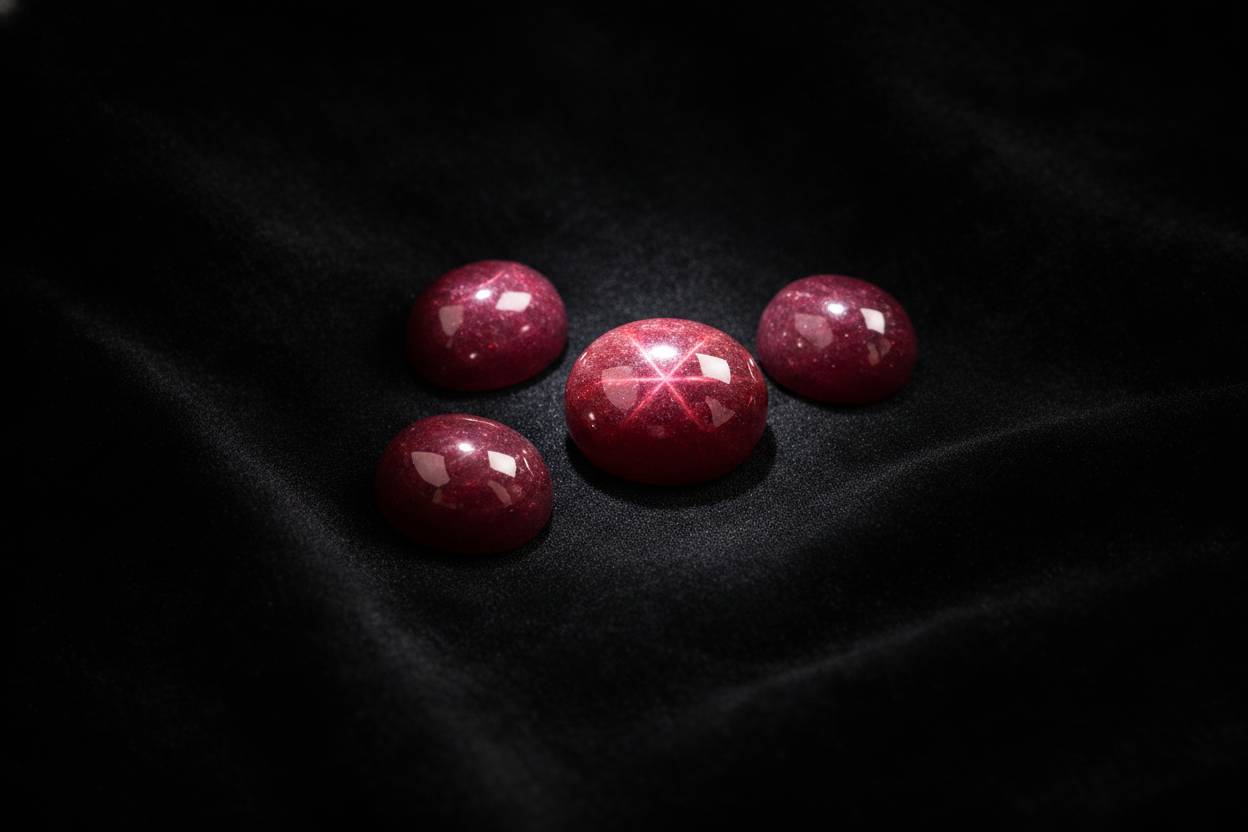
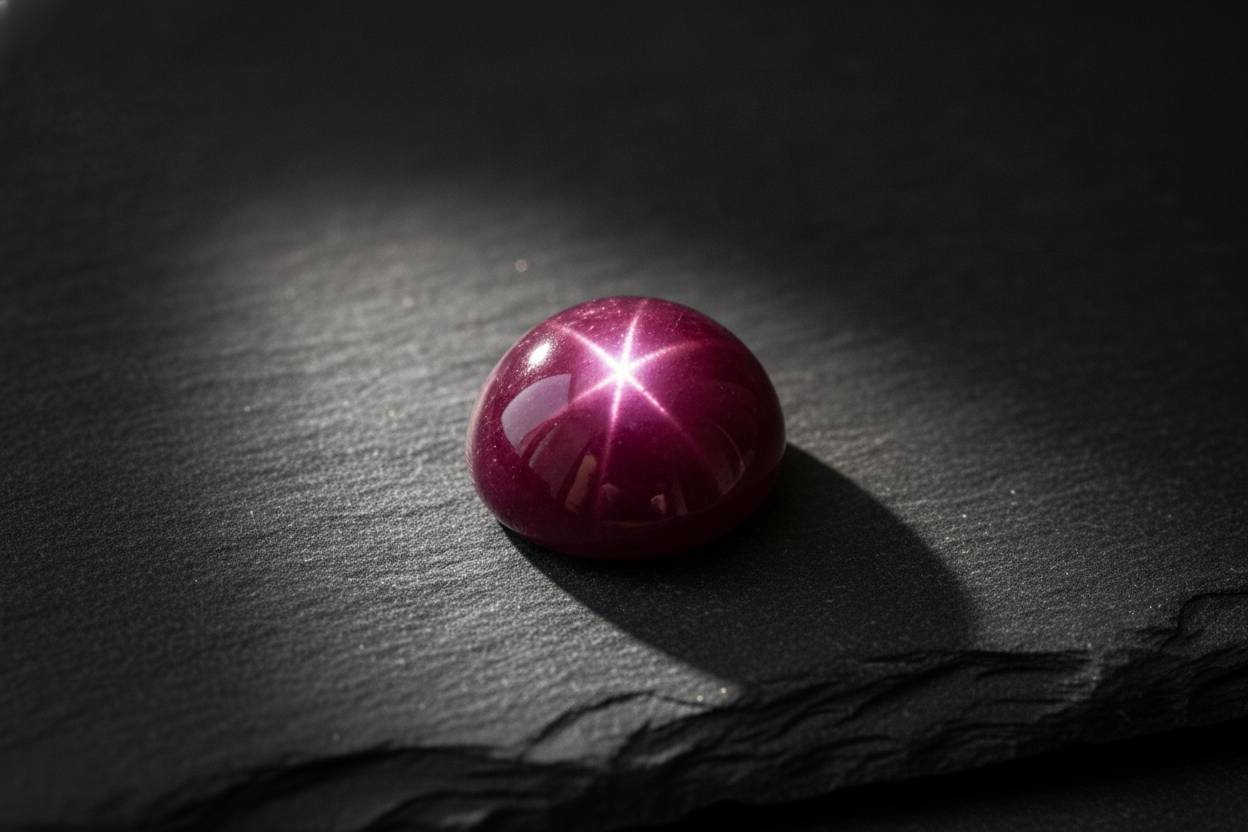
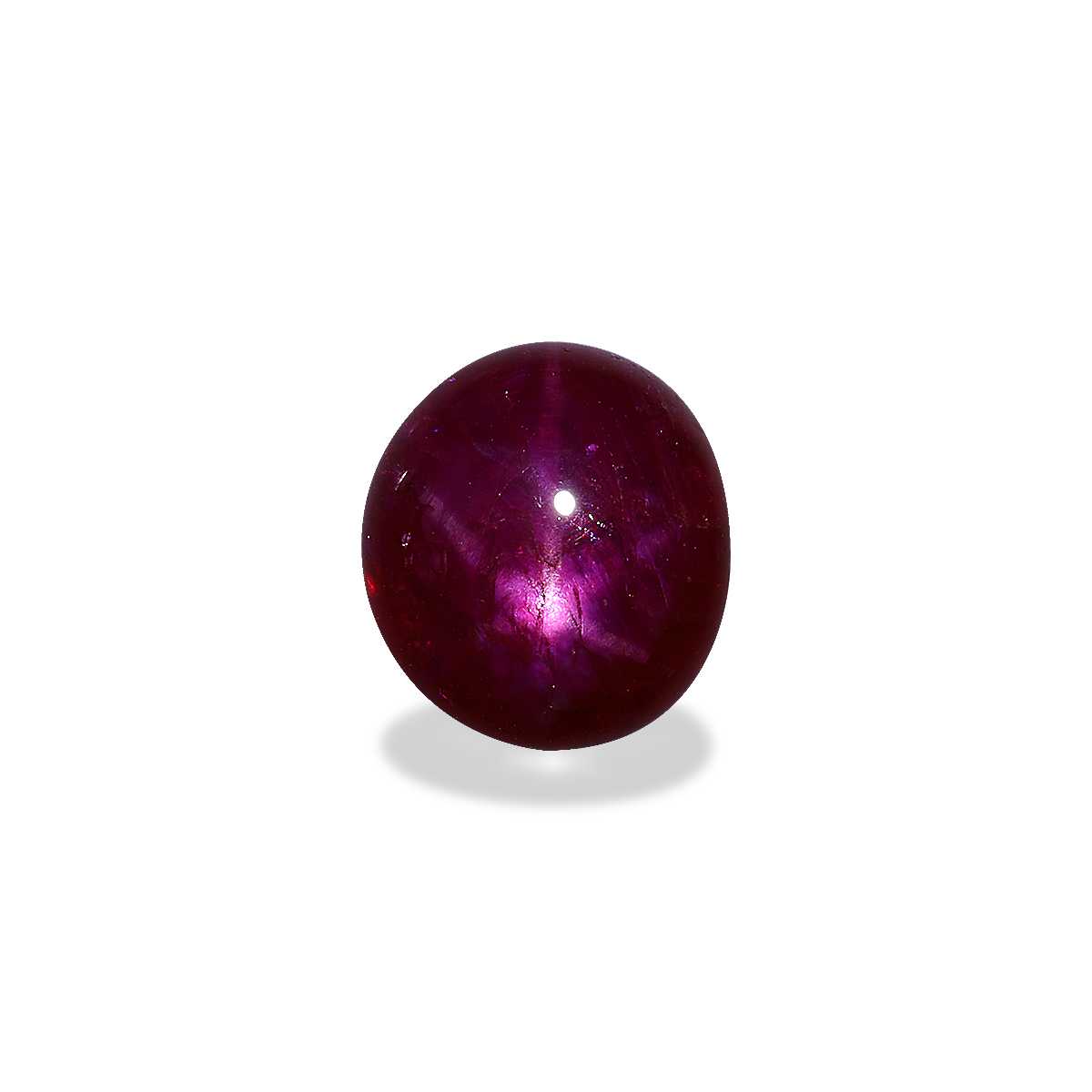
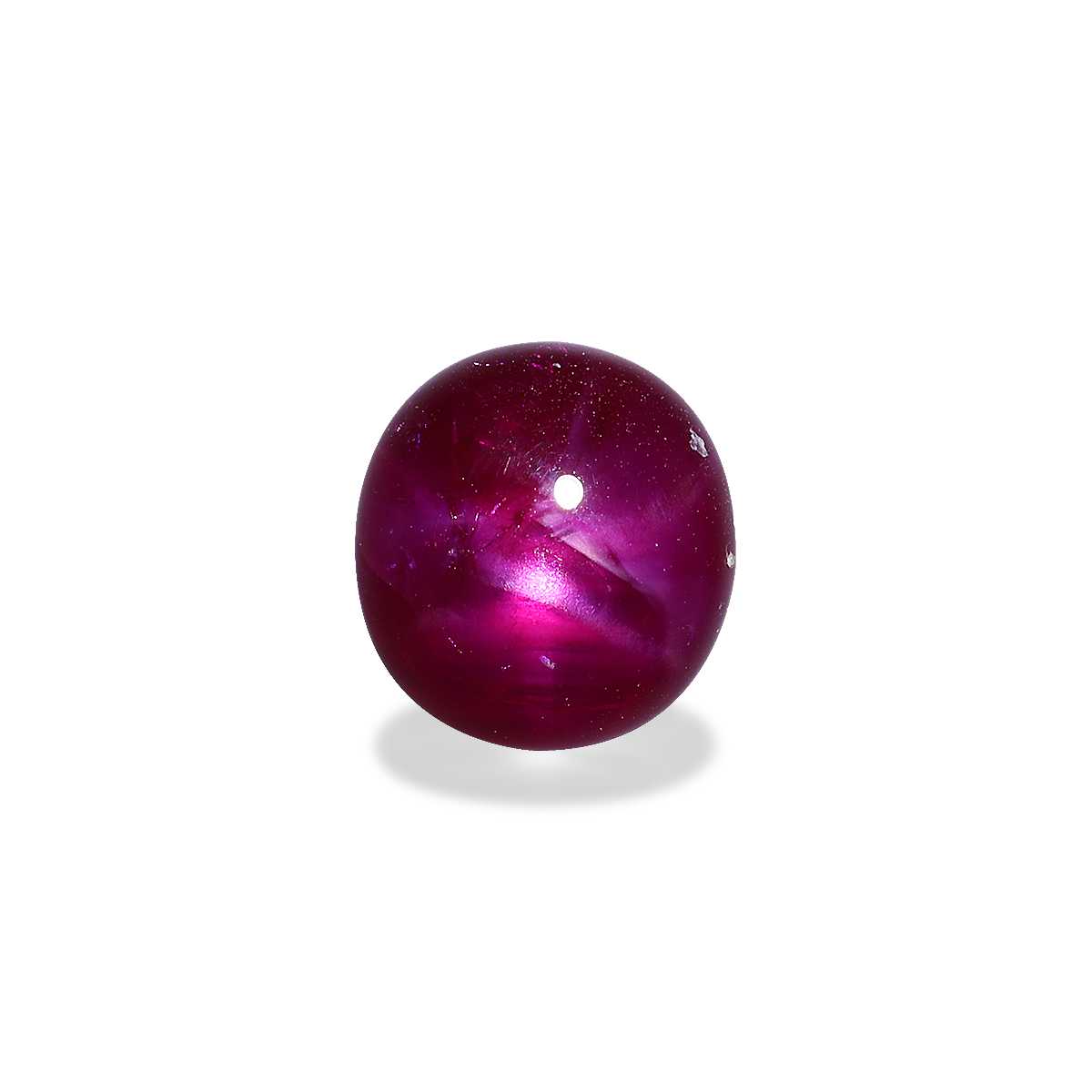
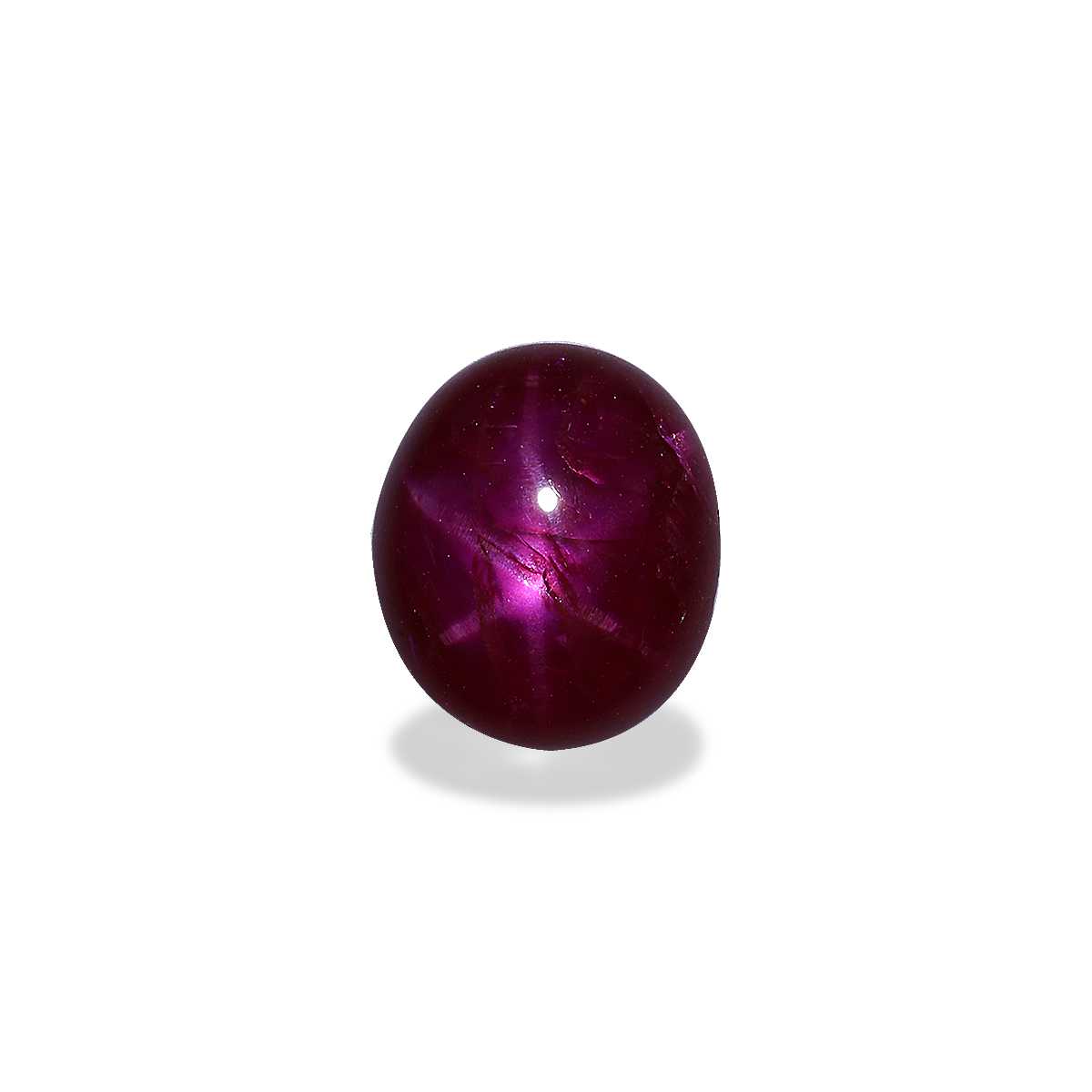
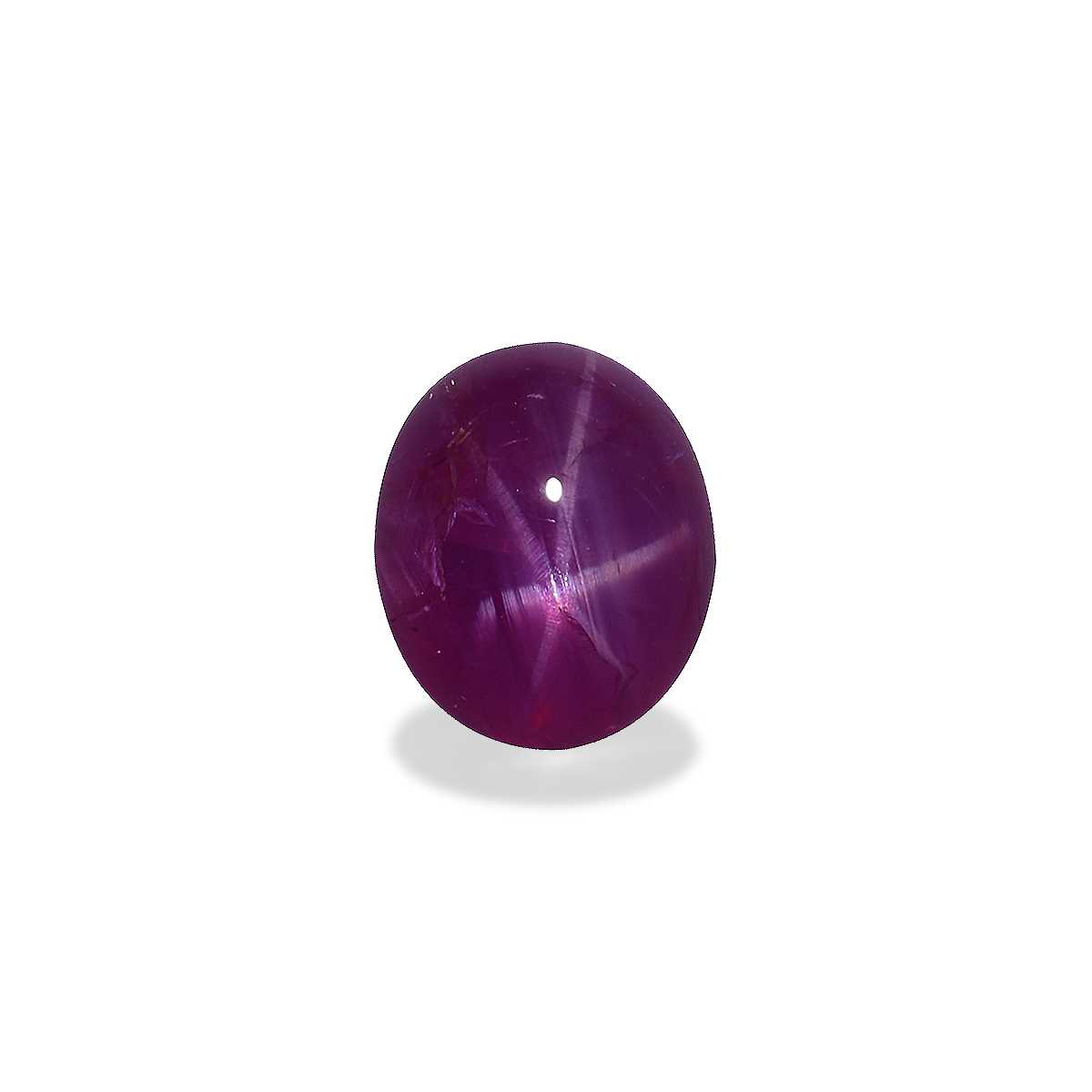
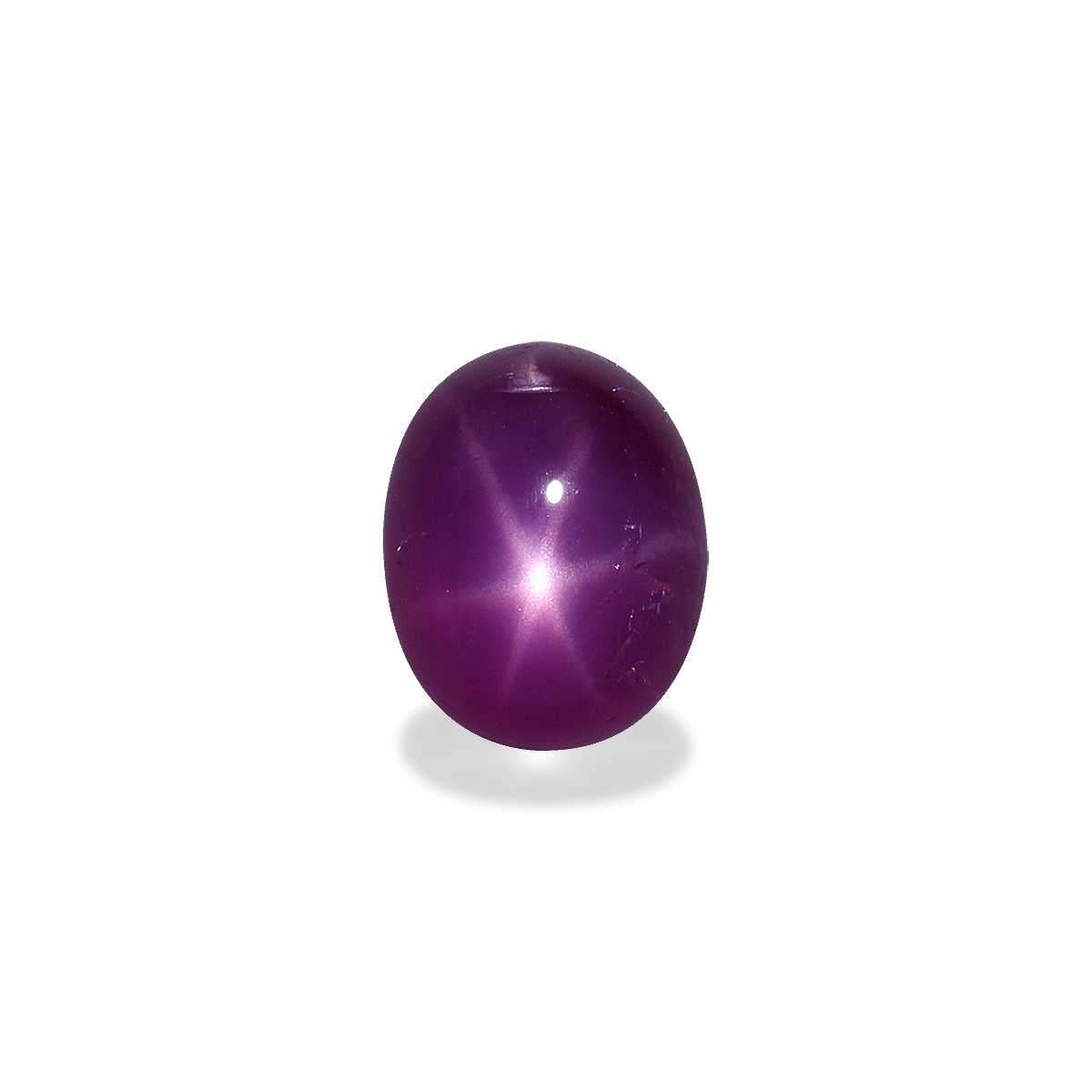
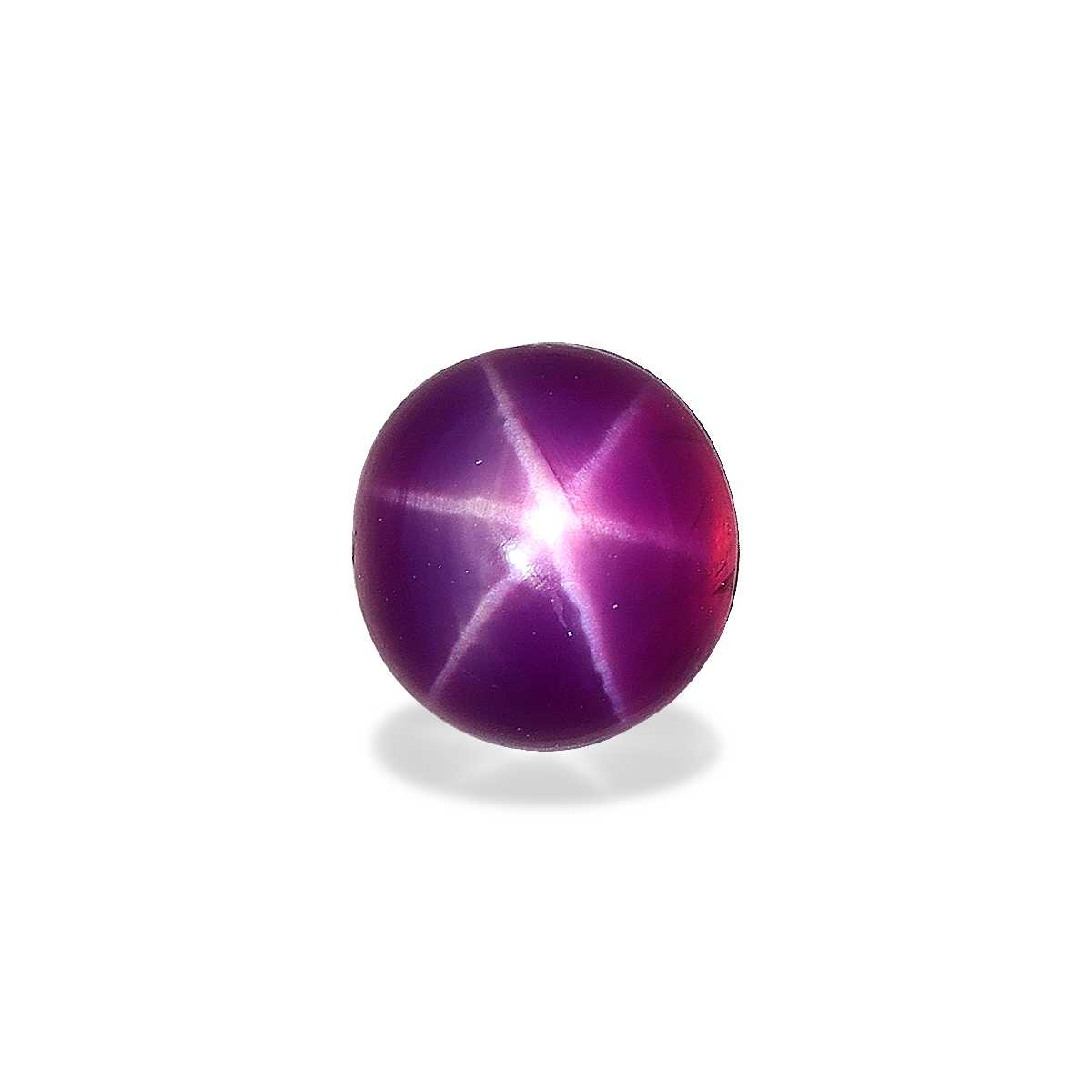
Star ruby owes its six-rayed asterism to oriented rutile needles, which means the very silk that would be a fault in a faceted stone is the whole point here. Judge it on the sharpness, straightness and centring of the rays under a single light source, and on how far the star travels as you rock the stone.
Body colour still matters — an opaque brownish grey star ruby is a modest stone, however clean its rays. Domes should be reasonably symmetrical and not excessively heavy underneath, since weight hidden below the girdle is weight you pay for and never see.
Diffusion-treated star corundum exists, where a surface layer creates or intensifies both colour and asterism. Any star ruby bought at a serious price deserves a laboratory report.
Mistakes that cost buyers the most
- Buying colour from a photograph. Ruby is strongly affected by lighting and fluorescence; view it in daylight and in shaded light before deciding.
- Accepting a report that omits treatment. A memo stating only species and weight tells you nothing about value.
- Paying an unheated premium on a modest stone. Unheated status adds most where colour is already fine.
- Ignoring the setting. A deep pavilion hidden in a bezel can conceal a window or a badly extinct stone.
- Cleaning a filled ruby in an ultrasonic. Ruby hardness will not save the glass inside it.
A ten-minute inspection routine
- View face-up in diffused daylight, then under incandescent light, and note how much the colour shifts.
- Tilt the stone to check for extinction — dark zones that swallow the red.
- Hold it over printed text to test for a window.
- Use a 10x loupe: look for flash effects and gas bubbles that suggest glass filling, and for chalky blue reactions if a longwave UV lamp is available.
- Weigh the stone against its measurements; an unusually heavy result suggests a bulging pavilion.
- Read the report in full, including the treatment line and any comment on origin.
Buy the stone rather than the description. A ruby that holds its red across lighting conditions, stays lively when tilted and carries an honest report will outperform a nominally superior one on paper every time.
Frequently asked questions
How hard is ruby, and is it safe for daily wear?+
Ruby is corundum with a Mohs hardness of 9, second only to diamond, so it resists scratching from ordinary contact. It is well suited to daily-wear rings, provided the stone is not heavily fractured or lead-glass filled.
What makes one ruby far more expensive than another of the same weight?+
Colour is the dominant factor, followed by transparency, treatment status and origin. An unheated stone of vivid pure red with a respected laboratory report can be worth many times a heated or glass-filled stone of the same size.
Is a heated ruby worth buying?+
Yes. Conventional heat treatment is stable, widely accepted and disclosed on reports, and well-heated rubies offer the most rational value for most buyers. What should be avoided at fine-gem prices is lead-glass fracture filling.
How do I judge a star ruby?+
Examine it under a single point light source and assess whether the six rays are straight, sharp, centred and mobile as the stone is tilted. Body colour and dome symmetry also matter, and any significant purchase should carry a laboratory report to rule out diffusion treatment.
Can I clean a ruby in an ultrasonic machine?+
Untreated and conventionally heated rubies generally tolerate ultrasonic cleaning, though warm soapy water and a soft brush are safer. Fracture-filled or heavily included stones should never go in an ultrasonic, as the filler can be damaged and fissures can propagate.
Does Burmese origin guarantee a better ruby?+
No. Mogok material carries a historical premium and often shows strong fluorescence, but origin is a multiplier on quality rather than a substitute for it. Fine Mozambique rubies routinely outperform mediocre Burmese stones.
From our Journal
Buying guides, origin stories, and notes from the trade.