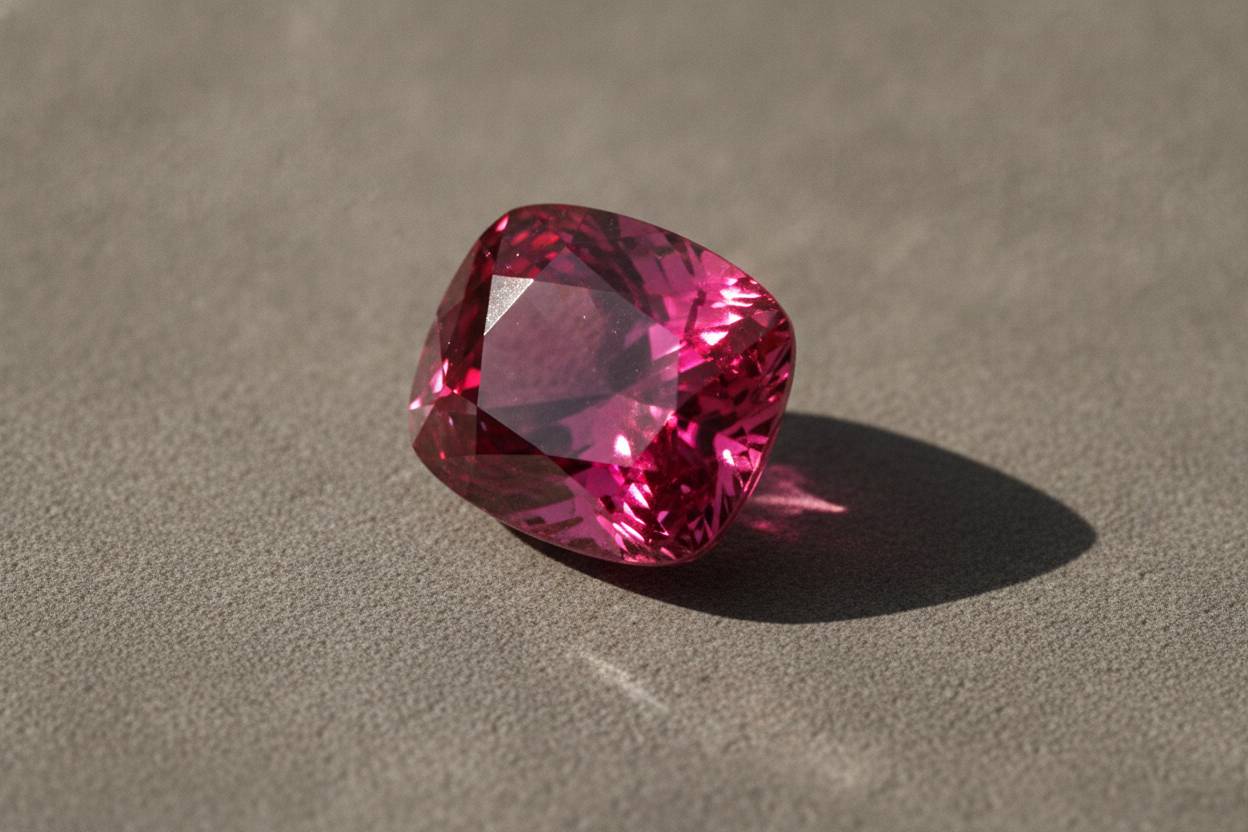
Rubellite Tourmaline Value Guide
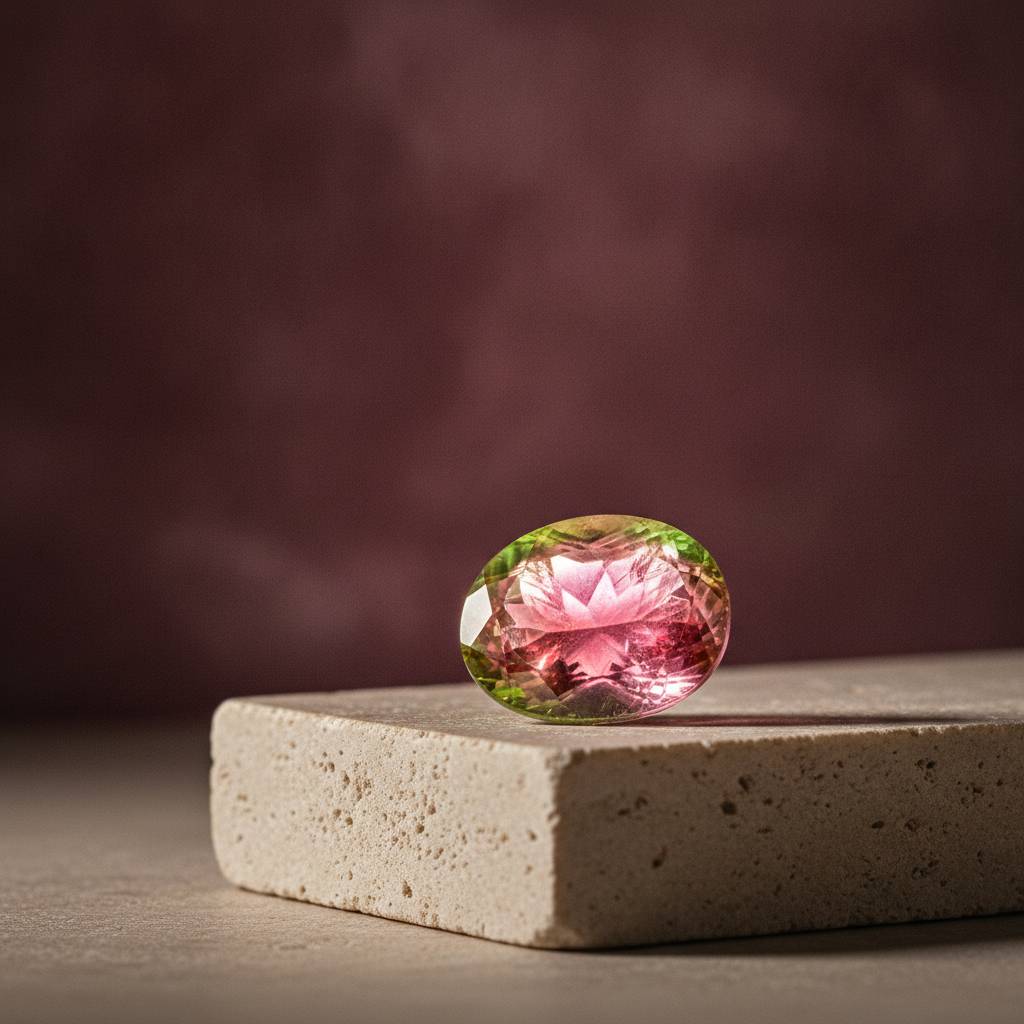
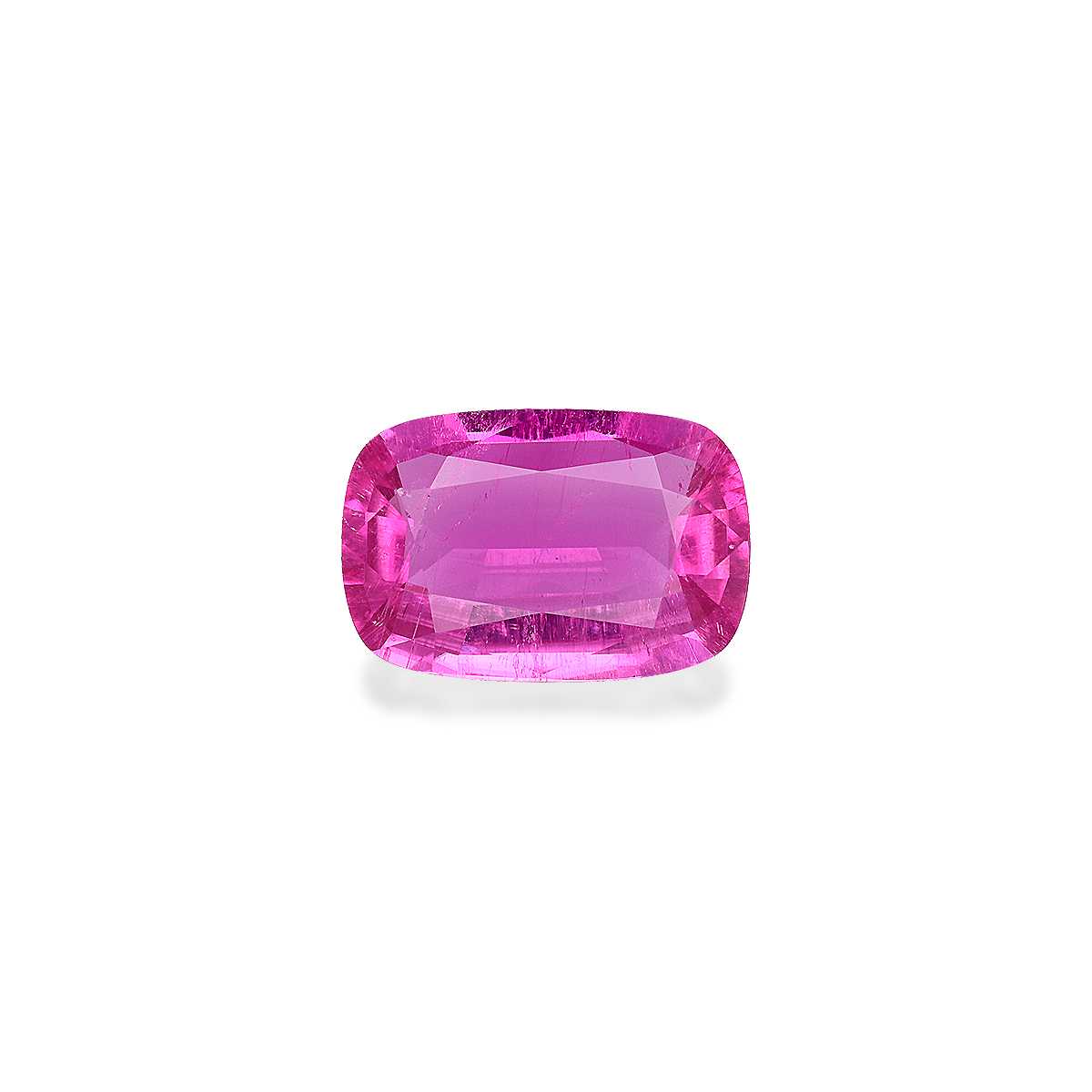
Genuine rubellite is a strongly saturated pink-red to purplish-red tourmaline, and it is identified by physical properties rather than colour alone: Mohs 7–7.5, a refractive index of 1.61–1.64, and visible doubling of the back facet edges when you look through the table with a loupe. Colour comes from trace elements such as manganese in the crystal structure, not from treatment. In this rubellite tourmaline value guide the practical point is this: value tracks rich colour saturation, clarity and size, and the most common losses come from paying ruby-adjacent prices for garnet, glass or weakly coloured tourmaline sold under a trade name it does not earn. Ask for treatment status in writing, and never assume it.
What rubellite actually is
Rubellite is a trade name applied to tourmaline in the pink-red to purplish-red range that retains its vivid colour in both daylight and incandescent light. It is not a separate mineral species, and it is not simply a synonym for red tourmaline.
That distinction matters commercially. Plenty of red and brownish-red tourmaline exists that dulls or shifts toward brown under warm light; such material sits below rubellite in the market, whatever the label says.
Most rubellite reaching the trade today comes from Africa, with Nigeria and Mozambique as the origins buyers encounter most often. Origin is worth recording on your invoice, but it is not a substitute for a gemmological identification.
Tests that confirm rubellite
Tourmaline has a distinctive fingerprint, and a competent lab or an experienced dealer with a refractometer can settle the question in minutes.
- Refractive index 1.61–1.64, well below ruby, spinel, garnet and cubic zirconia.
- Strong birefringence, which is why back facet edges appear visibly doubled through the crown under 10x magnification.
- Mohs 7–7.5, durable enough for rings with sensible protection, but not corundum.
- Trigonal crystal system; rough shows elongated prisms with heavy lengthwise striations and a rounded triangular cross-section.
- Distinct pleochroism, visible as a change in depth of colour along versus across the crystal length.
Doubling is the single most useful check a buyer can make unaided. Garnet, spinel, glass and cubic zirconia are singly refractive and show no doubled facet edges at all.
More from Rubellite Tourmaline
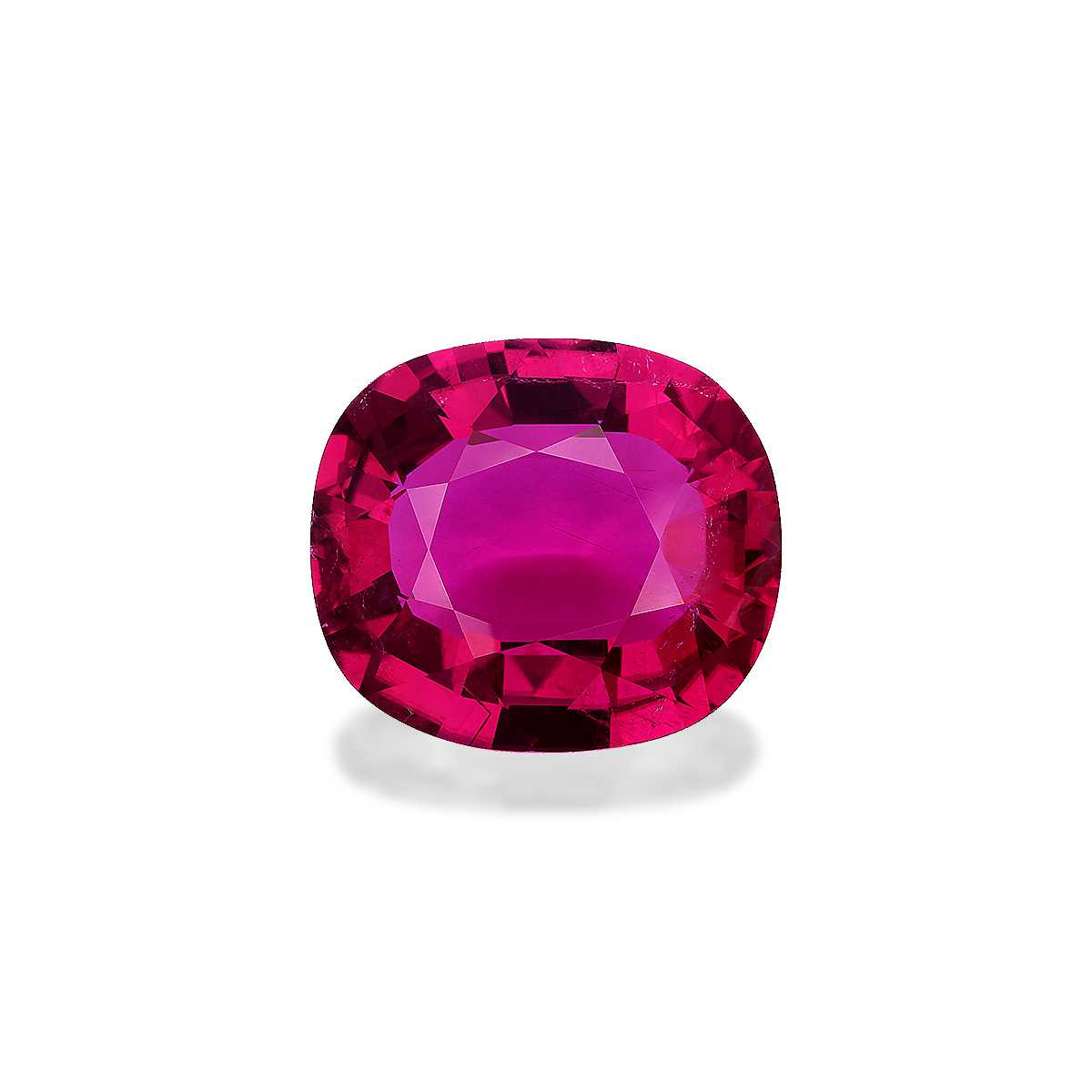
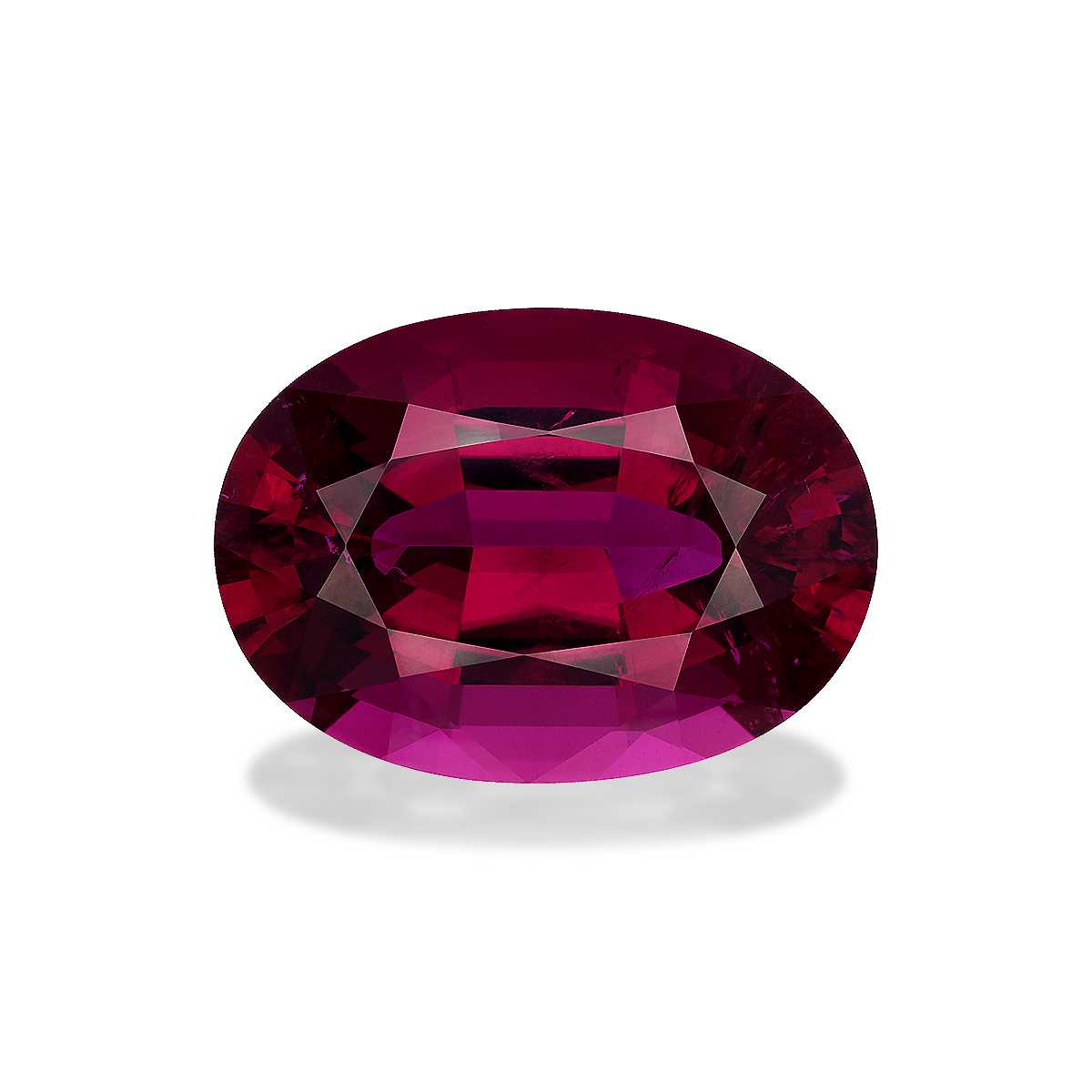
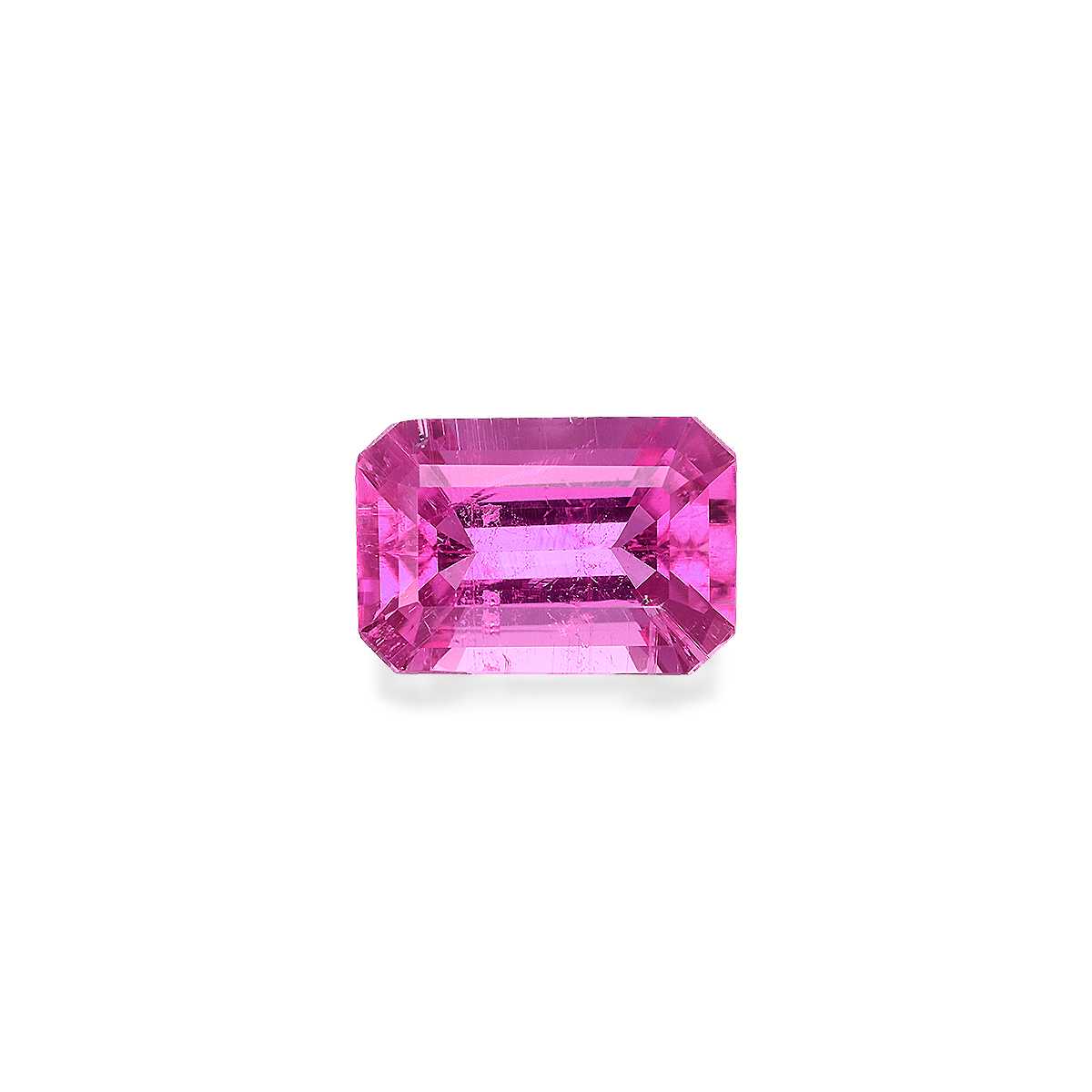
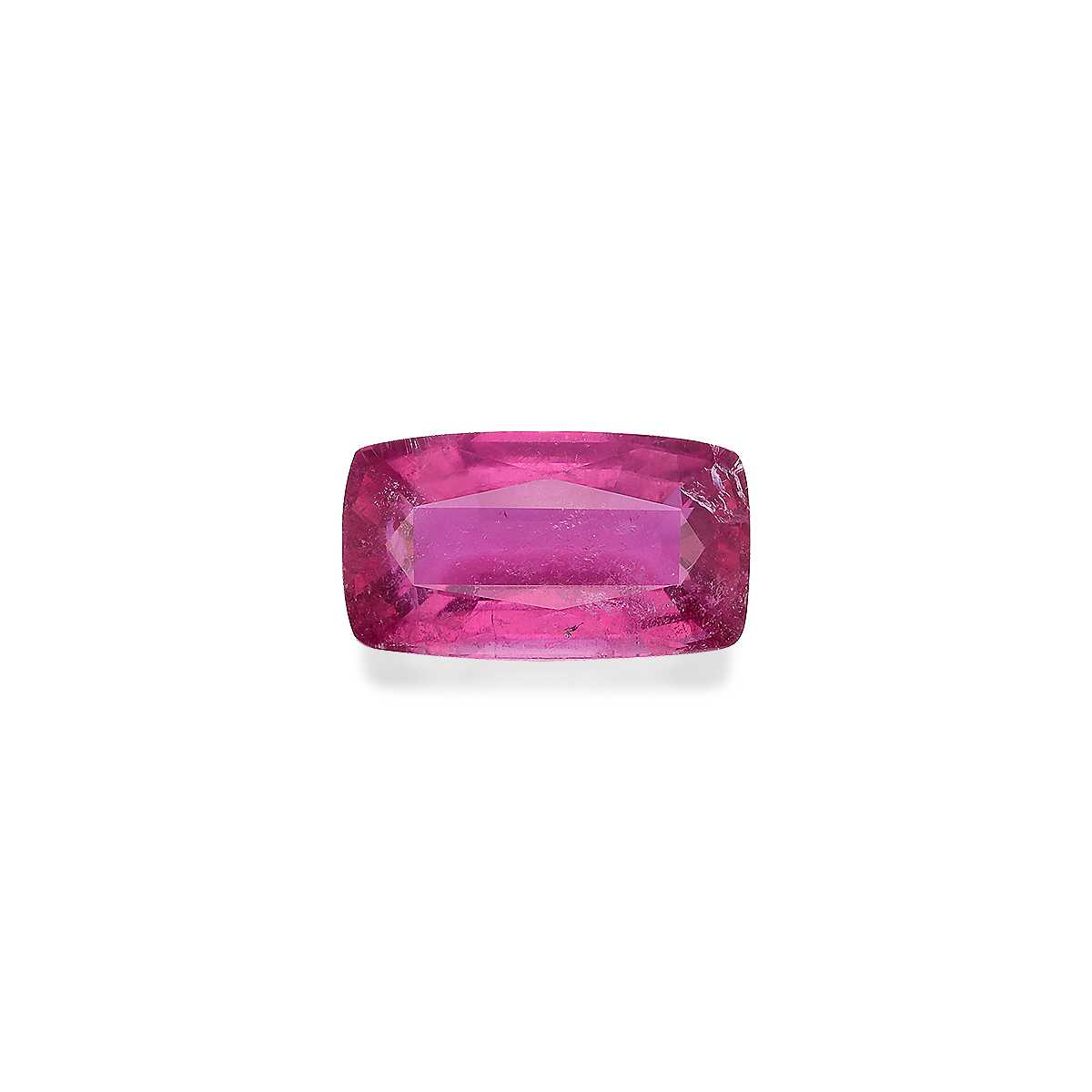
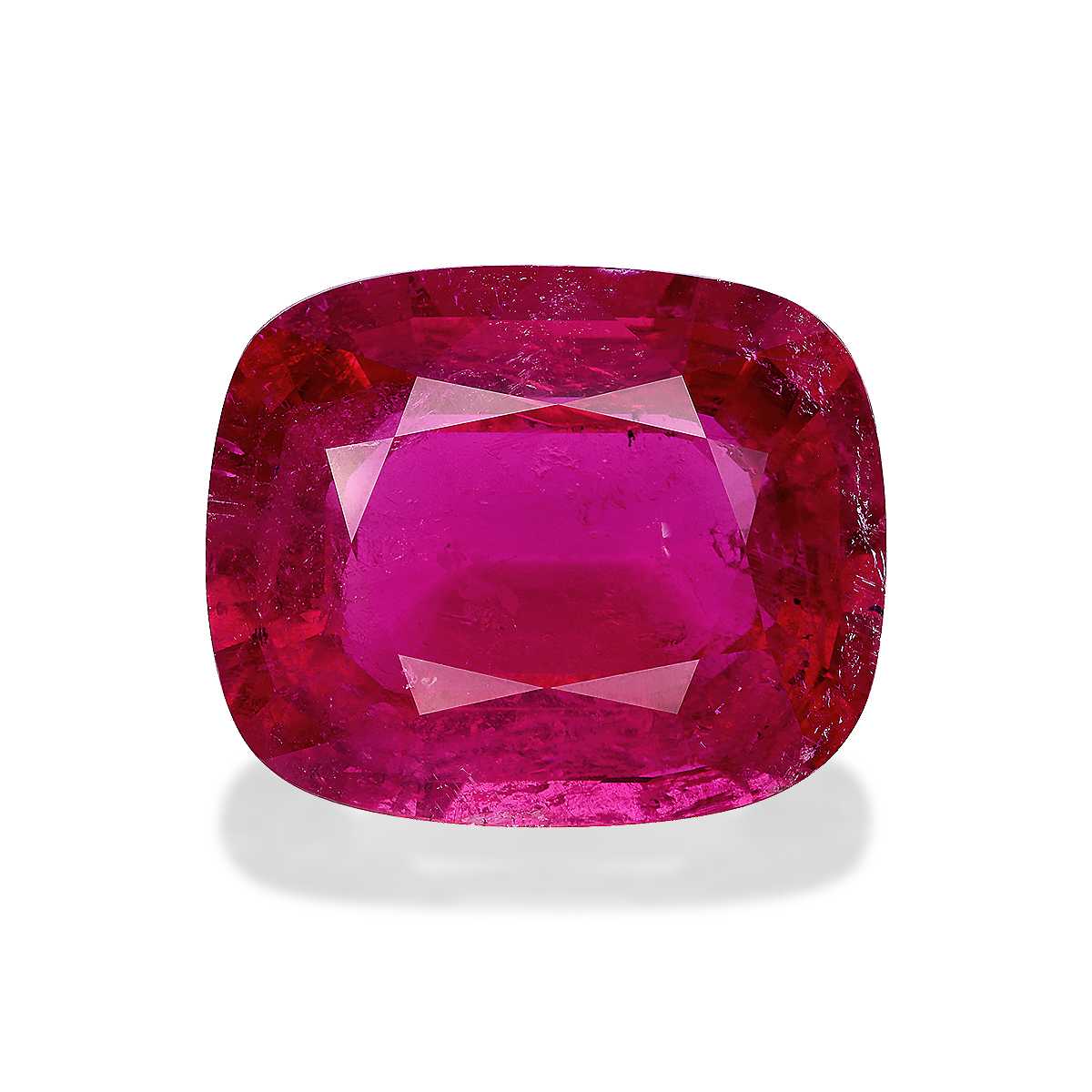
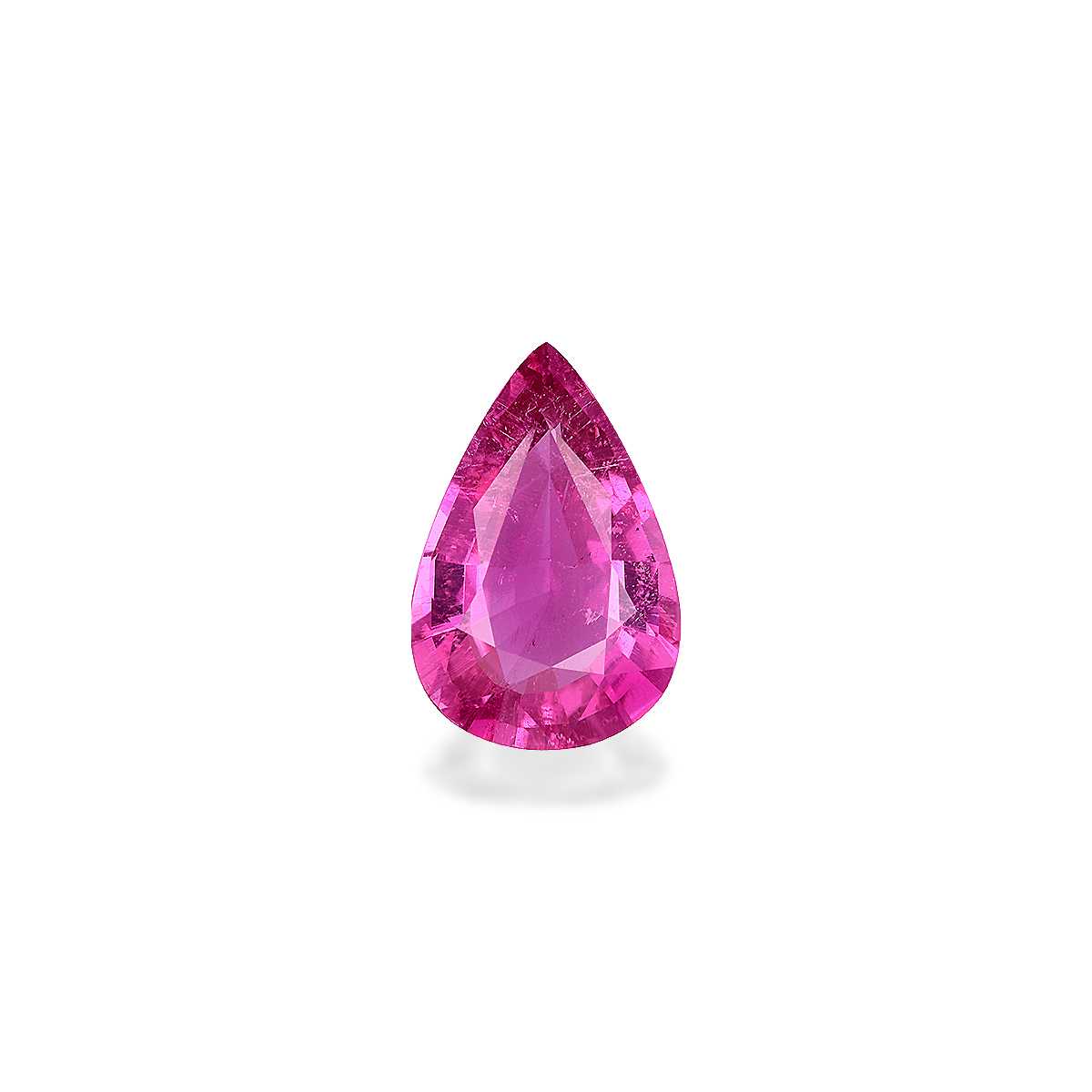
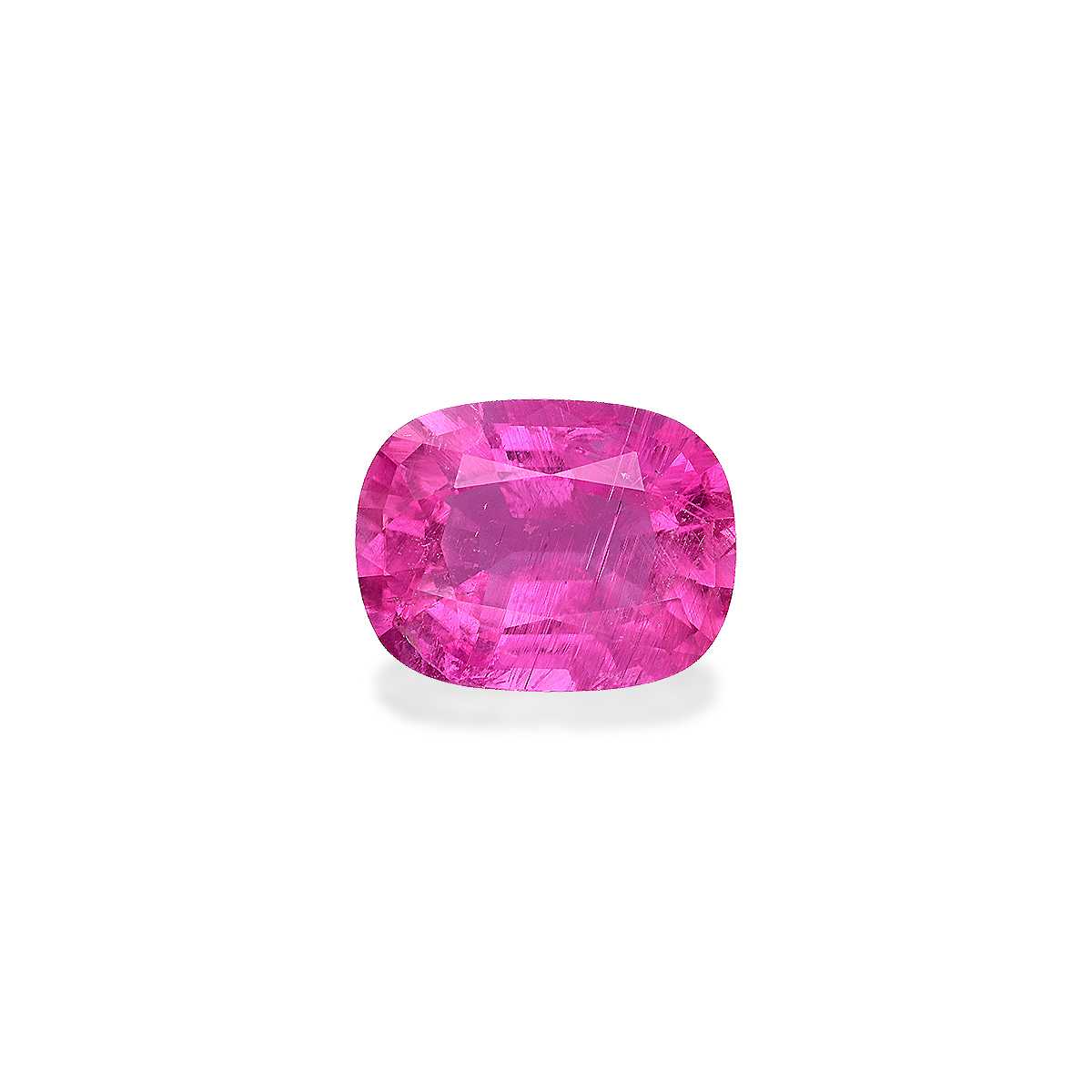
Inclusions: normal or a problem
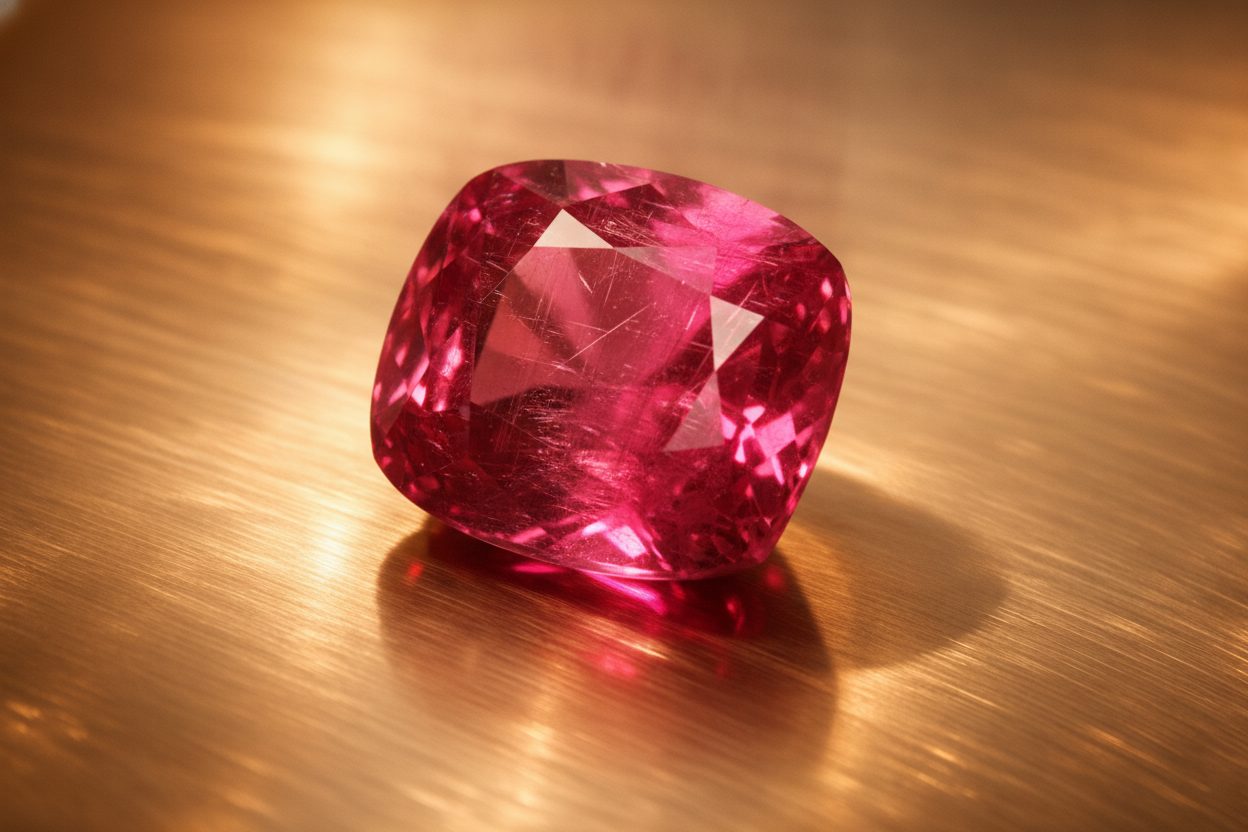
Rubellite is habitually included. Natural inclusions such as needles, growth tubes and colour zoning are typical of the variety and, in themselves, are evidence that the stone is natural tourmaline rather than a manufactured lookalike.
The buyer's task is to judge whether those inclusions cost you money. Fine needles that leave the stone bright are one thing; dense clouds, white veiling or fissures that scatter light and flatten the colour are another.
The most common pitfall is treating clarity as a footnote because "all rubellite is included". It is a primary value driver, and two stones of identical colour and weight can sit far apart in price on clarity alone.
What to look at under the loupe
- Fissures that reach the surface, particularly near girdle and corners.
- Whether inclusions sit under the table, where they read most visibly.
- Colour zoning: sharp pale bands in the crown reduce apparent saturation.
- Extinction or windowing from an over-deep or over-shallow cut.
Simulants and common lookalikes
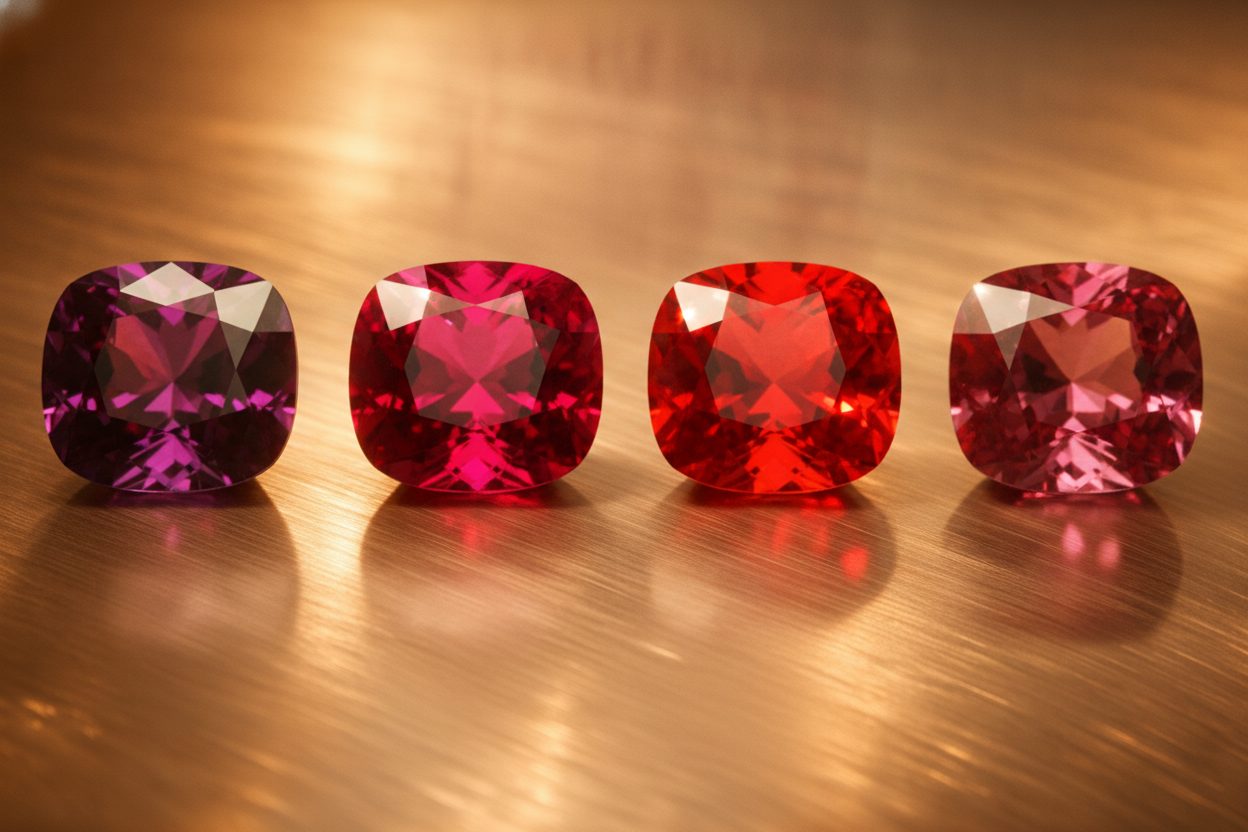
Red glass remains the most frequent outright imitation. It is singly refractive, often carries gas bubbles and swirls, and warms quickly in the hand relative to a natural stone.
Among natural stones, almandine and rhodolite garnet, red spinel and pink sapphire are mistaken for rubellite most often — or substituted for it. All have higher refractive indices than tourmaline, and none show tourmaline's doubling.
In the other direction, rubellite is sometimes offered as "ruby" in casual markets. Ruby's much higher RI, different absorption behaviour and absence of doubling separate the two immediately in a laboratory.
Assembled stones and synthetic materials are also encountered. Synthetic ruby and cubic zirconia are inexpensive, clean and bright — cleanliness that is suspicious in a strongly coloured red stone of any size.
Rubellite tourmaline value guide
Value is set by three factors, roughly in this order: rich colour saturation, clarity and size. A vivid, evenly saturated red-pink that holds under warm light sits at the top of the range.
Clarity then separates stones of similar colour, and size acts as a multiplier because clean, well-saturated material becomes scarce as weight climbs. Cut quality earns its place by controlling how much of that colour and brightness actually reaches the eye.
The rubellite we offer is unheated. Treatment status should always be established from disclosure and documentation, never assumed from the variety name or from the seller's silence.
Rubellite Tourmaline price guide
Rubellite Tourmaline price guide (per carat, USD)
Based on 450 rubellite tourmaline in stock, updated October 19, 2026.
Red flags before you pay
Most disputes trace back to paperwork and wording rather than outright fakes. Read both closely.
- "Rubellite" with no colour description. Ask to see the stone in daylight and under incandescent light, or request images in both.
- The variety named but the species omitted. A report should identify the stone as tourmaline; trade names alone identify nothing.
- Treatment left blank or phrased vaguely. "Natural" describes origin of the material, not treatment status.
- Clarity dismissed as irrelevant. Any seller who tells you inclusions do not affect rubellite value is arguing against the market.
- Prices that track ruby. A red stone priced like fine ruby, with no ruby report, deserves a laboratory check before funds move.
- No return window. Independent verification is only meaningful if you can act on the result.
For an unfamiliar stone above a modest value, commission a report from an established laboratory — GIA, SSEF, Gübelin, GRS or AIGS are the names most respected in coloured stones. Specify that you want species, variety and treatment stated.
Rubellite rewards patience more than most varieties, because the combination of vivid saturation and acceptable clarity is genuinely uncommon. Verify the species, judge the inclusions honestly, insist on written treatment disclosure, and the rest becomes a straightforward question of price.
Frequently asked questions
What is rubellite?+
Rubellite is a trade name for tourmaline in the pink-red to purplish-red range that keeps its vivid colour in both daylight and incandescent light. The colour comes from trace elements such as manganese in the crystal structure. It tests at Mohs 7–7.5 with a refractive index of 1.61–1.64.
Is red rubellite the same as red tourmaline?+
No. Rubellite is a trade term reserved for strongly saturated pink-red to purplish-red tourmaline that holds its colour under warm light, while red tourmaline more broadly includes material that dulls or turns brownish under incandescent lighting. The trade distinguishes them because the market values them differently.
Is rubellite tourmaline heated?+
The rubellite we offer is unheated. As a general buying rule, never assume treatment status from the variety name — ask for it to be stated in writing on the invoice or on a laboratory report from an established lab.
Why are so many rubellites heavily included?+
Natural inclusions such as needles, growth tubes and colour zoning are characteristic of the variety, so clean rubellite is genuinely scarce. Inclusions that scatter light or dull the colour reduce value significantly, so clarity should be judged carefully rather than waved away as normal.
How can I tell rubellite from garnet or ruby?+
Look through the table with a 10x loupe: tourmaline's strong birefringence makes the back facet edges appear doubled, while garnet, spinel, glass and cubic zirconia are singly refractive and show none. Tourmaline's refractive index of 1.61–1.64 is also well below ruby, spinel and garnet, which a refractometer confirms in seconds.
Where does most rubellite come from?+
Most rubellite in the current market originates in Africa, with Nigeria and Mozambique the sources buyers encounter most frequently. Origin is worth recording on your invoice, but it does not replace a gemmological identification of species, variety and treatment.
From our Journal
Buying guides, origin stories, and notes from the trade.