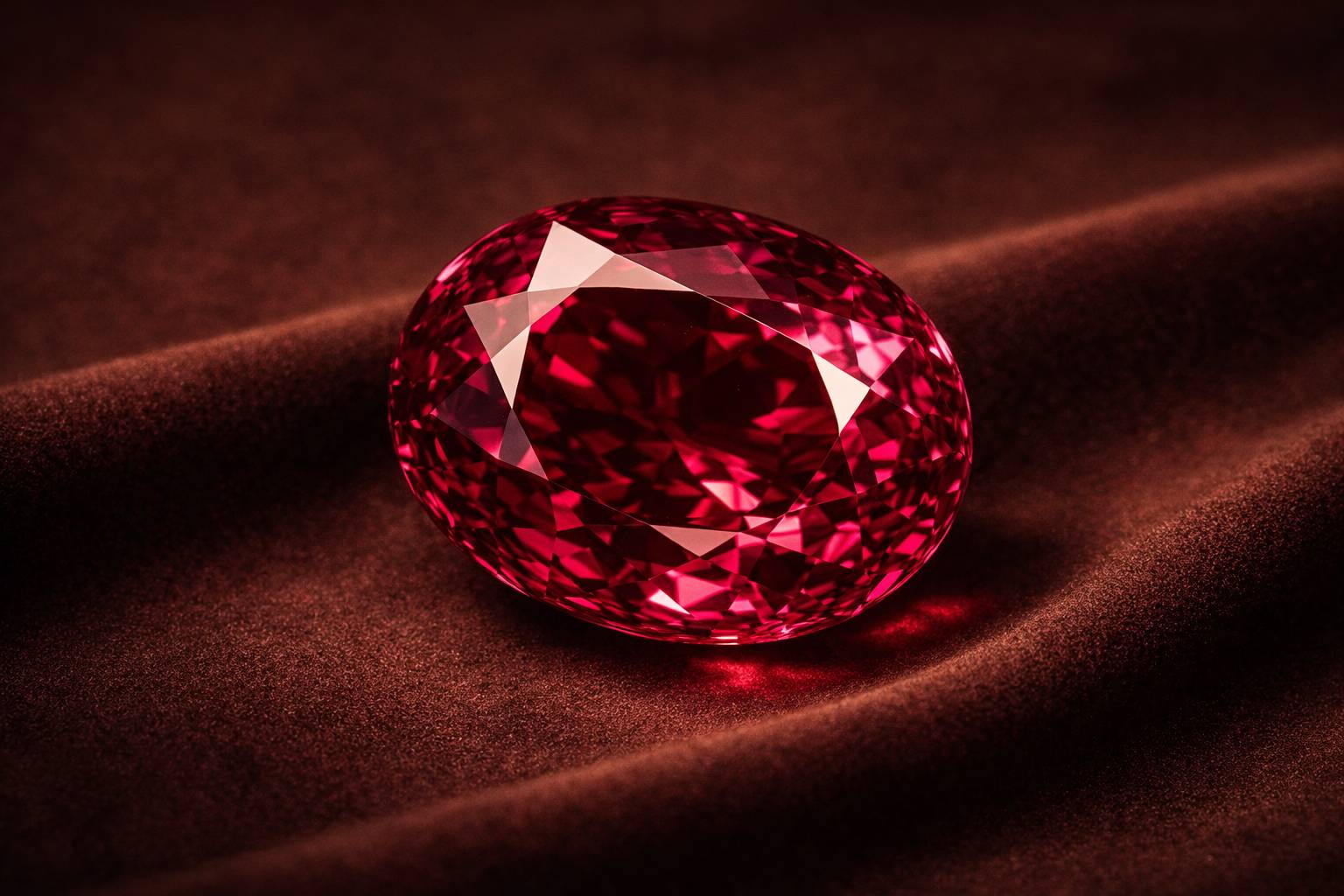
Focusing On The Rubellite Gemstone And Its Major Properties
Rubellite, a vibrant pink to red variety of tourmaline, is prized for its unique hues and properties. To identify genuine rubellite, one must understand its key characteristics, including color, clarity, and refractive index, as well as be aware of common red flags that could indicate a synthetic or treated stone.
Rubellite's Gemmological Identity
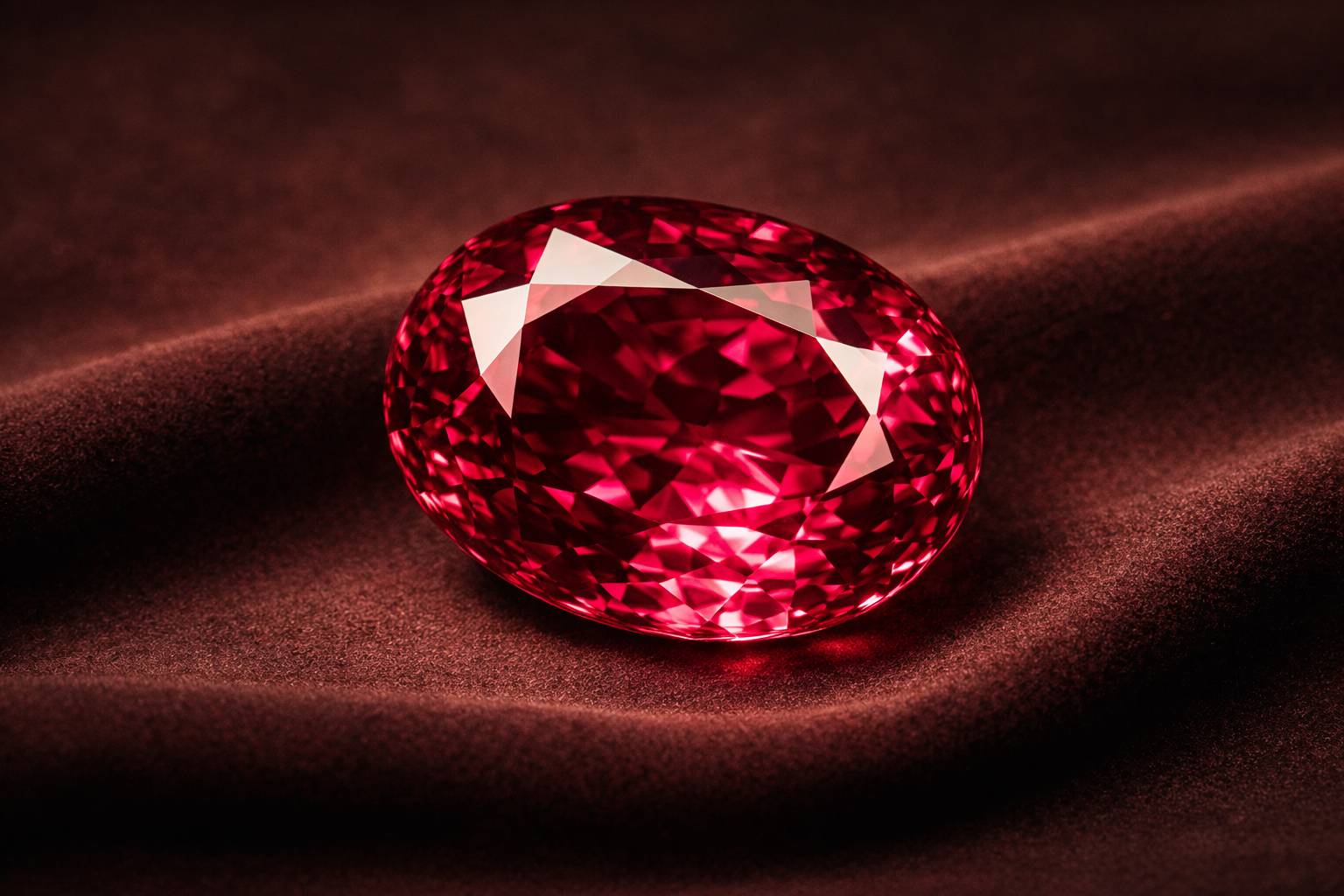
Rubellite is a member of the tourmaline family, specifically the elbaite species. It typically ranges from 2 to 5 on the Mohs hardness scale, making it relatively durable. The refractive index of rubellite lies between 1.620 and 1.640, which is crucial for gemmologists when evaluating authenticity.
Color: The Heart of Rubellite
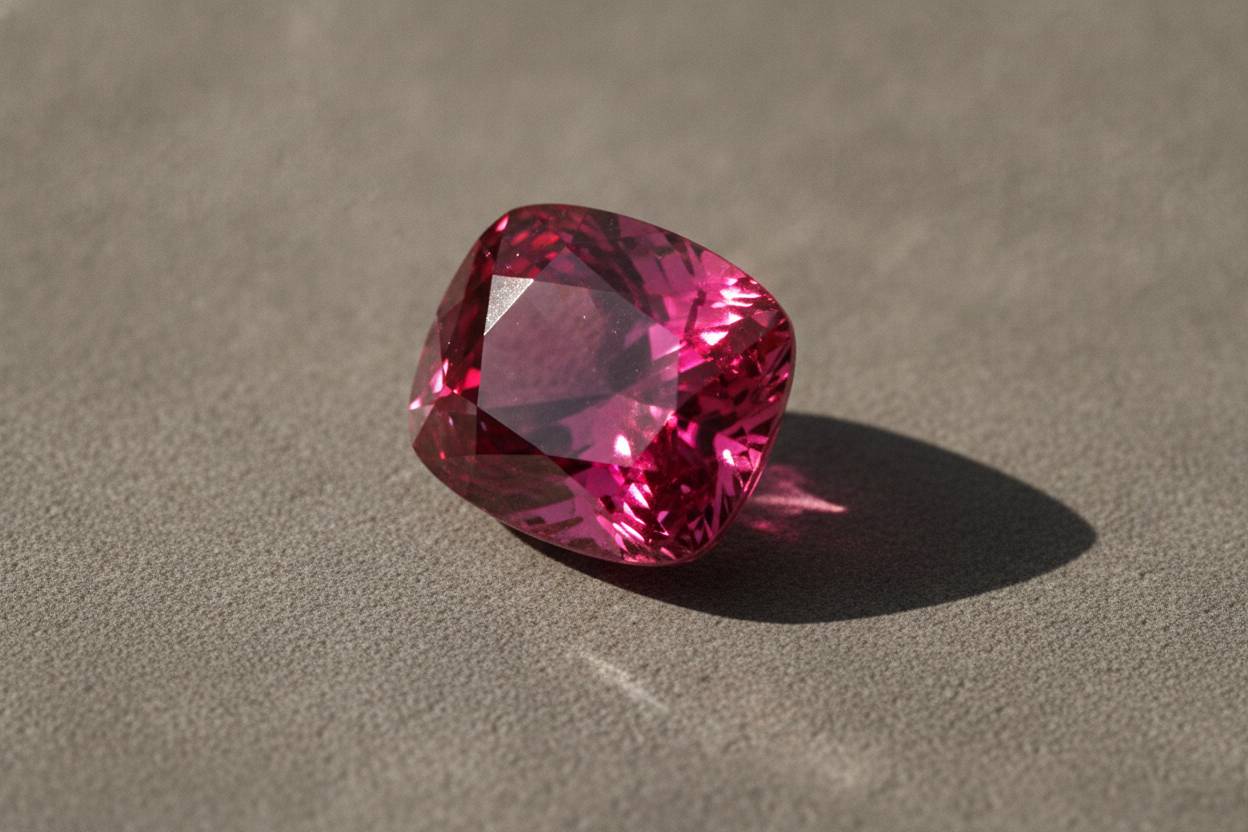
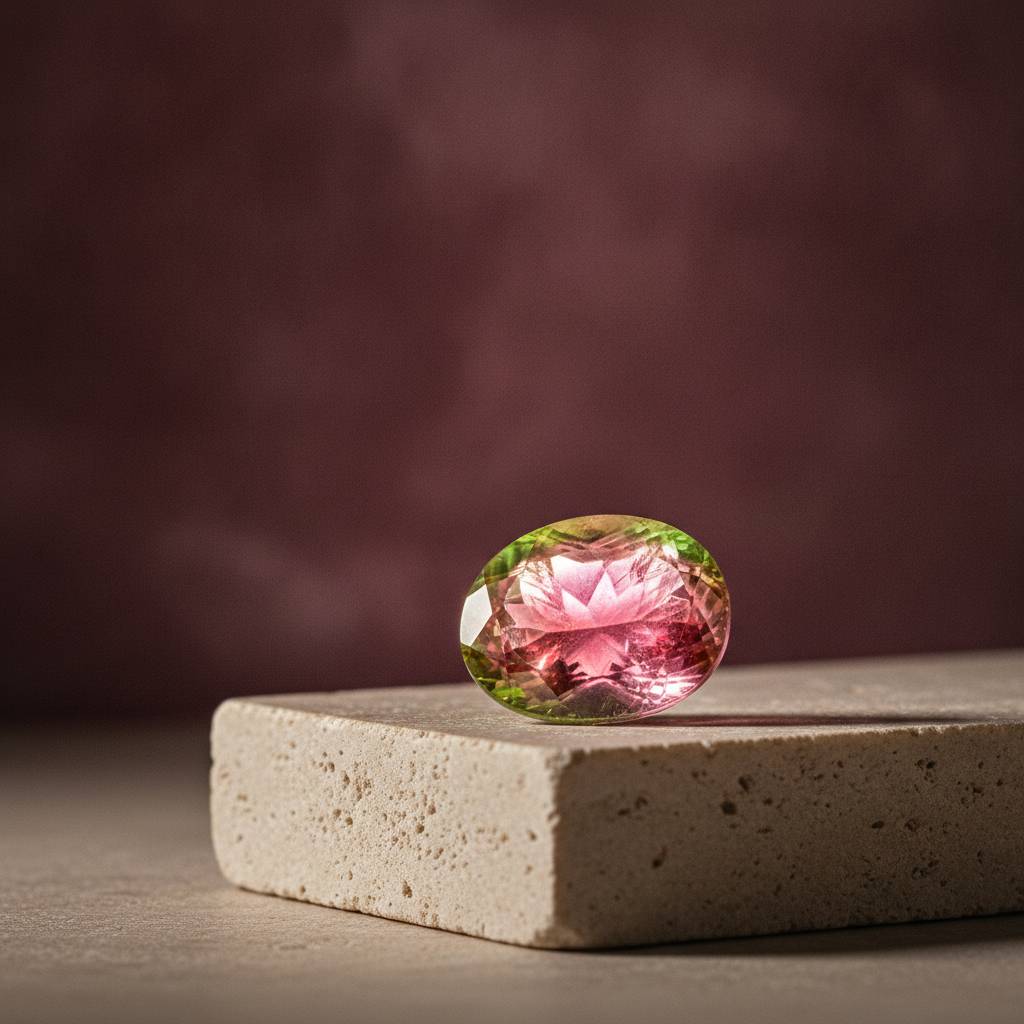
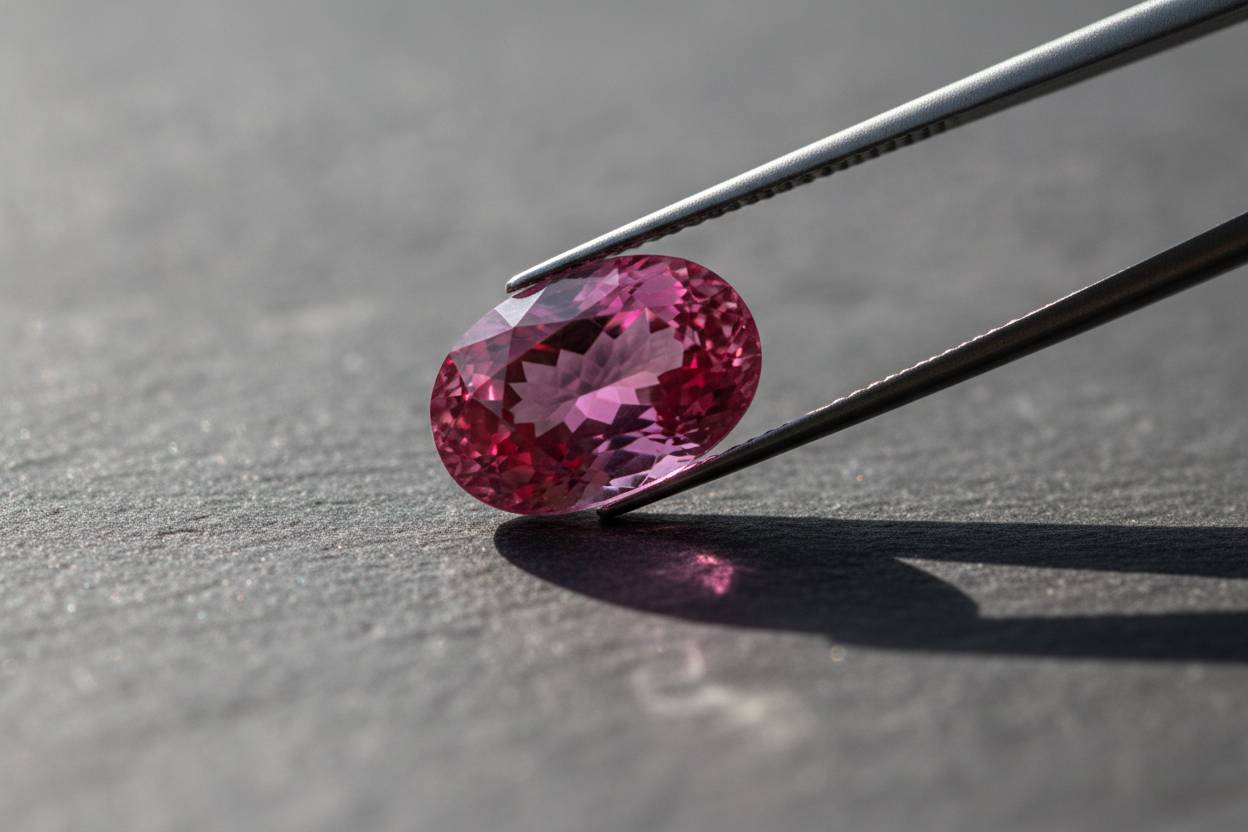
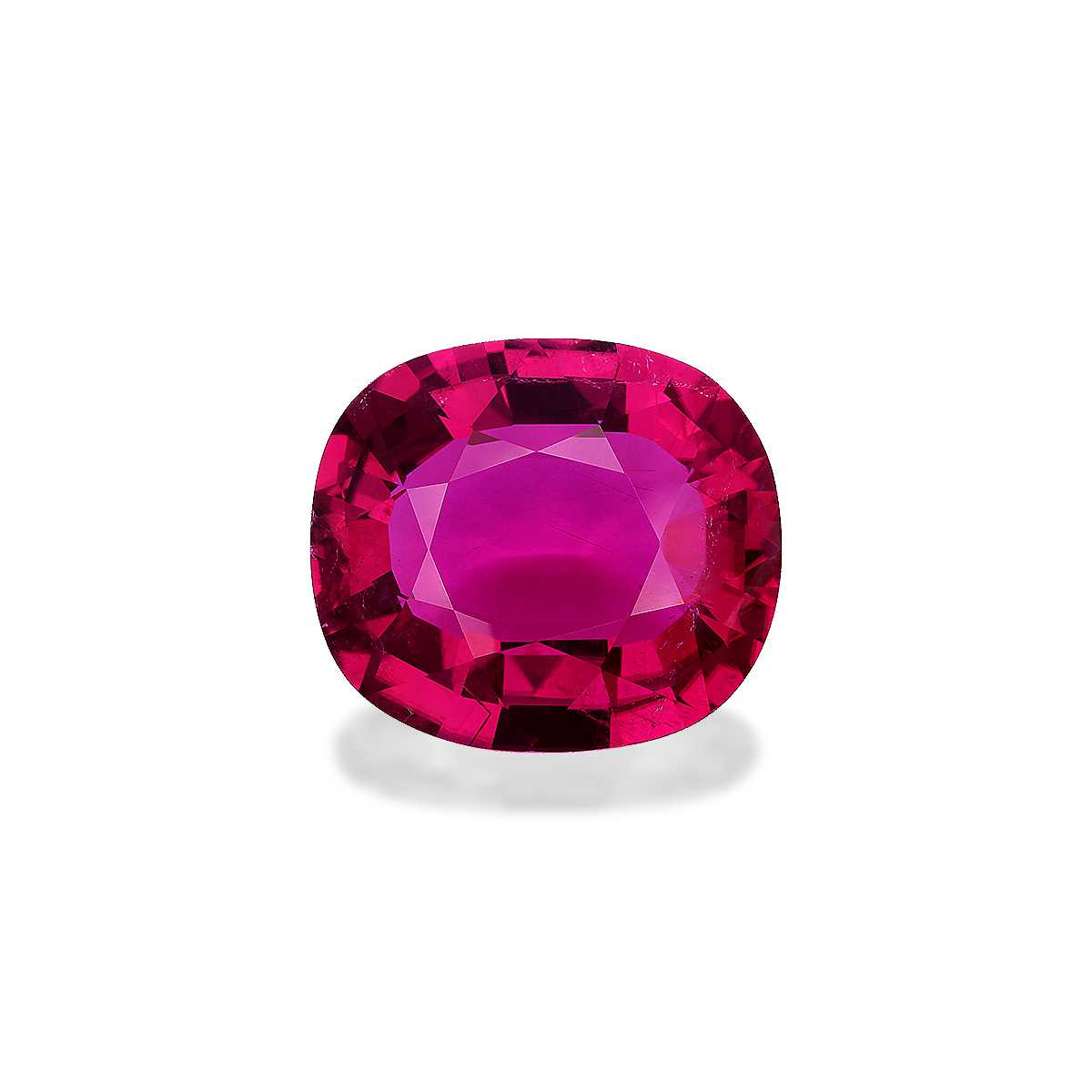
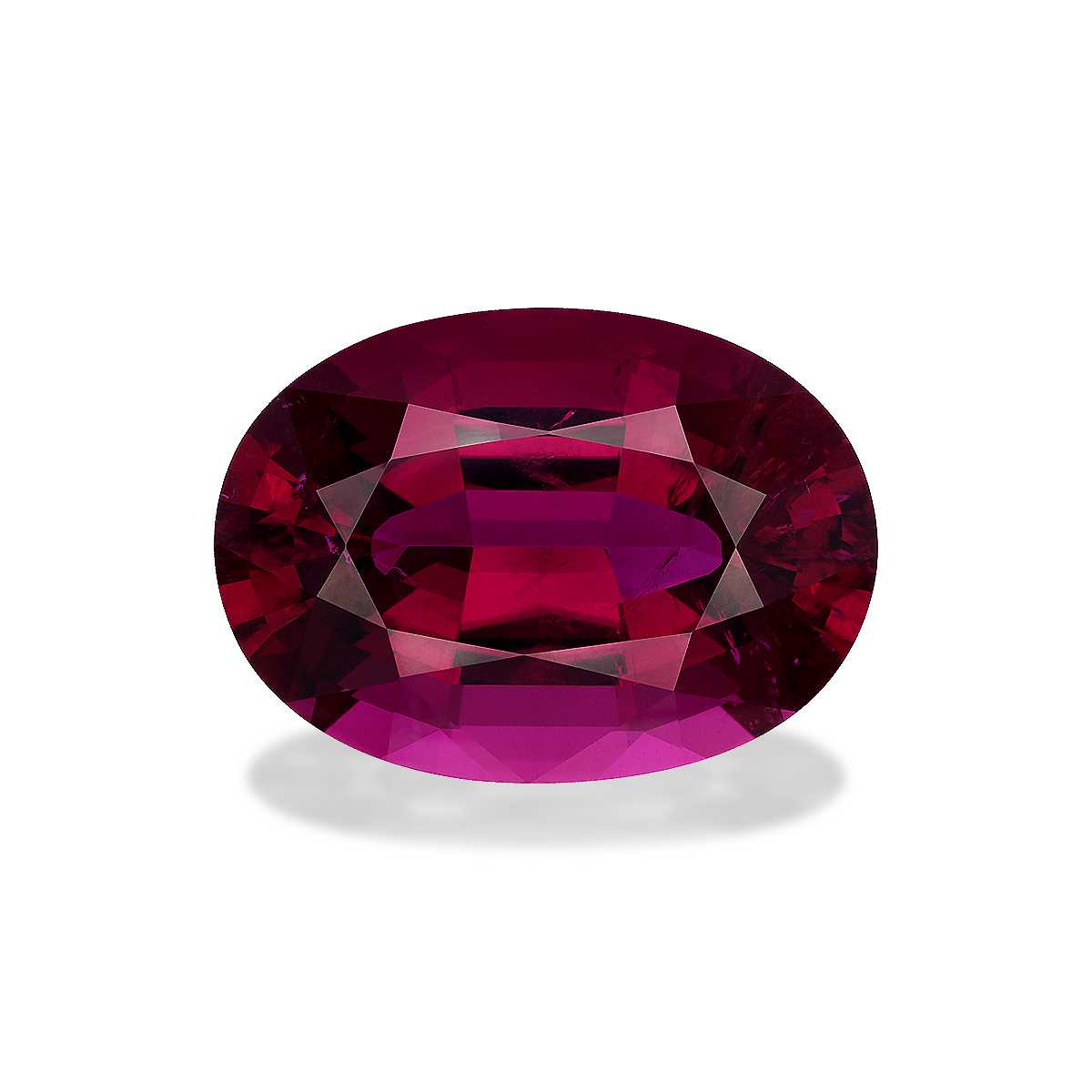
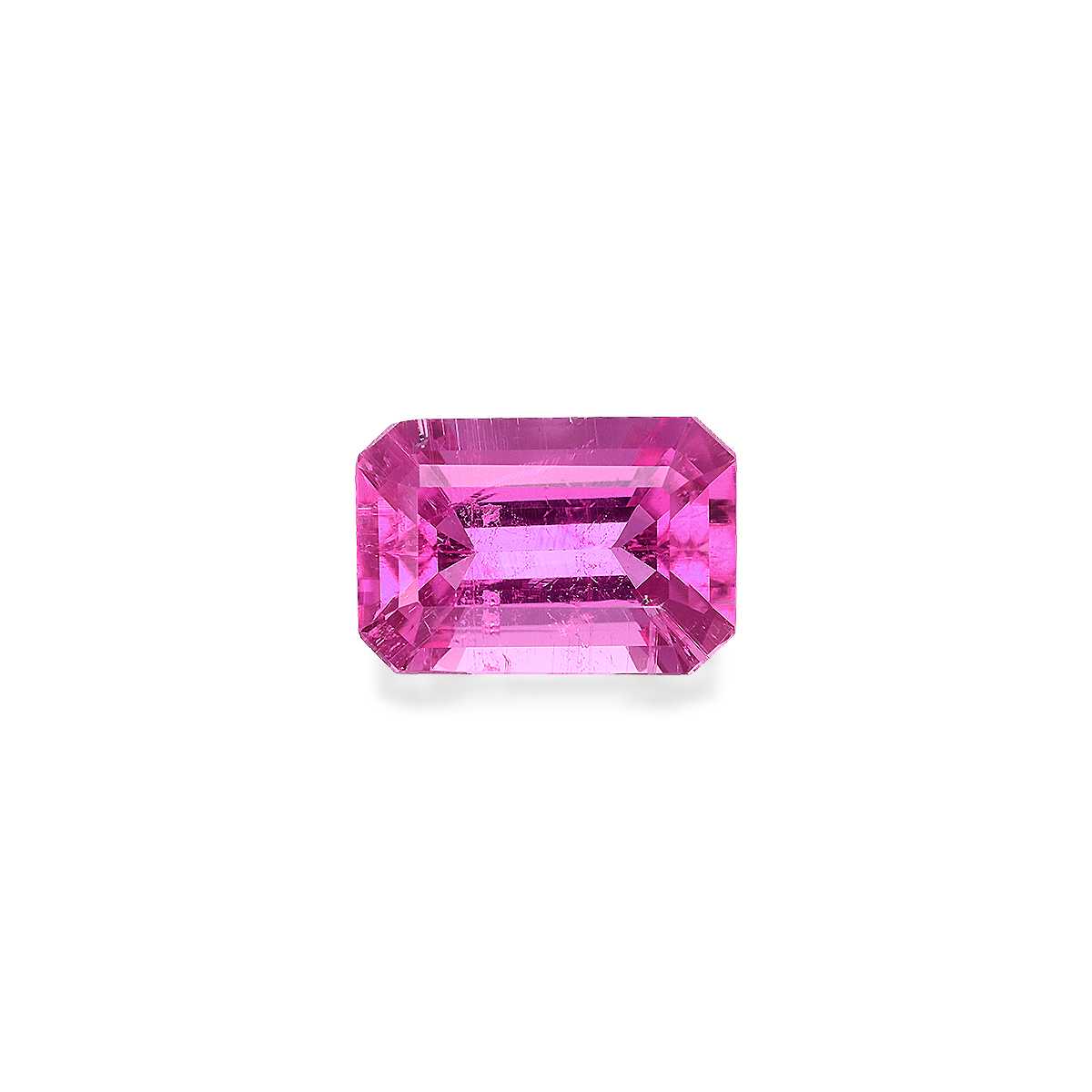
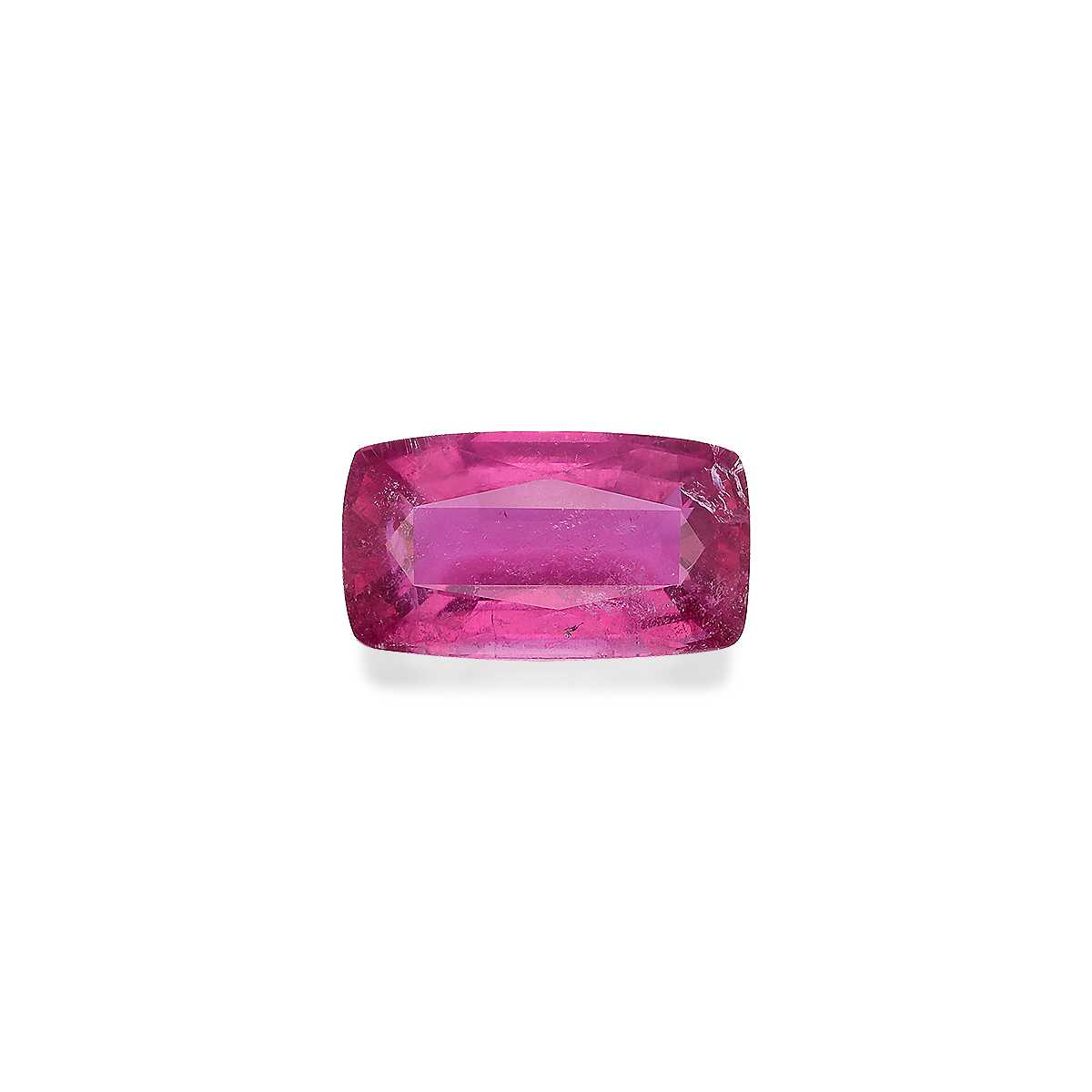
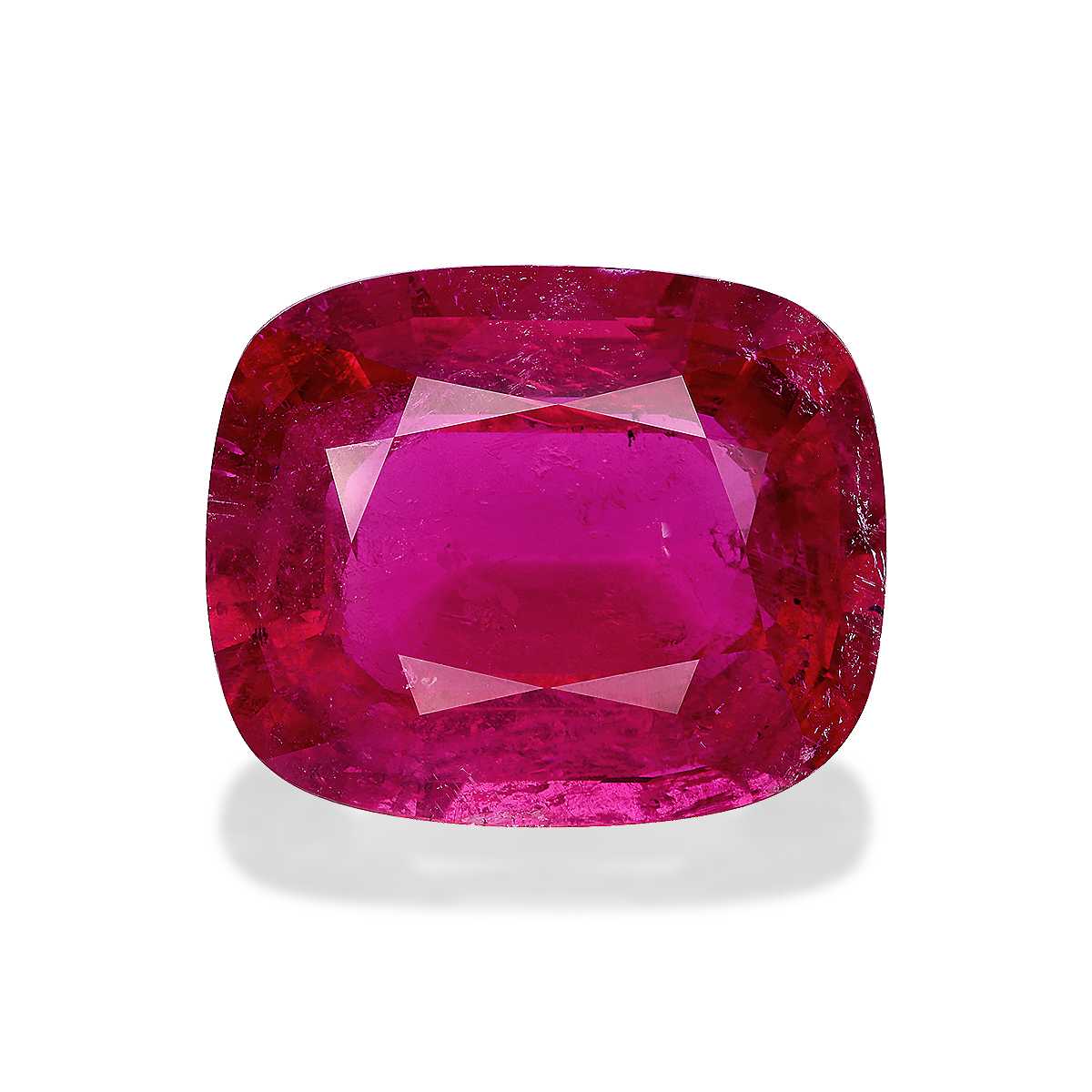
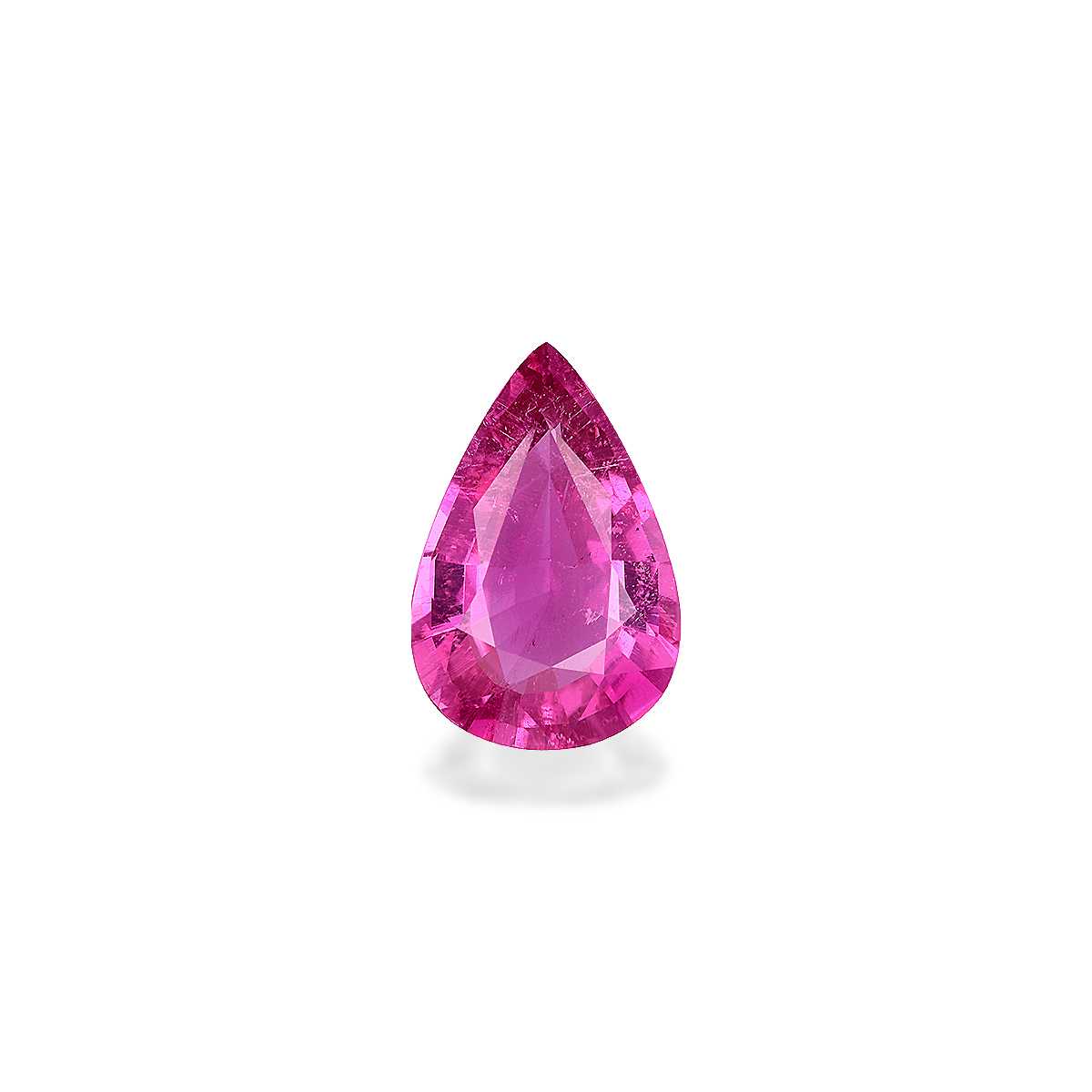
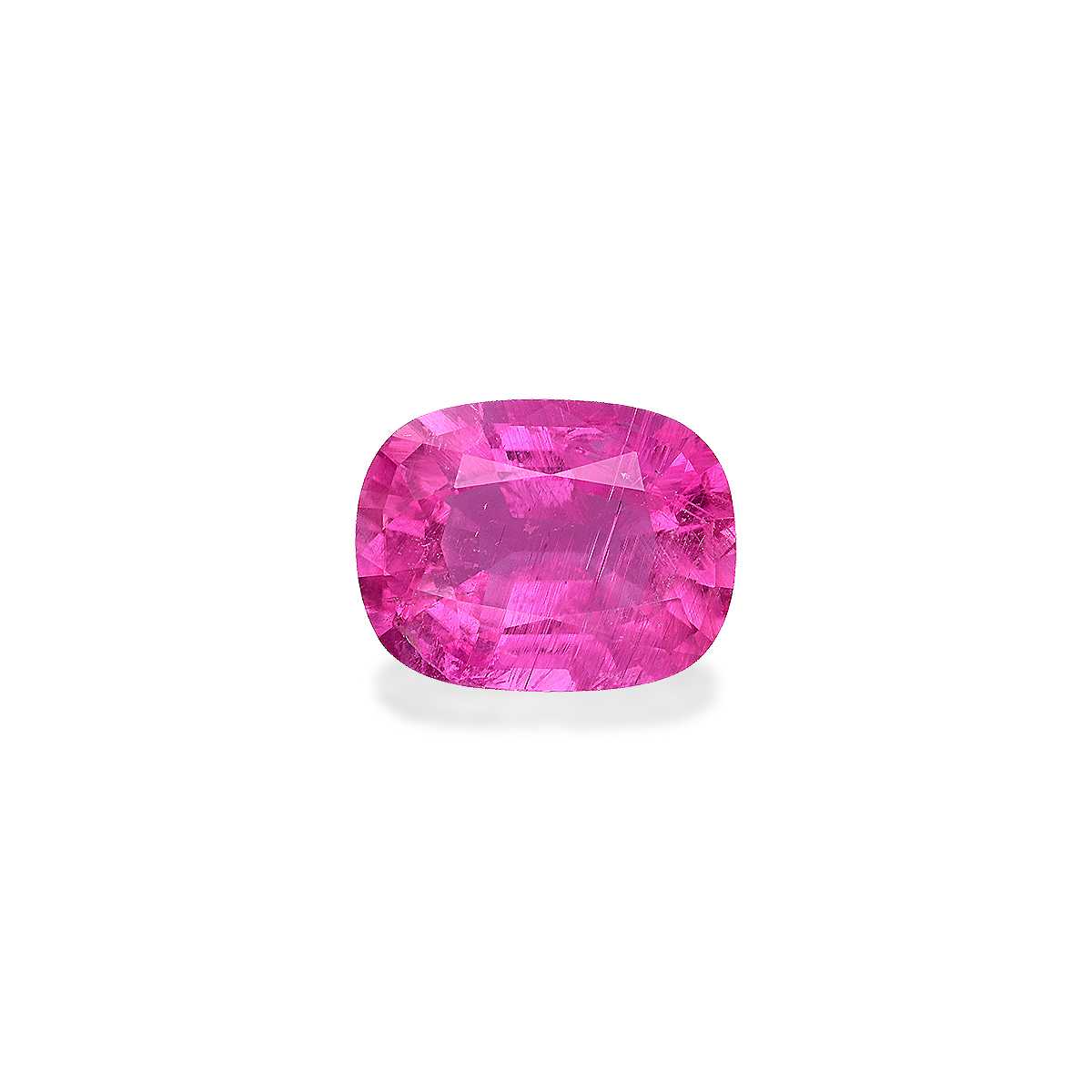
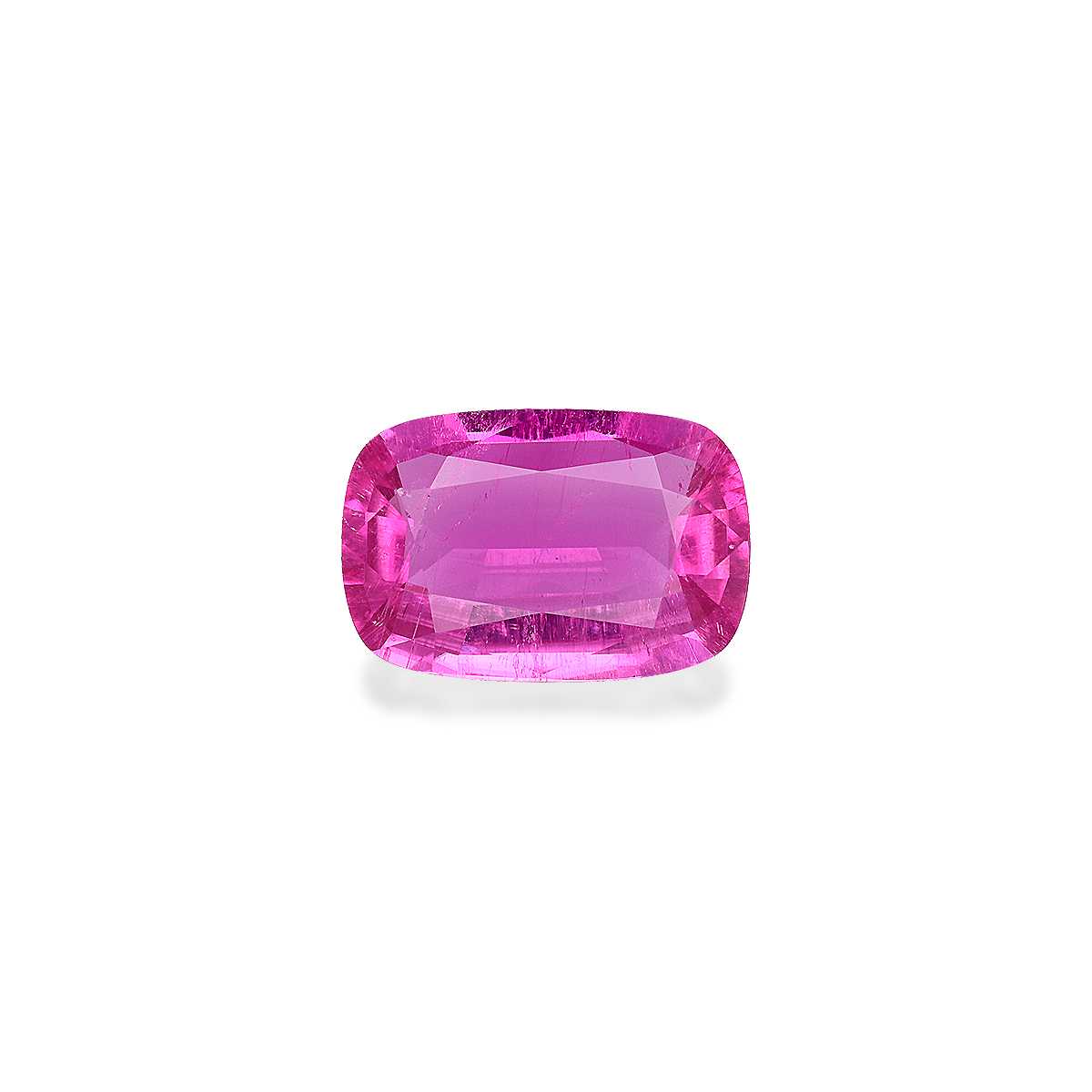
The color of rubellite is its most distinguishing feature. Genuine rubellite can exhibit shades from pink to a deep red, often with hints of violet. The most valuable stones have a rich, saturated color and minimal brown or gray tones. Color consistency is vital; any significant zoning can indicate a lesser-quality stone.
Clarity and Transparency in Rubellite
Clarity significantly affects rubellite's value. High-quality rubellites are typically eye-clean, meaning they have no visible inclusions to the naked eye. However, minor inclusions can be present. Notably, if a stone contains characteristic tourmaline inclusions—such as needle-like structures—it may still be considered genuine.
More from Rubellite Tourmaline
Identifying Treatments and Enhancements
While many rubellites are natural, some undergo treatments to enhance color or clarity. Common treatments include heat treatment or the use of oil to fill surface-reaching fractures. A reputable gemologist can identify these enhancements, which can significantly alter the stone's market value.
Rubellite Imitations and Synthetics
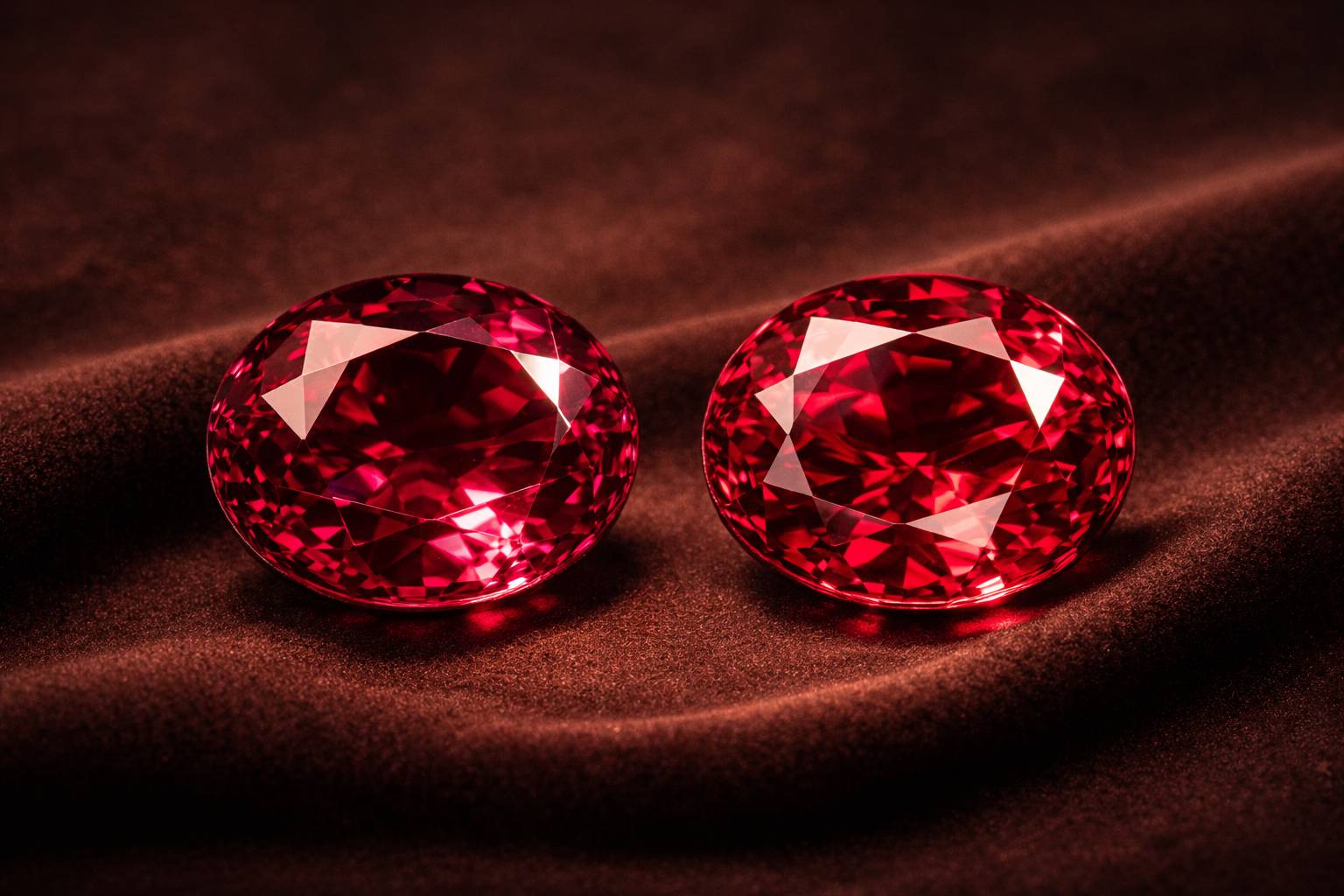
When purchasing rubellite, watch for signs of imitation. Common substitutes include other types of tourmaline or synthetic materials, which can mimic the appearance of genuine rubellite. A notable red flag is a price that seems too low compared to market standards; quality rubellite can range from $300 to $3,000 per carat, depending on its characteristics. Additionally, the presence of a uniform color with no zoning or inclusions may indicate a synthetic origin.
Market Trends and Value Considerations
The value of rubellite has seen a resurgence in recent years, largely due to its increasing popularity among collectors and jewelry designers. Factors influencing price include size, color saturation, and clarity. Notably, larger stones (over 5 carats) can command significantly higher prices, sometimes exceeding $5,000 per carat for exceptional quality.
Rubellite Tourmaline price guide
Rubellite Tourmaline price guide (per carat, USD)
Based on 450 rubellite tourmaline in stock, updated October 19, 2026.
Frequently asked questions
What is the hardness of rubellite?+
Rubellite has a hardness of 7 to 7.5 on the Mohs scale, making it suitable for everyday wear in jewelry.
How can I tell if my rubellite is genuine?+
Look for color consistency, clarity, and the presence of natural inclusions. Consulting a gemologist for a professional evaluation is also advisable.
What treatments are common for rubellite?+
Common treatments for rubellite include heat treatment to enhance color and oiling to improve clarity. Always ask for treatment disclosures when purchasing.
What is the price range for rubellite?+
Rubellite prices typically range from $300 to $3,000 per carat, depending on the stone's quality, size, and color saturation.
What are some common substitutes for rubellite?+
Common substitutes include other tourmalines or synthetic stones that mimic rubellite's appearance. Always verify authenticity when purchasing.
From our Journal
Buying guides, origin stories, and notes from the trade.