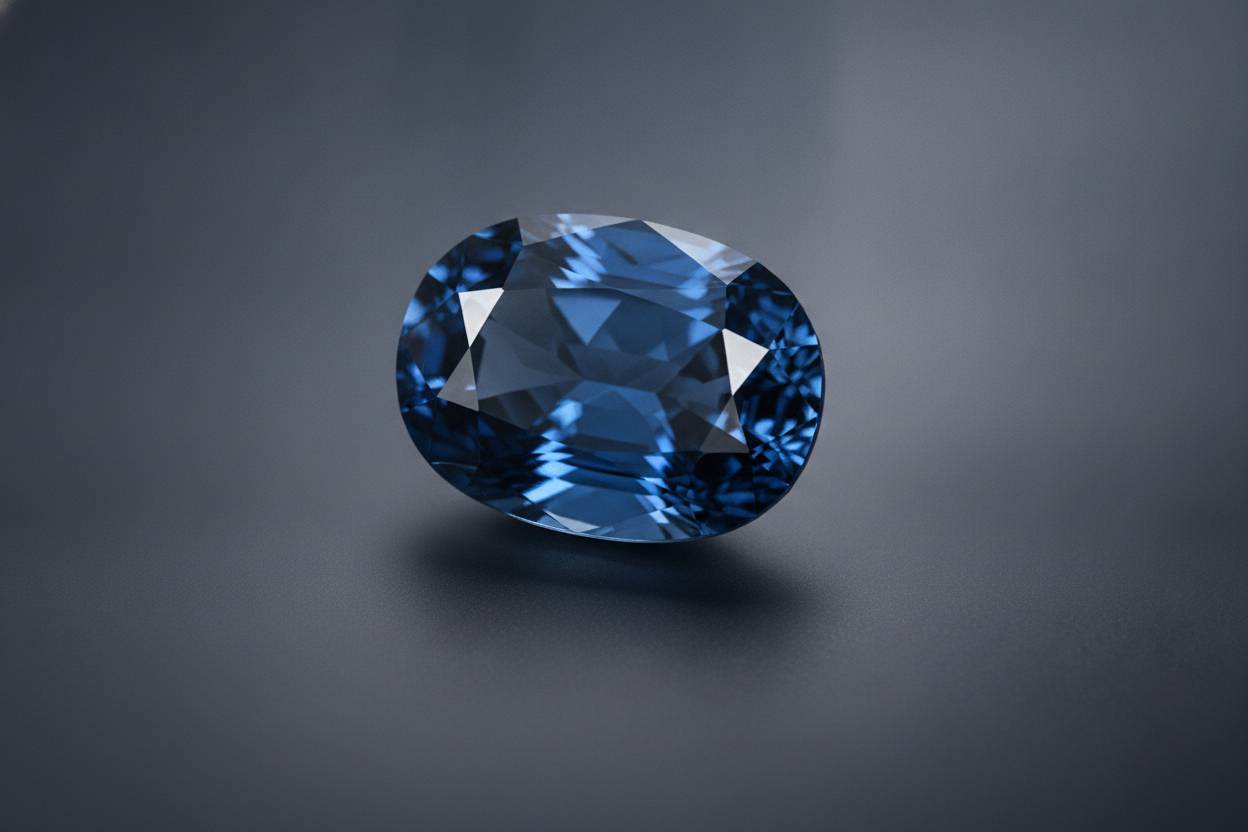
Blue Tourmaline: Meaning and Value
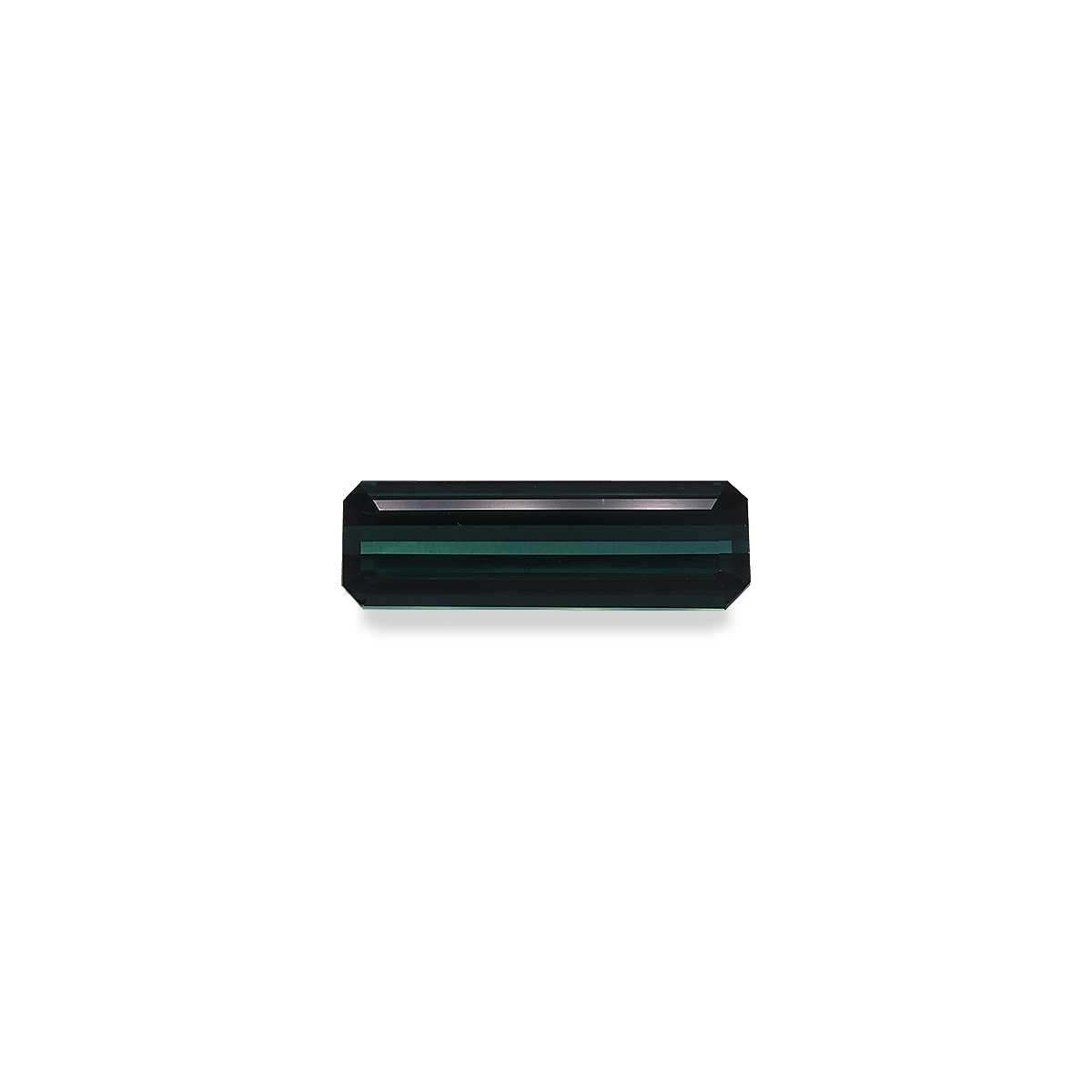
Blue tourmaline, known in the trade as indicolite, owes its colour to iron and other trace elements, and its value to three things above all: depth of colour saturation, clarity, and size. This blue tourmaline value guide covers both sides of the stone — the cultural history that gave tourmaline its name and reputation, and the gemmological facts a buyer needs before paying. The material we work with comes from African sources, including Mozambique, and is unheated; stones that are both strongly saturated and unheated command a premium, because saturated blue in clean, larger sizes is genuinely scarce.
What follows separates the documented history from the folklore, then returns to the practical question of what you are actually paying for.
Where the name indicolite began
Tourmaline's name traces to the Sinhalese turamali (also written toramalli), a term Sri Lankan dealers used for mixed parcels of coloured pebbles that did not fit the known categories. Dutch traders carried those parcels to Europe in the eighteenth century, and the word travelled with them.
For a long time the name meant, in effect, "assorted gems of uncertain identity" — a reminder that tourmaline was mistaken for other species long before it was understood as one.
Indicolite is a later, more precise coinage, built from indigo and the mineralogical suffix -lite. It describes blue to blue-green tourmaline specifically, and it remains the correct trade term today.
Tourmaline in trade and legend
One story repeated throughout gem literature holds that Egyptian tradition explained tourmaline's colour range by having the stone travel up from the centre of the earth along a rainbow. It is a charming account with no verifiable ancient source, and it is best understood as trade folklore rather than history.
The documented history is more interesting. Tourmaline crystals are pyroelectric and piezoelectric: warm one, or apply pressure along its axis, and opposite electrical charges develop at its two ends.
Eighteenth-century Dutch merchants used this to amuse clients, watching the crystals draw up ash and dust. The behaviour was studied seriously in Europe and helped establish tourmaline as a mineral worth scientific attention, not merely an ornamental curiosity.
What blue tourmaline symbolises
Across several traditions, blue stones have been associated with clarity of speech, composure and truthfulness — associations tied to the colour itself rather than to any one species. Indicolite inherited that symbolism when it became identifiable as a distinct gem in the nineteenth century.
In modern practice, tourmaline is one of the recognised birthstones for October, alongside opal, which has given indicolite a place in commemorative jewellery. It is also used as an eighth-anniversary stone in some Western customs.
None of this is a claim about the stone's powers. It is a record of how people have chosen to use it — which is itself part of why a well-saturated blue tourmaline carries meaning for a buyer.
The gemmology behind the blue
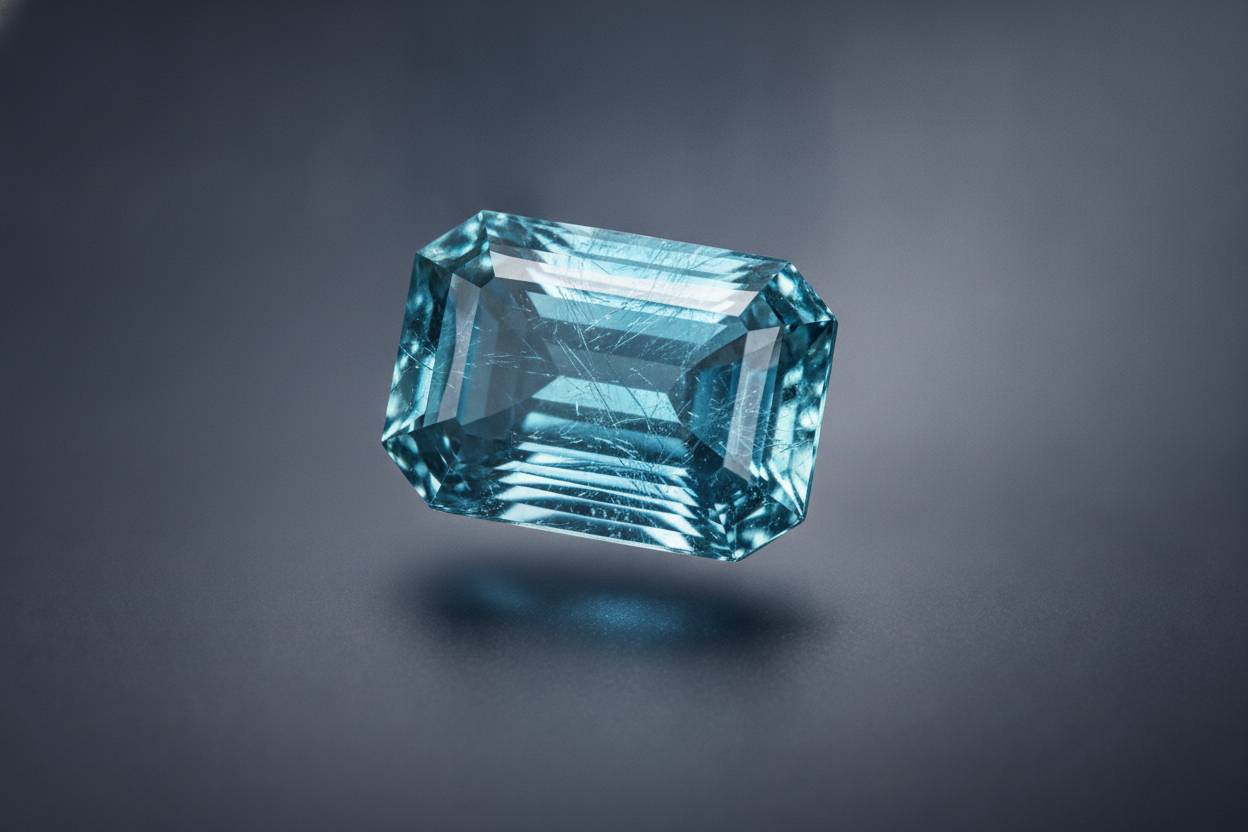
Tourmaline is not a single mineral but a family of complex boron silicates crystallising in the trigonal system. Indicolite generally falls within the elbaite group, and its blue derives from iron together with other trace elements — not from copper, which is what produces the separate neon-toned material sold as Paraíba-type tourmaline.
The measurable properties are consistent and useful at the counter:
- Mohs hardness: 7–7.5
- Refractive index: 1.61–1.64, with distinct birefringence
- Crystal system: trigonal
- Specific gravity: approximately 3.0–3.1
Indicolite is strongly pleochroic, showing a darker, denser blue down the length of the crystal and a lighter tone across it. Cutters must orient the stone to balance colour against weight retention, which is one reason fine blues are rarely cut to maximum yield.
Typical inclusions are natural: fine needles, growth tubes, and colour zoning. These are identity markers, not defects in themselves — but heavy needling dulls transparency, and that shows up directly in price.
Blue tourmaline value guide
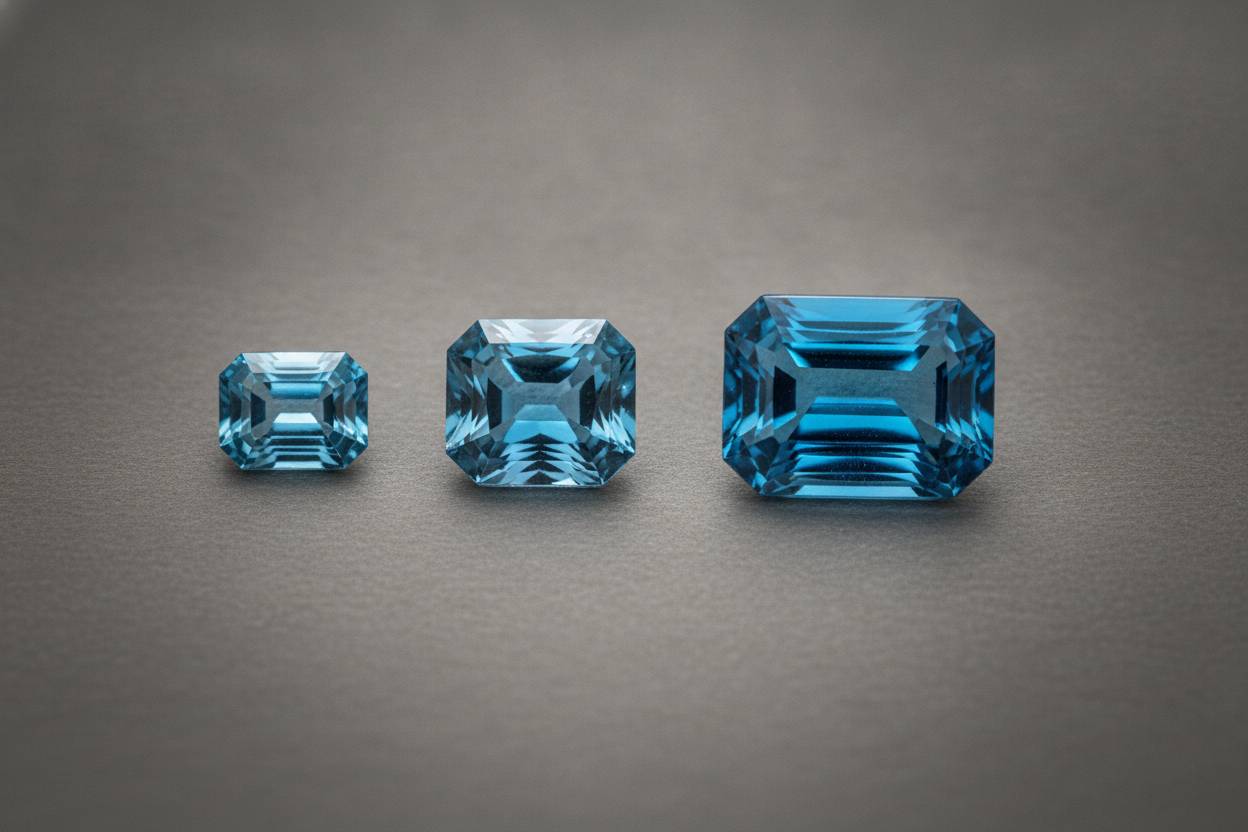
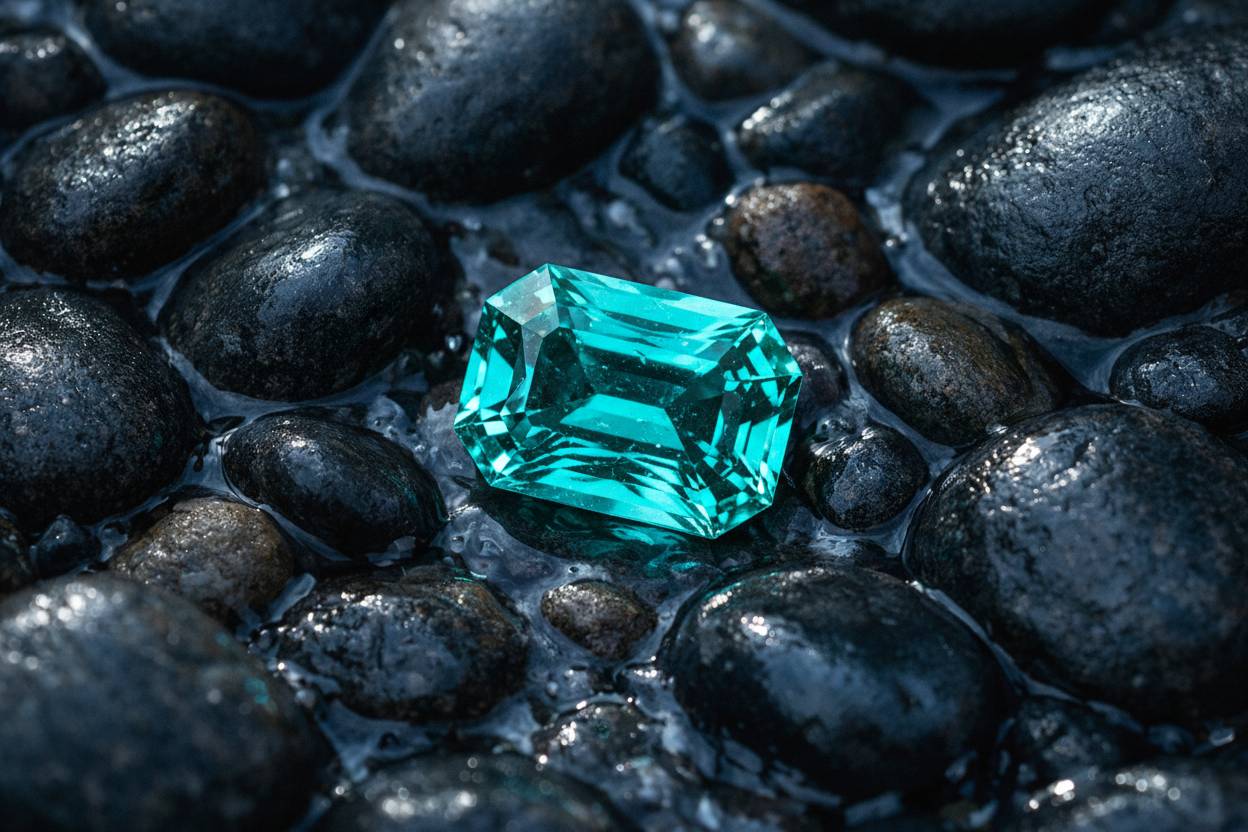
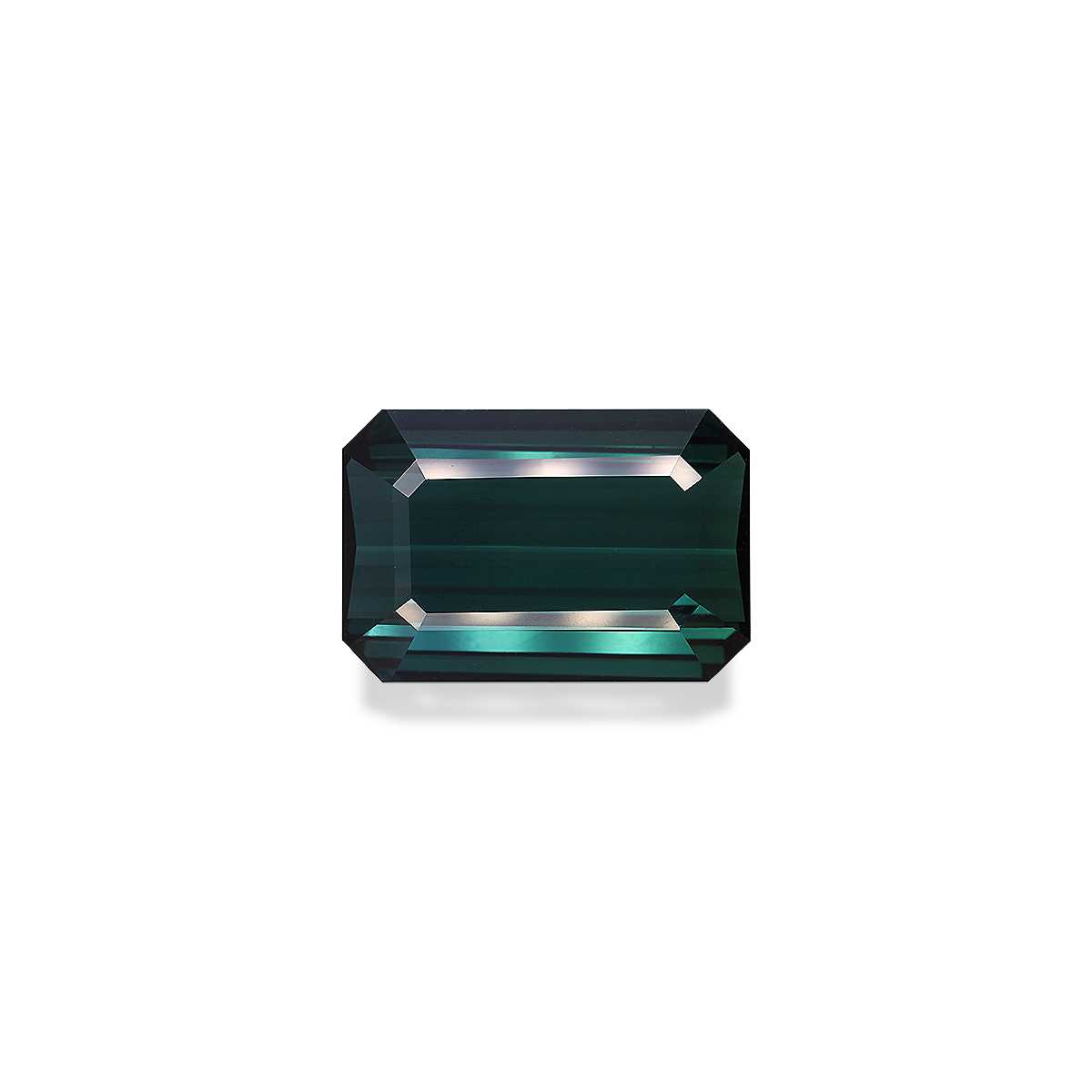
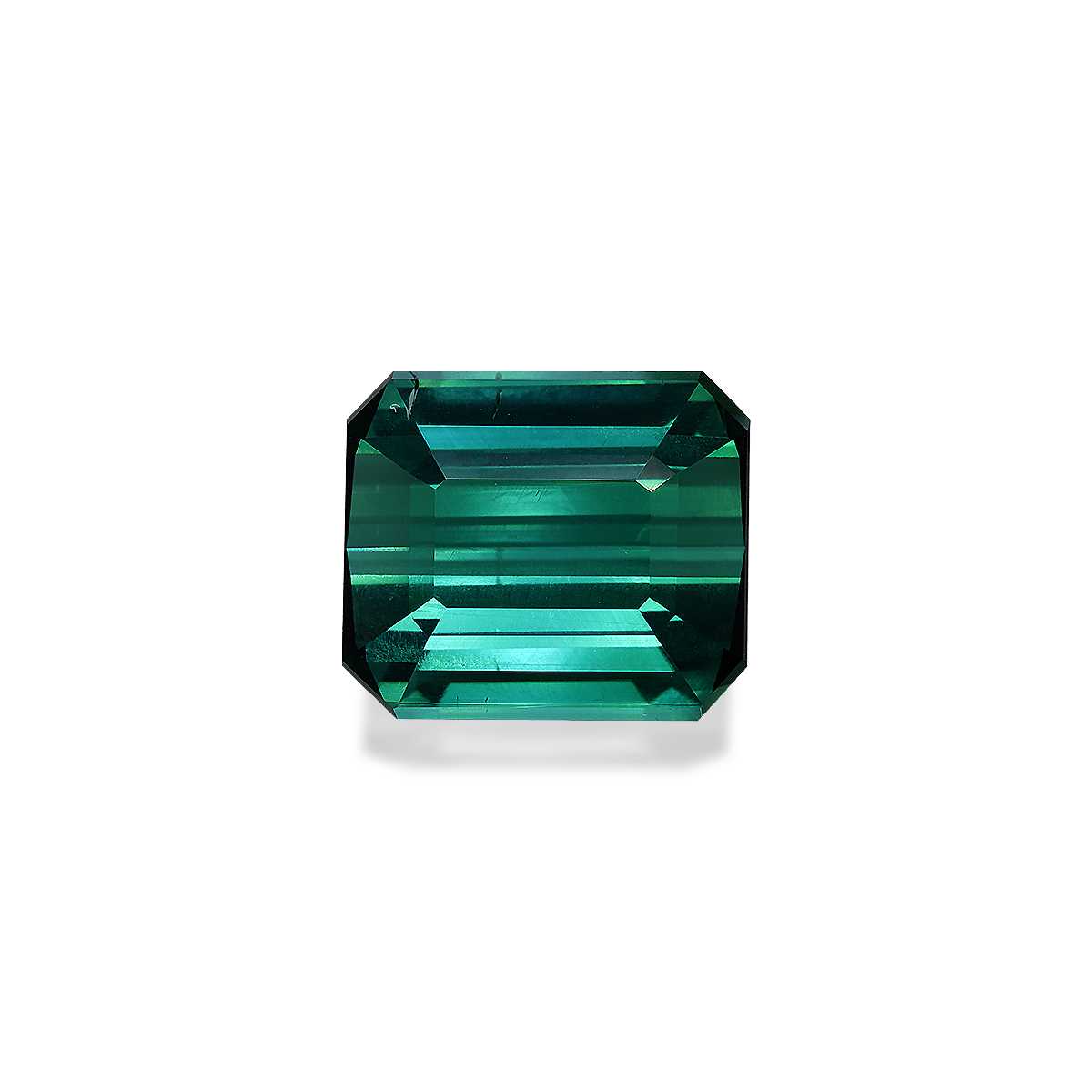
Saturation leads. A stone that reads as a true, open blue rather than a greyish or greenish blue sits in a different class entirely, and the difference is visible without magnification.
Clarity comes second. Indicolite is a type II to type III gem in trade terms, meaning inclusions are expected, but eye-clean material in strong colour is scarce and priced accordingly.
Size compounds both. Saturated, clean indicolite becomes markedly harder to find as carat weight rises, and per-carat prices climb steeply rather than proportionally.
Treatment status matters too. The indicolite we handle is unheated, and unheated stones with genuine colour strength command a premium over comparable material without that assurance — ask for it in writing on the report.
More from Blue Tourmaline


Where buyers get caught out
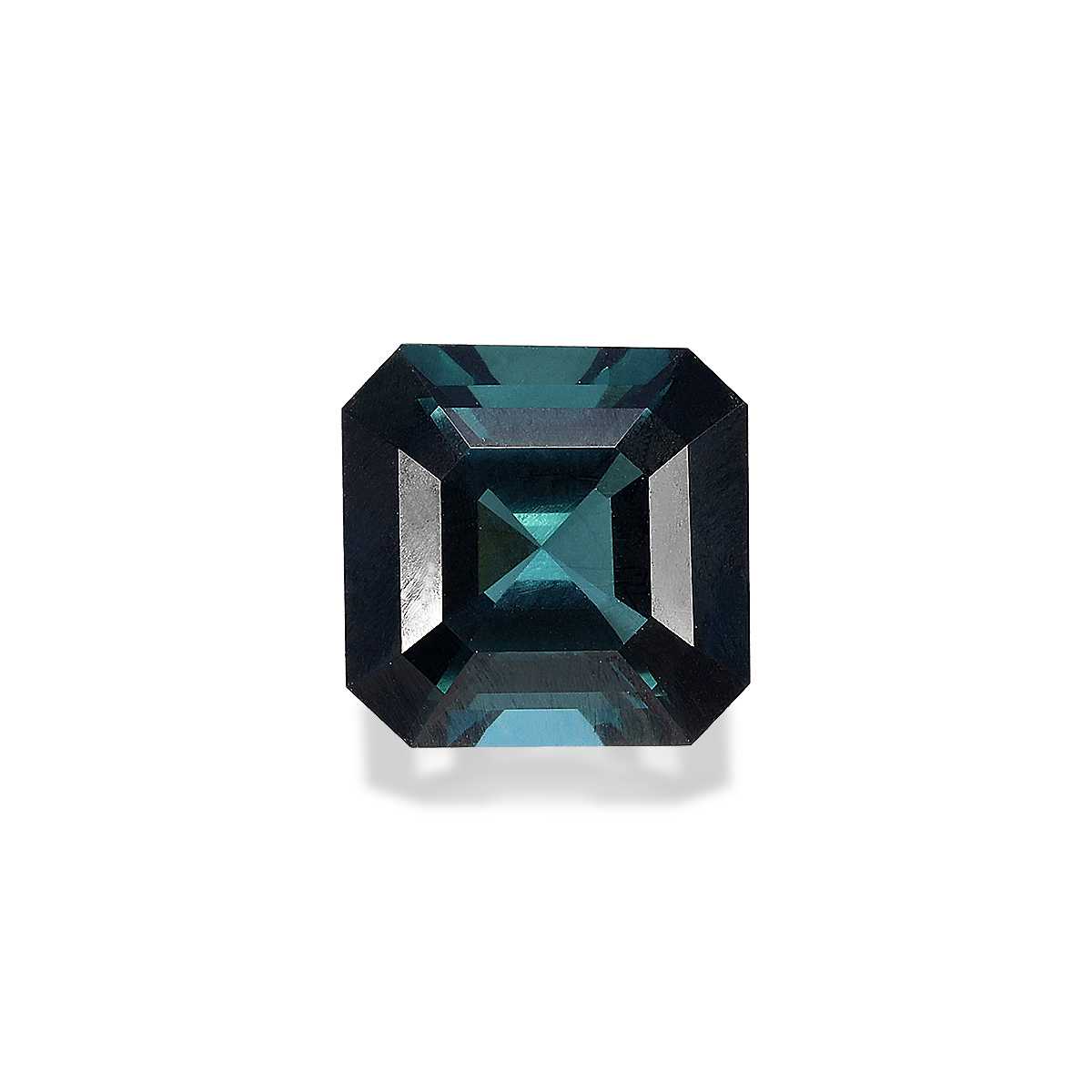
The most common error is misidentification. Blue zircon, blue topaz, blue spinel and various synthetics all occupy similar price photographs and similar colour descriptions online, yet they are entirely different materials with different values.
Zircon in particular is easy to distinguish in the hand — its extreme birefringence produces visible doubling of the back facets under a loupe — but not from a screen. Refractive index settles the question quickly: indicolite reads 1.61–1.64, well below zircon or sapphire.
The second pitfall is overlooking inclusions. Needles and growth tubes that vanish in studio lighting can flatten a stone's brilliance in daylight, so ask for video under diffuse and direct light before committing.
The third is loose language. "Neon blue", "Santa Maria blue" and similar phrases are marketing descriptors borrowed from other species and carry no defined grading meaning for tourmaline.
Buying with the history in mind
Indicolite spent centuries misfiled under other names before science gave it one of its own. Buying it well means finishing that job: confirm the species on an independent report, judge the colour in more than one light, and accept inclusions as part of a natural stone while refusing those that steal its life.
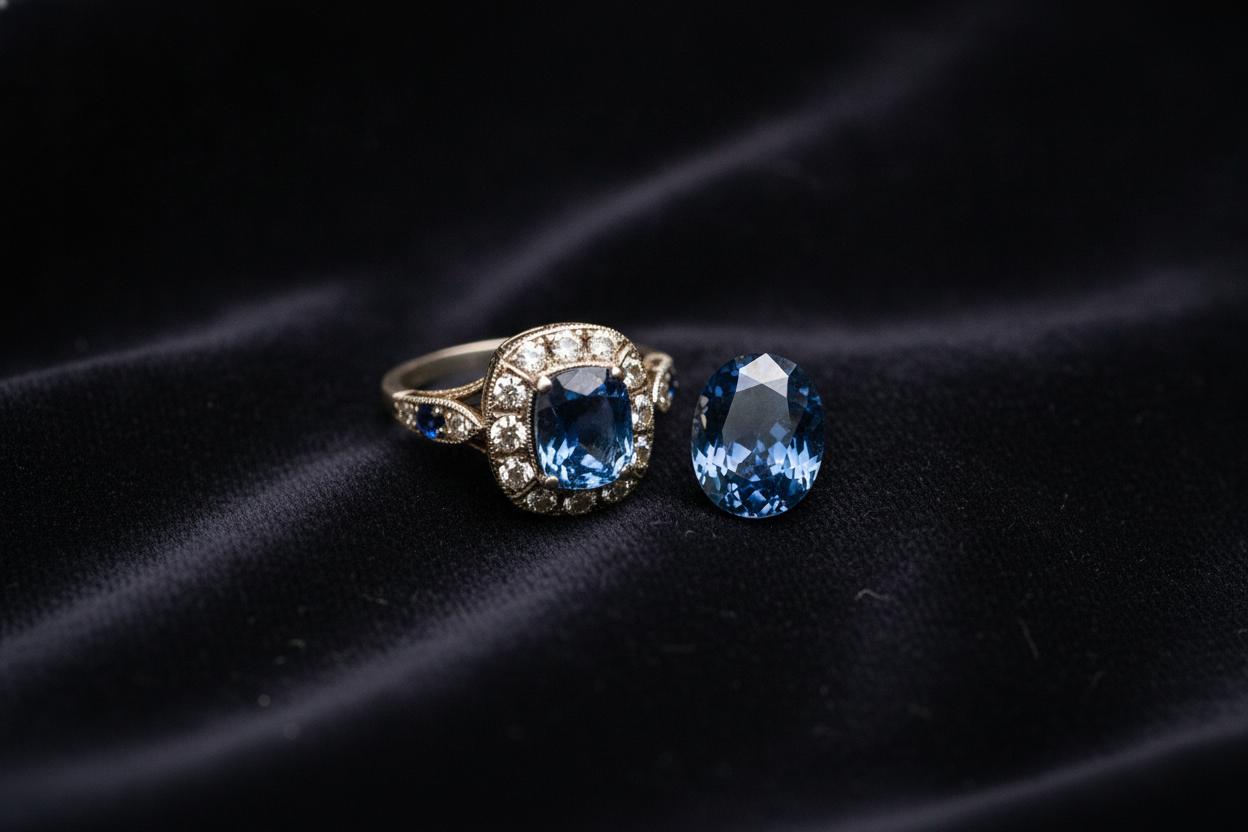
At 7–7.5 on the Mohs scale it wears well in rings and pendants with sensible care, avoiding sharp knocks and sudden temperature change. Chosen properly, it is a stone with real documentation behind both its identity and its meaning.
Frequently asked questions
What is indicolite and how is it different from other blue gems?+
Indicolite is the trade name for blue to blue-green tourmaline, coloured by iron and other trace elements. It differs from blue sapphire, blue zircon and blue spinel in composition, refractive index (1.61–1.64) and hardness (7–7.5), so a gemmological report is the reliable way to confirm identity.
Is blue tourmaline the same as Paraiba tourmaline?+
No. Paraíba-type tourmaline owes its neon blue-green to copper, while indicolite's blue comes from iron and other trace elements. They are both tourmalines, but they are separate market categories with very different price structures.
Does unheated blue tourmaline cost more?+
Yes. Unheated stones with strong colour saturation command a premium over comparable material sold without that assurance. Ask for the treatment status to be stated explicitly on an independent laboratory report.
Are inclusions normal in blue tourmaline?+
Yes. Natural needles, growth tubes and colour zoning are typical of indicolite and help confirm it is natural. What matters is whether they reduce transparency or brilliance — heavy needling lowers value, while minor internal features in a bright stone do not.
Where does blue tourmaline come from?+
The indicolite we offer comes from African sources, including Mozambique. Origin on its own does not set the price for this stone — saturation, clarity and size do most of the work.
How durable is blue tourmaline for everyday wear?+
At 7–7.5 on the Mohs scale it is suitable for rings and pendants with reasonable care. Avoid sharp knocks and sudden temperature changes, and clean with warm soapy water rather than ultrasonic or steam equipment, particularly if the stone is noticeably included.
From our Journal
Buying guides, origin stories, and notes from the trade.