How to Choose Purple Spinel: Lore & Facts
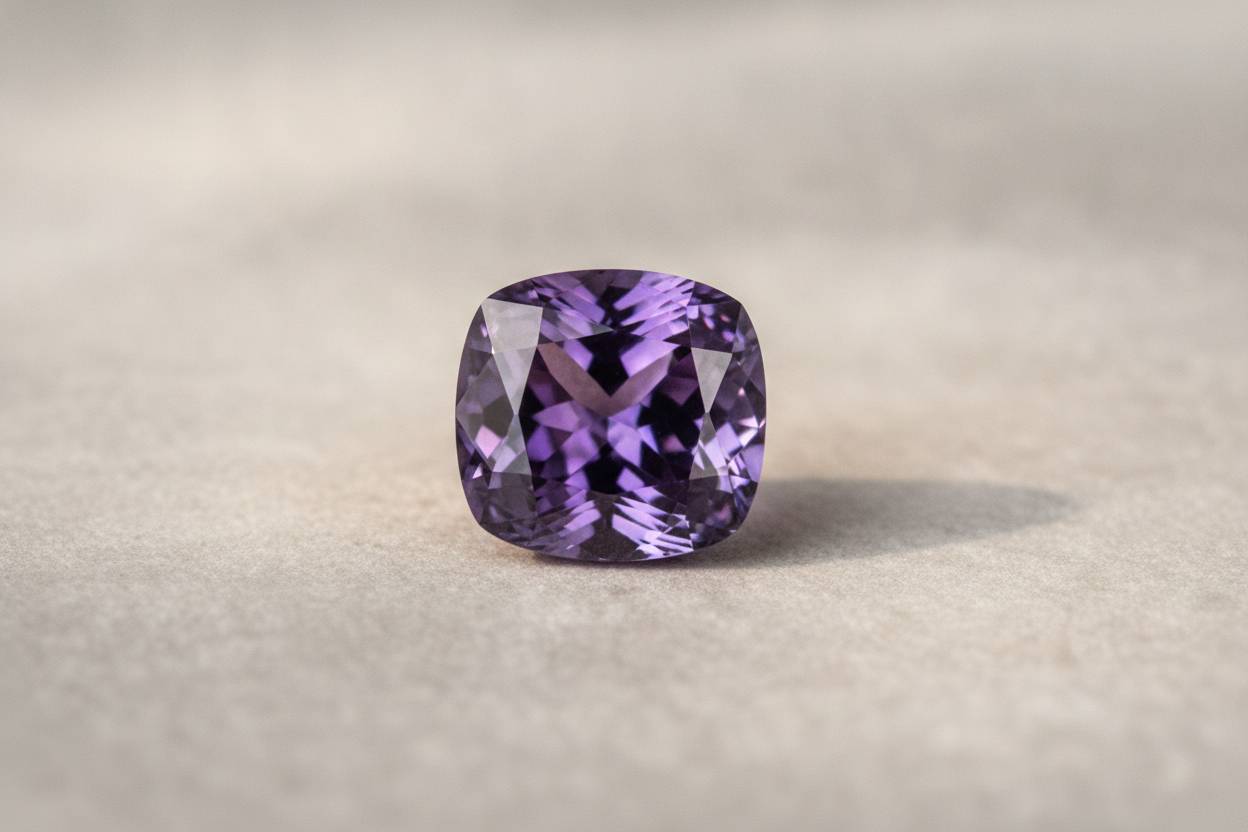
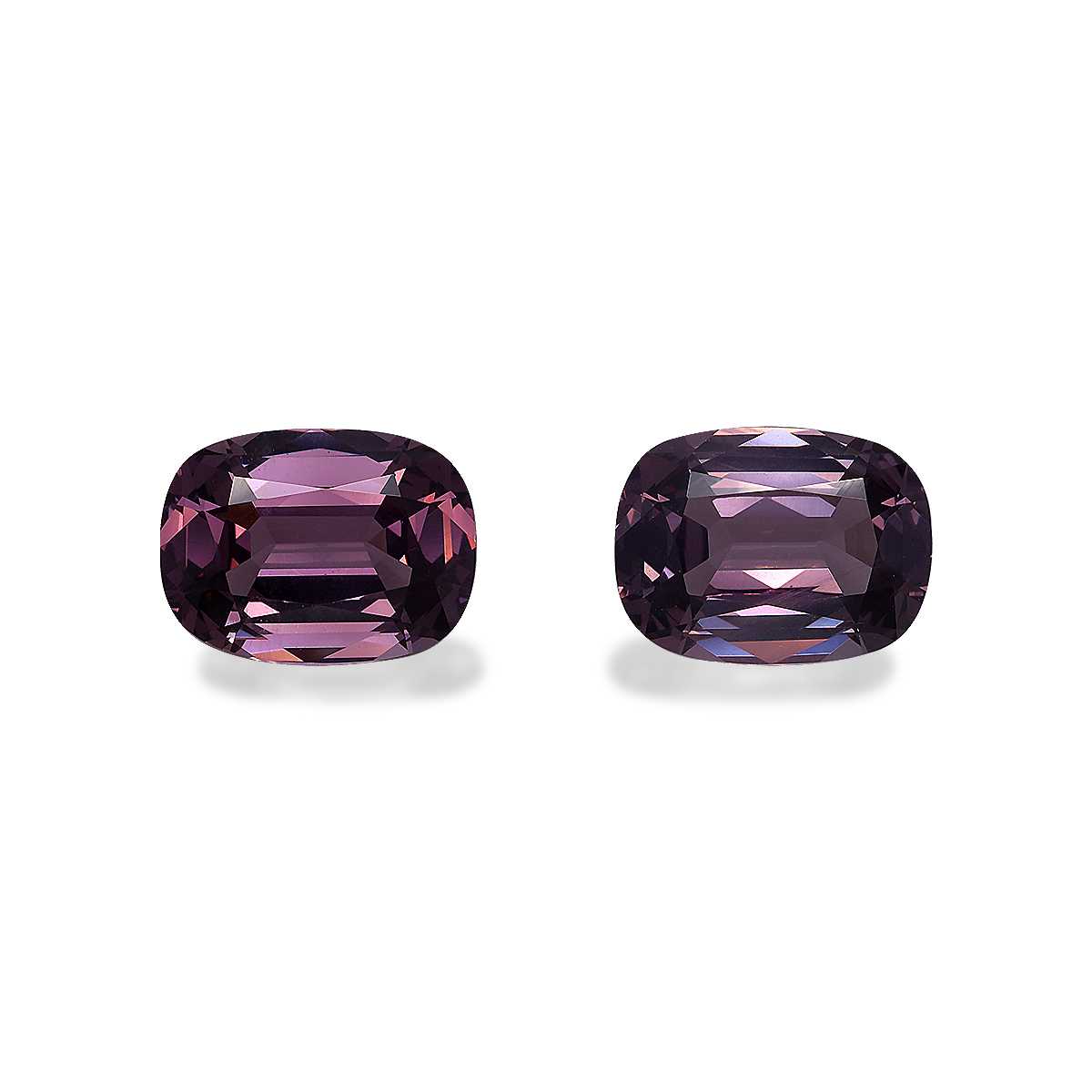
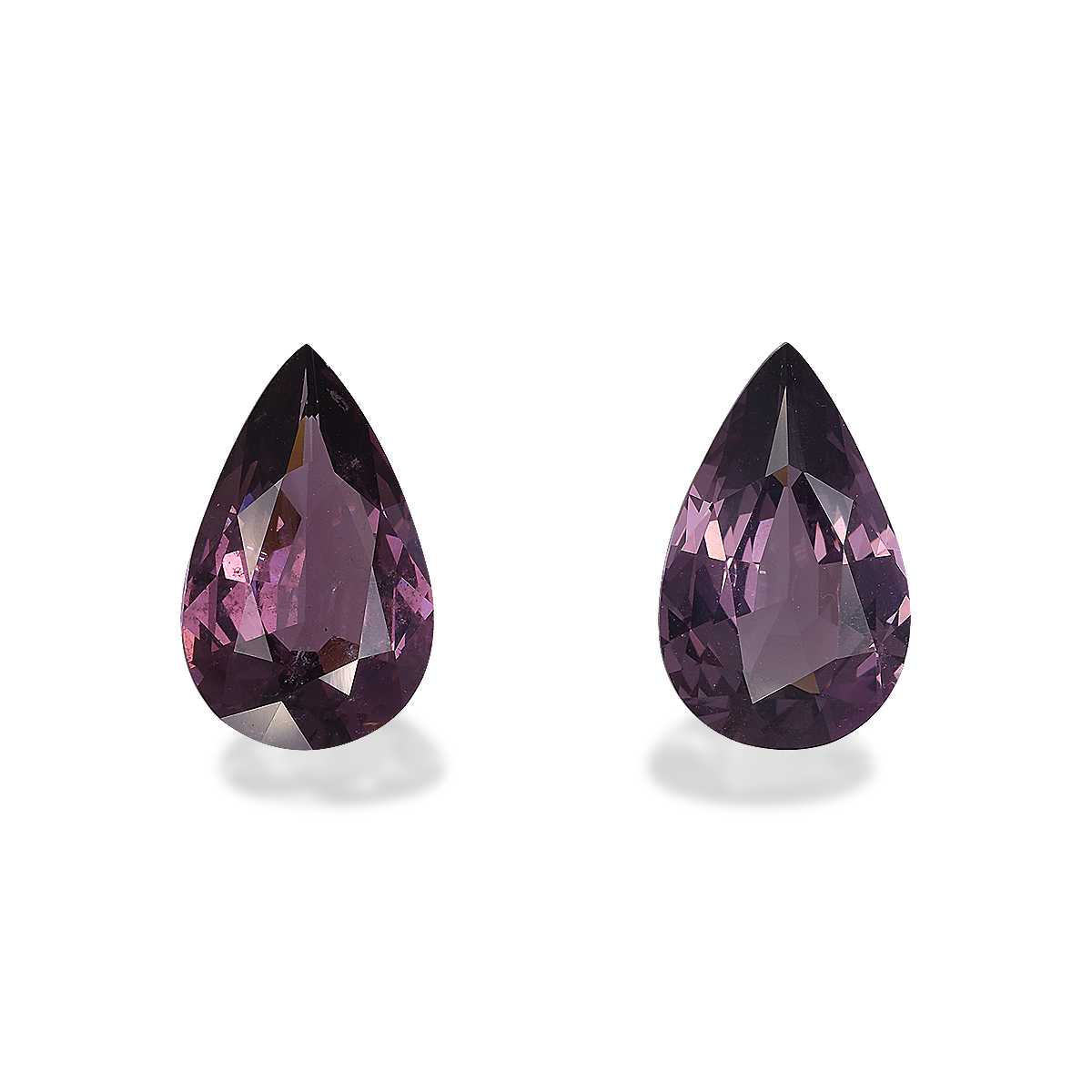
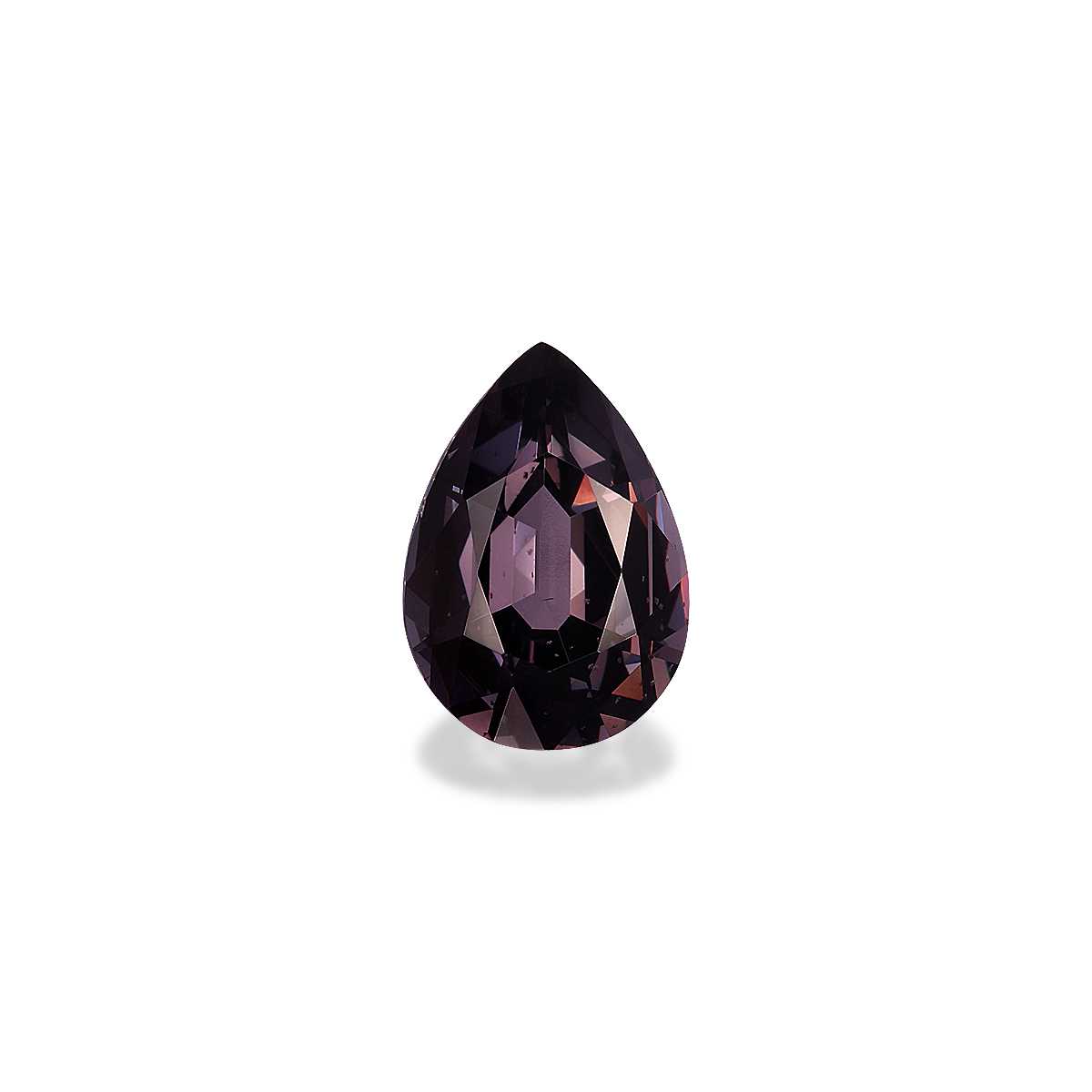
To choose purple spinel, start with colour: look for an even violet-to-purple that holds its saturation under both daylight and lamplight, without grey or brown shading the stone. Then check clarity, which should be eye-clean, and cut, which in spinel does most of the work of returning light. Purple spinel is coloured by chromium and iron, has a Mohs hardness of 7.5-8 and a refractive index of 1.718-1.733, and is typically offered unheated — ask and get it in writing. The main commercial sources are Mozambique and other African deposits, alongside Burma. Historically, spinel carried other gems' names for centuries, which is exactly why buyers still confuse it with amethyst and other purple stones today.
Spinel's long mistaken identity
For most of its recorded history, spinel was not called spinel. Red stones from Badakhshan, in the mountains of Central Asia, travelled the trade routes as balas rubies and entered treasuries across Persia, Mughal India and Europe under that name.
Two of the most famous stones in the British Crown Jewels — the Black Prince's Ruby and the Timur Ruby — are spinels, not corundum. The distinction was only settled by mineralogists in the late eighteenth century, once chemistry and crystallography could separate the two species.
That long misattribution is the single most important piece of spinel lore. It explains why the gem has a royal history but almost no independent folklore of its own, and why its modern reputation had to be rebuilt from gemmology rather than legend.
What purple spinel means today
In Mogok, Burma, spinel has long been known by the Burmese term nat thwe, understood in the trade as "polished by the spirits" — a reference to crystals found already formed with bright, clean faces. It is one of the few genuinely local traditions attached to the species, and it belongs to spinel broadly rather than to purple material alone.
Purple spinel carries no ancient symbolism of its own, and honest sellers should not invent one. What it does have is a documented modern status: spinel was adopted as an additional August birthstone in 2016 by the American Gem Trade Association and Jewelers of America.
Purple, as a colour, carried its own weight long before this stone was correctly identified — associated with rank and restraint because the dyes were costly. Buyers today tend to read purple spinel that way: quiet, deliberate, not a stone chosen for noise.
The gemmology beneath the colour
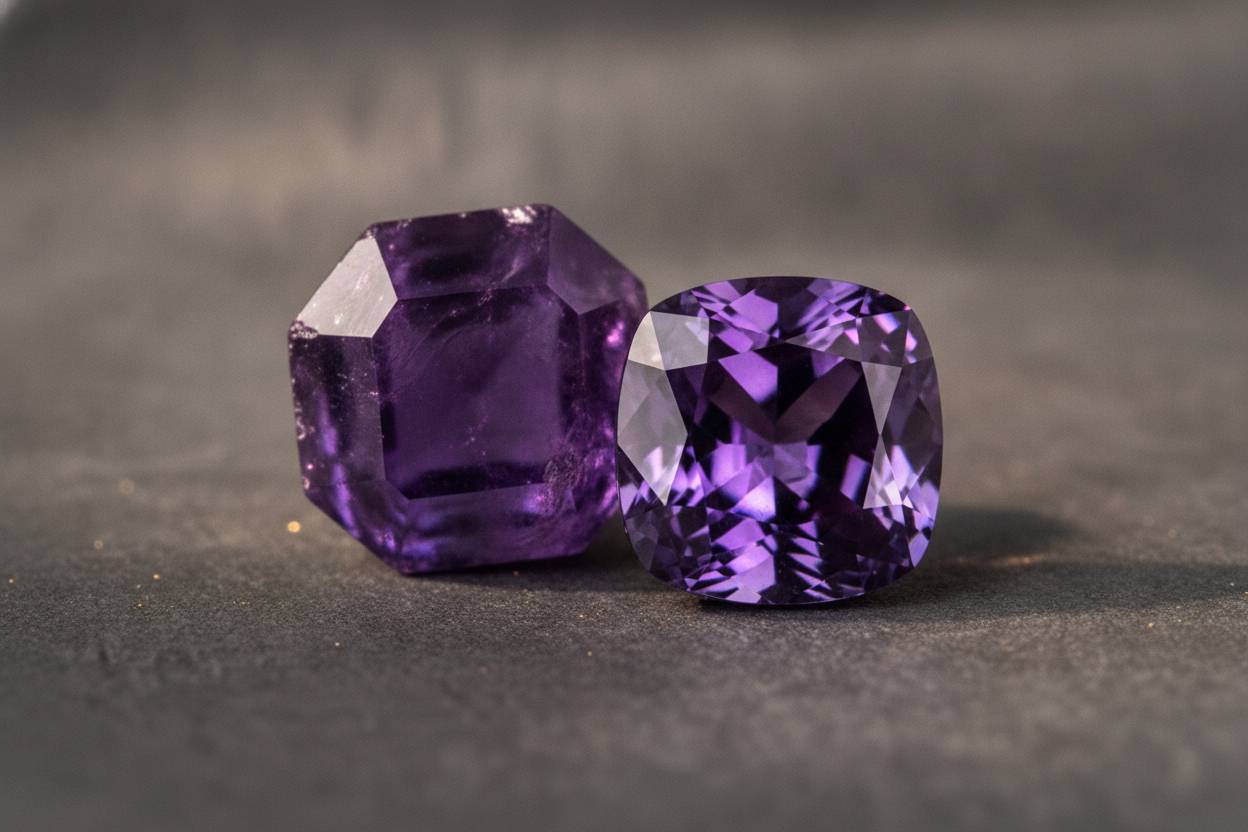
Spinel is magnesium aluminium oxide, crystallising in the cubic system. That makes it singly refractive, with no pleochroism and no doubling of back facets — a useful separation from amethyst, which is doubly refractive quartz.
Purple spinel takes its colour from chromium and iron working together. Chromium pushes the stone towards red and pink; iron adds the blue and grey component that shifts the result into violet and purple territory.
The practical figures to know are a refractive index of 1.718-1.733 and a Mohs hardness of 7.5-8. That hardness is comfortably durable for rings, and spinel has no cleavage to worry about, though it can still chip on a hard knock.
How to choose purple spinel
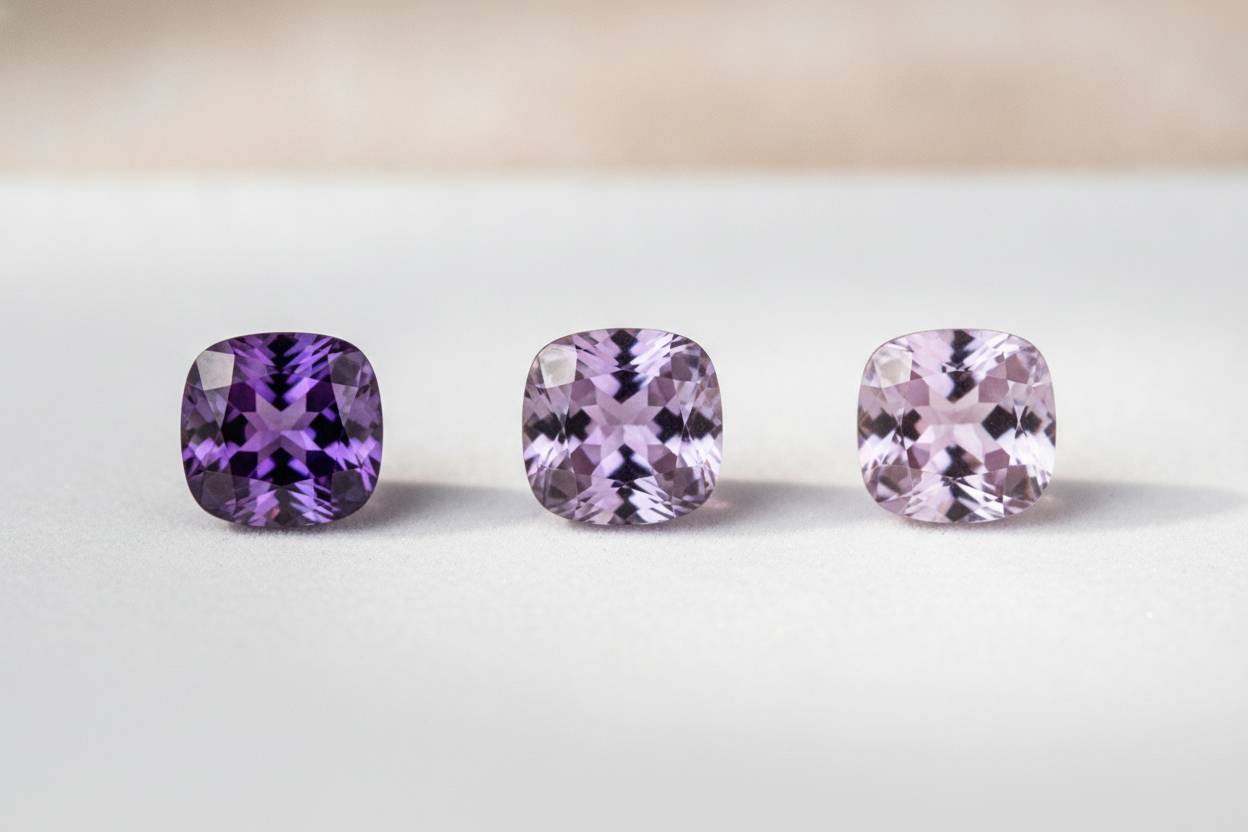
Work in a fixed order and the decision becomes straightforward. Colour first, clarity second, cut third, size last.
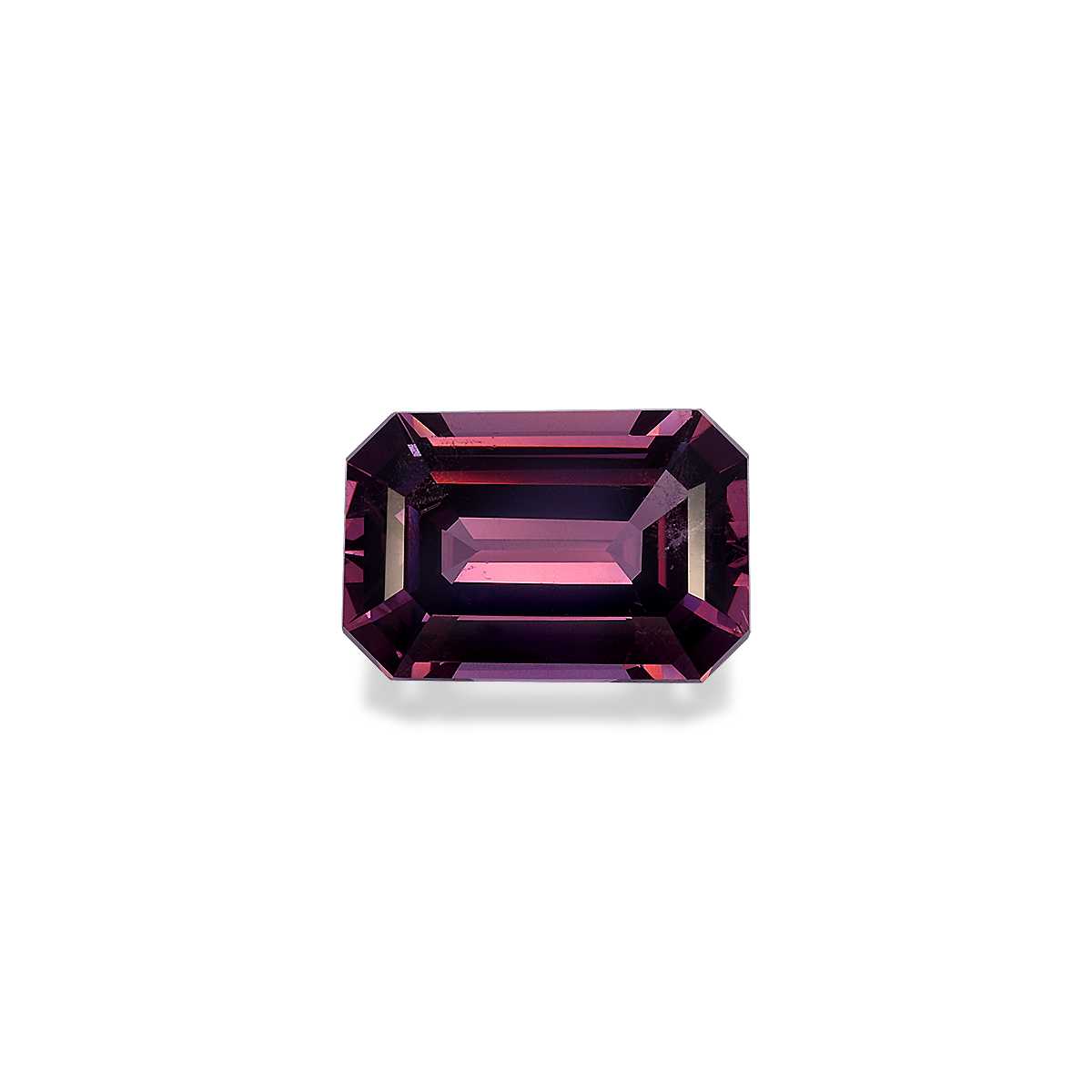
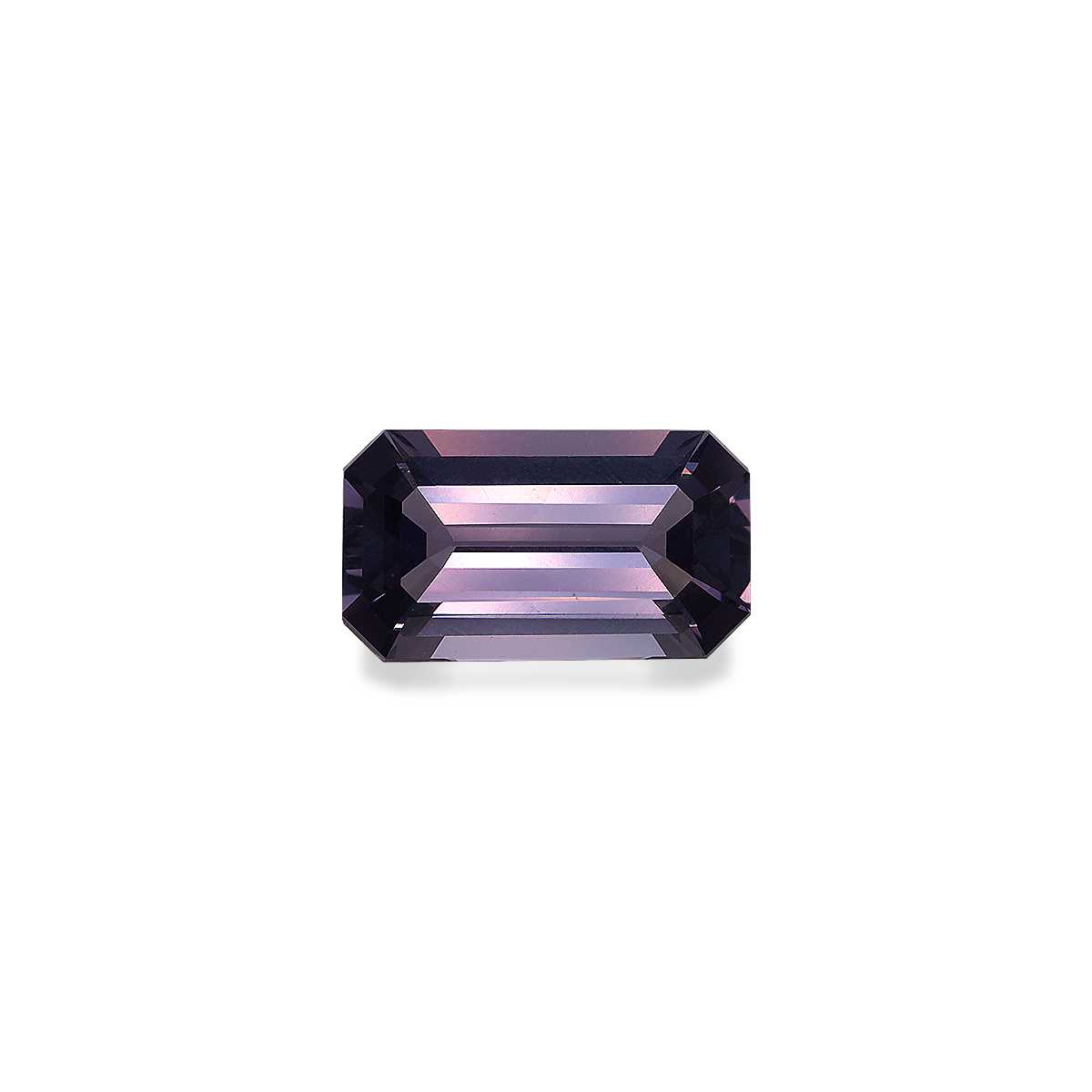
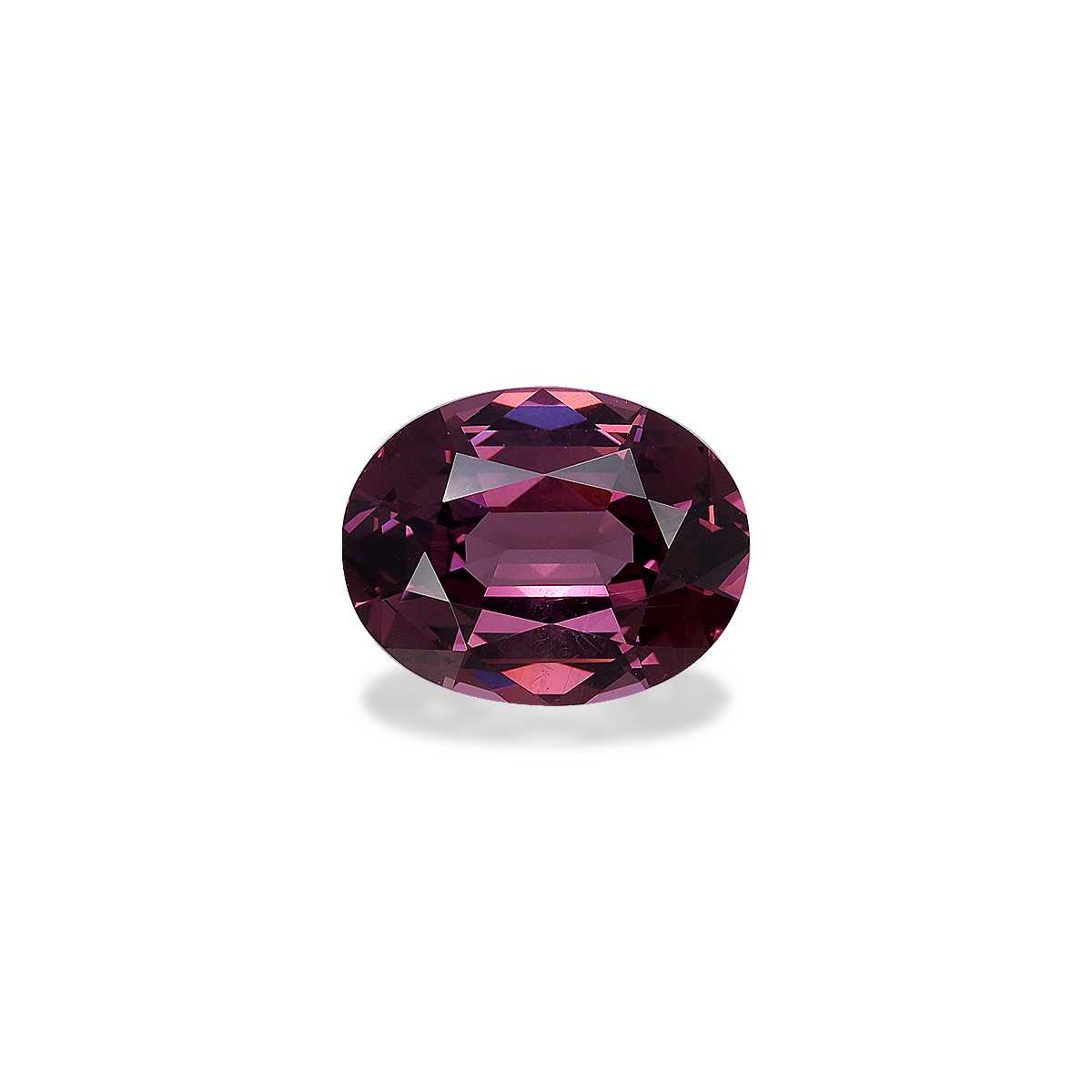
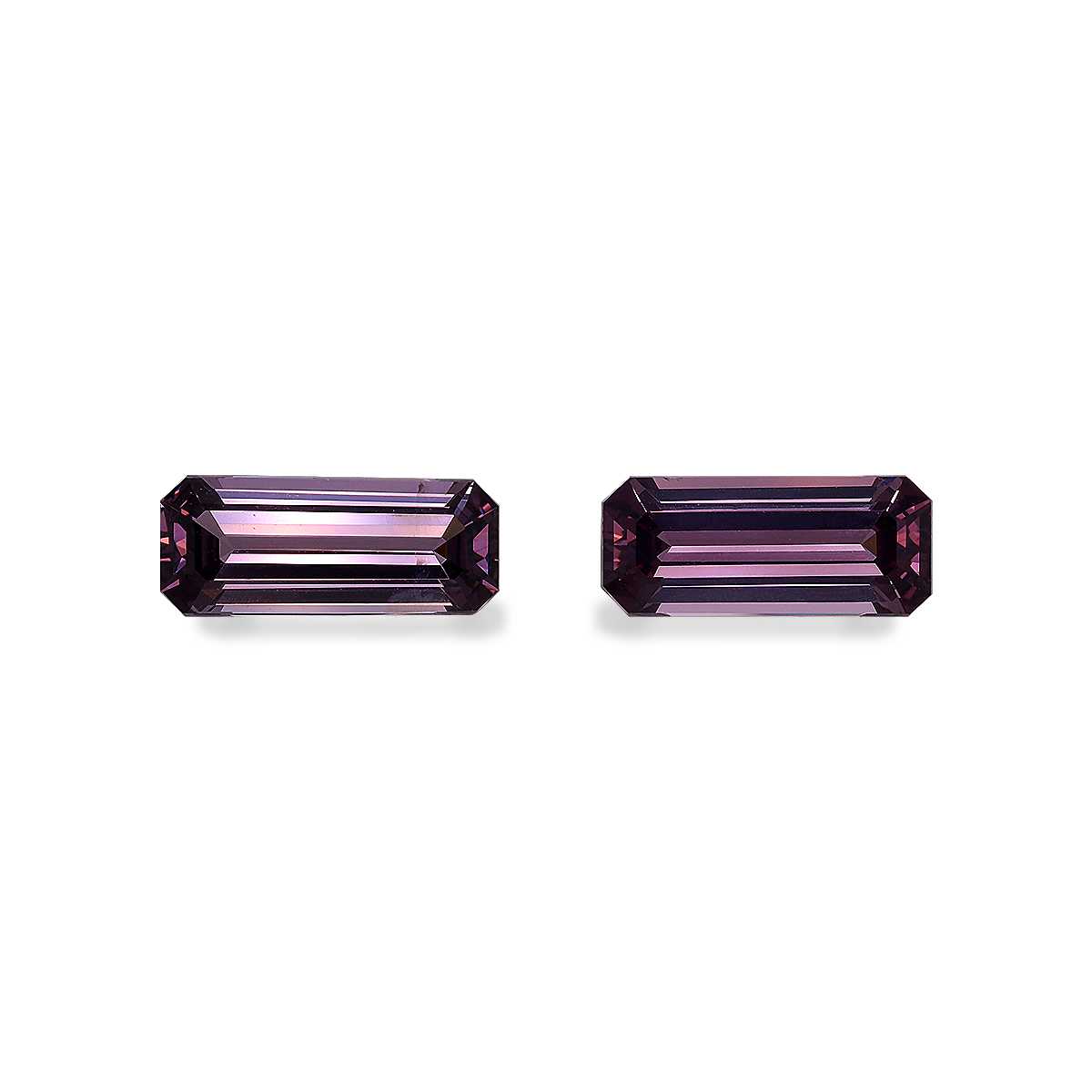
- Colour: assess face-up under two light sources. Strong, vibrant purple with even distribution outranks a stone that is merely large or merely clean.
- Clarity: fine spinel is often exceptionally clean. Eye-visible inclusions in a purple spinel are a real deduction, not a charming character trait.
- Cut: spinel rewards masterful cutting. Windowing, off-centre culets and flat, lifeless crowns are common in commercial goods and cost you brightness.
- Treatment: purple spinel is typically unheated. Ask the seller to state treatment status explicitly rather than assuming it.
- Origin: Mozambique and other African deposits supply much of today's market, with Burma a long-established source.
What drives purple spinel value
Three factors do most of the work: vibrant colour, exceptional clarity and the quality of the cut. A stone that scores well on all three sits in a different bracket from one that scores well on one.
Size matters, but less predictably than buyers expect. Purple spinel does occur in larger sizes, and a big stone with muddy colour or a lazy cut is not automatically the better buy.
Treatment disclosure should be part of the conversation on any significant purchase, alongside a report from an independent laboratory such as GIA, SSEF, Gübelin or AGL for stones of consequence.
More from Purple Spinel
Where buyers get caught out
The first pitfall is overestimating the rarity of larger stones. Purple spinel above a few carats is not as scarce as some sellers imply, and rarity claims should be tested against what colour and clarity the stone actually delivers.
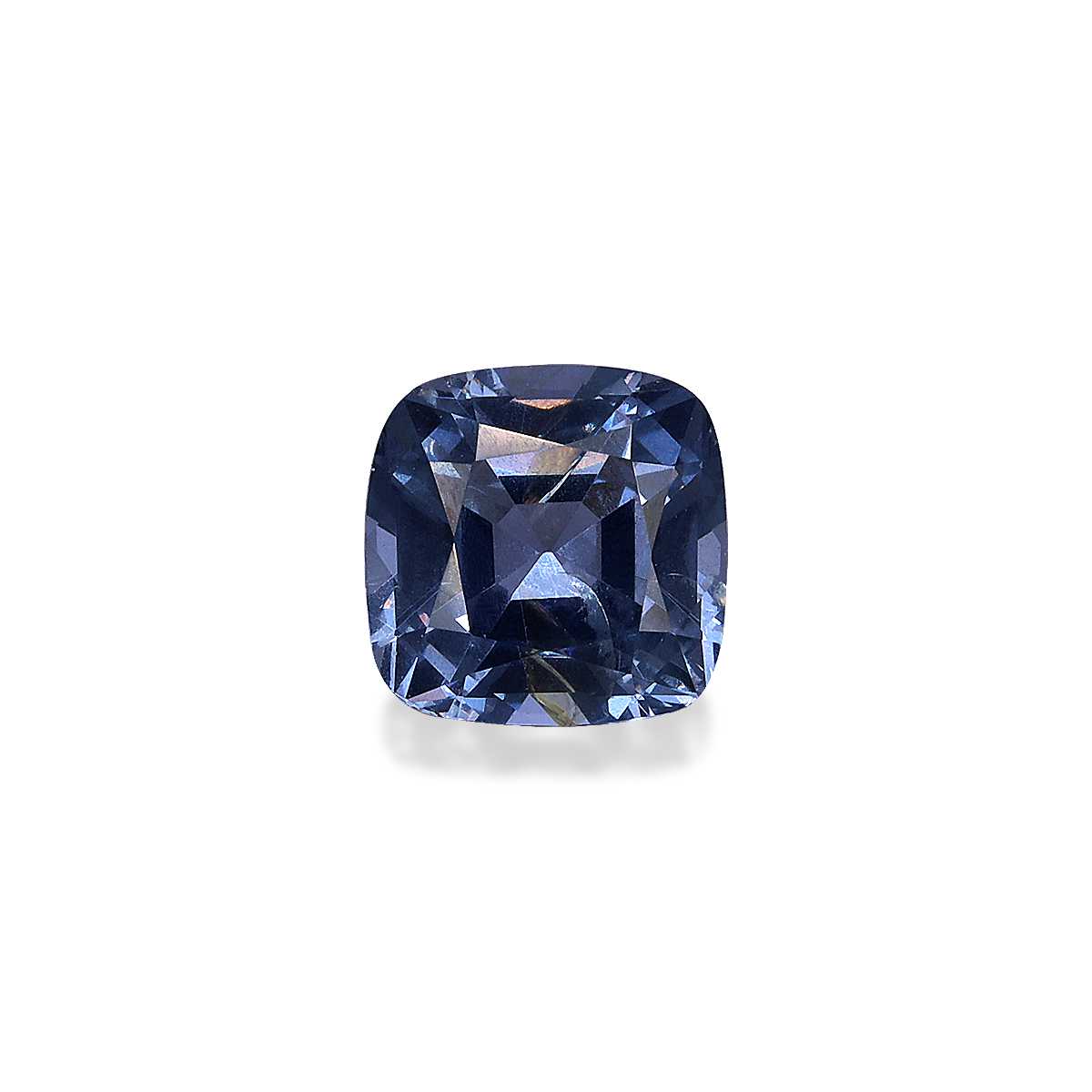
The second is confusion with amethyst and other purple gems. Amethyst is far more abundant and far less expensive; purple sapphire, purple garnet and synthetic spinel also circulate in the same colour range.
A refractometer reading of 1.718-1.733 with no birefringence separates spinel from amethyst and sapphire immediately. If you cannot test the stone yourself, buy on a laboratory report rather than on a name.
Purple spinel is a gem whose history is mostly a history of being mistaken for something else. Buying one well means reversing that: identify it precisely, judge it on colour, clarity and cut, and let the lore sit where it belongs — behind the stone, not in place of it.
Frequently asked questions
Is purple spinel treated or heated?+
Purple spinel is typically offered unheated, and treatment is not a routine part of how this material reaches the market. Even so, ask the seller to state treatment status in writing, and for significant stones rely on a report from an independent laboratory.
How can I tell purple spinel from amethyst?+
Spinel is cubic and singly refractive with a refractive index of 1.718-1.733, while amethyst is doubly refractive quartz with a much lower RI and visible pleochroism. A refractometer or a polariscope separates them in seconds, and a laboratory report settles it definitively.
What causes the purple colour in spinel?+
Chromium and iron together produce the colour. Chromium contributes red and pink tones while iron adds a blue-grey component, and the balance between them determines whether a stone reads violet, purple or plum.
Where does purple spinel come from?+
Mozambique and other African deposits supply much of the purple spinel in today's market, and Burma remains a long-established source for the species. Origin is worth knowing, but colour, clarity and cut should drive the buying decision.
Is purple spinel hard enough for an engagement ring?+
Yes. Spinel has a Mohs hardness of 7.5-8 and no cleavage, which makes it a practical choice for daily wear. Protective settings and sensible care still reduce the risk of chipping on a hard impact.
Are larger purple spinels much rarer?+
Larger purple spinels are less common than small ones, but the rarity of bigger stones is often overstated in sales conversation. A large stone with dull colour or a poor cut is generally a weaker purchase than a smaller, vivid, well-cut one.
From our Journal
Buying guides, origin stories, and notes from the trade.