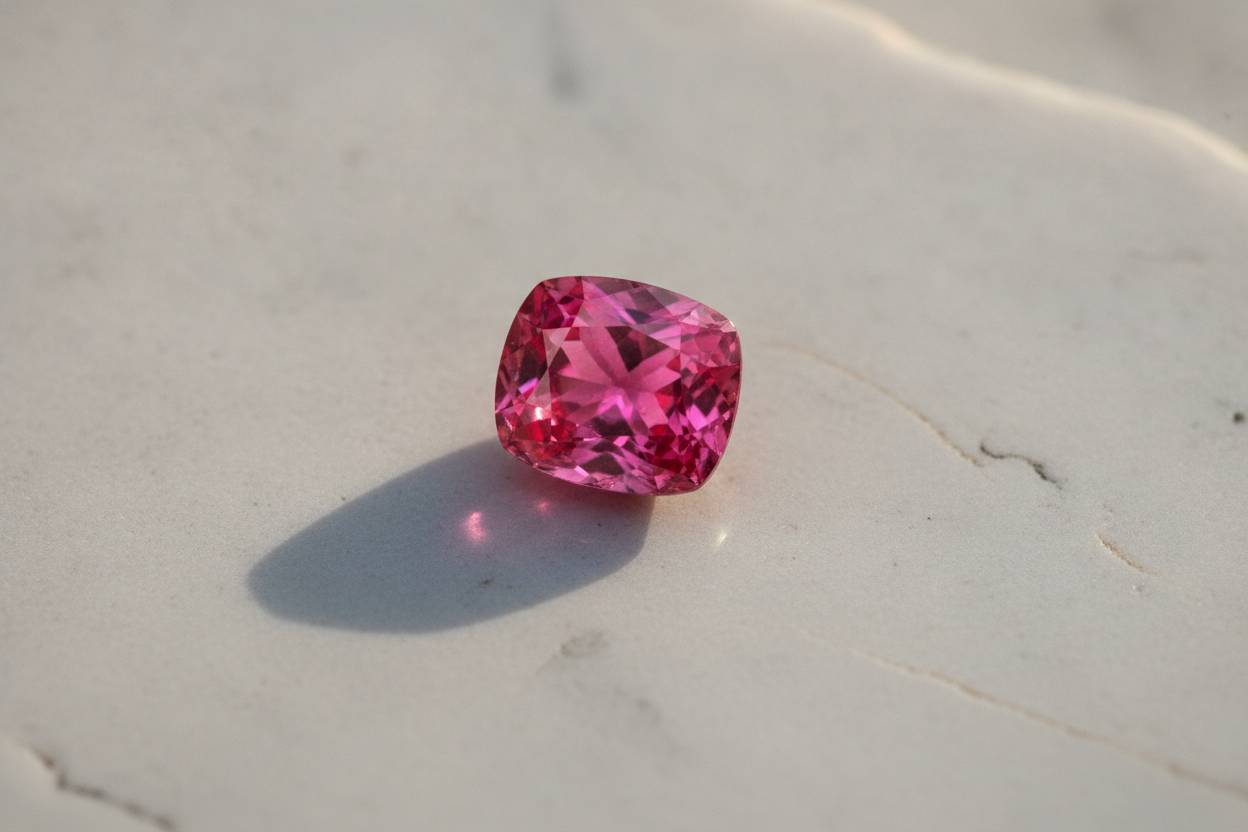
Pink Spinel Buying Guide: Origins
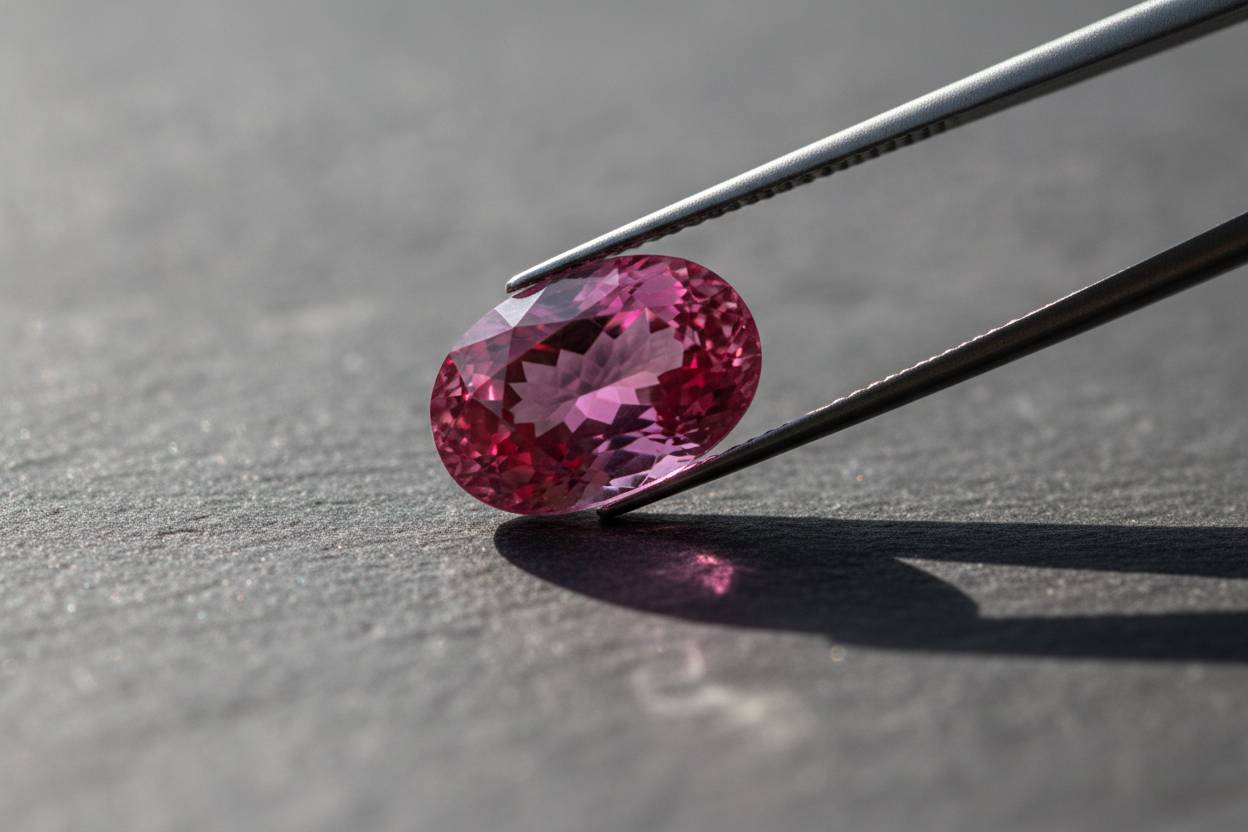
The finest pink spinels come from Burma, chiefly the Mogok and Namya tracts, with a smaller and far less documented supply from India. Origin matters because it tracks the balance of chromium and iron in the crystal, and that balance decides whether a stone reads as a soft pastel or a vivid, almost neon pink. This pink spinel buying guide treats provenance as one factor among several: colour intensity, clarity and size still set the price, and a laboratory origin opinion never replaces what you can see in the stone.
Pink spinel also arrives at market unheated, which changes how you should read a report. The questions worth asking are about colour, transparency and where the rough came from — not about what has been done to it.
Where pink spinel forms
Spinel is a magnesium aluminium oxide that crystallises in the cubic system, typically in marbles formed where limestone has been recrystallised by heat and pressure. The same metamorphic settings that produce fine ruby also produce fine spinel, which is why the two have shared deposits — and, historically, shared names — for centuries.
Because spinel is singly refractive with a refractive index of 1.718 to 1.733, and hard at 7.5 to 8 on the Mohs scale, it survives transport in gravel beds well. Much of the commercial supply is therefore recovered from secondary alluvial deposits rather than from the host marble itself.
This has a practical consequence. Alluvial crystals are often waterworn and free of the internal stress fractures common in mined rough, which is one reason fine pink spinel can be unusually clean for its size.
Burma: the benchmark origin
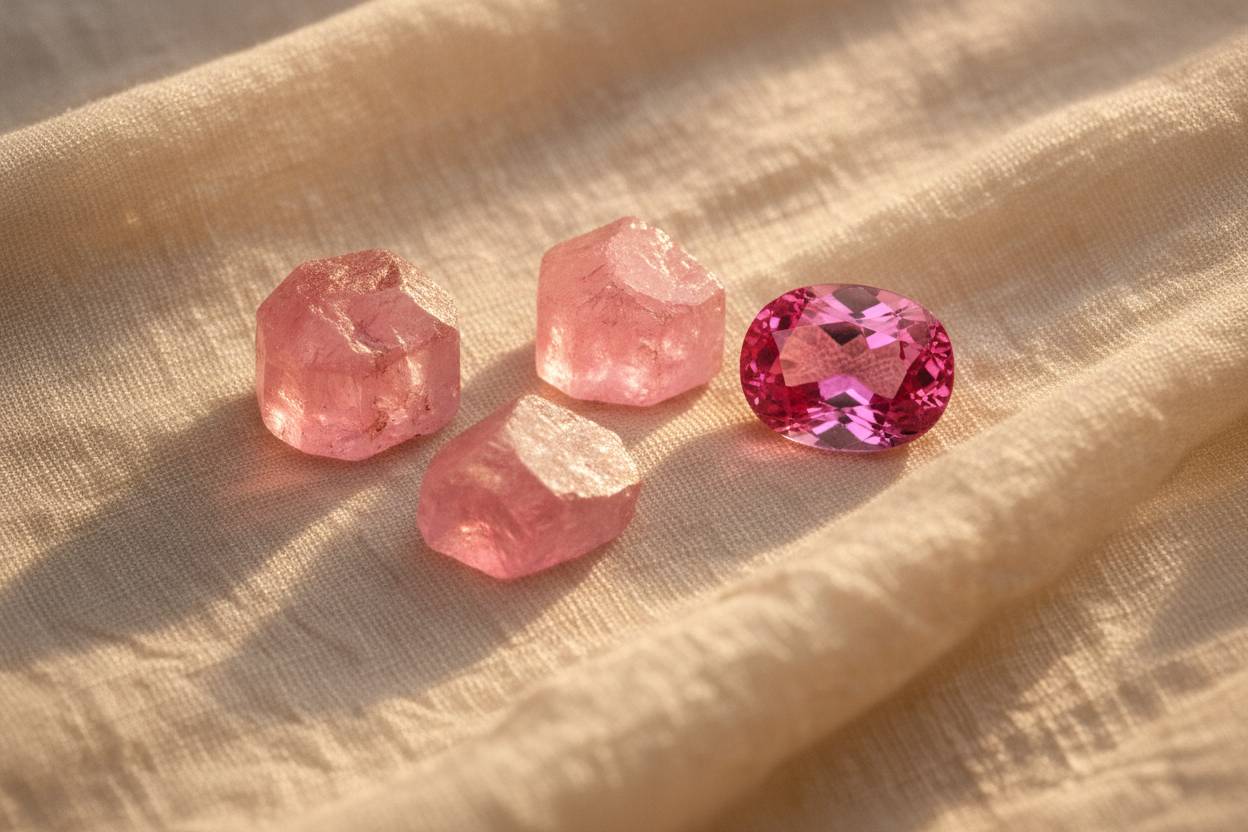
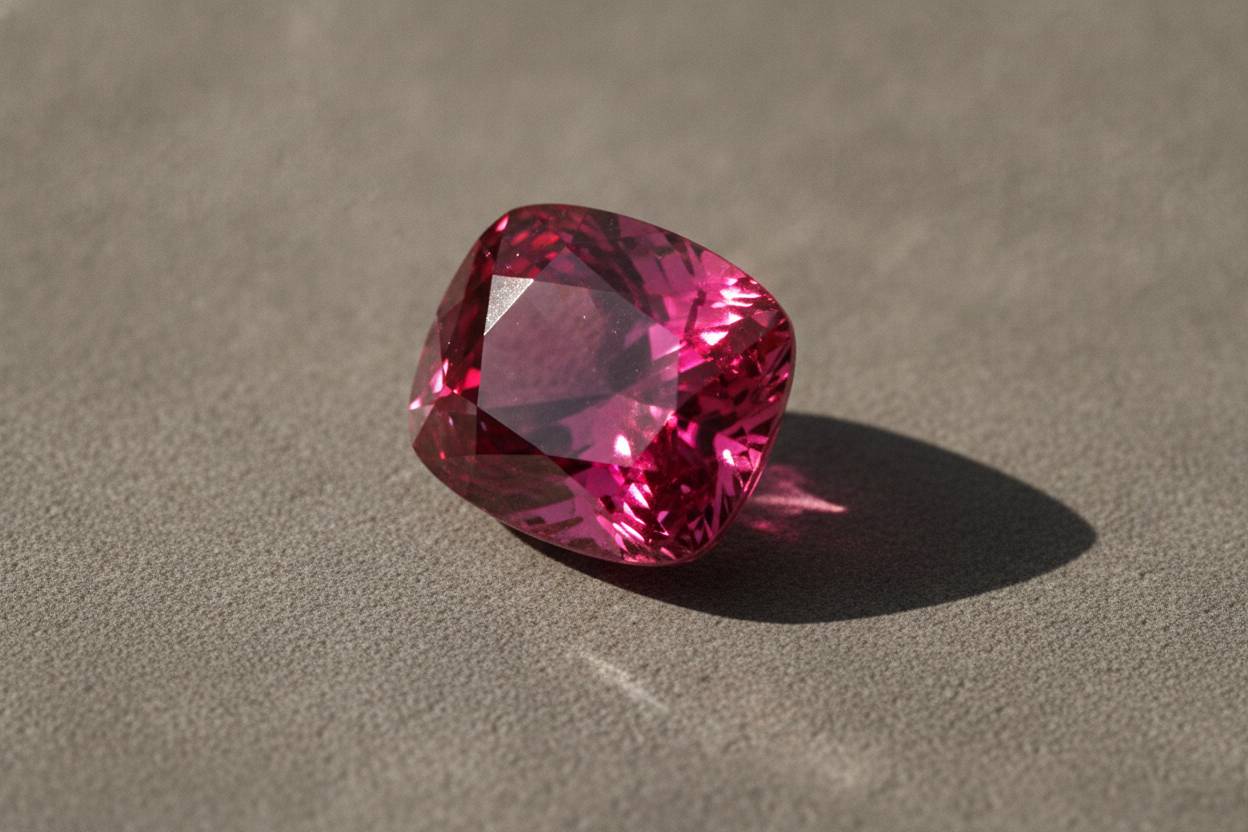
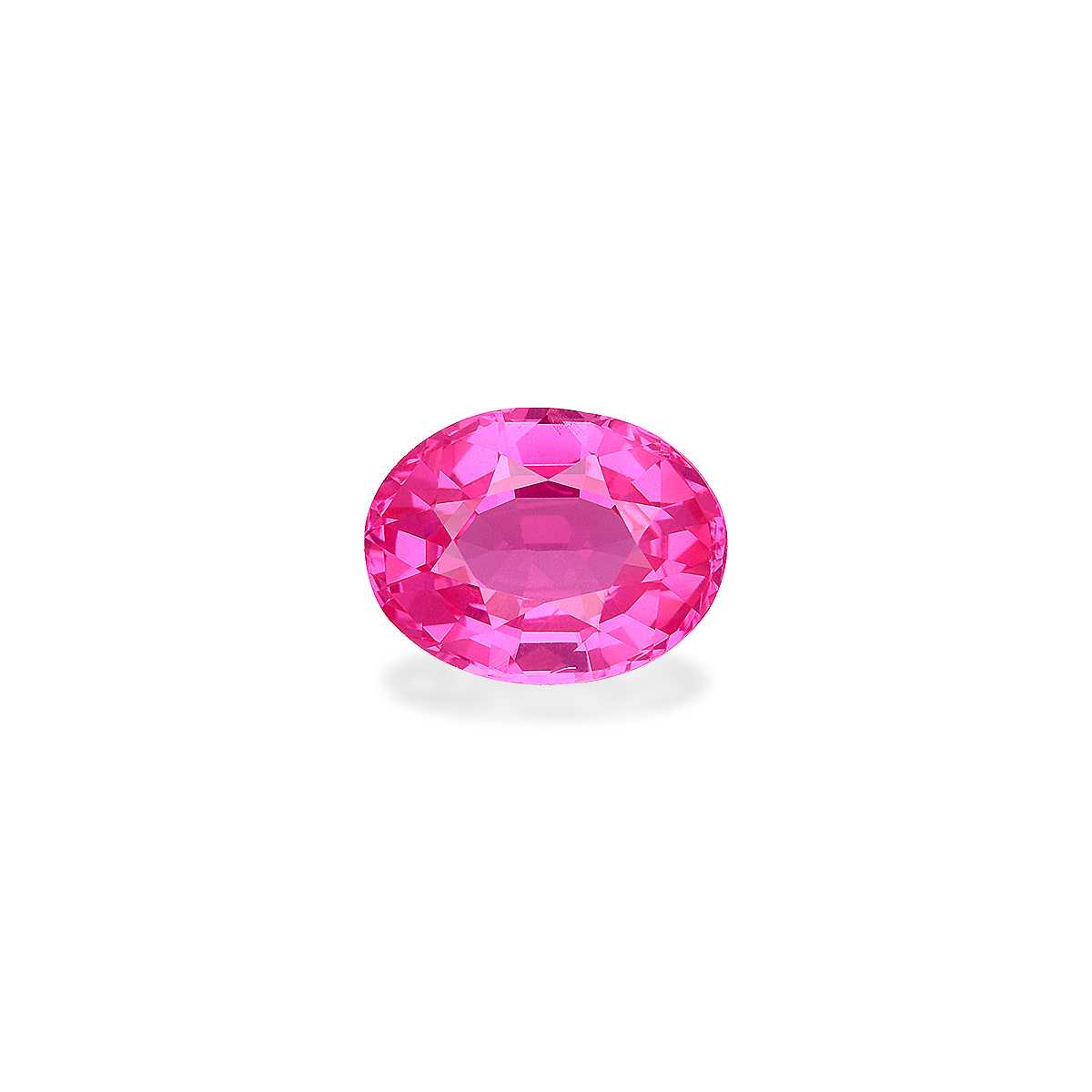
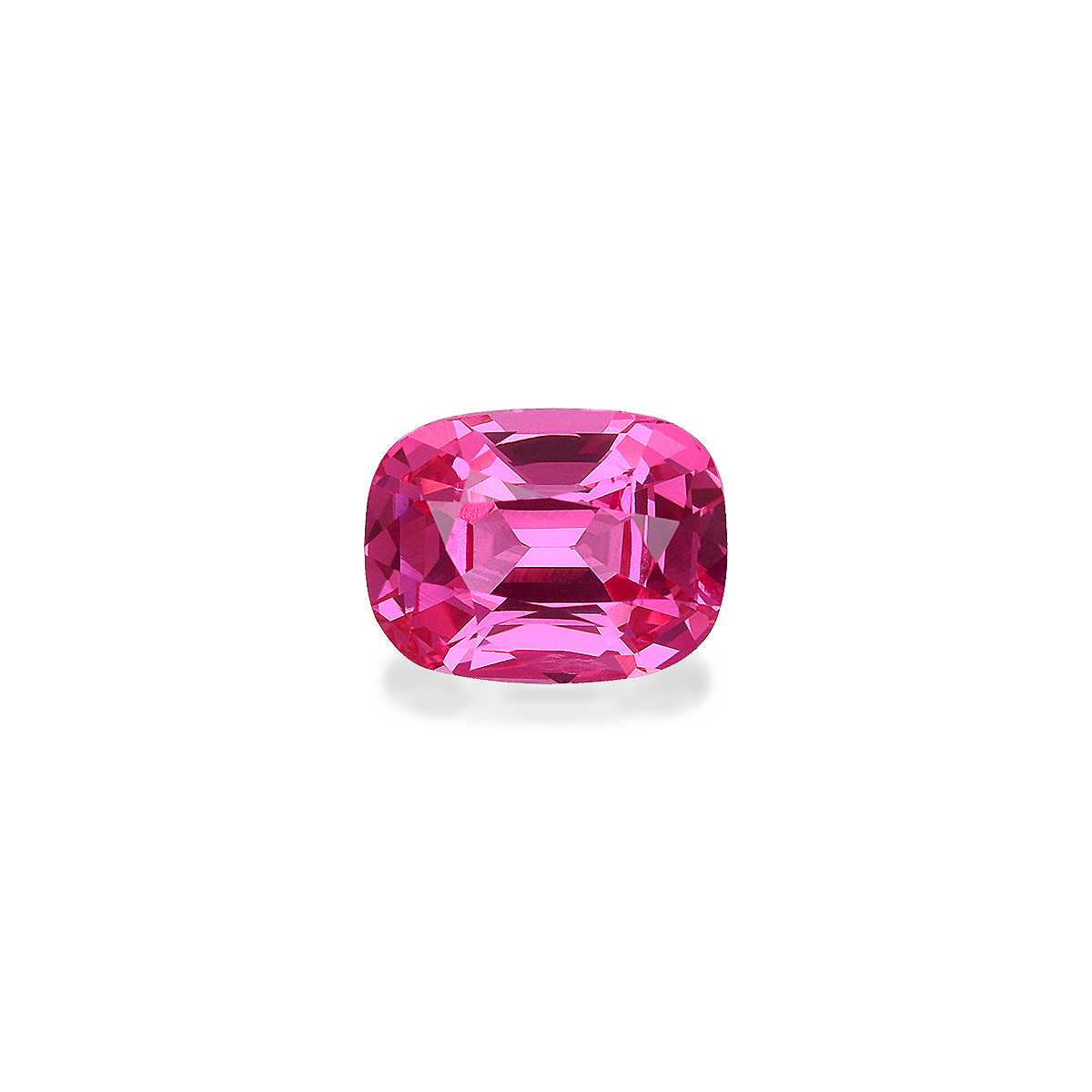
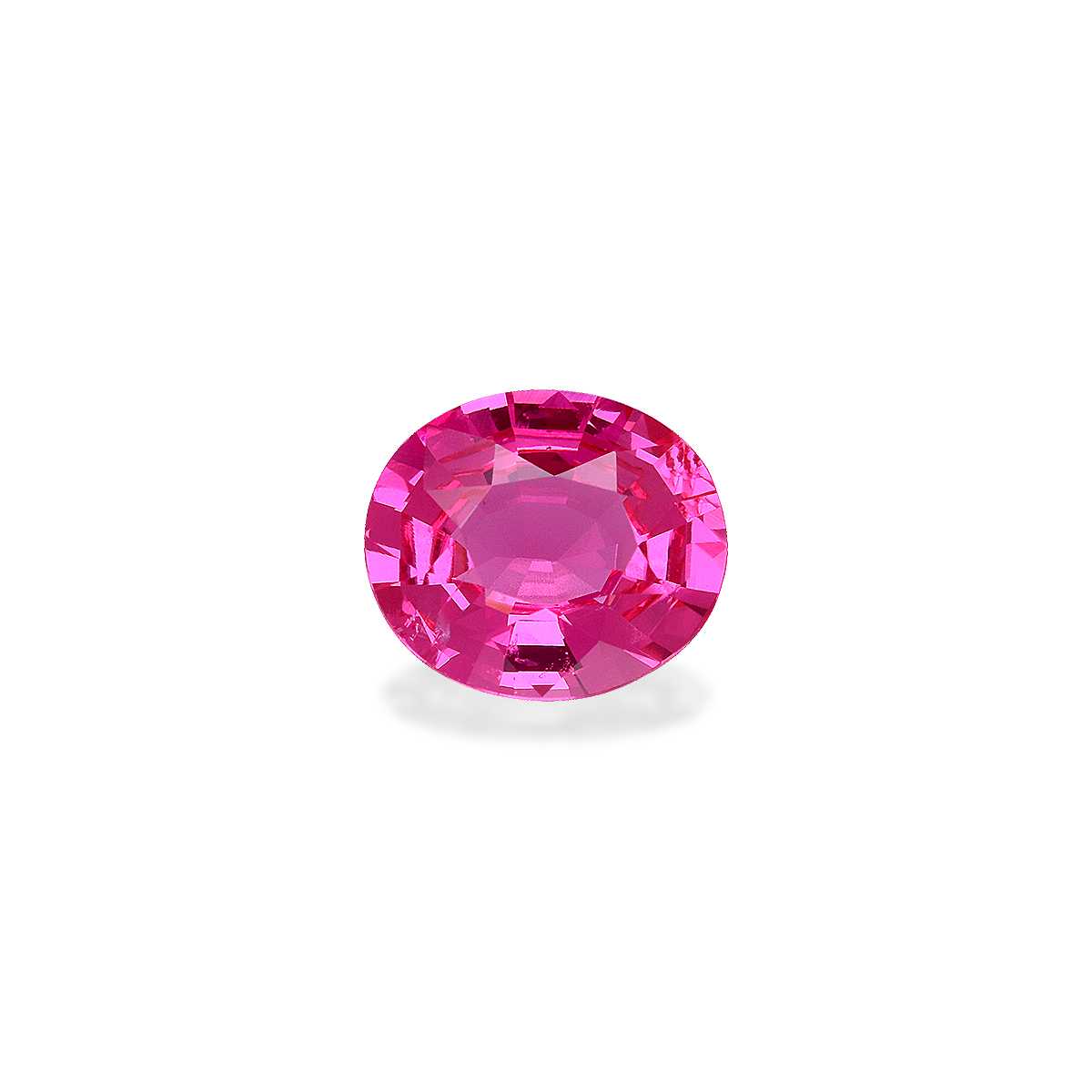
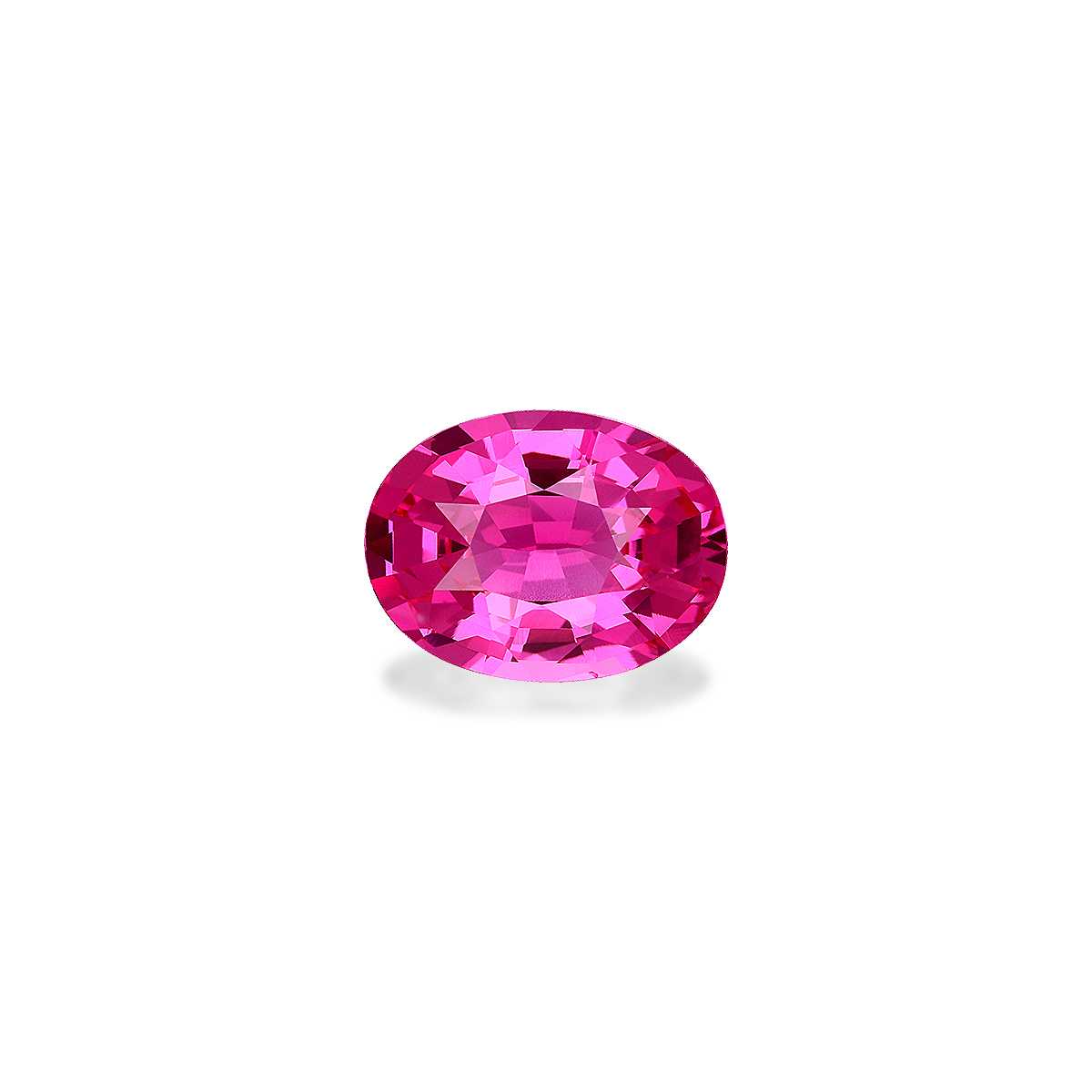
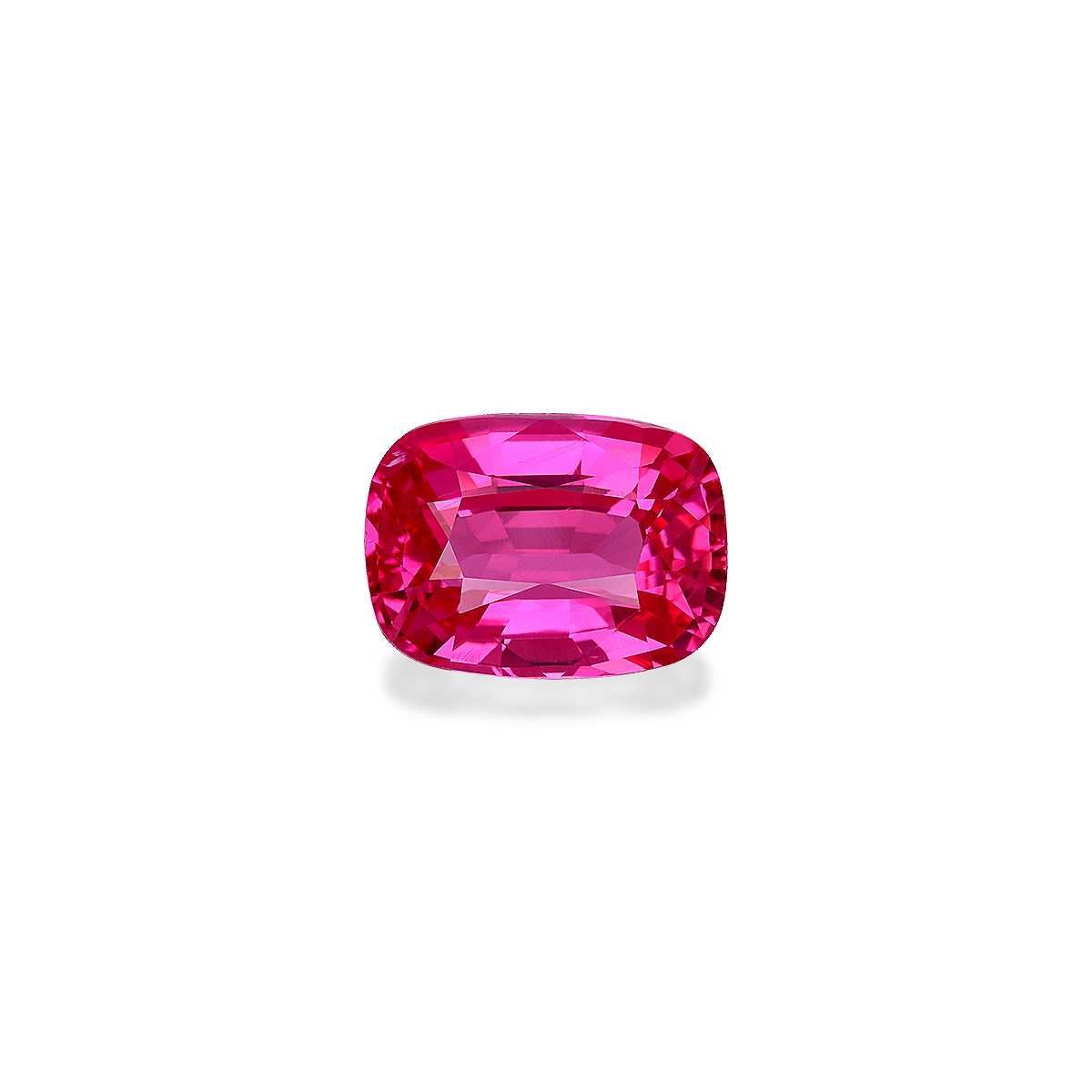
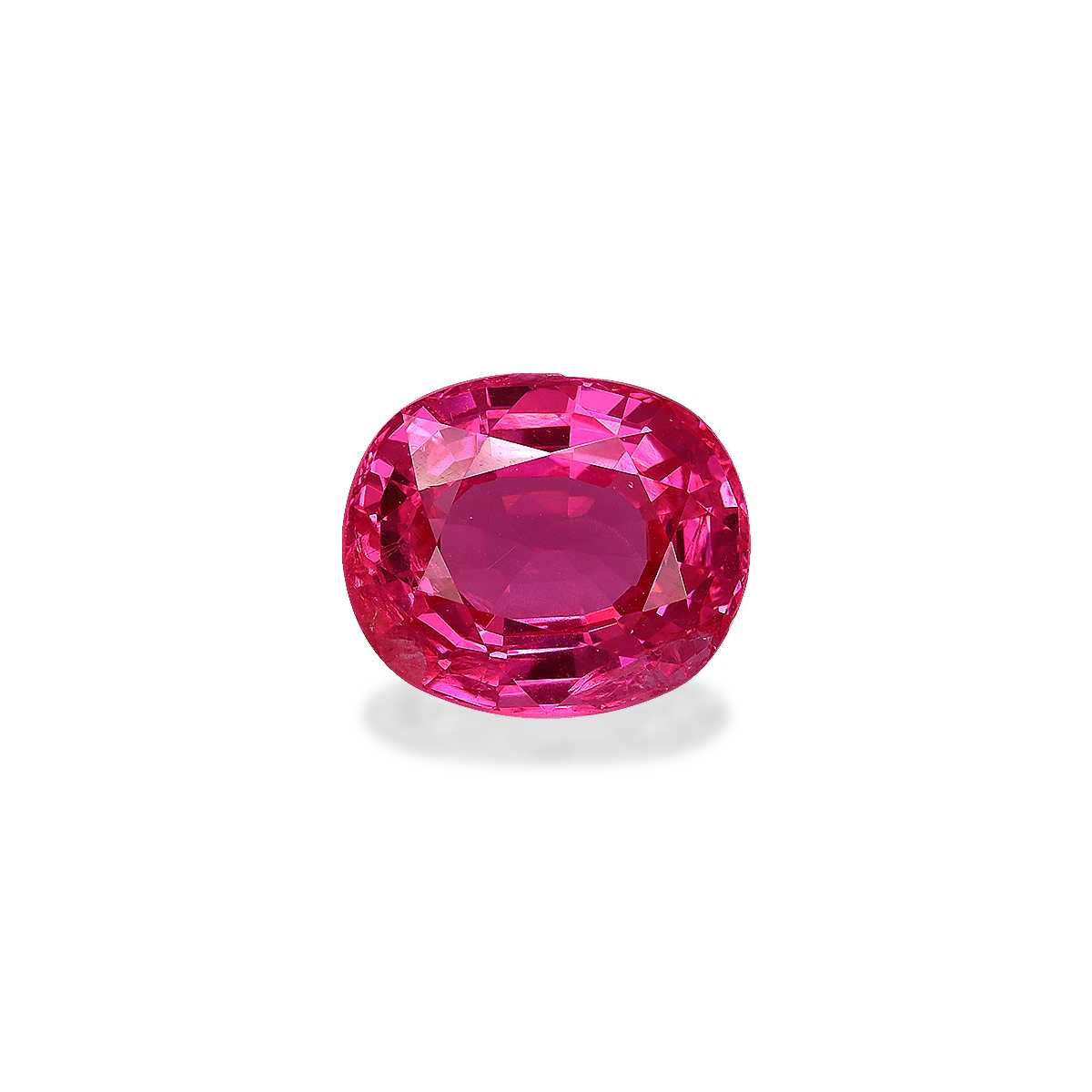
Mogok, in upper Burma, is the reference point for pink spinel. Material from this region has long been associated with a saturated, slightly warm pink that holds its colour under both daylight and incandescent light, and the trade names Neon and Vivid are usually applied to stones of this character.
The Namya area, further north, is the other Burmese name to know. It is best known for pinks and reds with strong chromium content and a tendency toward high transparency in smaller sizes.
What gives Burmese pink spinel its reputation is consistency of quality at the top end rather than volume. Fine, strongly saturated pinks above a few carats are scarce from any source, and Burma has produced a disproportionate share of the stones that define the category.
What Burmese material looks like
- Saturated pink with a clear chromium signature and lively red response under longwave ultraviolet light
- Generally high transparency, with few eye-visible inclusions in the better goods
- Octahedral crystal habit in rough, often waterworn when alluvial
India's pink spinel
India is the other genuine source of pink spinel reaching the market today. Indian production is modest and less systematically documented than Burma's, so material is more often sold on its merits than on the strength of its locality.
For a buyer, that is an opportunity rather than a drawback. Indian stones with strong colour intensity and good clarity can offer the same visual result as better-known provenance without the same premium attached to the name.
Judge these stones by eye first. If a pink spinel of unremarkable origin outperforms a Burmese stone of similar size in saturation and transparency, the better stone is the better purchase.
How origin shapes colour
Colour in pink spinel comes from chromium and iron substituting into the crystal lattice. Chromium pushes the hue toward a pure, glowing pink; iron mutes and greys it, drawing colour toward a softer, sometimes slightly brownish tone.
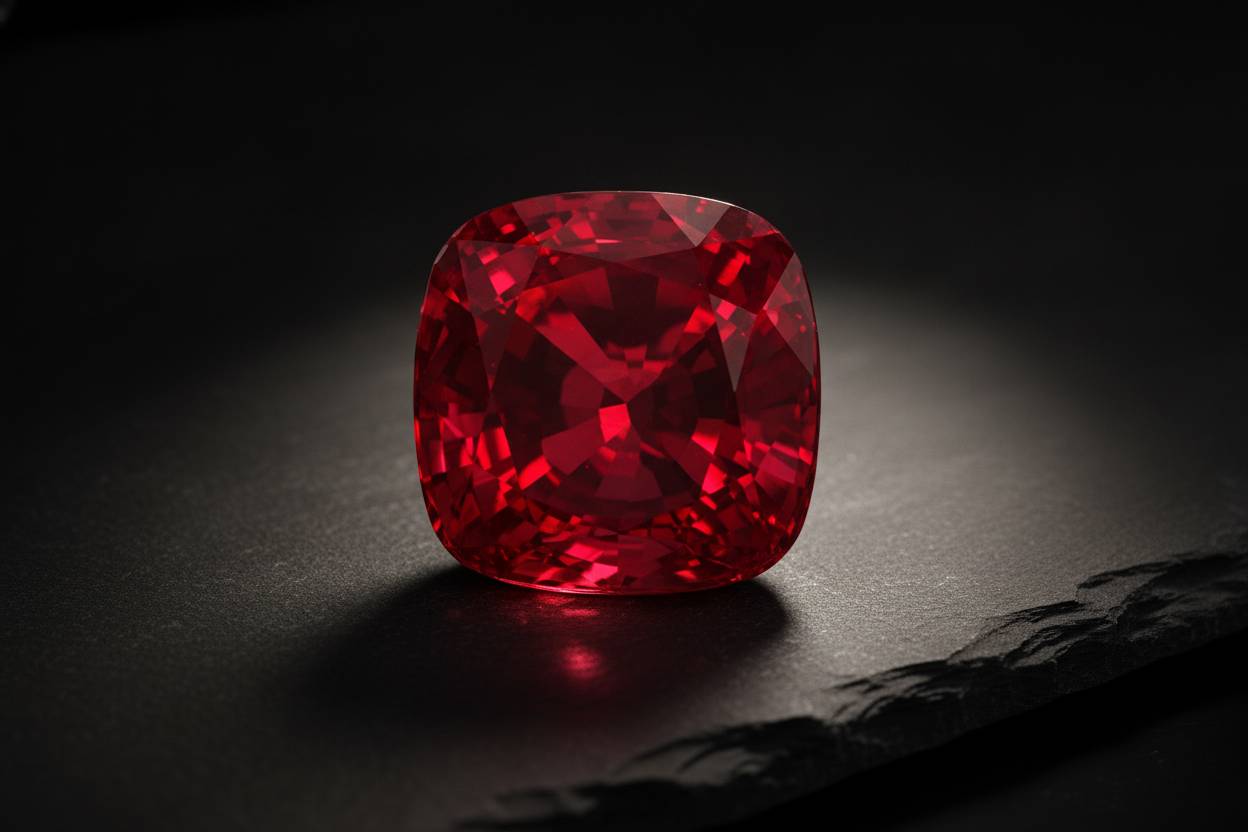
Deposits differ in the ratio of these elements available during crystal growth, which is why certain regions are associated with certain colour characters. A chromium-dominant stone with little iron is what the trade means by neon: the colour appears to sit on the surface of the gem rather than inside it.
Origin is therefore a proxy for chemistry, not a guarantee of it. Every source produces a range, and a weak stone from a celebrated locality is still a weak stone.
Proving origin in the lab
Origin determination is an expert opinion built from several lines of evidence, not a single test. Laboratories such as GIA, the Swiss Gemmological Institute SSEF, the Gübelin Gem Lab and AGL combine microscopy with spectroscopy and chemical analysis to reach a conclusion.
The main tools are:
- Inclusion study — mineral inclusions and healed fissures reflect the host rock the crystal grew in.
- Trace-element chemistry — laser ablation ICP-MS measures chromium, iron, zinc, gallium and other markers, which cluster by deposit.
- Spectroscopy — ultraviolet-visible and photoluminescence spectra record the chromium environment inside the lattice.
Even with all three, some stones fall into overlapping chemical fields and receive an inconclusive opinion. That is a normal outcome and not a sign that anything is wrong with the gem.
Pink spinel buying guide: value
Value in pink spinel follows three drivers: colour intensity first, then clarity, then size. Strongly saturated, eye-clean stones are scarce in larger sizes, and price rises disproportionately as those three qualities coincide in one gem.
Origin sits beneath those drivers rather than above them. A documented Burmese provenance can add to the price of an already fine stone; it cannot rescue a dull one.
More from Pink Spinel
Where buyers go wrong
The most common error is overpaying for a stone presented as rarer or more important than it is — a pastel pink described as neon, or an unverified locality claim priced as though it were certified. Ask for the report, and check that the origin statement is the laboratory's opinion and not the seller's.
The second error is assuming all pink spinels are handled the same way. Pink spinel is offered unheated, but that should be confirmed on paper for any significant purchase rather than taken on trust.
Buy the stone in front of you. Provenance is useful context and, on a fine gem, a real addition to value — but colour, clarity and size are what you will see every time you wear it.
Frequently asked questions
Is pink spinel the same as pink sapphire?+
No. Pink sapphire is corundum, while spinel is a magnesium aluminium oxide with a refractive index of 1.718 to 1.733 and single refraction, whereas sapphire is doubly refractive. They occur in the same deposits and can look similar, which is why gemmological testing matters.
How can I tell pink spinel from pink topaz?+
Topaz is doubly refractive and has a lower refractive index and specific gravity than spinel, so a standard refractometer and hydrostatic weighing separate them quickly. Spinel is also cubic, so it shows no doubling of back facets under magnification.
Which origin produces the best pink spinel?+
Burma, particularly the Mogok and Namya areas, has produced the majority of the strongly saturated pinks that define the category. India is the other genuine current source, and good Indian stones can match Burmese material visually without the same premium on the name.
Is pink spinel treated?+
Pink spinel reaches the market unheated. For any significant purchase, ask for a laboratory report confirming this rather than relying on the seller's description.
Does an origin report increase the value of a pink spinel?+
It can, but only on a stone that is already fine in colour and clarity. Origin sits beneath colour intensity, clarity and size as a value driver, and no provenance compensates for weak saturation.
Is pink spinel durable enough for daily wear?+
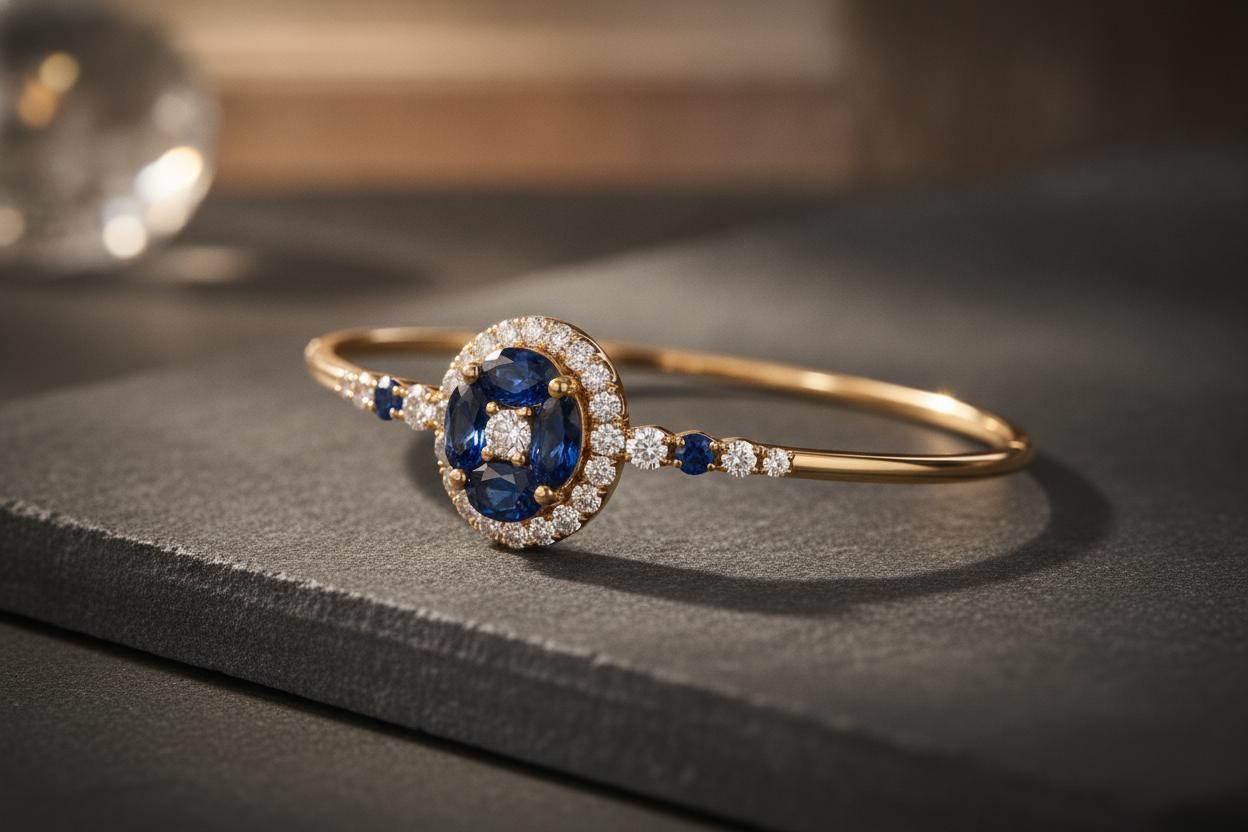
Yes. At 7.5 to 8 on the Mohs scale and with no cleavage, spinel wears well in rings and bracelets. Protective settings are still sensible for stones worn every day.
From our Journal
Buying guides, origin stories, and notes from the trade.