Gemstone Fashion Influencers: A History
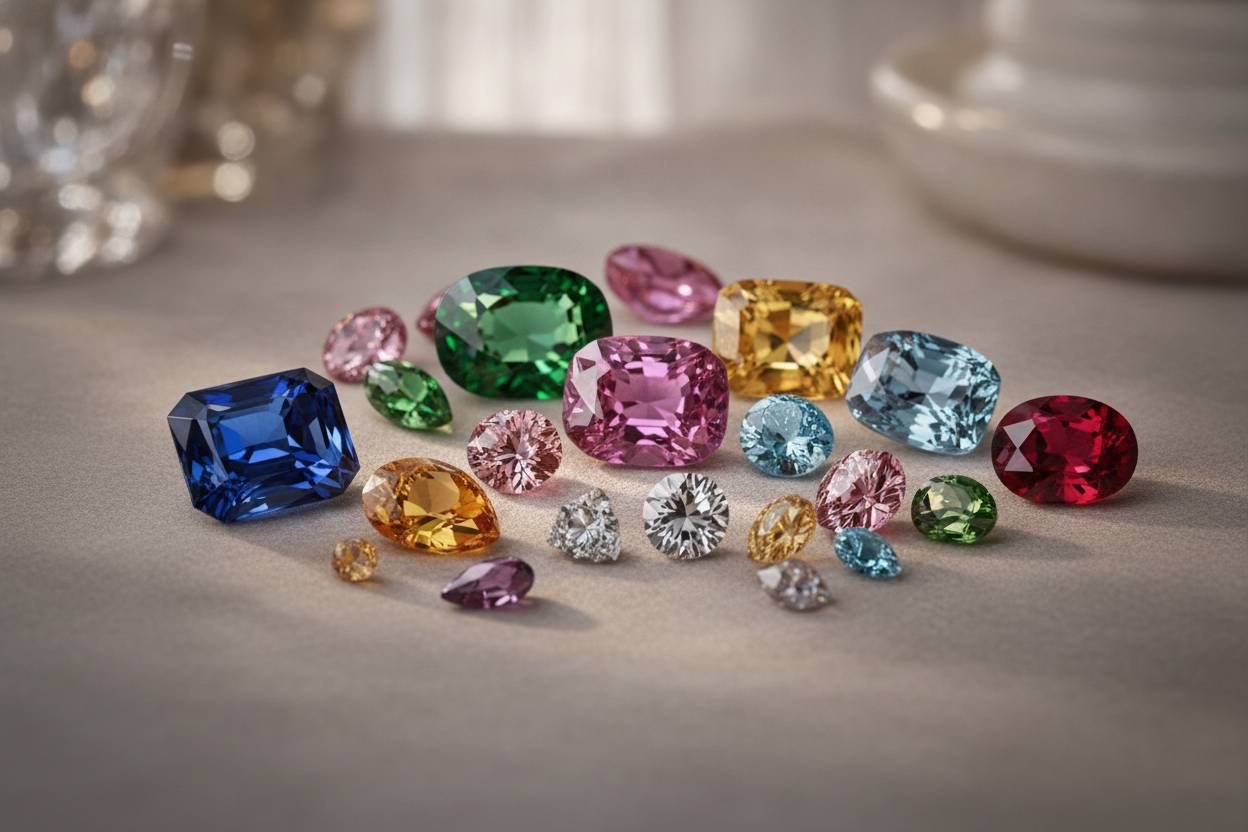
Gemstone fashion influencers are not a modern invention. Long before social media, taste in coloured stones was set by a small number of highly visible people — emperors, consorts, film stars and a handful of house jewellers — whose choices were copied across entire markets within a season. The pattern has been consistent for centuries: one conspicuous stone on one conspicuous person creates demand that outlives the wearer. Today the mechanism is faster and the audience larger, but the underlying dynamic is unchanged. What matters for a buyer is knowing which of these waves reflect genuine gemmological merit — rarity, durability, colour — and which are simply fashion borrowing a gem's name for a while.
Below is how that influence actually worked, stone by stone, and what it should mean when you are buying.
Who really moved gem taste
Historically, influence over gemstones has flowed from three sources: sovereign courts, the jewellery houses that supplied them, and, from the twentieth century onward, the entertainment industry.
Courts mattered because they were visible and because their gems were recorded — in inventories, portraits and coronation regalia. The Royal Collection Trust and the Victoria and Albert Museum hold much of the primary evidence for what European monarchs actually wore.
Jewellers mattered because they controlled supply and naming. A house could introduce a stone, define its ideal colour, and in doing so create a category that had not previously existed in the retail trade.
Courts, crowns and colour
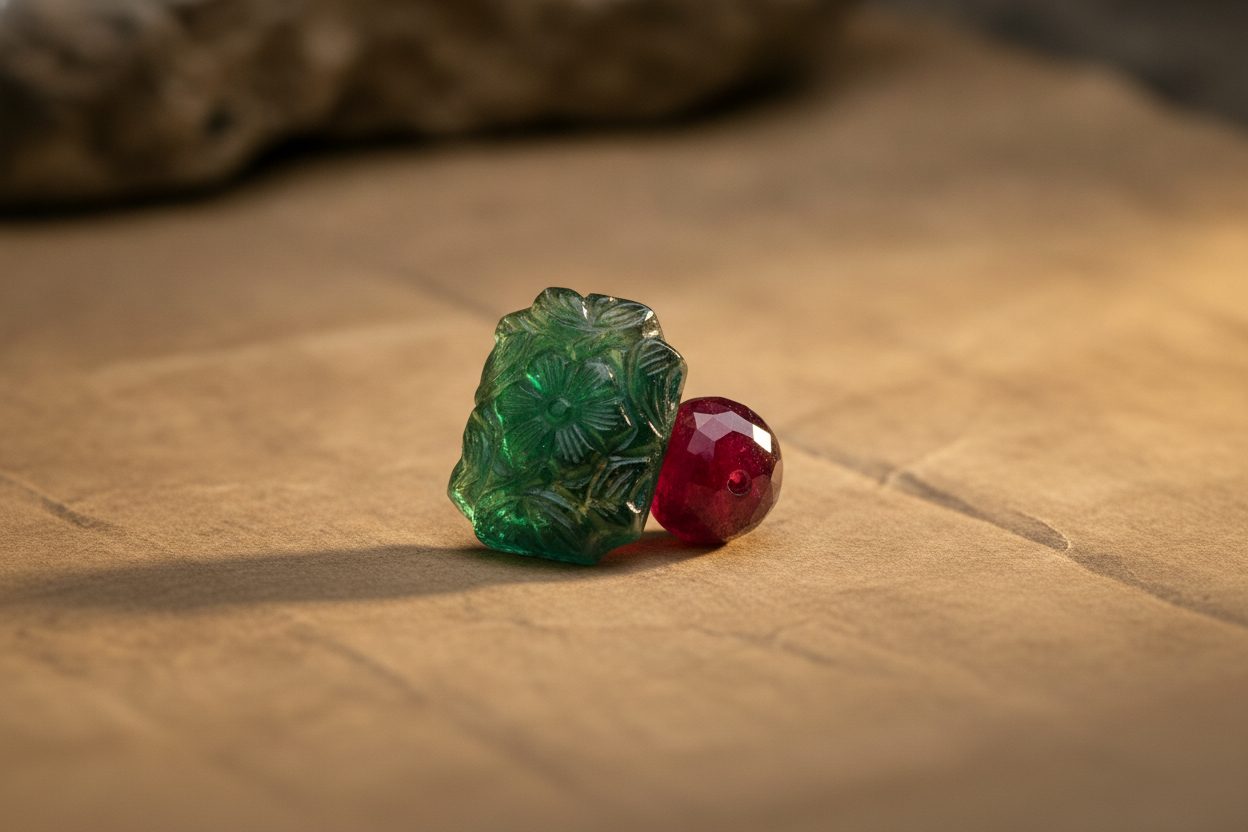
The Mughal emperors are the clearest early example. Their preference for large, richly saturated emeralds and spinels — often carved or inscribed rather than faceted — shaped the Indian gem trade for generations and, much later, gave Art Deco jewellers their vocabulary of carved leaves and berries.
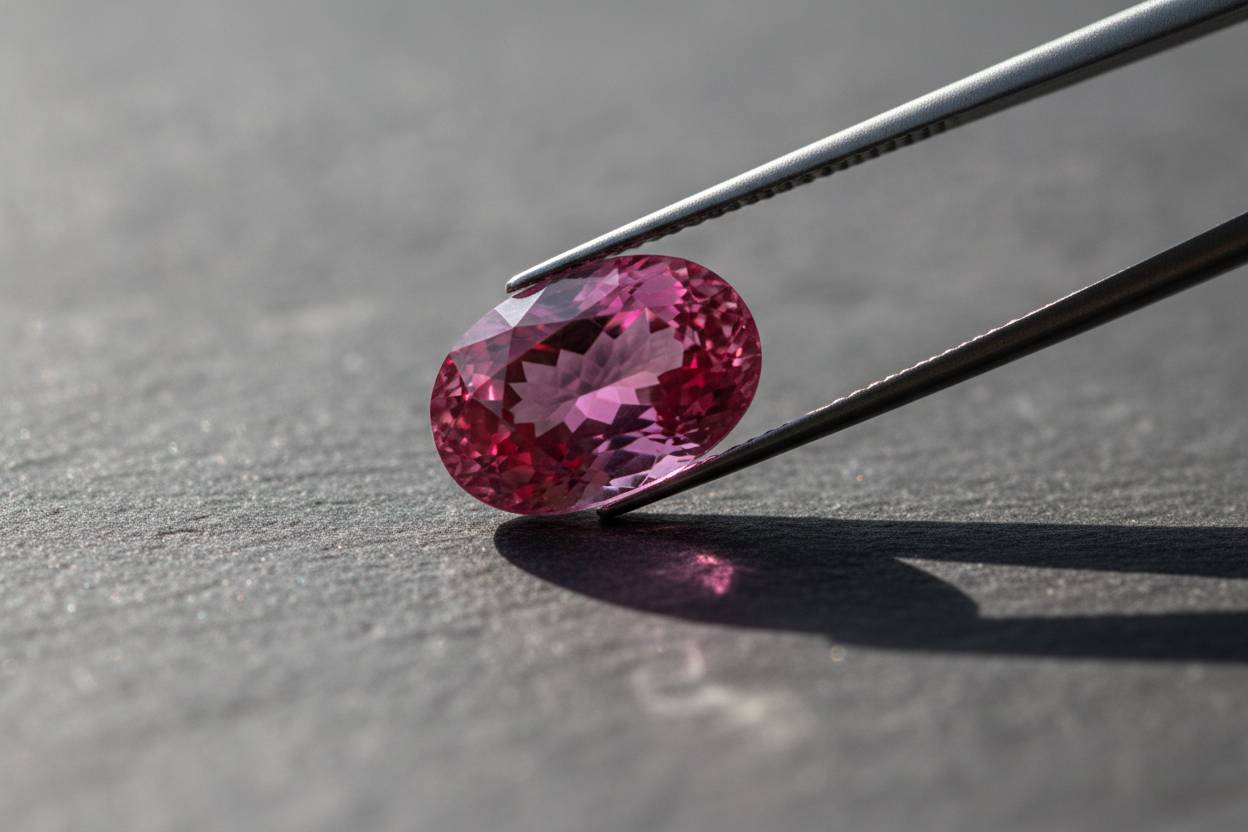
Spinel offers a useful lesson in how court taste outran gemmology. The Black Prince's Ruby in the British Imperial State Crown and the Timur Ruby are both red spinels, not rubies; the distinction was only made once refractive index and crystallography were properly understood.
Spinel is cubic and singly refractive, with a refractive index near 1.718 and a hardness of 8 on the Mohs scale. Ruby is trigonal corundum, doubly refractive, Mohs 9, RI approximately 1.762 to 1.770. Different species entirely — but for centuries, colour alone decided the name.
The Russian case
Alexandrite, found in the Ural Mountains in the 1830s, was named in honour of Tsar Alexander II. Its colour change — green to red under different light sources, caused by chromium — was read as patriotic symbolism because it echoed imperial Russian military colours. The stone is chrysoberyl, Mohs 8.5, RI roughly 1.746 to 1.755, and remains one of the scarcest gems in fine quality.
Hollywood and the star stone
The twentieth century moved influence from palaces to screens. Elizabeth Taylor's collection — notably the historic pearl La Peregrina and the diamond Richard Burton bought for her — did more to popularise serious coloured-stone and diamond collecting than any advertising campaign of the period.
The Duke and Duchess of Windsor had a comparable effect on design rather than species, driving demand for the sculptural, gem-set animal jewels associated with Cartier.
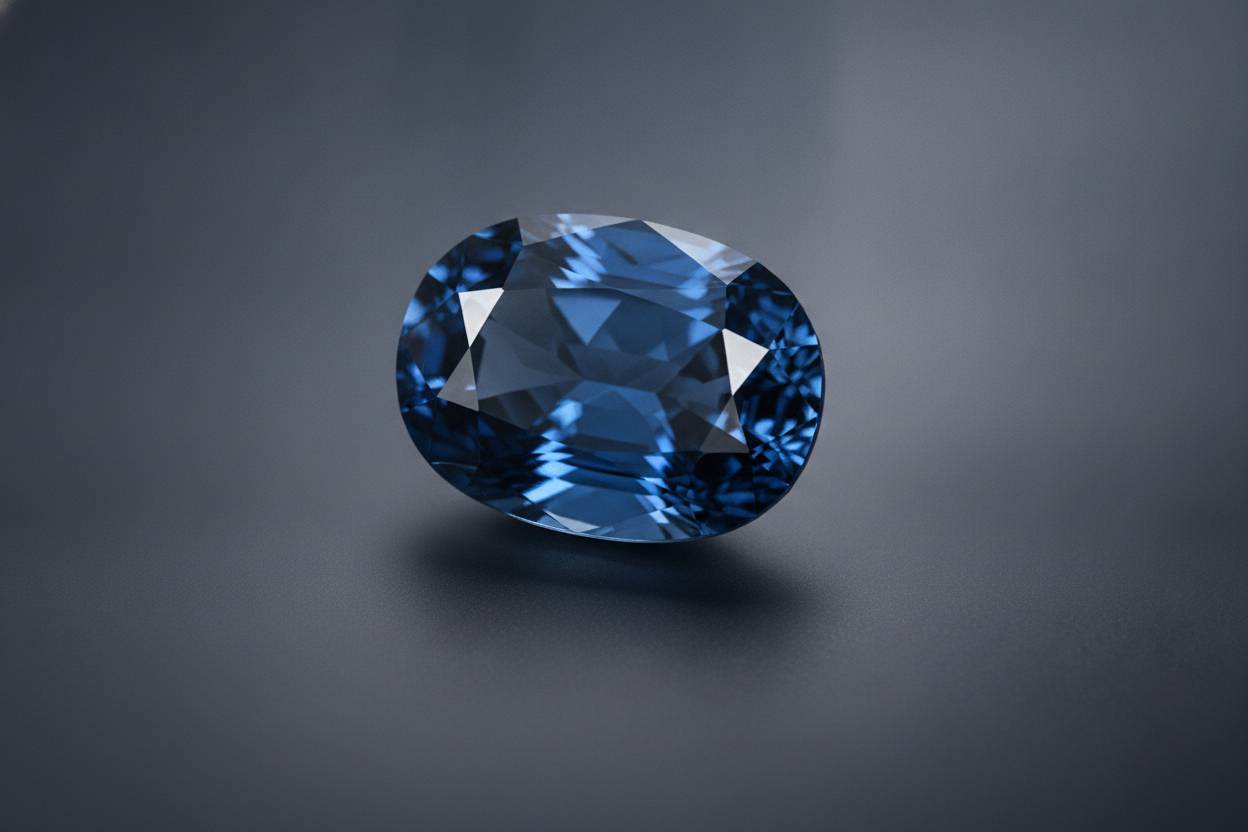
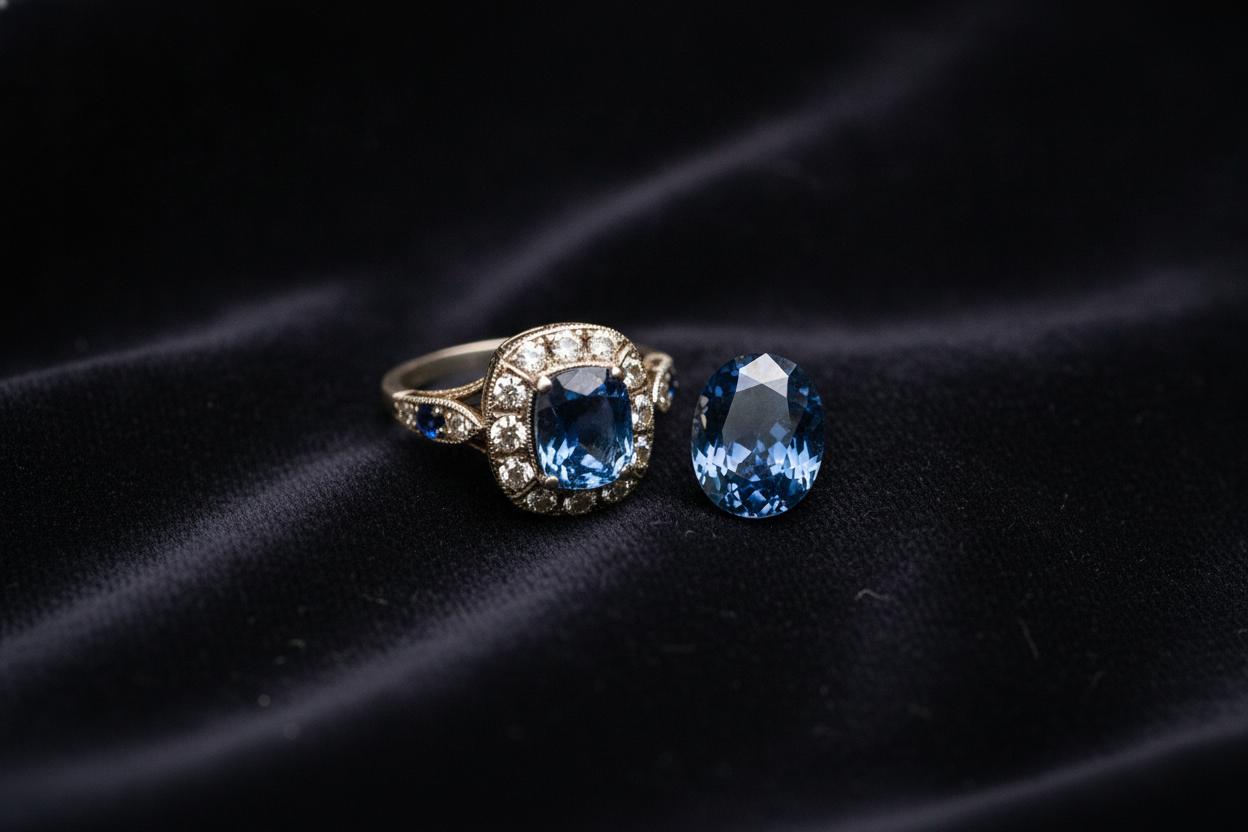
Sapphire's modern surge has a single clear origin: the blue sapphire and diamond cluster engagement ring made by Garrard and worn first by Diana, Princess of Wales, and later by the Princess of Wales. Demand for blue sapphire cluster rings rose sharply after each appearance and has never fully receded.
More from Sapphire



The gems behind the names
Influence is only worth following when the stone can carry it. Three properties decide that: hardness, availability in fine colour, and whether the gem can be worn daily.
- Sapphire and ruby (corundum): Mohs 9, specific gravity near 4.00. Durable enough for everyday rings, which is why royal endorsement translated into lasting sales.
- Emerald (beryl): Mohs 7.5 to 8, RI about 1.577 to 1.583. Hard, but typically included and prone to cleaving along fractures — historically a court and ceremonial stone.
- Tanzanite (zoisite): Mohs 6 to 7, strongly trichroic. Introduced commercially by Tiffany & Co. in 1968, which gave the stone its trade name. A case of a jeweller creating a category outright.
- Spinel: Mohs 8, cubic, untreated in the vast majority of cases. Long mistaken for ruby; now collected on its own merits.
Where influence lives now
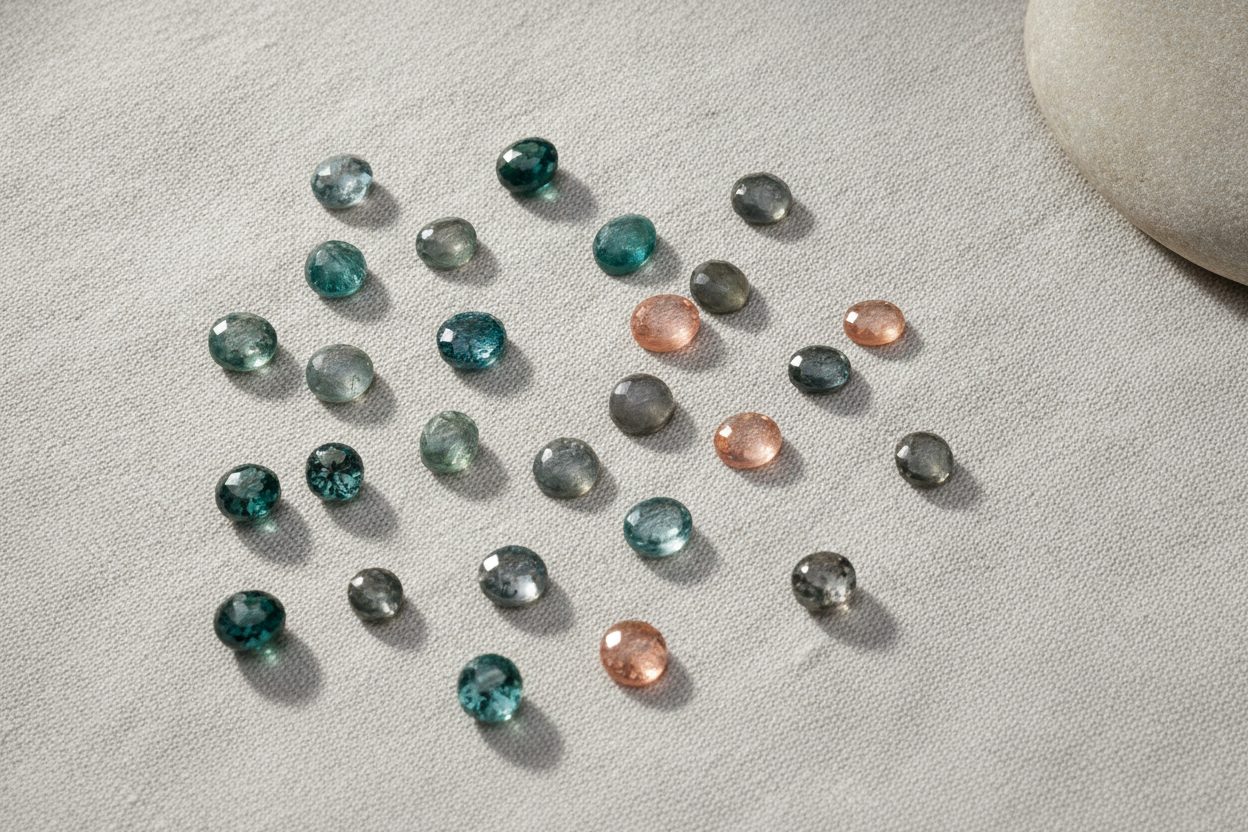
Contemporary gemstone fashion influencers operate through photography rather than portraiture, but they select in much the same way: for colour that reads well at a distance and for stones with a story attached.
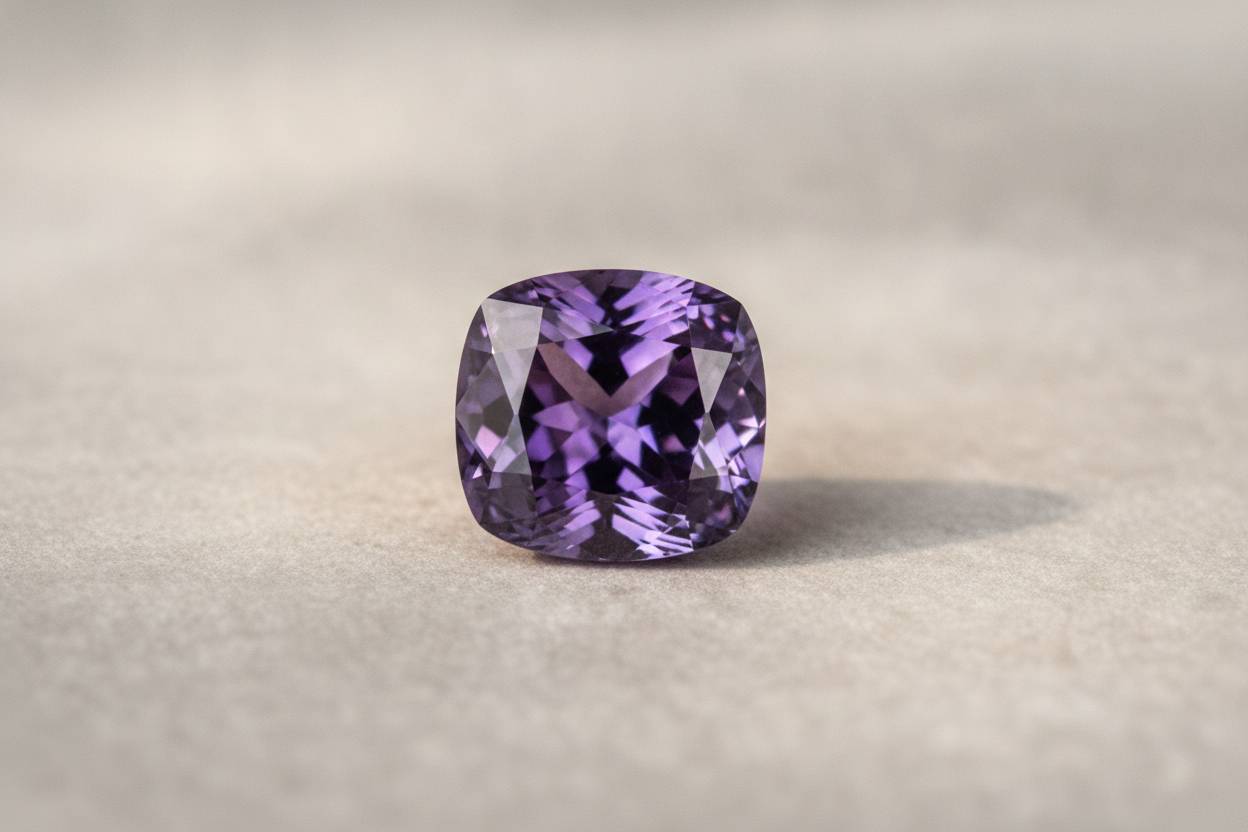
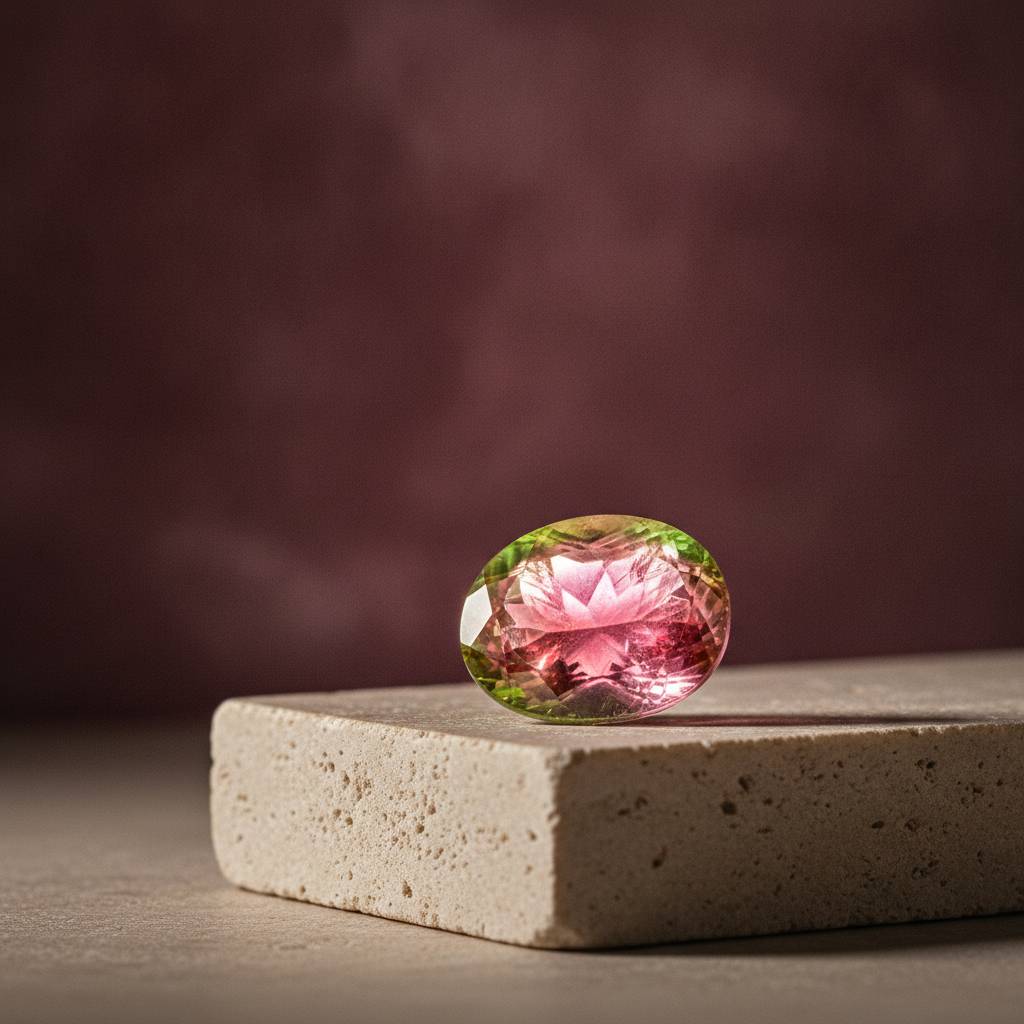
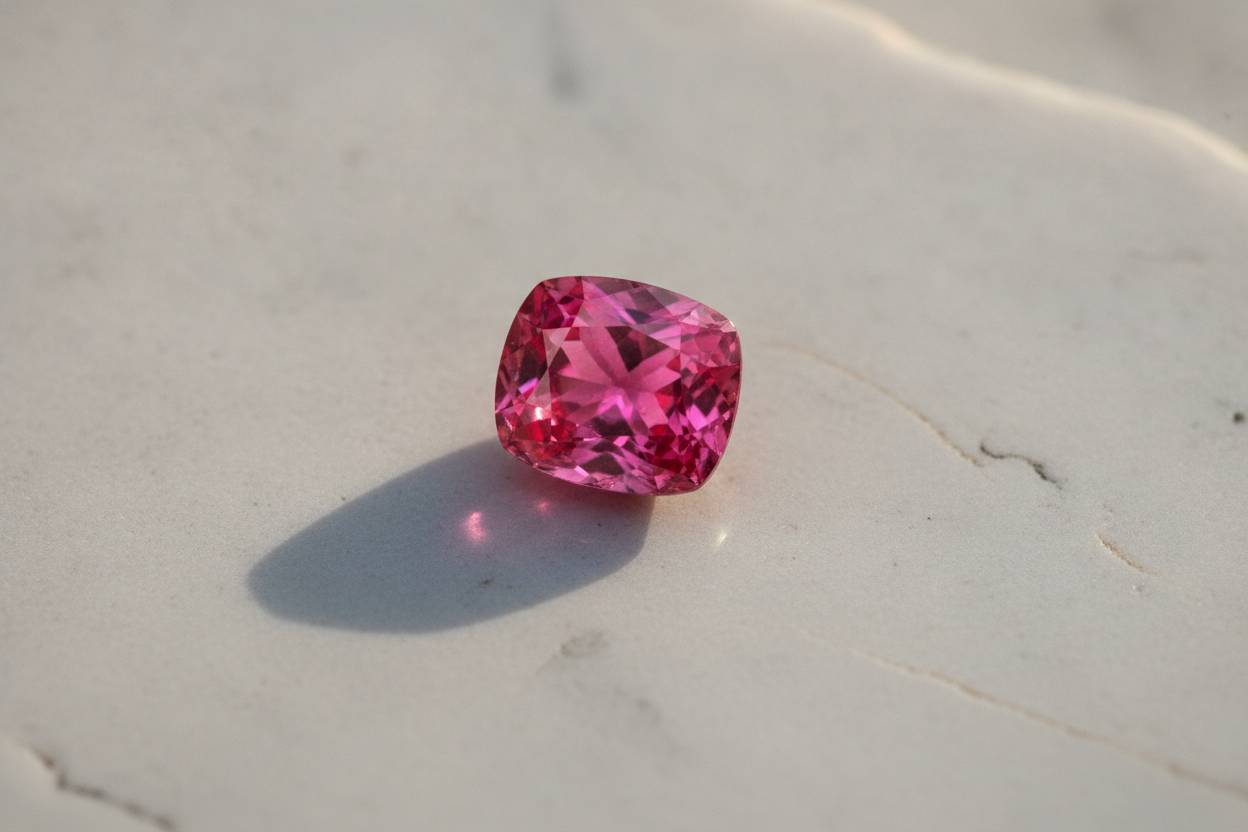
The current effects are visible and specific. Unheated Ceylon blue sapphire has benefited from the general move toward provenance and disclosure. Padparadscha, once a specialist's stone, now has broad recognition. Grey and mauve spinel, teal sapphire and bi-colour tourmaline all owe recent visibility to social platforms rather than to any house campaign.
The risk is that visual platforms reward colour and scale over quality. A photograph cannot show extinction, windowing, or the difference between a heated and unheated stone.
Trends that hold their value
A useful test: does the trend point to a property that is genuinely scarce, or only to an aesthetic?
Trends built on rarity — unheated sapphire, Burmese ruby of good colour, fine alexandrite — tend to hold, because the supply constraint is real and geological. Trends built on a colour mood usually soften once the mood passes, though the stone itself loses nothing.
Buy the stone, not the moment. Ask for a report from a recognised laboratory, confirm species and treatment, and treat the fashion story as context rather than justification for price.
The history here is genuinely long, and it repeats. The people who shaped gem taste were, almost without exception, wearing something that deserved the attention — which is the only part of the pattern worth copying.
Frequently asked questions
Was Princess Diana's engagement ring really a sapphire?+
Yes. The ring made by Garrard features a blue sapphire surrounded by diamonds, and it is now worn by the Princess of Wales. Its visibility is the single largest driver of modern demand for sapphire cluster engagement rings.
Why is the Black Prince's Ruby not a ruby?+
It is a red spinel, a separate mineral species from corundum. Spinel is cubic and singly refractive with a refractive index near 1.718, while ruby is trigonal corundum with a refractive index of roughly 1.762 to 1.770. Before modern gemmology, red stones were classified by colour alone.
Who named tanzanite?+
Tiffany & Co. introduced the trade name tanzanite in 1968 for gem-quality blue-violet zoisite from Tanzania. It is one of the clearest examples of a jewellery house creating a gemstone category through naming and promotion.
Do social media gem trends affect prices?+
They affect demand, and sometimes price, for specific colours and varieties such as teal sapphire or grey spinel. Lasting price movement usually requires a genuine supply constraint, such as unheated material in fine colour, rather than visibility alone.
Which trend-driven gems are durable enough for daily wear?+
Sapphire and ruby at Mohs 9 and spinel at Mohs 8 are well suited to everyday rings. Tanzanite at Mohs 6 to 7 and emerald, which is hard but fracture-prone, are better reserved for pendants, earrings or occasional wear.
How do I check a fashionable stone is what it claims to be?+
Request a report from a recognised laboratory such as GIA, SSEF or Gübelin confirming species, variety and treatment. Photographs cannot show heat treatment, filling, or how a stone performs in ordinary light.
From our Journal
Buying guides, origin stories, and notes from the trade.