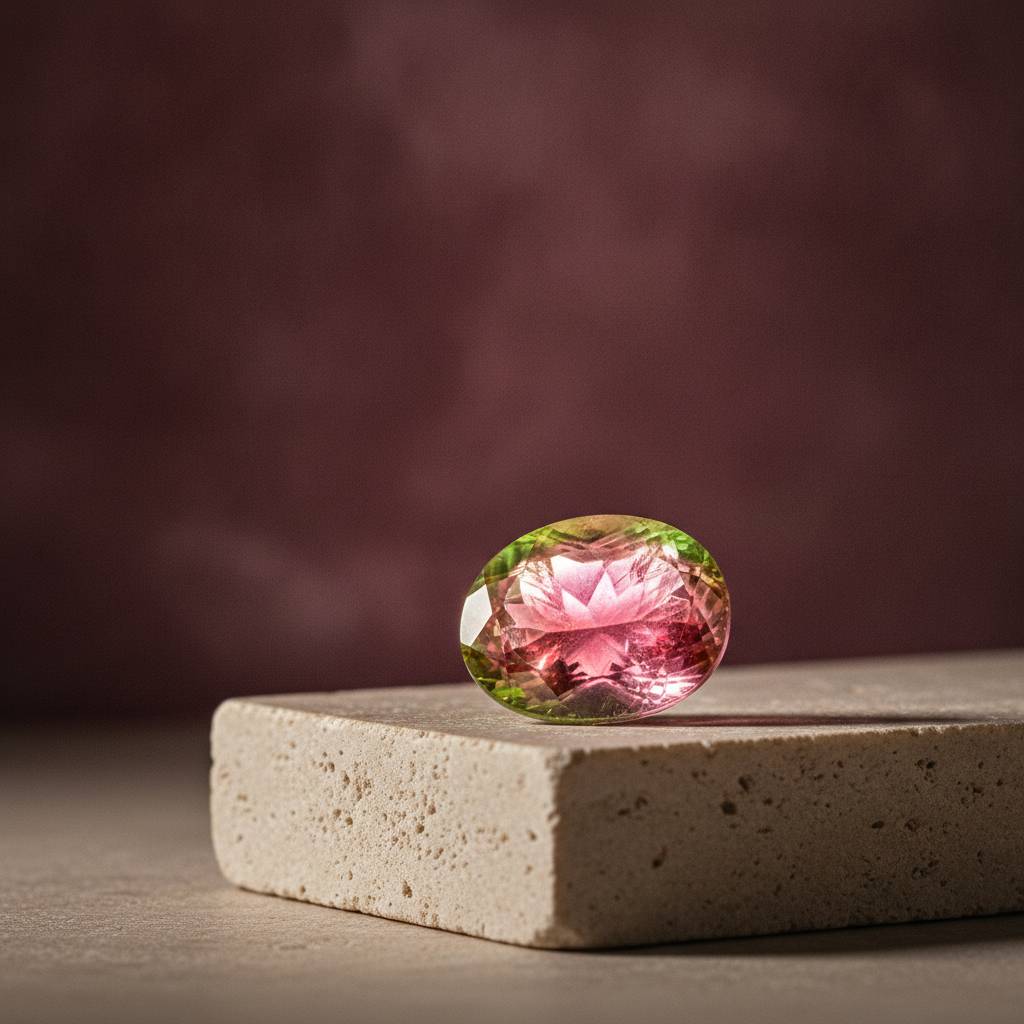
Bi Colour Tourmaline: Meaning & Lore
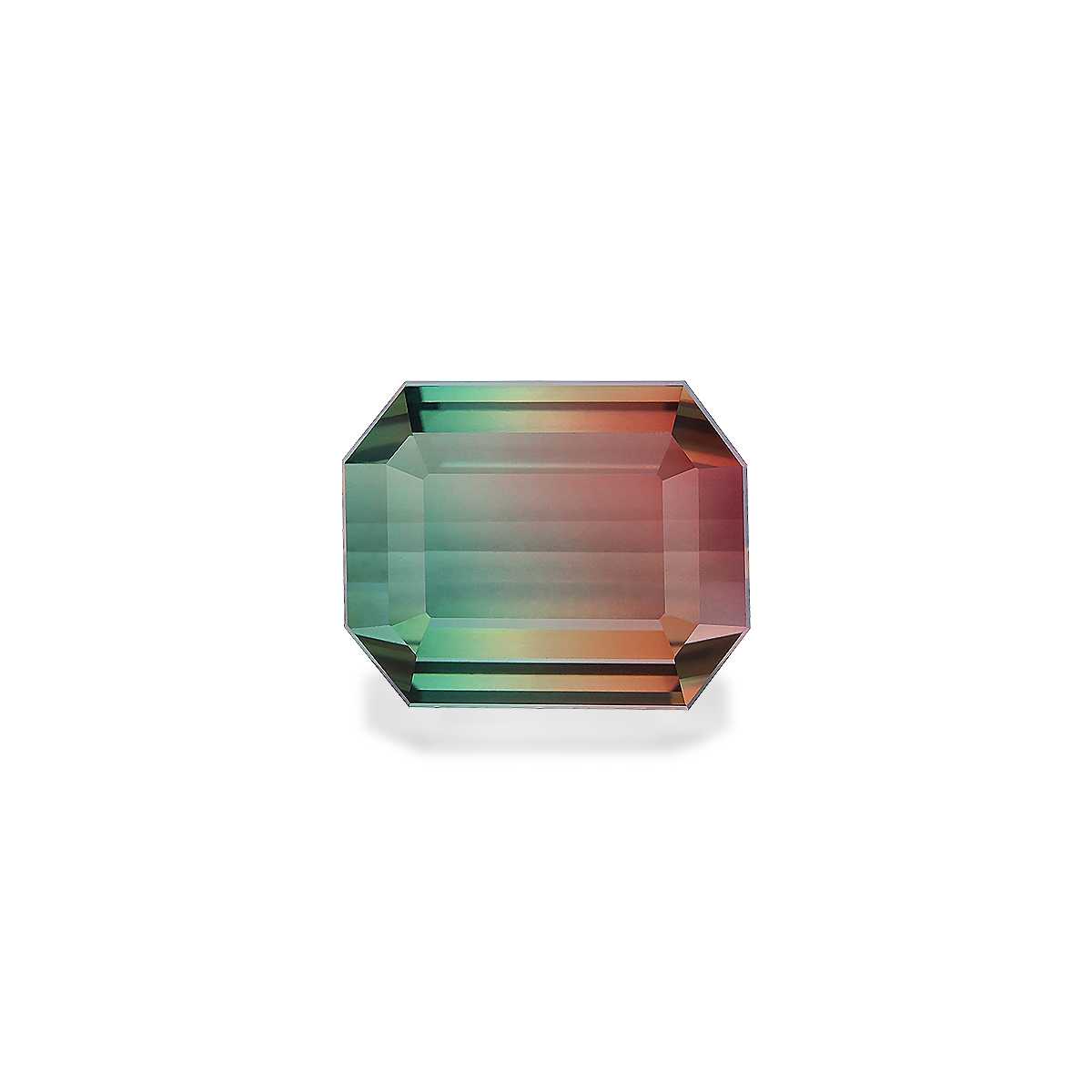
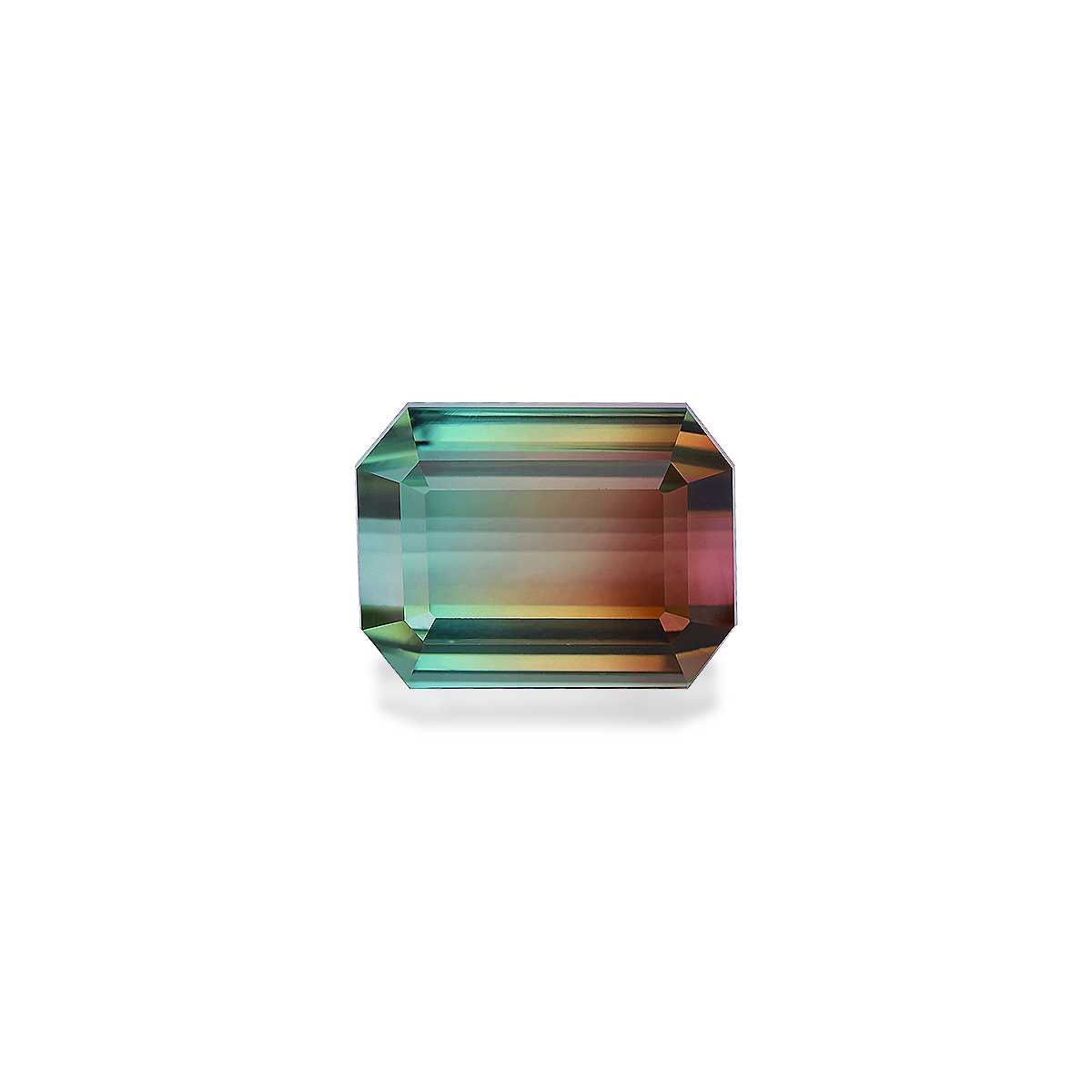
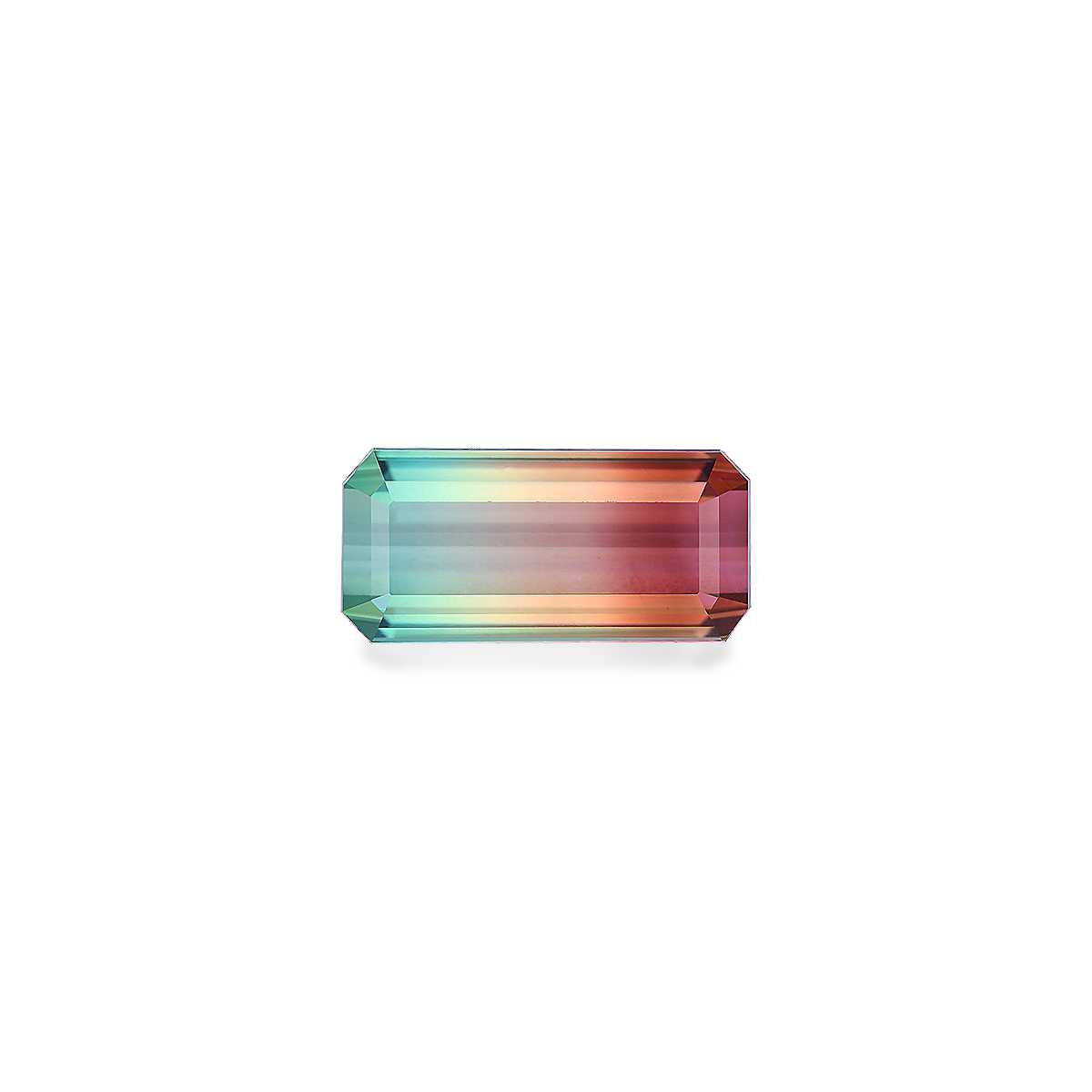
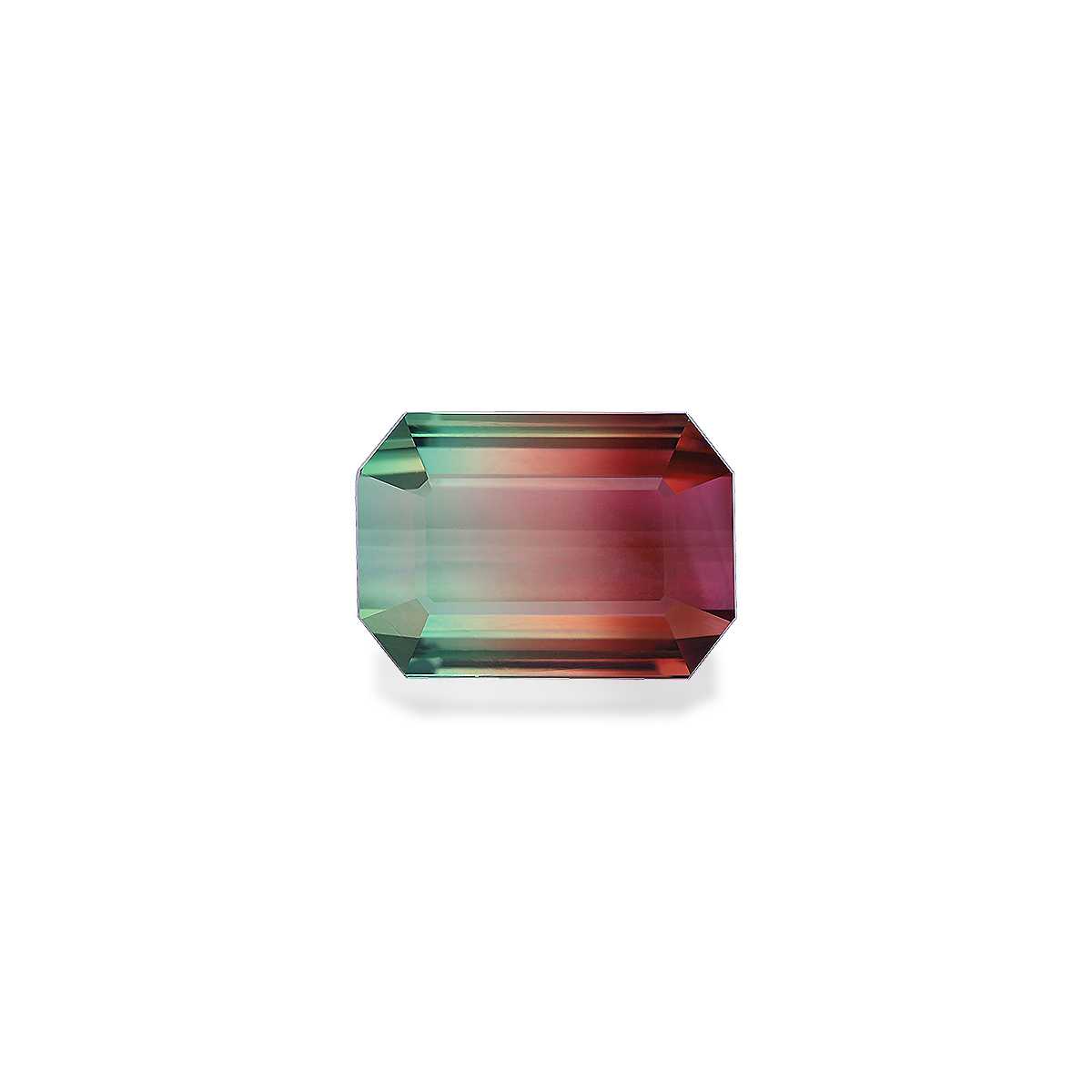
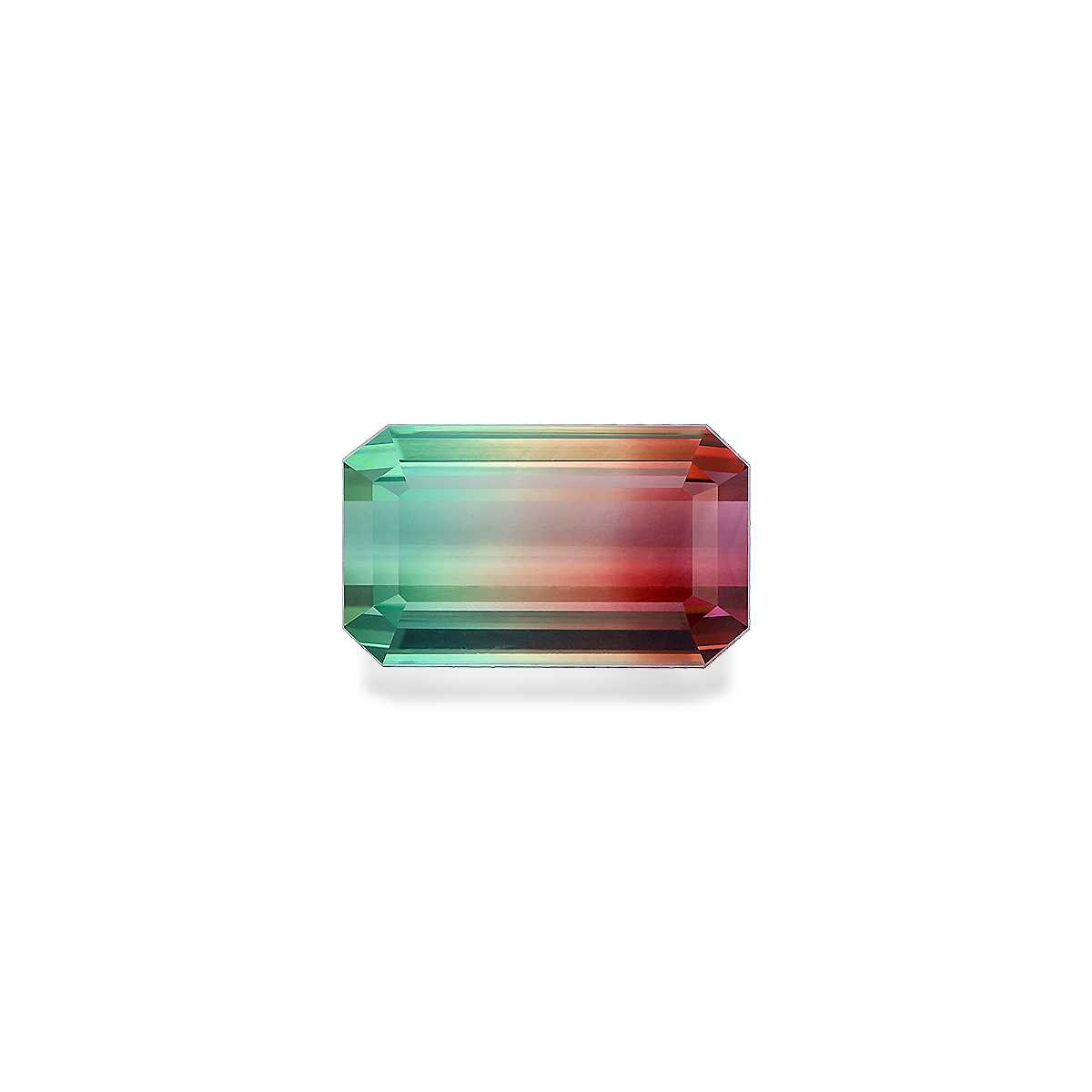
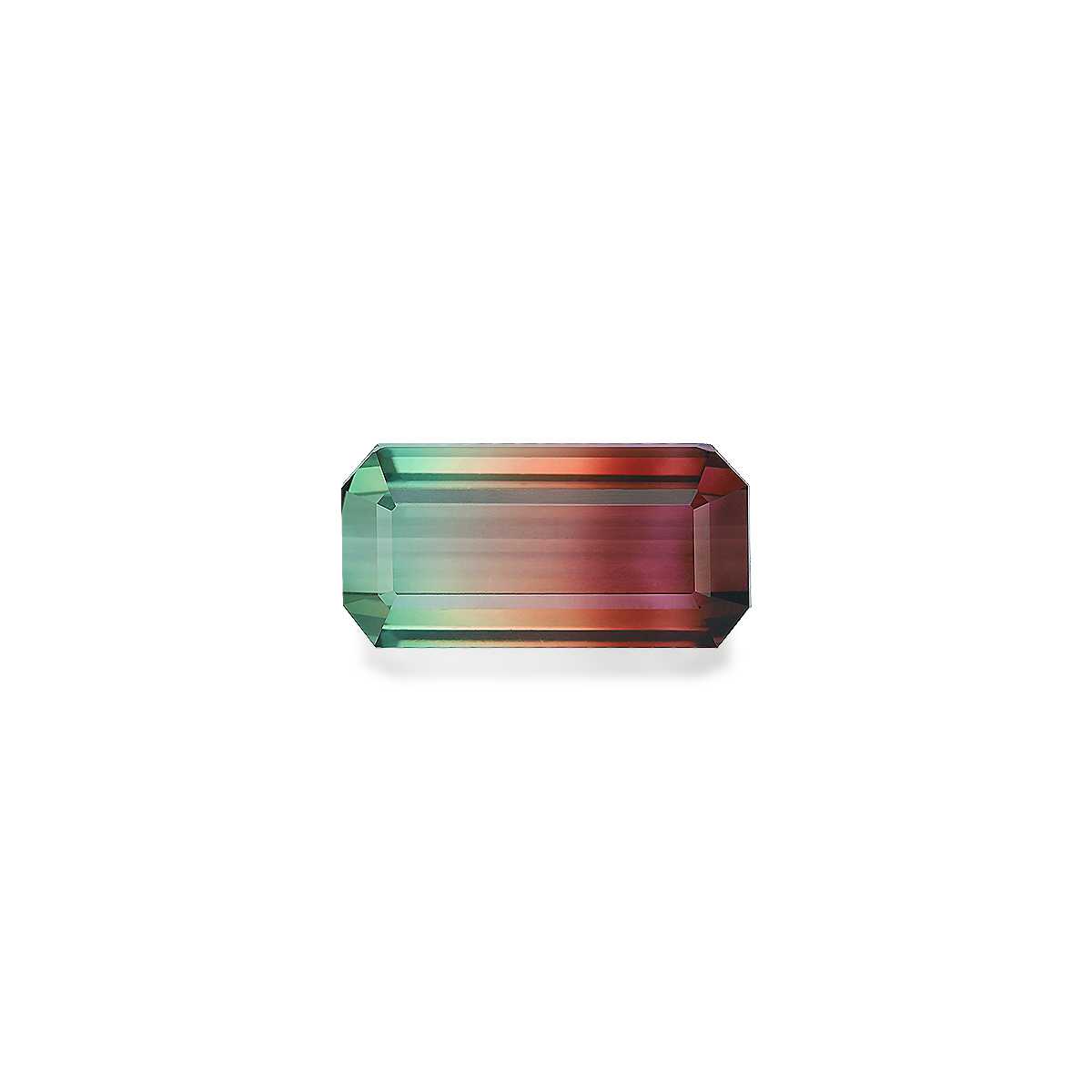
Bi colour tourmaline is a single natural crystal that records two or more colours in one stone — most famously the pink-and-green pairing the trade calls watermelon — because the chemistry of the pocket it grew in changed while it was growing. Gemmologically it is tourmaline: Mohs 7–7.5, refractive index 1.61–1.64, coloured by multiple trace elements, and not typically treated. If you intend to buy natural grey gemstones online, the STARLANKA buying guide principle applies equally to bi colour material: judge saturation, clarity and size in the actual stone, and treat loose colour names with caution.
The watermelon name
"Watermelon" is a trade description, not a species. It refers to a tourmaline crystal with a pink or red core wrapped in a green rind, usually seen at its best in a slice cut across the crystal.
The name is recent compared with the stone itself, and it stuck because it is accurate and immediately understood. That is also its risk: buyers sometimes assume "watermelon" guarantees a particular quality, when it describes only an arrangement of colour.
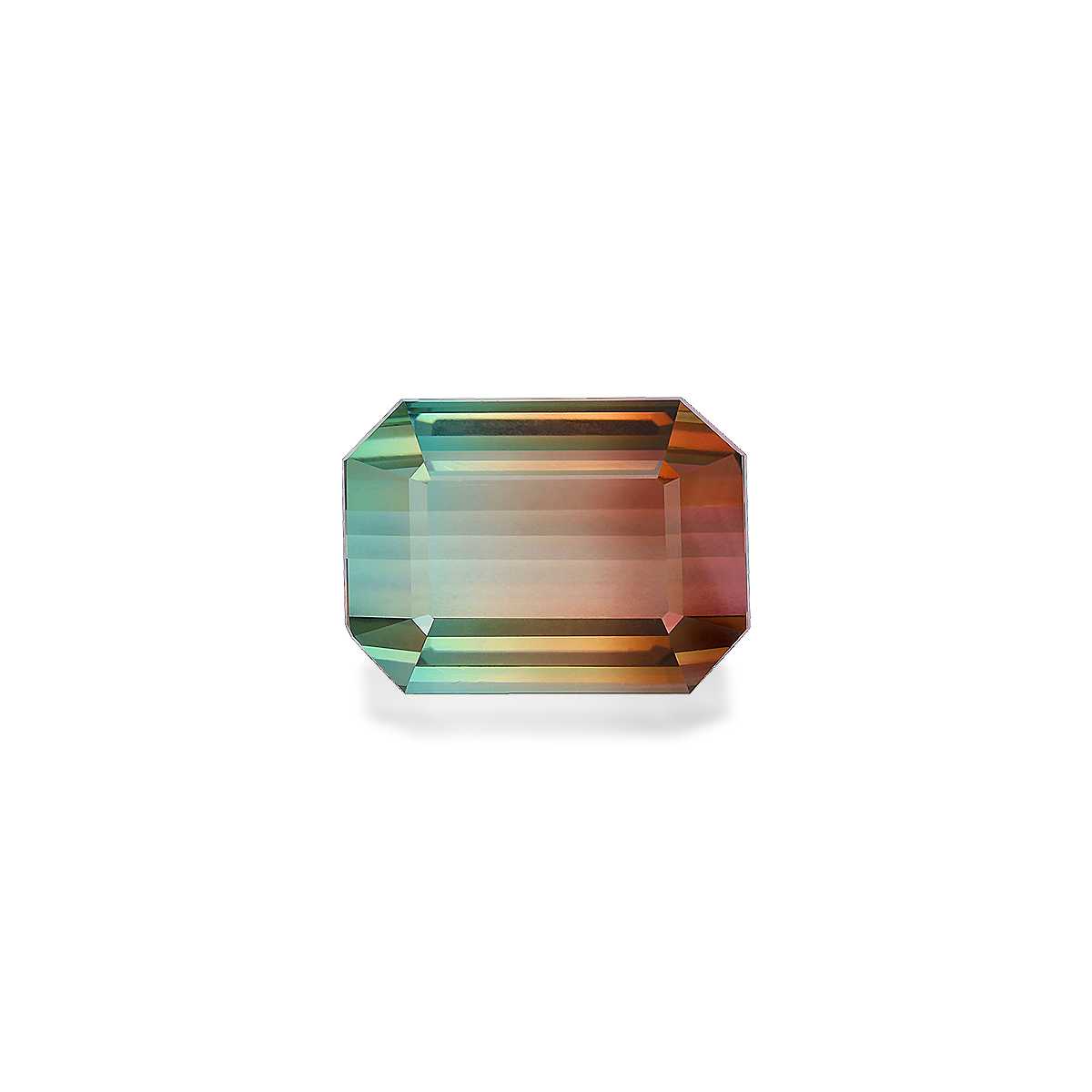
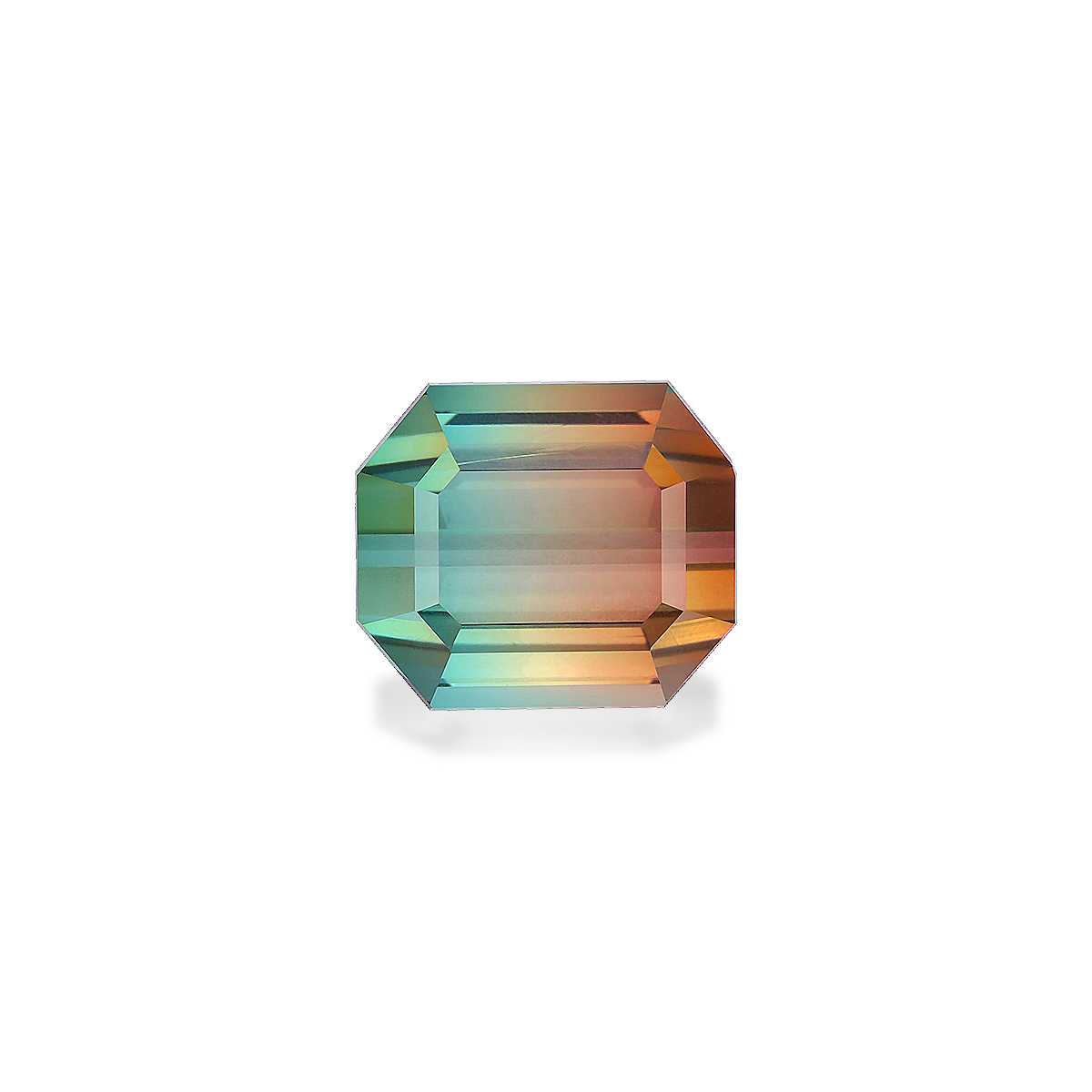
Other bi colour tourmalines pair green with yellow-brown, pink with near-colourless, or green with a smoky, greyish zone. All are honestly bi colour; none are automatically more valuable for the label alone.
From Ceylon to European trade
The word tourmaline derives from the Sinhalese turamali, a term applied to mixed parcels of coloured gravel stones from Sri Lanka. Dutch traders brought such parcels to Europe in the early eighteenth century, and the name travelled with them.
Tourmaline is pyroelectric and piezoelectric: a change in temperature or pressure generates a static charge at the ends of the crystal. European pipe smokers used this to draw ash from meerschaum bowls, and the stone acquired the Dutch nickname aschentrekker, or ash-drawer.
That curiosity is the historical root of tourmaline's reputation as an "active" or energising stone. The physics is real and measurable; the metaphysical reading of it is a later cultural overlay, and worth separating from the mineralogy.
Tourmaline's other great confusion of identity is older still. Several famous historic "emeralds" and "rubies" were later identified as tourmaline, which is why nineteenth-century mineralogists described it as the most chameleon-like of gems.
Two colours, one crystal
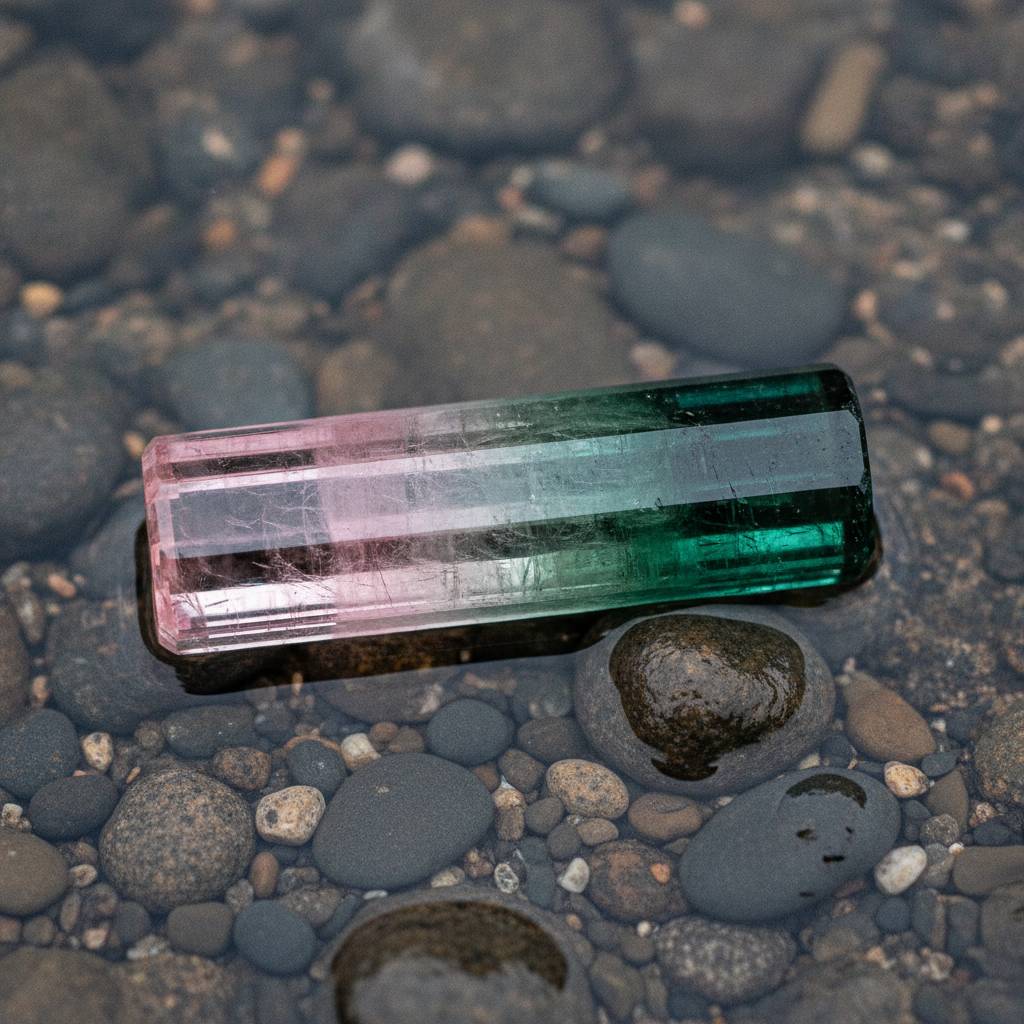
Most gem bi colour tourmaline belongs to the elbaite group. It crystallises in the trigonal system, forming the long, striated, three-sided prisms familiar from pegmatite pockets.
Colour arises from multiple trace elements entering the structure — manganese, iron, titanium and others — and the proportions shift as the pocket fluid evolves and cools. A zone rich in one element forms pink; a later or earlier zone with different chemistry forms green, brown or grey.
The practical consequences for a buyer are straightforward:
- Hardness 7–7.5 — durable enough for rings with sensible settings, though tourmaline can be brittle along fractures.
- RI 1.61–1.64 with strong birefringence, which gives well-cut stones a lively, slightly doubled look through the pavilion.
- Pronounced pleochroism — colour varies with viewing direction, so orientation during cutting matters as much as rough quality.
Much of today's finest bi colour rough comes from the pegmatite fields of Mozambique, Africa, alongside the long-established Brazilian sources.
More from Bi Colour Tourmaline
Why treatment is rare here
Bi colour tourmaline is not typically treated. The appeal of the stone is the natural boundary between its colour zones, and that boundary is what a buyer is paying to see intact.
Fracture filling with resins or oils is occasionally encountered in heavily included tourmaline of any colour, so a report from a recognised laboratory — GIA, SSEF, Gübelin or an equivalent — is still worth having on significant purchases.
Be wary of blanket claims in either direction. No one can honestly tell you that all bi colour tourmaline receives a given treatment, and no one can honestly tell you every stone is flawless.
Buy natural grey gemstones online
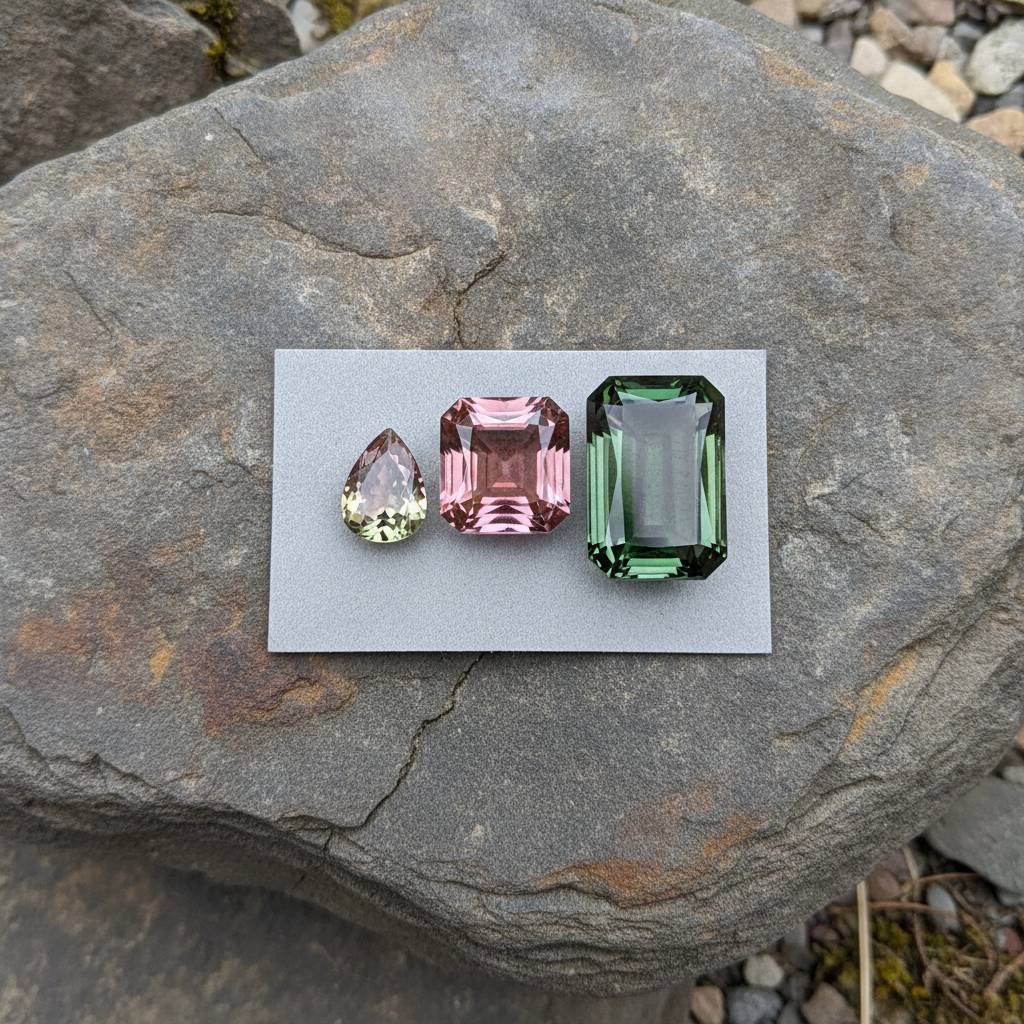
Grey is where colour vocabulary gets slippery, and it is the single most common place buyers go wrong with tourmaline. A greyish-green or smoky zone in a bi colour stone is natural and can be quietly beautiful, but it is not the same as a saturated green.
Misidentification of colour varieties is a genuine market pitfall. A stone described with a premium varietal name should actually show that colour; grey-modified material sold under a saturated-colour label is overpriced by definition.
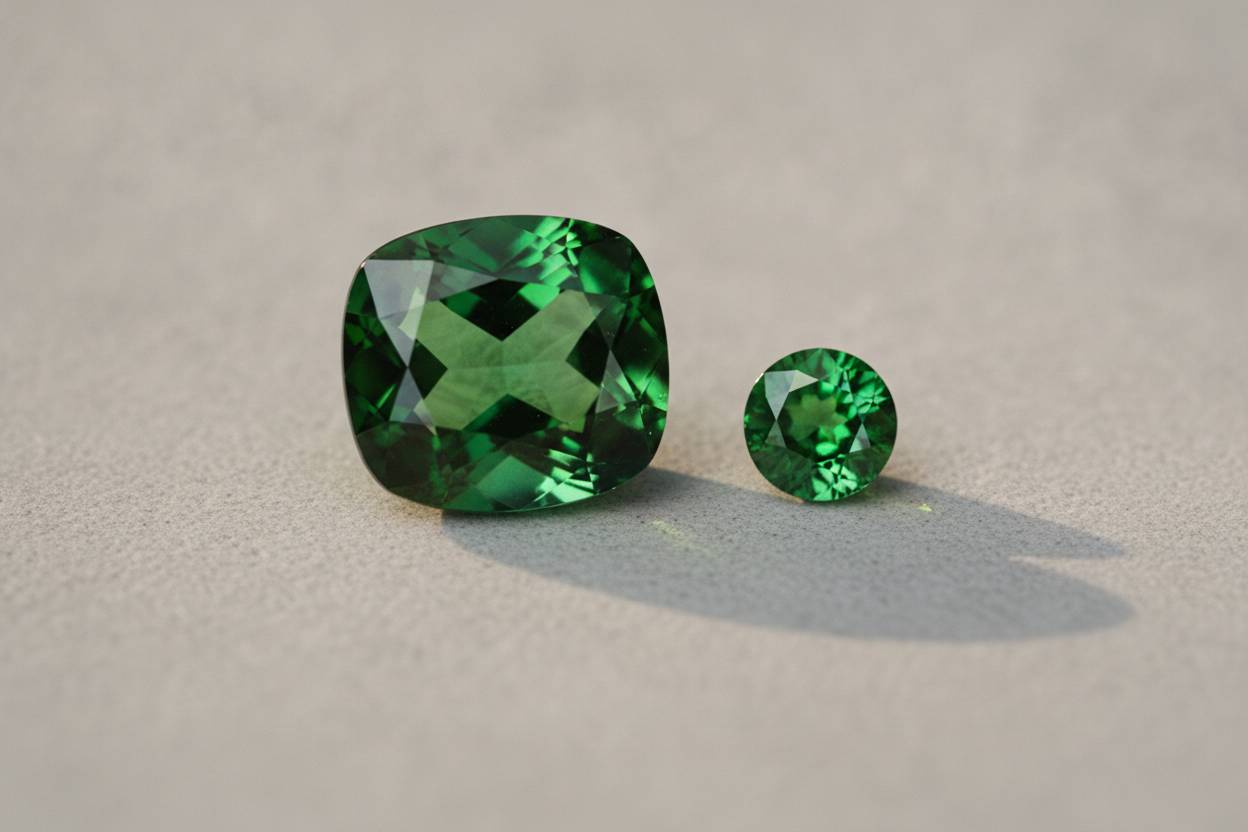
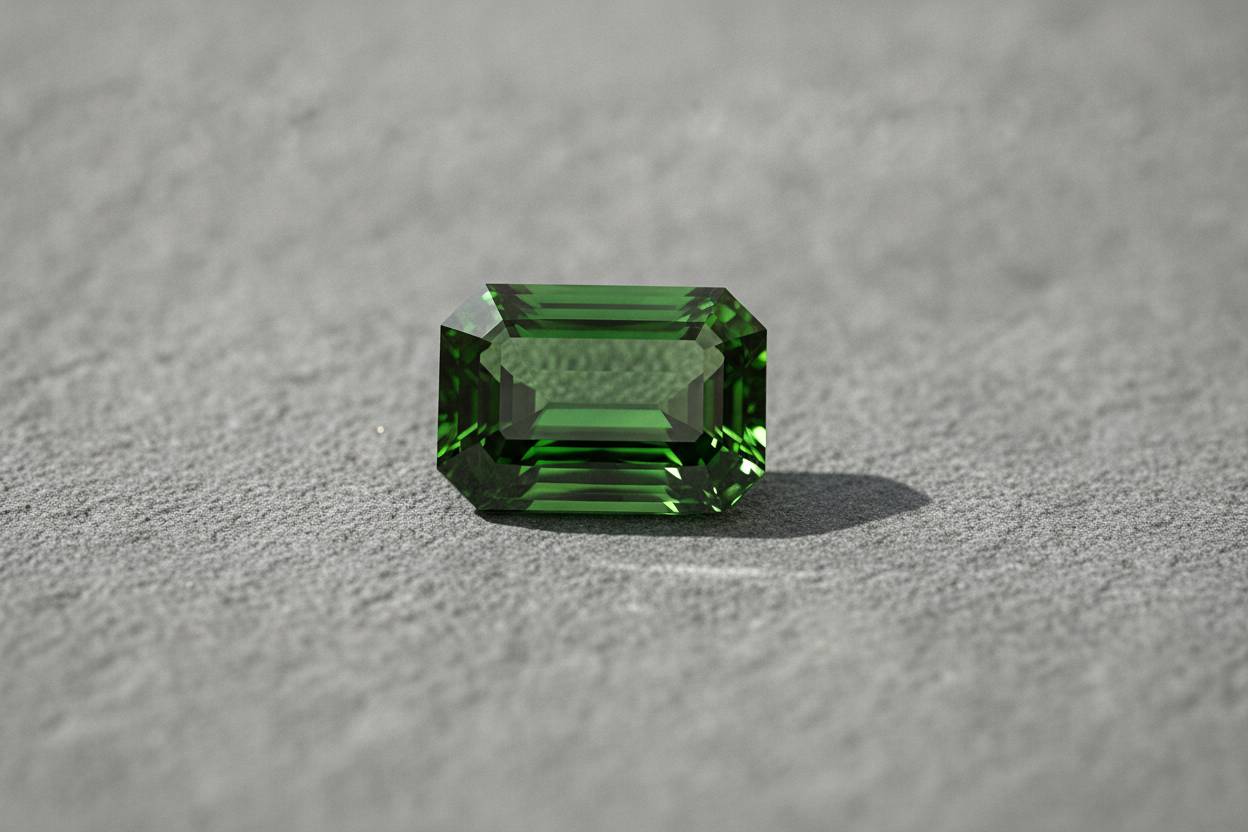
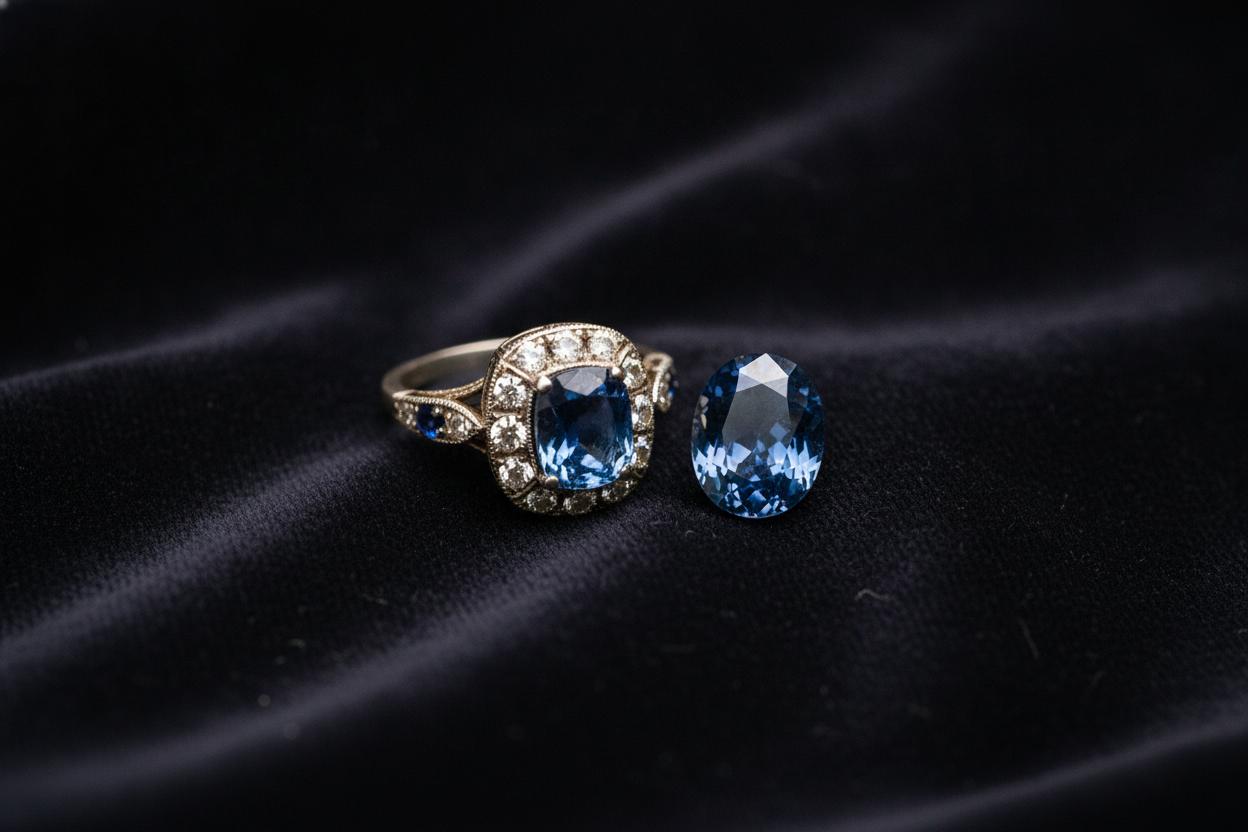
When you buy natural grey gemstones online, ask for images in neutral daylight-balanced light, both face-up and on a white background, plus video. Photographs taken against black fabric flatter grey tones in a way the stone will not repeat on the hand.
What drives the price
Three factors do most of the work in bi colour tourmaline, and they interact.
- Colour saturation. Clean, vivid pink and green with a crisp transition is scarce. Muted, greyish or washed-out zones pull value down sharply.
- Clarity. Tourmaline commonly contains needle-like tubes and fractures. Eye-clean bi colour material commands a clear premium, and overpaying for low clarity stones is the most frequent buyer error.
- Size. Large crystals that hold both colours cleanly through a well-proportioned cut are uncommon, so price per carat climbs with weight rather than staying flat.
Cut sits behind all three. A cutter must orient for pleochroism, place the colour boundary attractively face-up, and retain weight — three goals that often pull against each other.
Bi Colour Tourmaline price guide
Bi Colour Tourmaline price guide (per carat, USD)
Based on 27 bi colour tourmaline in stock, updated October 5, 2026.
The lore of tourmaline is a story of mistaken identity and quiet curiosity — a Ceylonese word for mixed gravel, a pipe-cleaning novelty, a gem repeatedly confused with emerald and ruby. A bi colour stone carries that history honestly, because it refuses to be one colour at all. Buy it for what you can actually see: saturation, clarity, size, and a boundary that looks right in daylight.
Frequently asked questions
What does watermelon tourmaline actually mean?+
It is a trade description for a tourmaline crystal with a pink or red centre surrounded by a green outer zone, usually shown off in a slice cut across the crystal. It describes the arrangement of colour only, not quality, clarity or value.
Is bi colour tourmaline treated?+
Bi colour tourmaline is not typically treated — the natural colour boundary is the point of the stone. Fracture filling is occasionally seen in heavily included tourmaline generally, so a report from a recognised laboratory is sensible on significant purchases.
Why does one crystal have two colours?+
Tourmaline grows in pegmatite pockets where the fluid chemistry changes over time. Different trace elements entering the structure at different stages produce different colours, so a single crystal can record pink, green, brown or grey zones.
How hard is bi colour tourmaline for daily wear?+
It sits at 7–7.5 on the Mohs scale, which is durable enough for rings when set with reasonable protection. Tourmaline can be brittle along fractures, so avoid hard knocks and ultrasonic cleaning on included stones.
What should I check before buying grey-toned tourmaline online?+
Ask for neutral daylight-balanced images face-up and on a white background, plus video, since dark backdrops flatter grey tones. Confirm the colour description matches what you see, because misidentified colour varieties are a common cause of overpaying.
Where does most fine bi colour tourmaline come from?+
Mozambique, in Africa, is a major source of fine bi colour rough today, alongside the long-established Brazilian pegmatite fields. Origin matters less here than saturation, clarity and size.
From our Journal
Buying guides, origin stories, and notes from the trade.