Gemstone Aesthetics: Social Media vs Wear
The stones that dominate trend photography are often the least suited to daily wear: opal, moonstone, raw tourmaline and emerald all sit well below sapphire in durability. Gemstone aesthetics on social media reward colour, texture and scale rather than hardness, so the practical rule is to match the stone to the piece — rings worn every day want Mohs 8 or above, while softer, more brittle material belongs in earrings, pendants and occasional rings. Clean almost everything in warm water with mild soap and a soft brush, and keep ultrasonic and steam cleaners away from opal, emerald, pearl, turquoise and tanzanite. The rest is setting design and sensible habits.
Gemstone aesthetics on social media
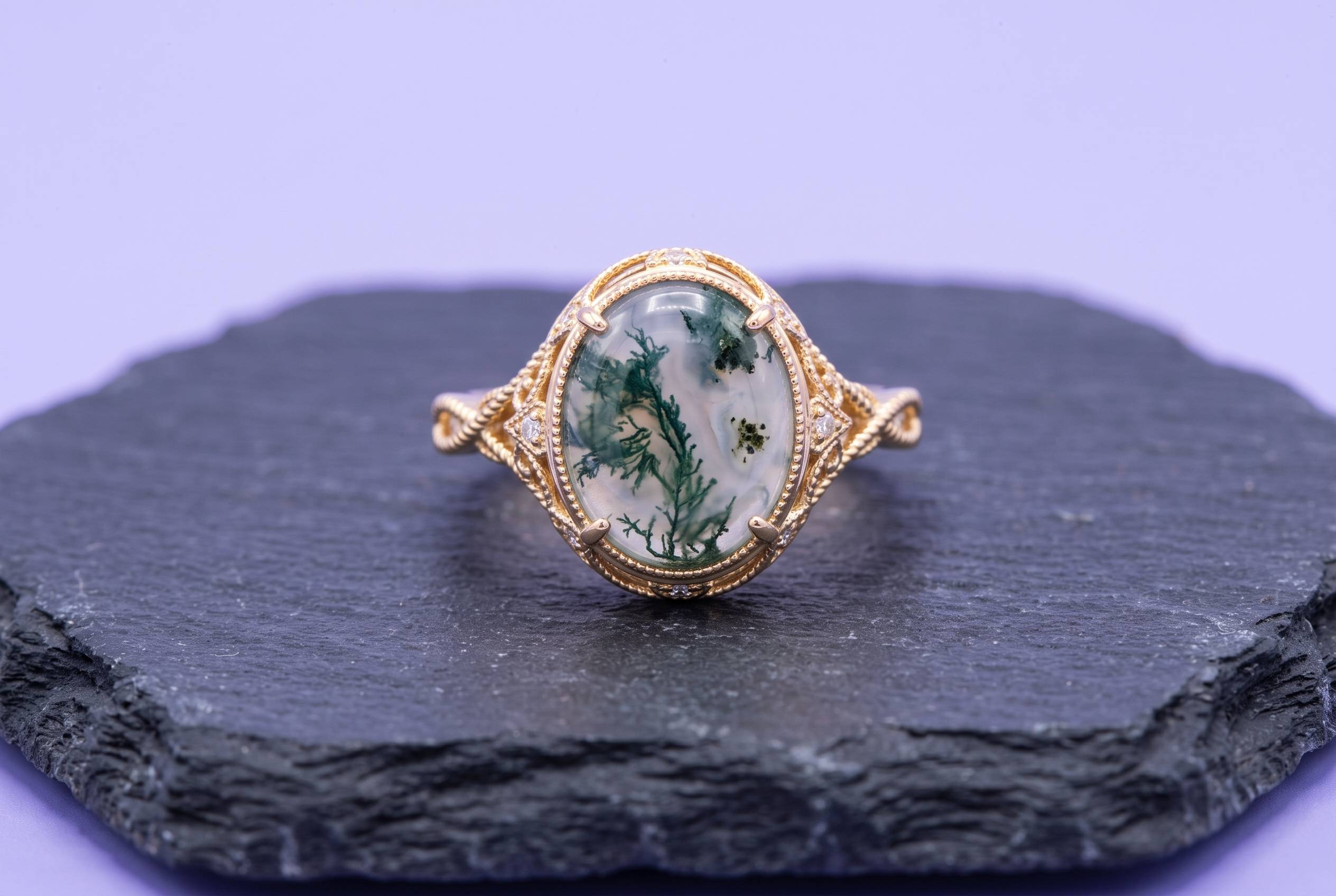
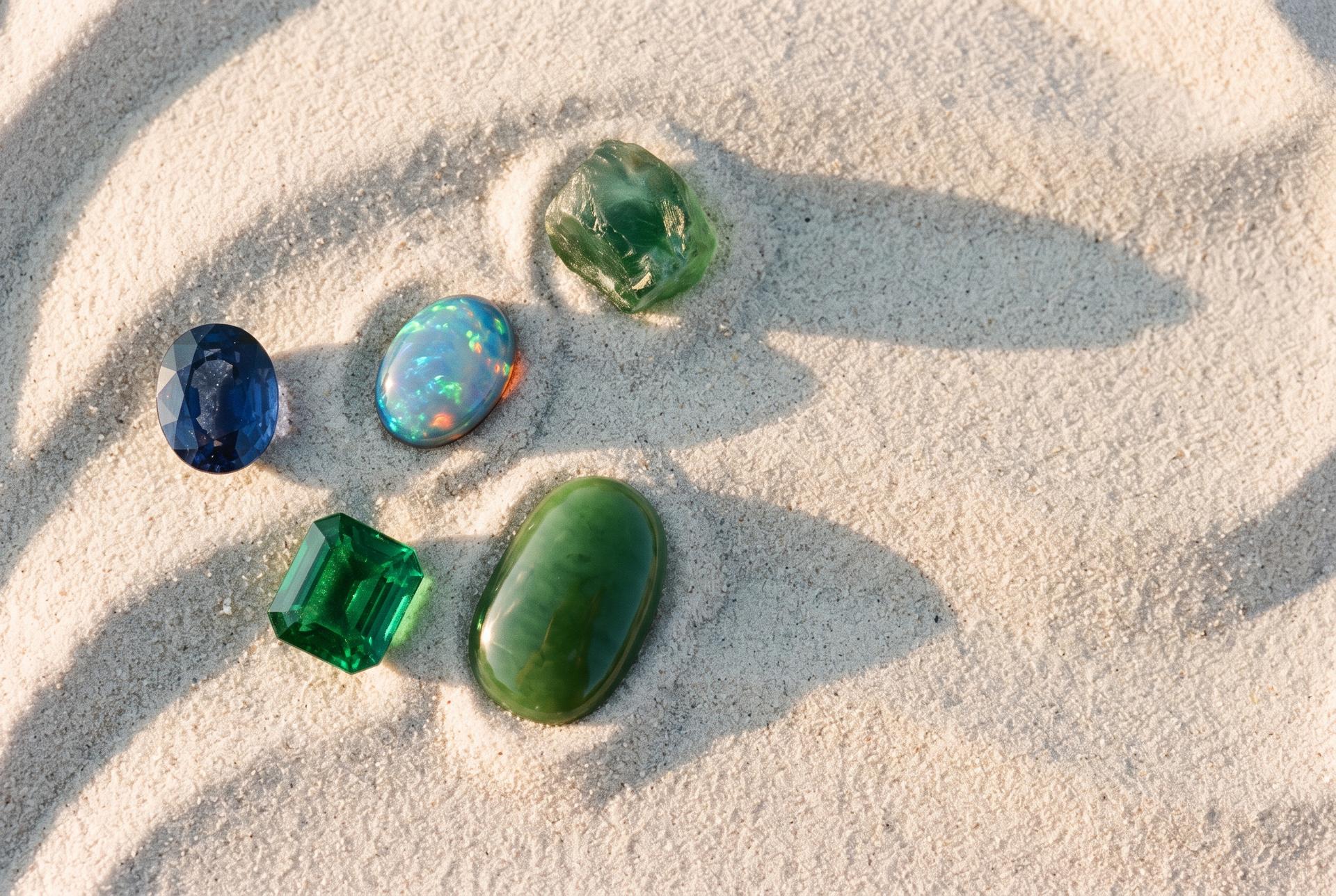
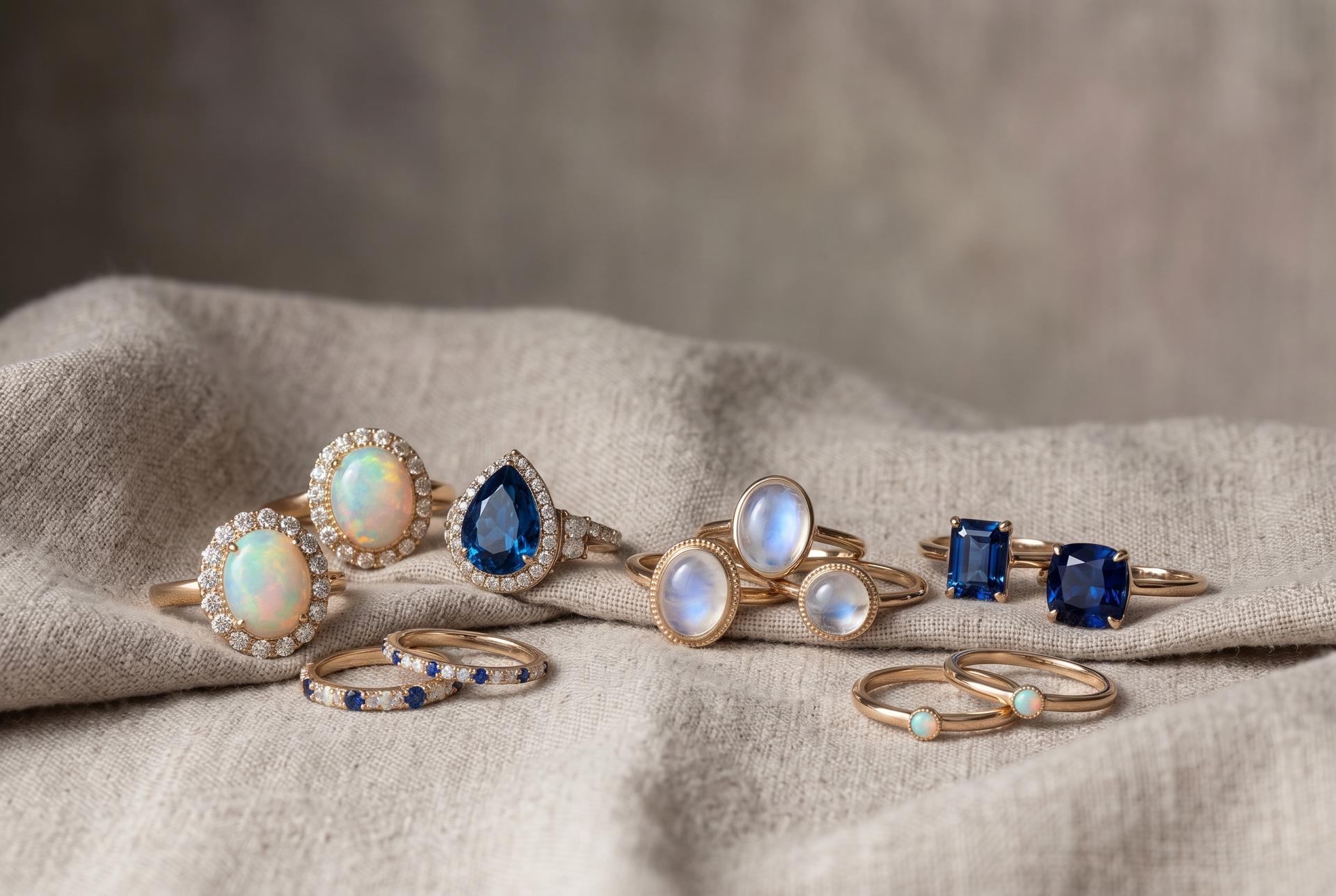
The current look is legible at a glance: milky moonstone, dendritic moss agate, unpolished crystal set in heavy gold, mossy green tourmaline slices, high-dome Ethiopian opal cabochons.
These materials photograph unusually well. Translucency, internal pattern and soft surface sheen all read beautifully under a ring light and at close focus.
None of those qualities correlate with durability. A stone can be visually extraordinary and still be softer than the quartz dust in ordinary household air, which is why so many trend purchases look tired within a year.
What actually breaks a stone
Three separate properties decide how a gem survives. Hardness is scratch resistance, measured on the Mohs scale. Toughness is resistance to chipping and cracking. Stability is resistance to heat, light, chemicals and changes in humidity.
They are independent. Emerald is hard — 7.5 to 8 on Mohs — but poor in toughness because most crystals are riddled with fissures. Jade is only moderately hard yet exceptionally tough.
A rough guide to the materials currently in fashion:
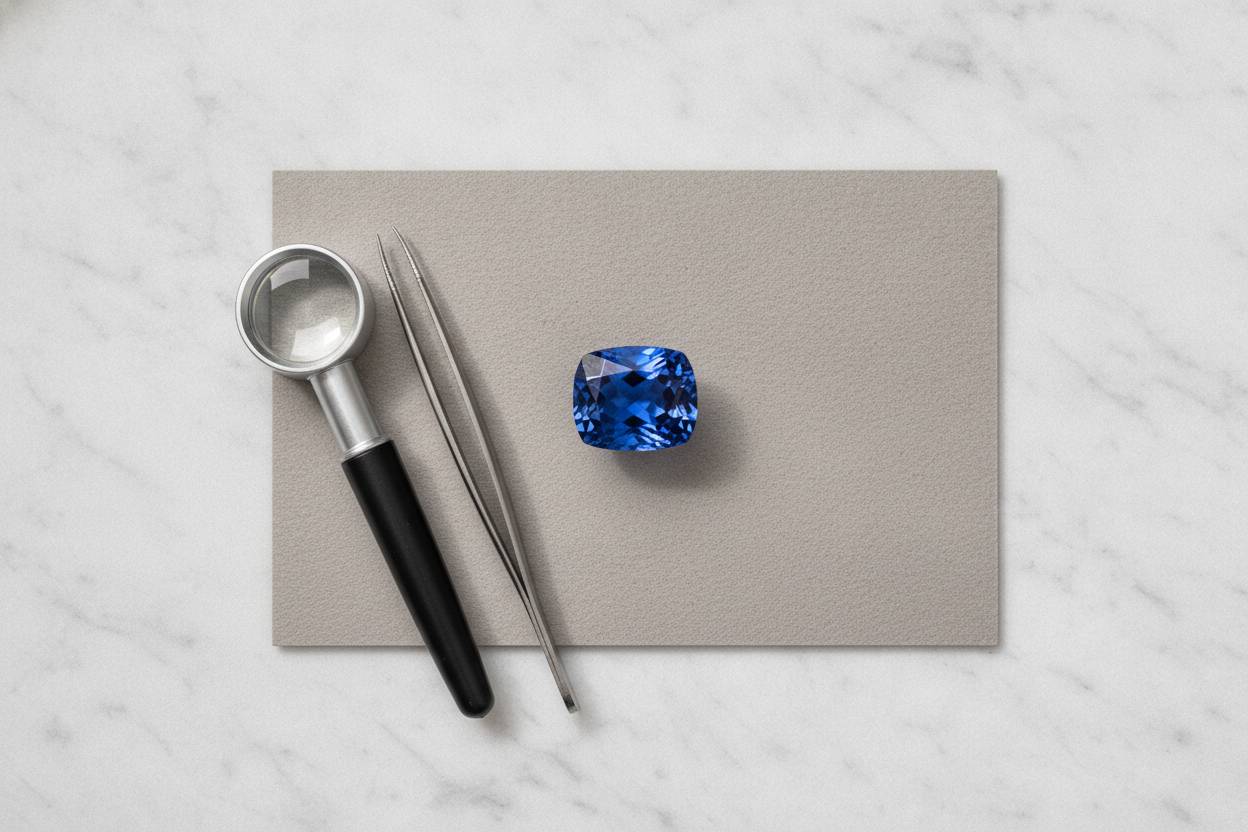
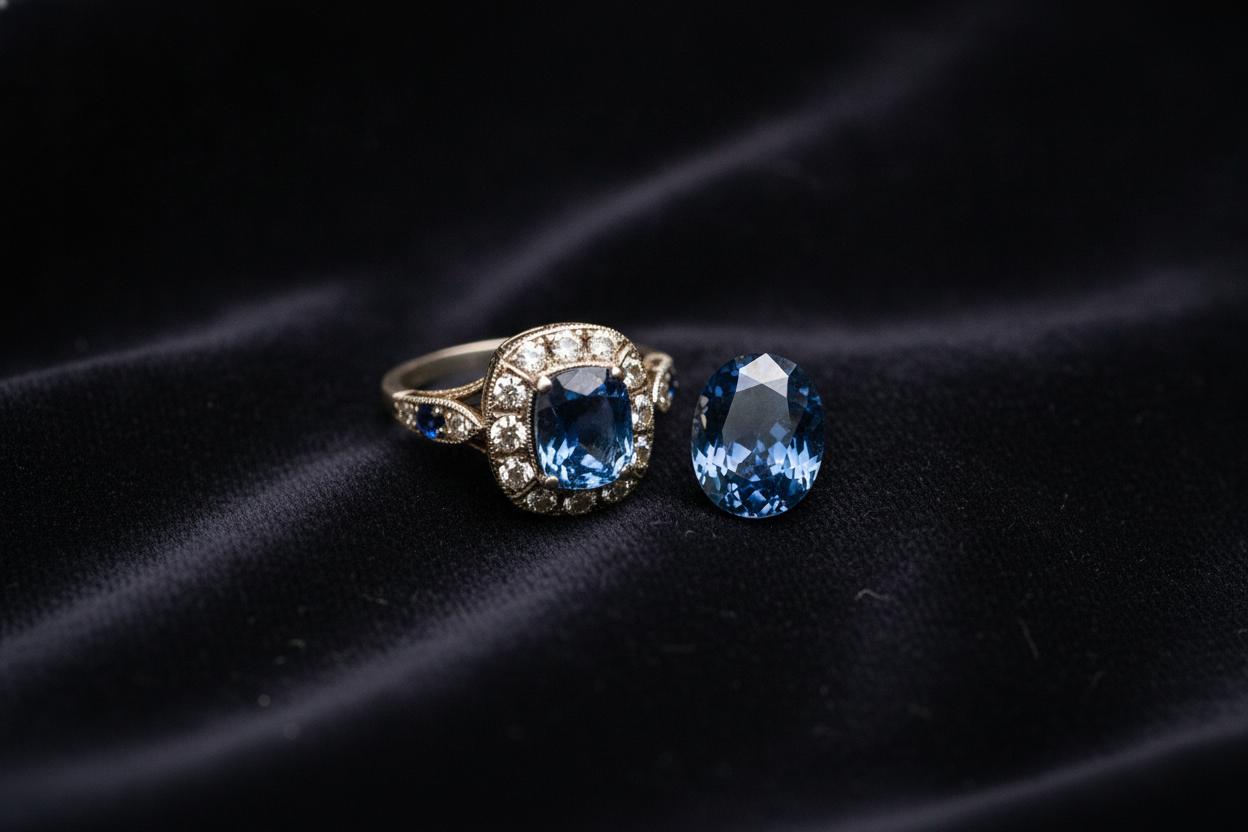
- Sapphire and ruby — Mohs 9, no cleavage, excellent for daily rings.
- Spinel — Mohs 8, tough and stable; underrated for everyday wear.
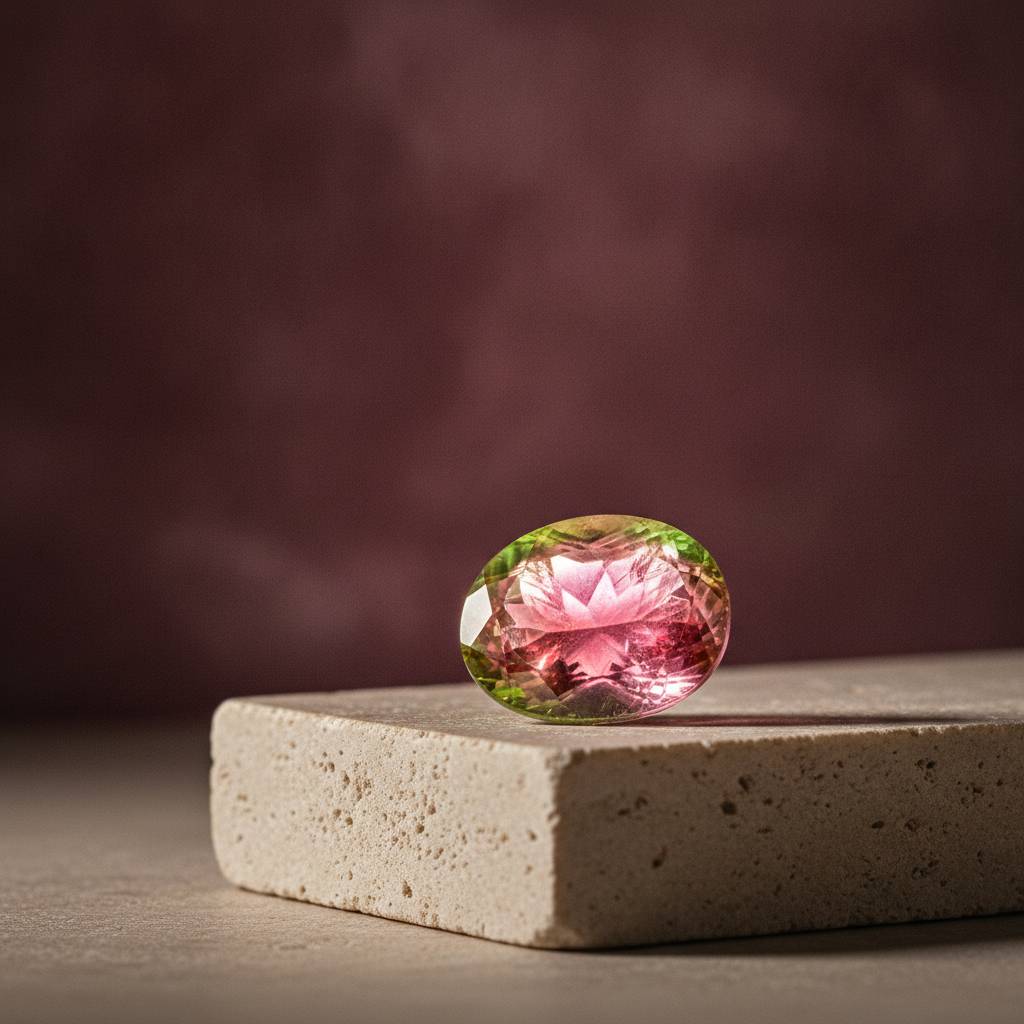
- Tourmaline — Mohs 7 to 7.5, but brittle and often internally fractured.
- Moss agate and chalcedony — Mohs 6.5 to 7, microcrystalline and genuinely tough, though it will dull with surface scratching.
- Tanzanite — Mohs 6 to 7 with distinct cleavage and sensitivity to sudden heat.
- Moonstone and labradorite — Mohs 6 to 6.5 with perfect cleavage; they split along flat planes under a knock.
- Opal — Mohs 5.5 to 6.5, brittle, and in hydrophane material sensitive to water and drying.
- Pearl — Mohs 2.5 to 4.5, attacked by acids, perfume and perspiration.
How the cut changes durability
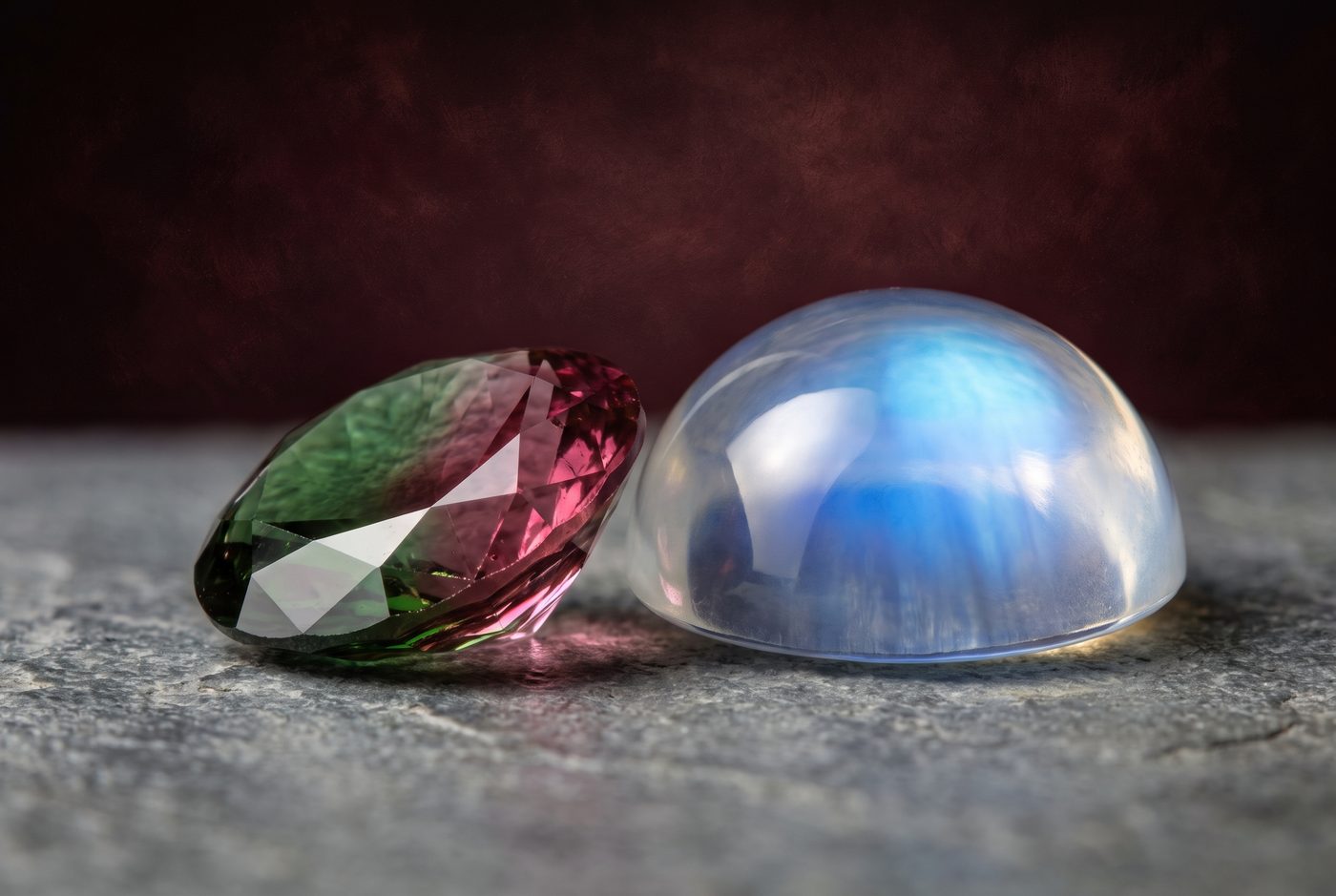
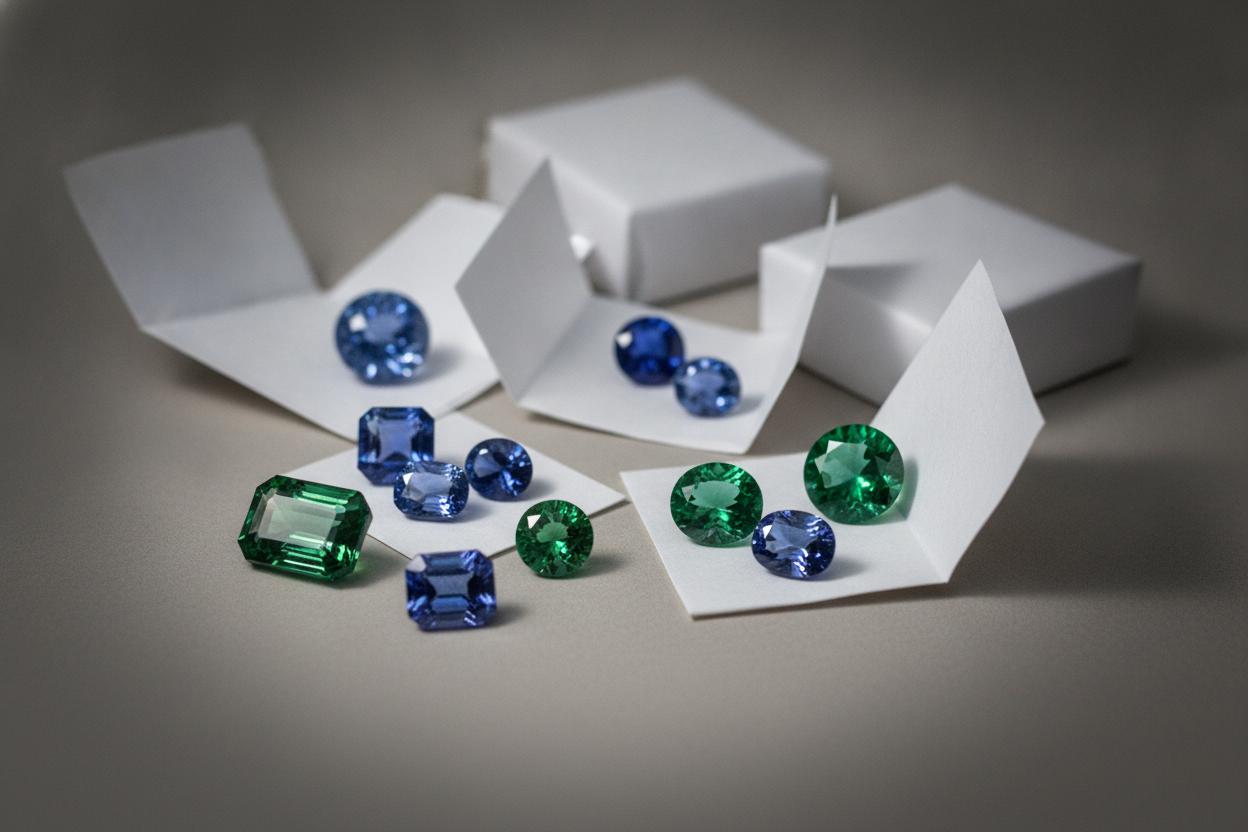
Buyers ask constantly how gemstones cut for different looks actually hold up, and the answer is that geometry matters almost as much as species. Thin girdles, sharp points and knife-edge outlines concentrate stress at the exact places a ring meets a doorframe.
Marquise, pear and princess cuts carry vulnerable points. In brittle species such as emerald or tourmaline, those corners want metal over them, not open air.
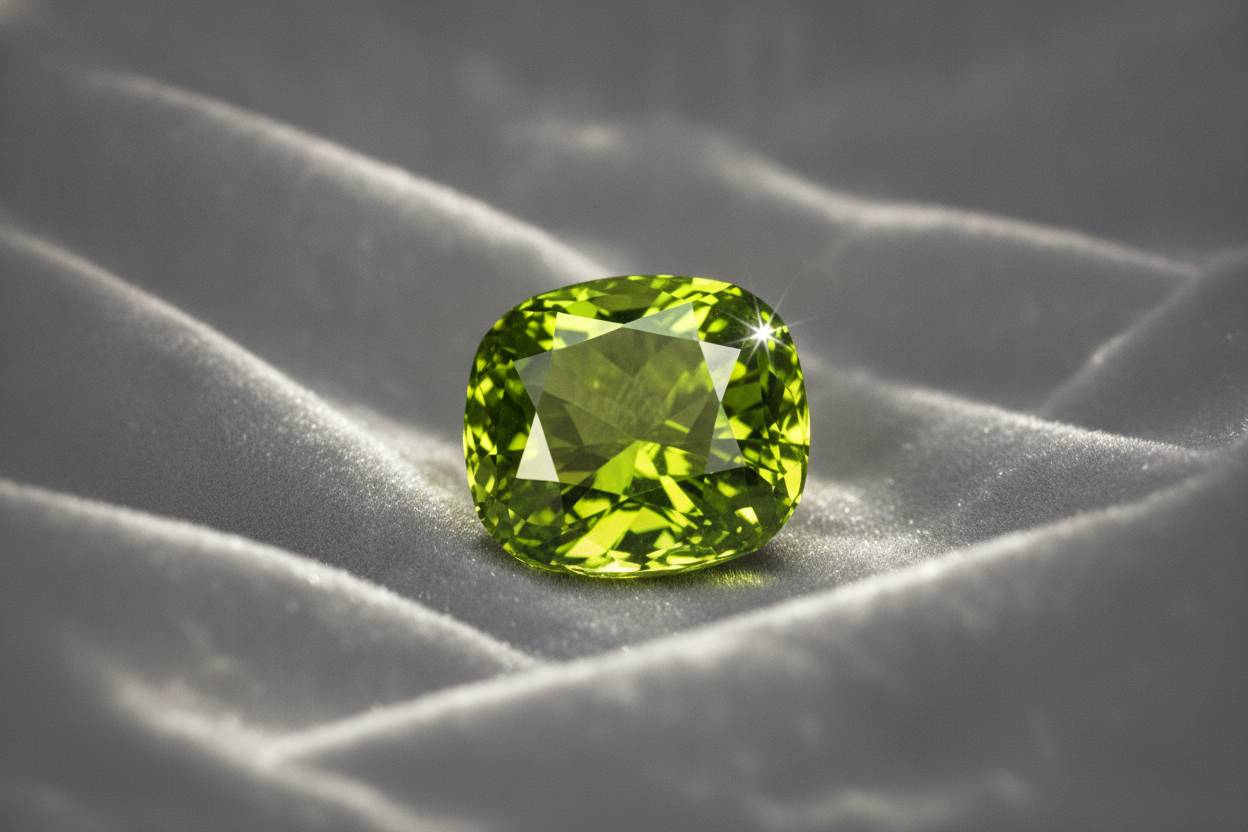
Cabochons are kinder to soft material: no facet junctions to abrade, and a rounded dome that deflects contact. Very high domes, however, sit proud of the finger and take more impact.
Raw and slice cuts
Rough-crystal and slice settings are central to the current aesthetic and are the weakest format in practical terms. Natural faces follow the crystal's own cleavage and fracture planes, so the stone is already pre-scored where it will eventually fail.
Buy them knowing that. They are beautiful; they are not candidates for a lifetime ring worn daily.
Cleaning by stone, not by habit
Warm water, a drop of mild dish soap and a soft toothbrush remove almost all everyday soiling. Rinse thoroughly and dry with a lint-free cloth before storing.
What to avoid:
- Ultrasonic and steam cleaners on opal, emerald, pearl, turquoise, tanzanite, moonstone, and anything fracture-filled, dyed or composite.
- Ammonia-based jewellery dips on oiled or resin-filled emerald — they strip the filler and the fissures reappear as white lines.
- Chlorine, bleach and acetone on any mounted stone; chlorine also attacks gold alloys over time.
- Prolonged soaking of hydrophane opal and porous turquoise, both of which absorb liquid.
Apply sunscreen, hand cream and perfume before putting jewellery on, not after. Residue films dull transparent stones faster than any scratch.
Settings that protect the stone
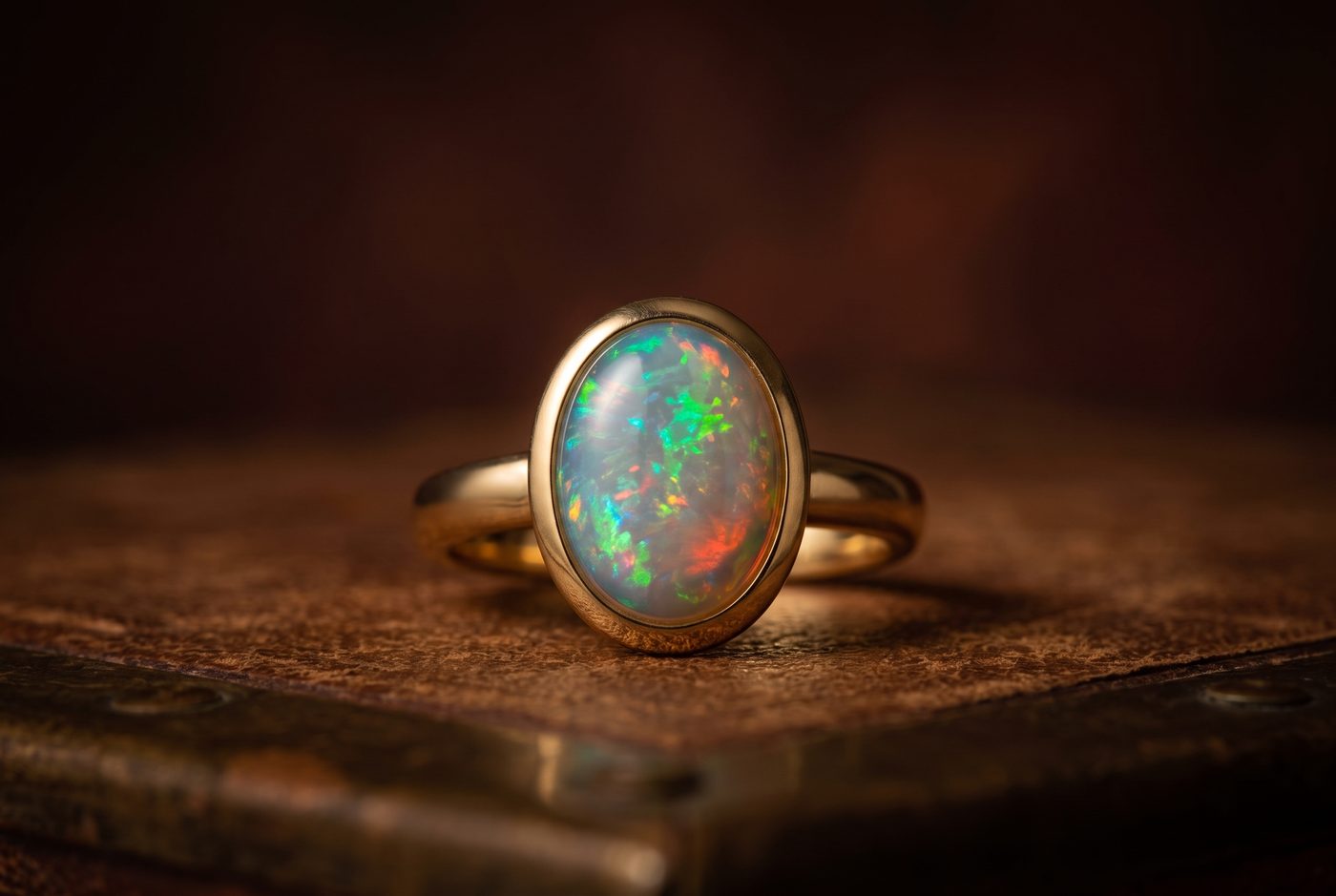
A bezel is the single most effective protection for a soft or cleavage-prone gem. It covers the girdle entirely, absorbs lateral knocks and lets the stone sit lower on the hand.
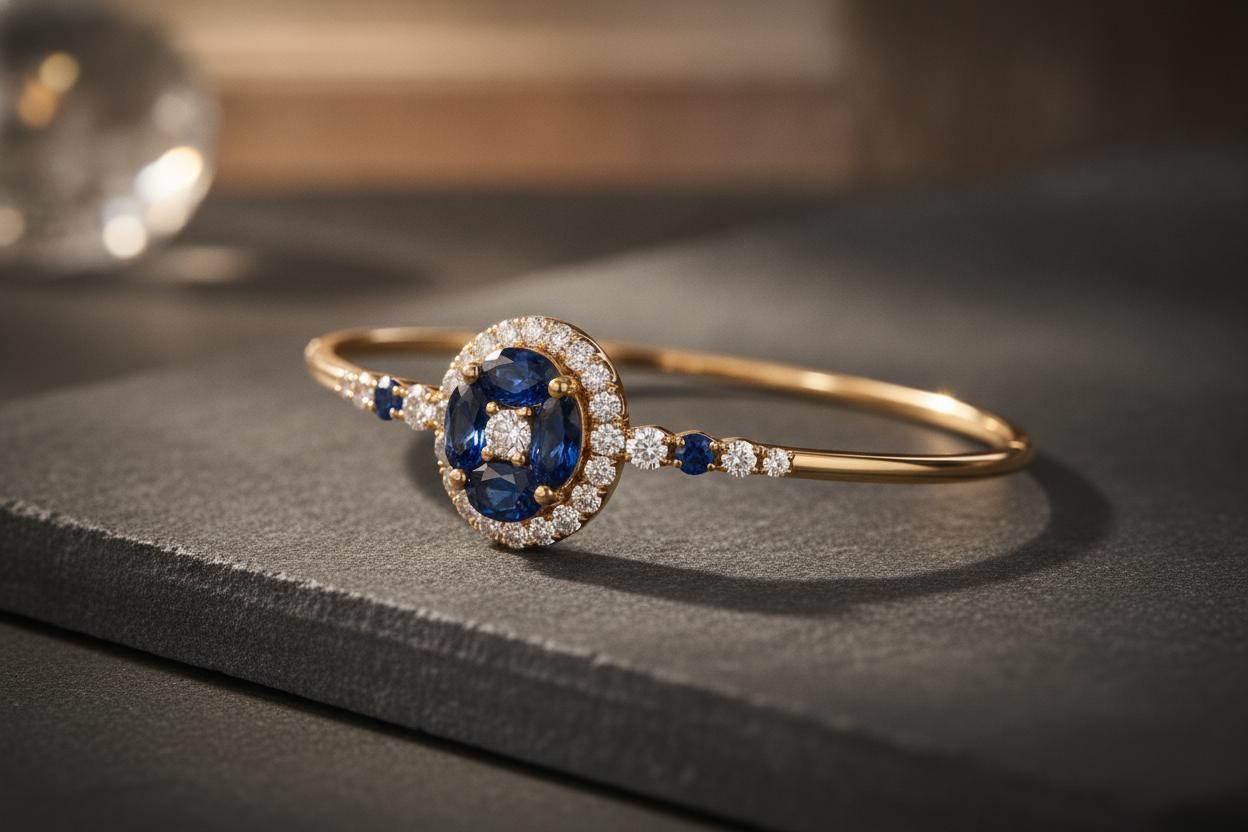
For faceted stones in open settings, six prongs distribute wear better than four, and prong tips should be checked annually for thinning. A halo functions as a physical bumper as well as a visual frame.
Metal choice matters more than most buyers expect. High-karat gold is soft and deforms, which loosens settings; 18k and 14k alloys hold prongs more reliably on pieces worn hard.
Repairs and resizing
Tell your jeweller the species before any torch work. Opal, emerald, tanzanite and most organic materials must be removed from the mount before heat is applied, and a bench that skips that step will craze or crack the stone.
Store pieces separately in soft pouches or a lined box. Sapphire will scratch almost everything it shares a drawer with, including other sapphires.
Buying beyond the photograph
Before buying a trend-led piece, ask three questions: what species is it, what treatments has it received, and is it hydrophane, porous or fracture-filled. A reputable seller answers all three without hesitation.
Then decide honestly how the piece will live. A moss agate signet worn weekly and a moonstone ring worn on a construction site are different propositions, whatever the styling suggests.
Durability is not a reason to avoid softer gems — it is a reason to set them properly and wear them deliberately. The pieces that survive a decade are the ones chosen with both eyes open.
Frequently asked questions
Which trending gemstones are safe for an everyday ring?+
Sapphire and ruby at Mohs 9 and spinel at Mohs 8 handle daily wear with no special precautions. Tourmaline and moss agate are workable in protective settings, while opal, moonstone and tanzanite are better suited to earrings, pendants or occasional-wear rings.
Can I clean gemstone jewellery in an ultrasonic cleaner?+
Only for durable, untreated stones such as sapphire, ruby, spinel and diamond in sound settings. Never use ultrasonic or steam on opal, emerald, pearl, turquoise, tanzanite, moonstone or any dyed, fracture-filled or composite material — warm soapy water and a soft brush is the safe default.
Does the way a gemstone is cut affect how well it wears?+
Yes. Thin girdles, sharp points on marquise and pear shapes, and square corners concentrate impact stress and chip first, especially in brittle species like emerald and tourmaline. Cabochons and rounded outlines distribute contact better and suit softer stones.
Why do opals crack or turn cloudy?+
Opal is brittle at Mohs 5.5 to 6.5 and contains water within its structure, so rapid drying, heat or sudden temperature change can cause crazing — a network of fine surface cracks. Hydrophane opal also absorbs liquid and may temporarily cloud, so avoid prolonged soaking and ultrasonic cleaning.
Are raw or rough-crystal rings durable?+
Less so than cut stones. Natural crystal faces follow the mineral's own cleavage and fracture planes, so the rough is effectively pre-scored where it will eventually break. They suit occasional wear and benefit greatly from bezel or partial-bezel mounting.
How should I store gemstone jewellery between wears?+
Keep each piece in its own soft pouch or a lined compartment so harder stones cannot scratch softer ones — sapphire will mark nearly anything it touches. Pearls and opals prefer stable humidity and should not be sealed in airtight containers for long periods.
From our Journal
Buying guides, origin stories, and notes from the trade.