How to Choose Peridot: Buyer's Guide
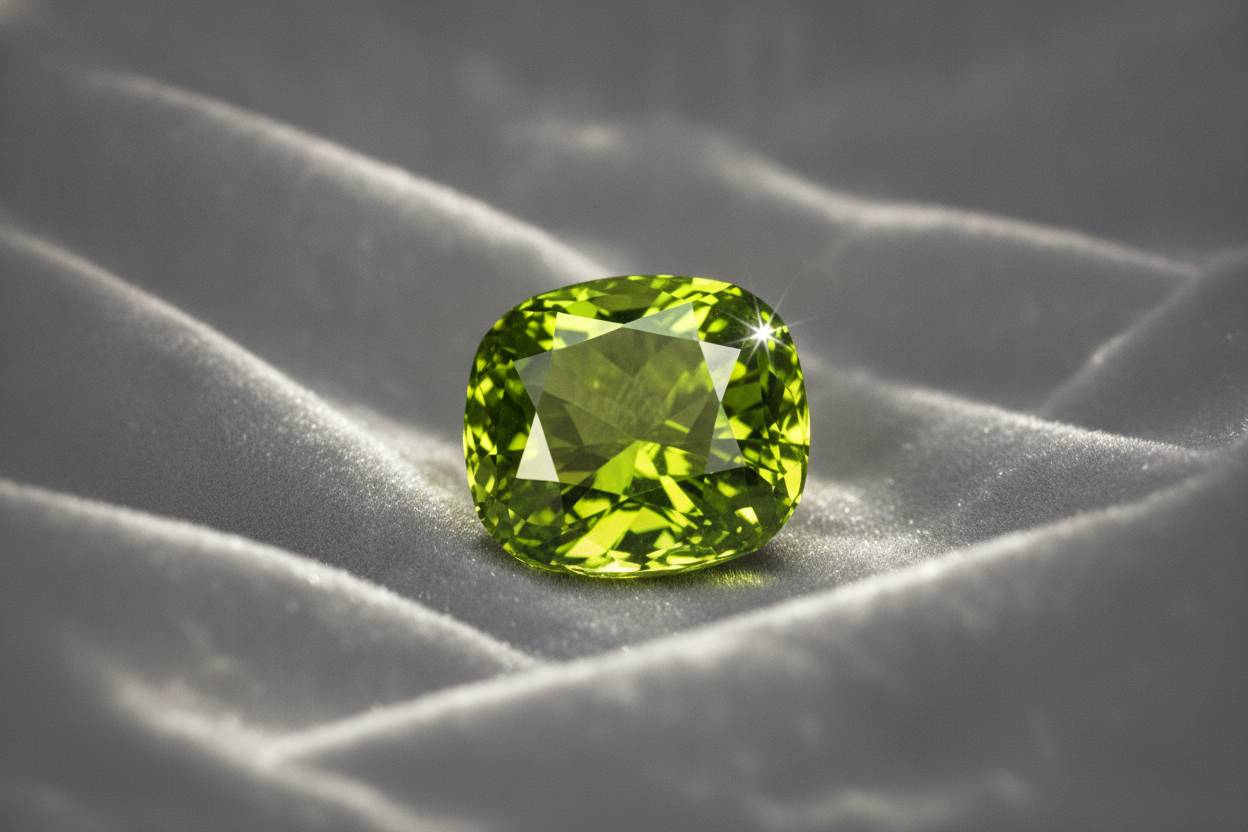
To learn how to choose peridot, work in this order: colour, clarity, cut, then size. The finest stones show a vivid, slightly yellowish green with no brown or grey cast, and that saturation generally strengthens as the stone gets larger. Judge clarity face-up rather than under a loupe — tiny black chromite crystals and feather-like inclusions are normal in peridot and only reduce value when the eye catches them. Cut matters more than most buyers assume, because peridot's strong double refraction blurs facet edges and a lazy cut turns that softness into a dull, windowed stone. Peridot reaches the market unheated, so the real risk is not treatment but substitution: glass and man-made lookalikes are sold as peridot more often than buyers expect.
Judging peridot colour first
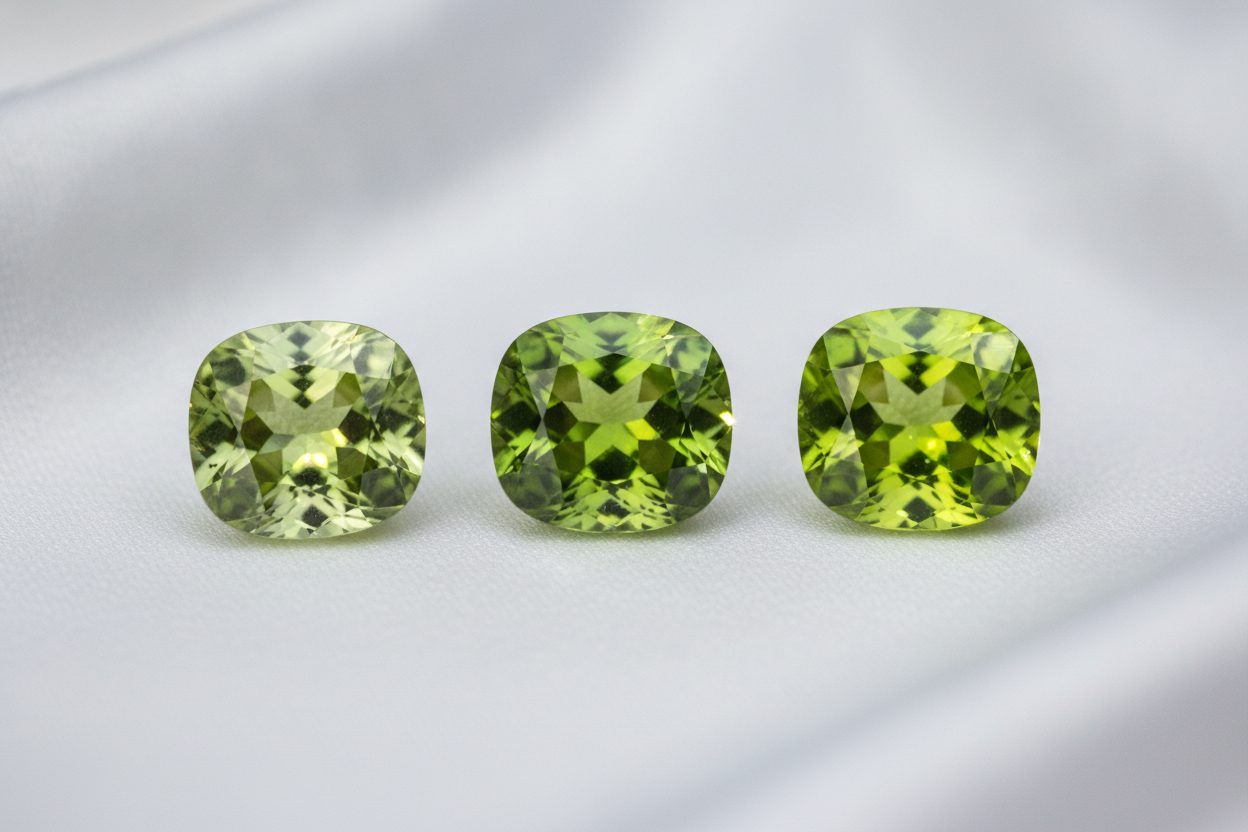
Peridot is the gem variety of olivine, and its colour comes from iron in the crystal structure. That makes it an idiochromatic gem — green is intrinsic to the material rather than the result of a trace impurity, so you will never find a colourless or pink peridot.
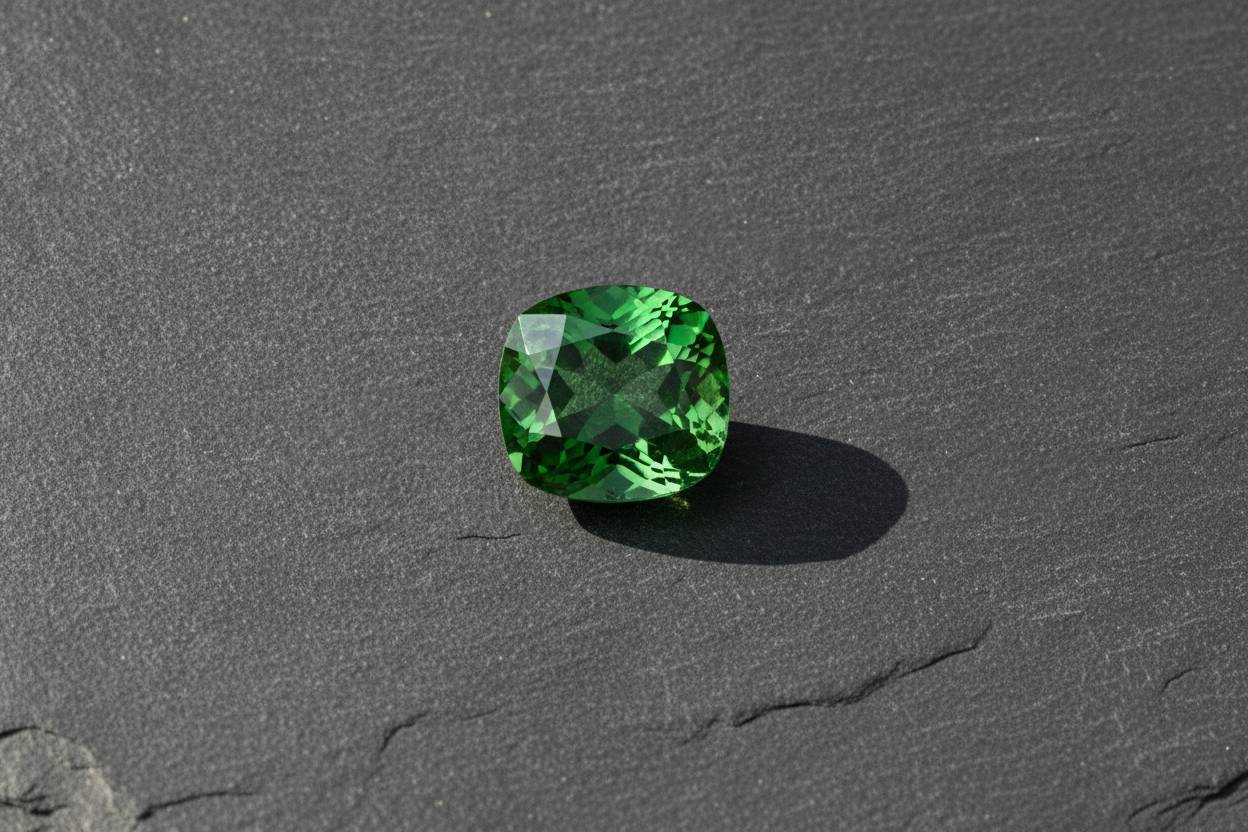
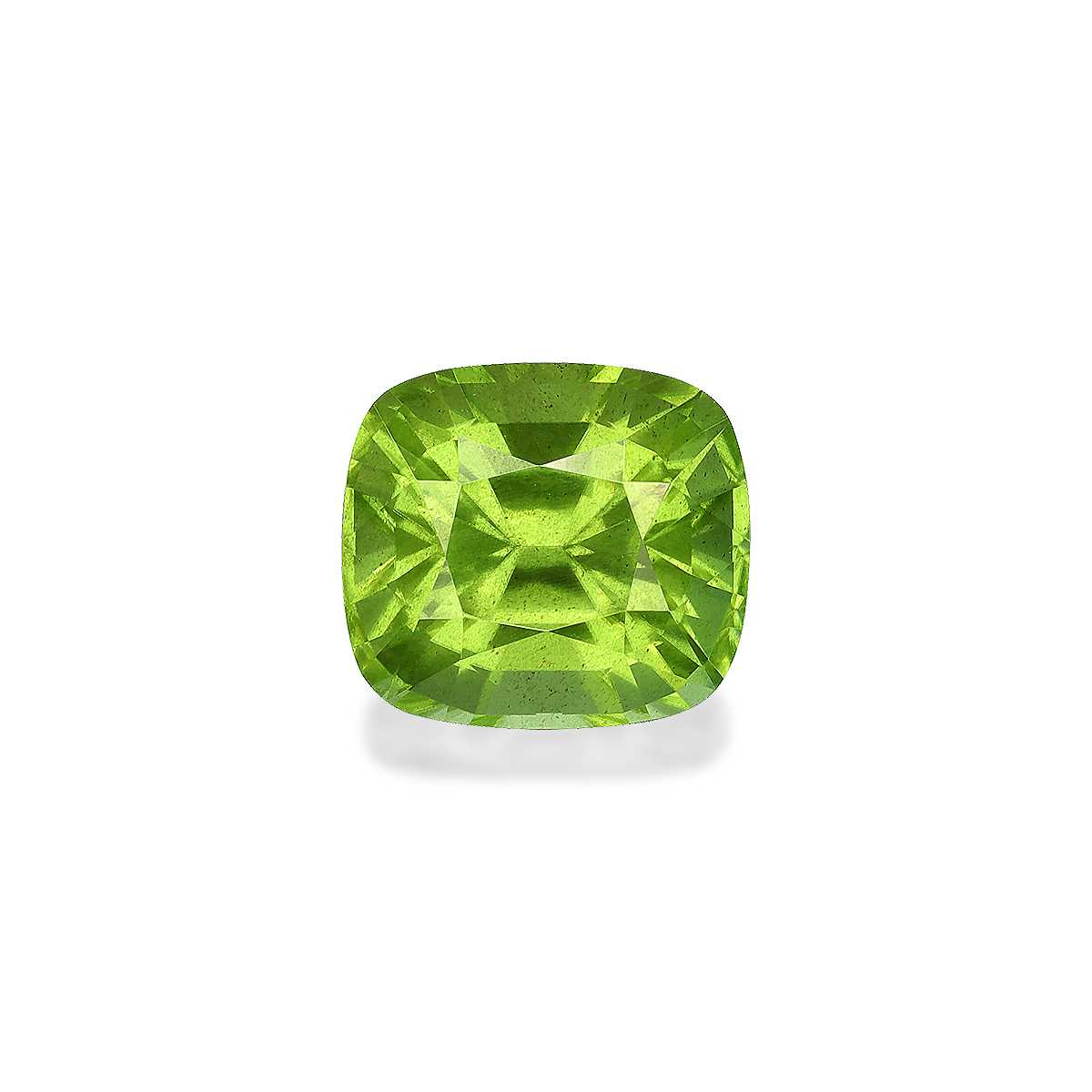
The trade reserves its highest praise for stones described as vivid: a pure, richly saturated green with only a gentle yellow secondary. Brown, olive or grey undertones pull the price down quickly, and they are easiest to spot when the stone is viewed face-up in daylight against a neutral white background.
Because iron content is relatively consistent, smaller peridots often look paler simply because there is less material for light to travel through. A five-carat stone frequently shows a deeper, more convincing green than a one-carat stone from the same parcel.
Inclusions you should expect
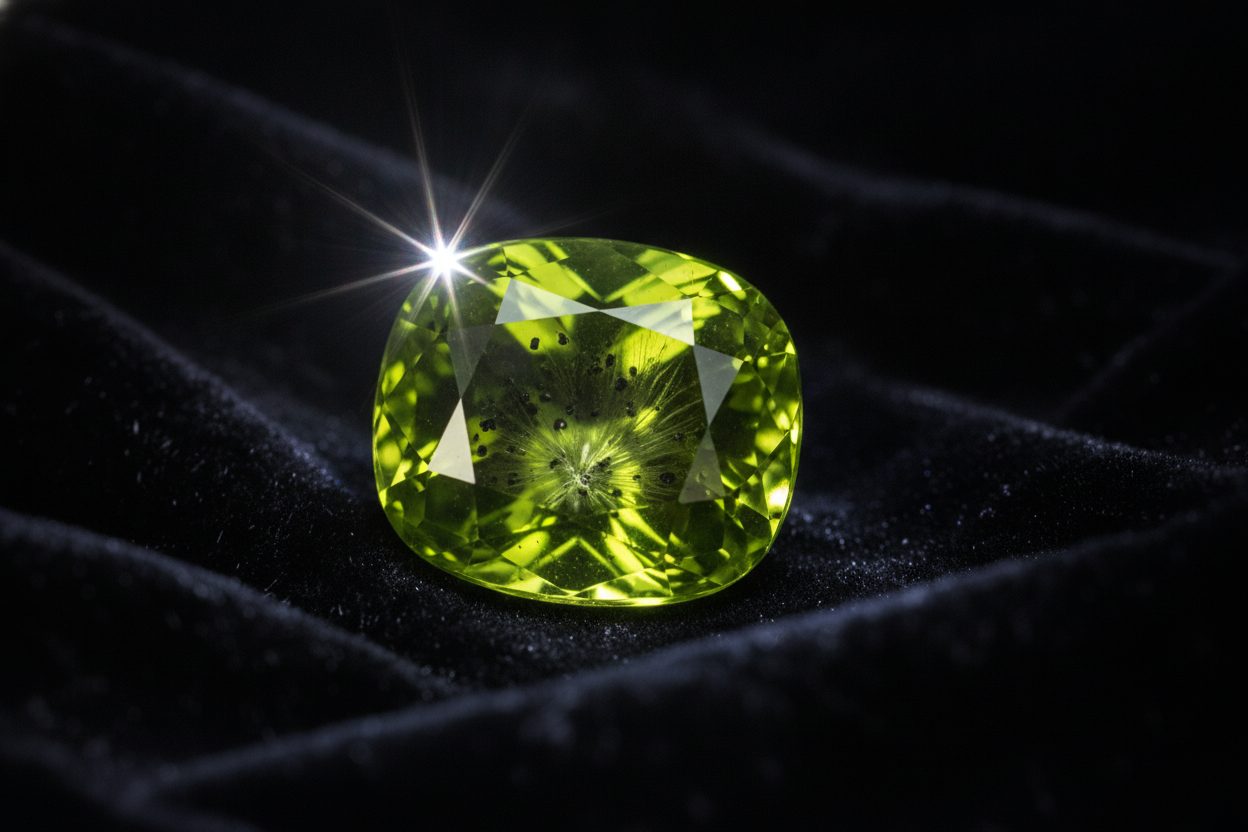
Peridot is rarely flawless, and buyers who insist on loupe-clean material usually end up paying for the wrong thing. The characteristic features are tiny black chromite crystals, feather-like fractures, and fluid inclusions containing gas bubbles.
These same features are useful evidence of natural origin. A perfectly clean, glassy green stone with no internal structure at all deserves more scrutiny, not less.
What matters commercially is visibility and position. A feather under the crown, directly in the line of sight, harms both appearance and durability; the same feather tucked near the girdle is largely irrelevant to value.
An eye-clean standard
Set your threshold at eye-clean from about 25–30 cm, in ordinary light, face-up. Inclusions that break the surface or run across a facet junction are the ones to refuse, because they create weak points during setting.
More from Peridot
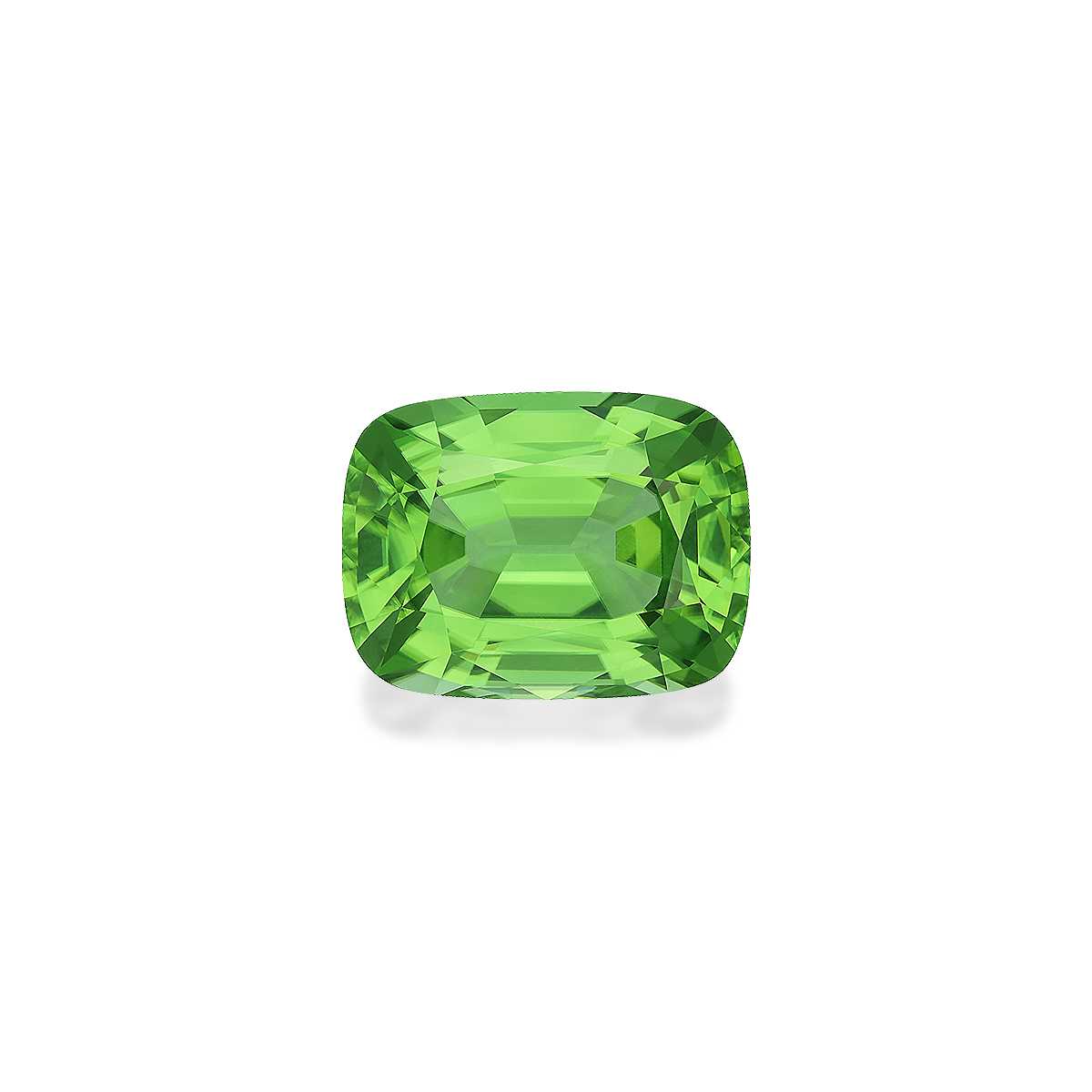
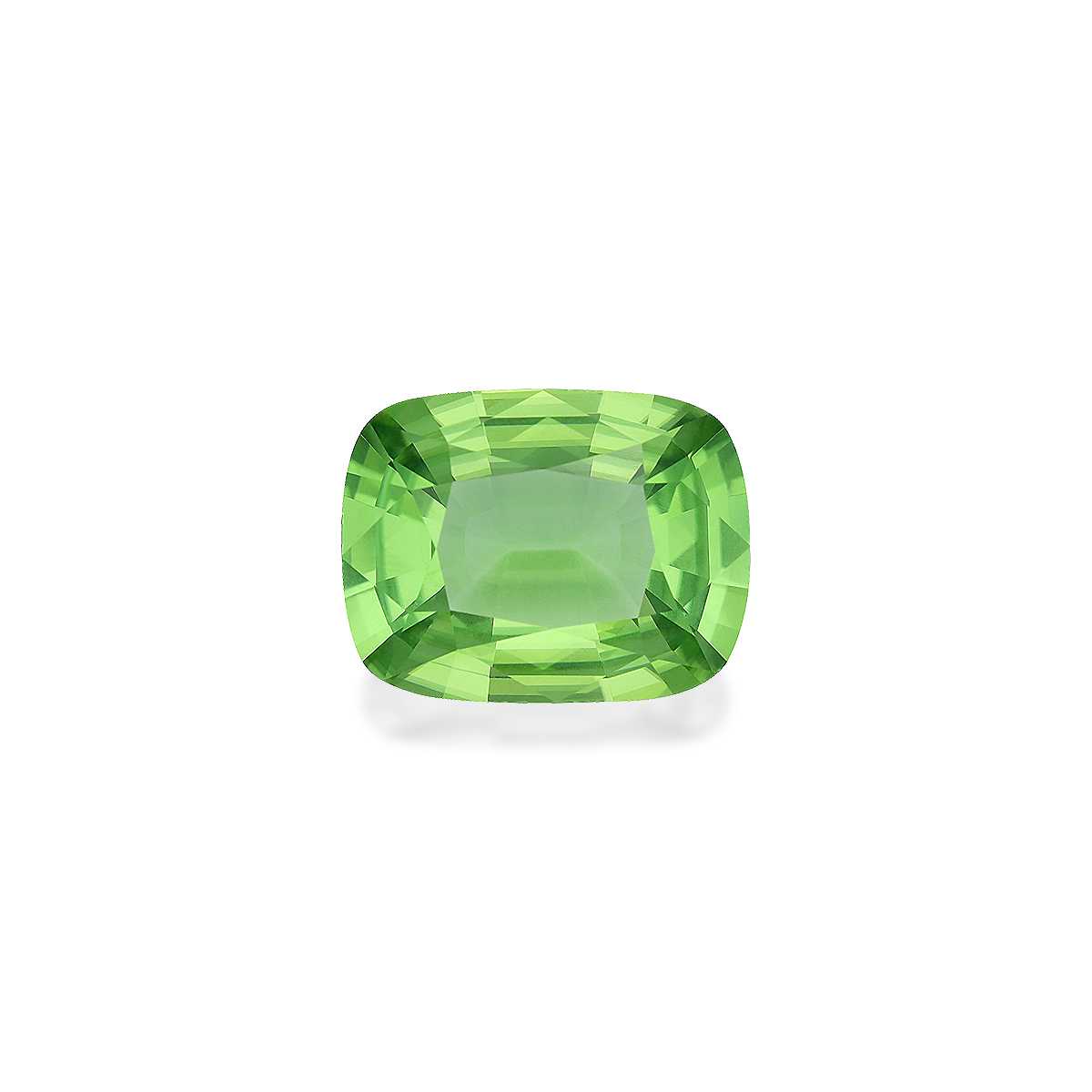
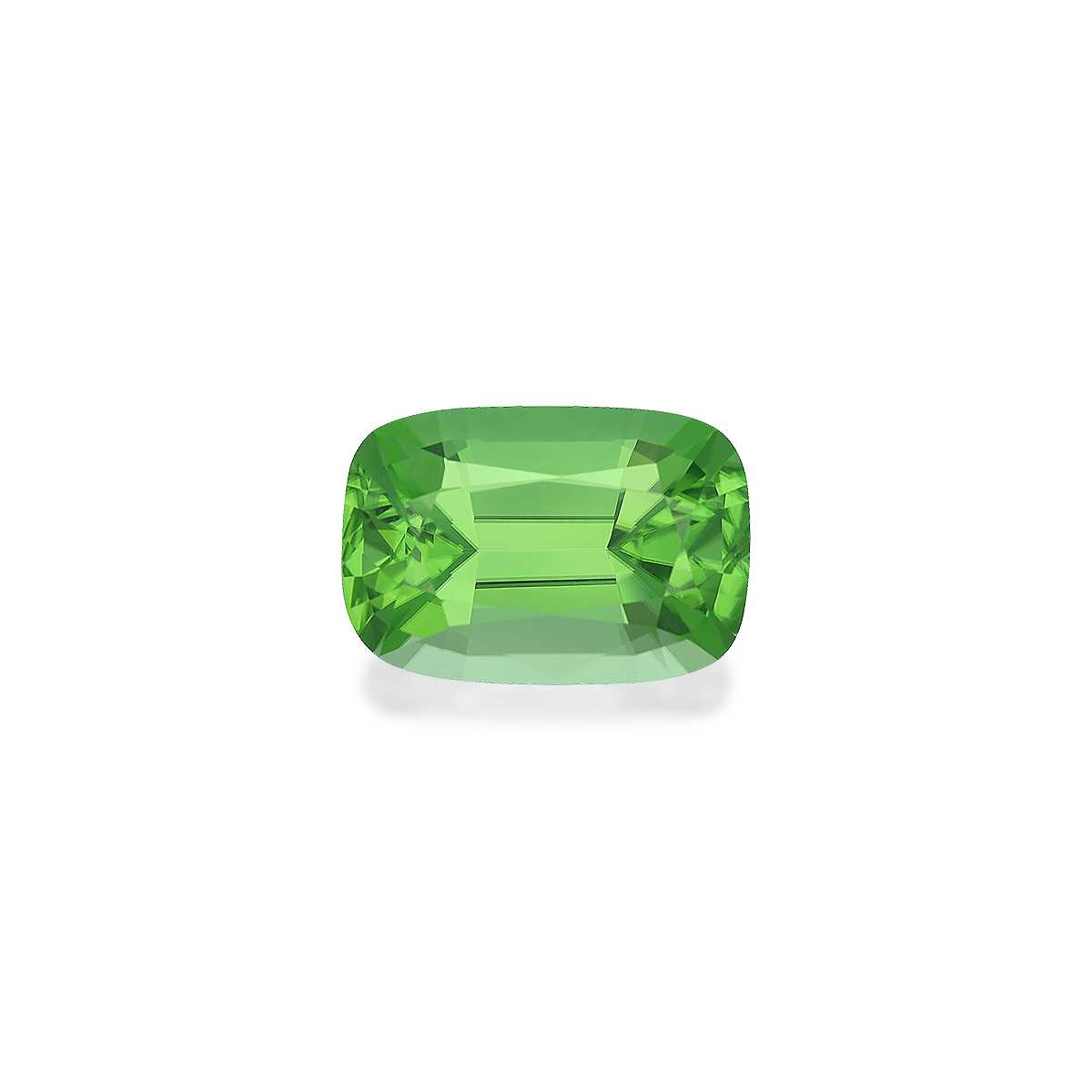
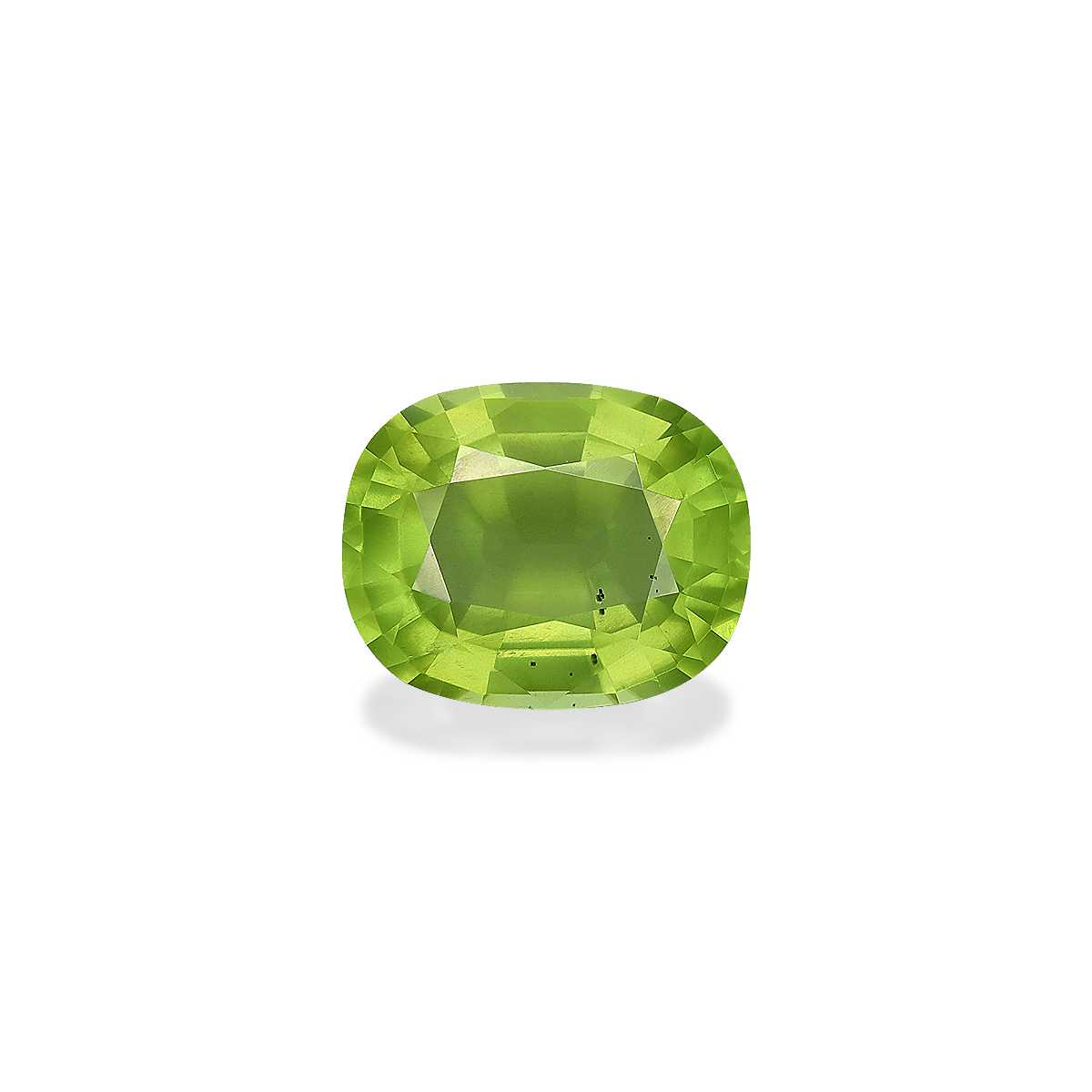
Cut quality and size
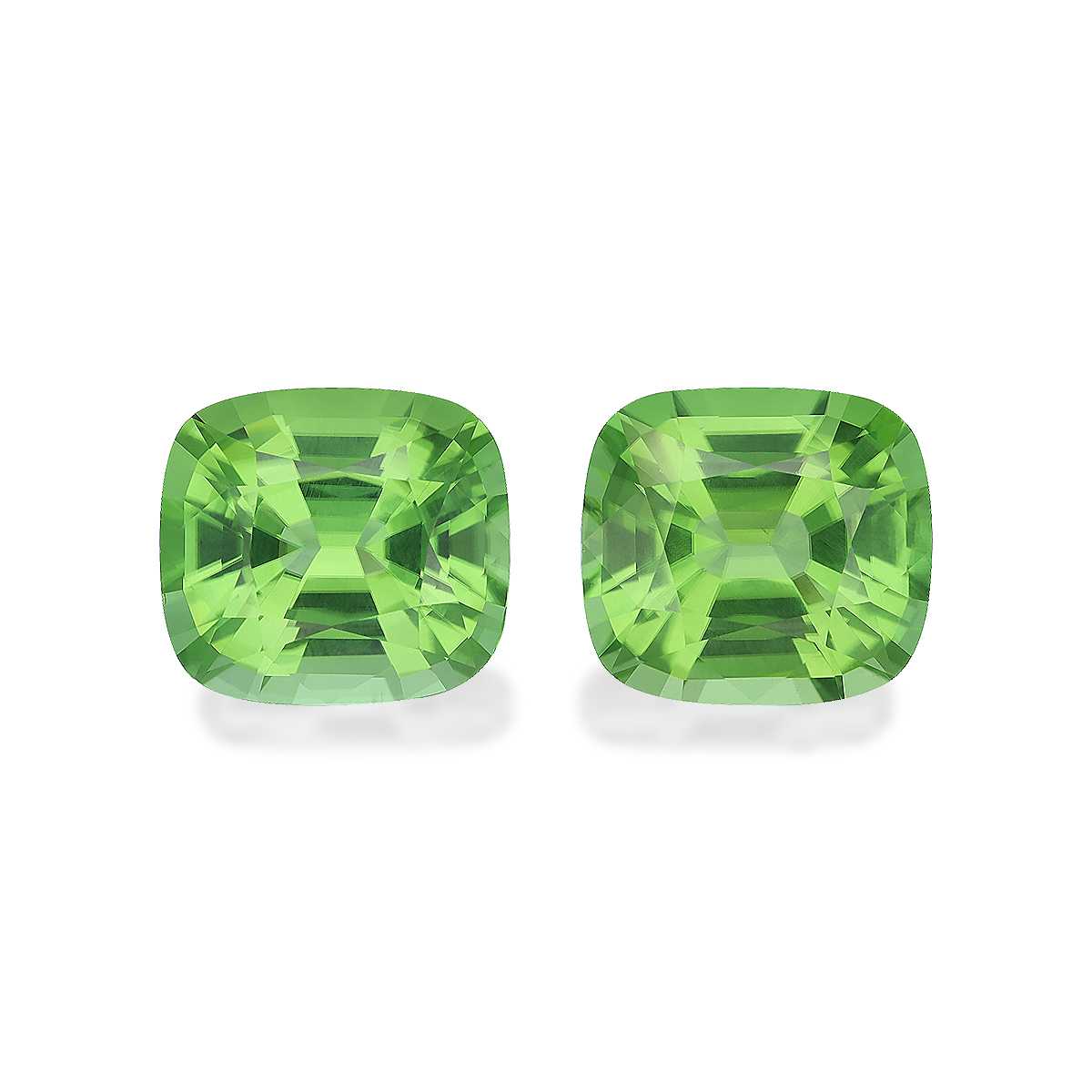
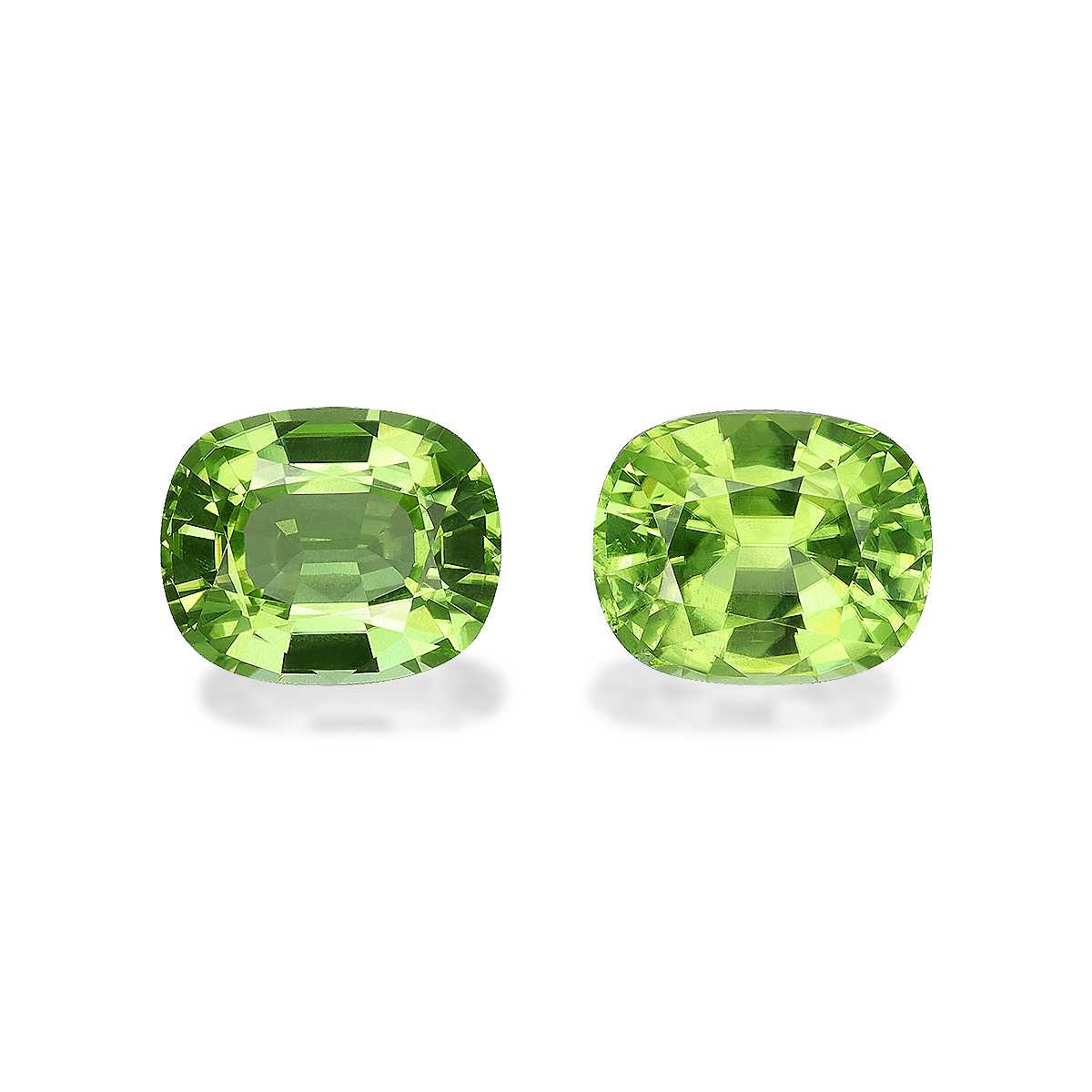
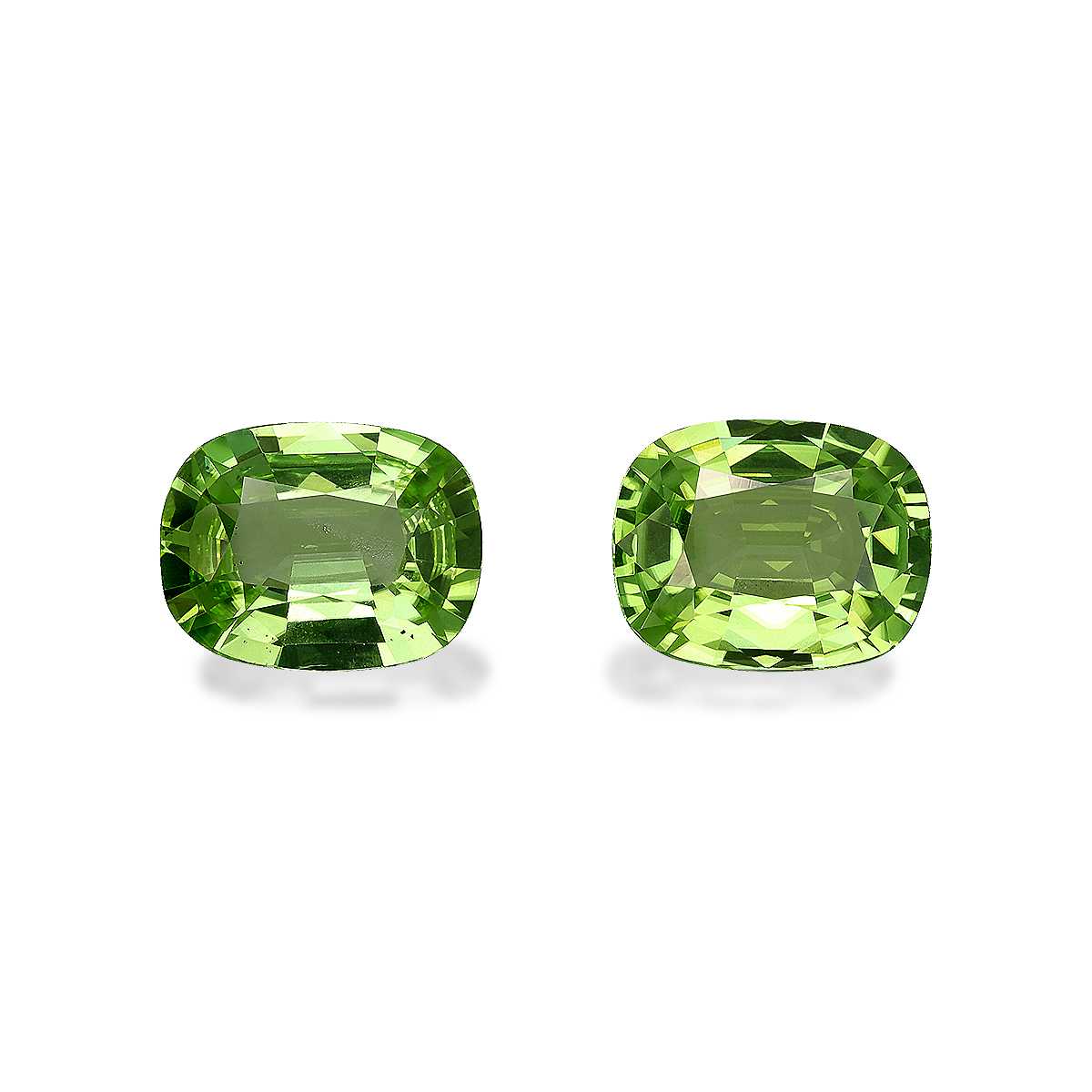
Peridot has a refractive index of 1.654 to 1.689, and the gap between those two figures is unusually wide. That birefringence causes visible doubling of the back facets in larger stones — a normal, diagnostic effect that a skilled cutter manages by careful orientation.
Poorly cut peridot is common because rough is often cut for weight retention rather than beauty. Look for even light return across the whole face, a closed centre rather than a transparent window, and symmetry that holds when you rotate the stone.
Step cuts — emerald cuts and elongated octagons — suit peridot particularly well, giving broad flashes of clean colour. Brilliant cuts can work but demand tighter proportions to avoid a washed-out centre.
How to choose peridot by price
Four factors set the price, roughly in this order: intensity of colour, clarity, size, and cut quality. Colour outranks everything; a vivid stone with minor visible inclusions will outprice a pale, clean one of the same weight.
Size acts as a multiplier rather than a simple addition. Fine material becomes scarce as carat weight climbs, so per-carat figures step up at each size bracket instead of rising smoothly.
Origin plays a smaller role in peridot than in ruby or sapphire, though Burmese and Chinese material both reach the market and are worth asking about. Buy the individual stone in front of you, not the country name on the invoice.
Peridot price guide
Peridot price guide (per carat, USD)
Based on 113 peridot in stock, updated October 19, 2026.
Origin, treatment and paperwork
Peridot is sold unheated, which simplifies the disclosure conversation considerably. What it does not simplify is identification, because several materials imitate peridot convincingly: green glass, green cubic zirconia, synthetic spinel and man-made forsterite among them.
A gemmologist separates these in minutes using refractive index and the doubling of back facets. For anything above a modest sum, ask for a report from an independent laboratory such as GIA, AGL, SSEF or Gübelin, which will confirm species and note any treatment.
Be cautious with online listings that show no magnified image and describe the stone only as "natural green gemstone". Vague language is the most reliable warning sign in the trade.
Five checks before you pay
- View it face-up in daylight. Reject brown, grey or olive casts; look for vivid, saturated green.
- Check for a window. Hold the stone over printed text — if you can read through the centre, the pavilion is too shallow.
- Assess inclusions at arm's length, then loupe them. Surface-reaching feathers are the ones that matter.
- Confirm identity. Ask directly whether the seller has tested refractive index, or request a laboratory report.
- Match the setting to the hardness. Peridot is 6.5 to 7 on the Mohs scale, so bezels and protected settings suit daily wear better than exposed claws.
A note on wear
That hardness figure is the single most practical thing to know before committing. Peridot is well suited to earrings, pendants and occasional-wear rings, and less suited to a ring worn every day without protection.
Clean it with lukewarm soapy water and a soft brush. Avoid ultrasonic and steam cleaners entirely — thermal shock and vibration both exploit the feathers that peridot almost always contains.
Buy the stone that looks right to your eye before you buy the specification sheet. A vivid, well-cut peridot with a few honest inclusions will outperform a clean, pale one every time it catches the light.
Frequently asked questions
What colour peridot is the most valuable?+
A vivid, strongly saturated green with only a slight yellow secondary hue commands the highest prices. Brown, grey or olive undertones lower value noticeably, and paler stones are generally worth far less per carat.
Is peridot treated or heated?+
Peridot is sold unheated; its green comes from iron that is part of the olivine structure itself. The practical concern for buyers is not treatment but imitation, since glass and man-made lookalikes are sometimes offered as peridot.
Are inclusions in peridot a problem?+
Tiny black chromite crystals, feather-like fractures and fluid inclusions with gas bubbles are normal in peridot and can help confirm natural origin. They only reduce value when visible to the unaided eye face-up, or when a feather reaches the surface.
Where does peridot come from?+
Burma and China are both established sources of peridot on the market today. Origin influences price far less than it does for ruby or sapphire, so judge the individual stone's colour, clarity and cut first.
Is peridot hard enough for an engagement ring?+
Peridot is 6.5 to 7 on the Mohs scale, which is softer than sapphire or ruby and vulnerable to abrasion with daily wear. It works well in a protective bezel or in earrings and pendants, but is not the most practical choice for a ring worn every day.
How can I tell real peridot from an imitation?+
Refractive index is decisive: peridot reads 1.654 to 1.689, and its strong double refraction produces visible doubling of the back facets under magnification. For any significant purchase, request a report from an independent laboratory such as GIA, AGL, SSEF or Gübelin.
From our Journal
Buying guides, origin stories, and notes from the trade.