Upper-Arm Bangles Trend: Buyer's Guide
The upper-arm bangles trend rewards buyers who judge fit and construction before ornament: an armlet that slides down, pinches, or springs open is worthless no matter how fine the stones are. Buy to a measured upper-arm circumference taken at rest, in a metal stiff enough to hold its shape, and reserve soft or cleavage-prone gems for pieces you wear occasionally rather than daily. Price is driven, in order, by metal weight and karatage, the quality of the hinge or spring, and the calibre of the stones set into it.
Almost every disappointment with an armlet traces back to one of those three. The sections below explain how to assess each before you commit.
Reading the upper-arm bangles trend
The form is old. Keyura and vanki in South Asia, armillae in Rome, and rigid gold bands in dynastic Egypt all sat above the elbow, where the jewel is seen in profile rather than flat against a table.
Its return to bridal and evening wear has outpaced the supply of properly made pieces. A great deal of what is marketed under the upper-arm bangles trend is a wrist bangle enlarged, with no change to gauge, spring temper, or interior curvature.
That matters because the upper arm is a tapered, muscular cone, not a cylinder. A design that ignores the taper will migrate downward within an hour of wear.
Anatomy of a well-made armlet
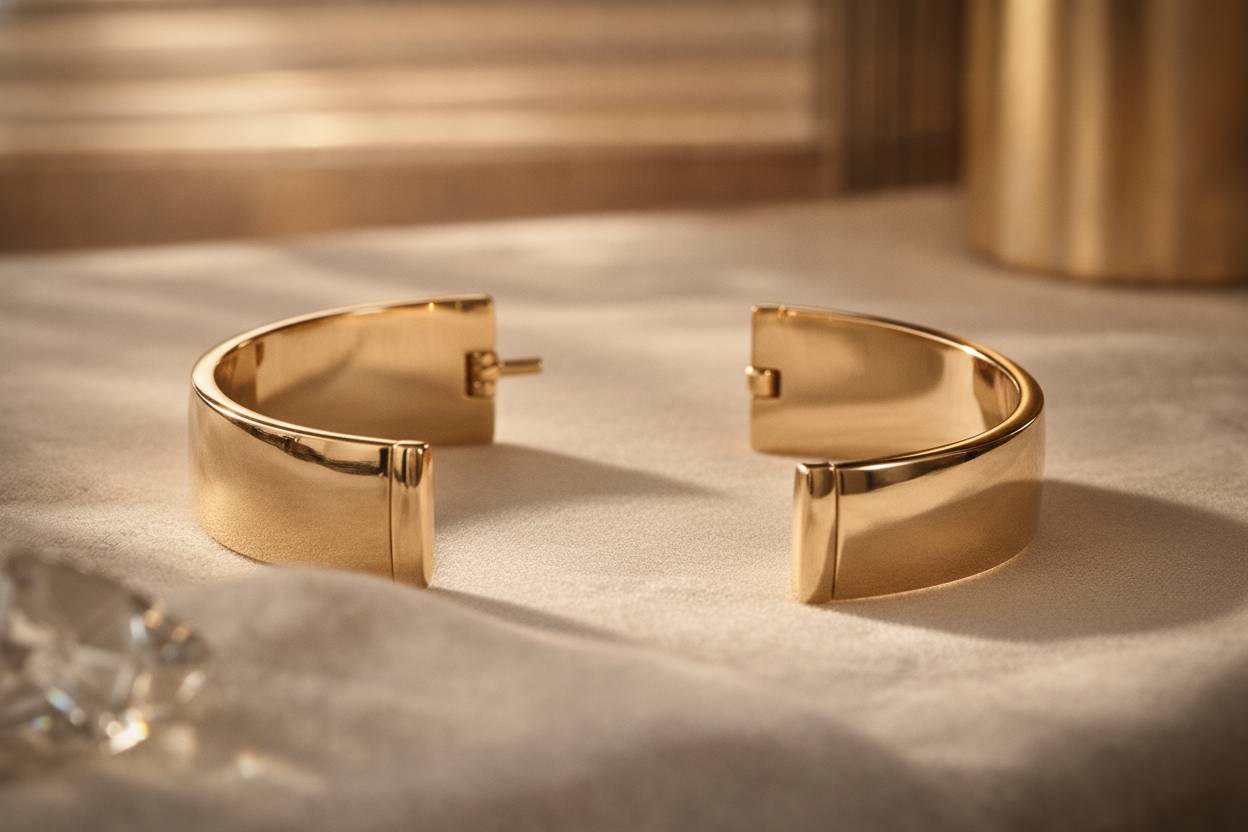
There are four working constructions, and each behaves differently on the body.
- Rigid open cuff (torque): holds by spring tension across an opening. Requires correct temper — too soft and it opens permanently, too hard and it cannot be adjusted.
- Hinged with clasp: the most secure, and the most dependent on engineering. Look for a tapered hinge pin, a tongue-and-box catch, and a safety figure-eight.
- Coiled spiral: the most forgiving of fit change, since it grips over several turns.
- Flexible band or mesh with slider: comfortable, but the slider must hold under its own weight without creeping.
Check the interior, not the front. A quality armlet is polished inside, with no solder porosity, no sharp edge along the rim, and no bezel points that bite the skin.
Metal choice
Higher-karat gold is softer and will deform under spring tension more readily than 18 karat. For a rigid cuff, 18 karat or a well-tempered alloy holds its geometry longer; 22 karat works better in heavy-gauge hinged or spiral forms where the metal is not asked to flex.
Fit: the single biggest variable
Measure the arm at the point where the piece will sit — typically two to three finger-widths above the elbow crease, below the deltoid. Take the measurement relaxed, then again with the muscle engaged, and note both.
The armlet must be close enough to grip the relaxed arm without indenting the flexed one. That gap between the two numbers is the tolerance the design has to work within.
Arm circumference is not stable across a year, or even a day. Ask before purchase whether the piece can be re-tensioned, re-sized, or fitted with an interior silicone grip, and whether the maker will do it after the sale.
Gemstones that survive the arm
An armlet is struck more often than a pendant and knocked differently from a ring — against door frames, chair backs, and the opposite arm. Hardness resists scratching; toughness resists chipping and breaking, and the two are independent.
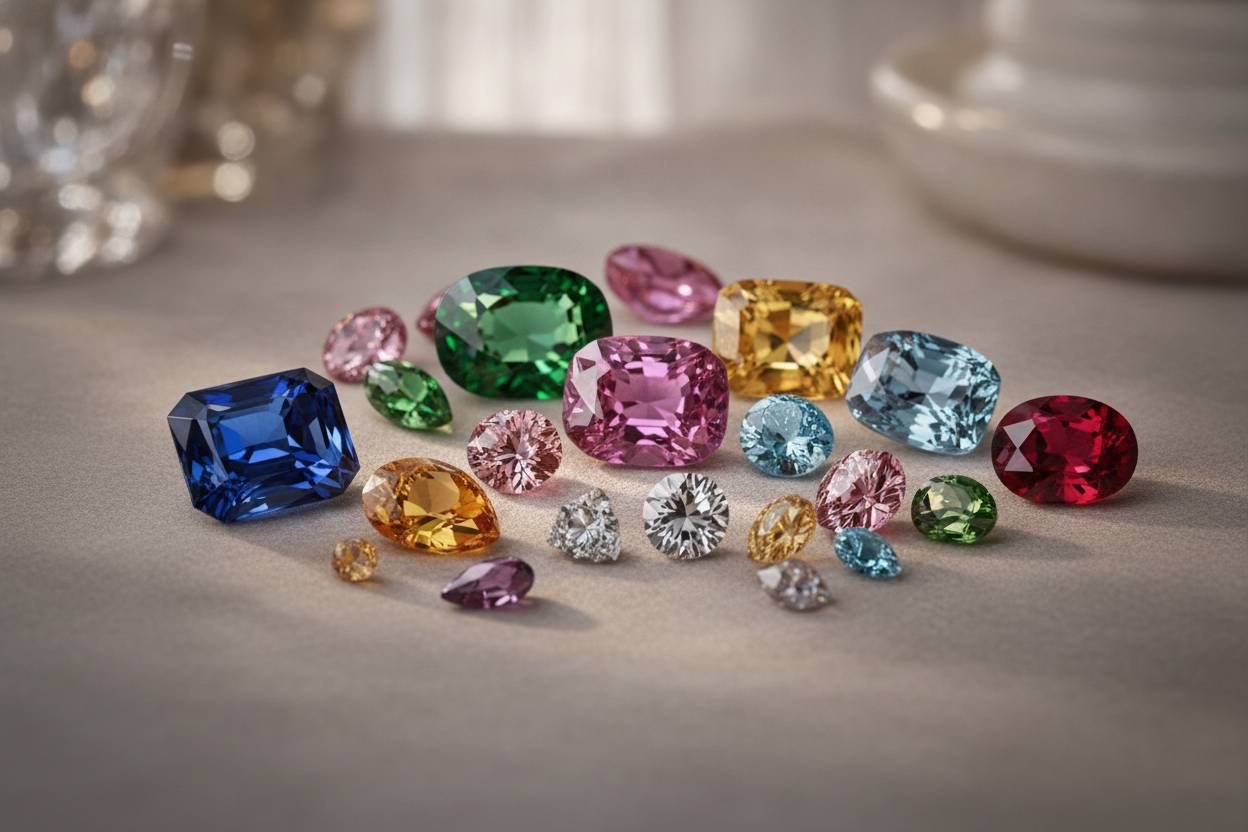
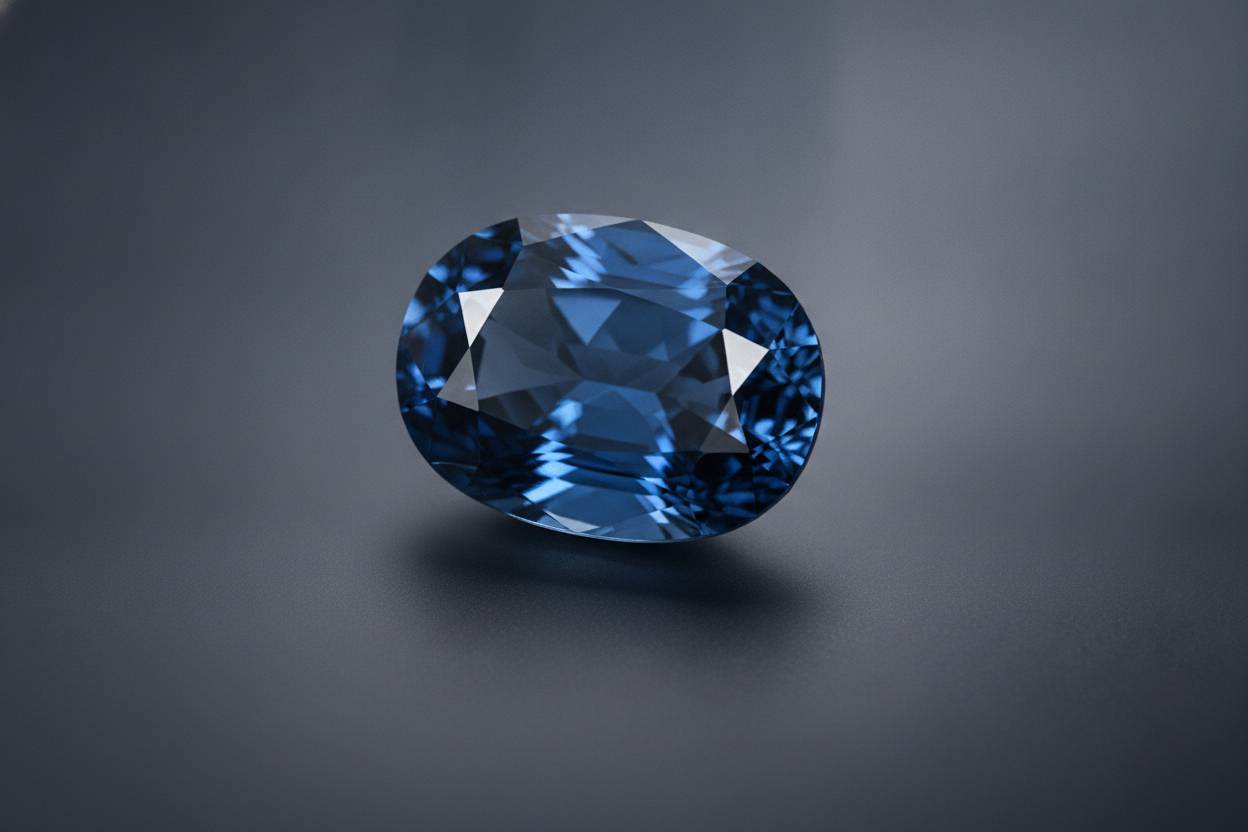
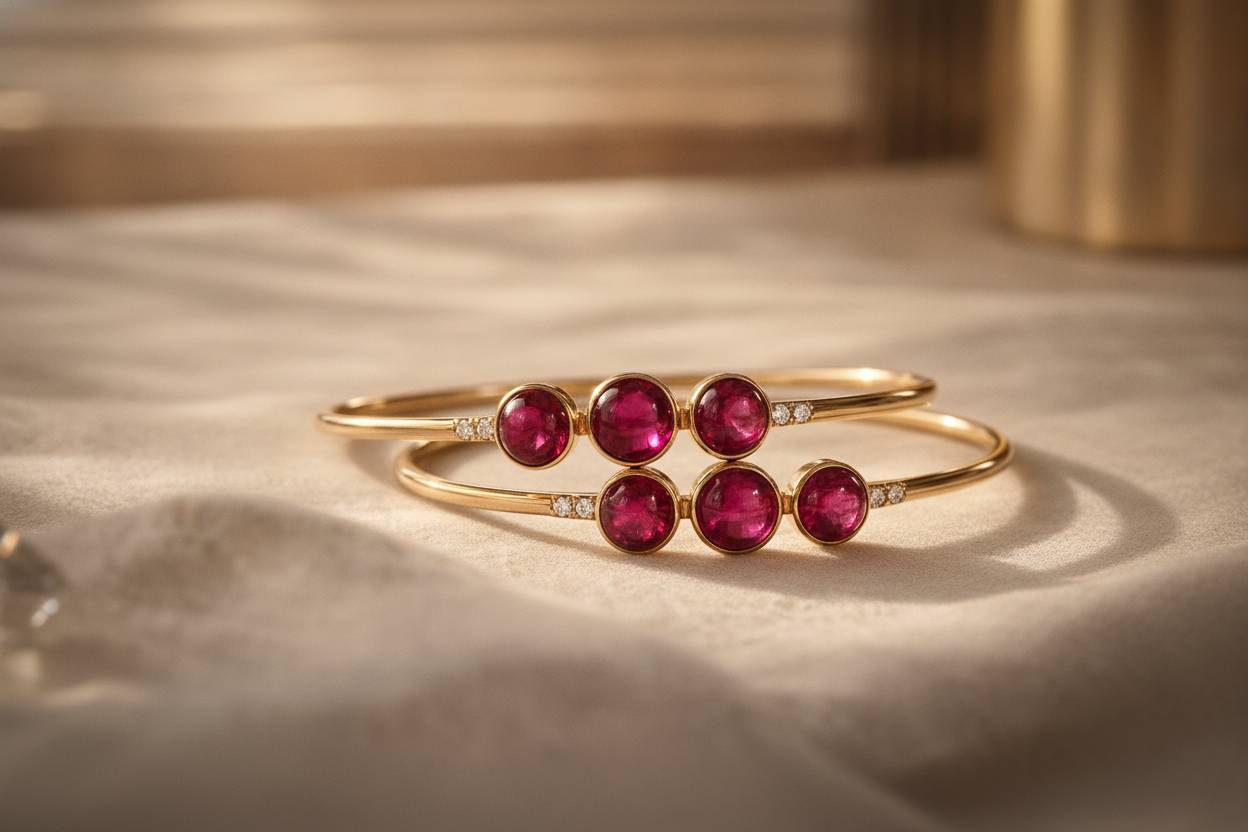
- Sapphire and ruby (corundum, Mohs 9) are the most reliable choice for a piece worn regularly, and take flush or bezel setting well.
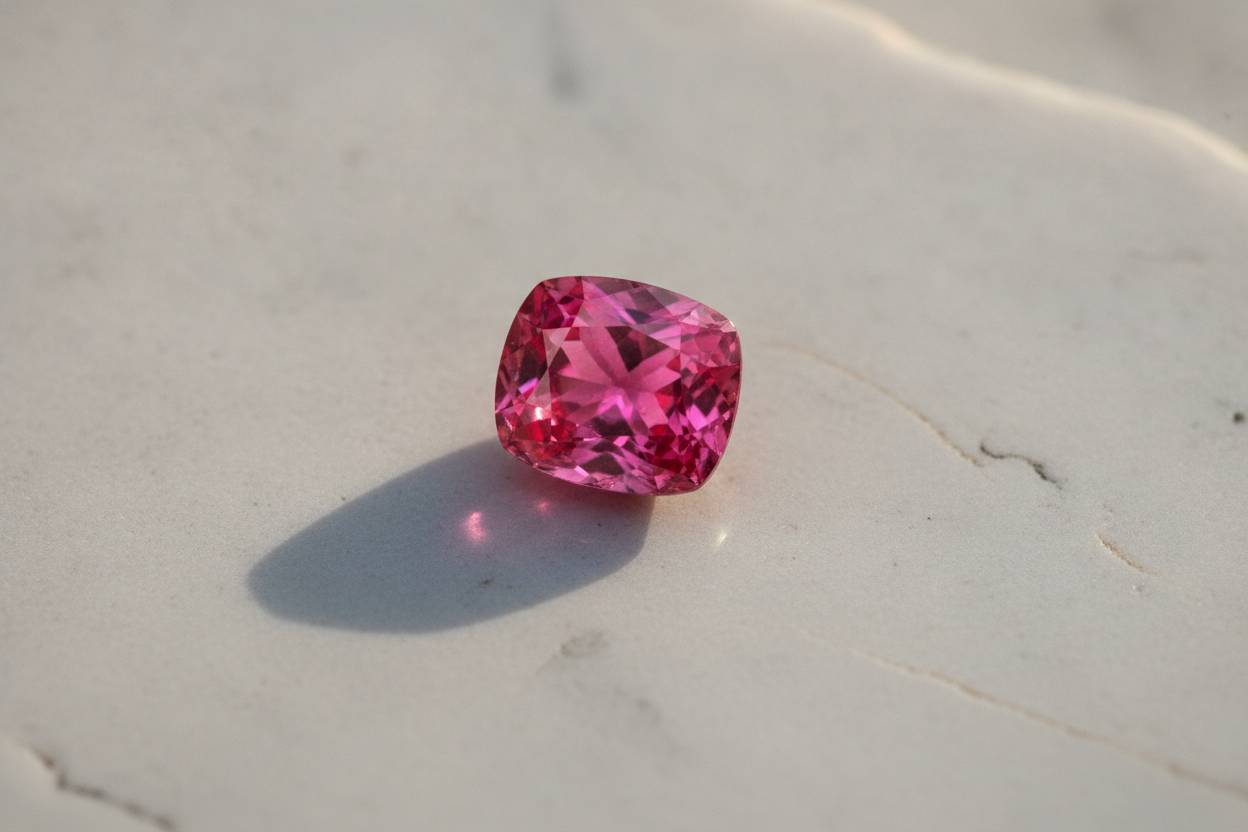
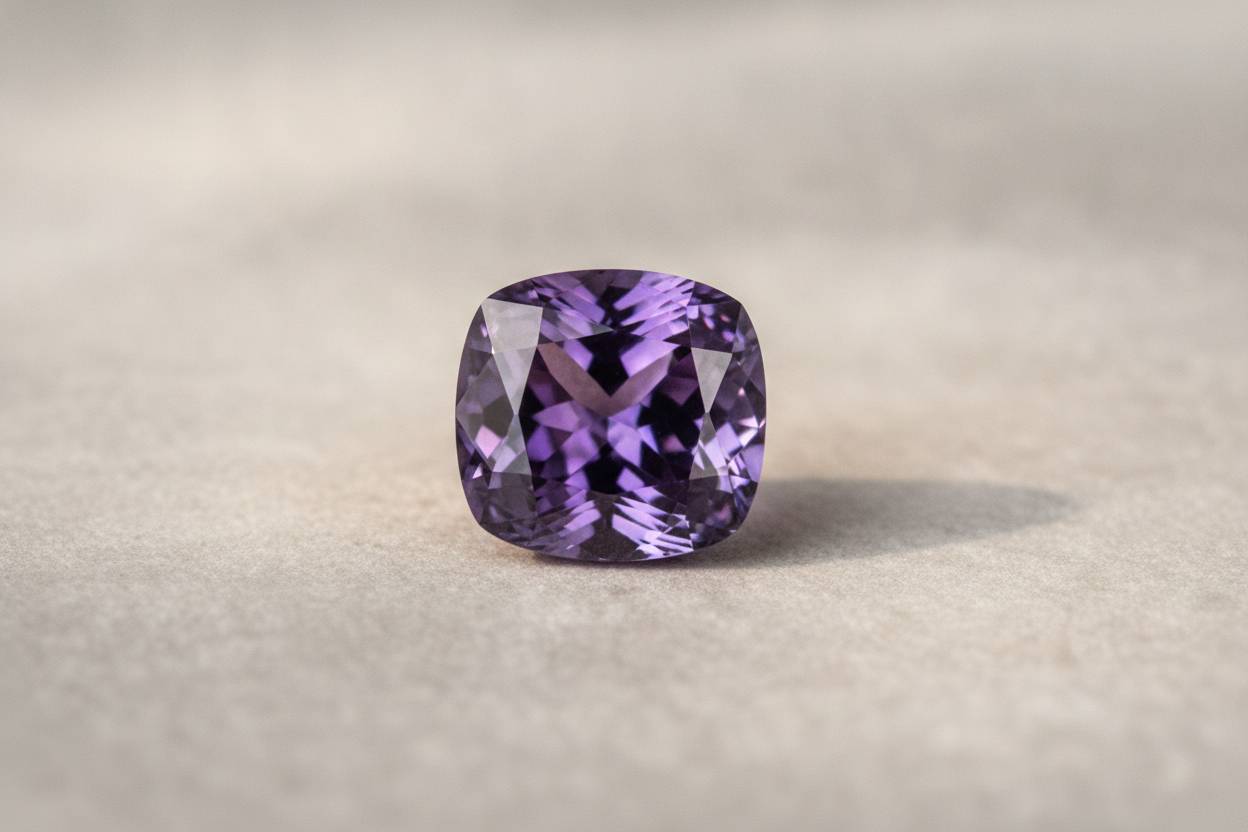
- Spinel (Mohs 8) is durable, singly refractive, and unheated in most of the trade.
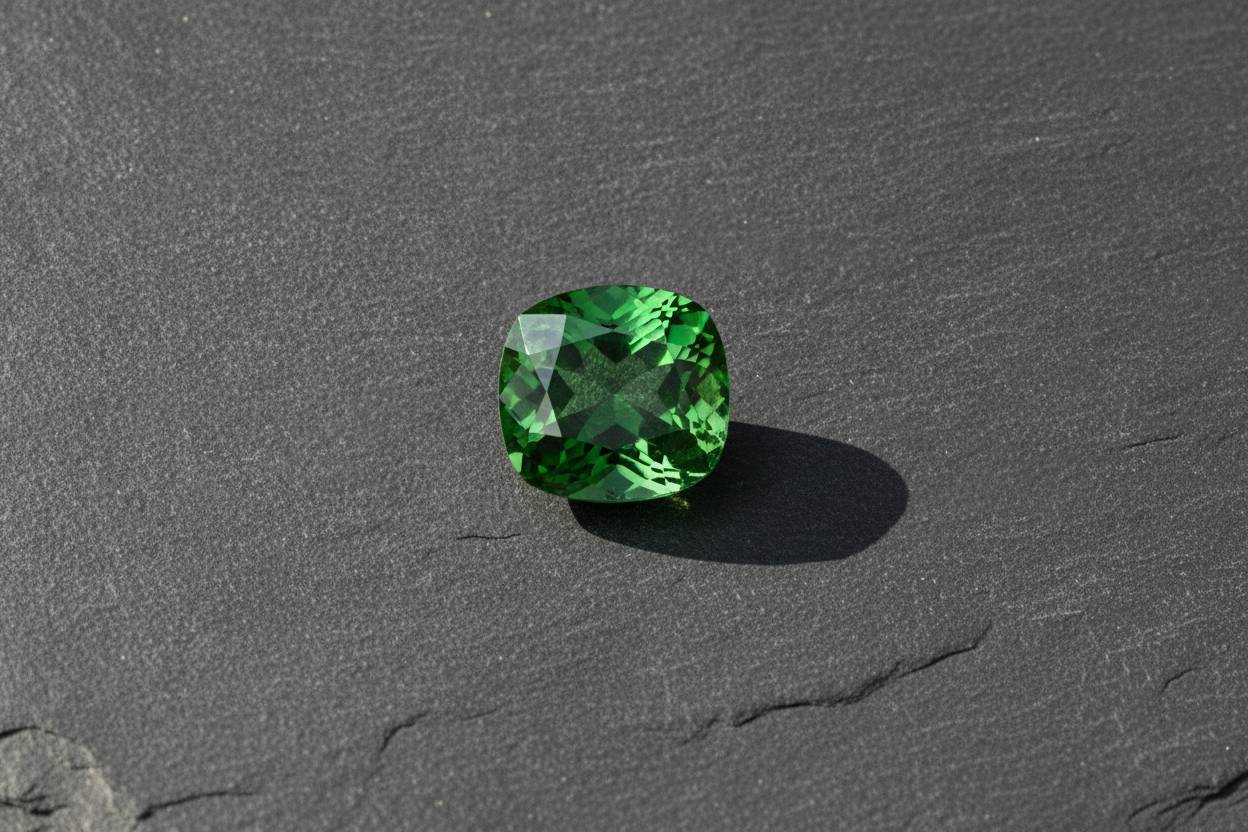
- Tourmaline (Mohs 7–7.5) is serviceable in protective settings.
- Emerald (Mohs 7.5–8) is hard but fissure-prone and usually filled; it belongs in an occasional-wear piece with a rub-over bezel.
- Moonstone and opal are lower on the scale — moonstone has perfect cleavage, opal is sensitive to knocks and sudden temperature change. Beautiful, but not for an everyday armlet.
Setting style does as much work as species. Bezel and flush settings protect girdles; tall claws on an upper arm will catch on fabric and eventually splay.
Where buyers go wrong
The most common error is buying by eye from a photograph, with no measurement and no stated inside circumference. The second is assuming a gem report covers the piece — a laboratory report from GIA, SSEF, Gübelin, or GRS describes the stone only, never the quality of the mounting it sits in.
Other recurring mistakes:
- Judging value by visual mass. Hollow or plated forms look identical in images to solid ones; ask for gross metal weight in grams.
- Ignoring sleeve reality. Test the piece against the clothing you actually wear, since a wide cuff under a fitted sleeve is uncomfortable within minutes.
- Over-buying weight. A heavy armlet with no spring tension will travel down the arm regardless of its inside diameter.
- Accepting no adjustment policy. Any serious maker expects to re-tension an armlet at least once.
Finally, treat unusually low prices on stone-set armlets as an invitation to ask which stones, which treatments, and which lab. Colour-change and unheated claims warrant a report; calibrated melee usually does not.
Buy the mechanism and the fit first. A correctly tempered, correctly measured armlet in a hard gem species will still be wearable in twenty years — which is the only honest test of whether a trend was worth buying into.
Frequently asked questions
How do I measure my arm for an upper-arm bangle?+
Measure the circumference at the point the piece will sit — usually two to three finger-widths above the elbow crease — with the arm relaxed, then again with the muscle flexed. Give the maker both numbers, since the piece must grip the relaxed arm without pinching the flexed one.
Why does my armlet keep sliding down?+
Almost always a combination of insufficient spring tension and weight. Rigid cuffs lose temper over time and need re-tensioning, while heavy hinged pieces with a straight inner profile ignore the natural taper of the upper arm.
Which gemstones are best for an armlet worn often?+
Sapphire and ruby (Mohs 9) and spinel (Mohs 8) handle the knocks an upper arm takes. Emerald, opal, and moonstone are better reserved for occasional wear, and all stones benefit from bezel or flush setting rather than tall claws.
Is 18 karat or 22 karat gold better for an upper-arm bangle?+
For a rigid open cuff that holds by spring tension, 18 karat retains its shape better because the alloy is harder. Higher-karat gold suits heavy-gauge hinged or spiral designs where the metal is not repeatedly flexed.
Can an upper-arm bangle be resized later?+
Rigid cuffs can usually be re-tensioned and spiral forms adjust themselves; hinged pieces are the hardest to alter because the hinge and catch fix the diameter. Confirm the maker's adjustment policy before you buy.
Does a gemstone certificate cover the armlet itself?+
No. A report from a laboratory such as GIA, SSEF, Gübelin, or GRS identifies and describes the stone and any treatments. Metal weight, karatage, and the quality of the hinge or clasp must be verified separately with the seller.
From our Journal
Buying guides, origin stories, and notes from the trade.