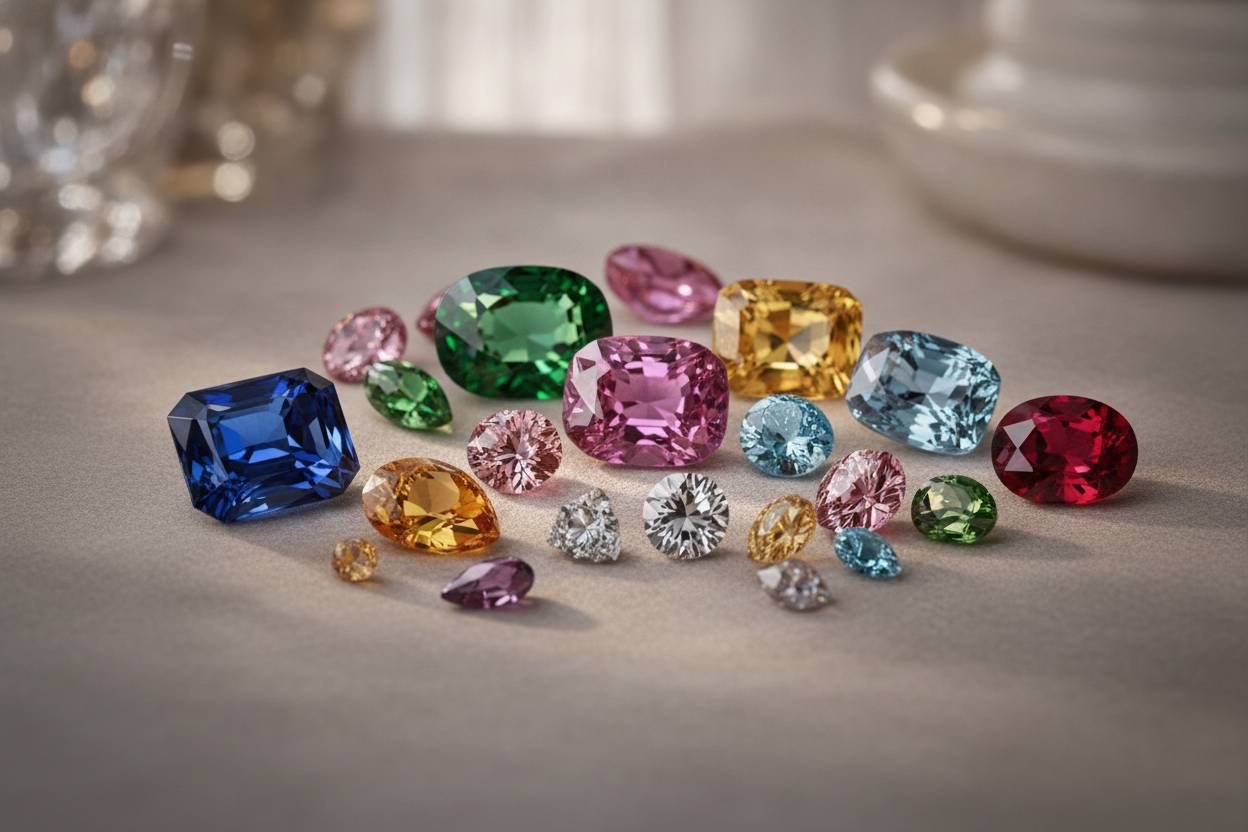
The Colorful Gemstones Trend: A Buyer's Guide
The colorful gemstones trend in high jewellery rewards buyers who judge each species on its own terms rather than borrowing sapphire's grading habits wholesale. Price is driven mainly by colour saturation and the rarity of that colour within its species, then adjusted sharply by treatment status and durability. The most common and most expensive mistake is paying a rare-colour premium for a stone that is neither rare nor untreated.
What follows is a working method for buying coloured stones outside the traditional ruby, sapphire and emerald triangle — spinel, tourmaline, garnet, zircon, tanzanite, peridot and the rest.
What is driving the colour shift
Two forces are behind the move. Fine ruby, blue sapphire and emerald in large clean sizes have become difficult to source consistently, which pushed designers toward species that still offer strong colour at accessible sizes.
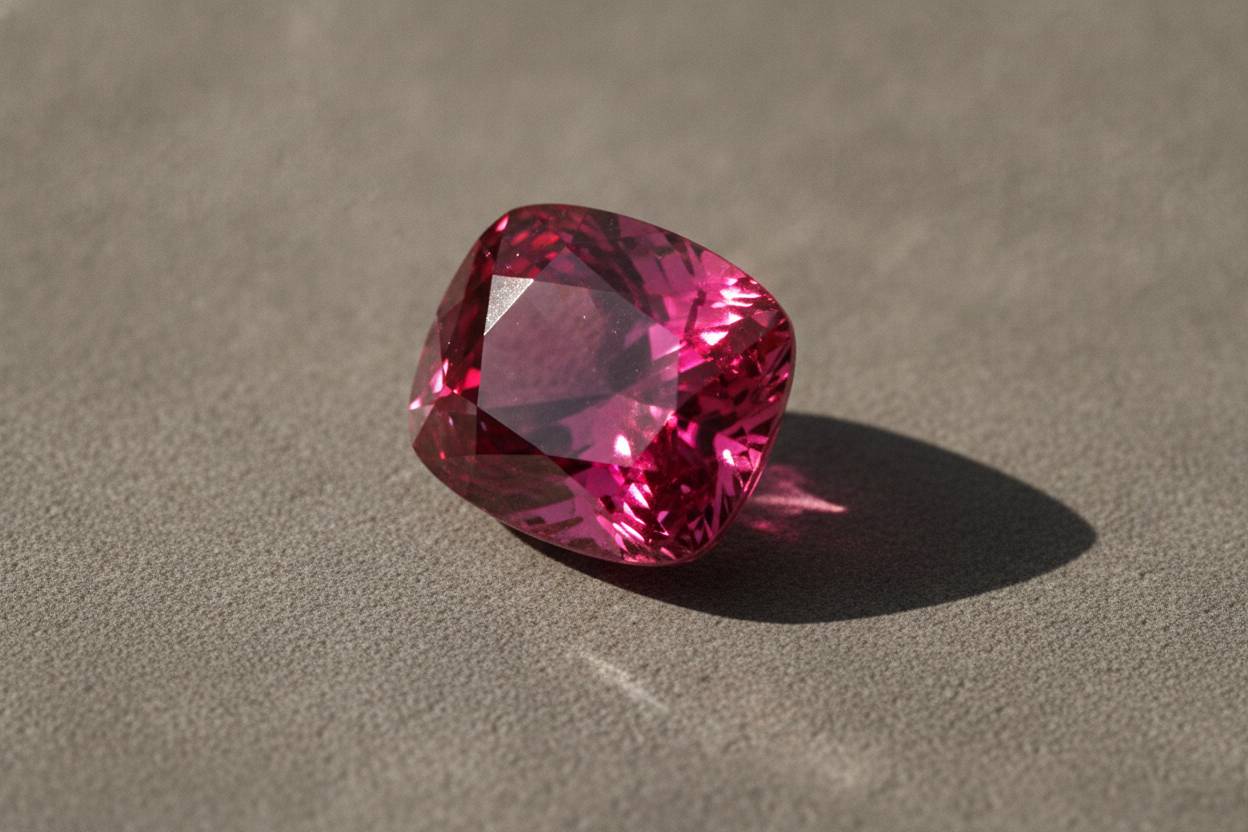
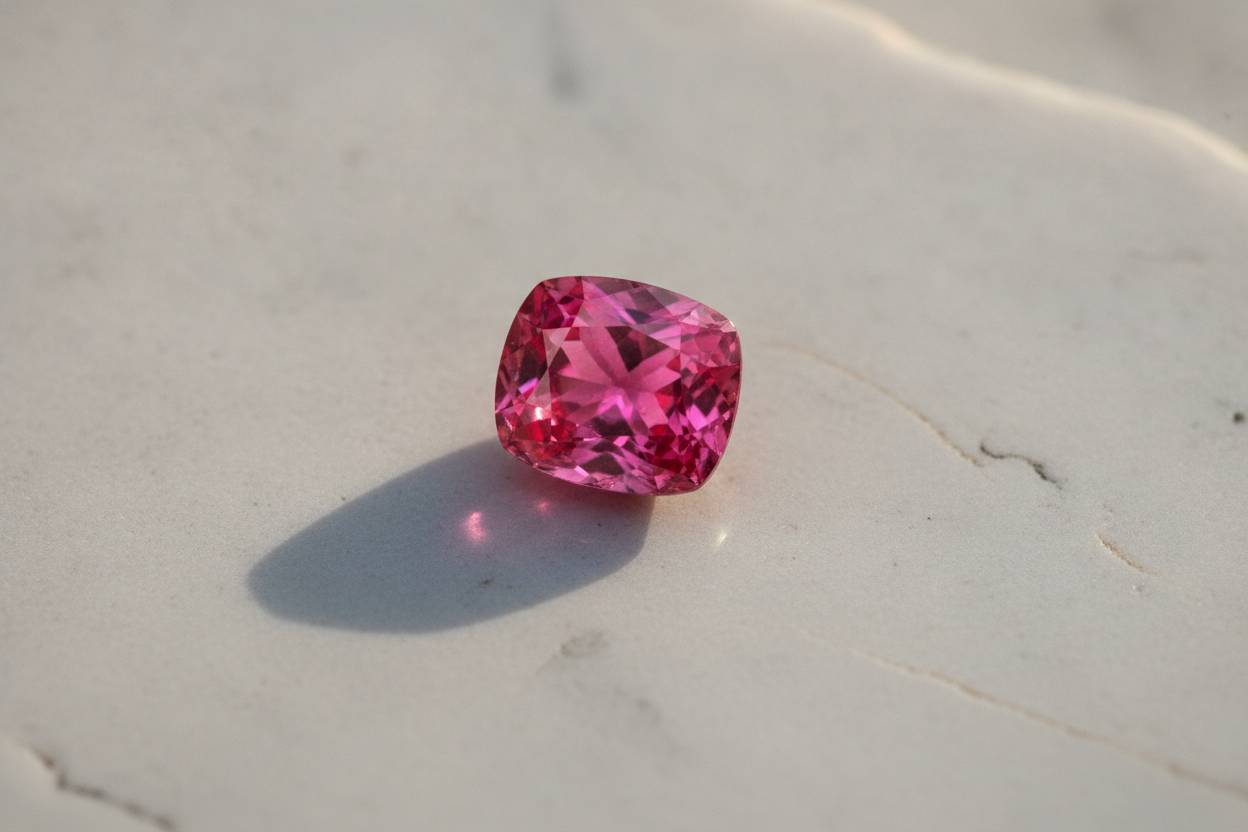
At the same time, buyers began treating colour itself as the object of desire rather than the name on the label. A vivid Mahenge spinel or a neon copper-bearing tourmaline now reads as serious, not as a substitute.
This is healthy for the market, but it removes a safety net. When the stone is unfamiliar, the buyer carries more of the judgement.
Colour quality across species
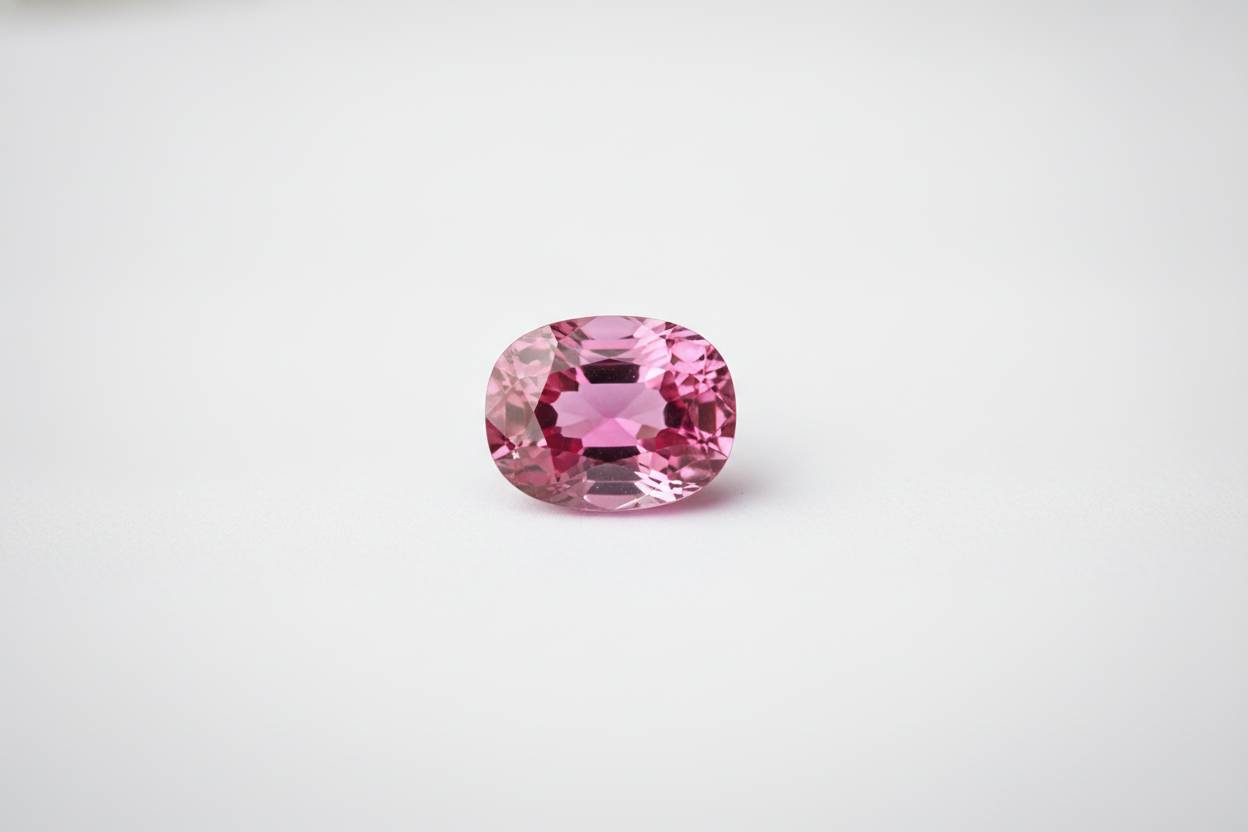
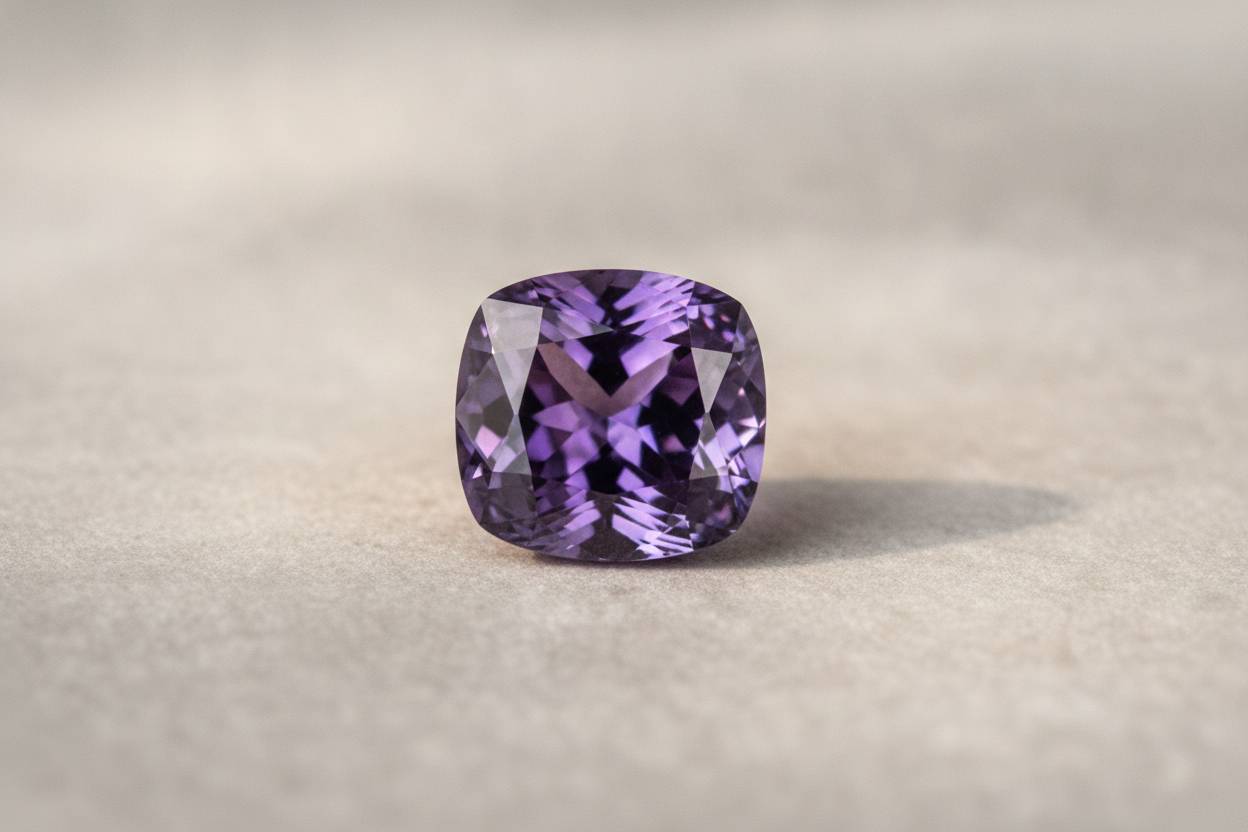
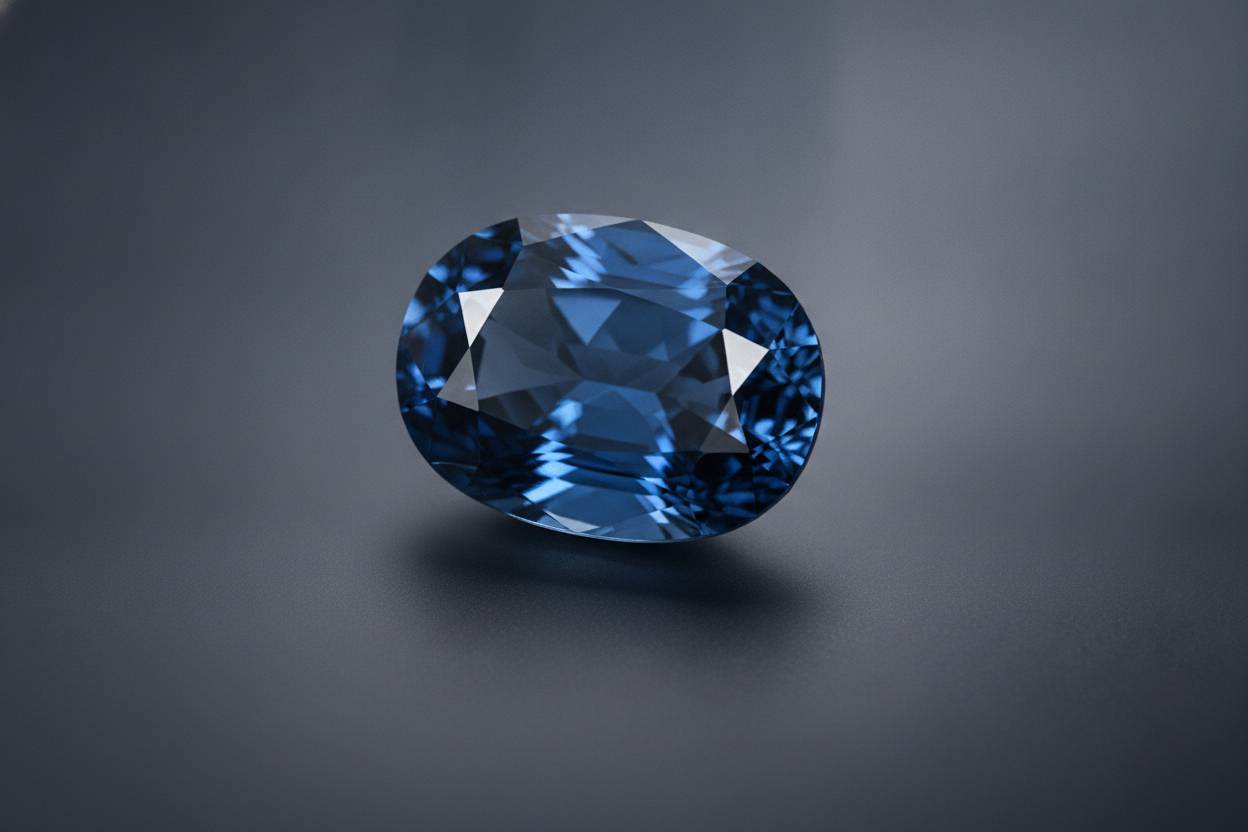
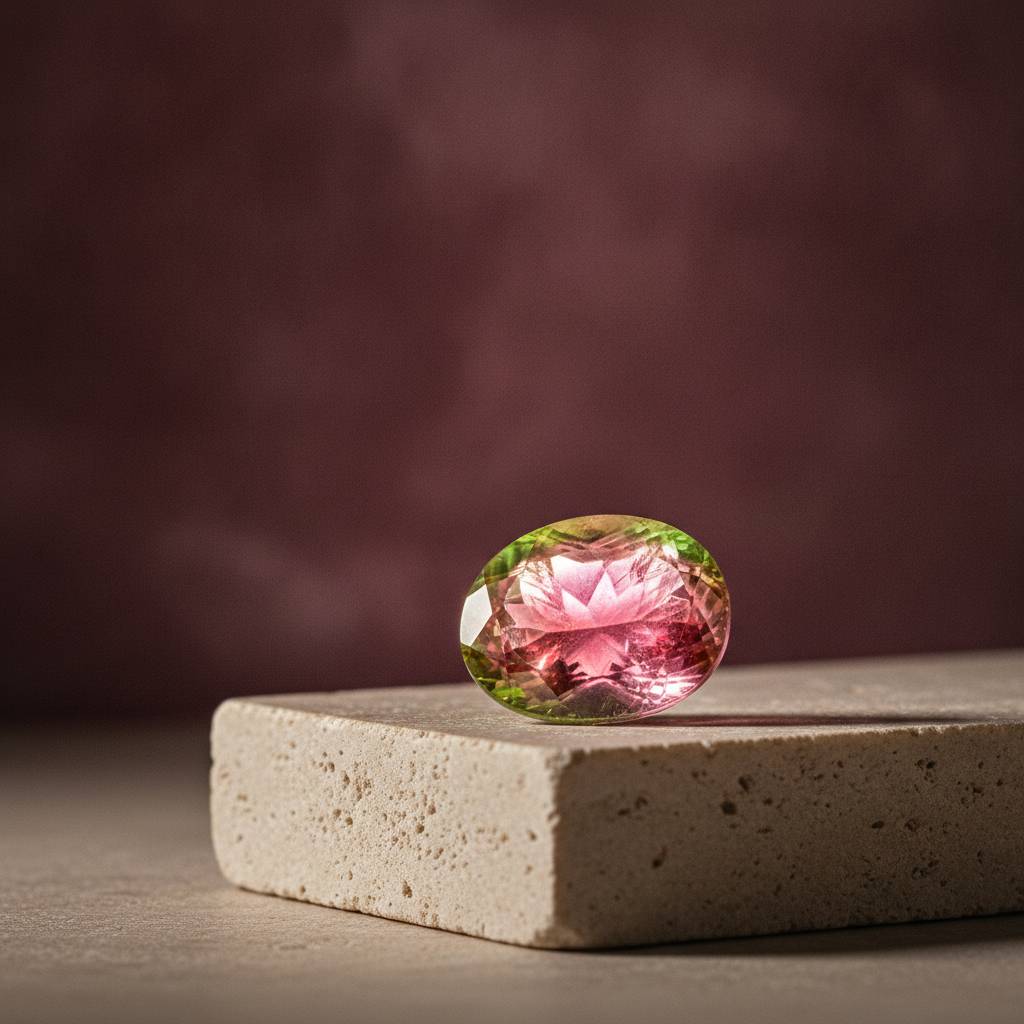
Every species has a colour range, and value clusters where that range is scarcest. In spinel, the hot pinks and true reds sit at the top; in tourmaline, it is the copper-bearing neon blues and greens; in garnet, the pure grass-green of tsavorite and the colour-change varieties.
Judge saturation and tone before anything else. A stone should hold its colour in ordinary indoor light, not only under a spotlight angled from above.
Three habits worth building
- Look at the stone face-up, table towards you, against a neutral grey or white background.
- Rock it gently — extinction (dark zones) that swallows more than a small portion of the face is a cutting fault, not a colour fault.
- Check colour zoning by tilting; banded or patchy colour reduces value even when the face-up look is good.
Windowing — a pale, see-through centre — is the most frequent flaw in coloured stones cut for weight retention. It is visible to anyone who holds the stone over printed text.
Hardness and wearability
Colour is only half the decision. The setting and intended wear should dictate which species is appropriate.
Spinel at roughly 8 on the Mohs scale and sapphire at 9 tolerate daily ring wear well. Tourmaline and the garnet group sit around 7 to 7.5, which is workable but less forgiving of knocks.
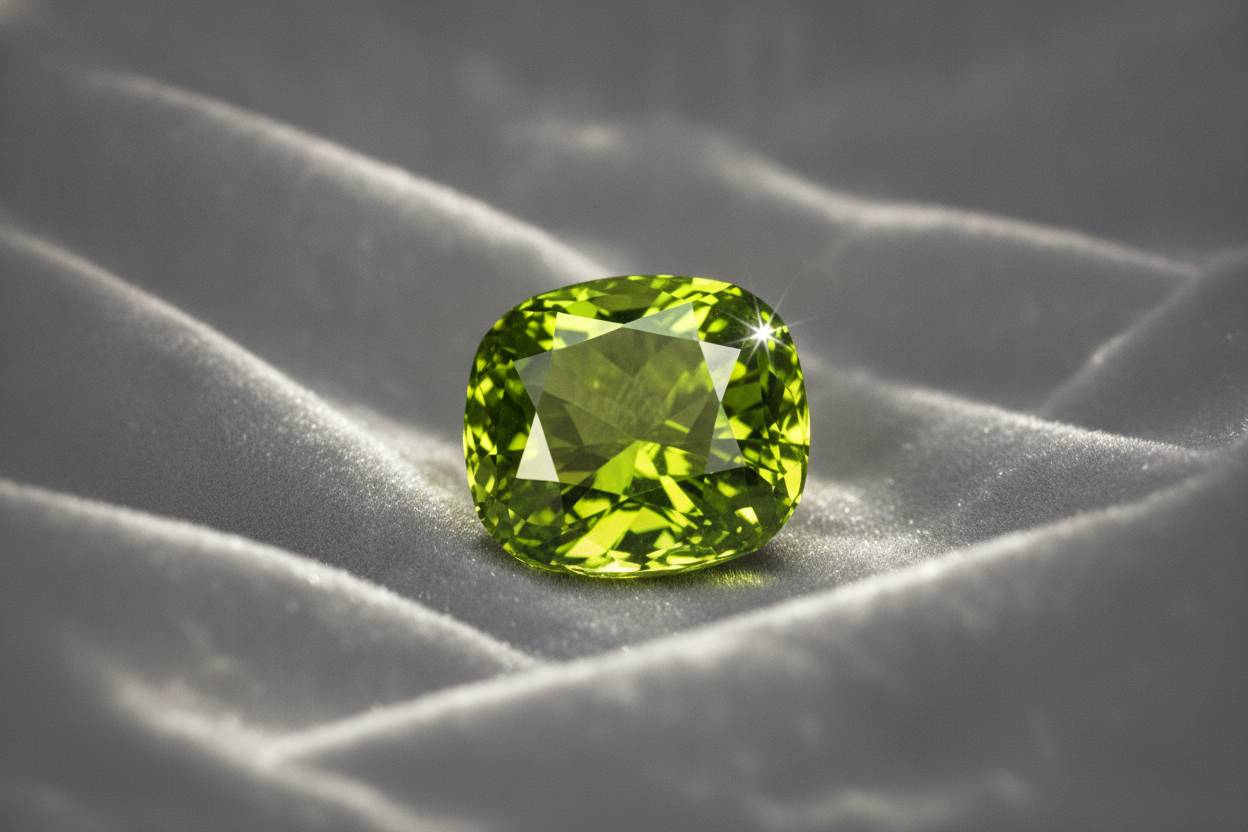
Tanzanite, at about 6 to 7 with a distinct cleavage direction, and peridot at 6.5 to 7 belong in earrings and pendants far more comfortably than in a ring worn every day. Opal, softer again and sensitive to sudden temperature change, needs protective settings.
None of this disqualifies a stone. It simply means a beautiful tanzanite in an exposed solitaire mounting is a design decision you should make knowingly.
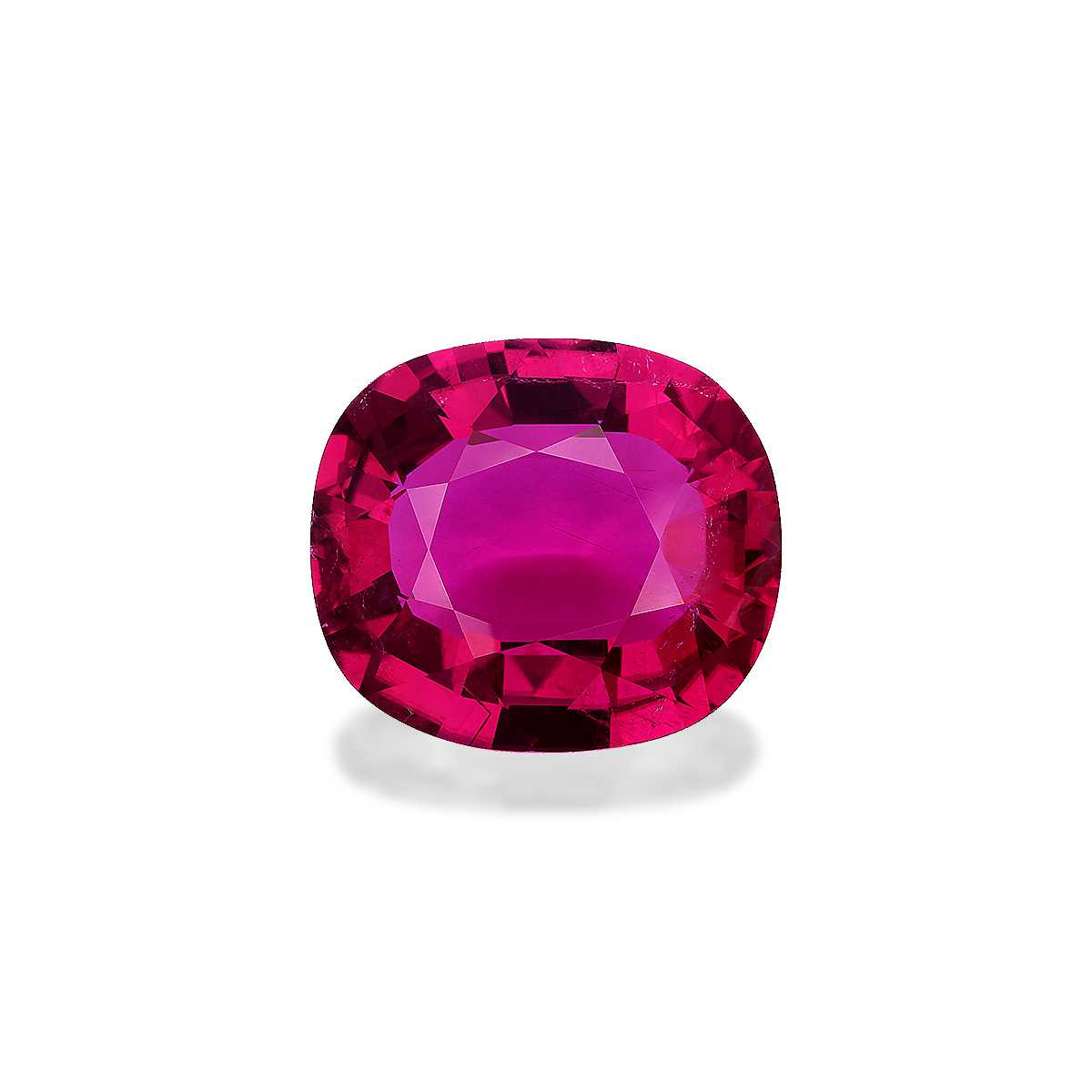
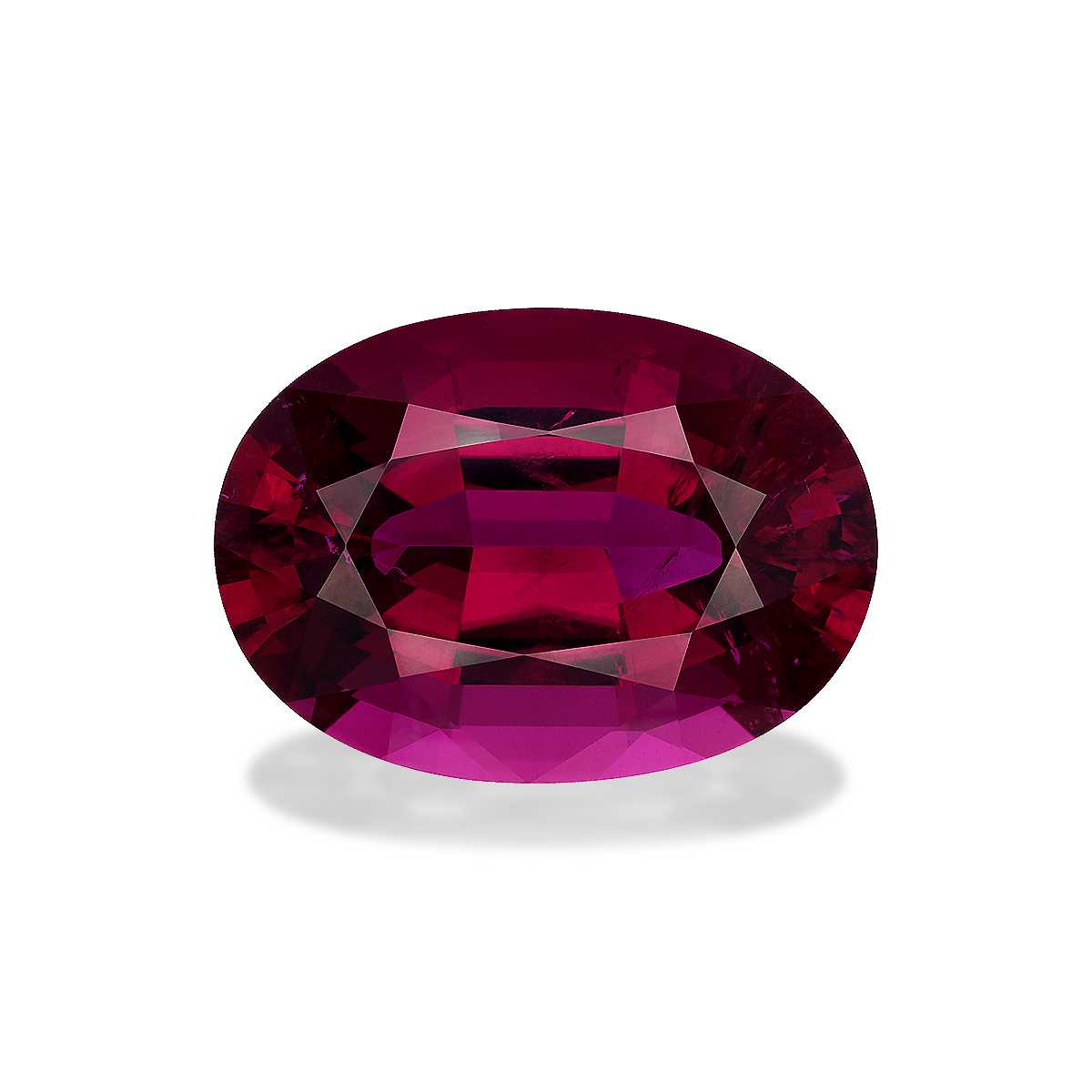
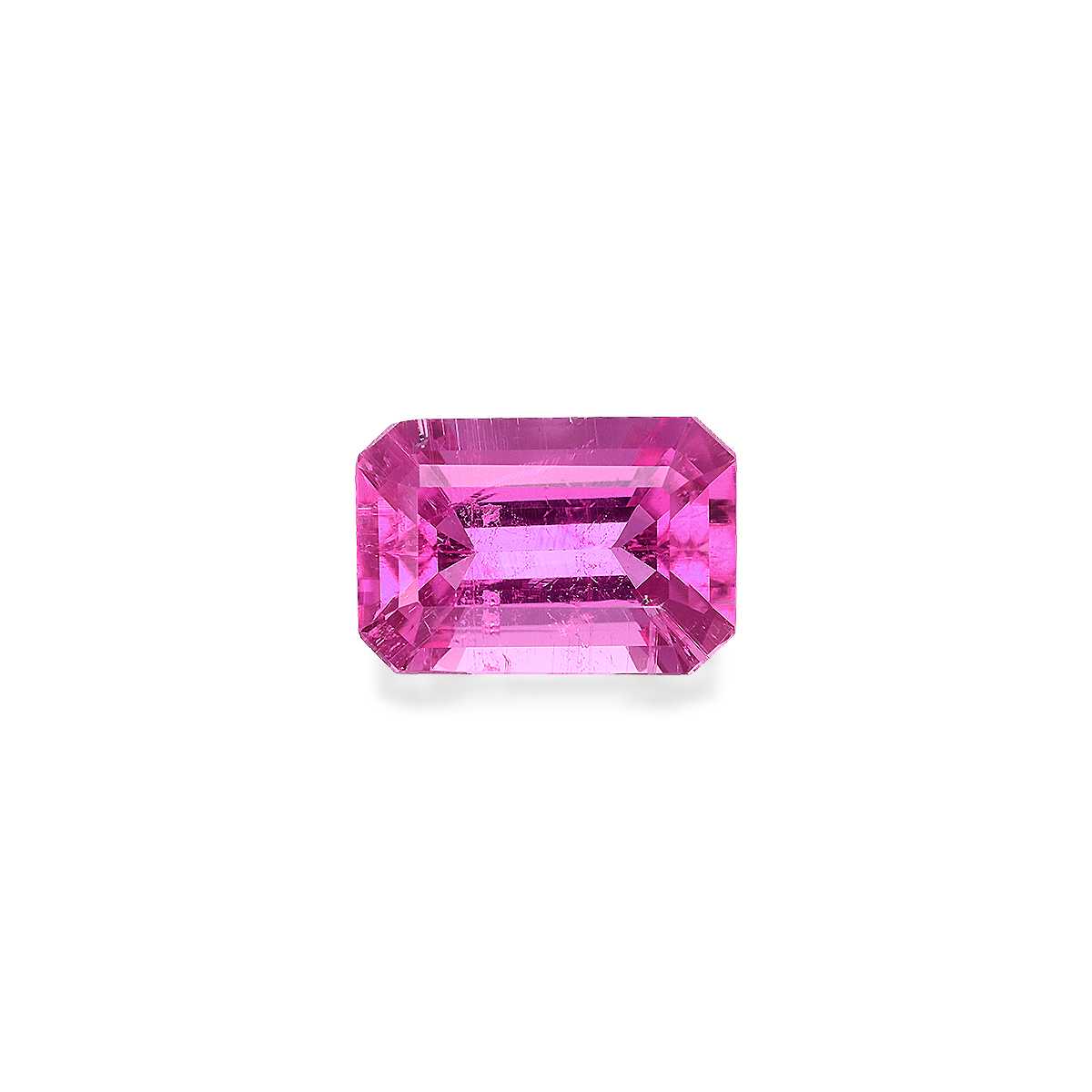
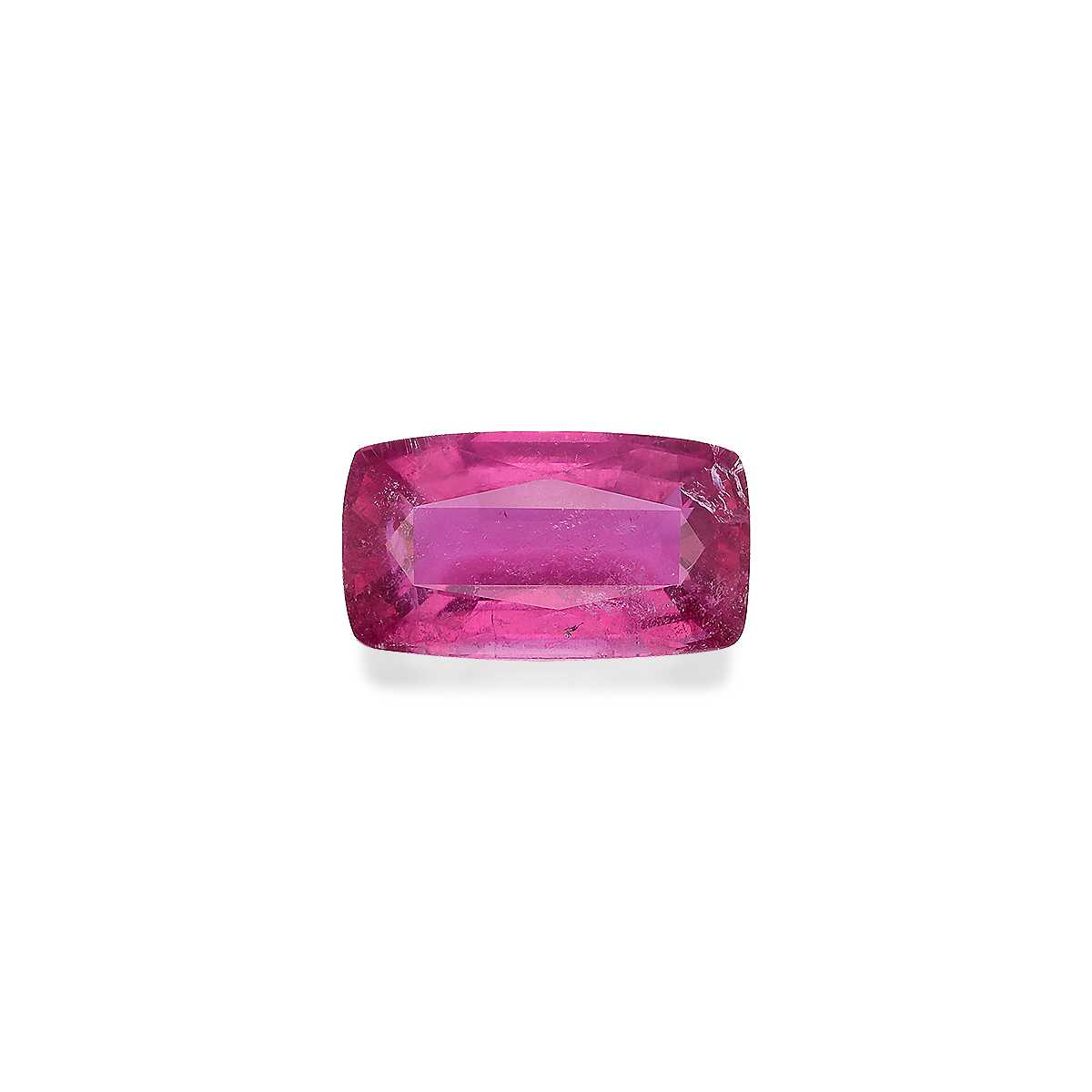
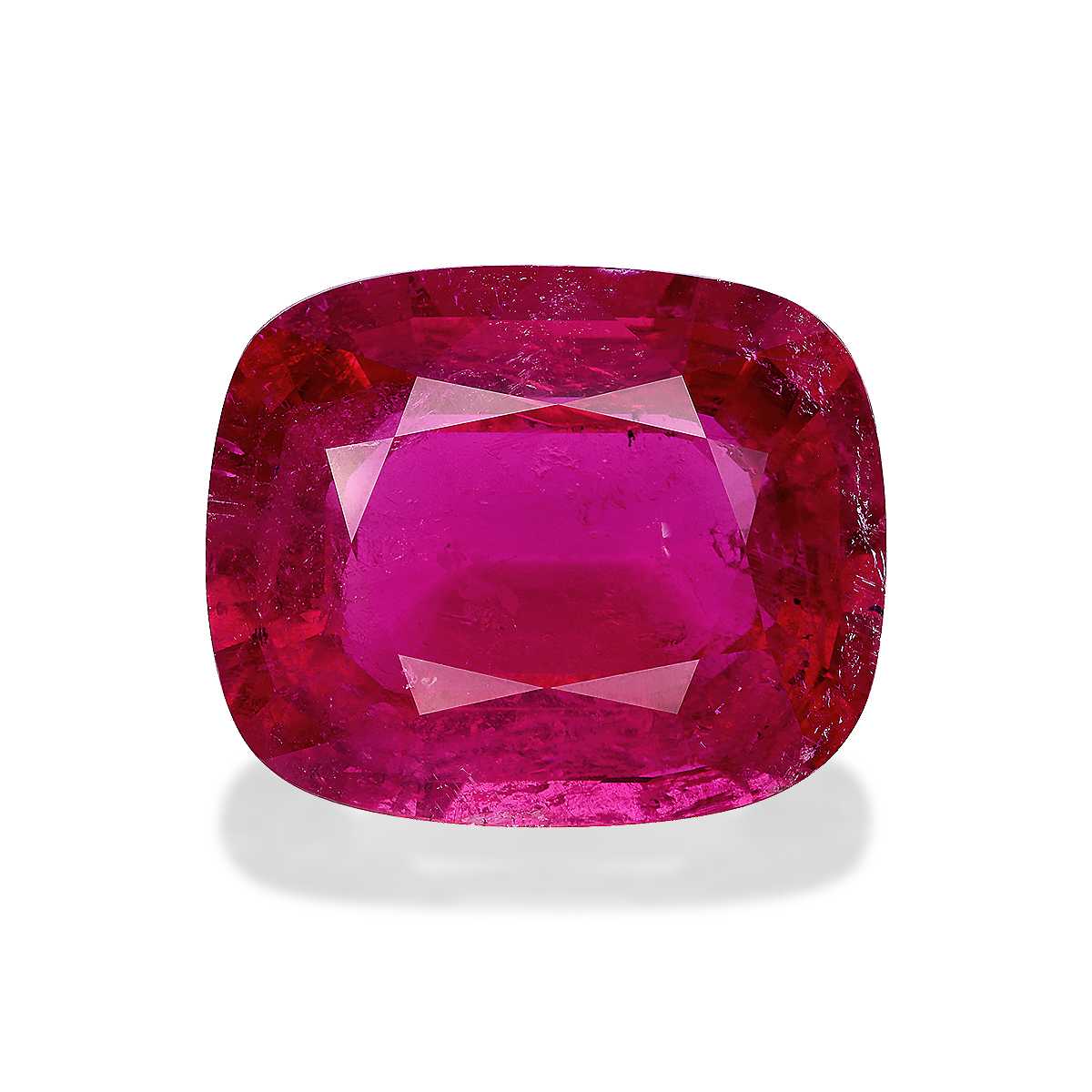
More from Tourmaline


Pricing the colorful gemstones trend
Within any species, value rises steeply with saturation and with size, because fine colour in larger crystals is disproportionately scarce. A stone twice the weight of another is rarely twice the price — it is usually considerably more, if the colour holds.
Treatment status then acts as a multiplier or a discount. Unheated spinel, untreated tourmaline and untreated garnet are the market norm rather than a bonus, so a premium claimed on that basis deserves questioning.
Conversely, heat is standard and accepted in tanzanite and most zircon, and near-universal in commercial sapphire. The pricing question is not whether treatment exists but whether the price reflects it accurately.
Be cautious with fracture-filling, dyeing and diffusion. These are disclosable treatments that materially change both value and long-term care requirements.
Where buyers overpay
The trend has produced a vocabulary problem. Marketing names travel faster than gemmological definitions, and several carry real premiums that only apply under narrow conditions.
- Trade names without definition. Terms like "imperial", "royal" or "neon" are descriptive, not graded. Ask what the laboratory report actually says.
- Paraíba-type tourmaline. The premium attaches to copper-bearing material; origin and copper content should be confirmed, not assumed from the colour alone.
- Origin claims on a receipt. Burma, Mahenge, Umba — these affect price and require laboratory opinion, not a seller's assertion.
- Weight over cut. A deep, windowed stone weighs more and looks worse. You are paying for carats you cannot see.
- Composite and lab-grown material sold without clear disclosure, particularly in the spinel and ruby categories.
Photographs and short video clips compound these risks. Colour on screen is an artefact of lighting, white balance and compression.
Checks before you commit
Ask for a report from an independent laboratory — GIA, SSEF, Gübelin, AGL or GRS are among the names the trade recognises. For any stone where origin or treatment materially affects price, the report should state both explicitly.
Read the report before the invoice. Confirm the species and variety, weight, dimensions, treatment statement, and whether origin was determined or merely not tested.
Then view the stone in at least two lighting conditions, ideally including daylight near a window. Colour-change and colour-shift behaviour in garnet, alexandrite and some sapphires only reveals itself this way.
Finally, ask the seller a direct question: what would make this stone worth less? A dealer who answers specifically — zoning, a healed fracture, a slightly closed culet — is one worth returning to. The colorful gemstones trend will keep producing new names and new sources; the discipline of checking colour, cut, durability and disclosure does not change with fashion.
Frequently asked questions
Which coloured gemstones are strongest for everyday rings?+
Sapphire (Mohs 9) and spinel (around Mohs 8) handle daily ring wear best among the coloured stones now in fashion. Tourmaline and garnet, at roughly 7 to 7.5, are serviceable in protective settings, while tanzanite, peridot and opal are better suited to earrings and pendants.
Does a coloured gemstone need a laboratory report?+
For any stone where treatment or origin affects the price materially, yes. An independent report from a laboratory such as GIA, SSEF, Gübelin or AGL should state species, variety, weight, treatment status and whether origin was determined.
Is heating a problem in coloured gemstones?+
Not in itself — heat is standard and accepted in tanzanite and zircon, and widespread in sapphire. What matters is disclosure and whether the price reflects the treatment; fracture-filling, dyeing and diffusion have a far greater effect on value and care.
Why do two stones of the same colour differ so much in price?+
Saturation, cut quality and size rarity account for most of the gap. A well-cut stone with even colour and no window will always outprice a deeper, windowed stone of identical weight and hue.
What does "Paraíba-type" actually mean?+
It refers to copper-bearing tourmaline, which can come from Brazil, Mozambique or Nigeria. The premium depends on confirmed copper content and, often, laboratory origin determination — not on the colour appearance alone.
Can I judge a coloured gemstone from photographs?+
Only partially. Screen colour is affected by lighting, white balance and compression, and windowing or extinction rarely shows in a still image. View the stone in daylight and indoor light before committing.
From our Journal
Buying guides, origin stories, and notes from the trade.