Gemstone Treatments Explained: Price Impact
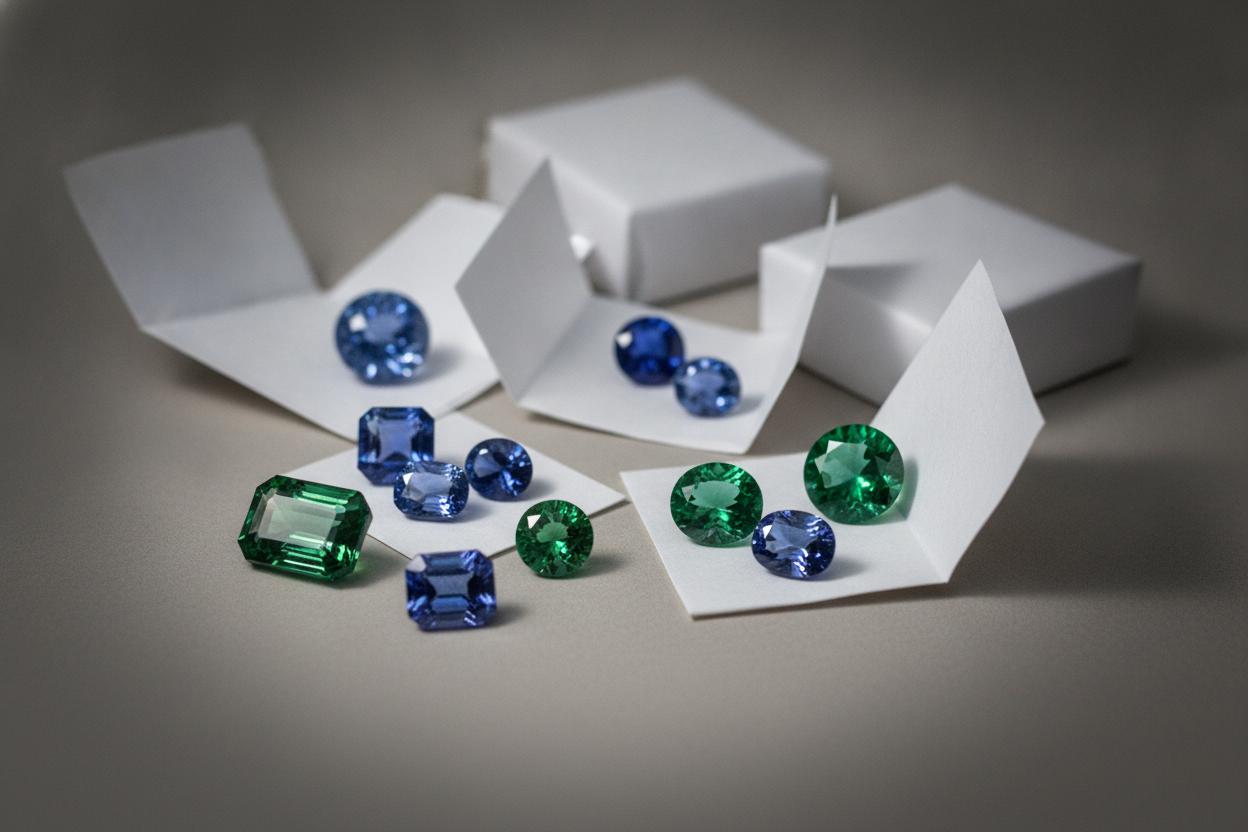
Treatment is one of the strongest single levers on price per carat, and it works by rarity rather than beauty: the less a stone has been altered, the smaller the surviving population, and the higher the price. With gemstone treatments explained in value terms, the hierarchy is consistent — untreated, then permanently and simply treated (heat), then treated with added material or added colour (fracture filling, diffusion, dyeing, coating). Two sapphires can look identical in a tray and differ several-fold in price because one is unheated with a laboratory report and the other has been lattice-diffused. The size of that gap, however, depends entirely on the species: in some gems it is decisive, and in others it is close to irrelevant because the treatment is the market norm.
Why treatment drives price
Price per carat is a scarcity calculation. Treatment expands supply by turning commercially dull rough into saleable colour, so anything that has not needed that intervention sits in a much smaller pool.
The second factor is permanence. A treatment that is stable for the life of the stone — heat in corundum, irradiation in topaz — affects value mainly through rarity. A treatment that can degrade, leak, or be undone by a jeweller's torch affects value through risk as well, and the market discounts risk heavily.
The third is detectability. Where separation requires advanced instrumentation, buyers pay for certainty, and the cost of a report becomes part of the stone's economics.
Gemstone treatments explained by type
Grouping treatments by what they physically do predicts their price effect better than any other framework.
- Heat only. Improves or clarifies existing colour without adding anything. Standard and accepted in sapphire, ruby, tanzanite, zircon, aquamarine and amethyst-to-citrine. Permanent.
- Heat with residue. Flux or borax residues in healed fissures from high-temperature treatment of corundum. Disclosed separately by major laboratories, and priced below clean heat-only material.
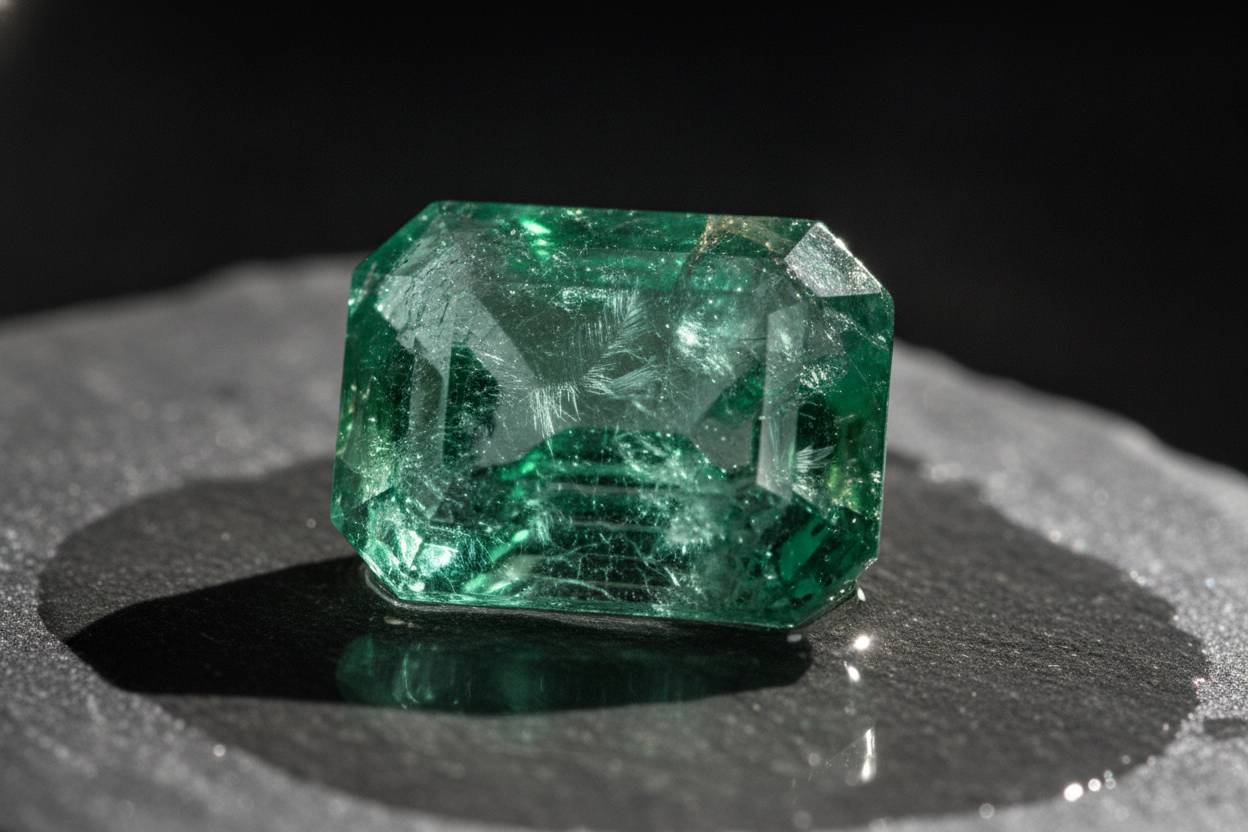
- Clarity enhancement. Oils, waxes and polymer resins filling emerald fissures; graded by degree from none to significant. Not fully permanent — resins can cloud or be removed.
- Fracture filling with glass. Lead-glass-filled ruby, in which the filler carries much of the stone's apparent transparency. A distinct, much cheaper product.
- Added colour. Beryllium or titanium lattice diffusion in sapphire, dyeing in jadeite and low-grade corundum, and surface coatings on topaz and tanzanite. Colour is introduced rather than revealed; values fall sharply.
- Irradiation. Produces most commercial blue topaz and some coloured diamonds. Permanent, and in topaz it is simply the market.
Where the premium is largest
Unheated premiums concentrate where fine untreated material genuinely exists but is scarce. Sapphire is the clearest case: Ceylon, Burmese and Kashmir stones with a laboratory conclusion of no indications of heating trade well above their heated equivalents, and the gap widens as colour and clarity improve.
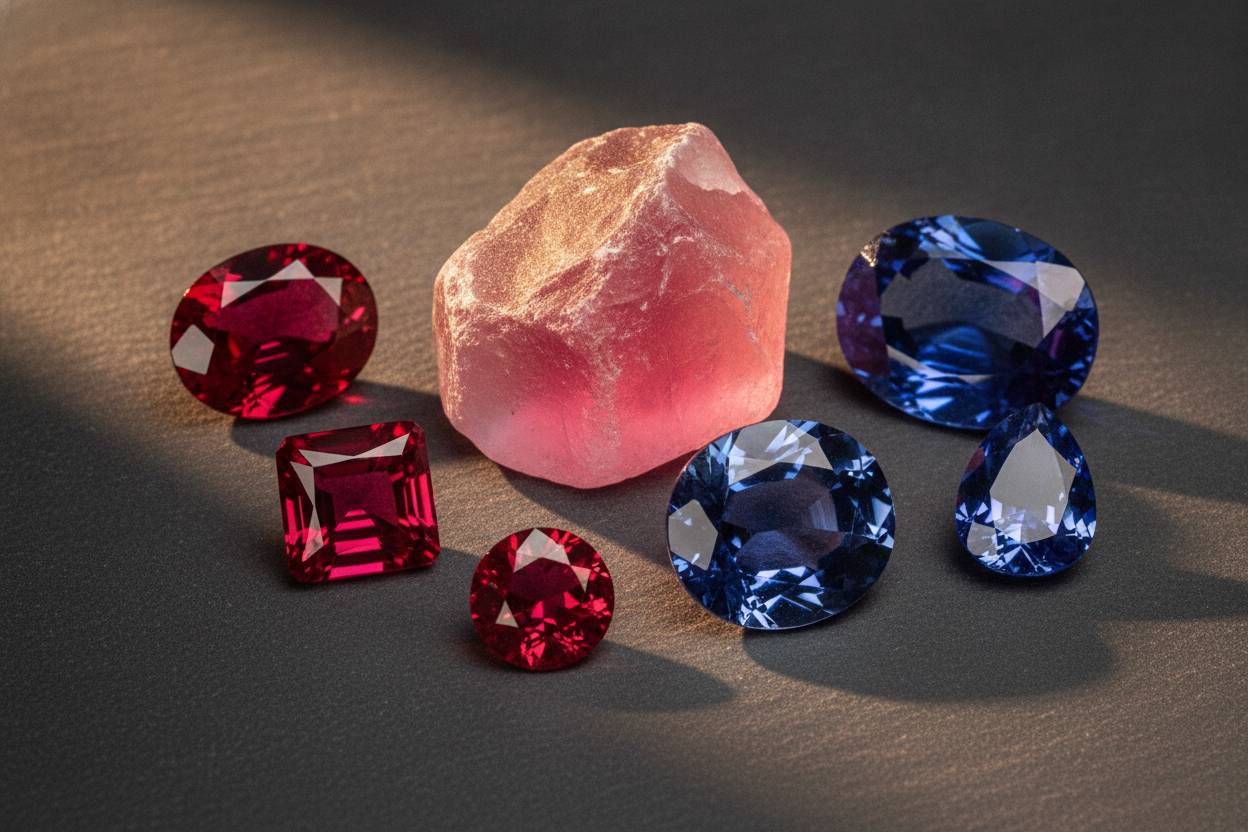
Burmese ruby behaves the same way, with unheated, no-residue stones at the top and glass-filled material at the far bottom of the same species.
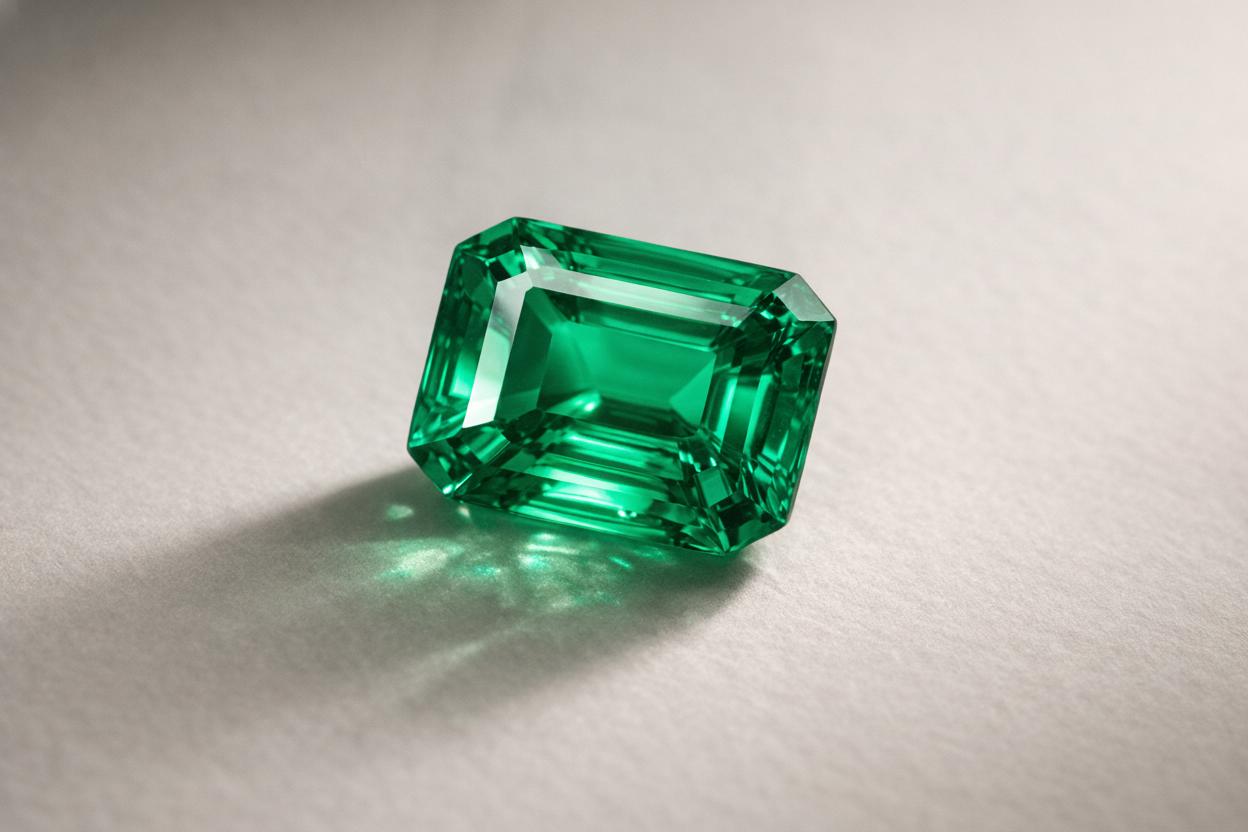
Emerald prices track the degree of clarity enhancement rather than its presence. Minor enhancement in a fine Colombian stone carries a strong premium over moderate; significant filling suppresses price regardless of face-up appearance.
Then there are gems where treatment barely moves the number. Almost all tanzanite is heated, nearly all blue topaz is irradiated, and most citrine is heated amethyst. Paying a premium for "unheated" in these species is usually paying for a label, not for rarity.
More from Sapphire



Size, treatment, and pricing tiers
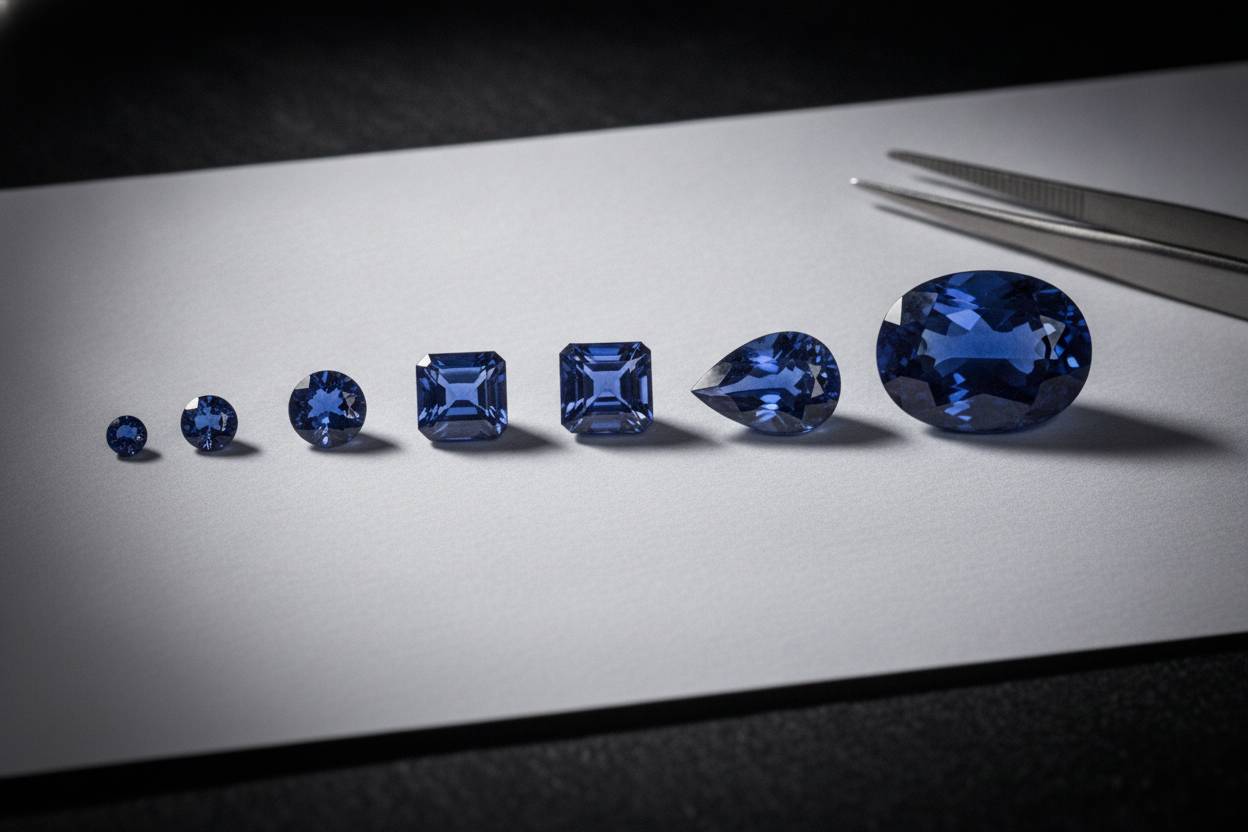
Treatment and carat weight compound rather than add. In small commercial sizes the unheated premium is modest, partly because the cost of a report from a major laboratory is disproportionate to the stone's value, and partly because buyers in that tier are buying colour, not provenance.
As size rises, the premium steepens. Fine untreated rough large enough to cut a substantial stone is far rarer than the same material in melee, so the scarcity multiplier applies twice.
The practical consequence: in entry sizes, spend on colour and cut. In significant sizes, treatment status and origin become the dominant price variables, and a report is not optional.
How tiers stack inside one species
For corundum — Mohs 9, refractive index roughly 1.762 to 1.770, specific gravity near 4.00 — the tiers from top to bottom typically run: unheated with no residues; heated, clean; heated with minor residues; heated with significant residues; diffused; glass-filled. Each step down is a different market with different buyers.
Judging a fair range
A fair price is one that matches the stone's actual tier, not its appearance. Establish the tier first, then compare.
- Get the treatment conclusion in writing from a laboratory with a published methodology — GIA, SSEF, Gübelin, AGL or Lotus Gemology are the commonly cited names in coloured stones.
- Check that the report language matches the stone in hand, including weight, measurements and any recut.
- Compare only within tier. A heated sapphire is not overpriced because an unheated one costs more; it is a different product.
- Ask what the seller paid attention to: origin, treatment, clarity enhancement degree. Vague answers usually signal an untested stone.
Be sceptical of two patterns in particular: a premium unheated claim supported only by an in-house certificate, and an emerald sold as "minor oil" with no report at all.
What to ask before you pay
Four questions settle most of it. What treatments are present, who determined that, is the treatment permanent, and what does the stone cost relative to others in the same tier and size?
With gemstone treatments explained this way, the pricing logic stops being mysterious. Untreated is rarer, permanence lowers risk, and added material moves a stone into a cheaper category — and a laboratory report is the only reliable way to know which category you are actually buying.
Frequently asked questions
Is a heated sapphire a bad buy?+
No. Heat treatment of sapphire is permanent, long-established and fully accepted in the trade, and it accounts for most fine sapphire on the market. It simply places the stone in a lower price tier than an unheated equivalent, which is a matter of rarity rather than quality.
How can I tell if a gemstone has been treated?+
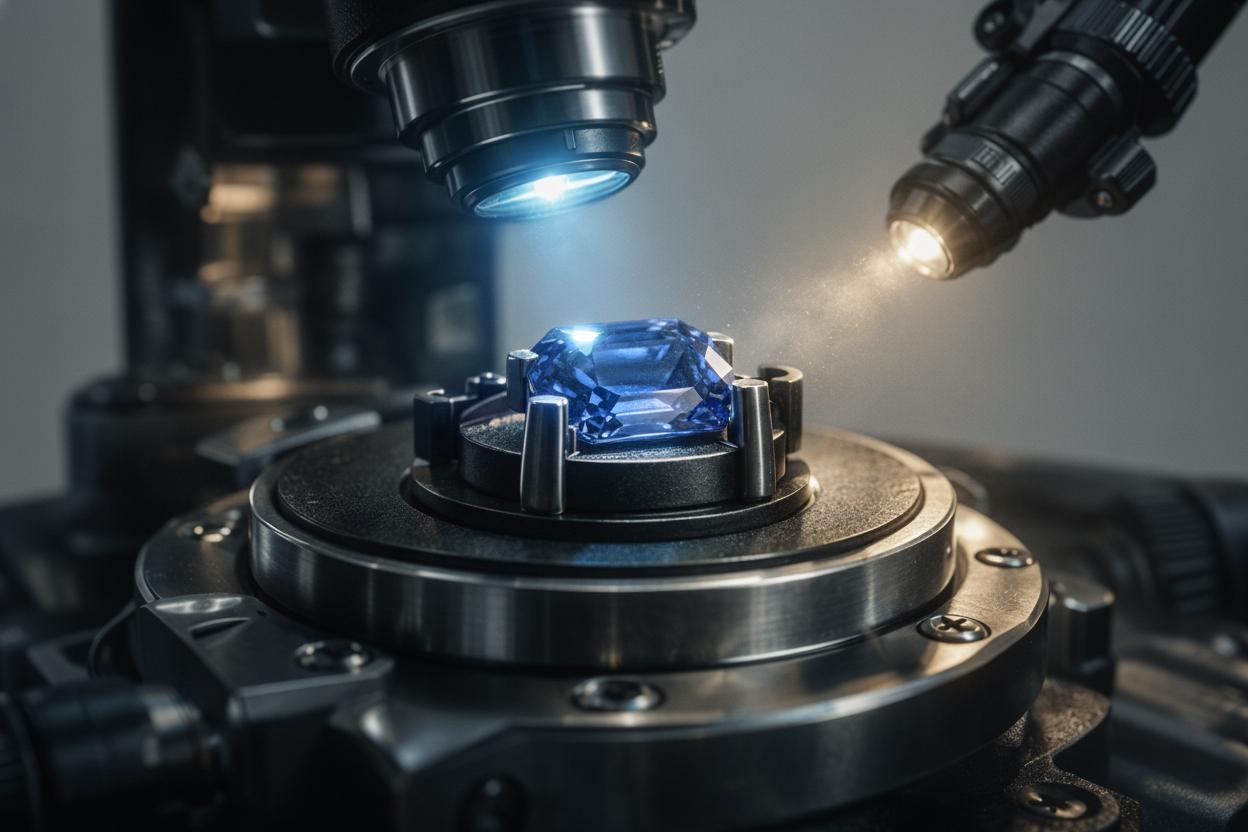
Most treatments cannot be reliably identified without laboratory instrumentation, particularly diffusion, residues in healed fissures and the degree of emerald filling. The practical answer is a report from a laboratory with published methodology, such as GIA, SSEF, Gübelin, AGL or Lotus Gemology.
Which treatments reduce value the most?+
Those that add material or colour: lead-glass filling in ruby, lattice diffusion in sapphire, dyeing in jadeite and surface coatings. These create a distinctly cheaper product, and several are also less durable than the untreated host material.
Does unheated always cost more?+
Only where untreated fine material is genuinely scarce, as with sapphire and ruby. In tanzanite, blue topaz and citrine, treatment is effectively universal, so an unheated claim rarely carries a meaningful premium.
Is oiled emerald acceptable?+
Yes, minor oil or resin is normal and expected in emerald; almost all stones show some fissure filling. Price tracks the degree, from none through minor, moderate and significant, so the report wording matters more than the fact of enhancement.
Should sellers disclose treatments?+
Yes. Disclosure of treatments is required under the US FTC Jewelry Guides and is standard under CIBJO's Blue Books, with major laboratories using harmonised LMHC wording. Any reluctance to state treatment status in writing should be treated as a warning.
From our Journal
Buying guides, origin stories, and notes from the trade.