Machine Learning in Emerald Grading
Machine learning emerald grading is best understood as a statistical aid to origin determination, not a replacement for the gemmologist. Algorithms are trained on trace-element and spectral data collected from mines of known provenance, then asked to place an unknown stone within those reference groups. The approach earns its keep exactly where human judgement strains — Colombia against Afghanistan, Zambia against Brazil — and loses it where reference data is thin or a deposit is newly opened.
No laboratory of standing issues an origin opinion on an algorithm alone. The classifier output is one input, weighed against inclusion study, spectroscopy and an analyst who has seen the deposit's material before.
Why emerald origin is difficult
Emerald is beryl coloured by chromium, vanadium, or both. Its physical constants are the same wherever it grew: hexagonal crystal system, Mohs 7.5 to 8, refractive index roughly 1.565 to 1.602, specific gravity around 2.67 to 2.78.
Species identification is therefore routine. Provenance is not, because the constants that identify beryl say nothing about which mountain it came out of.
What does vary is the chemical company the crystal kept — iron, magnesium, caesium, lithium, scandium, gallium, and the chromium-to-vanadium ratio. Those trace elements reflect the host rock, and the host rock reflects geology that differs from one belt to the next.
The complication is overlap. Several deposits of similar geological type produce chemistry that falls within the same ranges, and any single element measured on its own will mislead more often than it helps.
The sources that define the market
Colombia
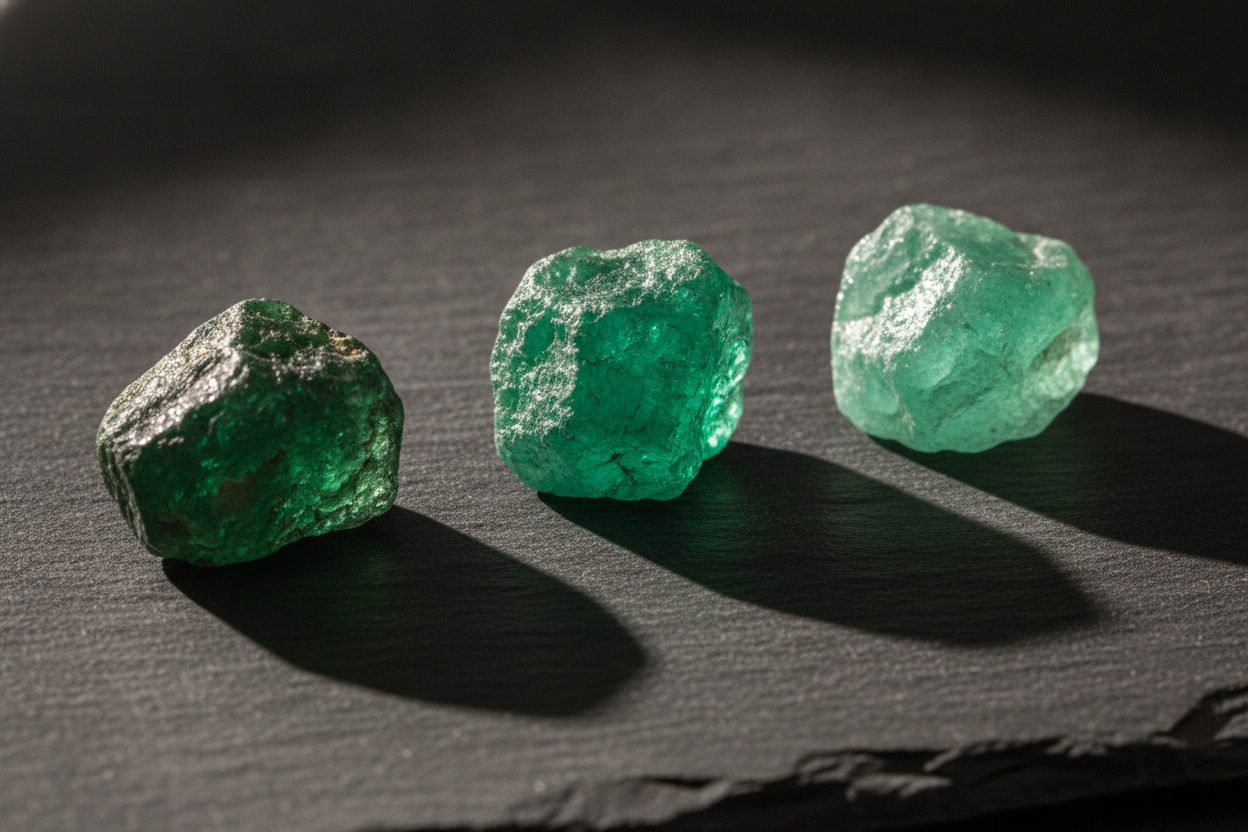
The Muzo, Chivor and Coscuez belts produce emerald in black shale and carbonate veins rather than the mica schists typical elsewhere. That setting leaves Colombian stones characteristically low in iron, which contributes to a warmer, purer green with little of the grey or blue cast iron imparts. Three-phase inclusions — a cavity holding liquid, a gas bubble and a salt crystal — are a familiar Colombian signature, though not an exclusive one.
Zambia
The Kafubu deposits are schist-hosted, and Zambian emeralds usually carry appreciably more iron. The result is a cooler, often slightly bluish green, frequently with good clarity and even saturation. Zambian material has become a benchmark for clean, well-cut commercial and fine goods.
Brazil
Belmont, Itabira, Nova Era and Santa Terezinha supply emerald from schist-hosted systems with their own chemical profile. Colour ranges widely, and larger clean crystals occur, though the finest Brazilian green rarely reaches Colombian depth of colour.
Afghanistan, Ethiopia and beyond
Panjshir emeralds from Afghanistan form in hydrothermal veins and can approach Colombian appearance and chemistry closely enough to trouble laboratories. Ethiopian material from the Shakiso region entered the market comparatively recently and has already forced reference databases to expand. Russia's Urals, Madagascar, Pakistan's Swat valley and Zimbabwe's Sandawana each contribute recognisable material in smaller volumes.
How origin shapes colour and value
Origin is not a grade. A dull Colombian stone is worth less than a vivid Zambian one, and the trade prices what it sees before it prices the report.
Origin nonetheless carries real weight at the top of the market, because certain deposits produce a disproportionate share of the finest colour. Muzo-type green — saturated, slightly warm, without grey — remains the reference point against which other emeralds are described.
There is also a collector premium attached to historic sources, and it can be substantial for stones that genuinely show the character associated with them. Buyers should be clear about which they are paying for: the colour in front of them, or the name on the certificate.
More from Emerald
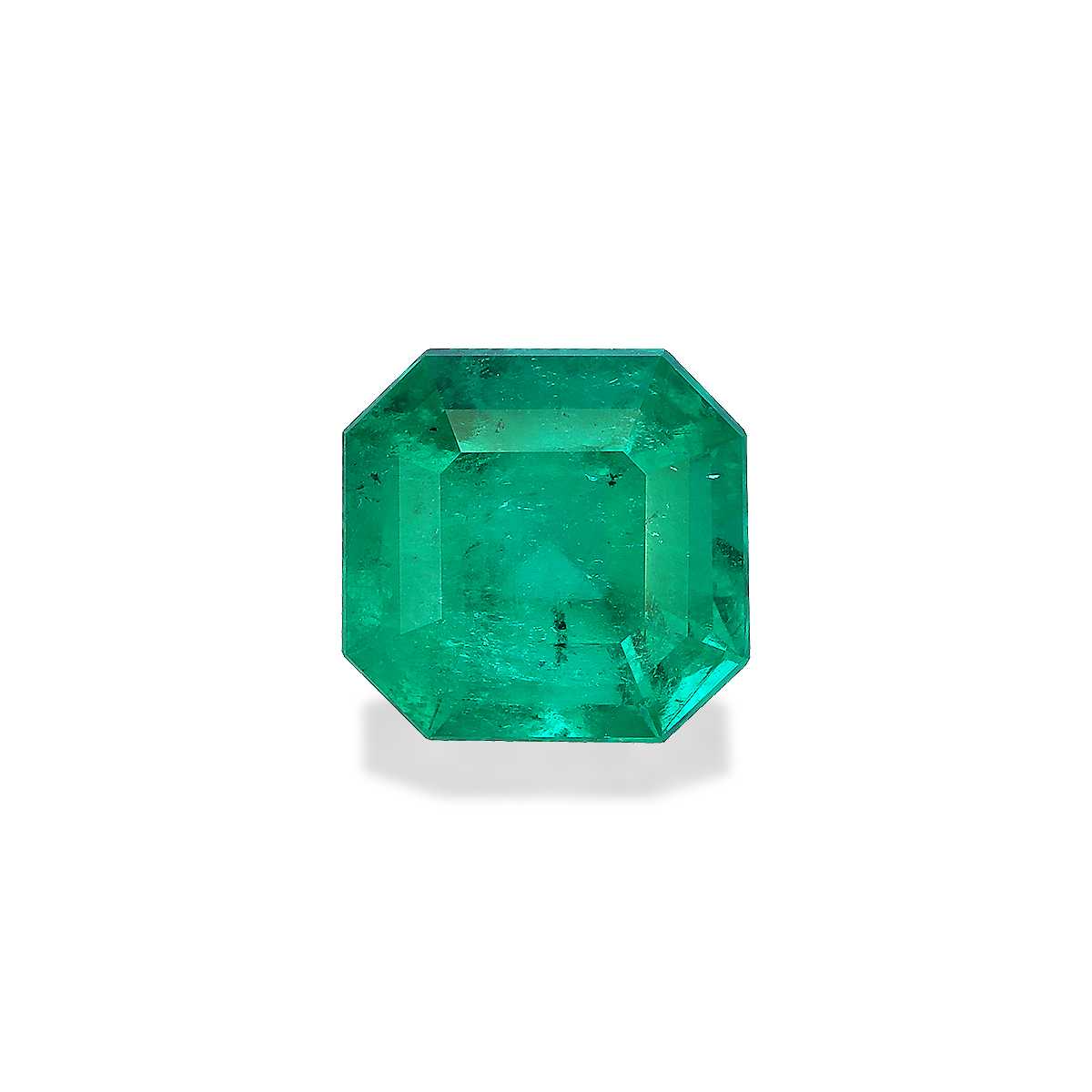
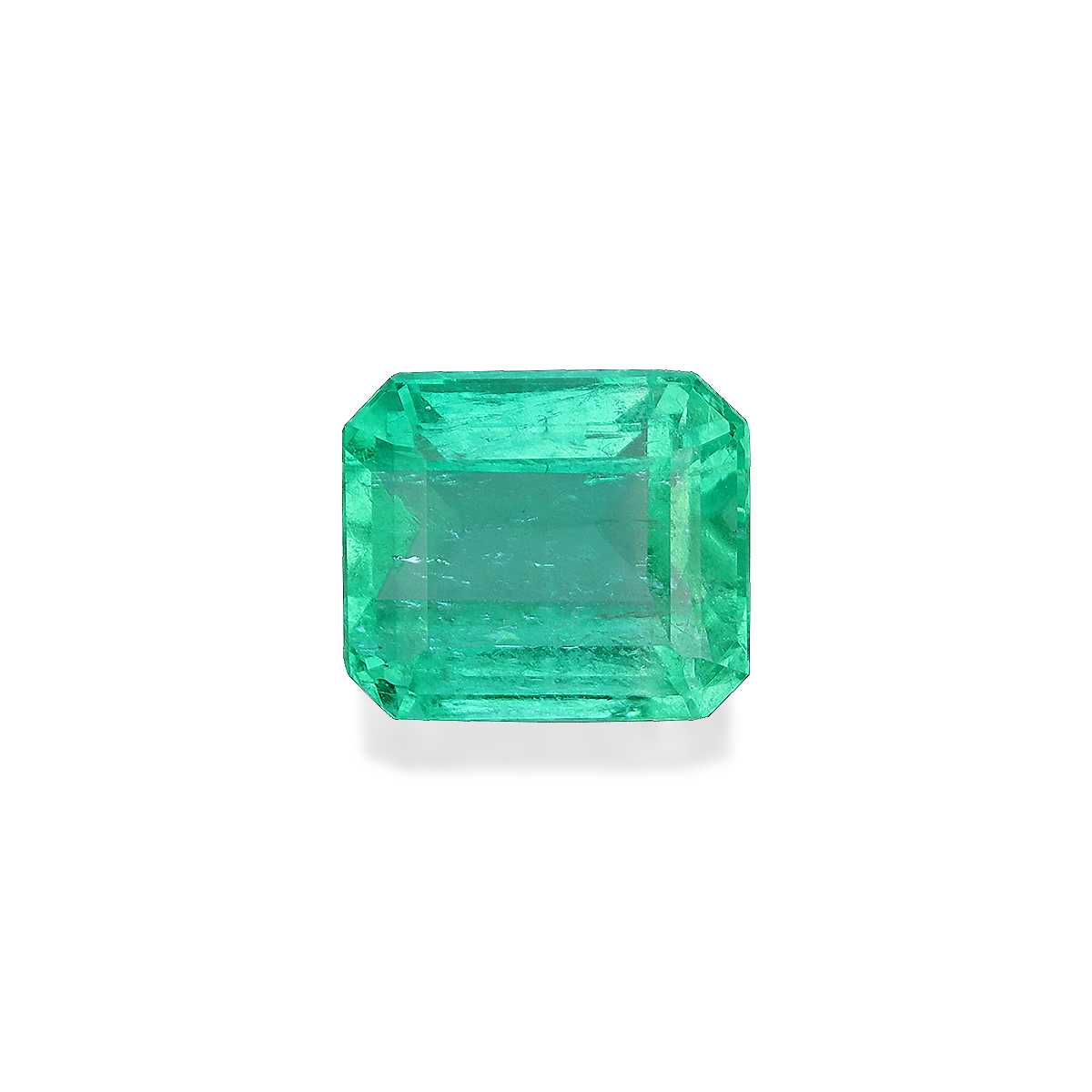
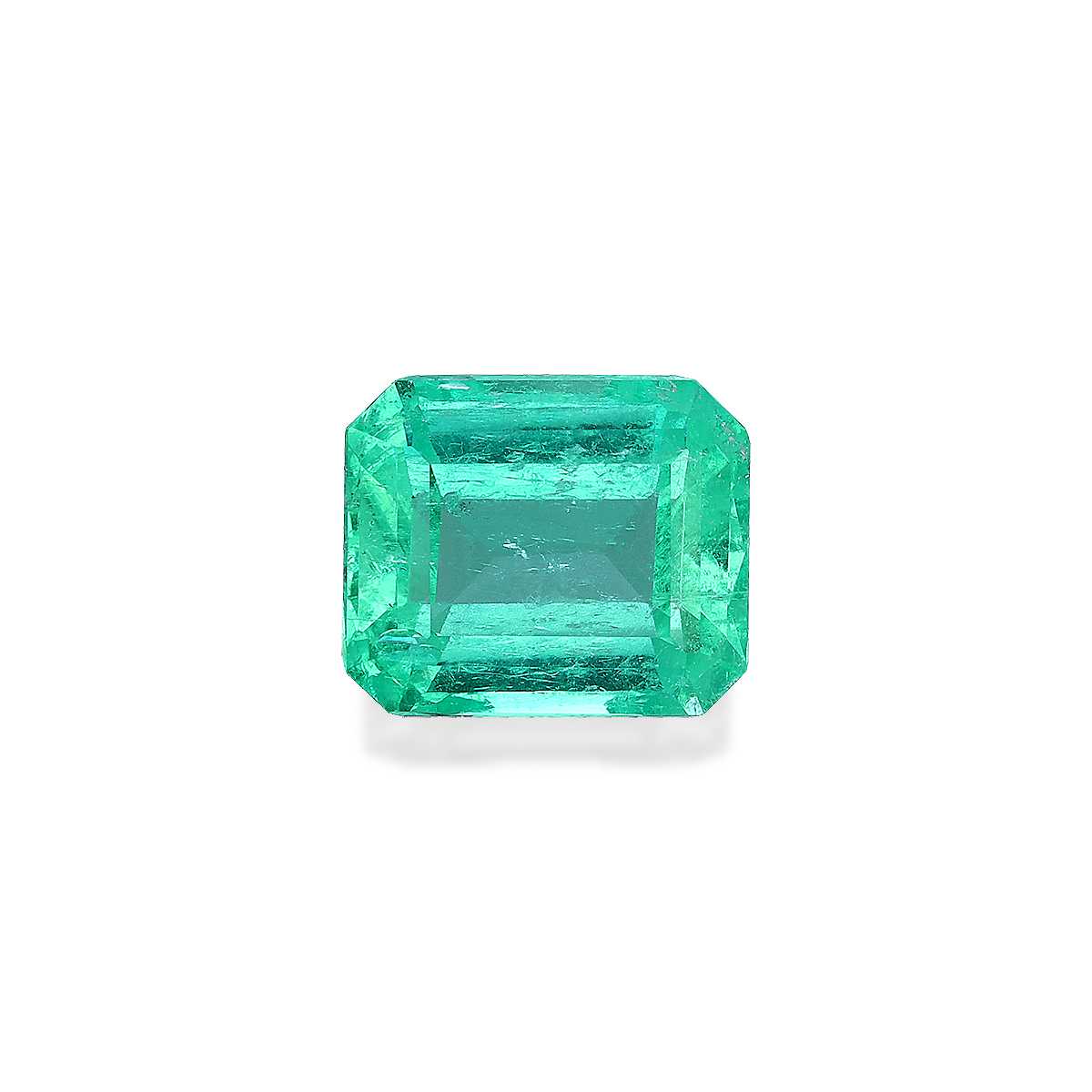
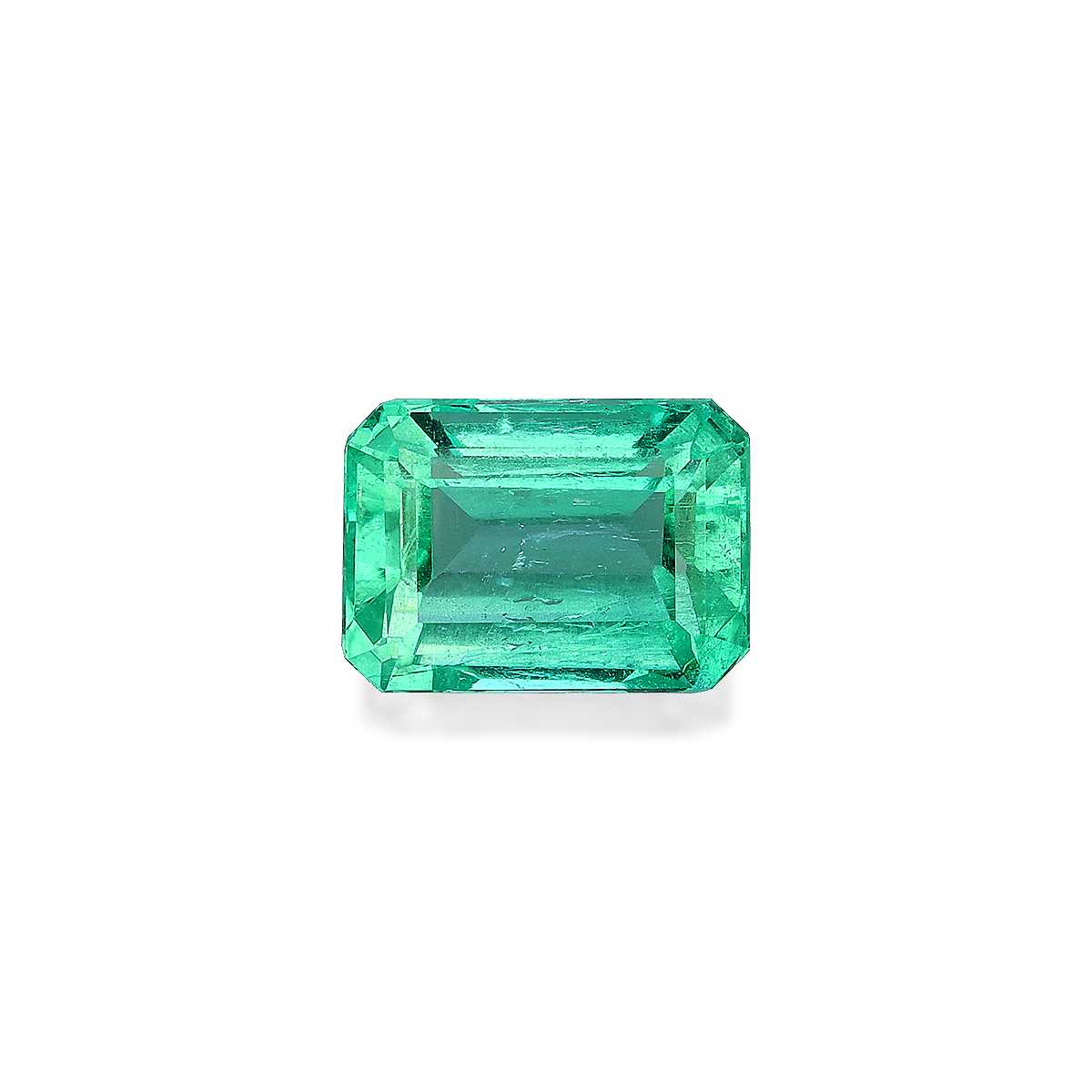

Machine learning in emerald grading
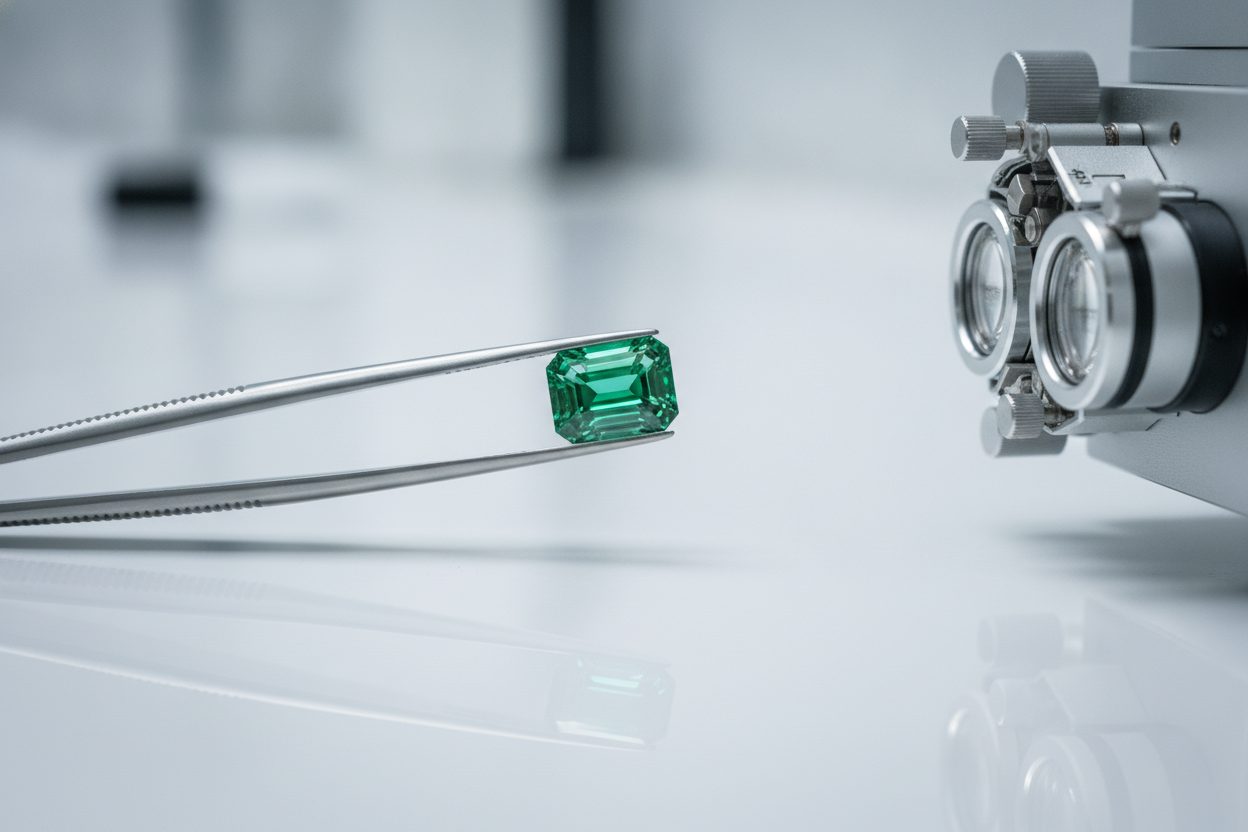
Laboratories gather origin data through laser ablation ICP-MS for trace elements, UV-Vis-NIR and FTIR spectroscopy, photoluminescence, and in some cases oxygen isotope ratios. Each stone generates dozens of correlated measurements, which is precisely the kind of high-dimensional problem statistical models handle better than intuition.
Classification methods used include discriminant analysis, support vector machines, random forests and neural networks. The model is trained on samples of documented provenance, then reports which reference group an unknown stone most resembles, ideally with a confidence estimate attached.
A second and separate application concerns colour and clarity consistency. Imaging systems under controlled lighting can score hue, tone and saturation repeatably, reducing the drift that occurs when different graders assess the same stone on different days.
Research on statistical and machine-learning approaches to coloured stone origin determination has been published by major laboratories including GIA, SSEF and the Gübelin Gem Lab. The direction of travel is clear: augmentation of expert opinion, not automation of it.
Where the models fall short
A classifier can only recognise what it has been shown. When a new deposit opens, or an old one reaches a different ore body, the model will still return an answer — and that answer may be confidently wrong.
Reference collections are also unevenly built. Some mines are represented by hundreds of documented samples, others by a handful, and the model inherits that imbalance.
Clarity enhancement adds another layer. Most emeralds are filled with oil or resin, and filler residues can contaminate surface-sensitive measurements if sampling is careless.
Finally, a probability is not a fact. A stone assigned to Colombia at high confidence is still an opinion, and reputable reports phrase it that way.
Questions to ask about a report
- Which laboratory issued it, and does it routinely perform chemical origin work on emerald?
- Is origin stated as an opinion, and is the supporting evidence summarised?
- Was clarity enhancement assessed, and to what degree — none, minor, moderate or significant?
- Does the report date from before or after the source in question was well characterised?
A second opinion is worth the cost on any stone where origin materially affects price. Laboratories disagree more often on emerald than buyers expect, particularly between Colombian and Afghan material.
The sensible position is neither scepticism nor faith. Treat the algorithm as one careful witness among several, and buy the colour you can see.
Frequently asked questions
Can machine learning determine an emerald's origin on its own?+
No. Classifiers trained on trace-element and spectral data narrow the possibilities and flag likely matches, but reputable laboratories combine that output with microscopy, spectroscopy and analyst experience. Origin remains a stated opinion, not a measurement.
Which trace elements separate Colombian from Zambian emeralds?+
Iron is the single most useful discriminator: Colombian emeralds from black-shale-hosted deposits are typically low in iron, while schist-hosted Zambian material contains considerably more. Magnesium, caesium, lithium, scandium and the chromium-to-vanadium ratio are assessed alongside it, since no one element is conclusive.
Is a Colombian emerald always worth more than a Zambian one?+
No. Colour, clarity, cut and the degree of clarity enhancement drive price before origin does, and a fine Zambian emerald will outsell a mediocre Colombian stone. Origin adds a premium mainly at the top of the market, where historic sources are associated with the best colour.
Why do laboratories sometimes disagree about emerald origin?+
Deposits of similar geological type produce overlapping chemistry, and Afghan Panjshir material in particular can closely resemble Colombian emerald. Reference collections also differ between laboratories, so two labs may weigh the same data differently.
Does oiling or resin filling affect origin testing?+
It can. Filler residues in fissures may contaminate surface-sensitive chemical measurements if sampling points are chosen carelessly, which is why analysts select clean areas for laser ablation. Any competent report will also state the degree of clarity enhancement separately.
Should I pay extra for a report from a new deposit?+
Be cautious. Reference data for recently opened sources such as parts of Ethiopia is still maturing, so origin calls on that material carry more uncertainty than calls on long-documented mines. Ask when the report was issued and whether the laboratory has since revised its reference set.
From our Journal
Buying guides, origin stories, and notes from the trade.