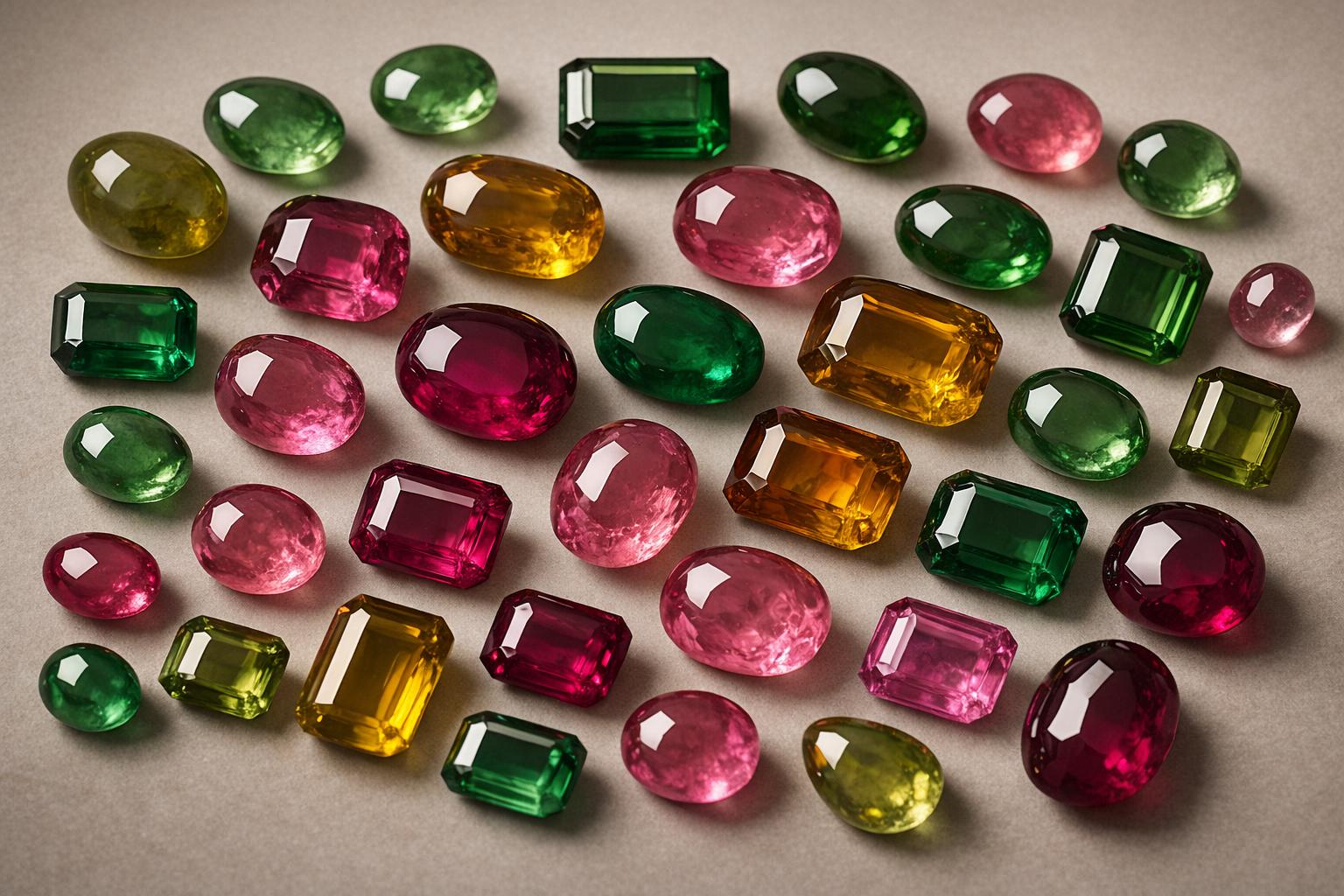
Exploring the Beauty and Versatility of Tourmaline
Tourmaline is a gemstone renowned for its stunning variety of colors and unique properties. With a history steeped in cultural significance, it symbolizes healing, protection, and friendship. Its versatile nature makes it a popular choice for jewelry, appealing to those who appreciate both beauty and meaning.
Historical Significance of Tourmaline
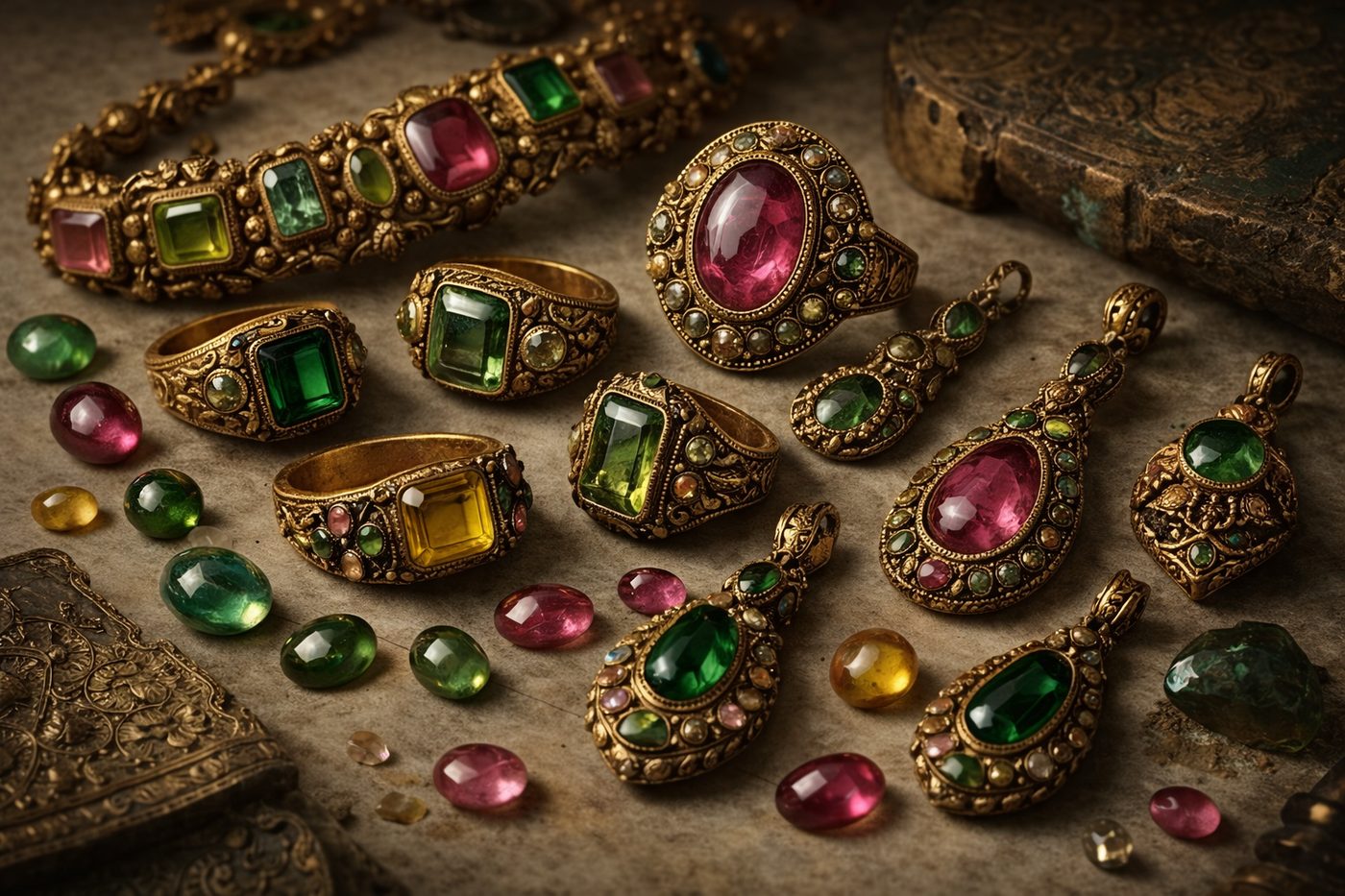
Tourmaline has a rich historical background that dates back to ancient civilizations. The name ‘tourmaline’ originates from the Sinhalese word 'turmali', which means 'mixed gems'. In the 19th century, it became popular in Europe and the United States, particularly after the discovery of the striking pink and green varieties from Brazil. This gemstone has been valued by various cultures, including the ancient Egyptians, who believed it could protect against bad energy.
Symbolism and Cultural Meaning
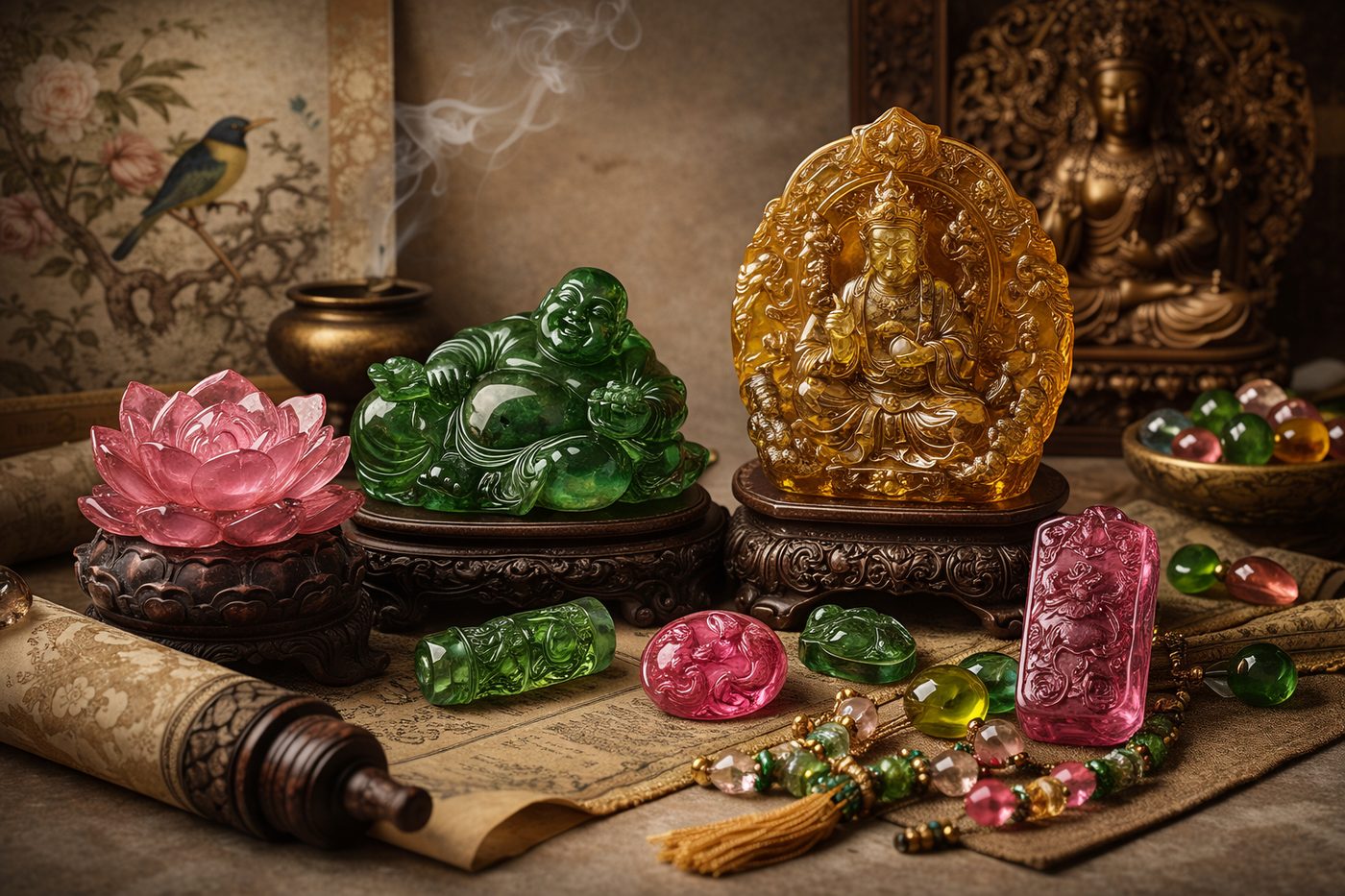
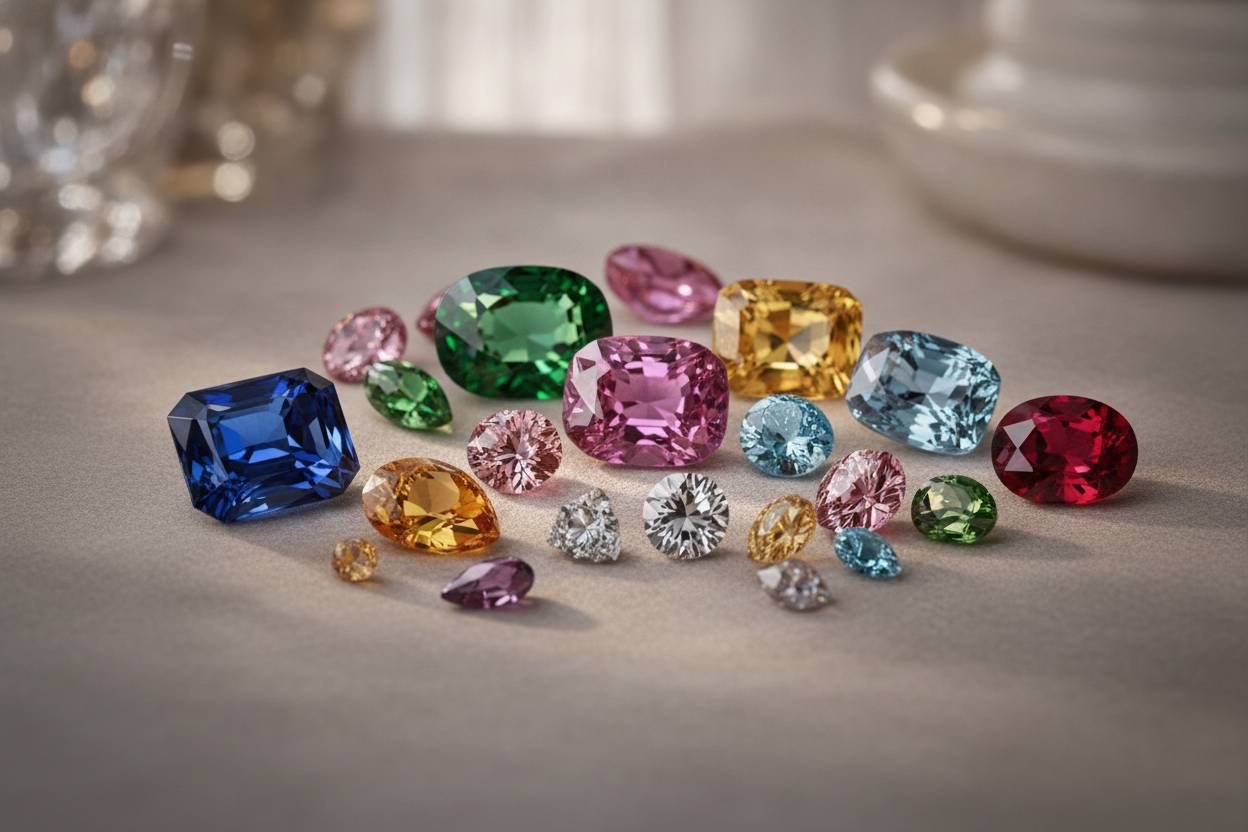
Tourmaline is often regarded as a stone of reconciliation and compassion. In many cultures, it is believed to promote healing and emotional stability. The diverse colors of tourmaline are also tied to various meanings; for example, pink tourmaline represents love and emotional healing, while green is associated with prosperity and abundance. In the realm of astrology, it is said to be a protective stone, enhancing the connection between the wearer and the earth.
More from Tourmaline


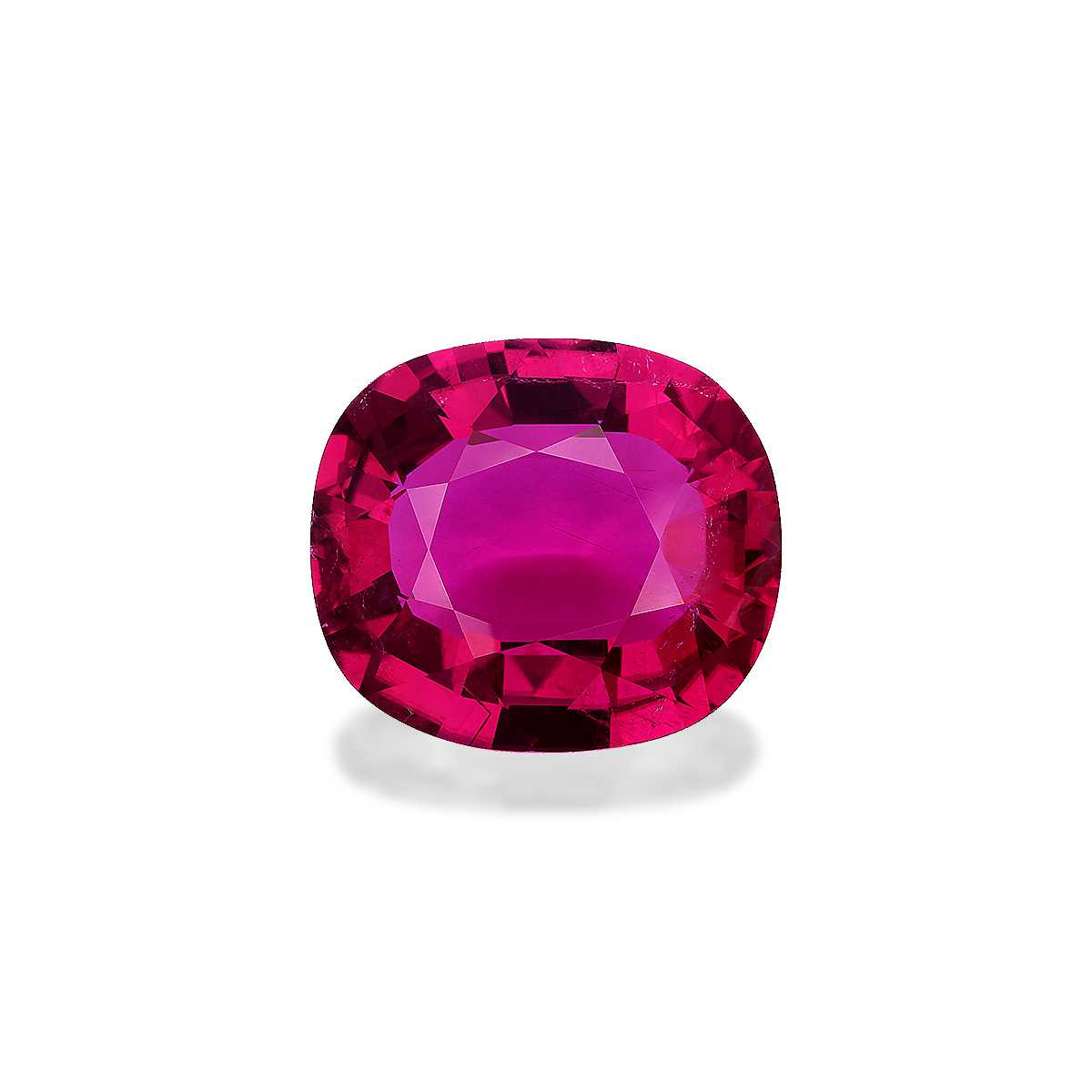
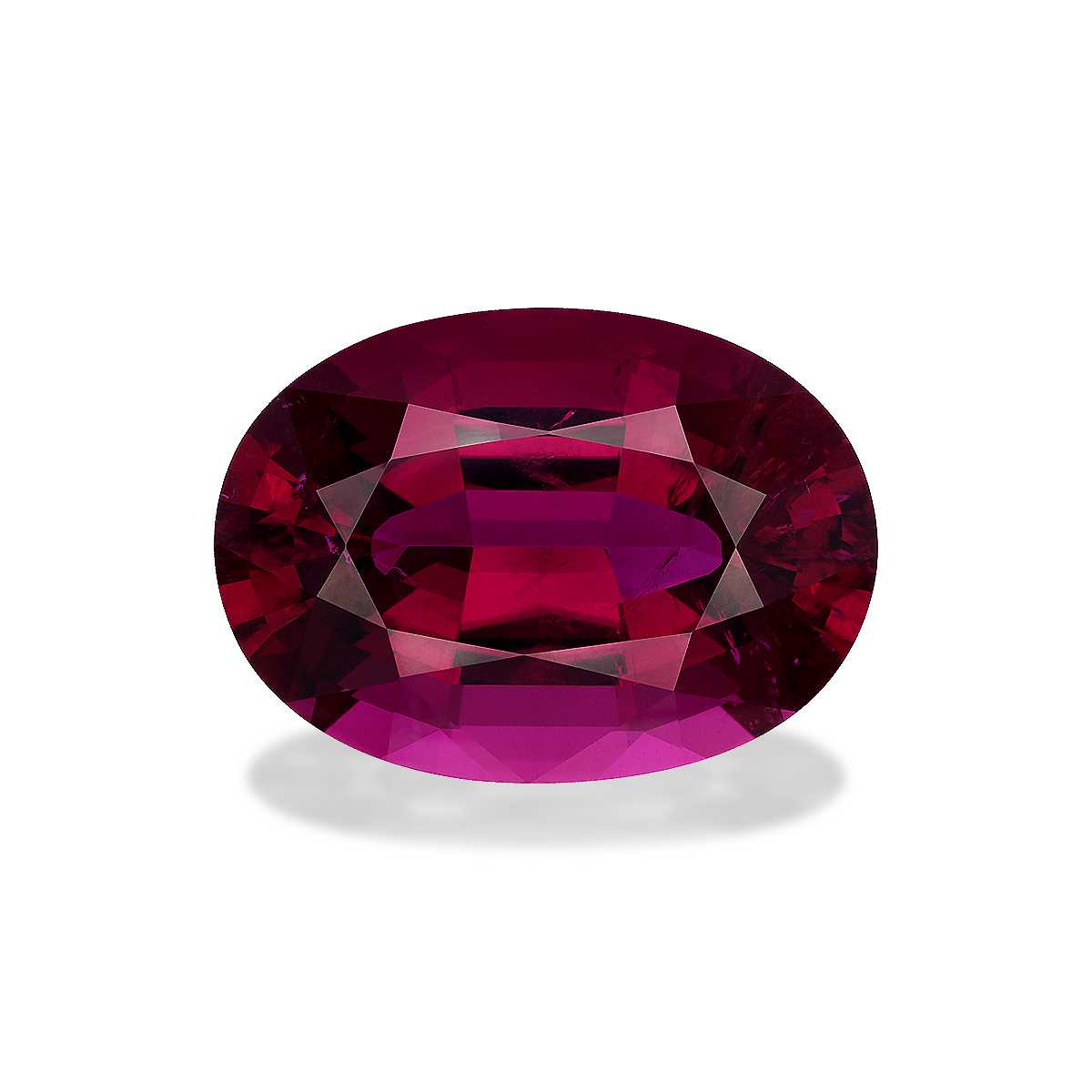
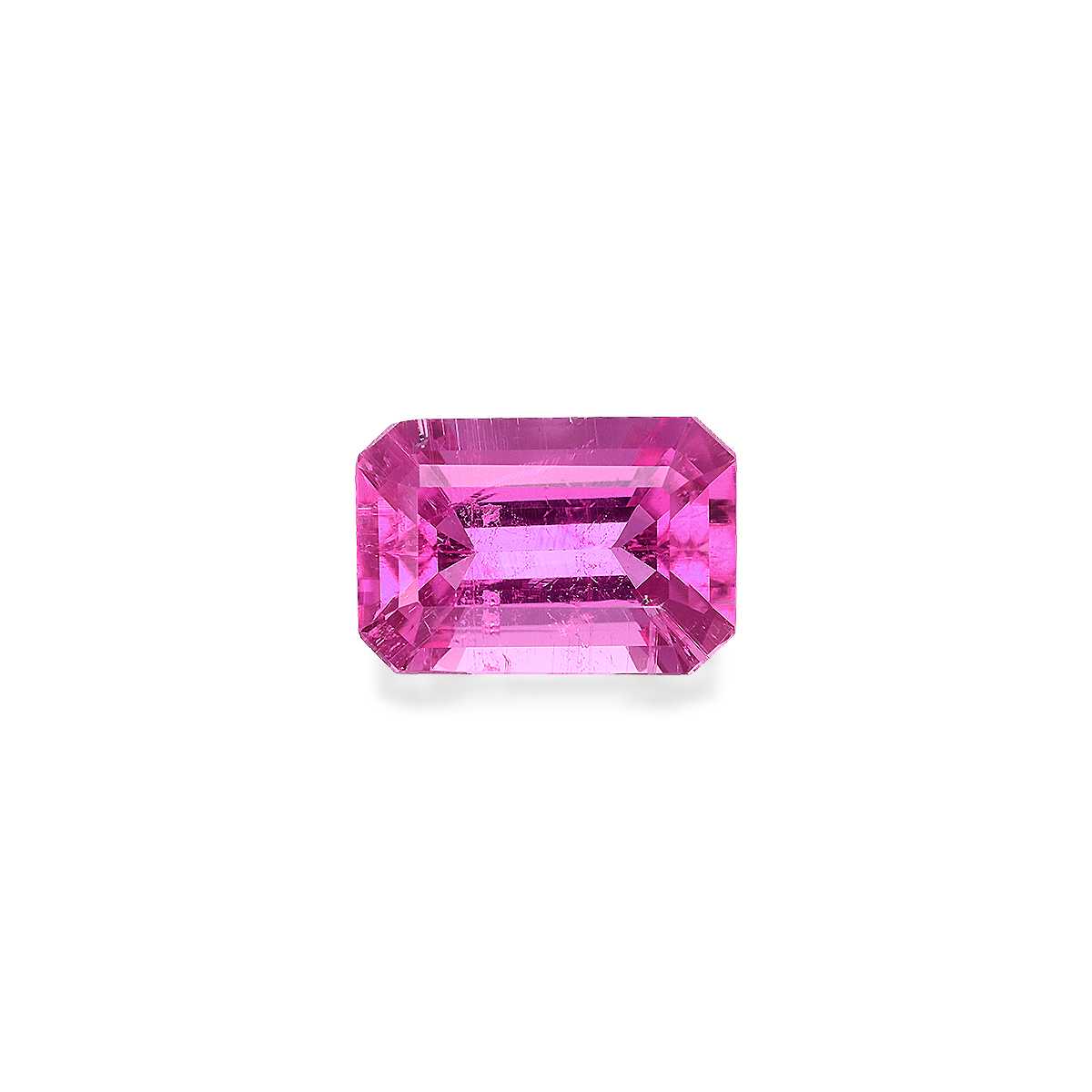
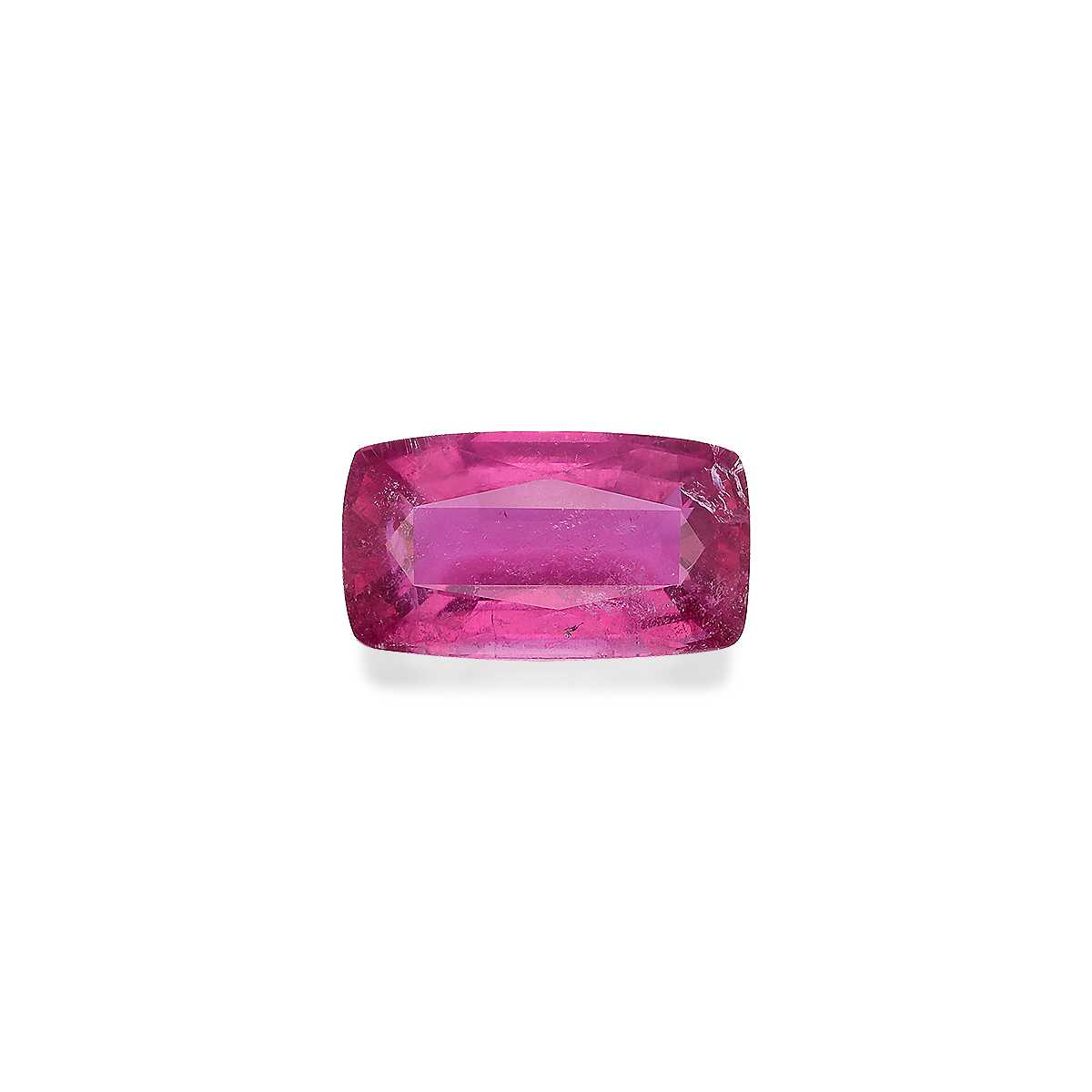
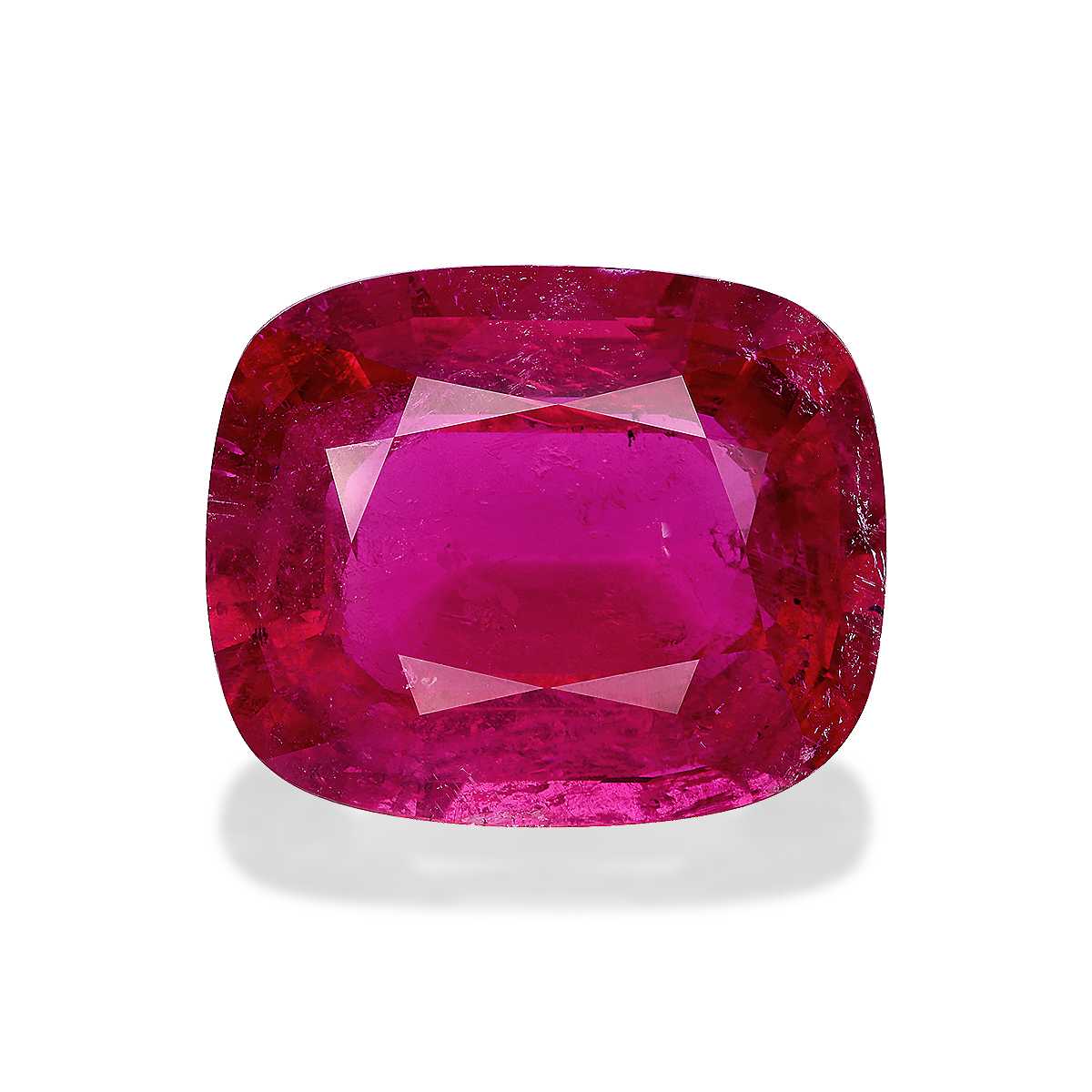
Gemological Identity of Tourmaline
Tourmaline is a complex silicate mineral that can occur in a wide range of colors due to the presence of various trace elements. Its chemical formula is (Na,Ca)(Li,Mg,Al,Fe,Mn)3Al6(BO3)3Si6O18(OH)4. It has a hardness of 7 to 7.5 on the Mohs scale, making it suitable for daily wear. The refractive index ranges from 1.61 to 1.64, depending on the specific variety. Tourmaline can be found in sizes ranging from 1 carat to over 50 carats in some rare instances, with the most valuable pieces often exceeding 5 carats.
Price Variations in Tourmaline
The price of tourmaline can vary significantly based on color, clarity, and size. Generally, the price per carat can range from $50 to $1,000, with high-quality specimens commanding much higher prices. For example, the rare Paraiba tourmaline can fetch prices upwards of $10,000 per carat, depending on its vivid blue-green hue and clarity. The market is influenced by both the stone's origin and the demand for specific colors.
Tourmaline price guide
Tourmaline price guide (per carat, USD)
Based on 1599 tourmaline in stock, updated October 19, 2026.
Tourmaline Varieties and Their Features
Tourmaline is available in several notable varieties, each with distinct characteristics. The most sought-after include:
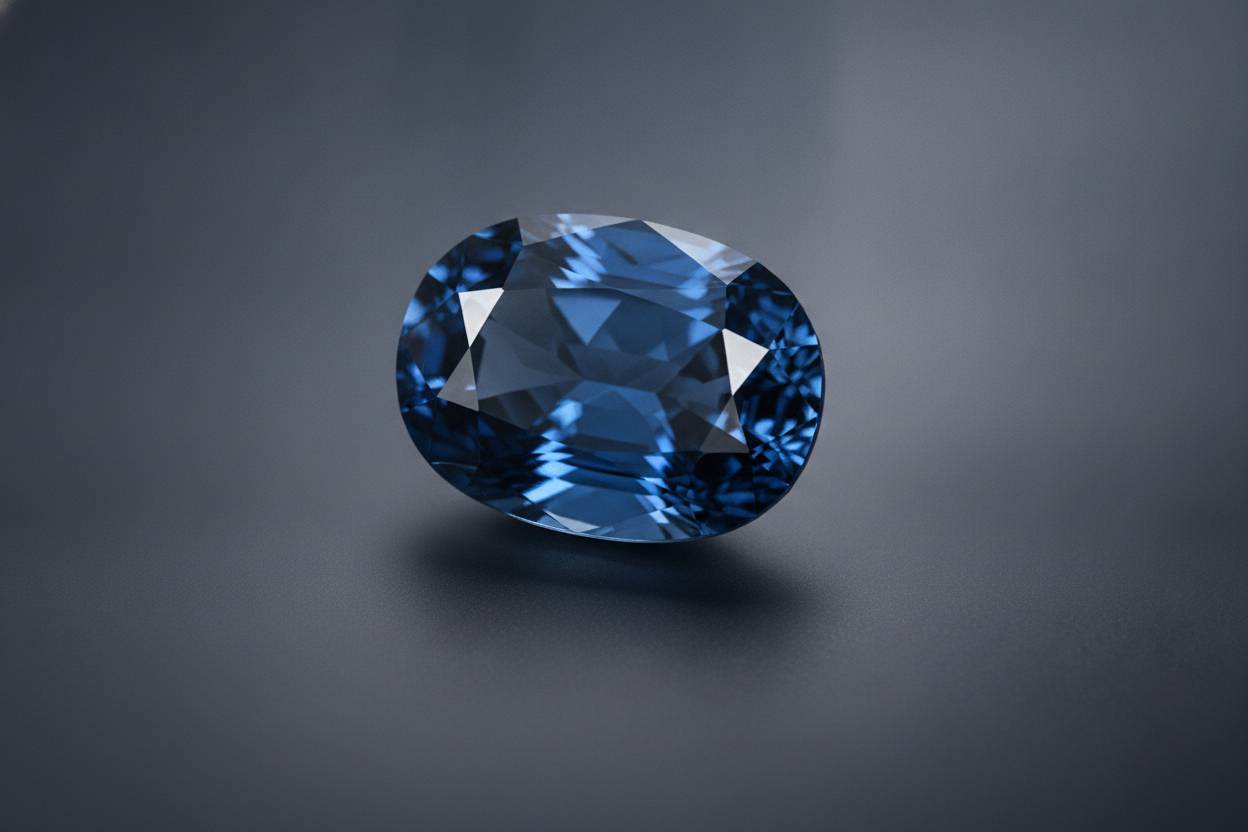
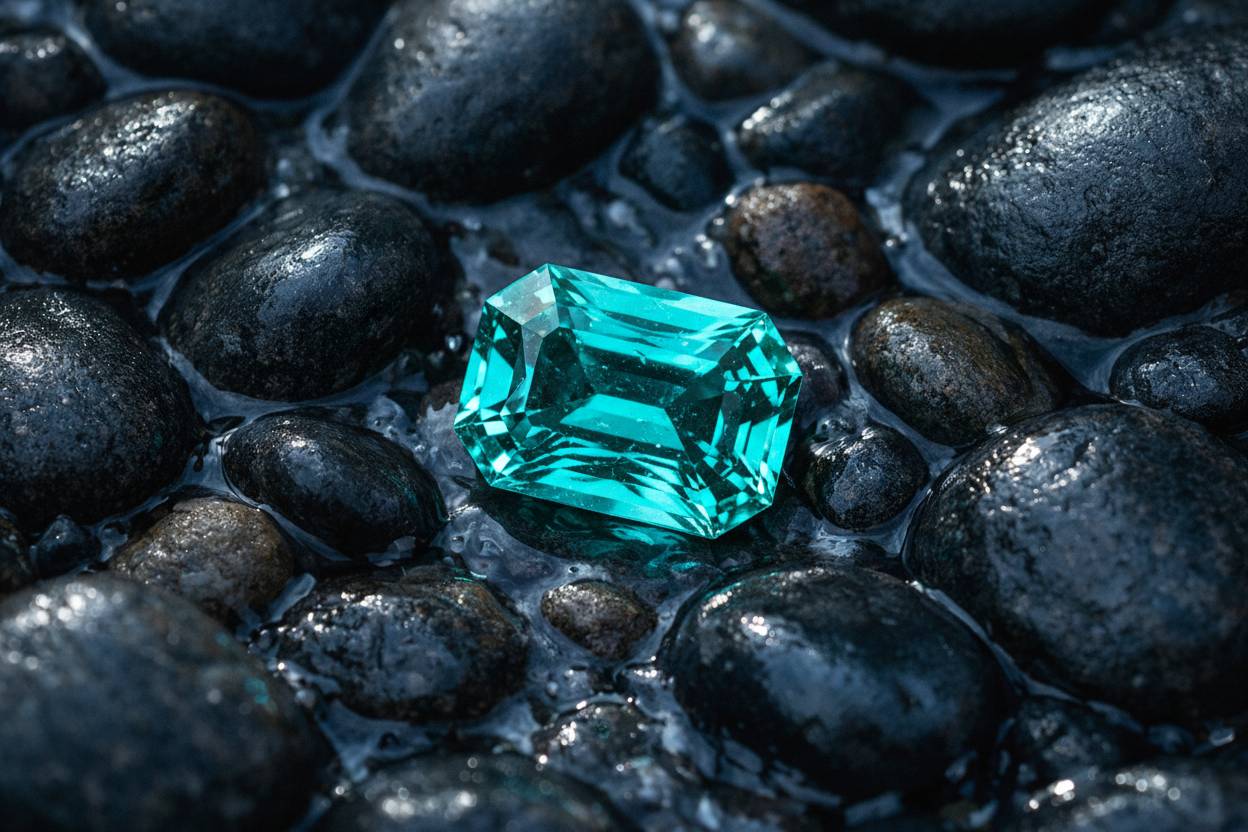
- Paraiba Tourmaline: Known for its electric blue color, this variety is primarily sourced from Brazil and Nigeria.
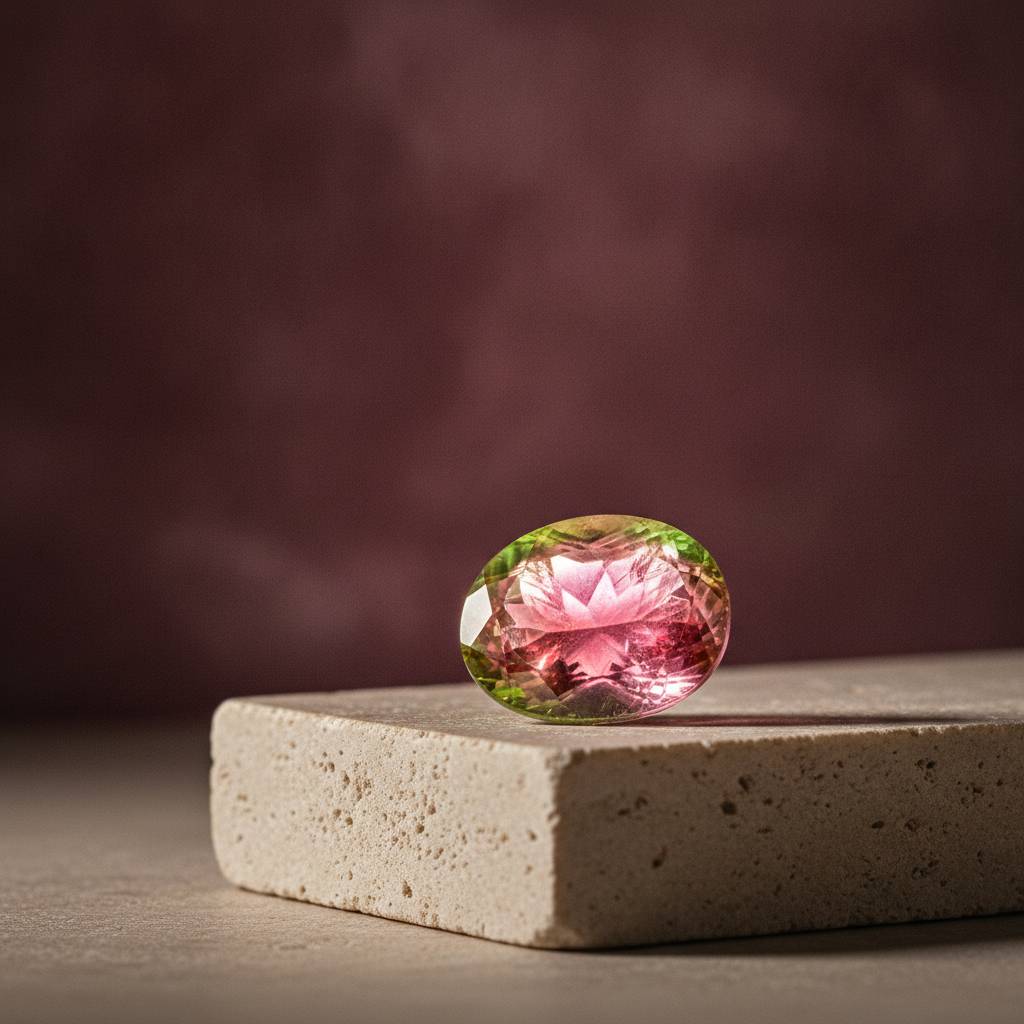
- Watermelon Tourmaline: Featuring a pink center and green outer layer, this variety is popular for its unique color zoning.
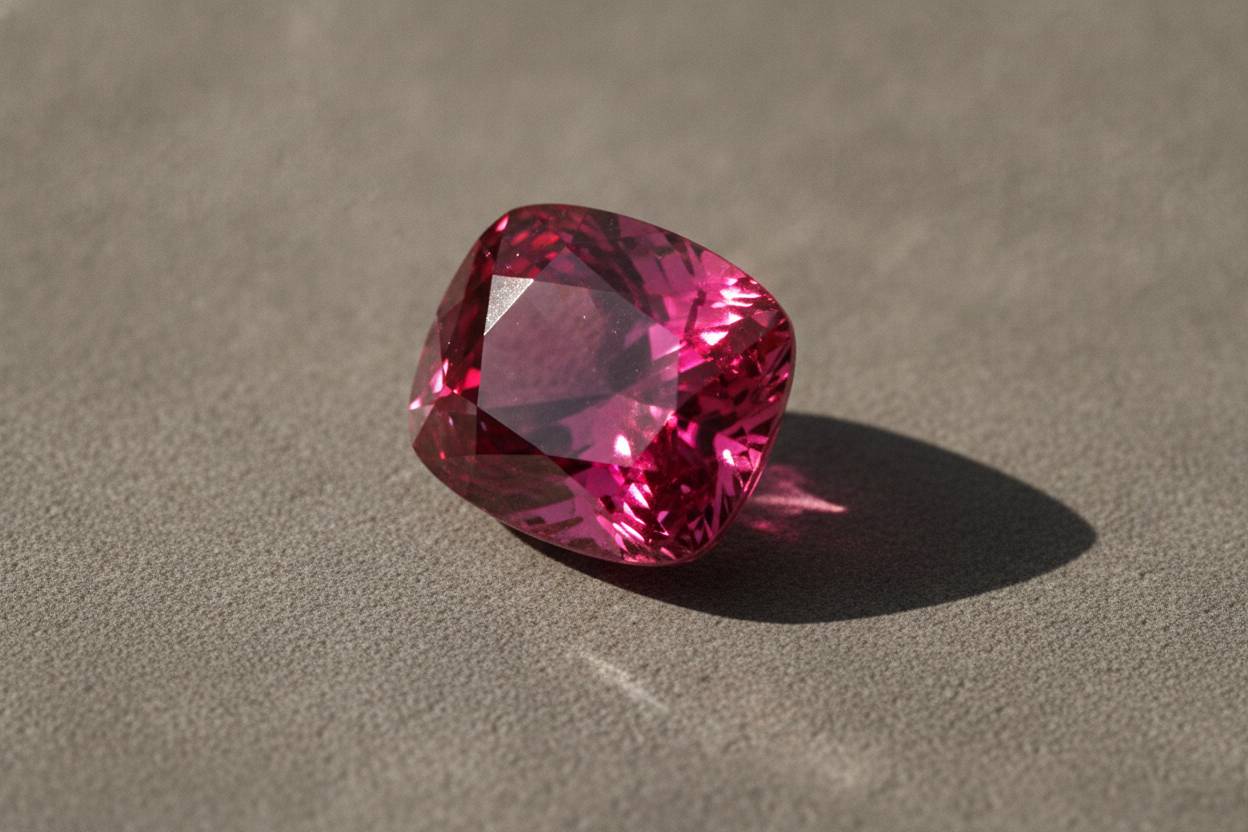
- Rubellite Tourmaline: A striking red to pink variant, often confused with ruby, valued for its vivid color.
- Indicolite: A rare blue tourmaline that exhibits a range of blue shades, from teal to deep blue.
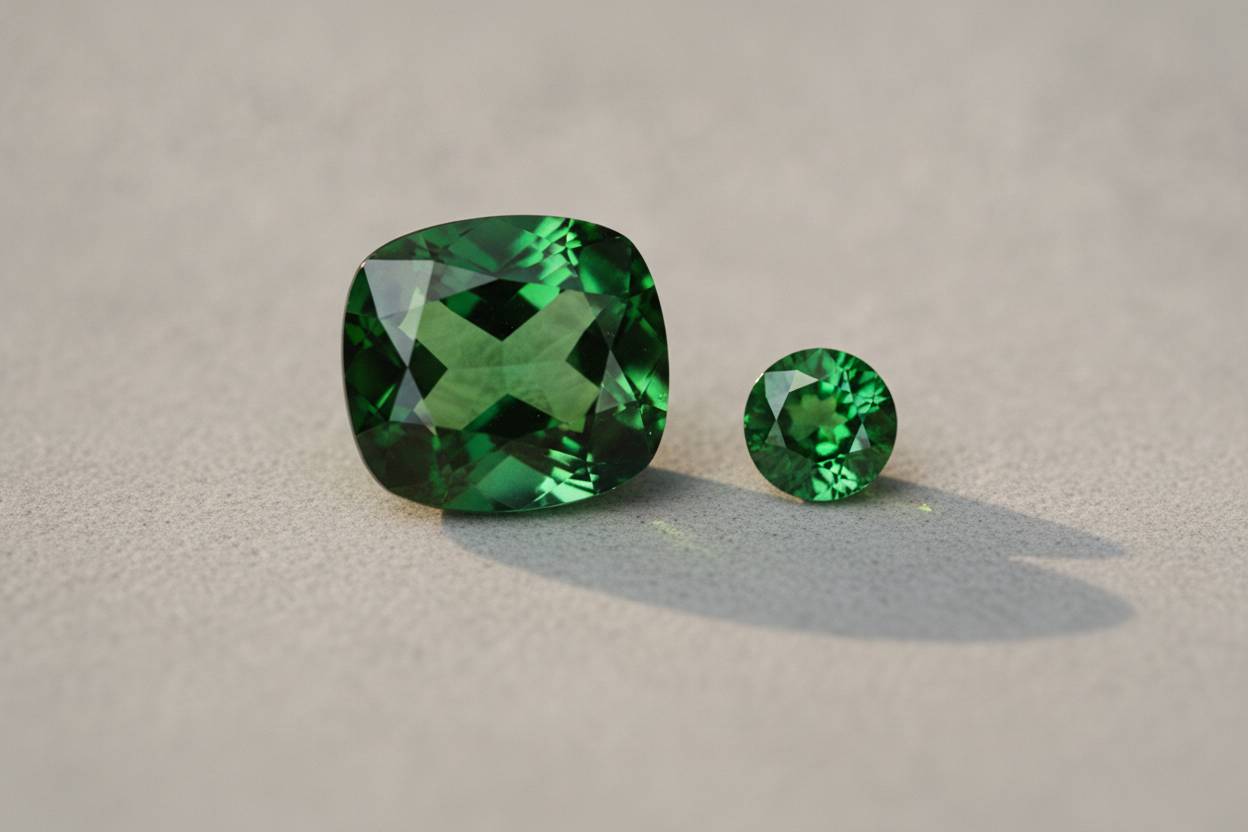
- Green Tourmaline: Valued for its deep, rich green colors, often associated with nature and healing.
Practical Applications in Jewelry
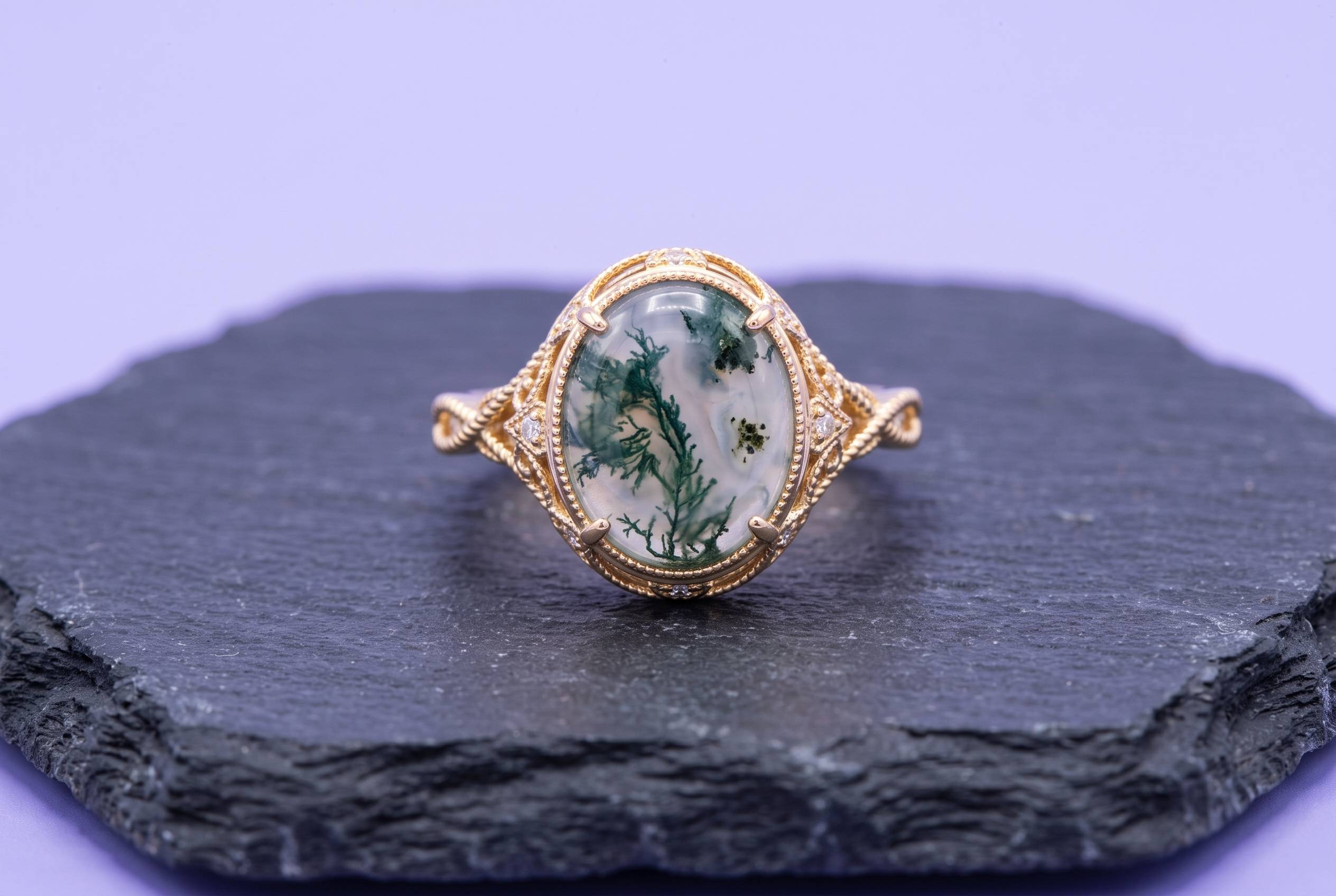
Tourmaline's versatility extends to various jewelry styles. It can be fashioned into rings, earrings, necklaces, and bracelets, making it a favorite among jewelers. Its ability to exhibit different colors in one stone enhances its appeal. Additionally, tourmaline is often used in bespoke pieces, allowing for unique expressions of personal style.
As a gemstone with both beauty and significant meaning, tourmaline continues to captivate gem enthusiasts and collectors alike. Its rich history, diverse colors, and cultural associations make it a remarkable choice for anyone looking to invest in fine jewelry.
Frequently asked questions
What is the hardness of tourmaline?+
Tourmaline has a hardness of 7 to 7.5 on the Mohs scale, which makes it suitable for everyday wear in jewelry.
What are the most valuable varieties of tourmaline?+
The most valuable varieties include Paraiba tourmaline, which can exceed $10,000 per carat, and rubellite, known for its vivid red color.
How does the price of tourmaline vary?+
Tourmaline prices can range from $50 to $1,000 per carat, depending on factors like color, clarity, and size.
What does tourmaline symbolize?+
Tourmaline symbolizes healing, protection, and emotional stability, with different colors representing various meanings.
Where is tourmaline commonly found?+
Tourmaline is found in several countries, with significant sources in Brazil, Nigeria, and the United States, each producing unique varieties.
From our Journal
Buying guides, origin stories, and notes from the trade.