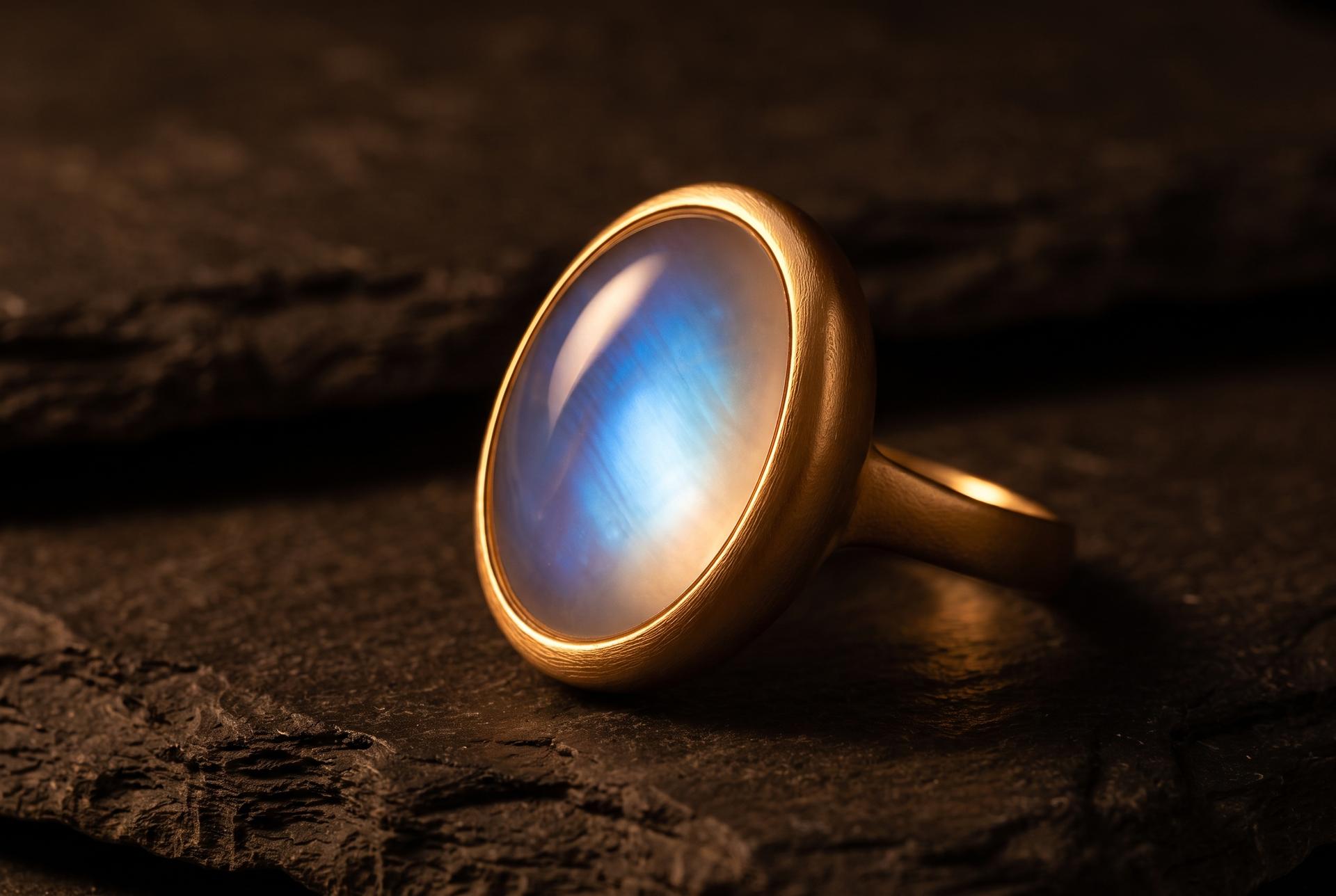
Blue Moonstone Meaning and Symbolism
Blue moonstone meaning and symbolism centre on intuition, emotional steadiness and cycles of renewal — ideas drawn directly from the way its blue adularescence drifts across the stone like moonlight on water. Those associations are inseparable from provenance: India has supplied the material that built moonstone's reputation for a deep, mobile blue sheen, while African deposits now account for a large share of what reaches the market. Understanding where a stone came from, and how that shows up in its body transparency and sheen, is the most practical way to judge whether the symbolism is backed by real quality.
This is a feldspar, not a separate species. The blue is an optical effect produced by microscopic layering within the stone, not a pigment — a distinction that matters as much to valuation as it does to folklore.
Blue moonstone meaning and symbolism
Across South Asian tradition, moonstone has been linked to the moon itself and to the calm, reflective qualities ascribed to it. Roman and Greek writers made the same lunar connection, and the association has survived almost unchanged into modern practice, where moonstone is worn for emotional balance, intuition and new beginnings.
The blue variety carries those meanings more intensely because the sheen is more visible and more directional. A stone that shows a strong blue flash is read, symbolically, as a stone that reveals something only at certain angles — hence the long-standing links to insight and inner knowledge.
One correction is worth making early. Blue moonstone is not simply moonstone with a blue body colour; the body is typically near-colourless to pale, and the blue is the adularescence floating above it. Nor is every stone sold under the name equally blue — sheen strength varies enormously, which is exactly why origin and quality assessment matter.
India's moonstone country
India is the source most closely tied to fine blue material, with production historically drawn from deposits in the south and in the Bihar region. Indian cutting centres have also worked this material for generations, which means much of the world's blue moonstone has passed through Indian hands even when it was mined elsewhere.
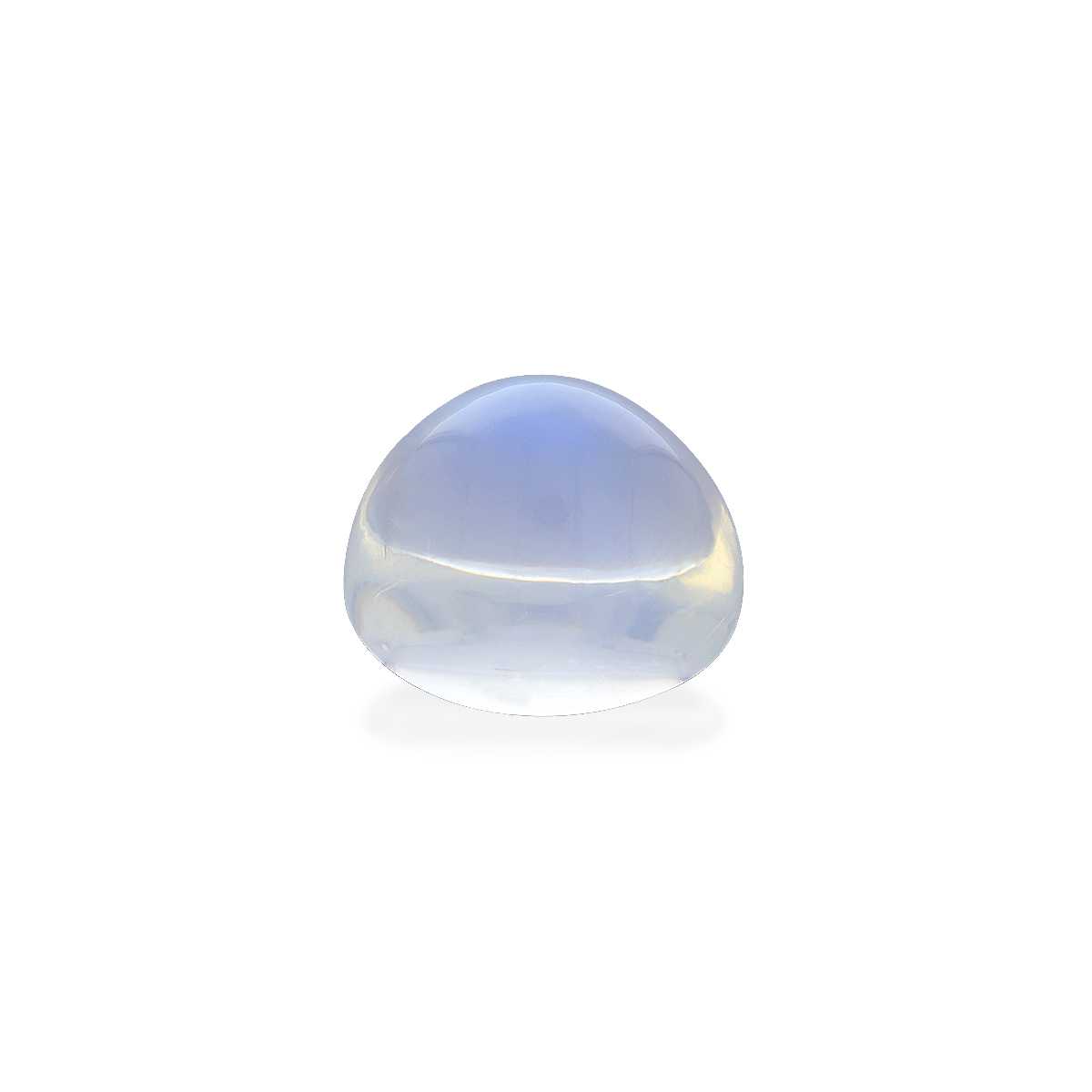
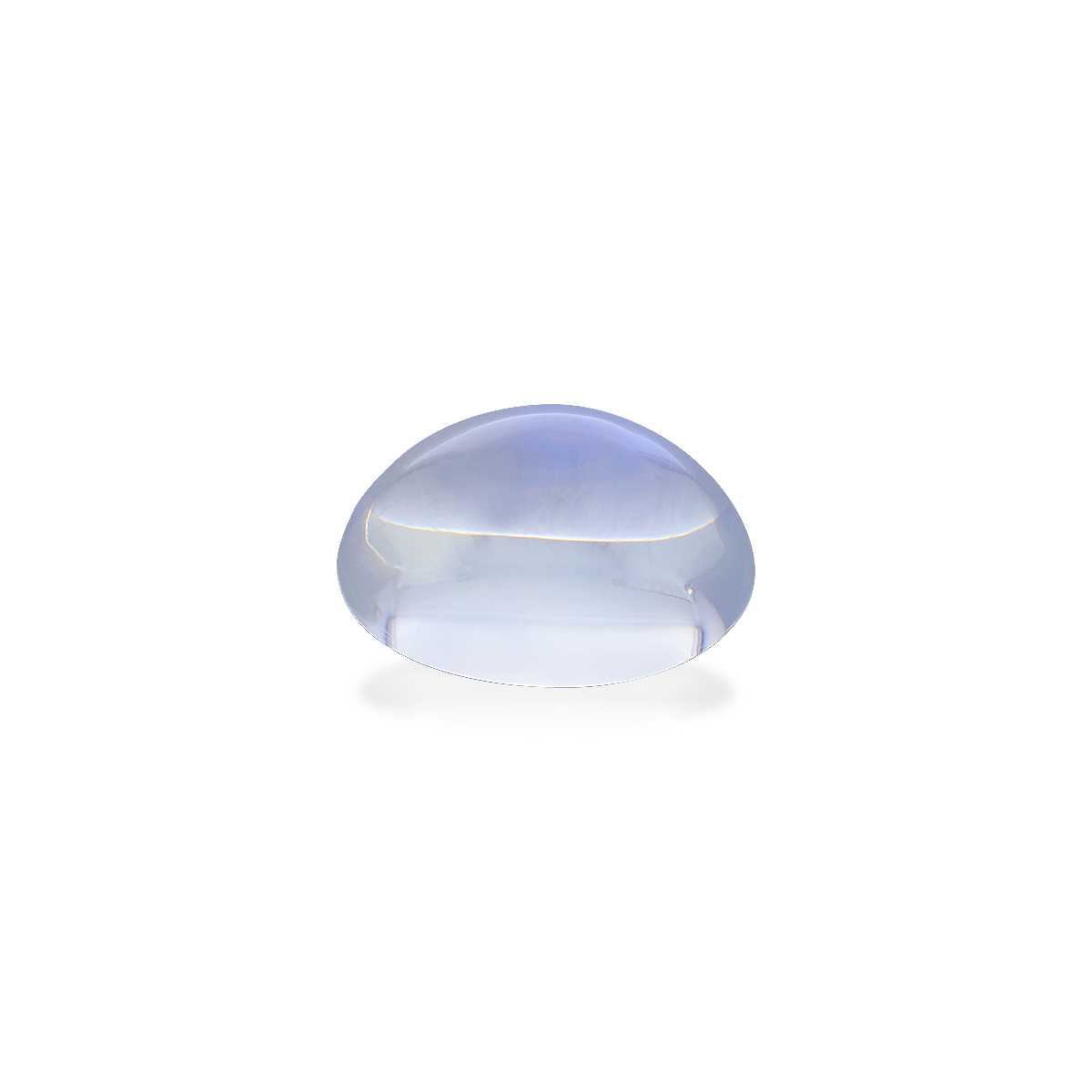
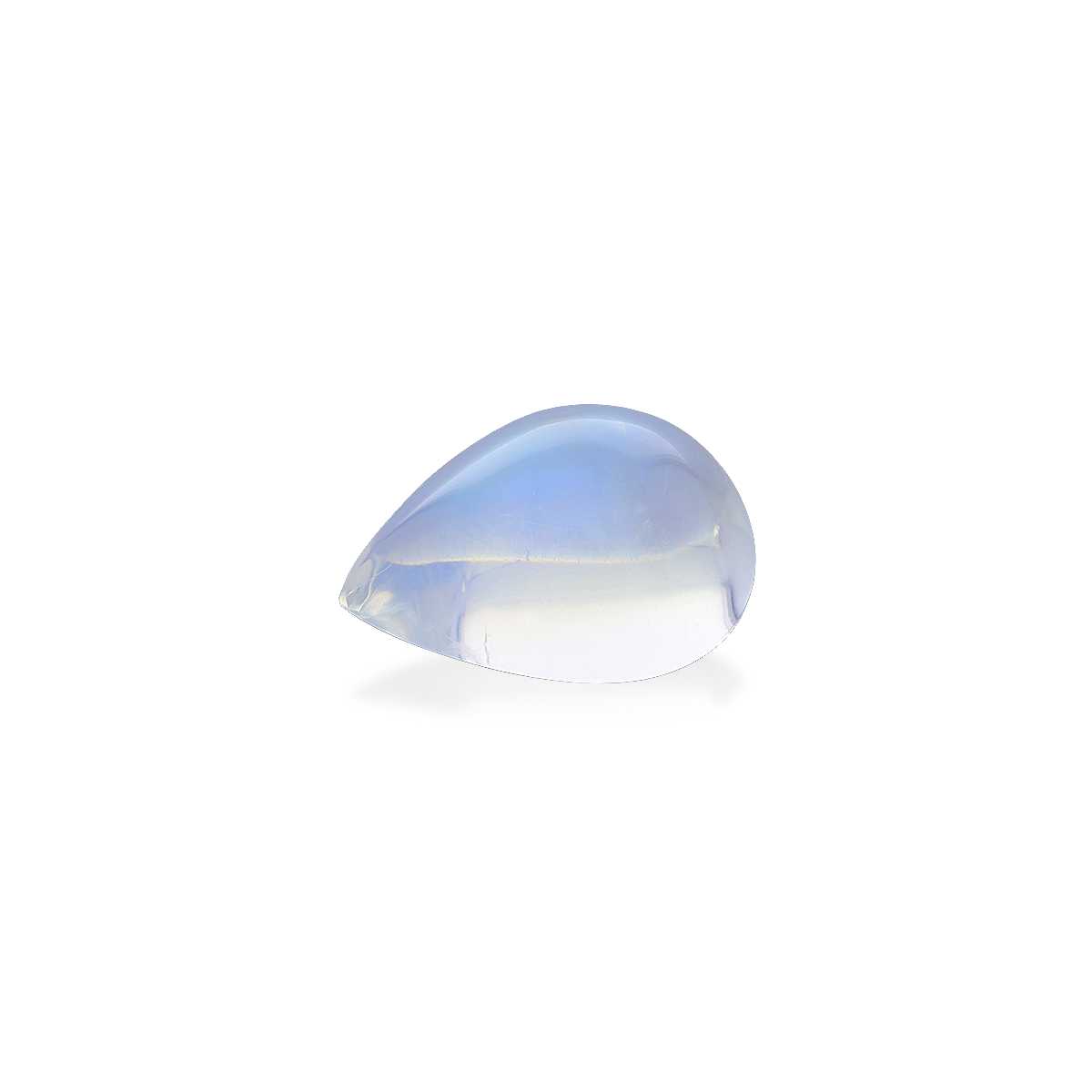
The best Indian goods are prized for a combination that is difficult to find together: a transparent to semi-transparent body with a blue sheen that is concentrated rather than diffuse. When those two qualities coincide in a stone of reasonable size, the result sits at the top of the market.
Sri Lanka's historical reputation as a moonstone source is part of the same trade story, and older literature often treats South Asian moonstone as a single tradition. For current buying decisions, however, India and Africa are the two origins that matter most.
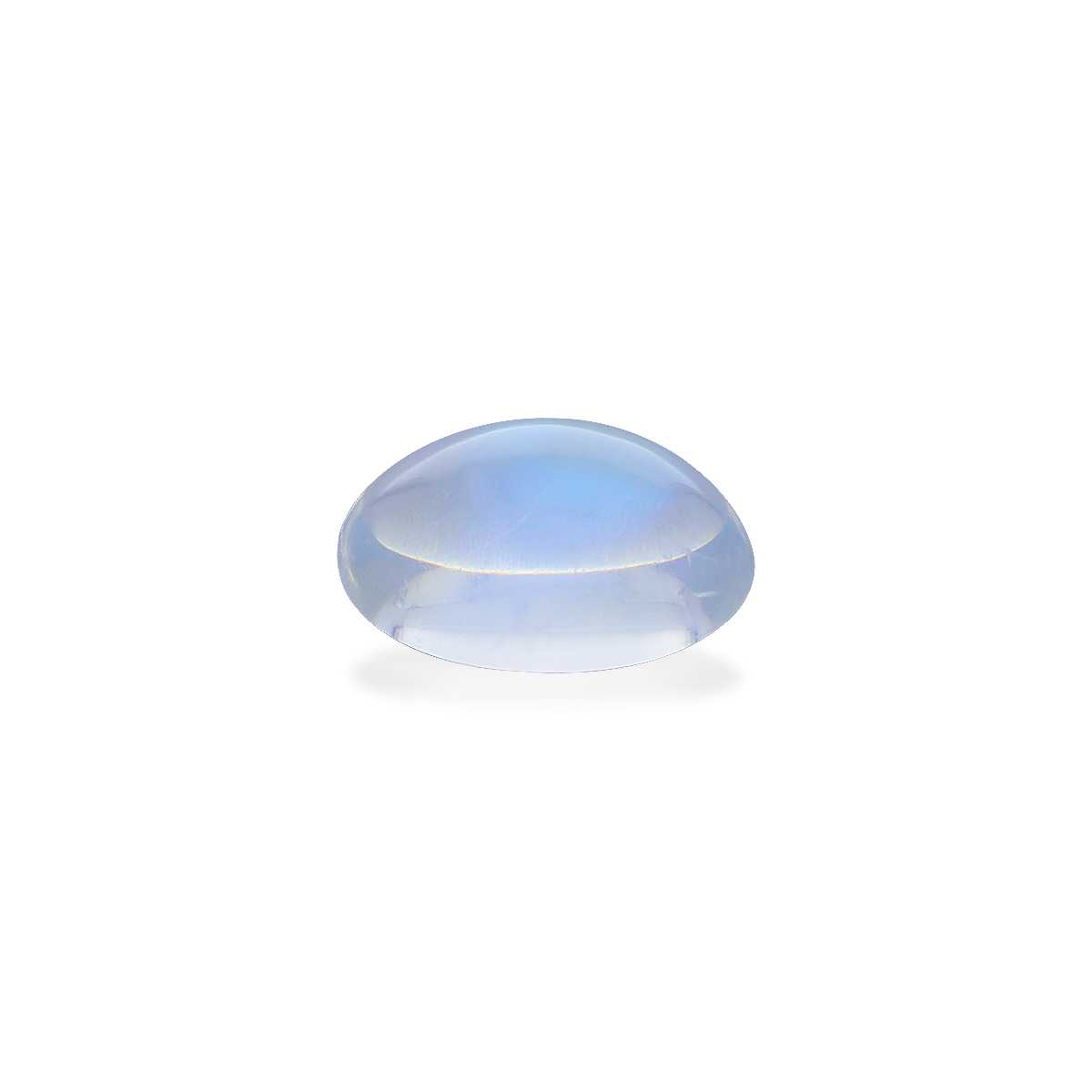
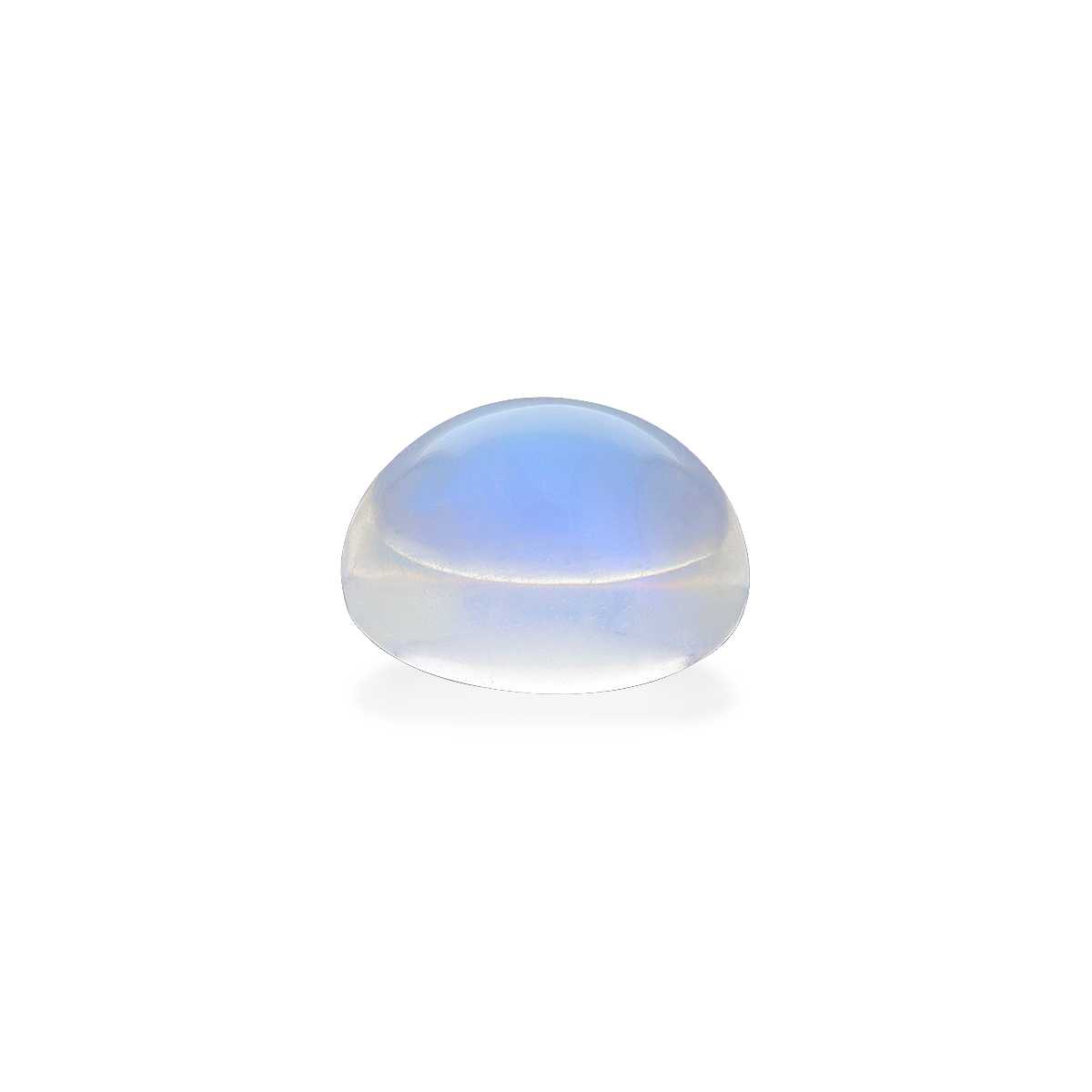
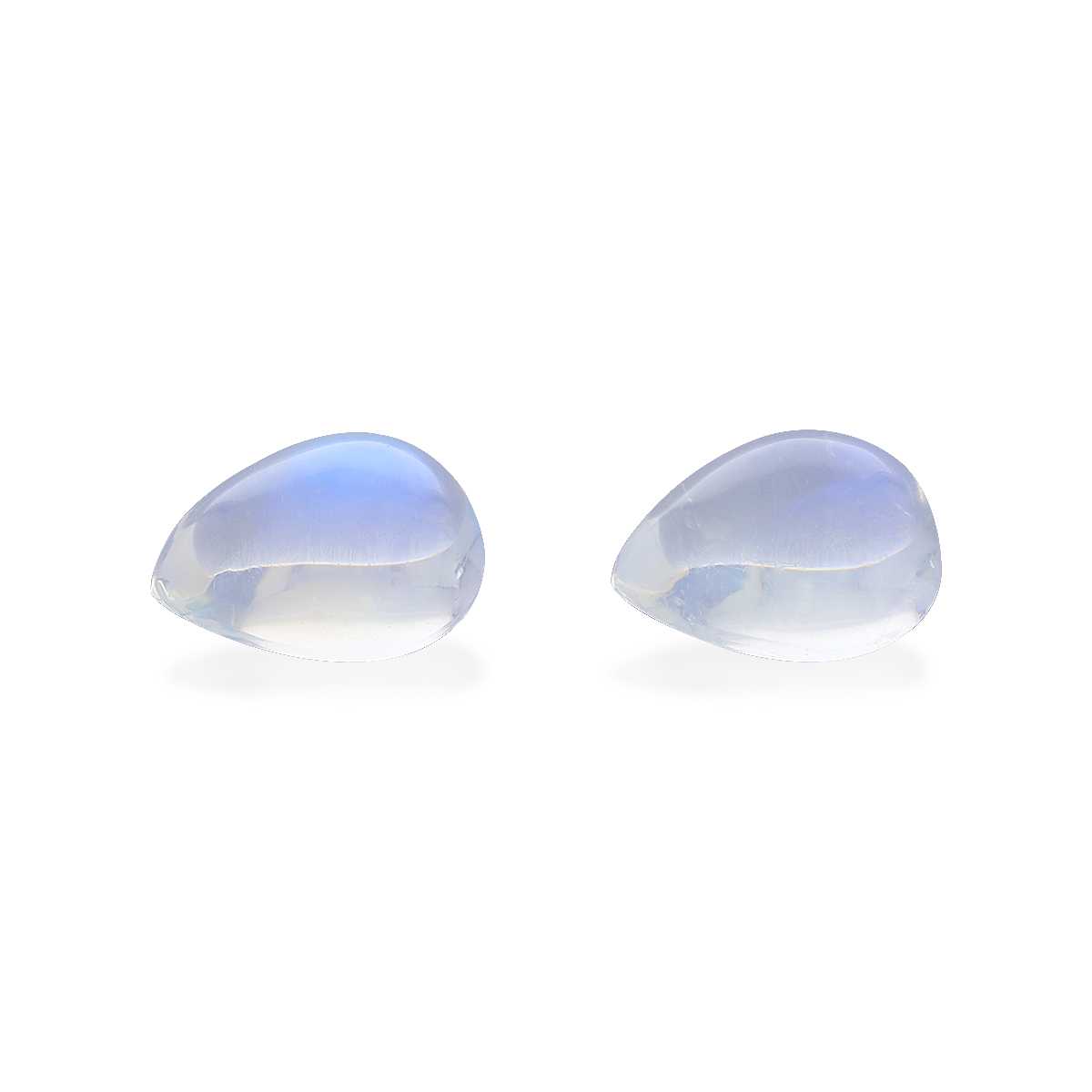
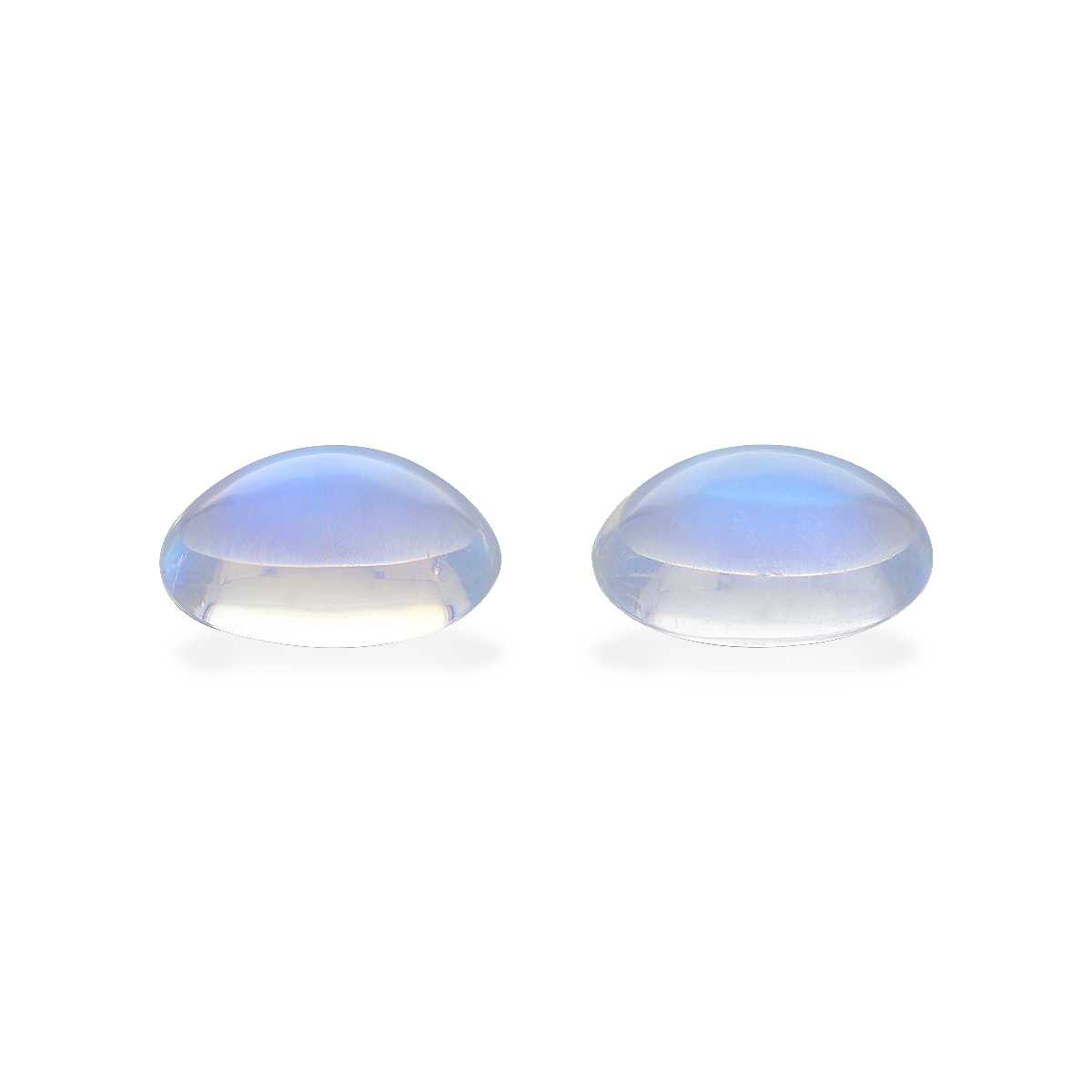
More from Blue Moonstone
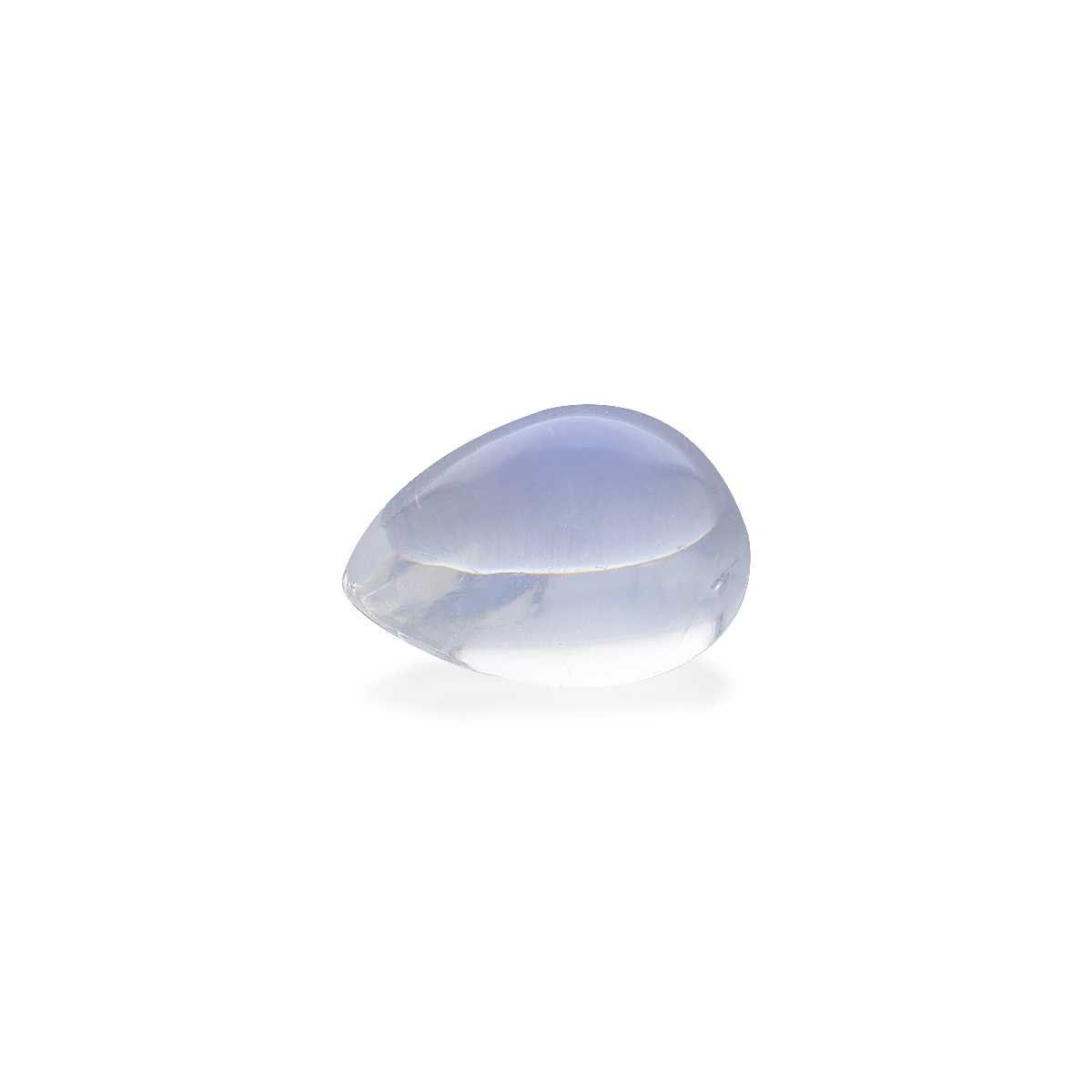
African sources and character
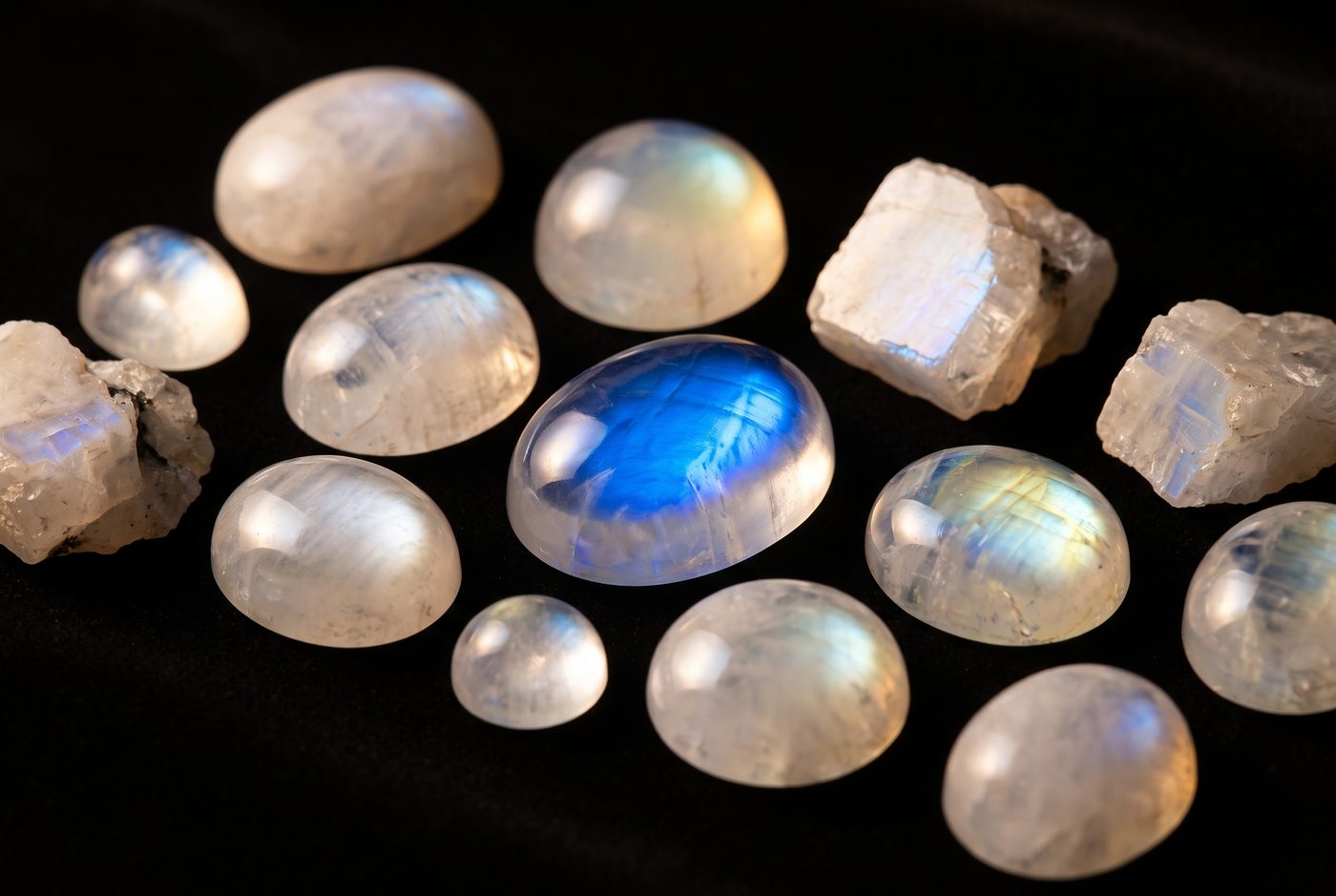
African deposits, particularly in East Africa, supply a significant volume of moonstone today and have broadened what is available in commercial sizes. The material ranges widely: some shows a crisp blue flash, some leans towards a whiter or silvery sheen, and some is markedly more included.
Because African production covers such a range, origin alone tells you little without the stone in front of you. A well-selected African blue moonstone can outperform mediocre Indian material, and buyers who treat the country of origin as a grade rather than a context will pay for the wrong thing.
What African supply has genuinely changed is availability. Larger cabochons and matched pairs are easier to source than they once were, which has made well-proportioned stones more accessible without necessarily lifting the quality ceiling.
Inclusions that signal origin
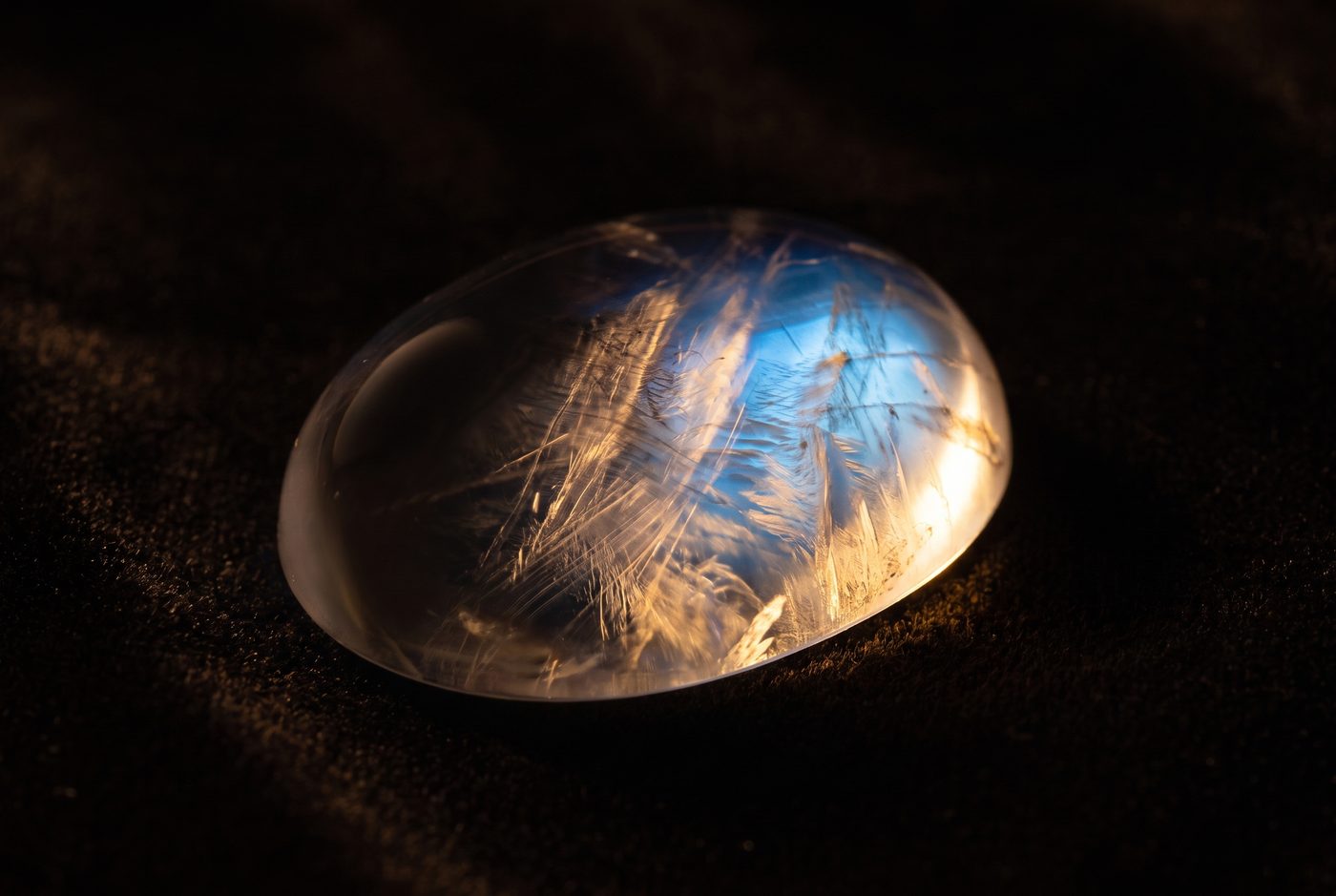
Moonstone is rarely given a laboratory origin report. Unlike sapphire or emerald, there is no established commercial system of origin determination for this feldspar, so provenance is usually established through the supply chain rather than through a certificate.
What a loupe or microscope can tell you is about quality and identity. The characteristic internal features are silk-like inclusions and feathery inclusions, and their density and orientation affect both transparency and how cleanly the sheen travels across the dome.
Standard gemmological testing confirms the species rather than the source. A refractive index in the range of 1.52 to 1.53 and a hardness of 6 to 6.5 on the Mohs scale are consistent with feldspar, and a reputable report will state the variety and any treatment status.
Origin, quality and price
Four factors drive value, and only one of them is indirectly about origin. They are size, clarity, colour intensity and the quality of the adularescence — how blue it is, how strong, and how evenly it rolls across the stone as it tilts.
Transparency is the quiet multiplier. A translucent-to-transparent body lets the blue appear to hover inside the stone; an opaque body flattens the same sheen into a surface film. Two stones of identical weight and identical origin can therefore sit at very different price levels.
Blue moonstone is commonly supplied unheated, and our material is offered as unheated. Ask for that to be stated explicitly on the invoice or report rather than assuming it, since disclosure practice varies across the trade.
Blue Moonstone price guide
Blue Moonstone price guide (per carat, USD)
Based on 18 blue moonstone in stock, updated October 19, 2026.
Pitfalls when buying by origin
Two mistakes account for most disappointment. The first is overpaying for opaque stones — milky cabochons photograph acceptably under directed light but lose their depth entirely in ordinary room lighting.
The second is misidentification with other feldspar varieties. Labradorite, rainbow moonstone and other feldspars all produce optical sheen effects, and trade names are used loosely enough that a written identification from a recognised laboratory is the only reliable safeguard.
A practical checklist before committing:
- View the stone under diffuse daylight, not a spotlight, and tilt it slowly.
- Confirm the sheen is blue and mobile, not a static pale glow.
- Check transparency by looking through the stone, not at it.
- Ask how the origin was established — supplier records, not an origin report.
- Request written confirmation of species, variety and treatment status.
Provenance gives blue moonstone its history and much of its romance, and the blue moonstone meaning and symbolism attached to it have survived centuries of trade for good reason. But the stone in your hand should still be judged on sheen, transparency and size — origin explains the character, while quality sets the price.
Frequently asked questions
Is blue moonstone the same as regular moonstone?+
No. Blue moonstone is a feldspar selected specifically for a strong blue adularescence, usually over a near-colourless, transparent to semi-transparent body. Ordinary moonstone may show a white, silvery or weak sheen, and it trades at a different level.
Which origin produces the best blue moonstone?+
India is the source most closely associated with fine blue material, but African deposits also yield excellent stones alongside more commercial goods. Origin provides context; sheen quality, transparency and size determine the actual grade.
Can a laboratory confirm where my blue moonstone was mined?+
In practice, no. There is no established commercial origin-determination service for moonstone the way there is for sapphire or emerald, so provenance is documented through the supply chain. A laboratory report will confirm species, variety and treatment status instead.
Is blue moonstone treated?+
Blue moonstone is commonly offered unheated, and the material we supply is unheated. Always ask for the treatment status to be stated in writing rather than assuming it, since disclosure standards vary between sellers.
What makes one blue moonstone worth more than another?+
Size, clarity, colour intensity and the quality of the adularescence are the four drivers. A transparent body that lets the blue appear to float inside the stone commands a clear premium over an opaque one of the same weight.
Is blue moonstone durable enough for a ring?+
It sits at 6 to 6.5 on the Mohs scale, which is softer than quartz and vulnerable to scratching and knocks. A protective bezel or half-bezel setting and occasional wear are sensible; daily-wear rings are better served by harder species.
From our Journal
Buying guides, origin stories, and notes from the trade.