Understanding The Value and Pricing of Rubies
The value and pricing of rubies depend on several critical factors, including color, clarity, cut, and carat weight. Each of these attributes contributes to a ruby's overall appeal and market desirability. Additionally, understanding market demand and trends can provide insights into pricing fluctuations.
Color: The Heart of Ruby Value
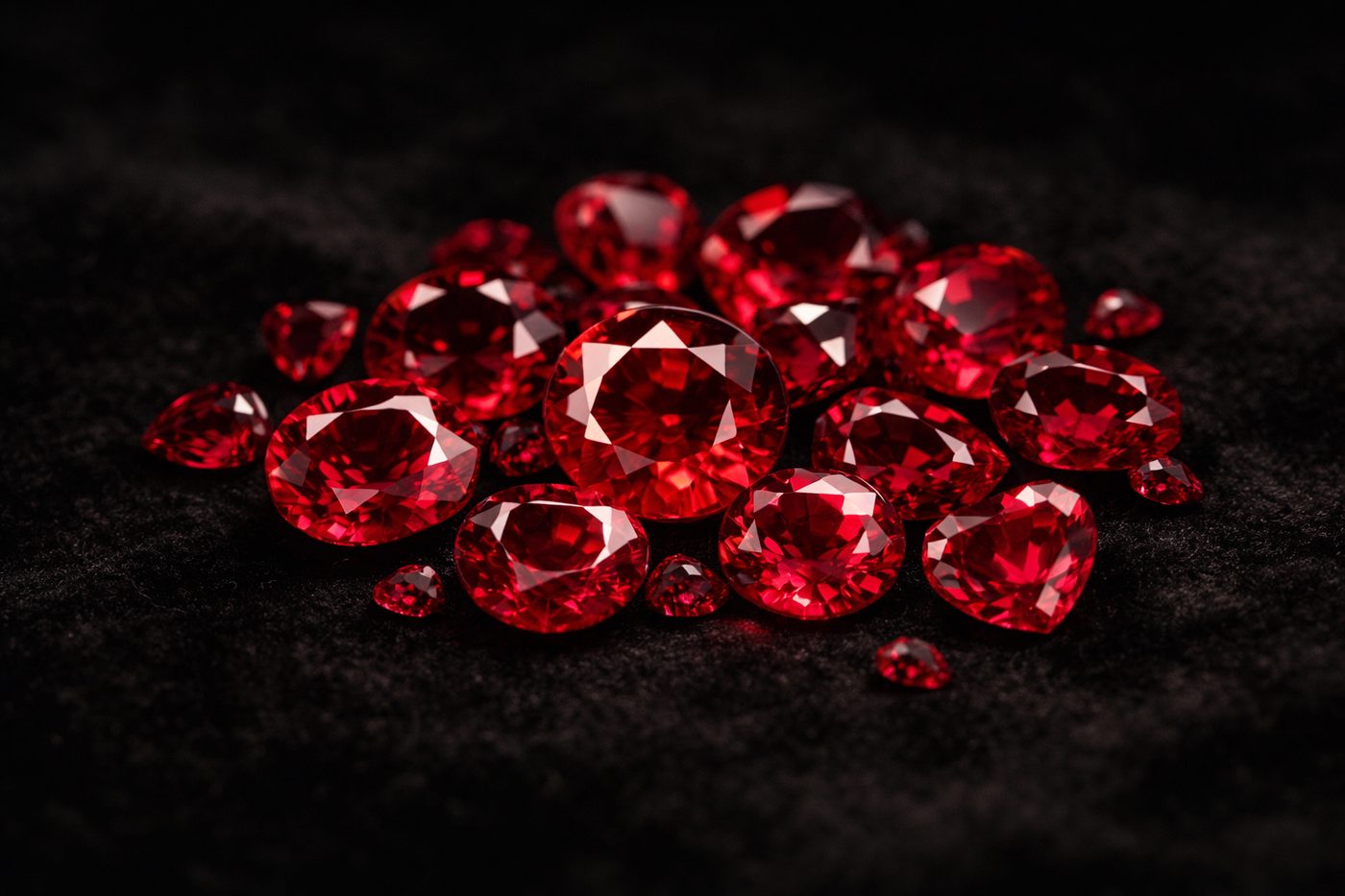
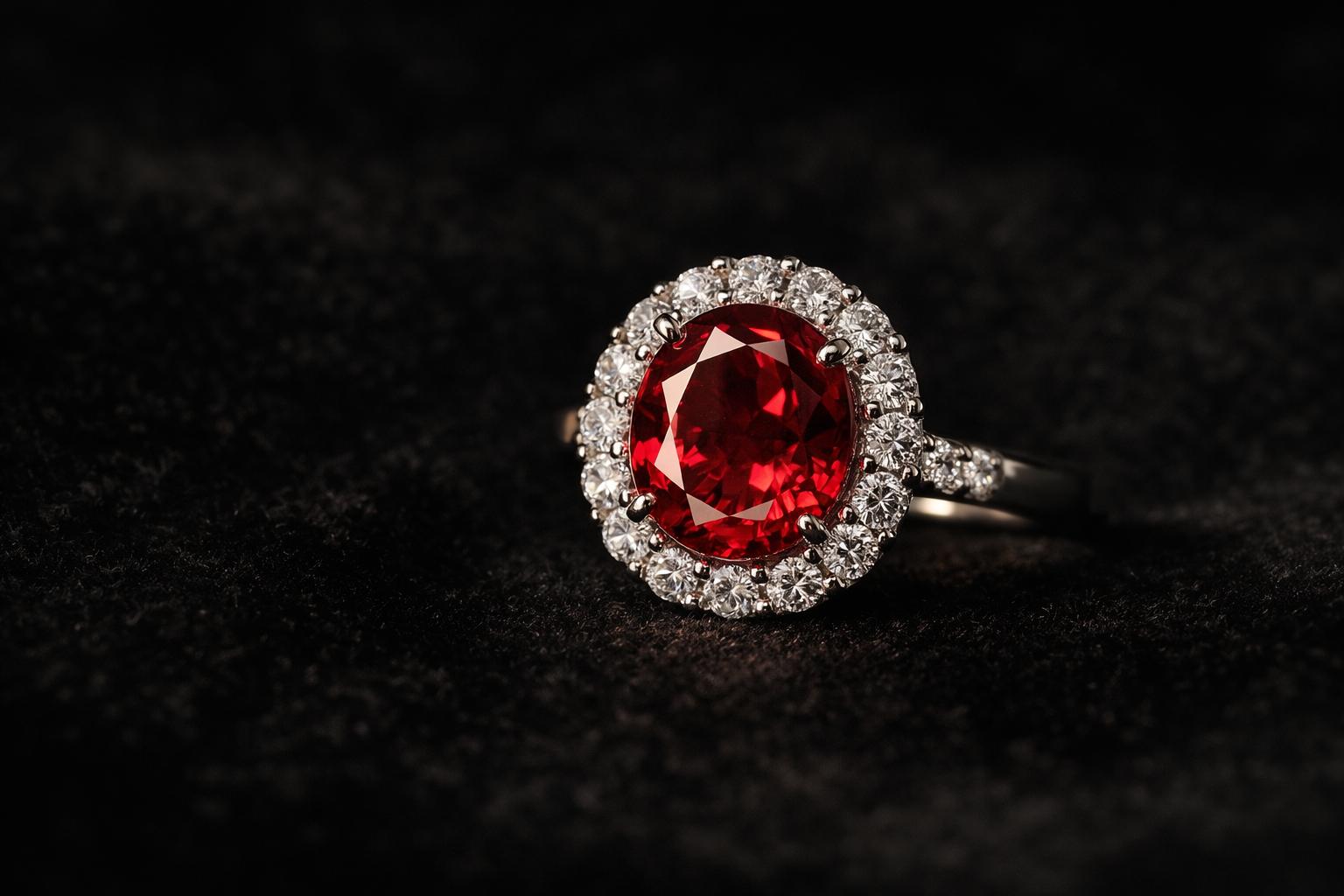
Color is the primary determinant of a ruby's value. The most sought-after rubies exhibit a vivid red hue, often described as 'pigeon blood' red, which commands a premium in the market. Rubies with secondary hues, such as pink or purple, may be less valuable, while those that appear dark or too light can also diminish value.
Clarity: Assessing Inclusions
Clarity refers to the presence of inclusions or blemishes within the gemstone. Rubies are typically evaluated using a 10x magnification. Those with minimal inclusions are rare and therefore more valuable. However, many rubies have some inclusions that are not visible to the naked eye, and these can still be considered high-quality stones.
Cut: Enhancing Beauty and Value
The cut of a ruby affects how light interacts with the stone. A well-cut ruby will exhibit brilliance and enhance its color. Poorly cut rubies can appear dull, significantly impacting their market value. Common shapes include oval, round, and cushion cuts, each offering different aesthetic qualities.
Carat Weight: Size Matters
Carat weight plays a significant role in the value of rubies. Larger stones are generally more valuable due to their rarity. However, the increase in price is not linear; a two-carat ruby may not simply be twice the value of a one-carat ruby. Market demand for larger stones can create substantial price jumps.
Market Trends and Rarity
Market conditions greatly influence ruby pricing. Factors such as supply, demand, and even geopolitical conditions can cause fluctuations in the market. Rubies from certain origins, like Myanmar (Burma), are particularly prized, impacting their pricing due to scarcity. Understanding these trends can help buyers make informed decisions.
Certification: Ensuring Authenticity
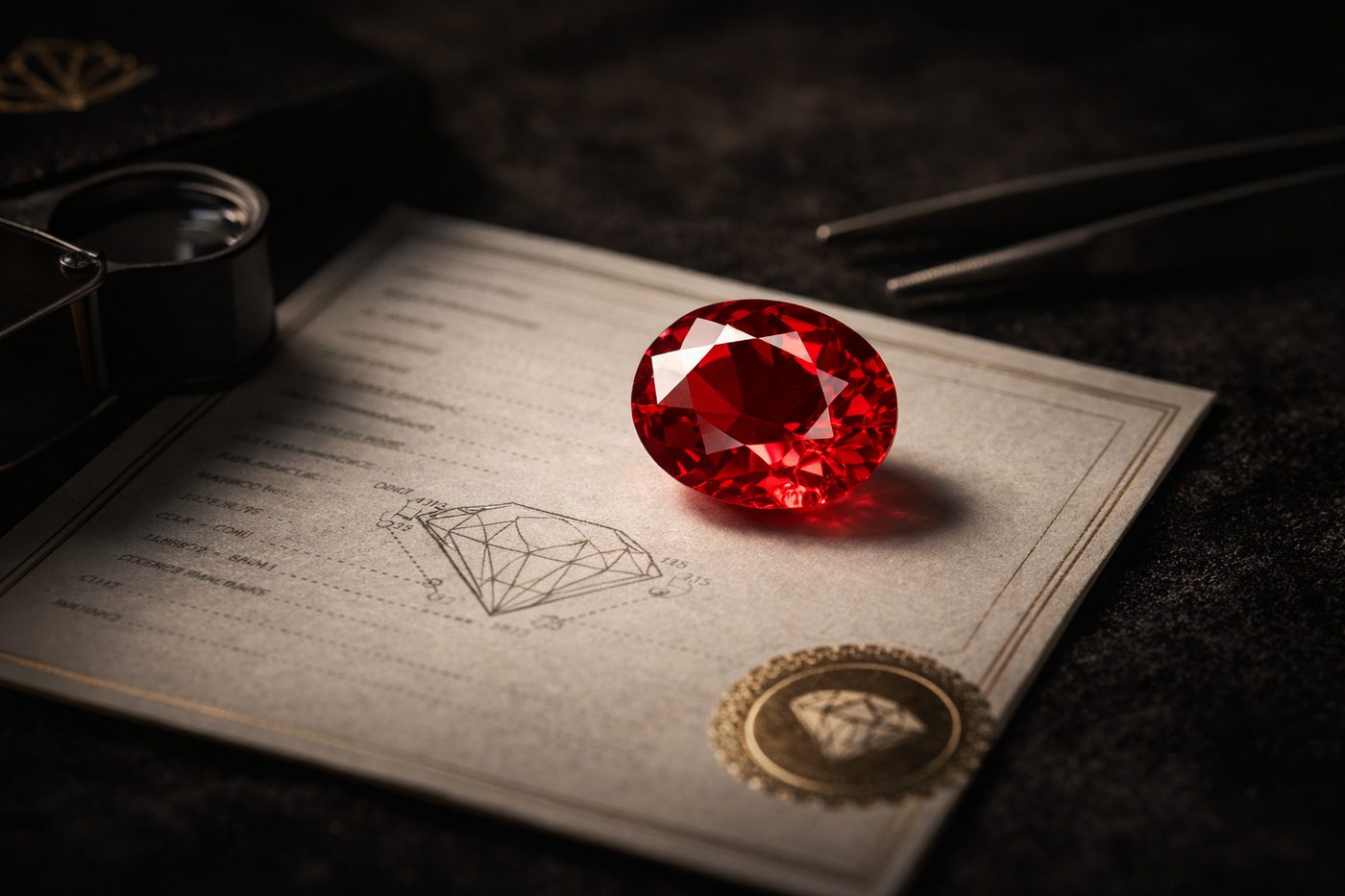
Certification from a reputable gemological laboratory can enhance a ruby's value. Certifications verify the gemstone's quality and authenticity, providing buyers with assurance. Look for reports from established organizations like the GIA or AGS, which evaluate rubies based on the established criteria of color, clarity, cut, and carat weight.
As you explore the value and pricing of rubies, consider these key factors. They will guide you in making informed decisions that align with your preferences and investment goals.
Frequently asked questions
What factors determine the value of rubies?+
The value of rubies is primarily determined by color, clarity, cut, and carat weight. Each of these factors contributes to the stone's overall desirability and market value.
How does color affect ruby pricing?+
Color is the most important factor in ruby pricing. Vivid red stones, often referred to as 'pigeon blood,' command higher prices, while rubies with secondary hues or poor color saturation may be valued lower.
What is the significance of ruby certification?+
Certification from a reputable gemological laboratory verifies a ruby's quality and authenticity. A certified ruby typically has a higher market value due to the assurance it provides to buyers.
Are larger rubies always more valuable?+
While larger rubies are generally more valuable due to their rarity, the price increase is not linear. The market demand and quality also significantly influence the value of larger stones.
How can I ensure I am buying a quality ruby?+
To ensure you are buying a quality ruby, examine factors such as color, clarity, cut, and carat weight. Additionally, seek certification from established gemological organizations to verify authenticity.
From our Journal
Buying guides, origin stories, and notes from the trade.