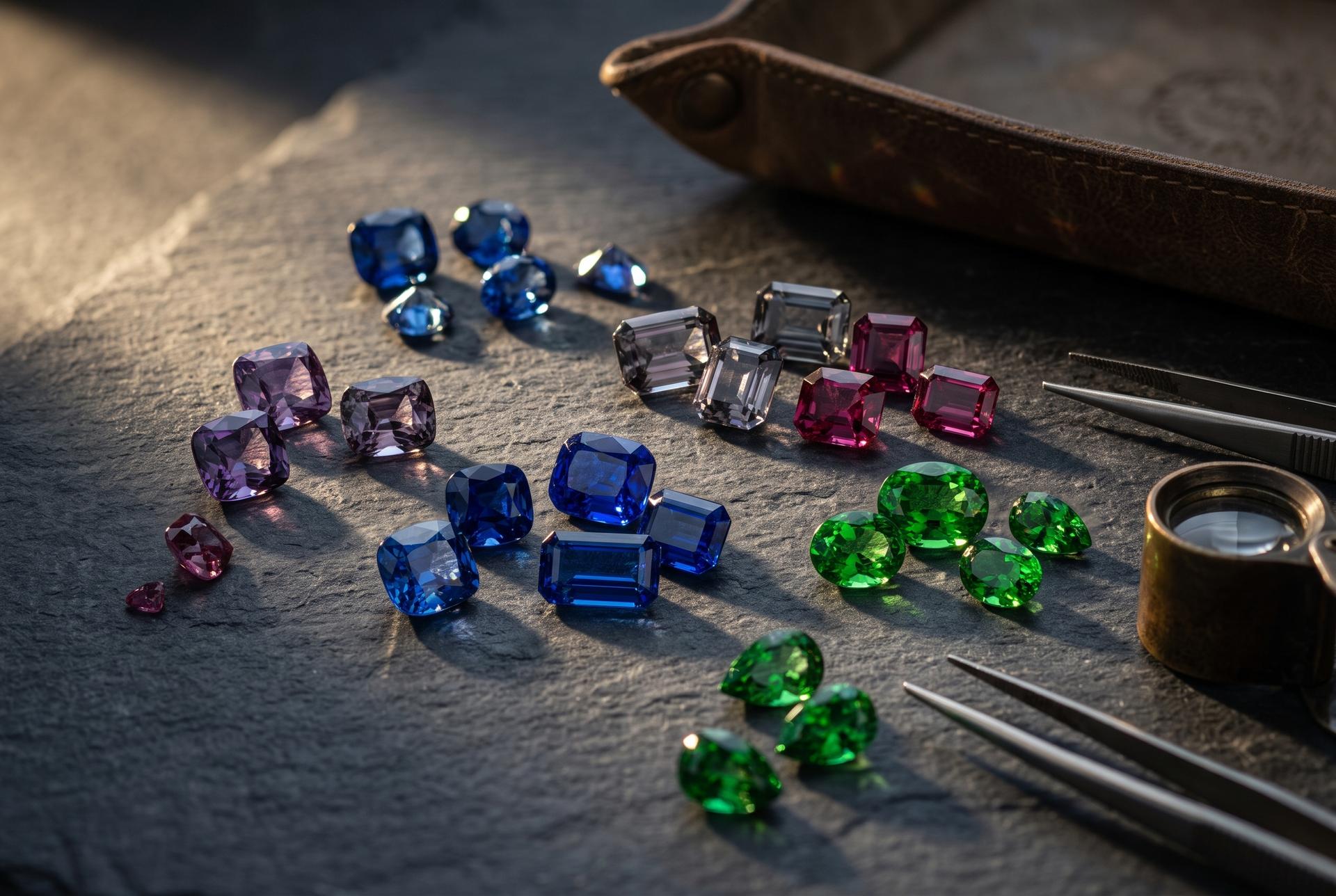
Colored Gemstones in High Jewelry 2026
For colored gemstones high jewelry 2026, price is set by four things in roughly this order: colour quality, treatment status, cut precision, and size. Everything else — species fashion, house name, origin romance — moves the figure at the margins. Judge the stone first in daylight, then under a jeweller's lamp, then read the laboratory report, and only then discuss money.
The practical rule is simple. An unheated stone with ordinary colour is worth less than a heated stone with superb colour, but an unheated stone with superb colour sits in a separate market altogether.
What's driving the shift
Two forces have pushed coloured stones back to the centre of high jewelry. Laboratory-grown diamonds have made colourless material easy to obtain, and buyers looking for something genuinely finite have moved toward stones that cannot be grown to order at scale in fine qualities.
At the same time, the top of the coloured stone market has become a collector's market. Auction houses now build sales around single sapphires, rubies and spinels with named provenance, and private buyers follow that lead.
The effect on the ground is uneven. Commercial-grade material remains plentiful; fine, untreated, well-proportioned stones in larger sizes have become harder to source and slower to replace.
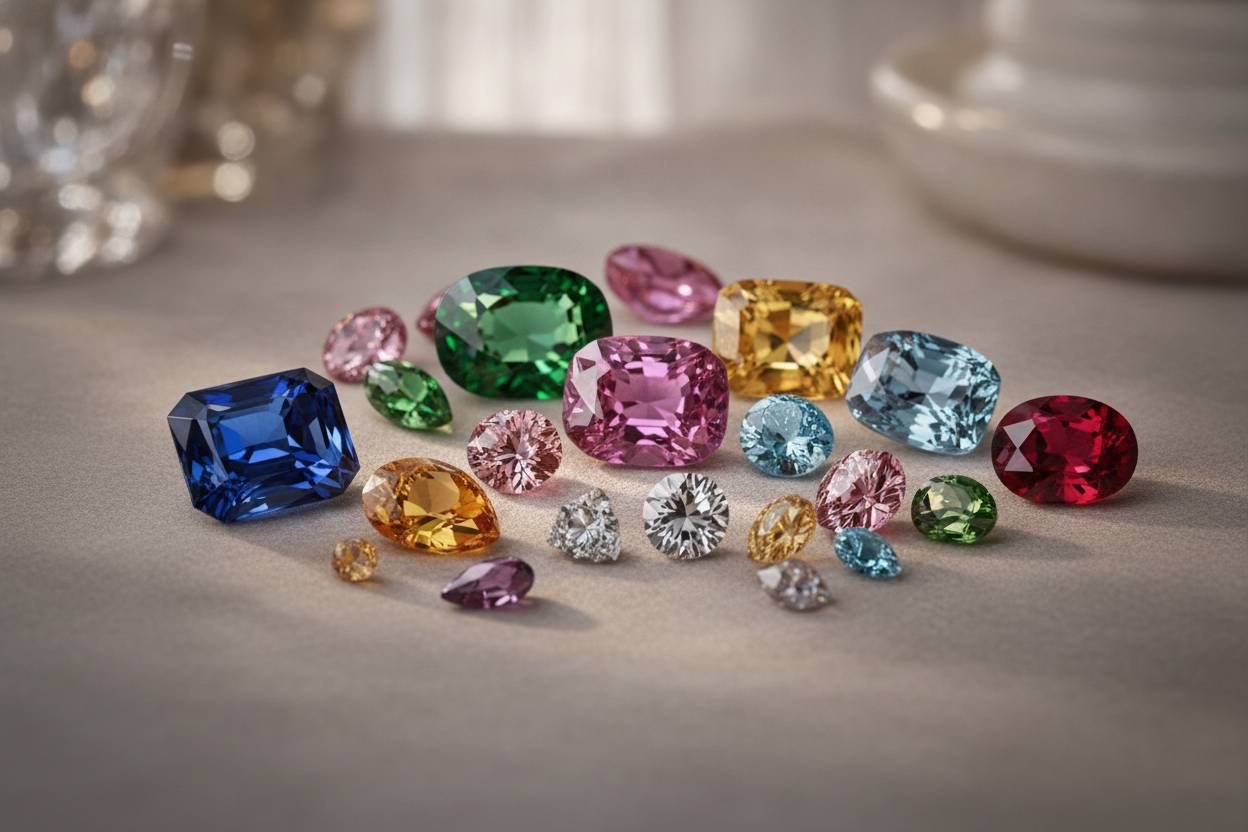
Colored gemstones in 2026 high jewelry
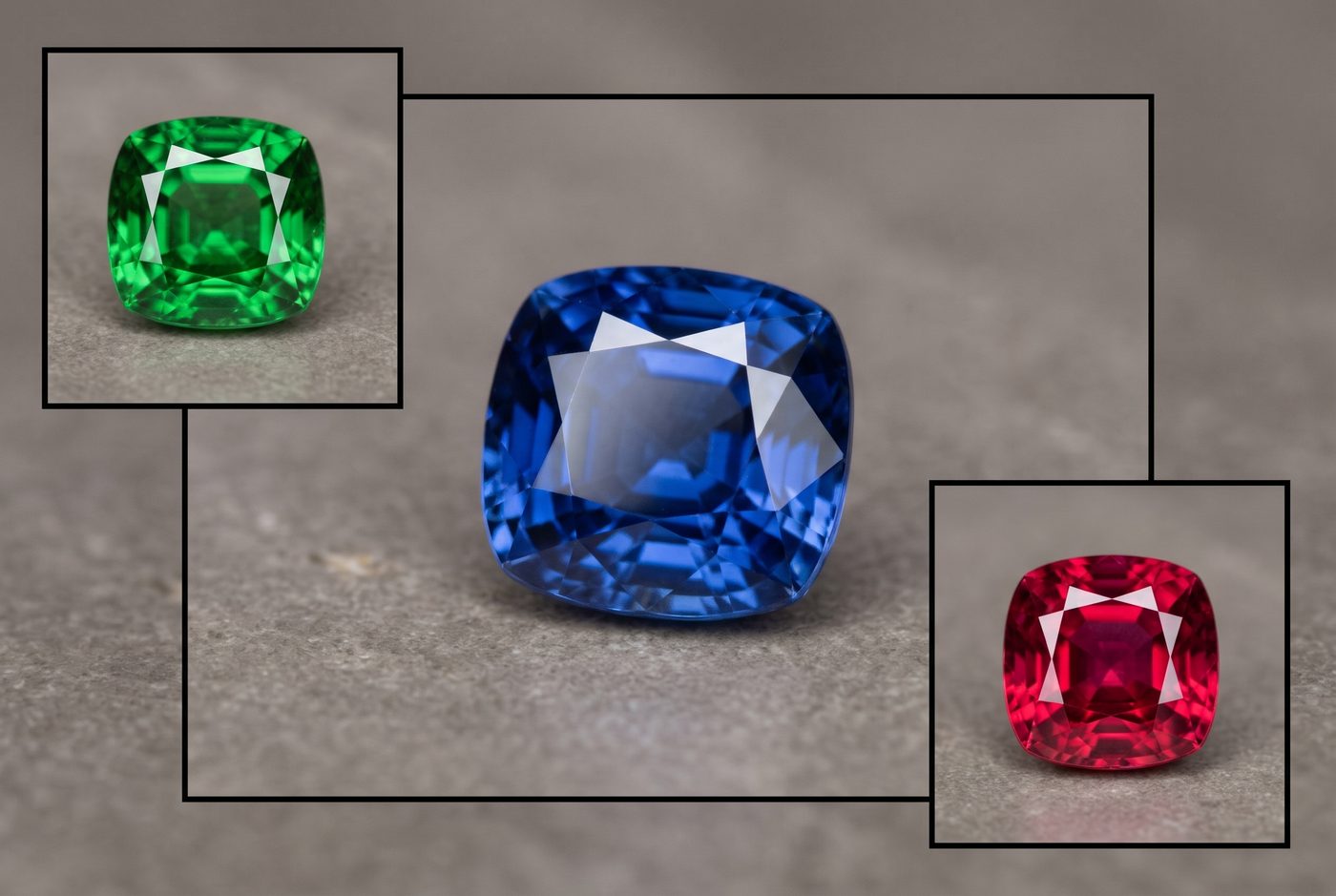
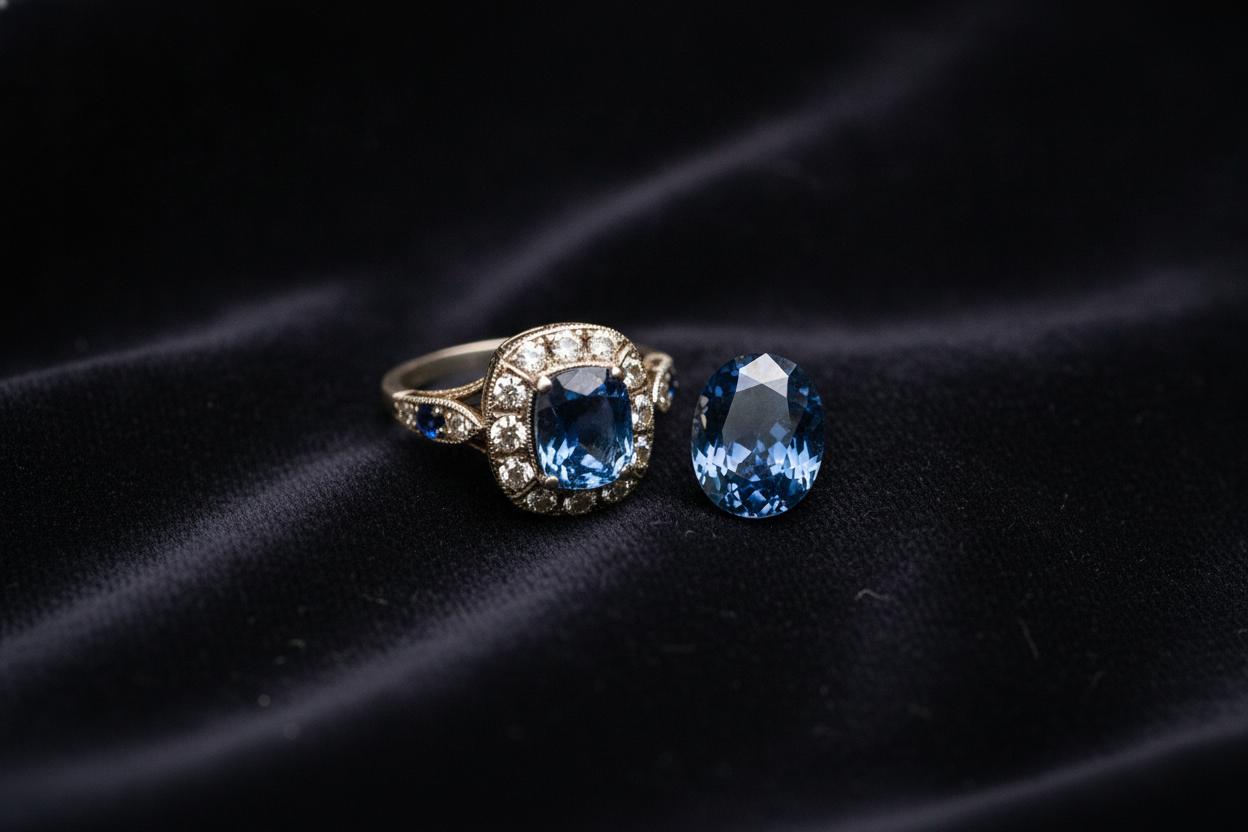
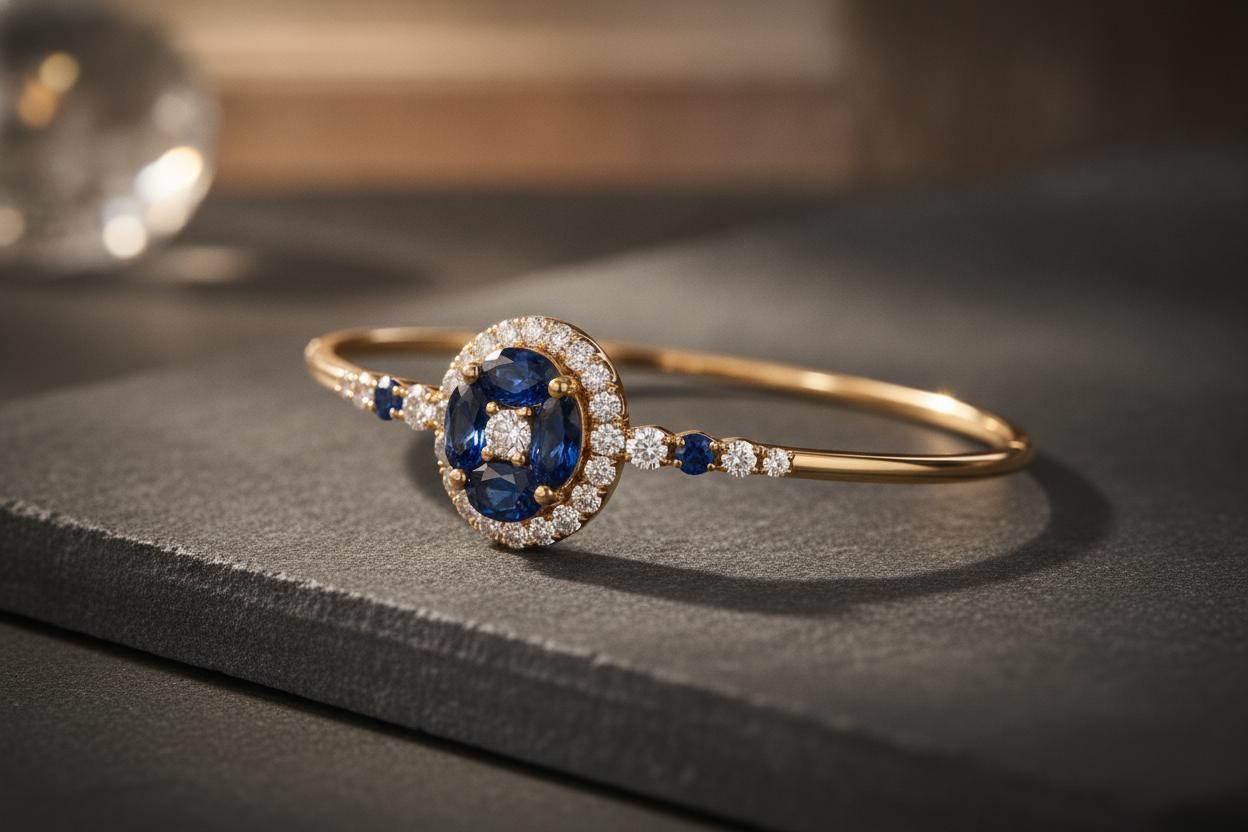
Sapphire remains the backbone of serious collections. Ceylon blues, padparadscha and the pastel pinks and violets hold their position because corundum is durable — Mohs 9, refractive index around 1.76 to 1.78 — and because Sri Lankan material is available across a wide colour range.
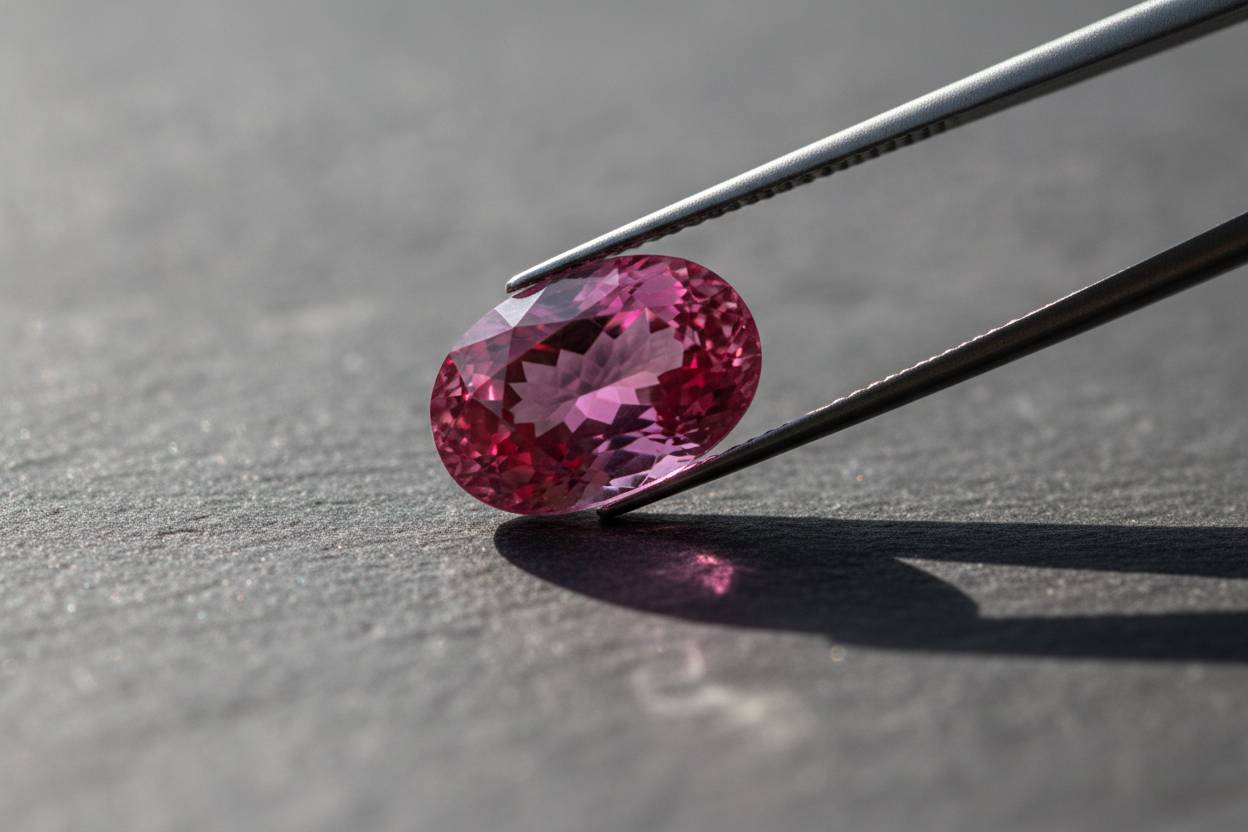
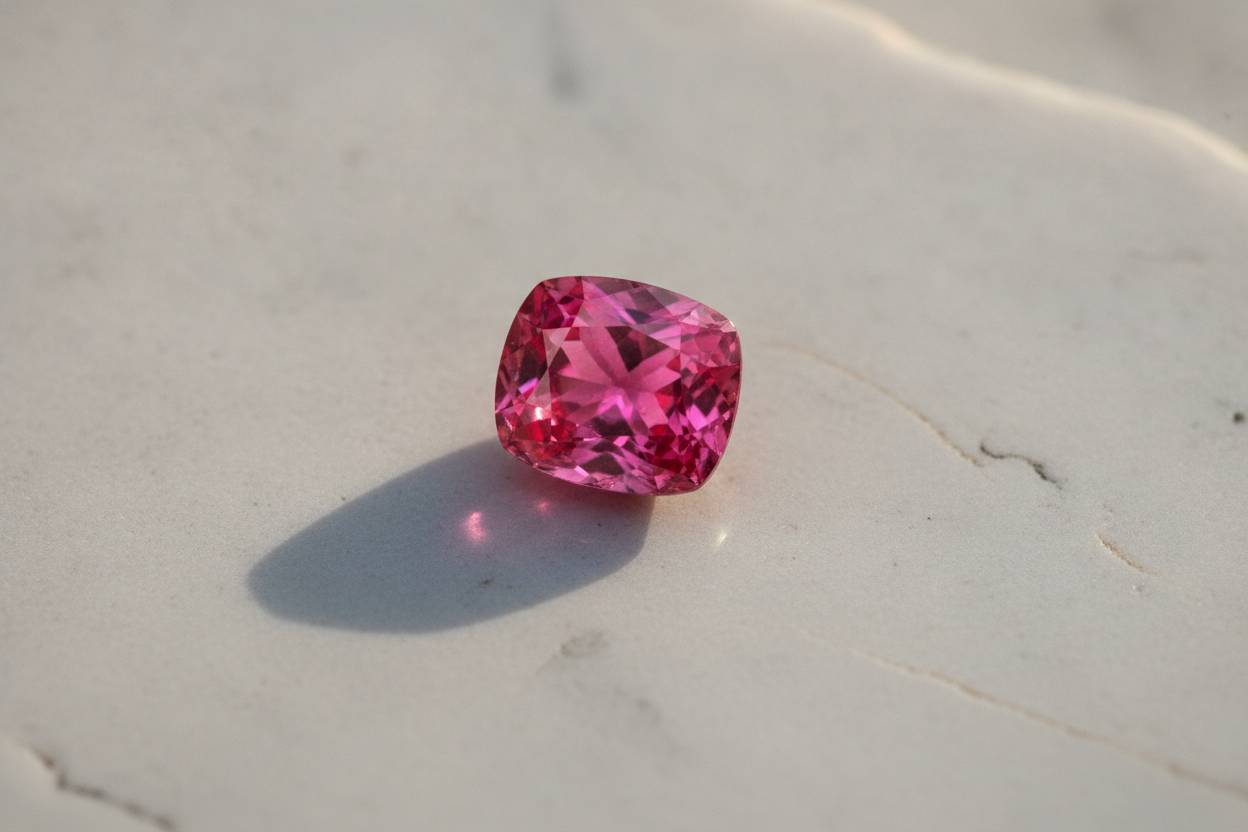
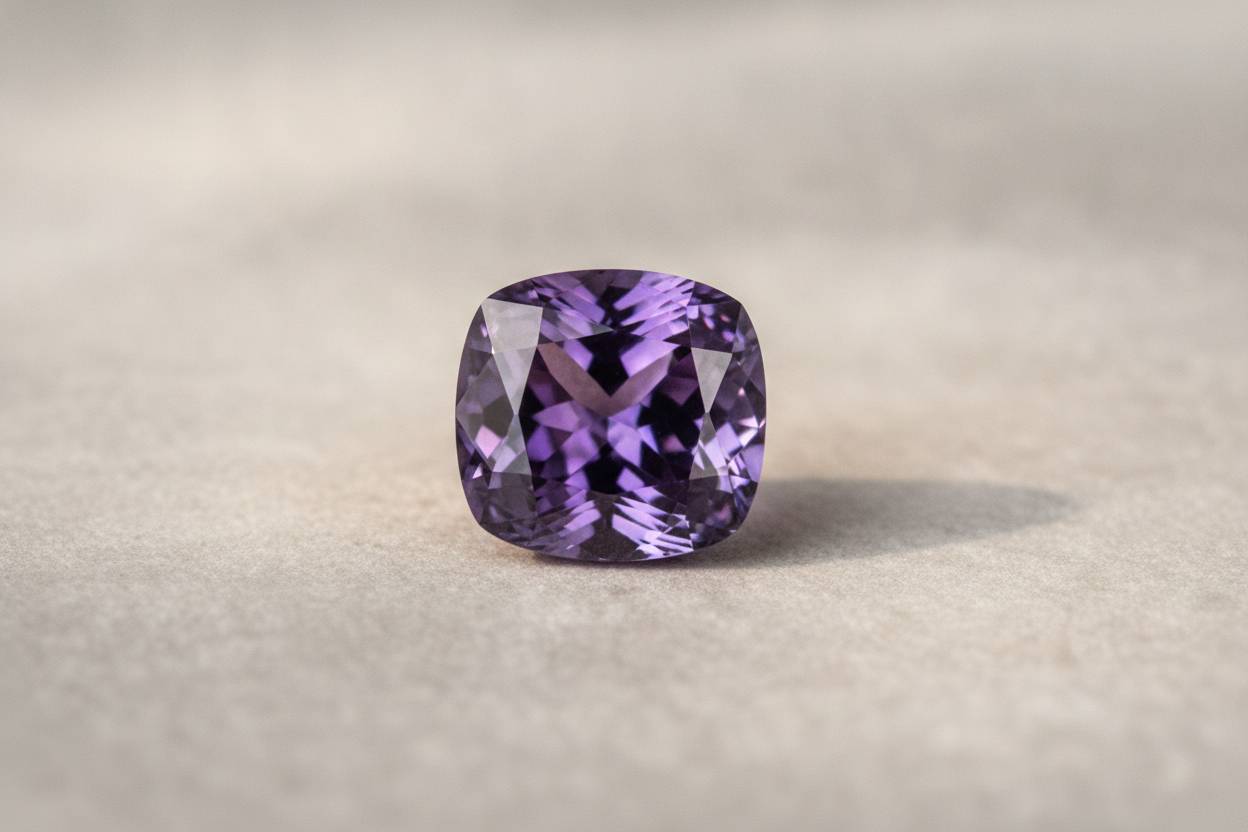
Spinel has moved from specialist interest to mainstream demand. It is singly refractive with an RI near 1.718, Mohs 8, and almost always untreated, which appeals to buyers tired of parsing enhancement language.
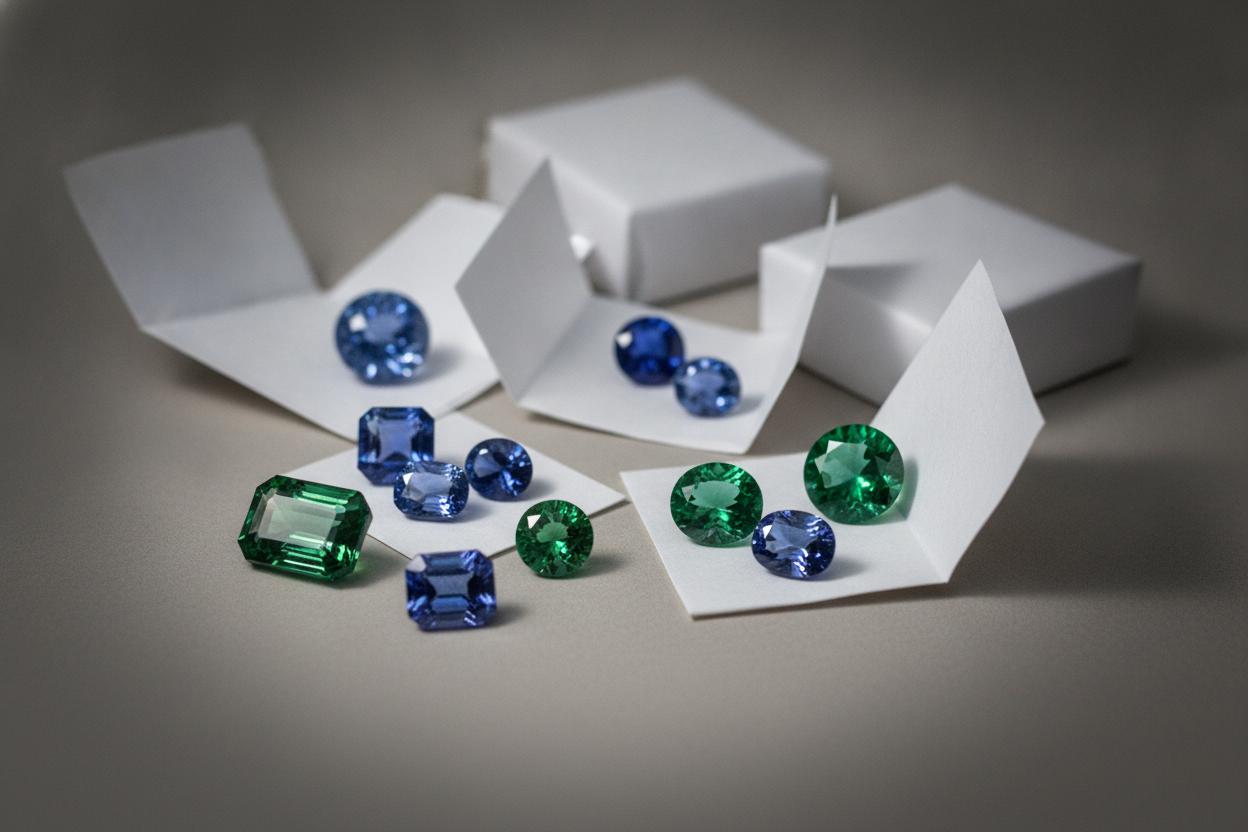
Green has its own momentum. Tsavorite garnet and demantoid compete with emerald on brightness, and copper-bearing Paraíba-type tourmaline continues to command a premium well beyond other tourmalines. Note the trade-off: tourmaline sits at Mohs 7 to 7.5, and emerald, though harder, has cleavage and usually carries fissures.
Species fashion is not value
A species can be in demand and still be a poor purchase in a given stone. Buy the individual gem, not the category headline.
What you are paying for
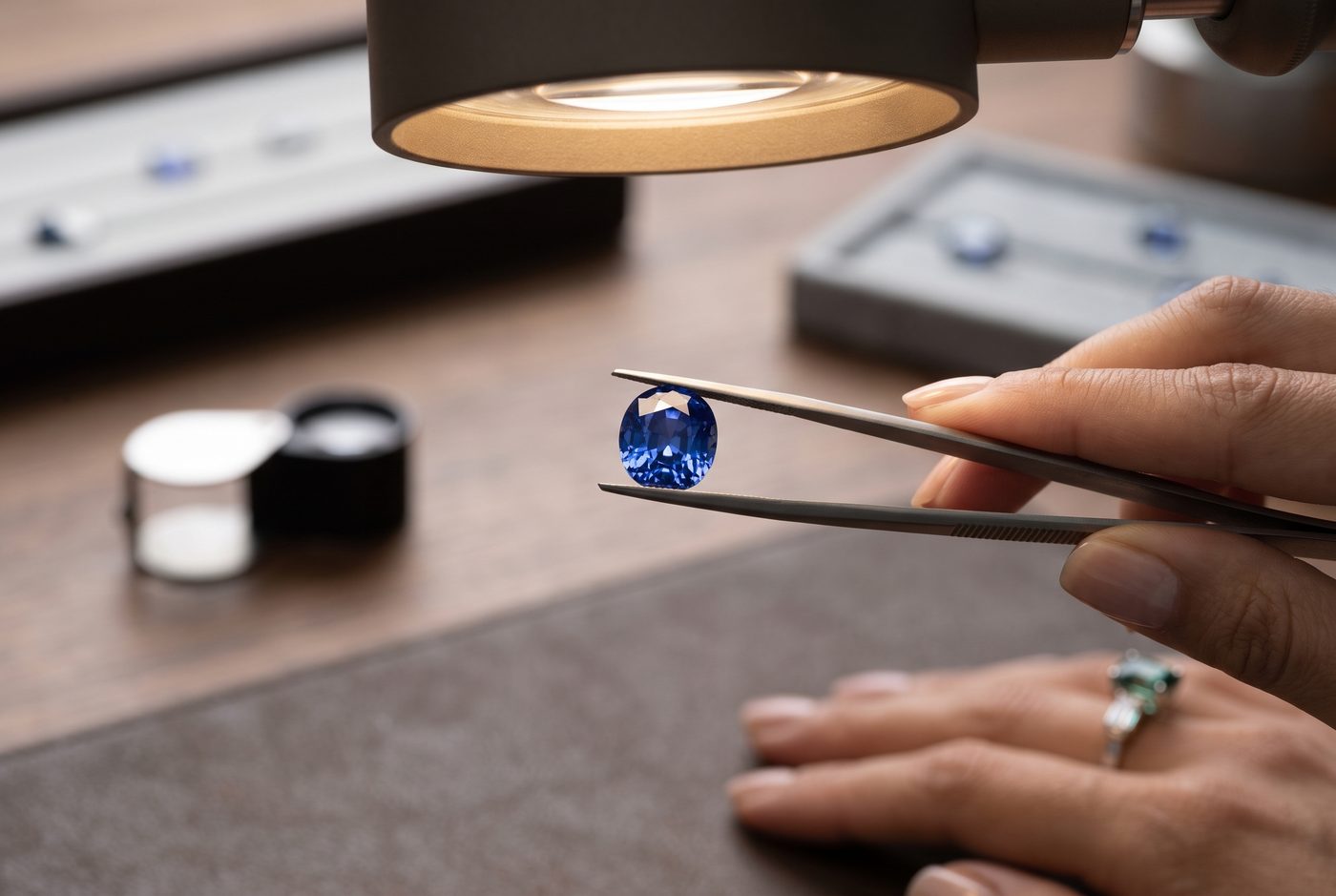
Colour is the first and largest factor, and it is three variables, not one: hue, saturation and tone. The stones that hold value have strong saturation without the tone going so dark that the gem closes up in low light.
Watch extinction — the proportion of the stone that reads as dark or dead as you rock it. Heavy extinction is a cutting and orientation issue, and it reduces price even when the body colour is excellent.
Cut matters more than most buyers expect. A window through the table, an over-deep belly added to retain weight, or an off-centre culet will all cost real money at resale, however good the rough once was.
Clarity expectations differ by species. Clean sapphire and spinel are reasonably attainable; emerald and Paraíba-type tourmaline are routinely included, and demanding eye-clean material in those stones narrows the field sharply and raises the price.
Size behaves in steps, not a smooth curve. Prices tend to jump at round carat thresholds because fine rough large enough to yield them is scarce, which is why two stones of similar quality can differ enormously for a small weight difference.
More from Sapphire



Treatments and disclosure
Heat treatment of corundum is long-standing, stable and accepted when disclosed. Unheated material carries a premium because it is rarer, not because heated stones are flawed.
Other treatments deserve more caution. Beryllium diffusion alters colour to a shallow depth or throughout, lead-glass filling in ruby creates a composite that will not survive routine jeweller's work, and oiling or resin in emerald is normal but must be graded by degree.
Ask for treatment status in writing on the invoice, in the laboratory's own wording. Verbal assurance from any seller, including an established one, is not a document you can present to an insurer or a future buyer.
Reading a lab report
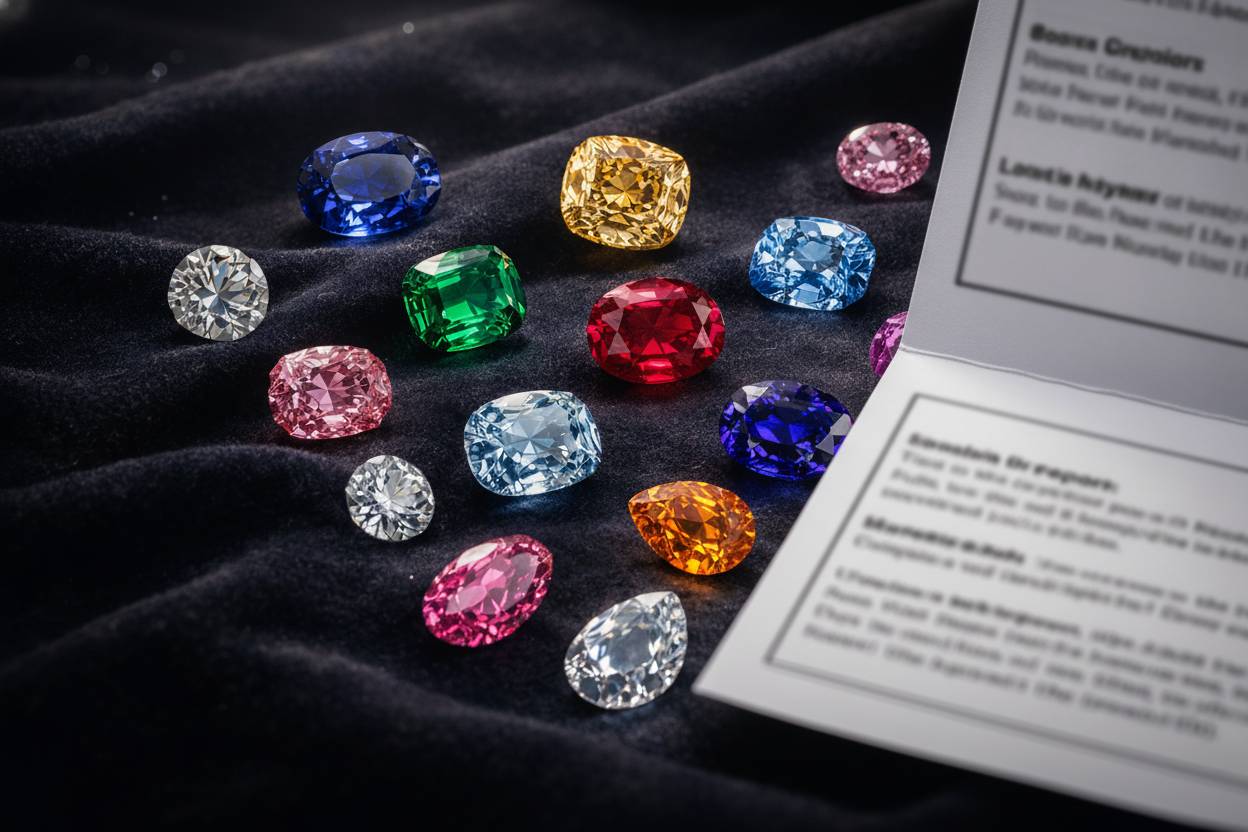
A report states identity, weight, measurements, and detected treatment. Origin, where offered, is an opinion based on inclusion scenes and trace-element chemistry — a well-reasoned opinion, but an opinion, and labs occasionally differ.
Read the comments section rather than the headline. That is where clarity enhancement grades, colour-modification notes and qualifying language about origin confidence actually appear.
For significant purchases, use a laboratory recognised across the trade — GIA, SSEF, Gübelin, AGL or Lotus Gemology among them. For stones at the very top, a second report from an independent lab is normal practice, not an insult to the seller.
Mistakes buyers keep making
- Judging colour in one light only. Check daylight, incandescent and LED. Some stones shift noticeably, and you want to know before, not after.
- Paying an origin premium on a modest stone. Provenance multiplies quality; it does not create it.
- Buying weight over proportion. A heavy, deep stone looks smaller face-up and sells harder later.
- Accepting a report older than the stone's current state. If it has been recut or reset, the measurements should still match.
- Ignoring wearability. A Mohs 7 stone in a thin, exposed ring setting will show damage within years of daily wear.
- Negotiating before examining. Price conversations held before a loupe and a light have been used rarely go well.
The market in 2026 rewards patience and penalises haste. Look at many stones before buying one, insist on documentation that matches what you were told, and let the gem itself — not its category — decide.
Frequently asked questions
Are colored gemstones a better buy than diamonds in 2026?+
They answer a different brief. Fine coloured stones in top qualities are genuinely scarce and are not reproducible at scale in those qualities, while colourless diamonds now compete with laboratory-grown material. Neither is automatically the better purchase — it depends on the individual stone and the quality tier you are buying.
Does an unheated sapphire always cost more than a heated one?+
Not always. An unheated stone with weak colour or poor cutting can sell for less than a heated stone of superb colour and proportion. The unheated premium applies most strongly when the colour and cut are already fine.
Which laboratory report should I ask for?+
For significant stones, use a laboratory recognised across the trade, such as GIA, SSEF, Gübelin, AGL or Lotus Gemology. Read the comments section carefully, since treatment detail and origin qualifications appear there rather than in the summary line.
How important is origin for coloured stones?+
Origin can add considerable value to an already fine stone — Kashmir and Burma for sapphire and ruby, for instance — but it is a laboratory opinion, not a measurement. It multiplies quality rather than substituting for it, so never pay an origin premium on mediocre material.
Which coloured stones are durable enough for daily wear?+
Sapphire and ruby at Mohs 9 and spinel at Mohs 8 handle daily wear well in protective settings. Tourmaline, garnet and emerald sit lower, around Mohs 7 to 8, and emerald has cleavage, so these are better suited to pendants, earrings or rings worn occasionally.
What should appear on the invoice when I buy?+
Species and variety, weight, measurements, treatment status in the laboratory's own wording, and the report number. If origin was part of the price discussion, it should be stated as a laboratory opinion with the issuing lab named.
From our Journal
Buying guides, origin stories, and notes from the trade.