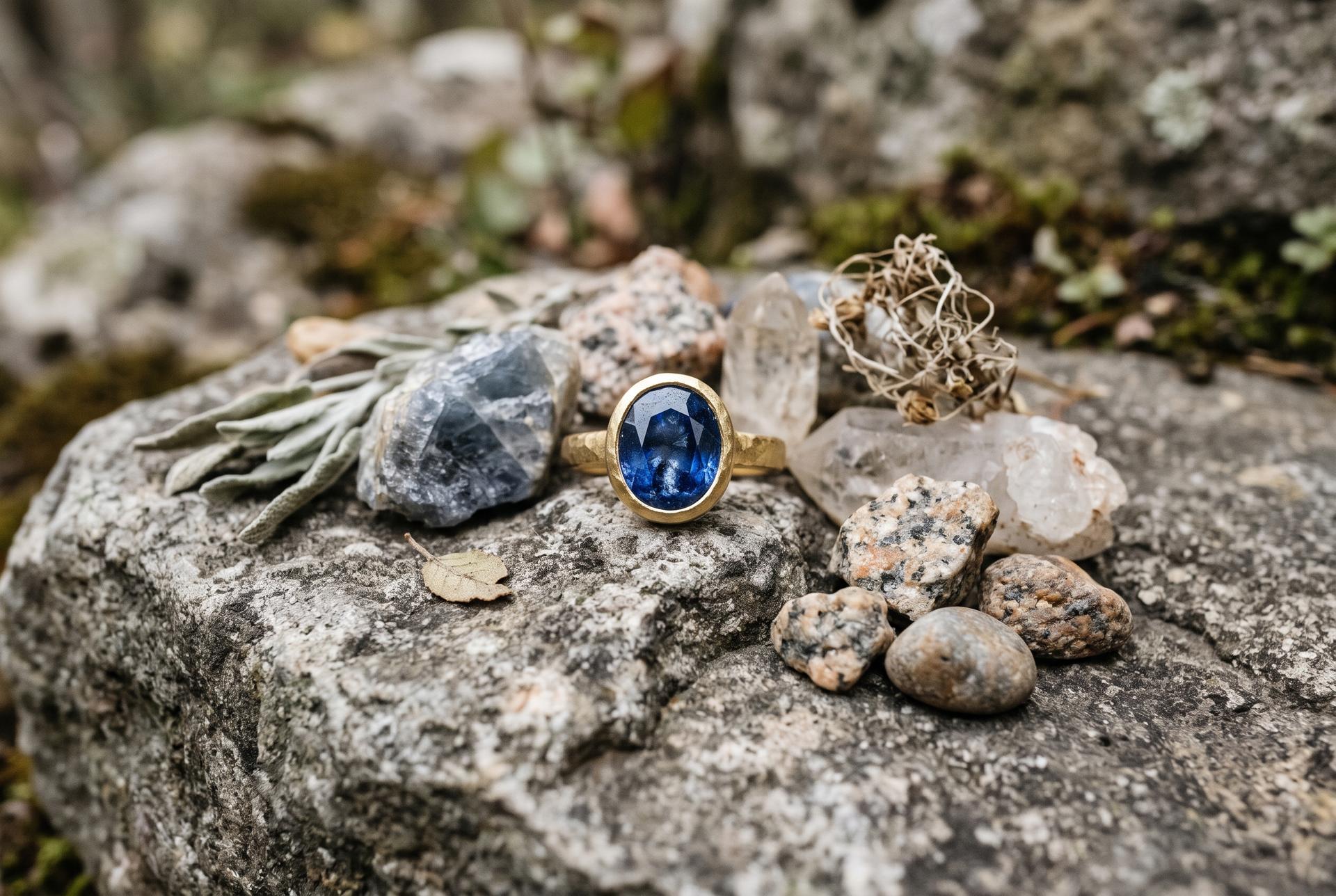
Gemstone Quality, Origin and Durability
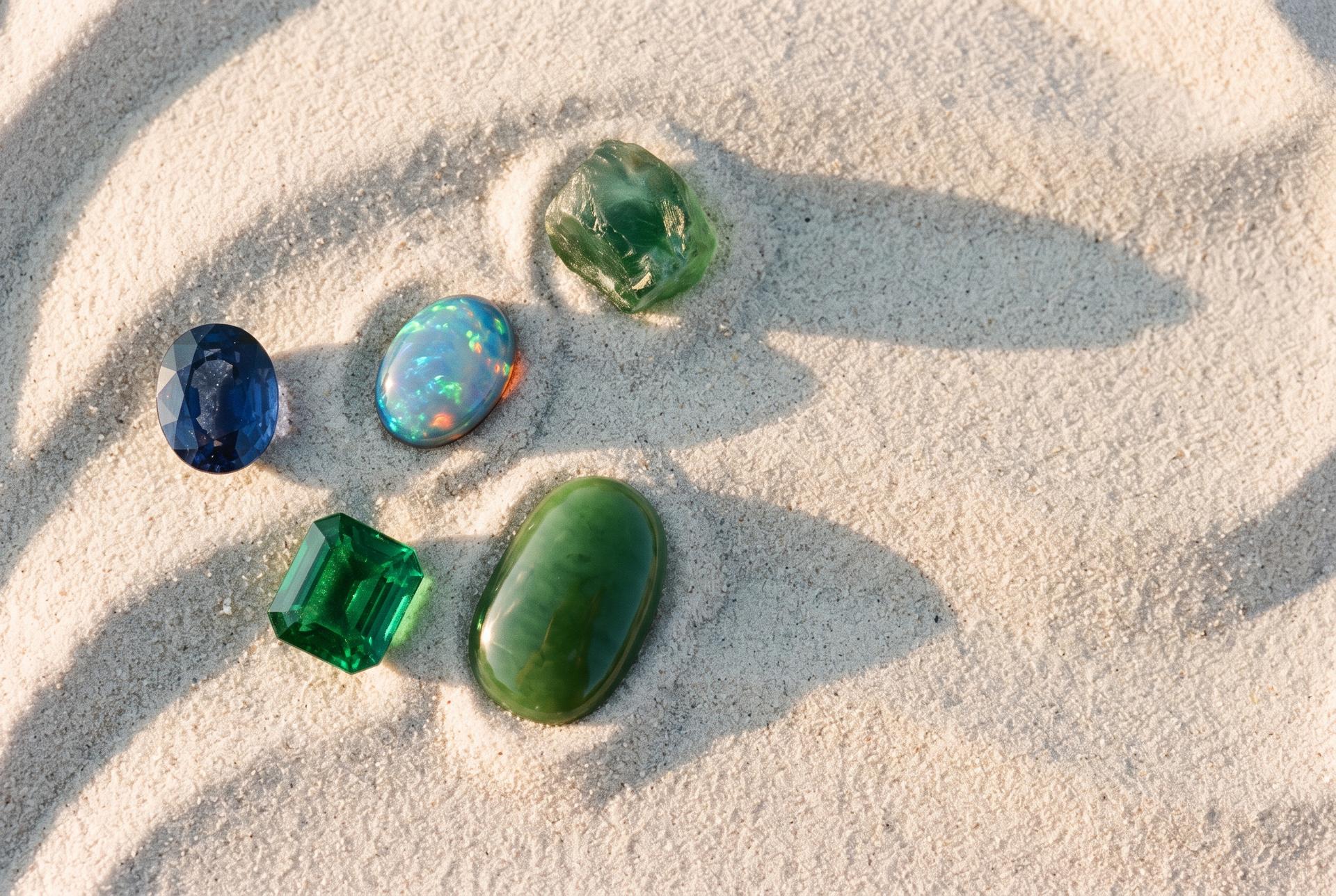
Origin does not change a gemstone's hardness: a sapphire from Sri Lanka and one from Madagascar are both corundum, both Mohs 9. What origin does change is the company a stone keeps — its typical inclusion pattern, its fracture density, and the treatments the market routinely applies to material from that deposit. That is why the relationship between gemstone quality, origin and durability is indirect but entirely real: a heavily fissured, resin-filled emerald and a clean one share a hardness number and almost nothing else in daily wear. Care decisions should follow the individual stone — species, toughness, treatment, cut and setting — not the name on the label alone.
Hardness, toughness, stability
Three properties decide how a gem survives ordinary life, and they are not the same thing. Hardness is resistance to scratching, measured on the Mohs scale. Toughness is resistance to chipping and breaking. Stability is resistance to heat, light, acids and sudden temperature change.
A gem can rate high on one and poorly on another. Topaz is Mohs 8 yet has perfect basal cleavage and will part cleanly under a sharp knock. Tanzanite sits around 6.5 to 7 with distinct cleavage and real sensitivity to thermal shock.
Jade, by contrast, is softer than sapphire but exceptionally tough because of its interlocking fibrous structure. Hardness alone is a poor guide to what you can wear every day.
A working scale for daily wear
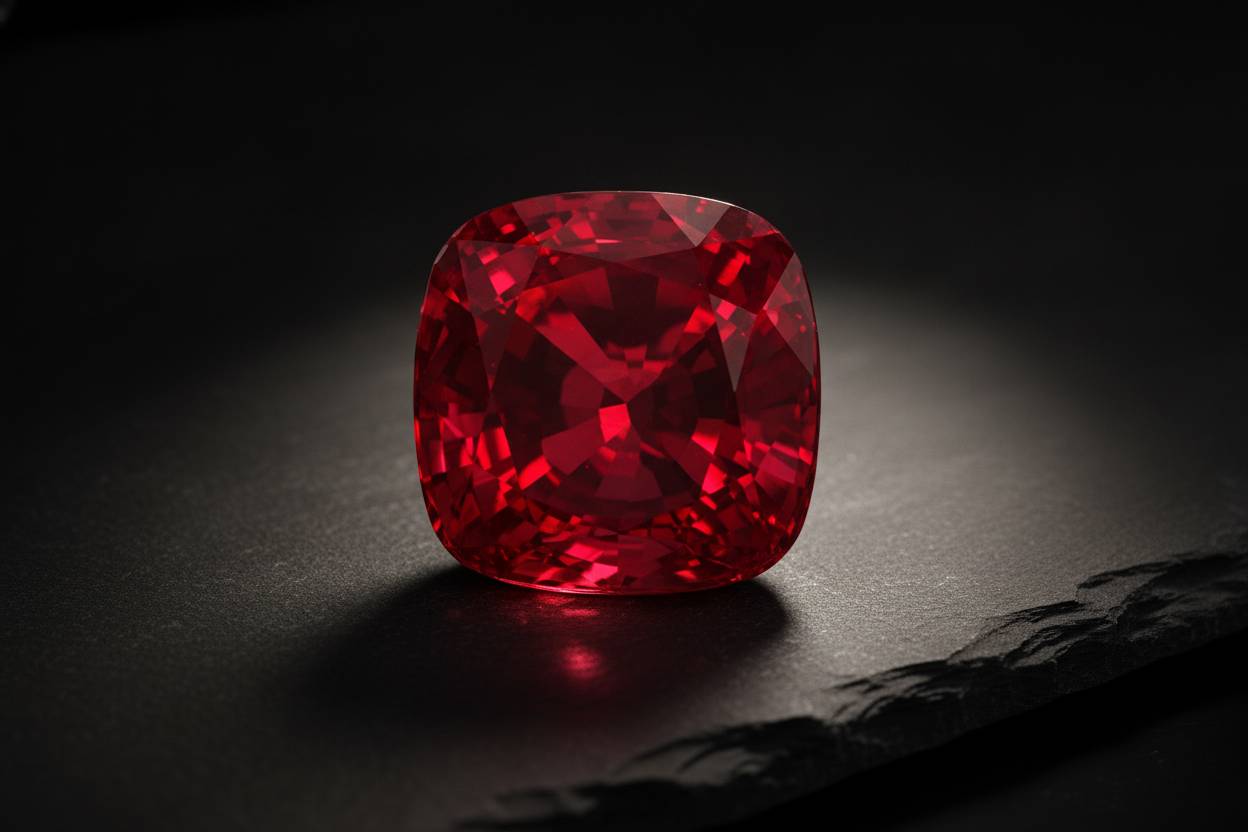
- Ring-ready without fuss: corundum (sapphire and ruby, Mohs 9), spinel (8), chrysoberyl including alexandrite (8.5).
- Ring-capable with a protective setting: tourmaline (7–7.5), garnet, aquamarine and other beryls (7.5–8), quartz varieties (7).
- Better in earrings and pendants: tanzanite, peridot (6.5–7), moonstone and other feldspars (6–6.5), opal (5.5–6.5), pearl (roughly 2.5–4.5 and organic).
One practical note: ordinary household dust contains fine quartz at Mohs 7. Anything softer than quartz will dull over years simply from being wiped with a dusty cloth.
Does origin affect durability?
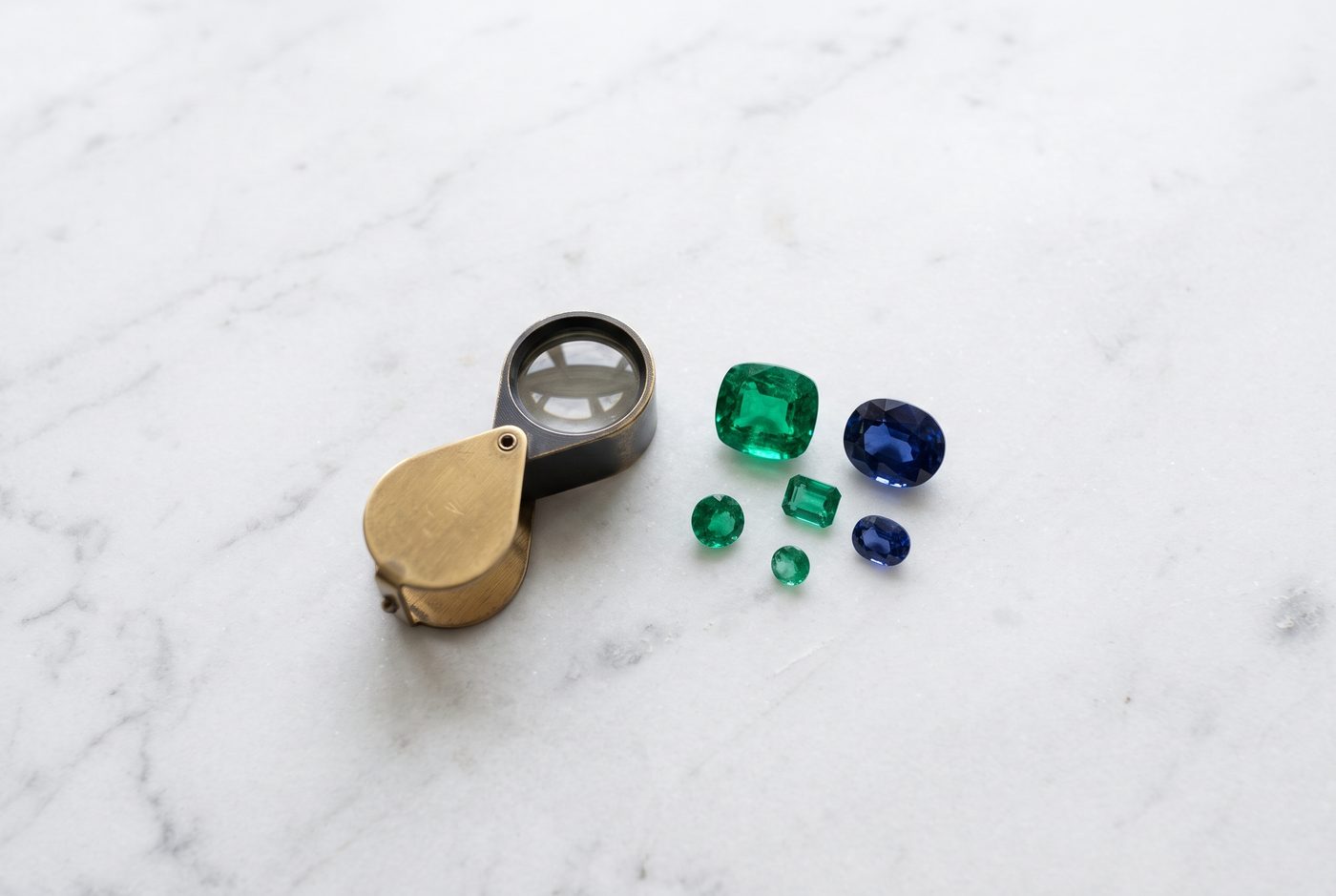
Sometimes directly, more often through treatment practice. Ethiopian opal from the Welo fields is frequently hydrophane — it absorbs water, can turn temporarily transparent, and may craze or discolour after soaking. Australian opal from the same price bracket generally does not behave that way.
Emerald is the clearest case of origin shaping care. Material from certain Colombian deposits tends to reach the market with more open fissures, and almost all commercial emerald is clarity-enhanced with oil or resin. That filler is the fragile part: ultrasonic cleaning, steam and solvents can strip or cloud it, and the stone that looked clean when you bought it will not look clean afterwards.
Sapphire from Sri Lanka is usually either unheated or conventionally heated, and heat alone leaves the corundum lattice intact and stable. Lead-glass filled ruby, by contrast, must be treated as a composite material: it will not tolerate jeweller's torches, pickling acids or ultrasonics.
Ask the seller two questions, not one: where is it from, and what has been done to it. The second answer governs your cleaning routine.
Cut, and where stones chip
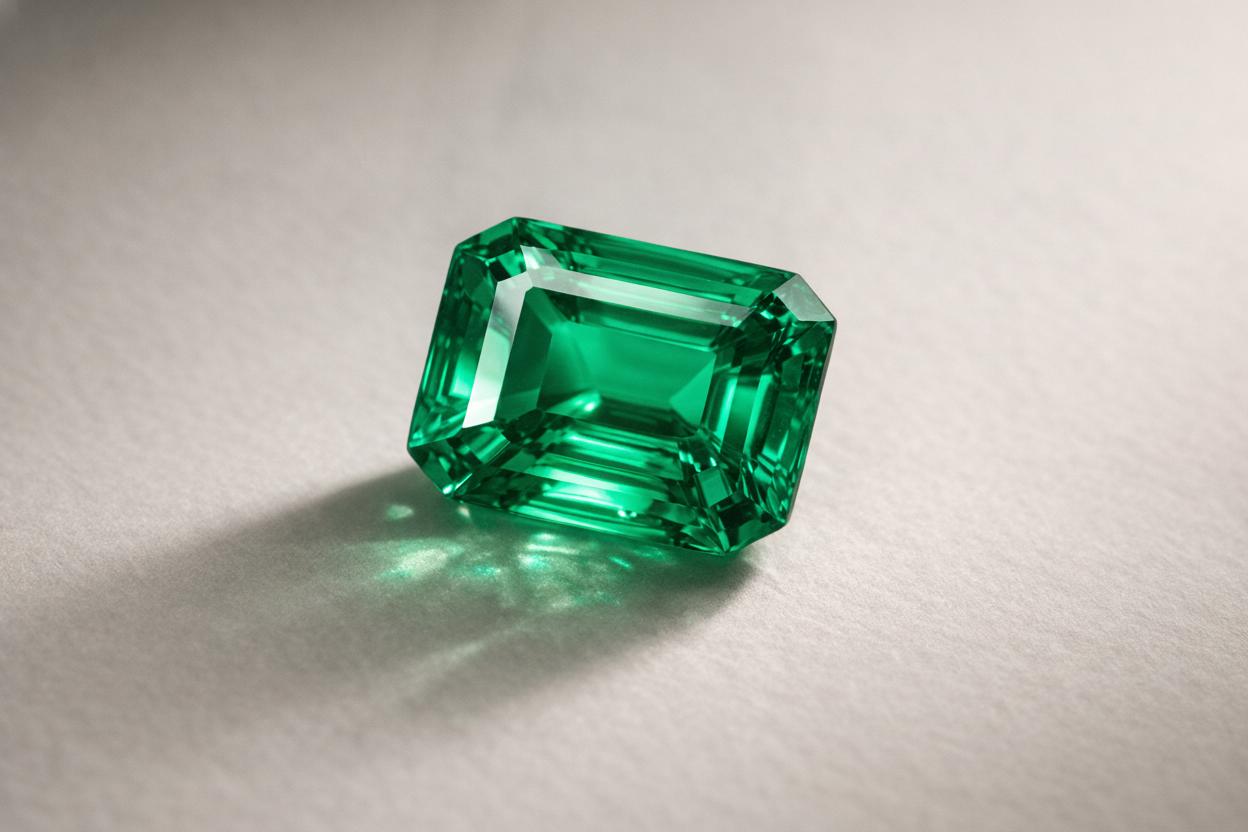
How a gem is cut decides where force concentrates. Sharp, unprotected corners on square and princess shapes are the most common chip sites, which is why the classic emerald cut has truncated corners in the first place.
Knife-thin girdles are the other frequent failure point. A stone cut for maximum retained weight often carries a girdle too fine to survive prong pressure, let alone a doorframe.
Deep pavilions that sit below the finger line take knocks they were never meant to take. When you assess how gemstones are cut for wear rather than for the scale, look for an even girdle of visible thickness, no open feathers reaching the surface at a corner, and a profile the setting can actually enclose.
Cleaning do's and don'ts
The safe method covers almost everything: lukewarm water, a drop of mild dish soap, a soft toothbrush behind the stone where oils and skin cells collect, then a rinse and a lint-free cloth. Warm, not hot. Brush gently rather than scrubbing at prongs.
Keep away from the ultrasonic: oiled or resin-filled emerald, opal, pearl and coral, tanzanite, fracture-filled ruby, any stone with a surface-reaching feather, and anything you are unsure about. Steam cleaners are worse, because they add heat.
Keep away from the stone entirely: chlorine bleach and pool water, which attack gold solder and alloys; ammonia-based glass cleaners on porous or organic material; acids of any kind, which etch peridot, pearl and turquoise. Remove rings before gardening, gym sessions and cleaning.
Perfume, hairspray and sunscreen go on first; the jewellery goes on last. For pearls, wipe with a damp cloth after wearing and never soak.
Settings that protect the stone
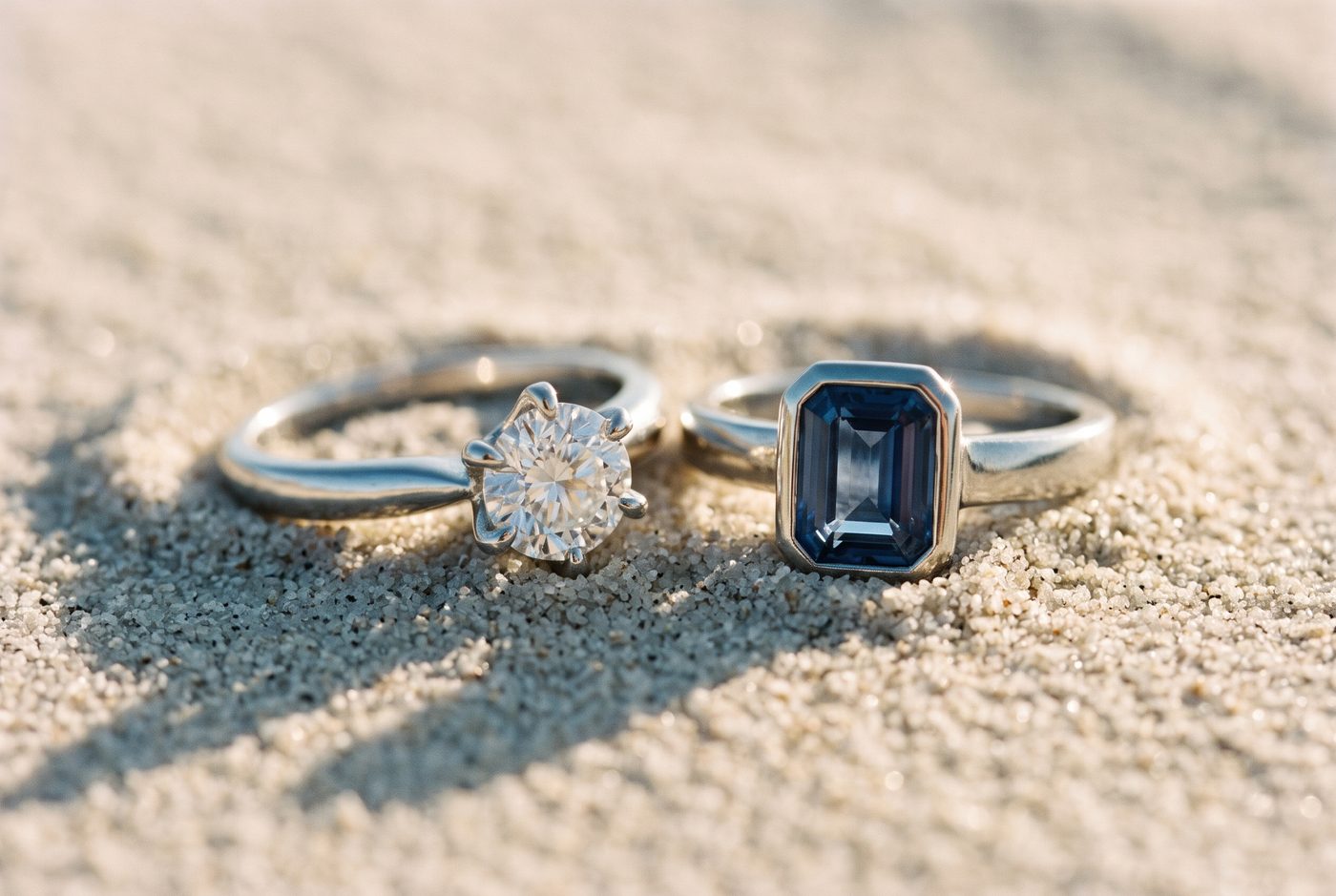
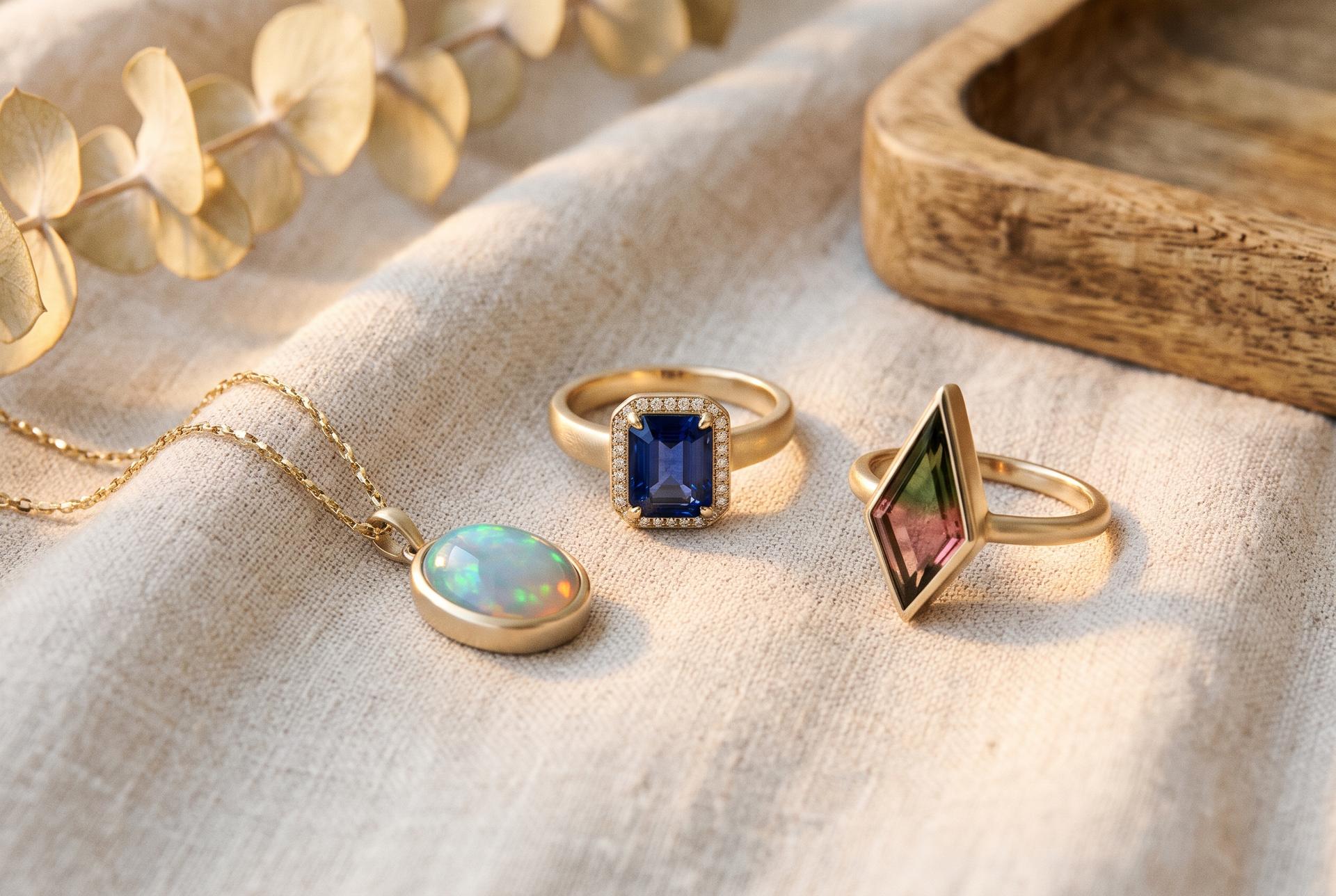
A full or partial bezel is the most protective mount in regular use, shielding the girdle and corners where chips start. It is the natural choice for opal, moonstone, tanzanite and any soft stone destined for a ring.
For prong settings, more prongs spread the load: six over four on a round, and dedicated V-prongs on the corners of pears, marquises and princess cuts. Low-profile heads keep the pavilion out of harm's way.
Metal matters too. Platinum prongs deform rather than snap and hold their grip as they wear; 18k gold is slightly less forgiving but easier to reshape. Channel settings suit hard, durable stones and are a poor idea for anything with cleavage.
Storage and routine checks
Store pieces separately, in soft pouches or a lined box with individual compartments. A loose sapphire will scratch everything softer than itself, which is nearly everything.
Opal and pearl dislike very dry conditions, including safes with desiccant and long periods in a bank vault. Keep amethyst, kunzite and some topaz out of prolonged direct sunlight, where colour can fade.
Have ring settings inspected once a year by a bench jeweller — prong tips wear thin long before a stone falls out. Always tell the jeweller the species, the origin if known and the treatment before any repair, because torch heat is what destroys more fine gems than wear ever does.
Durability is not a grade you buy once; it is a set of habits matched to the particular stone in your hand.
Frequently asked questions
Can I wear a sapphire ring every day?+
Yes. Sapphire is corundum at Mohs 9 with good toughness, which makes it one of the few coloured stones genuinely suited to daily wear. Choose a low-profile setting and have the prongs checked annually.
Is an ultrasonic cleaner safe for my gemstone jewellery?+
It is safe for untreated or simply heat-treated hard stones such as sapphire, ruby and spinel with no surface-reaching fractures. Never use one on emerald, opal, pearl, tanzanite or fracture-filled ruby, as vibration and heat can damage fillers and fragile material.
Does the way gemstones are cut affect how easily they chip?+
Significantly. Sharp unprotected corners and knife-thin girdles are the most common chip points, and deep pavilions sit low enough to take knocks. A visibly even girdle and corner protection in the setting reduce the risk considerably.
Does origin change how I should care for a stone?+
Indirectly, yes. Origin influences typical fracture density and the treatments commonly applied — hydrophane opal from Ethiopia reacts to water, and emerald from fissured deposits is almost always oiled or resin-filled. Ask for both the origin and the treatment disclosure.
Which setting best protects a soft gemstone?+
A bezel, full or partial, because it shields the girdle and corners where damage begins. For prong settings, six prongs and V-prongs on pointed shapes distribute pressure better than four.
How often should gemstone jewellery be professionally checked?+
Once a year for rings worn regularly, less often for earrings and pendants. Prong tips wear thin gradually, and a bench jeweller can retip them before a stone loosens.
From our Journal
Buying guides, origin stories, and notes from the trade.