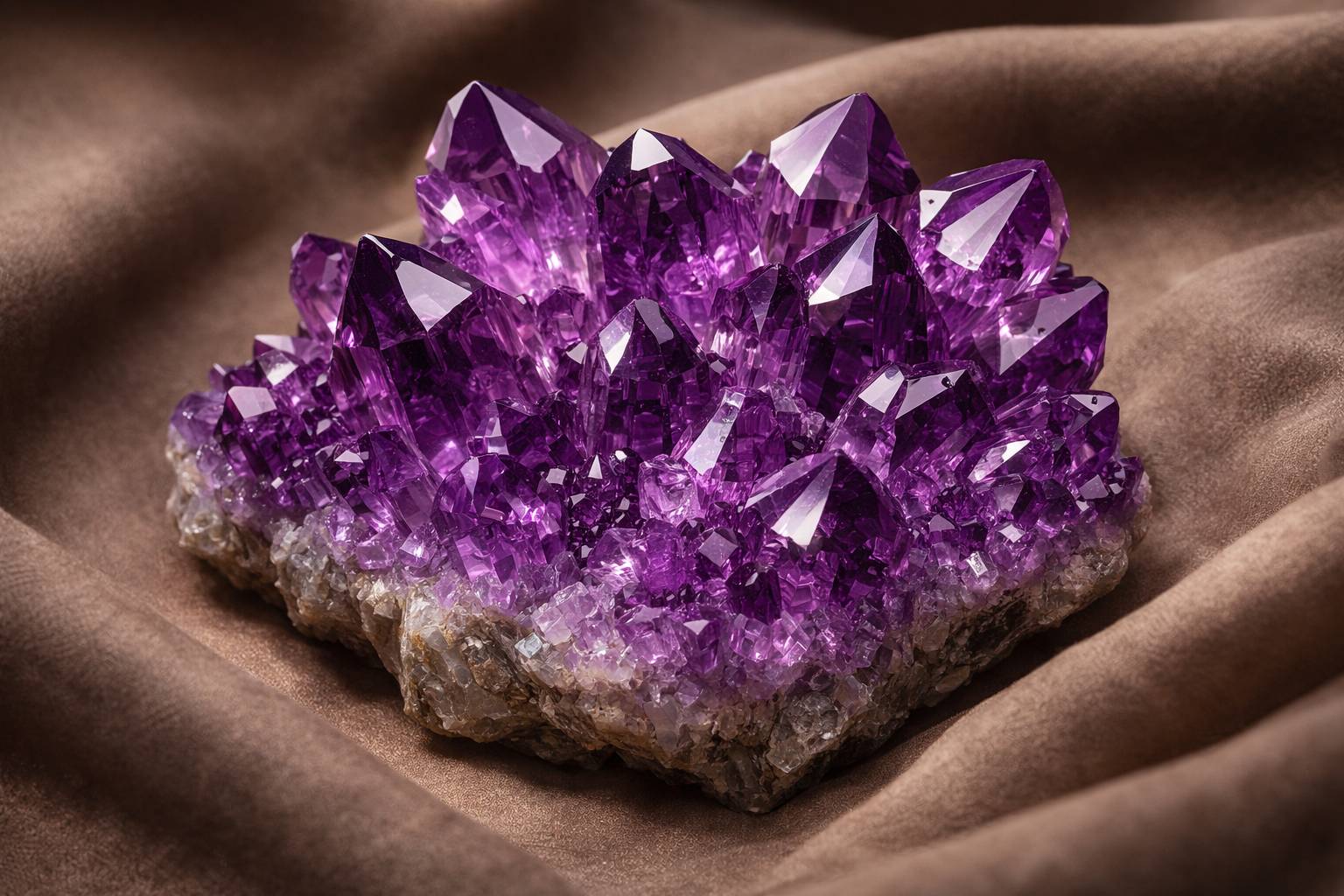
Amethyst: Mystical Origins and Healing Powers
Amethyst, a purple variety of quartz, has long been regarded as a stone of spirituality and tranquility. Its name derives from the Greek word "amethystos," meaning "not intoxicated," reflecting its ancient association with sobriety and clarity of mind. Beyond its aesthetic appeal, amethyst has a profound historical and cultural significance.
Historical Significance of Amethyst
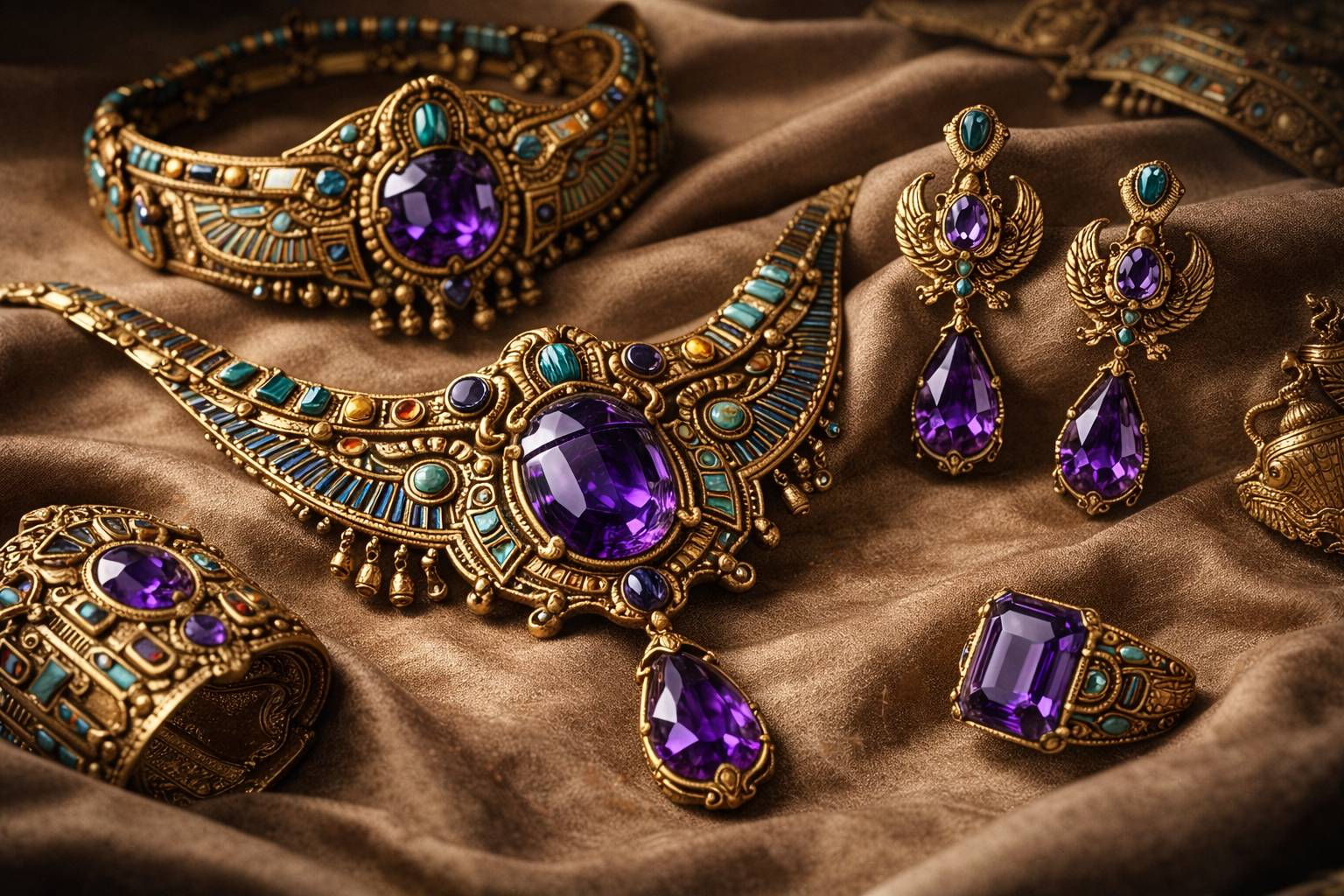
Amethyst has been cherished since antiquity, with references found in ancient Egyptian artifacts and Greek mythology. The Egyptians used it in jewelry, believing it offered protection and promoted balance. In Greek culture, it was associated with Bacchus, the god of wine, who offered it as a safeguard against drunkenness.
Cultural Symbolism Across Civilizations
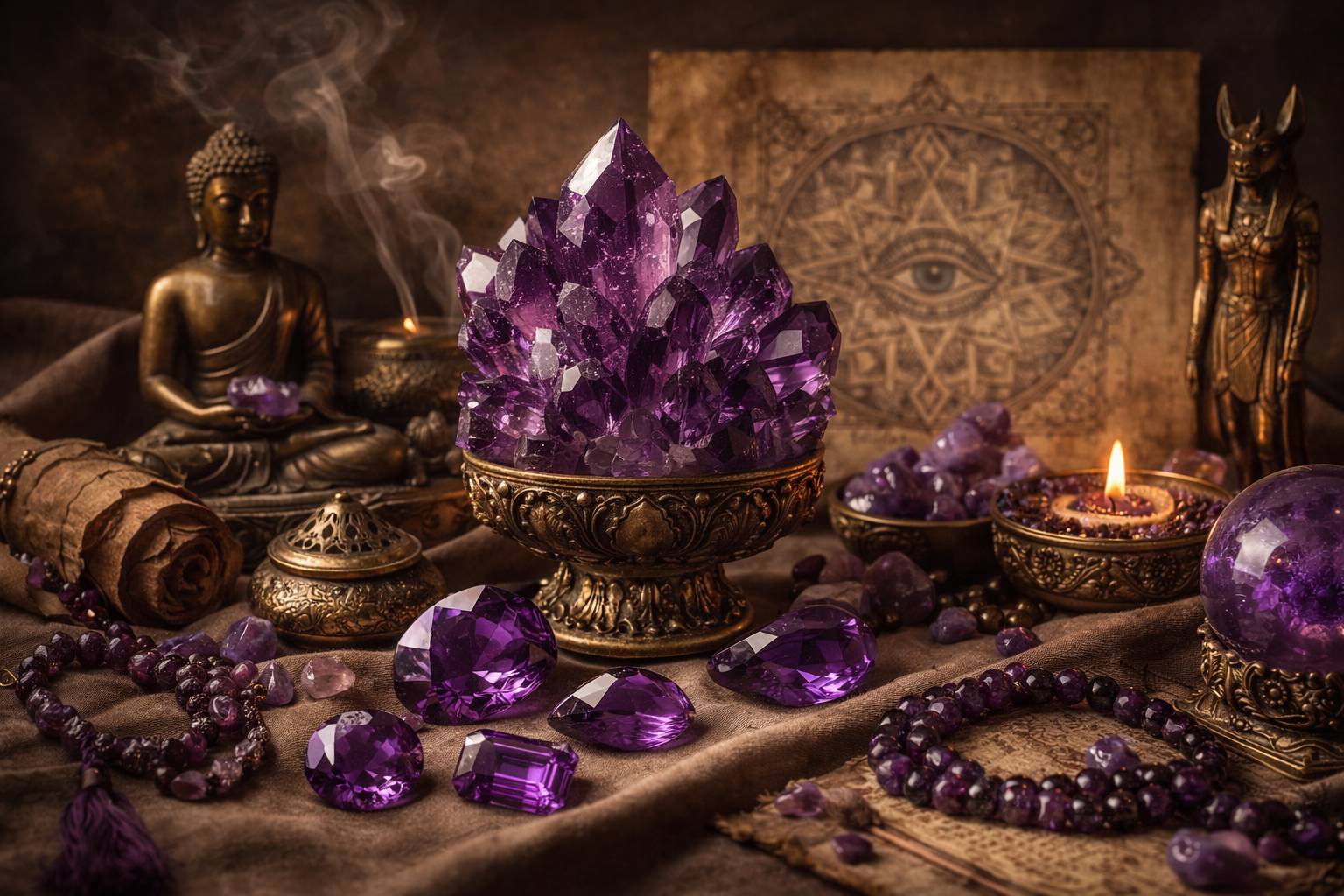
Various cultures have attributed diverse meanings to amethyst. In Christianity, it is often connected with the divine, symbolizing purity and spiritual wisdom. The stone is also associated with the crown chakra, representing enlightenment and higher consciousness in Eastern traditions.
Amethyst in the Modern Era
In contemporary society, amethyst remains popular in both jewelry and holistic practices. It is frequently used in meditation for its calming properties. Many believe it helps to alleviate stress and anxiety, promoting emotional stability and mental clarity.
Gemmological Identity of Amethyst
Scientifically, amethyst is recognized as a variety of quartz, characterized by its purple hue, which results from iron impurities and natural radiation. It ranks a 7 on the Mohs scale of hardness, making it suitable for various types of jewelry. The refractive index of amethyst typically falls between 1.544 and 1.553, and it has a specific gravity of 2.65.
Amethyst in Healing Traditions
In many healing traditions, amethyst is believed to possess protective and healing properties. It is said to enhance intuition and spiritual awareness, making it a favored choice among those seeking inner wisdom. While scientific evidence on these claims is limited, the stone's beauty and historical significance continue to resonate with many.
Frequently asked questions
What is the history of amethyst?+
Amethyst has been valued since ancient times, used by Egyptians and referenced in Greek mythology. It was believed to prevent intoxication and promote balance.
What does amethyst symbolize?+
Amethyst symbolizes spirituality, purity, and emotional stability. It is associated with the crown chakra and is revered in various cultures for its calming properties.
How is amethyst used in modern practices?+
Today, amethyst is popular in jewelry and holistic practices, often used in meditation for its stress-relieving properties and to enhance intuition.
What is the gemmological identity of amethyst?+
Amethyst is a variety of quartz with a purple hue due to iron impurities. It ranks a 7 on the Mohs scale and has a refractive index of 1.544 to 1.553.
Are there any healing properties associated with amethyst?+
Many believe amethyst has protective and healing properties, promoting emotional stability and enhancing intuition, although scientific support for these claims is limited.
From our Journal
Buying guides, origin stories, and notes from the trade.