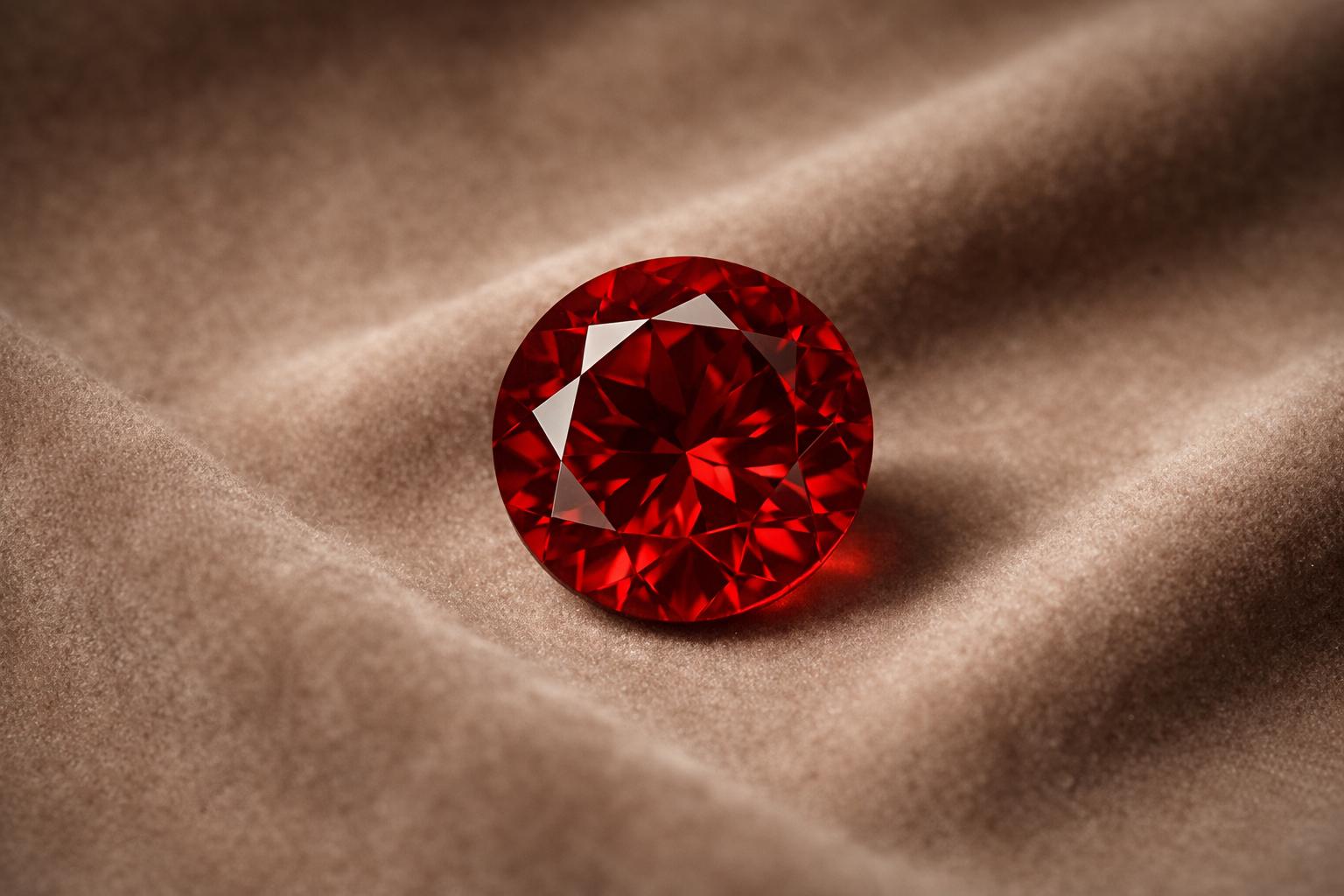
Understanding the Value of Loose Ruby Gemstones
Loose ruby gemstones are highly sought after for their rich color and historical significance. Valued for their beauty and rarity, these gemstones have long been associated with passion, protection, and prosperity across various cultures. Understanding their value involves an appreciation of both their physical properties and their storied past.
Historical Significance of Rubies
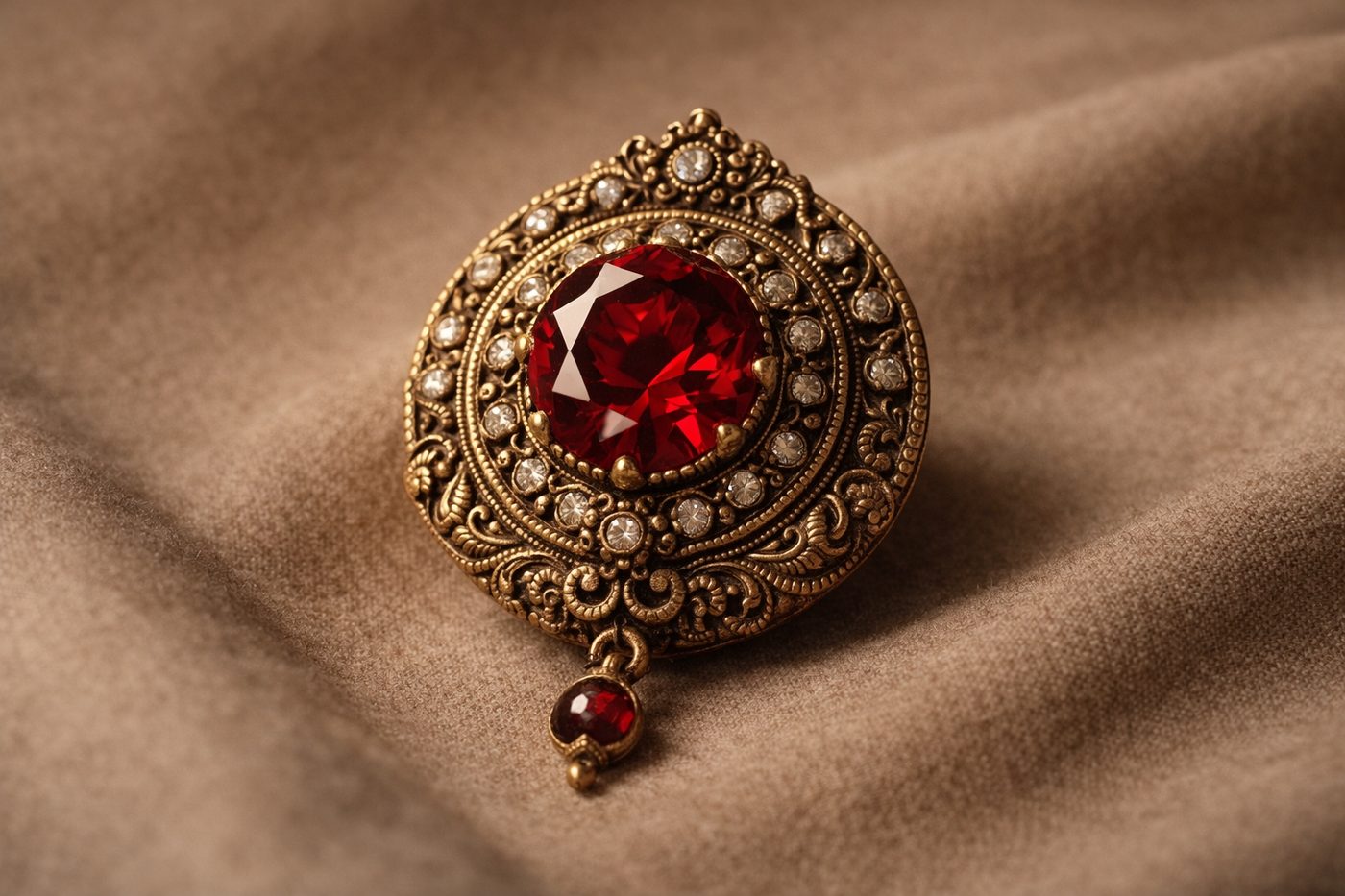
Rubies have been cherished for thousands of years, with references dating back to ancient civilizations. In ancient India, they were considered the 'king of gemstones' and were believed to protect their owner in battle. Similarly, the Burmese warriors would embed rubies into their skin, believing it would make them invincible.
Cultural Symbolism
Across cultures, rubies have been associated with various meanings. In Western traditions, rubies are seen as symbols of love and passion, often used in engagement rings to signify a deep emotional connection. In Eastern cultures, rubies are regarded as symbols of wealth and status, frequently gifted to royalty and high-ranking officials.
Gemmological Identity of Rubies
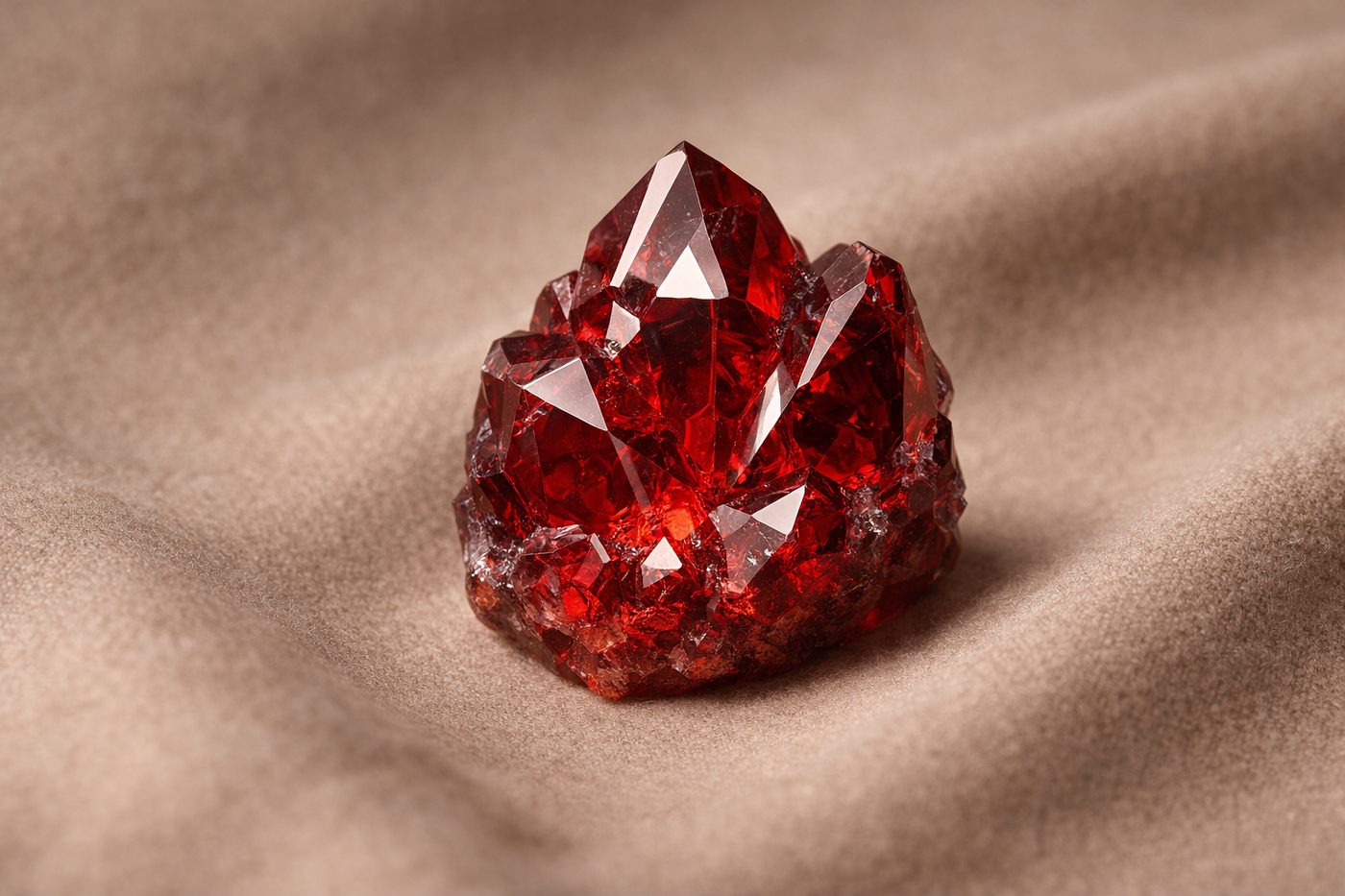
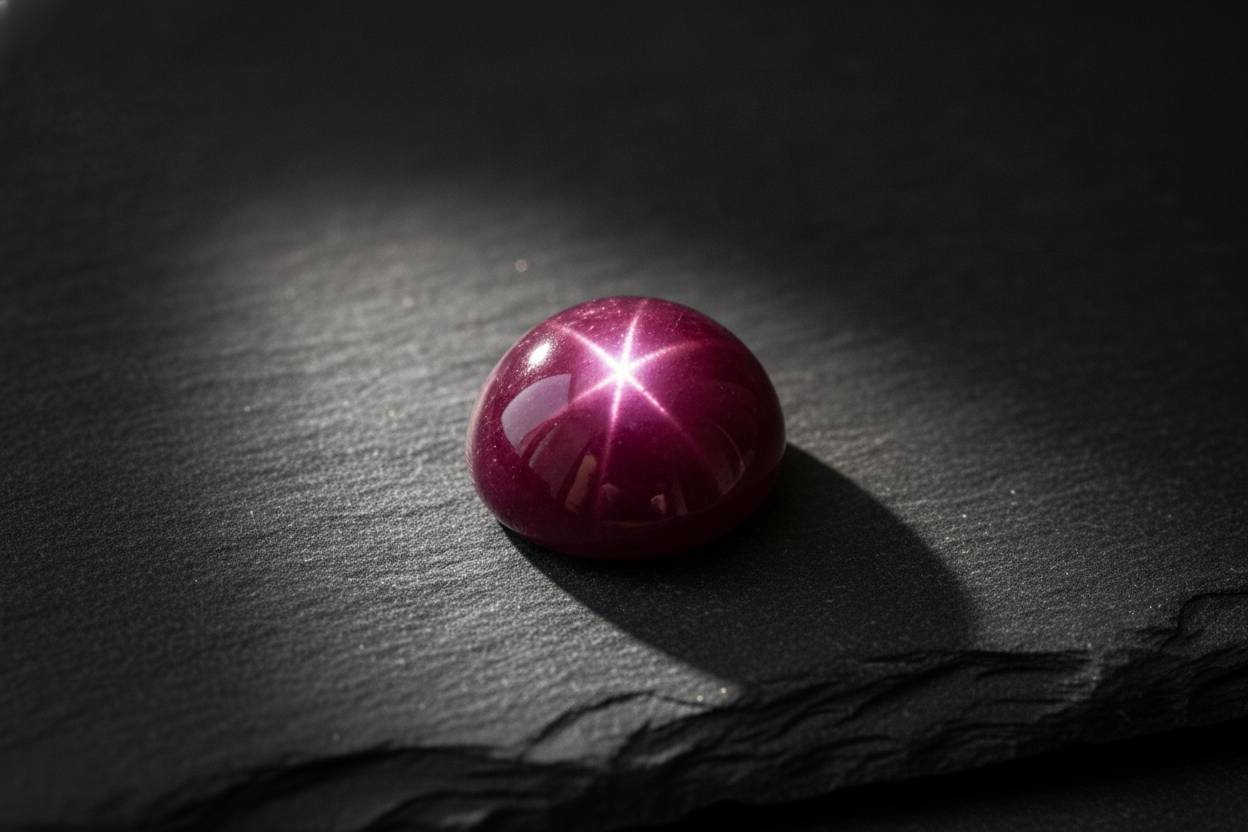
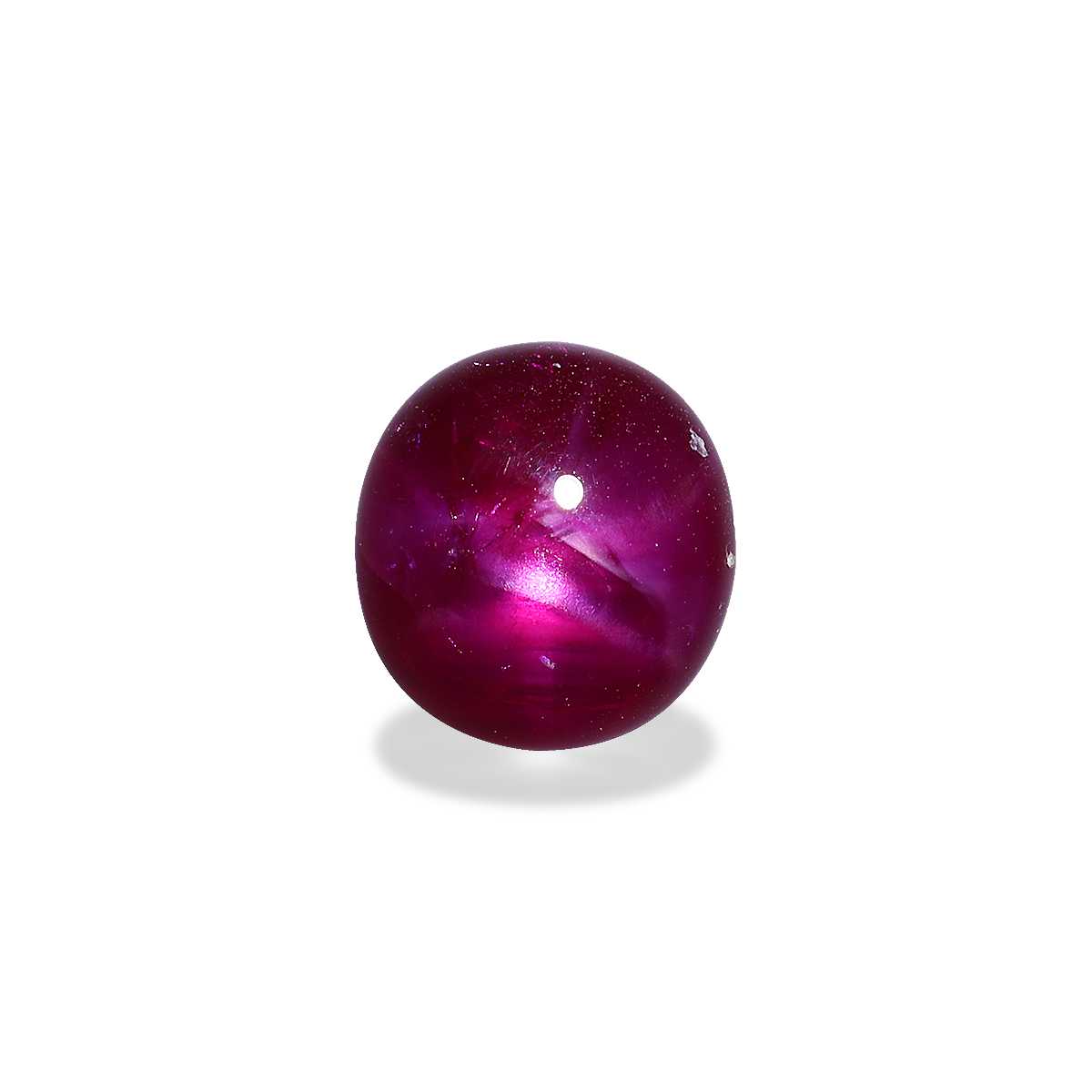
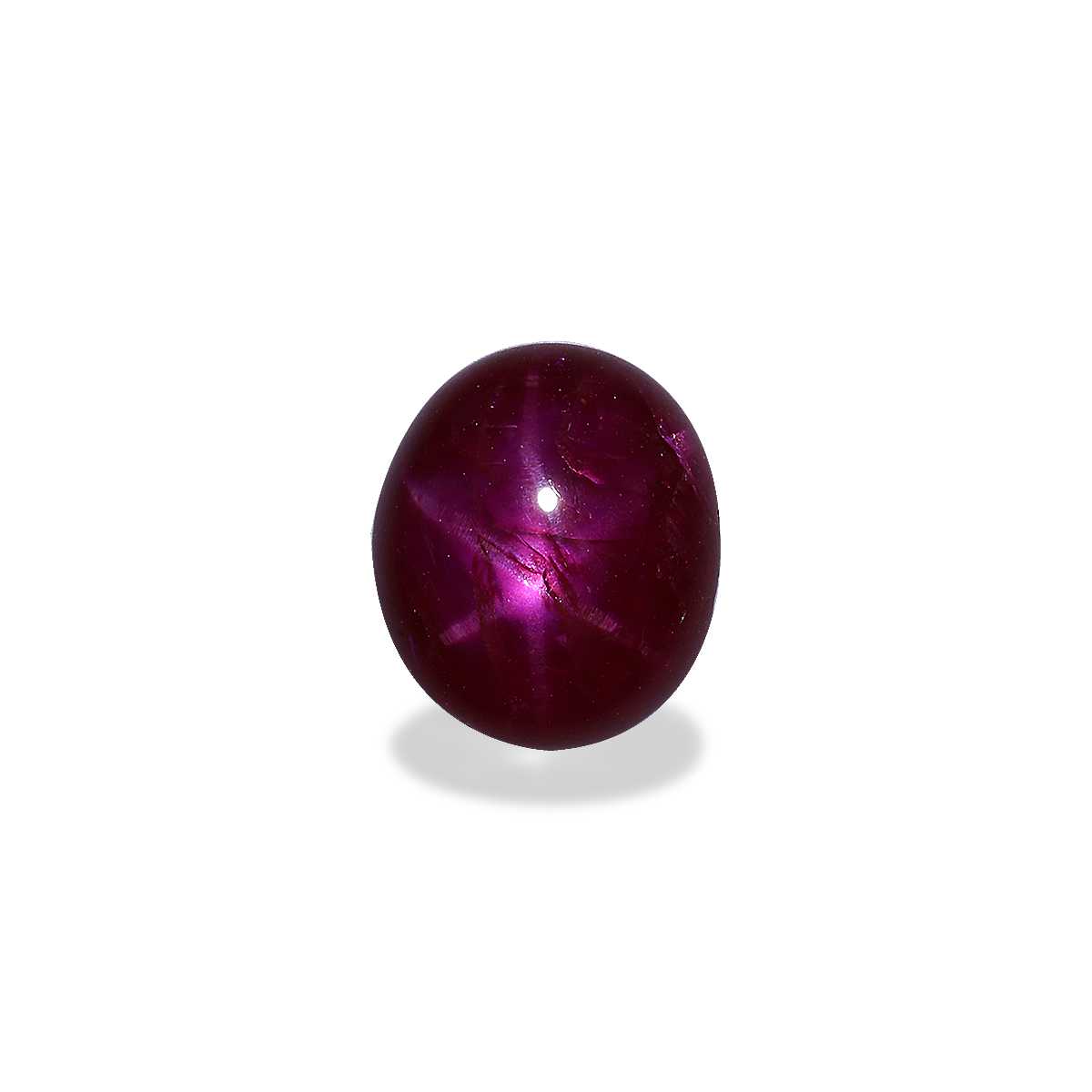
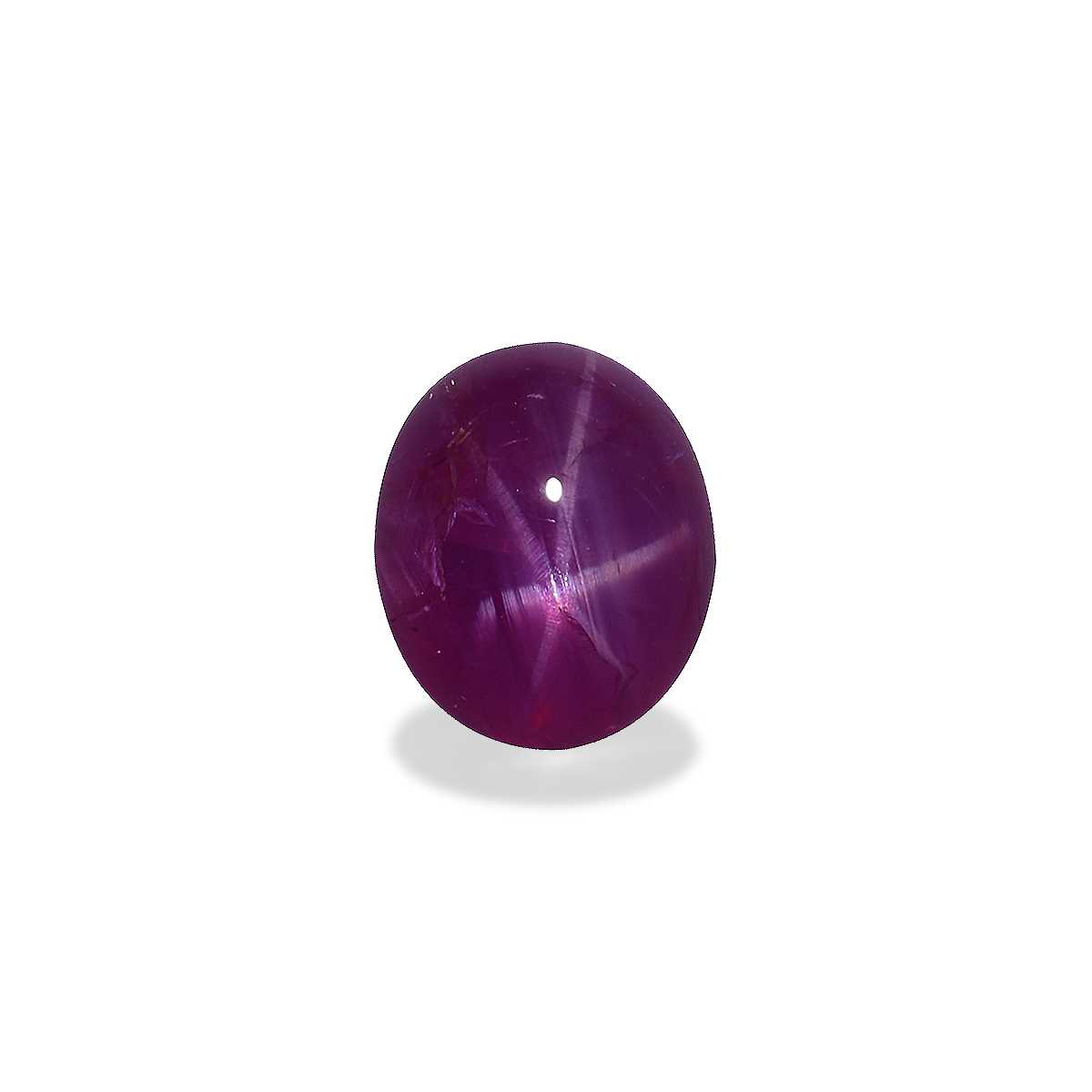
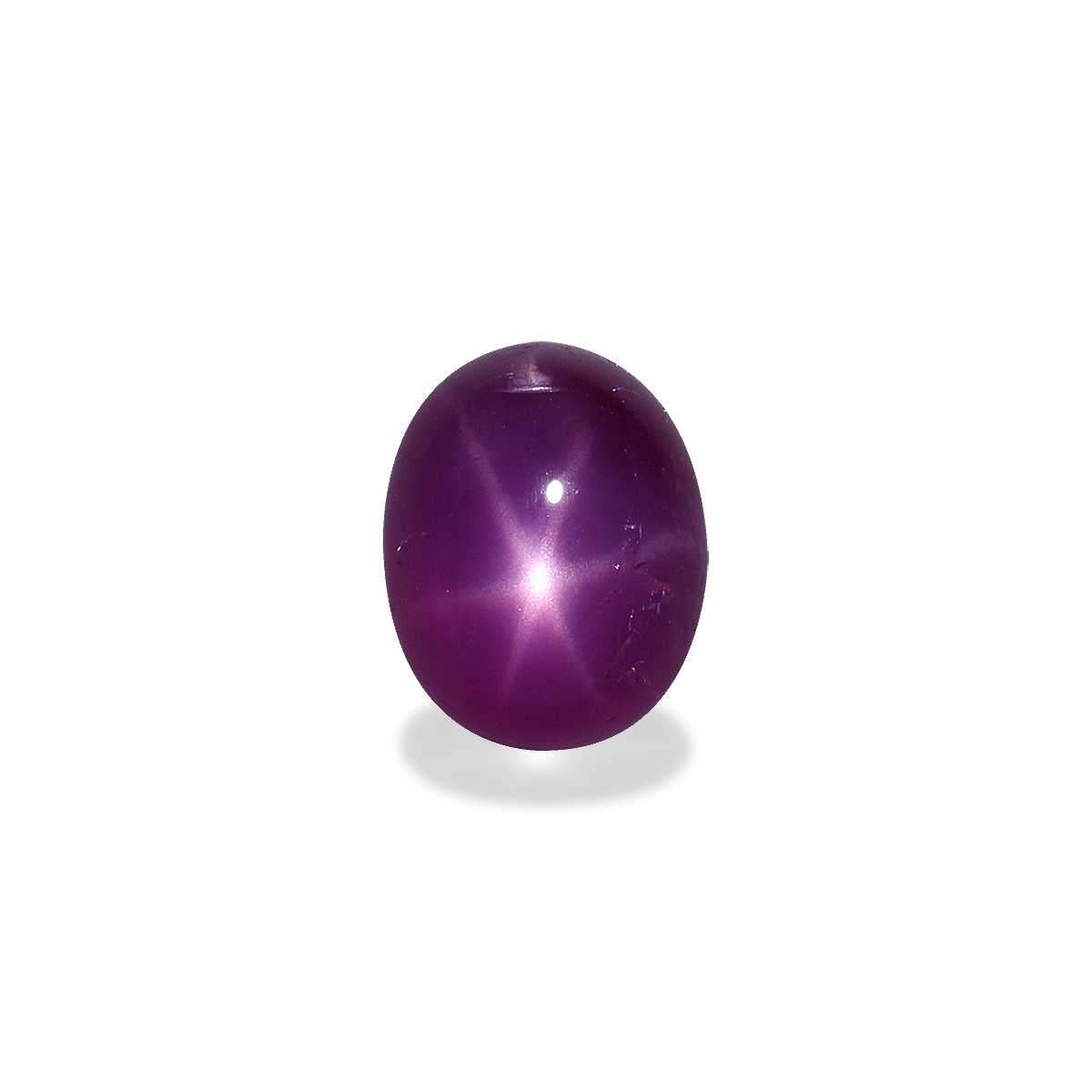
Rubies are a variety of the mineral corundum, which is composed of aluminum oxide. The presence of chromium within the crystal lattice gives rubies their distinct red color. They score a 9 on the Mohs hardness scale, making them one of the hardest gemstones, second only to diamonds. This durability contributes significantly to their desirability in fine jewelry.
More from Ruby
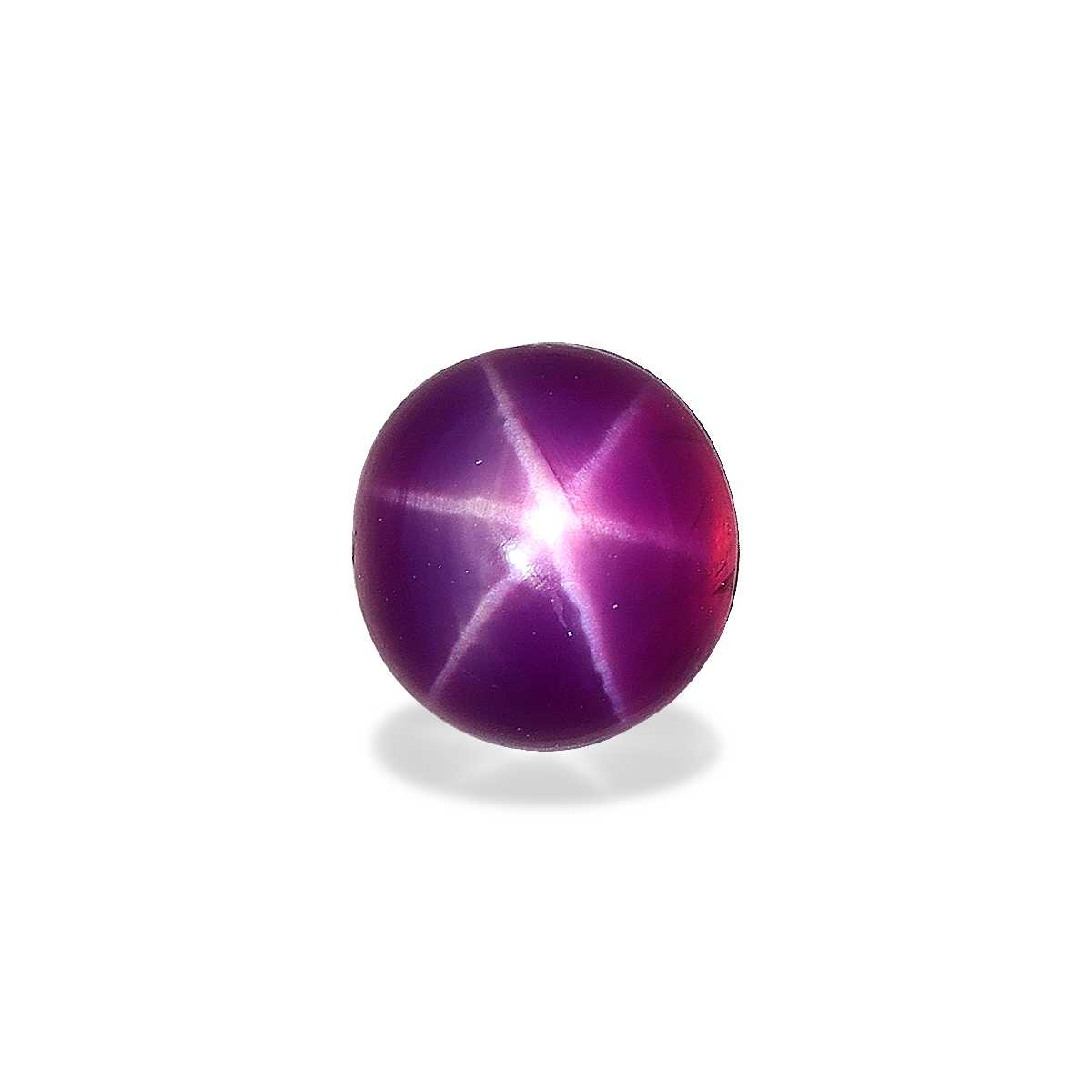
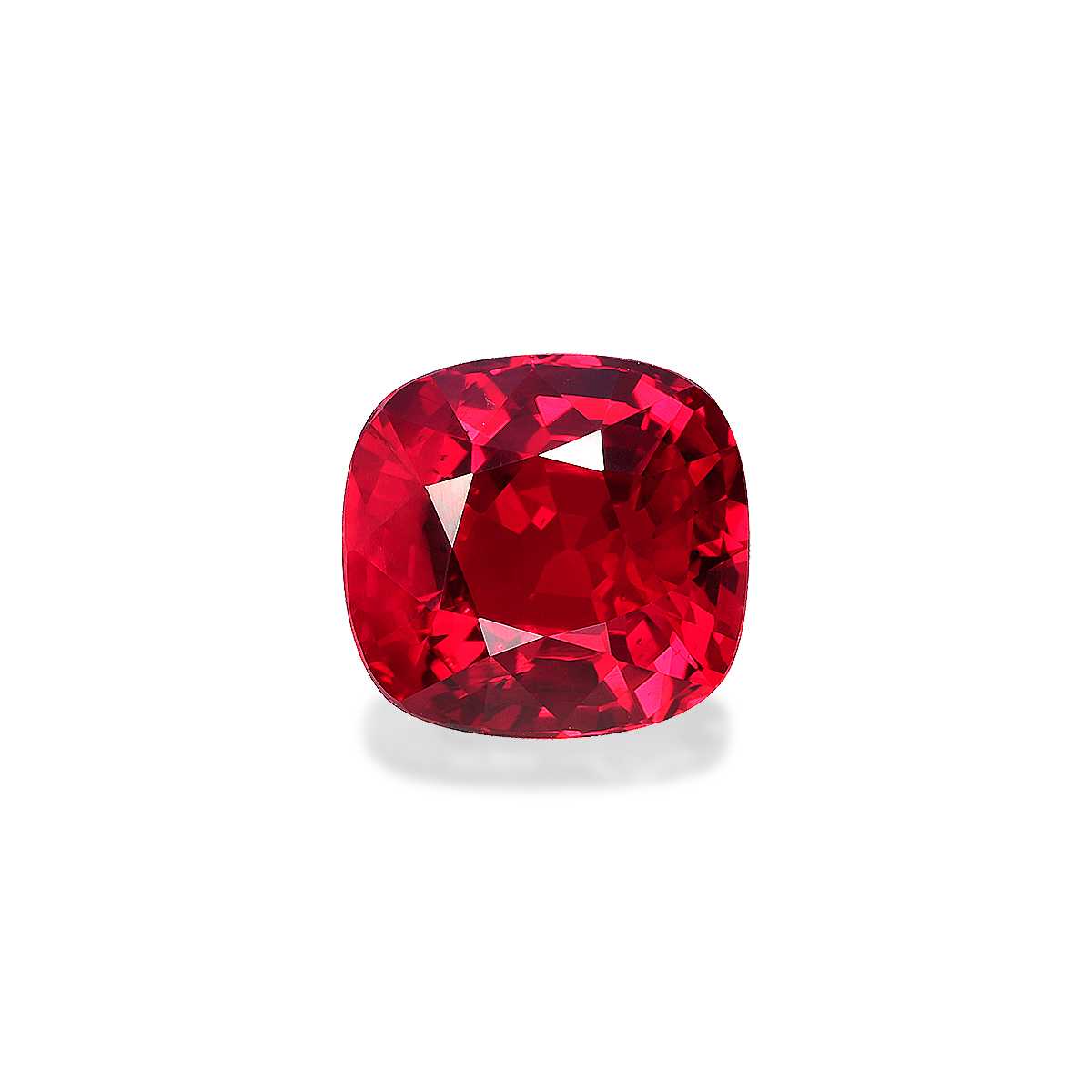
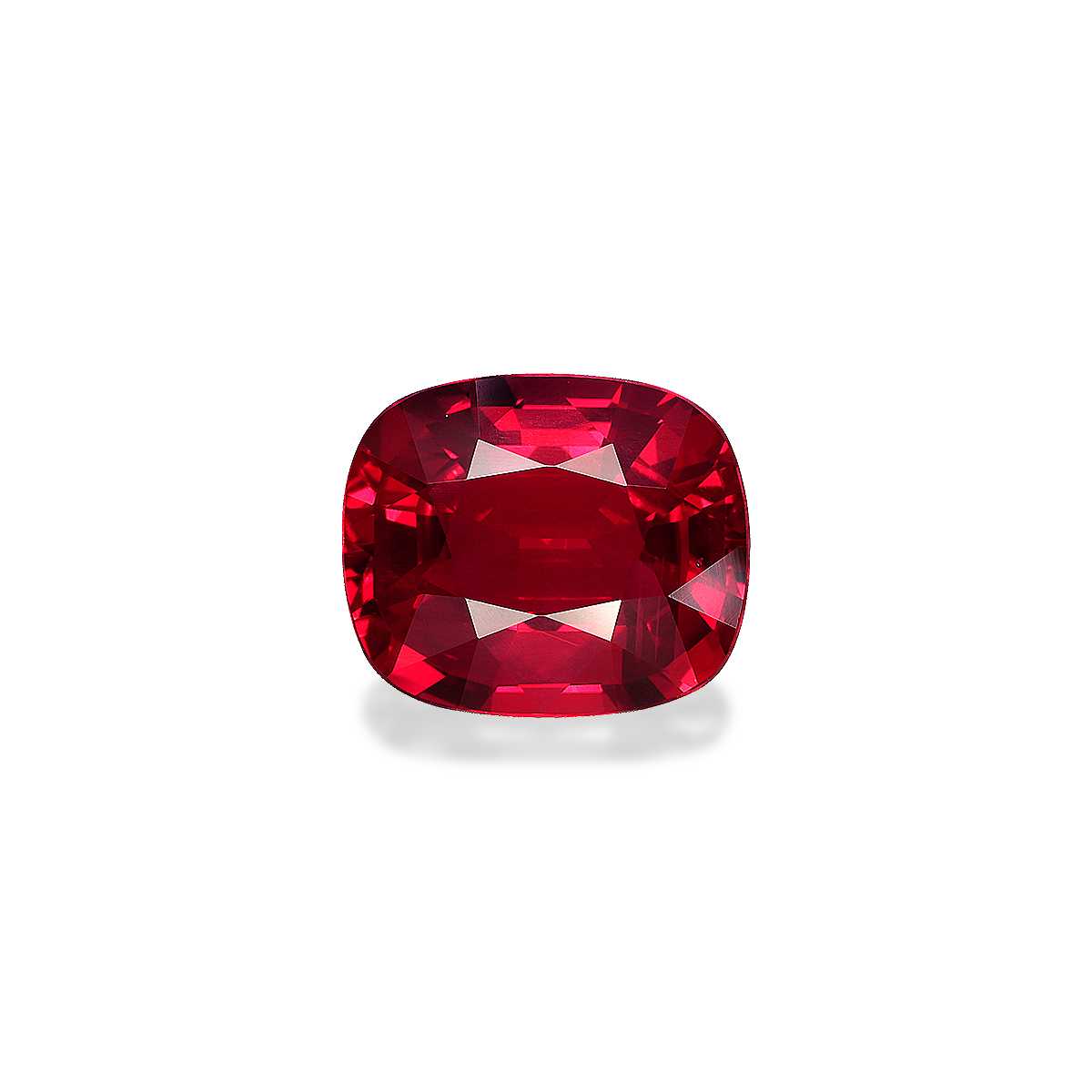
Factors Influencing Ruby Value
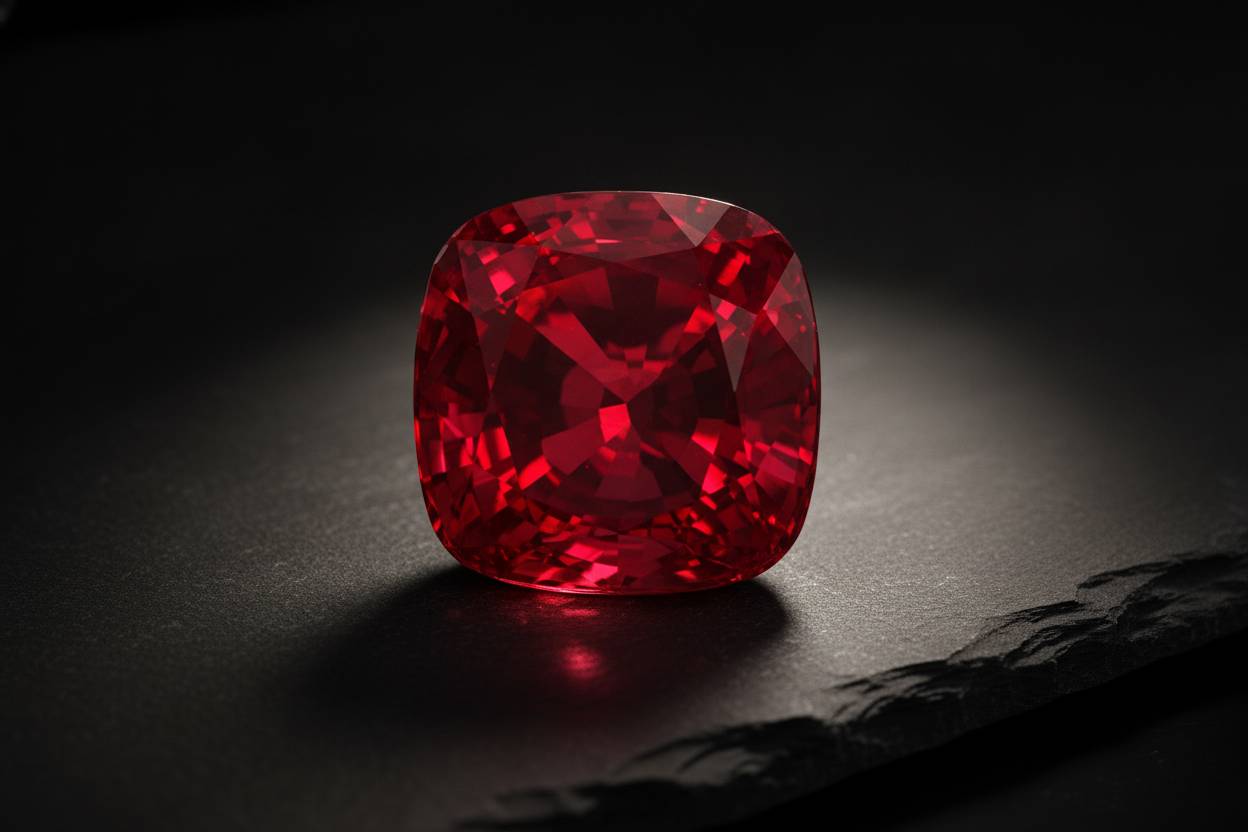
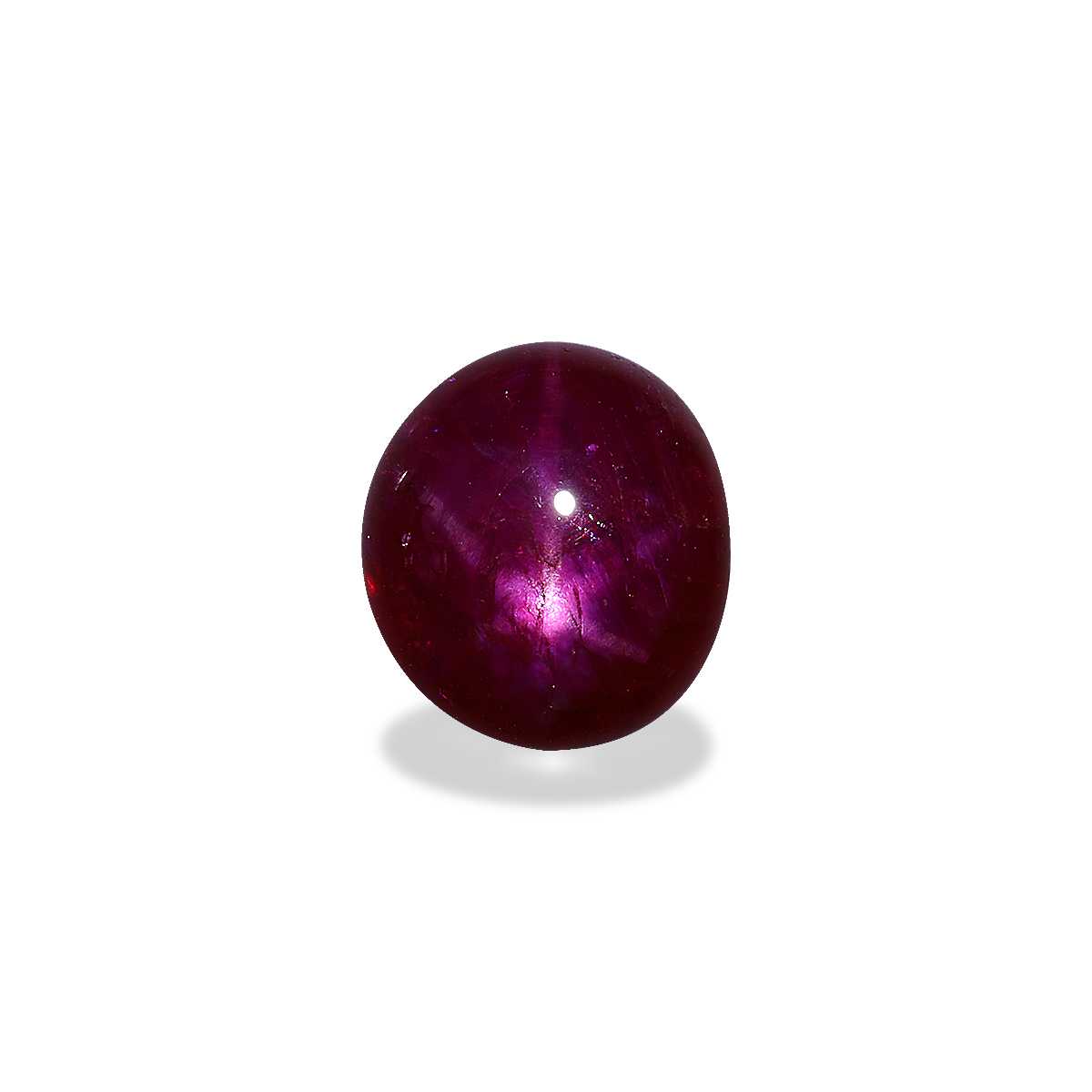
The value of loose rubies is influenced by several key factors including color, clarity, cut, and carat weight. The most coveted rubies exhibit a vivid red hue known as “pigeon blood,” which commands a premium in the market. Clarity also plays a significant role; rubies with fewer inclusions are generally more valuable.
Market Trends and Demand
In recent years, the demand for high-quality rubies has surged, driven by their increasing popularity among collectors and investors. The rarity of untreated rubies further adds to their value, as many rubies undergo treatments to enhance their color and clarity. Natural, untreated rubies are particularly sought after and can achieve significantly higher prices.
Investment Potential of Loose Rubies
As a tangible asset, loose rubies can serve as a hedge against inflation and economic uncertainty. Their historical significance and cultural value contribute to their potential for appreciation over time. Collectors and investors are increasingly recognizing the long-term value of high-quality rubies, particularly those with provenance or certification from reputable gemological laboratories.
Ruby price guide
Ruby price guide (per carat, USD)
Based on 321 ruby in stock, updated October 5, 2026.
Frequently asked questions
What factors determine the value of a loose ruby?+
The value of a loose ruby is determined by factors such as color, clarity, cut, and carat weight. Vibrant red hues and fewer inclusions typically increase a ruby's value.
How can I tell if a loose ruby is genuine?+
To determine if a loose ruby is genuine, look for characteristics such as natural inclusions and color consistency. Consulting a certified gemologist is also advisable.
What is the significance of the color of a ruby?+
The color of a ruby is crucial in determining its value. The most desirable rubies exhibit a vivid red hue known as 'pigeon blood,' which is highly sought after.
Are loose rubies a good investment?+
Loose rubies can be a good investment, especially high-quality, untreated stones. Their historical significance and rarity often lead to appreciation in value over time.
What treatments are common for rubies?+
Common treatments for rubies include heat treatment to enhance color and clarity. Untreated rubies command a higher value due to their rarity.
From our Journal
Buying guides, origin stories, and notes from the trade.