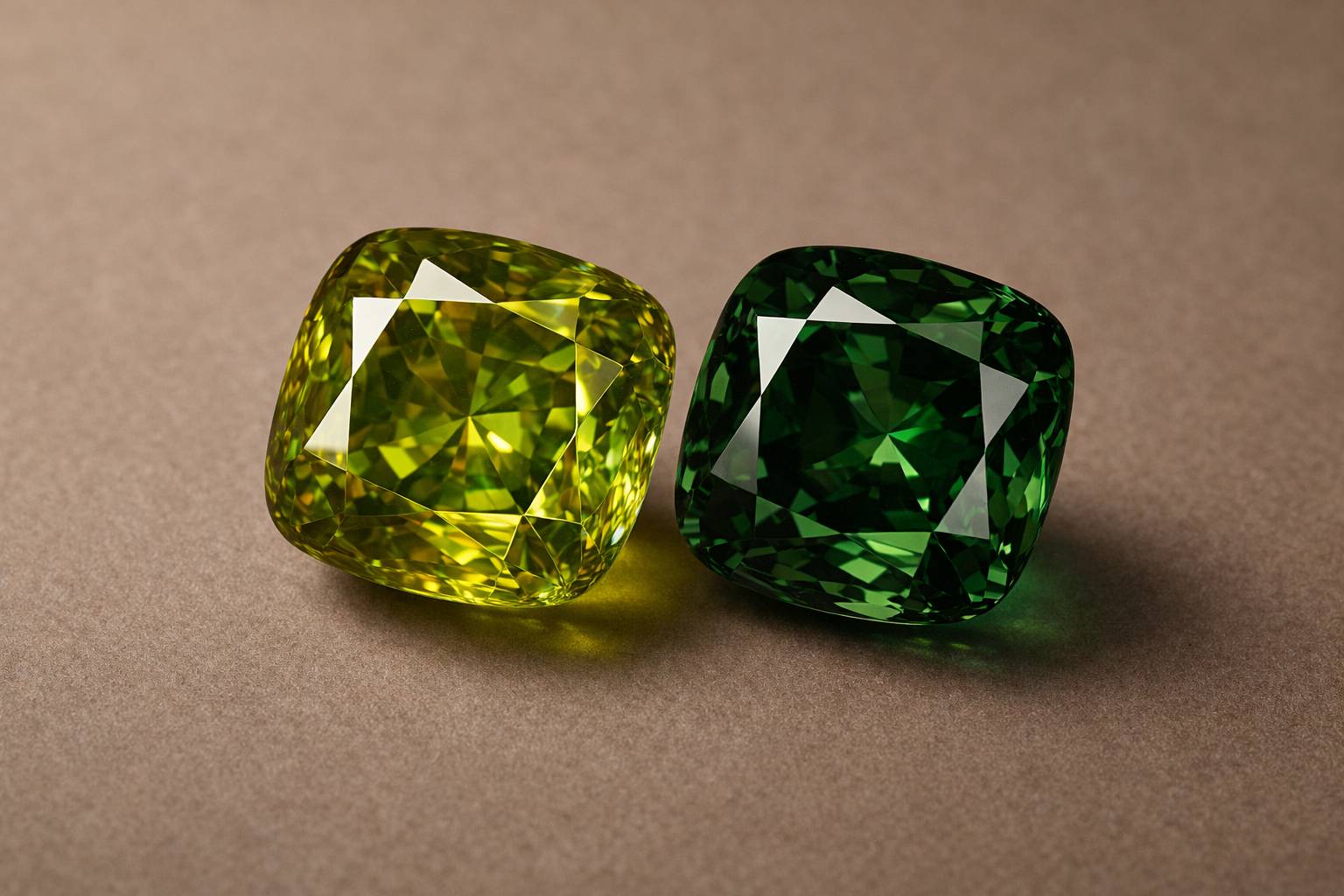
Sphene vs. Tourmaline: How to Choose Between Them
Sphene, a titanium-bearing calcium silicate, is often compared to tourmaline, another vibrant gemstone. While both stones exhibit bright colors and unique characteristics, they differ significantly in hardness, refractive index, and value. Understanding these distinctions can guide you in choosing the right gemstone for your collection.
Identifying Key Characteristics
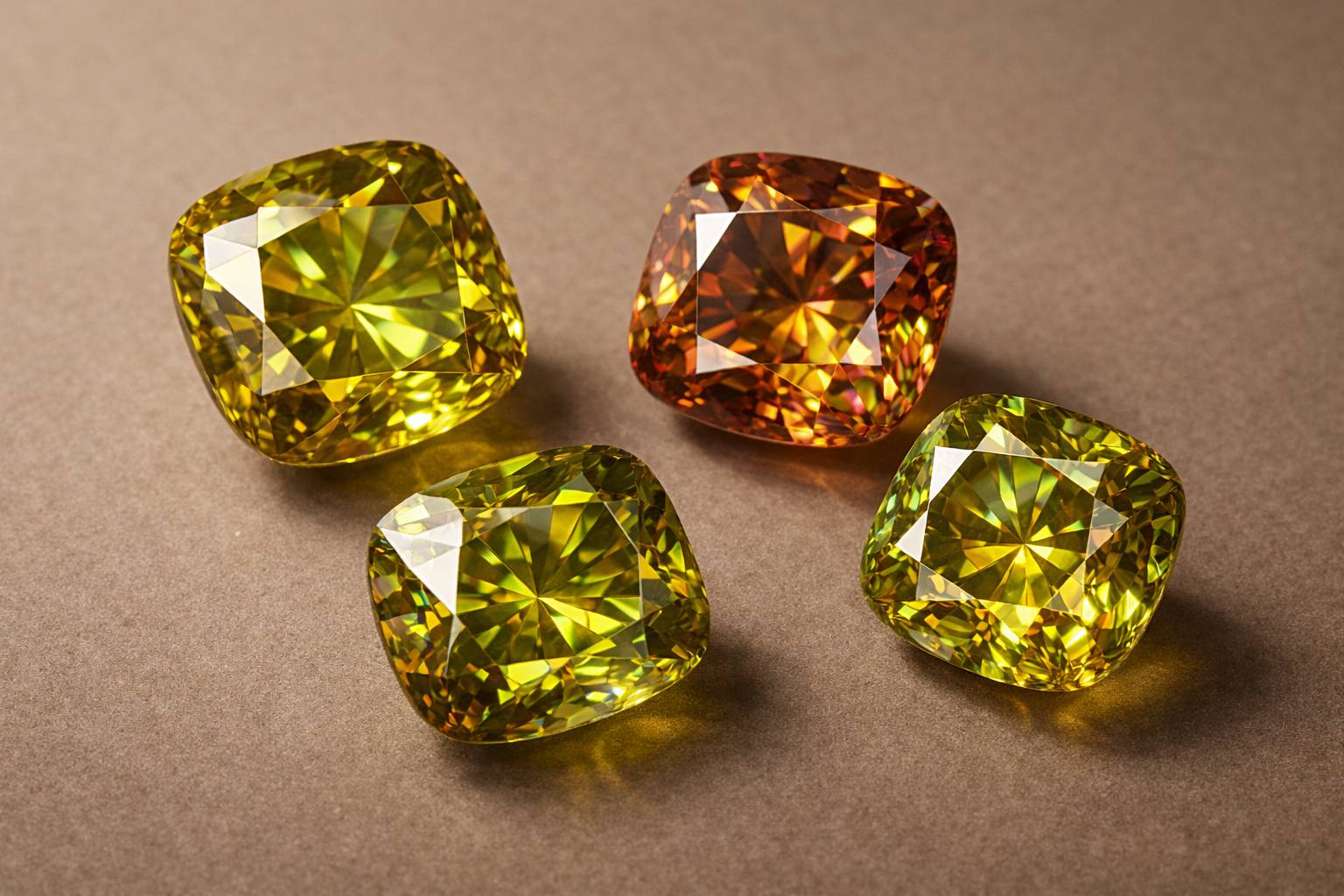
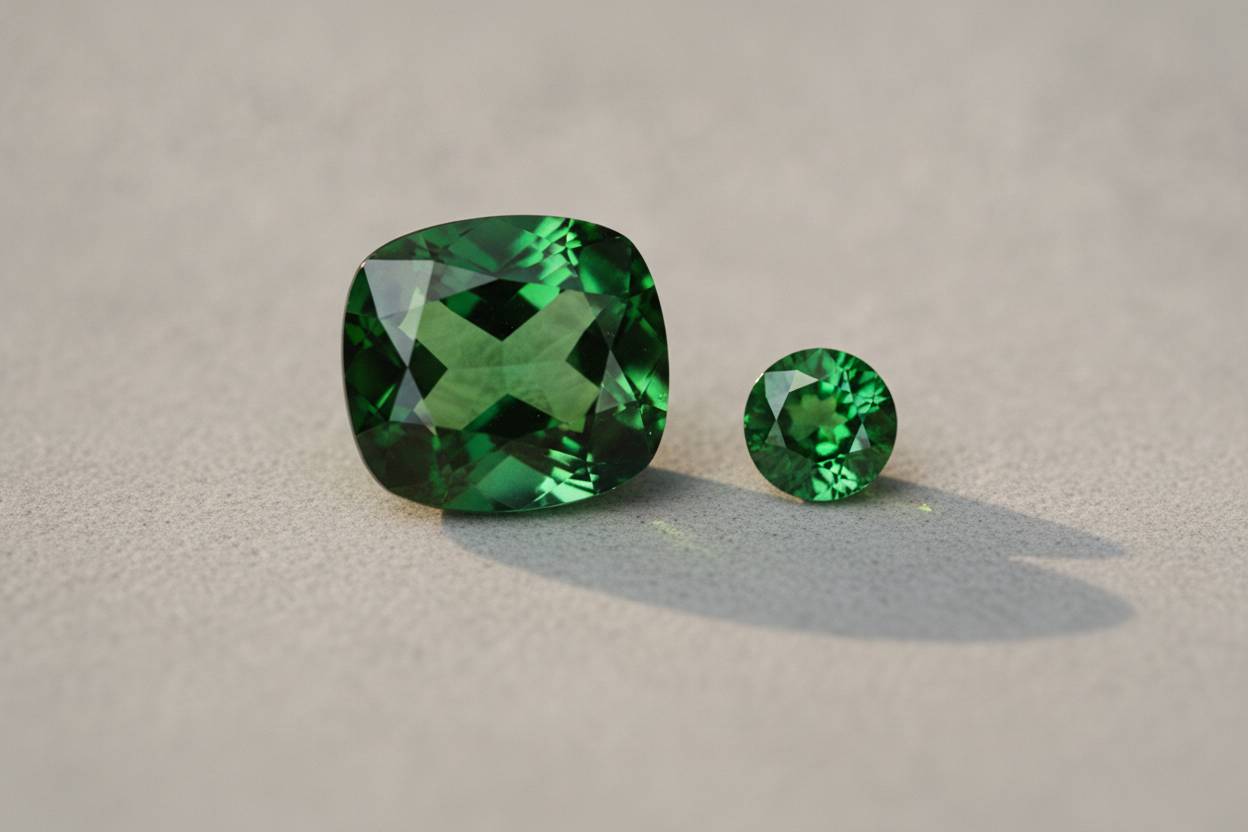
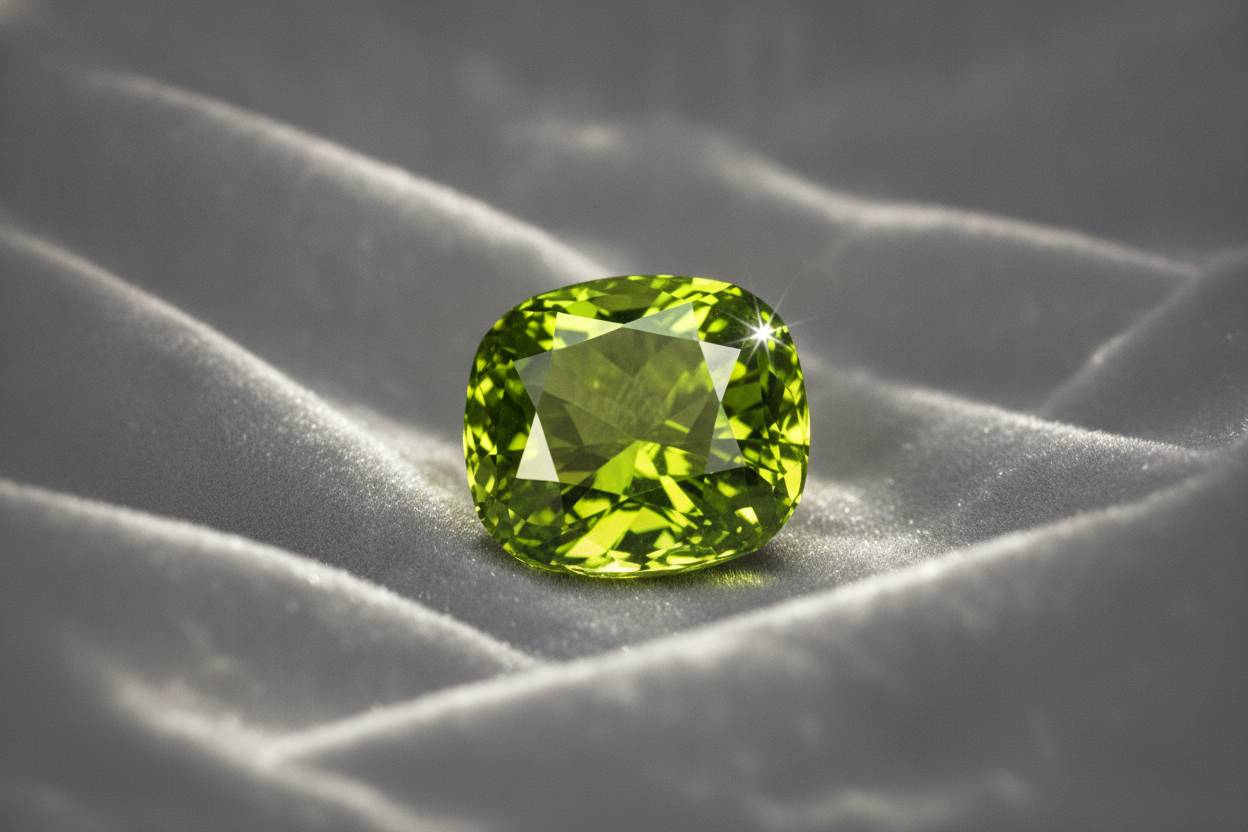
Sphene is known for its vibrant colors, which range from yellow to green and brown. Its Mohs hardness is 5.5, making it relatively softer than tourmaline, which typically ranks between 7 and 7.5 on the Mohs scale. Additionally, sphene has a refractive index of 1.88 to 1.90, which contributes to its brilliance and fire compared to tourmaline's lower refractive index.
Origins and Availability

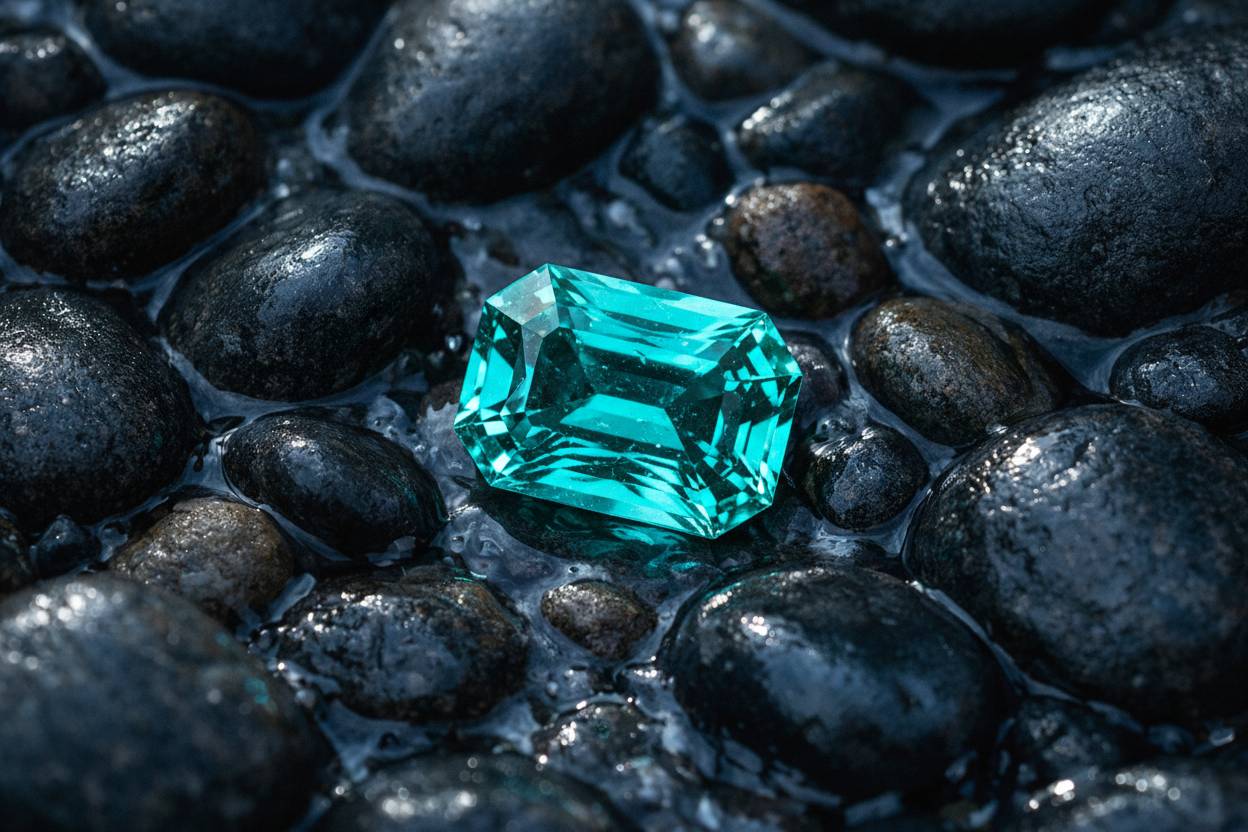
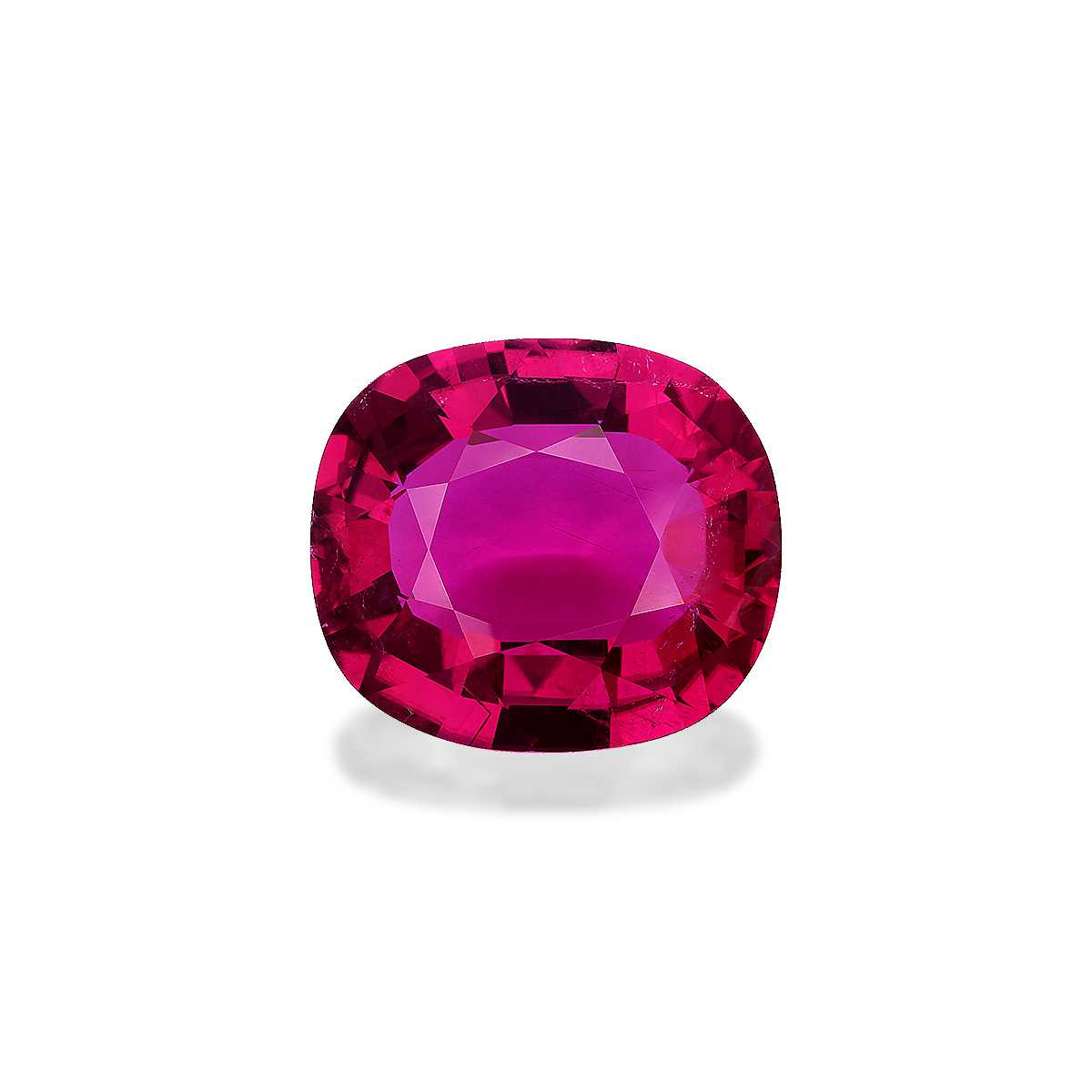
Sphene is primarily sourced from Madagascar and India, while tourmaline can be found in numerous locations worldwide, including Brazil, Afghanistan, and the United States. This availability can affect market prices, with tourmaline often being more readily accessible than sphene. However, certain colors of tourmaline can also fetch high prices, particularly the rare Paraiba variety.
Clarity and Inclusions
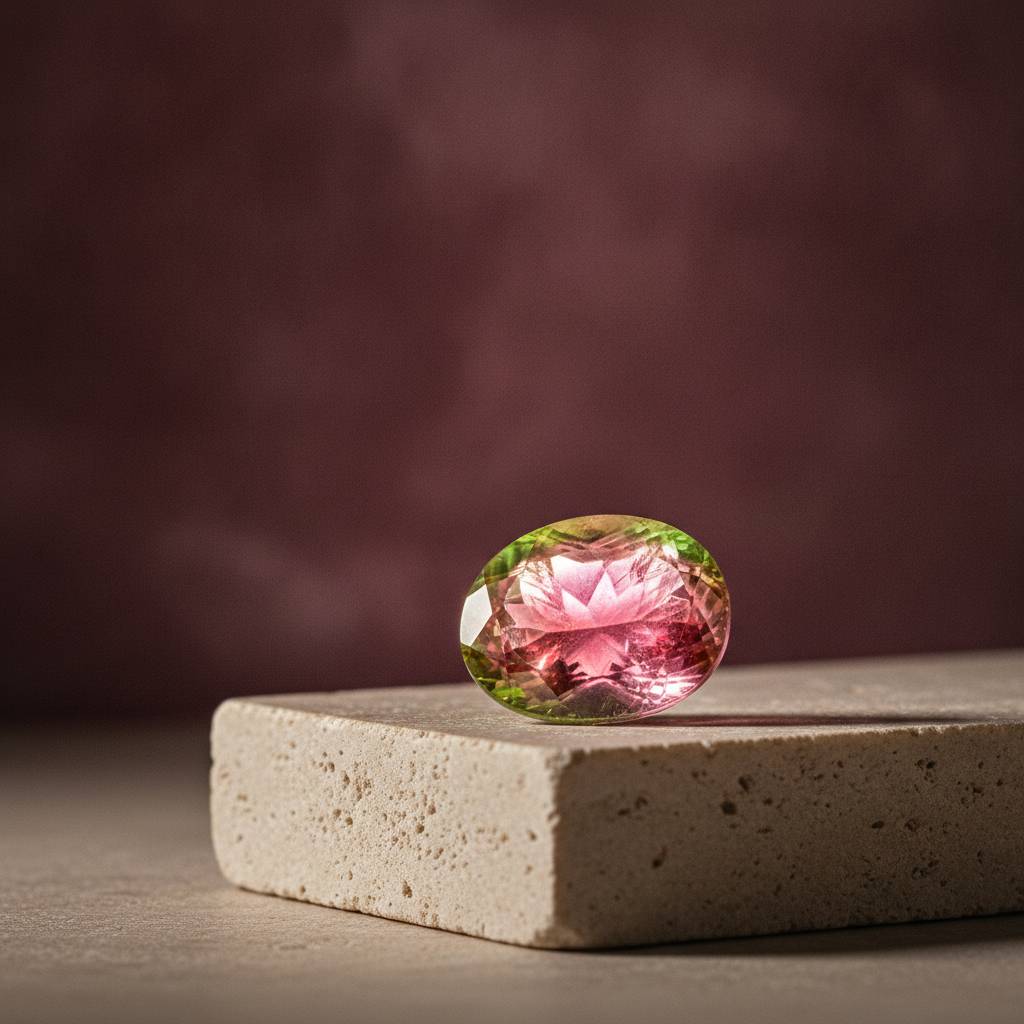
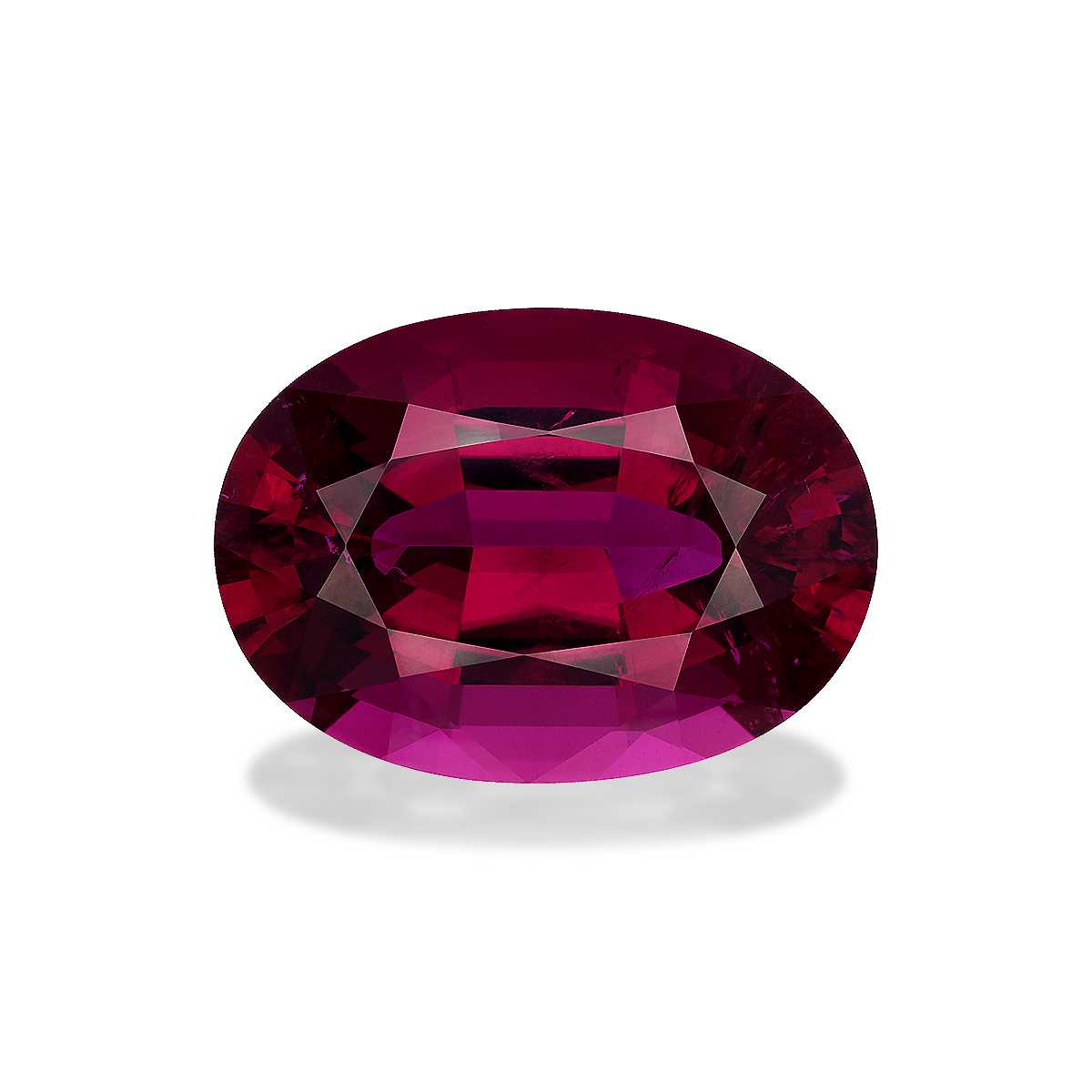
When assessing clarity, sphene typically features needle-like inclusions, clouds, and feather-like inclusions, which can affect its overall appearance. High-quality sphene stones exhibit exceptional clarity, making them quite desirable. In contrast, tourmaline can show a range of inclusions, but certain varieties, like watermelon tourmaline, are valued for their unique color zoning and inclusions.
More from Tourmaline


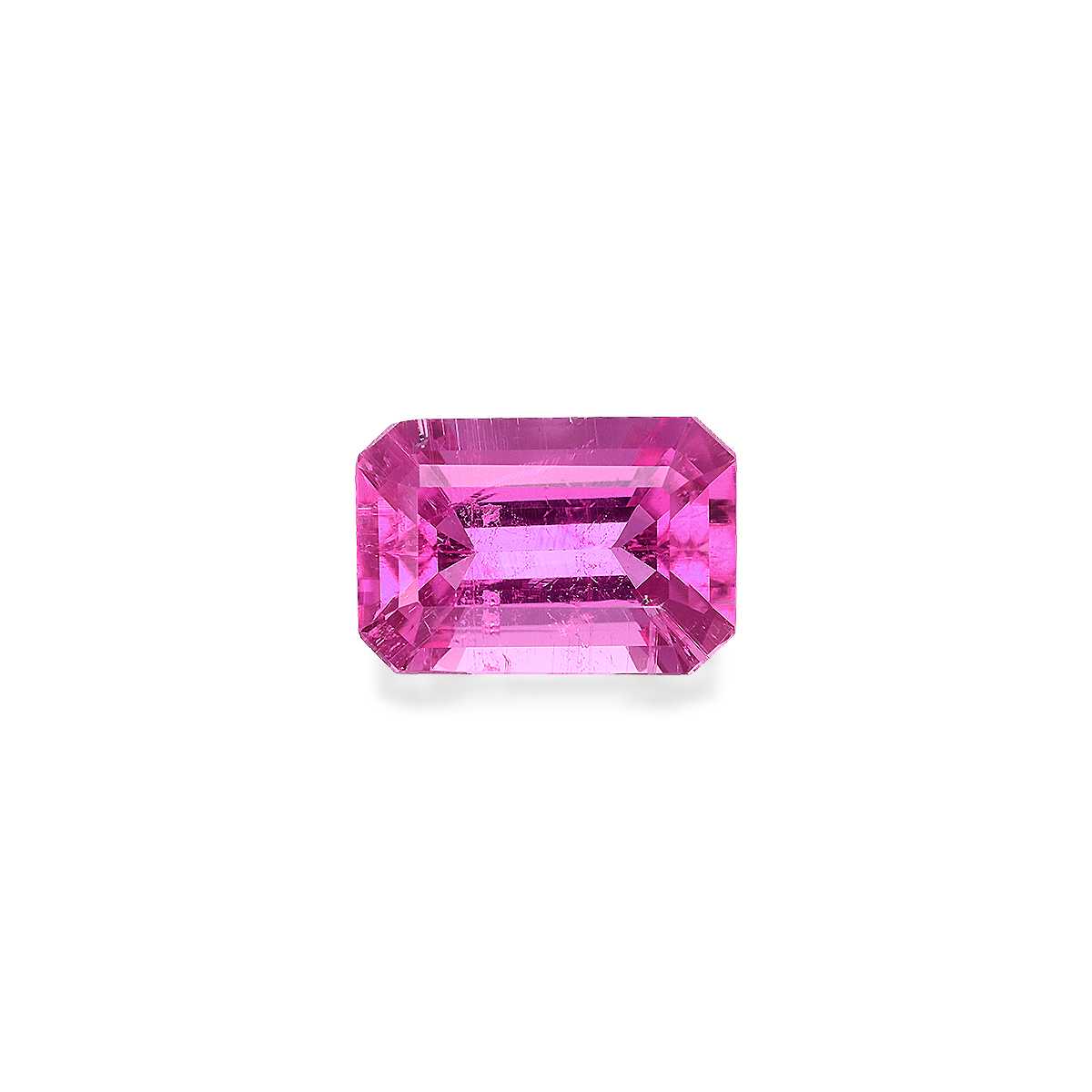
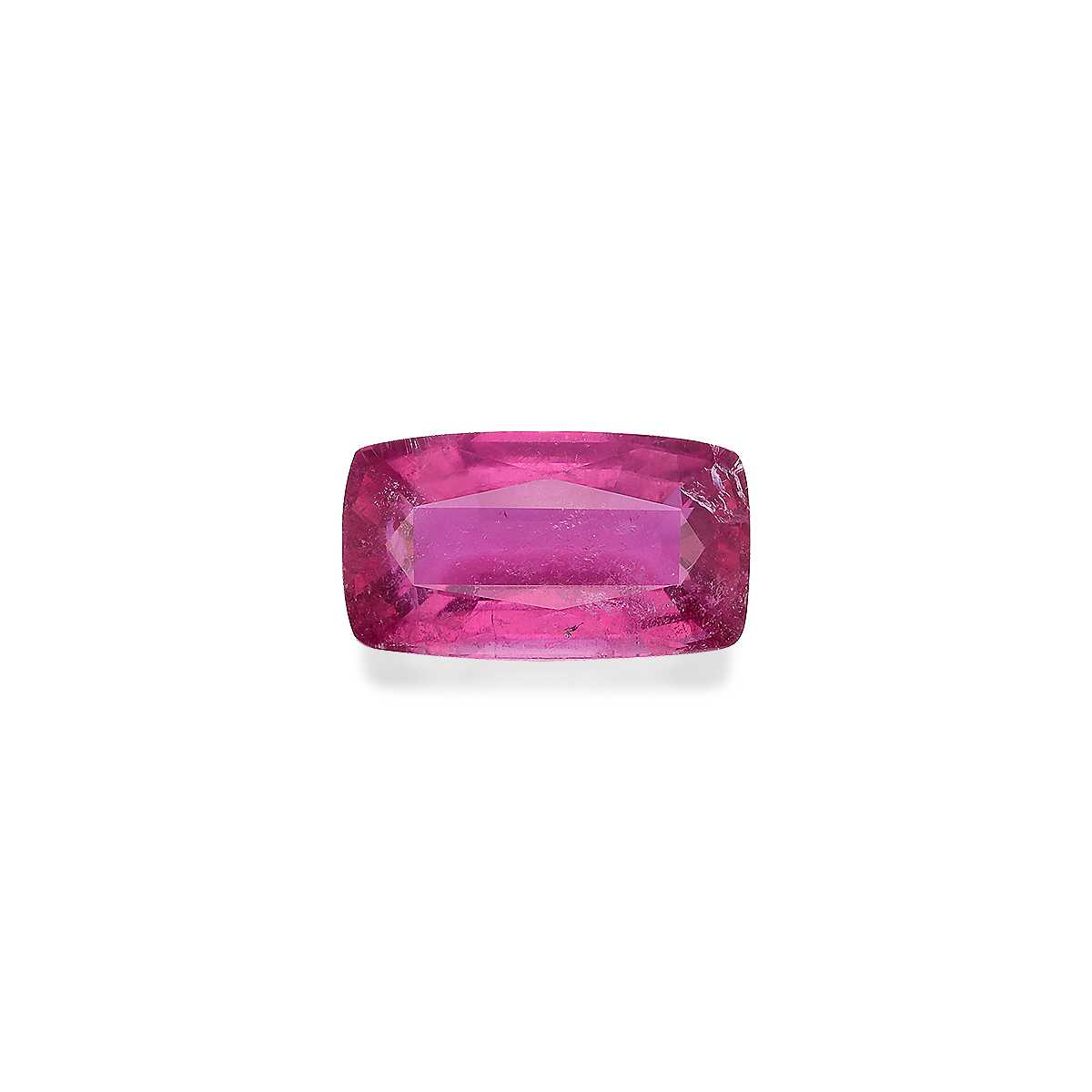
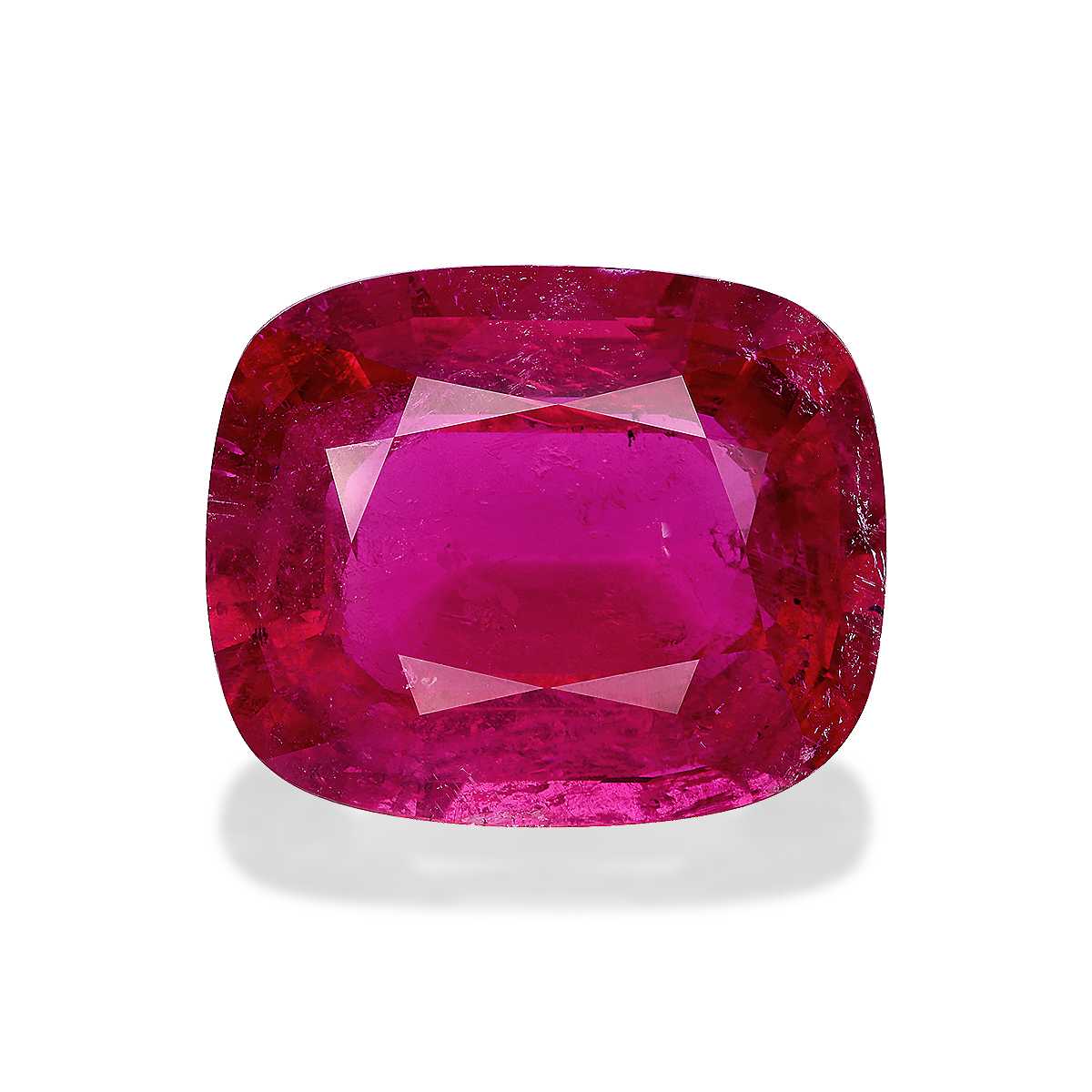
Value Considerations
The value of sphene is driven by its vibrant color, exceptional clarity, and unique cutting styles. Prices for sphene can vary widely based on quality, ranging from $50 to $200 per carat. Tourmaline's pricing is also variable, with common colors priced around $20 to $100 per carat, while rare varieties can exceed $1,000 per carat. It is essential to be cautious of overly high prices for low-quality stones and misleading claims regarding treatments in both gemstones.
Choosing Between Sphene and Tourmaline
Your choice between sphene and tourmaline should depend on personal preferences and intended use. If you value exceptional brilliance and a unique color palette, sphene may be the right choice. However, if you seek a more durable gem with a wider range of availability, tourmaline could be preferable. Understanding the characteristics and market dynamics of both stones will help you make a more informed decision.
Final Thoughts
Both sphene and tourmaline offer remarkable qualities for collectors and jewelry enthusiasts. By recognizing their differences in hardness, clarity, and pricing, you can confidently select the gemstone that best suits your needs.
Frequently asked questions
What are the main differences between sphene and tourmaline?+
Sphene has a lower hardness of 5.5 compared to tourmaline's 7-7.5. Sphene also has a higher refractive index, resulting in greater brilliance.
Where do sphene and tourmaline come from?+
Sphene is primarily sourced from Madagascar and India, whereas tourmaline is found in many locations, including Brazil and Afghanistan.
How can I tell the clarity of sphene versus tourmaline?+
Sphene often has needle-like inclusions and exceptional clarity, while tourmaline inclusions can vary widely, often showing unique color zoning.
What is the price range for sphene and tourmaline?+
Sphene prices range from $50 to $200 per carat, while tourmaline typically ranges from $20 to $100 per carat, with rare varieties exceeding $1,000.
Which gemstone is more durable, sphene or tourmaline?+
Tourmaline is more durable with a hardness of 7-7.5, making it suitable for everyday wear, while sphene's 5.5 hardness makes it more prone to scratches.
From our Journal
Buying guides, origin stories, and notes from the trade.