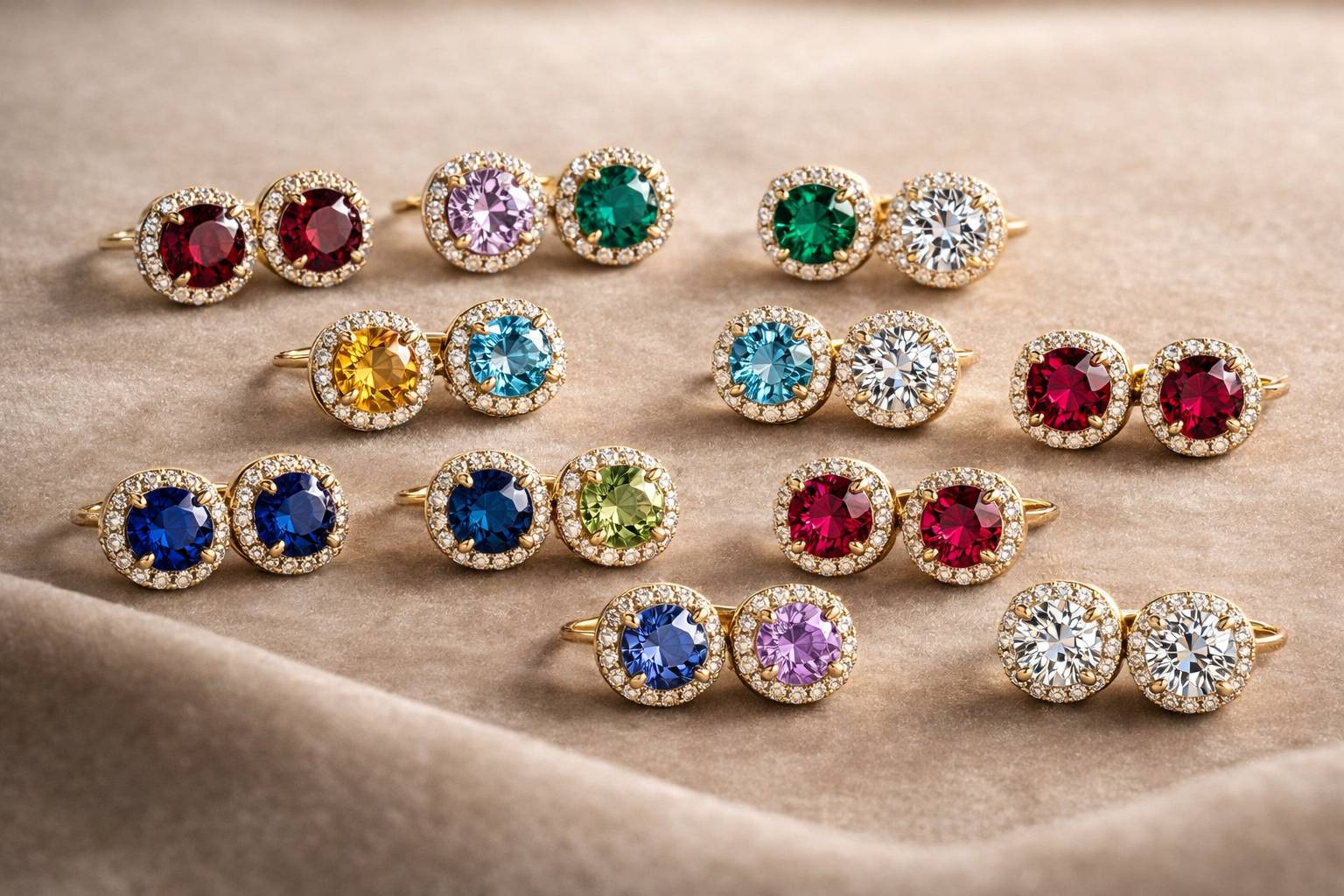
A Guide to Choosing the Right Birthstone
Choosing the right birthstone involves understanding its significance, color variations, and personal resonance. Key factors include the stone's characteristics, its symbolism, and how well it aligns with the wearer's personality or preferences. This guide provides insights into these elements to help you make an informed decision.
Understanding Symbolism and Significance
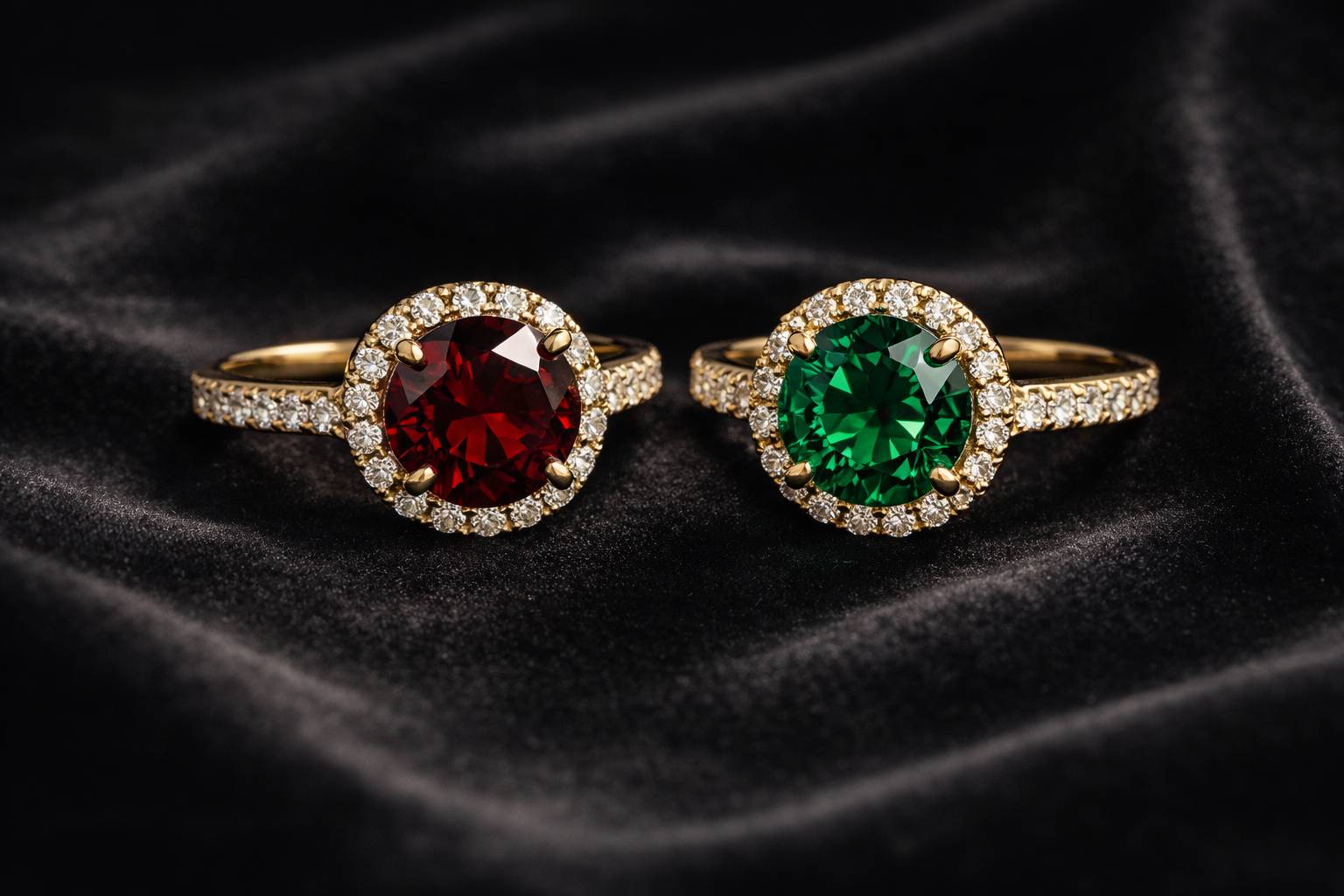
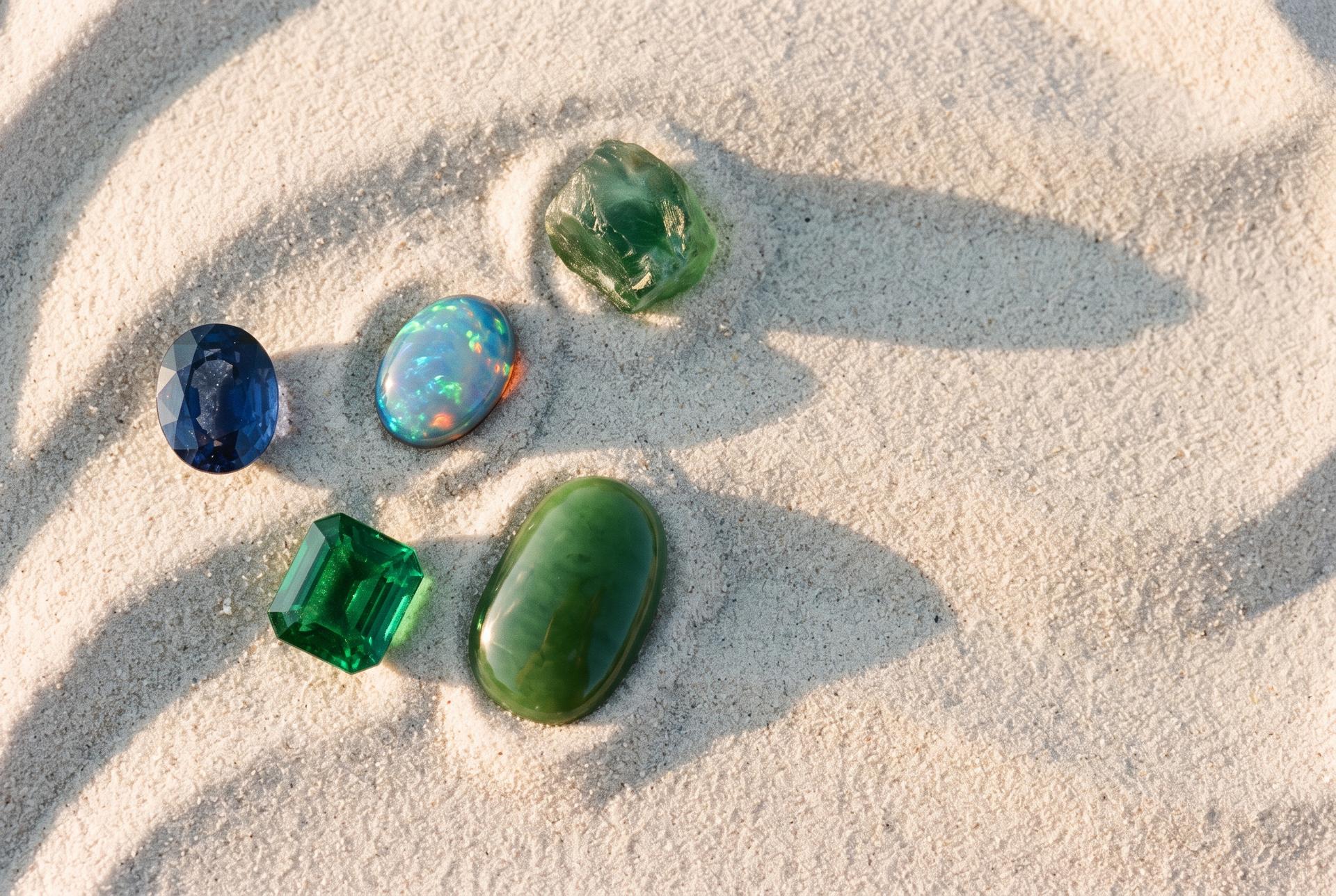
Each birthstone carries unique meanings and historical significance. For example, garnet, the birthstone for January, symbolizes loyalty and friendship, while emerald, for May, represents rebirth and love. Familiarizing yourself with these associations can assist in selecting a stone that resonates with the intended recipient.
Exploring Color Variations
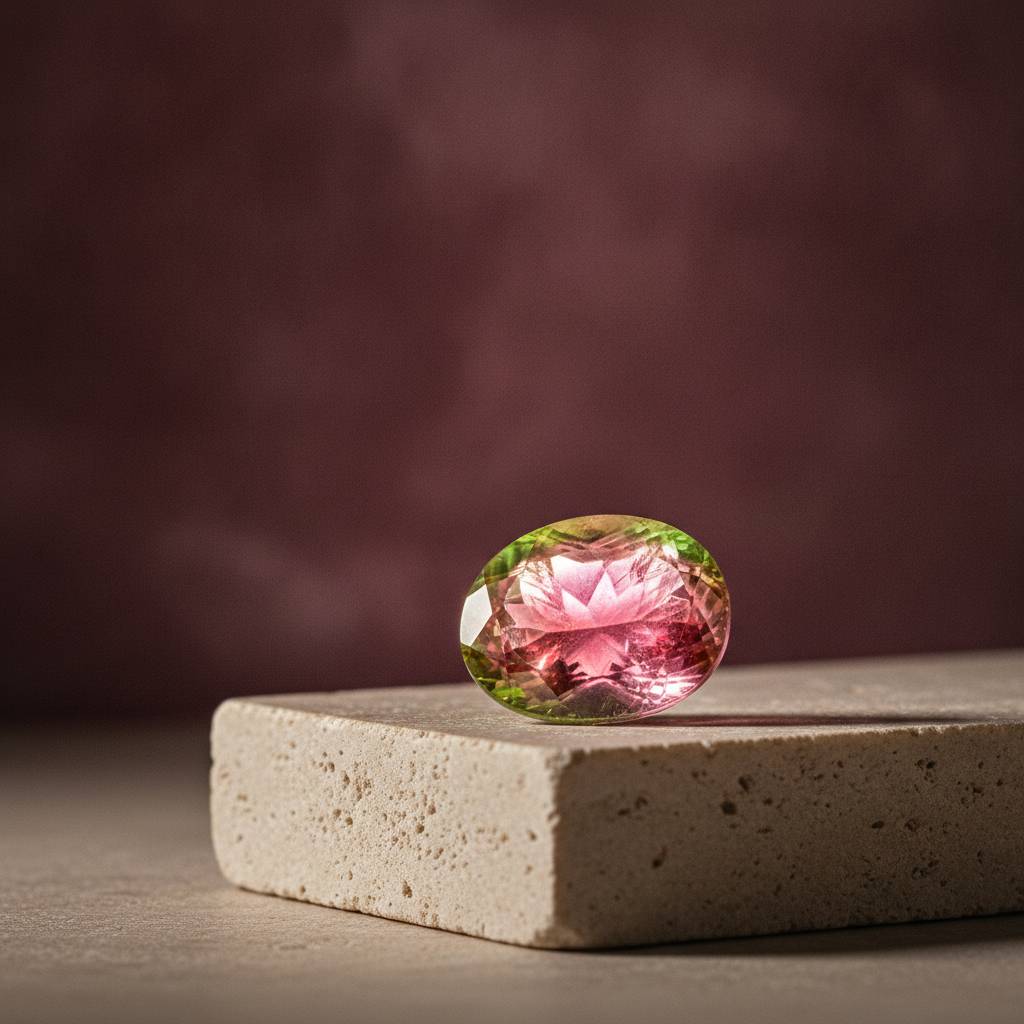
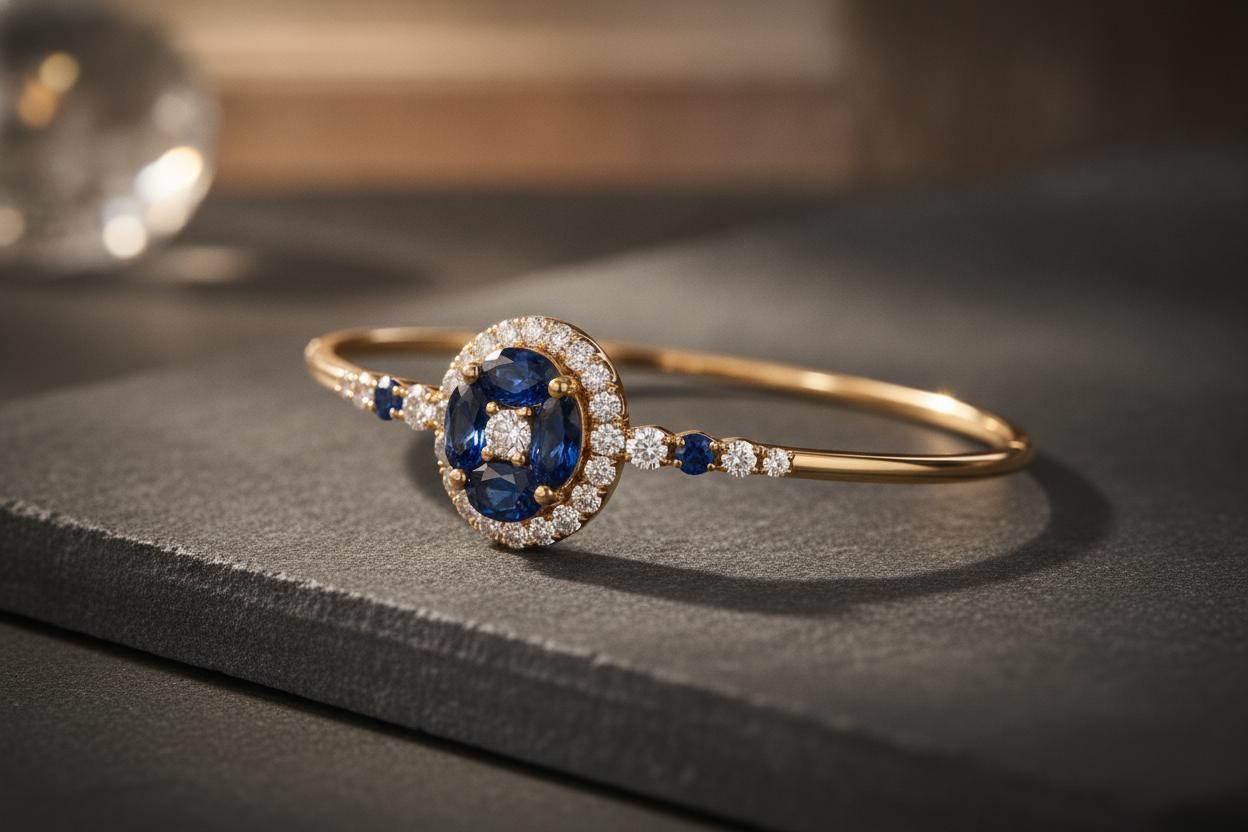
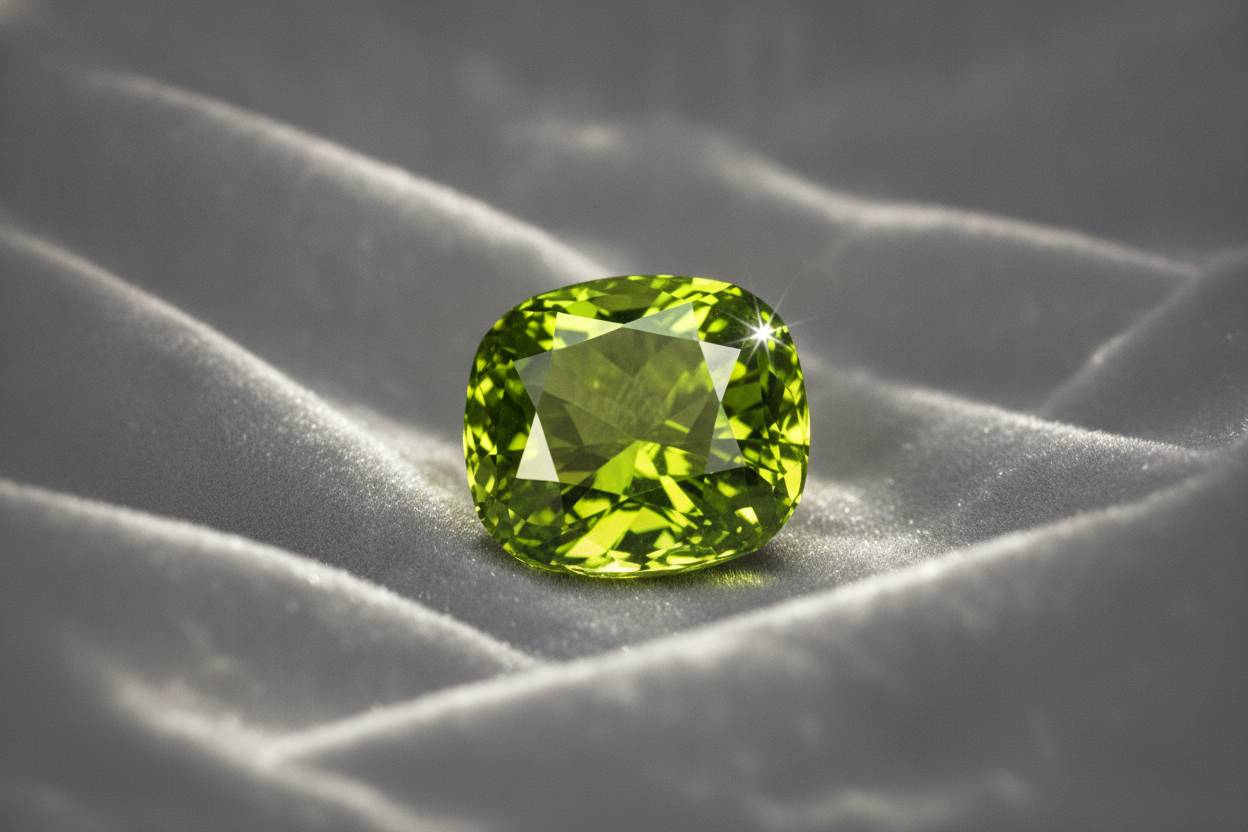
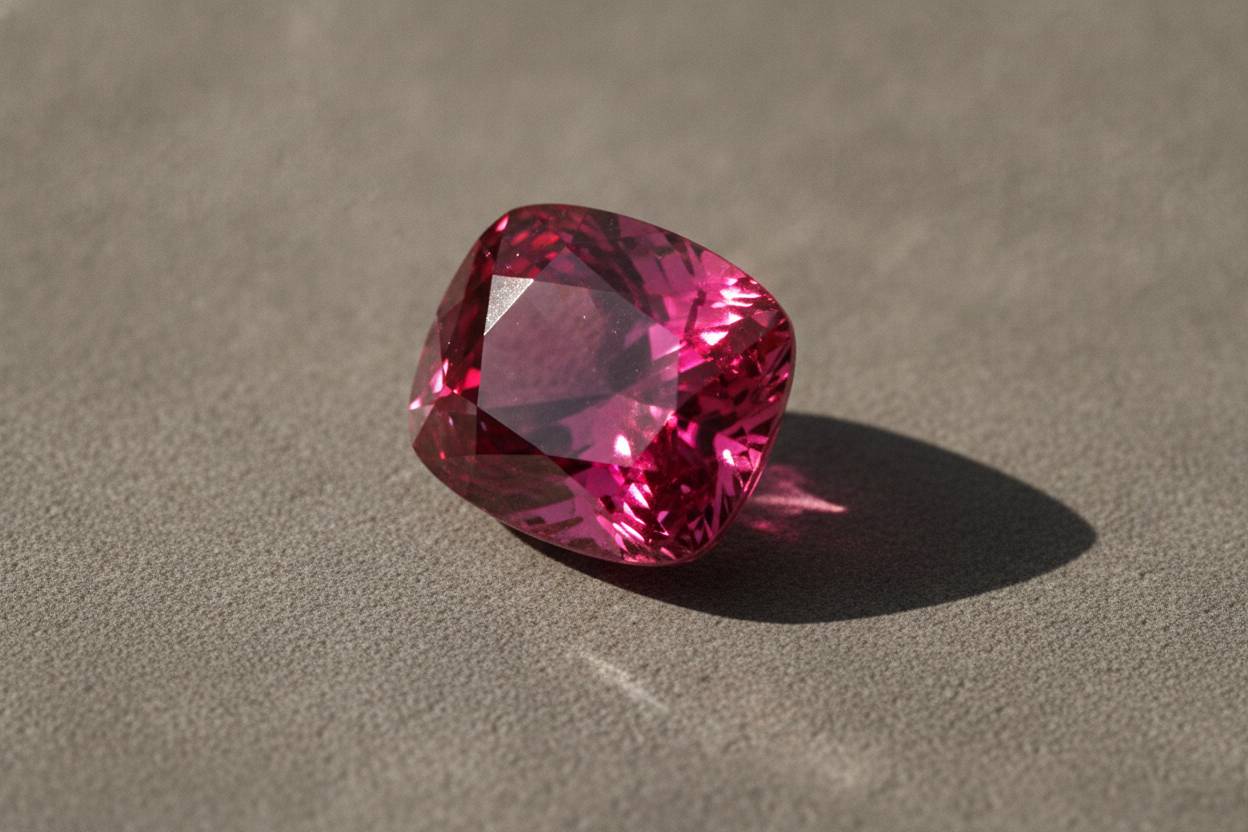
Color plays a crucial role in the appeal of a birthstone. For instance, sapphires can be found in various hues beyond the traditional blue, including pink, yellow, and green. Understanding the range of colors available can broaden your selection and help you find a stone that suits personal tastes.
Evaluating Quality and Durability
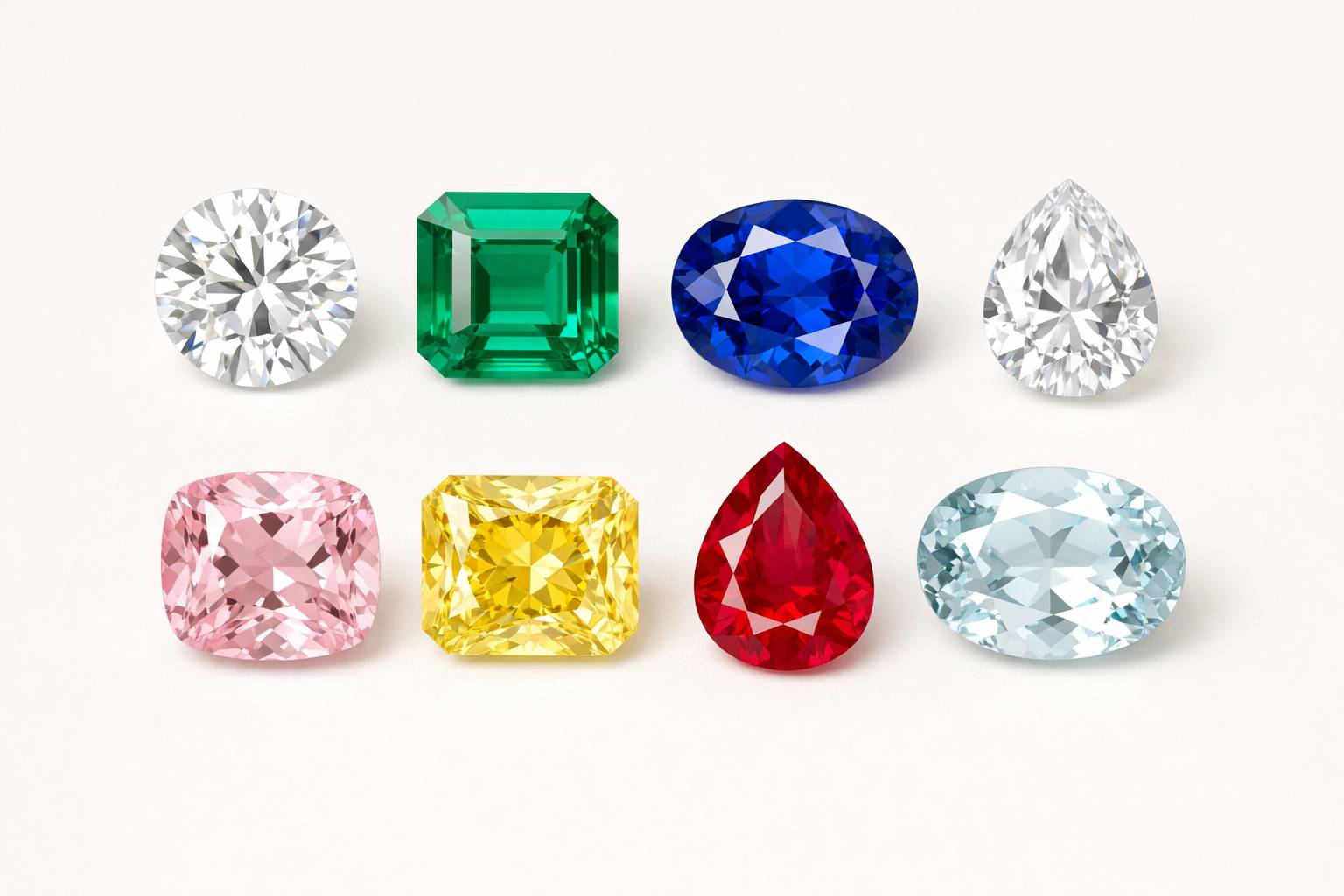
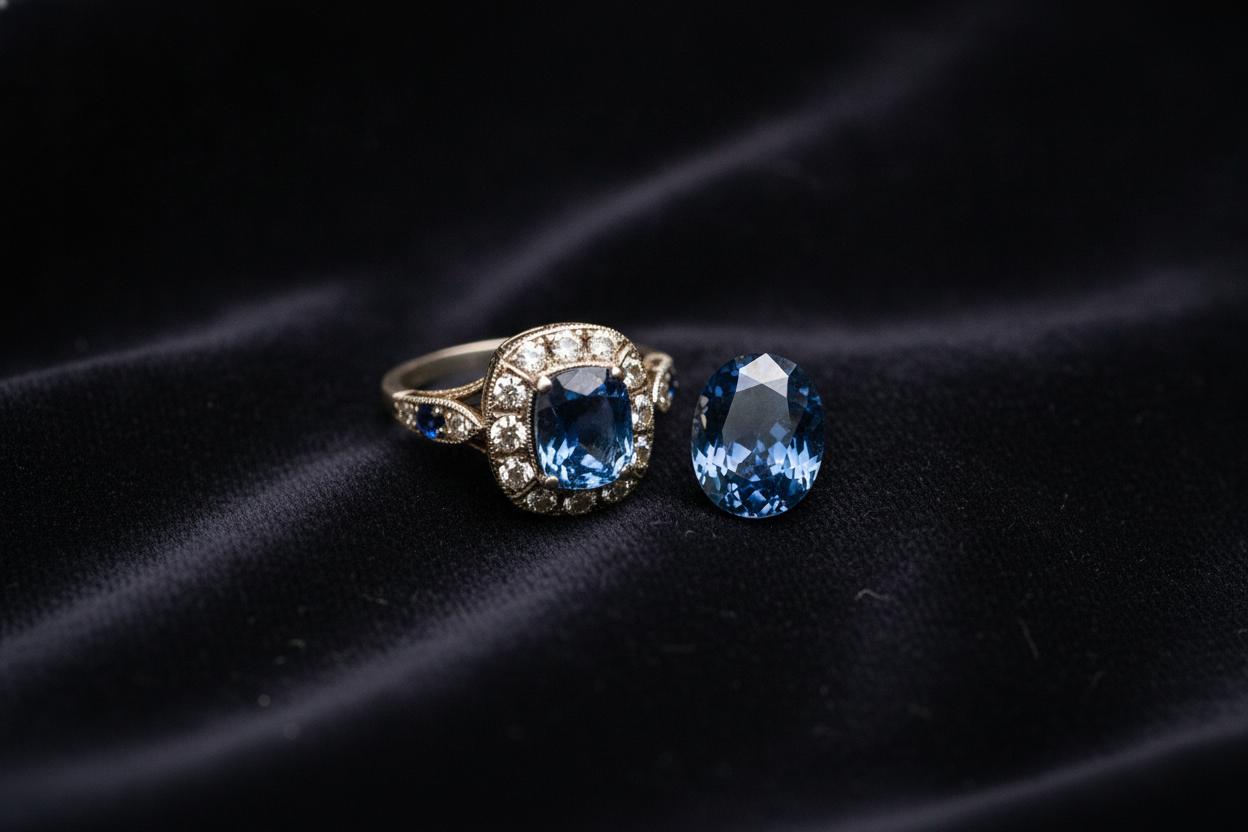
When selecting a birthstone, consider the stone's quality, which is influenced by factors like clarity, cut, and carat weight. For example, sapphires typically range from 2 to 5 carats for everyday wear, while higher-quality stones can exceed 10 carats. Durability is also significant; stones like diamonds and sapphires (Mohs hardness of 10 and 9, respectively) are ideal for daily jewelry.
Personal Connection and Style Choices
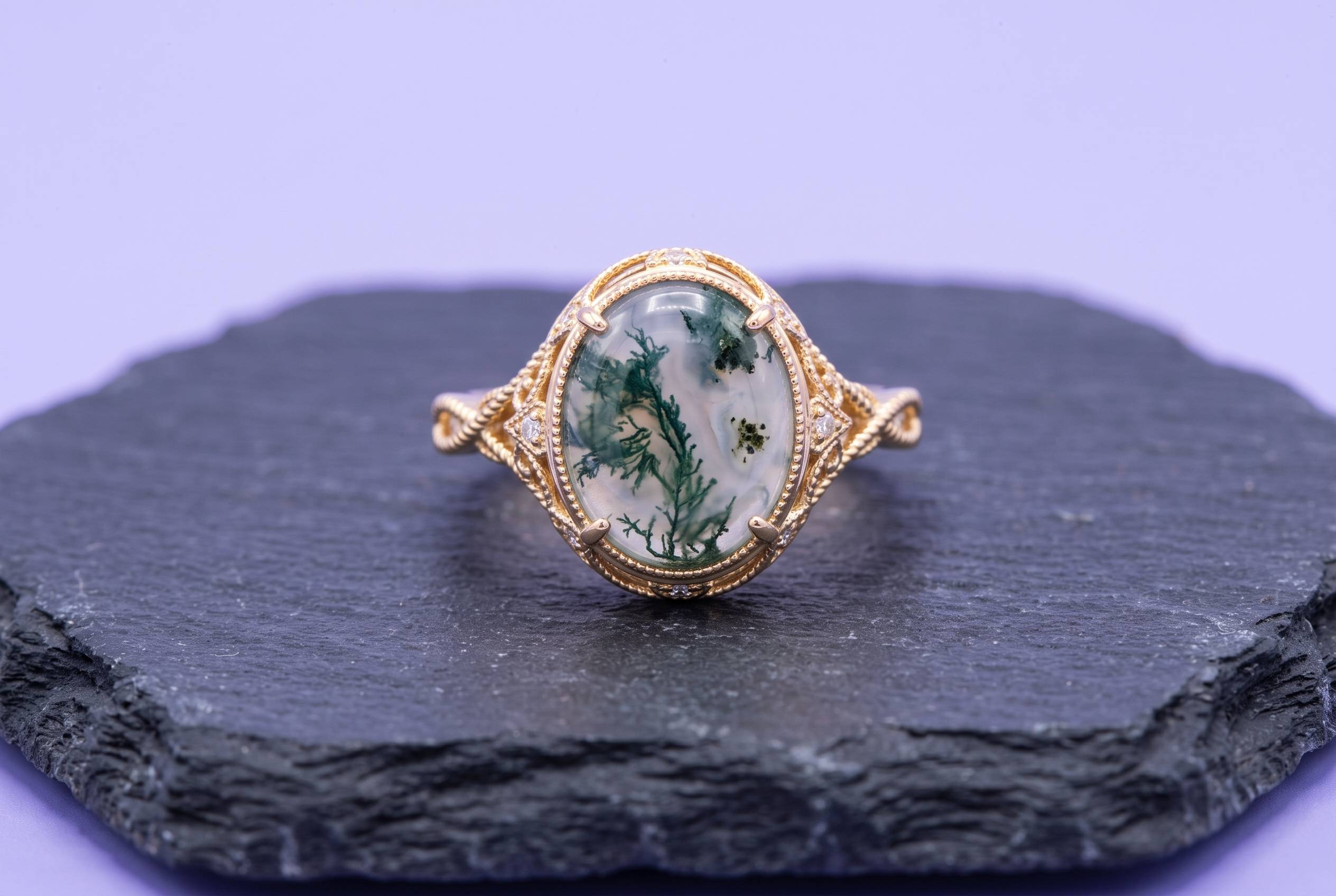
Choosing a birthstone should reflect the wearer's individuality. Consider their preferences, lifestyle, and how they typically wear jewelry. A larger, more vibrant stone may be suitable for someone who enjoys bold statement pieces, while a smaller, refined stone may appeal to those favoring subtlety.
Gemstone Treatments and Enhancements
Many gemstones undergo treatments to enhance their appearance. For instance, heat treatment is common in sapphires to improve color. Being aware of these treatments can influence your purchase decision, as treated stones may vary in value compared to their natural counterparts.
Certification and Provenance
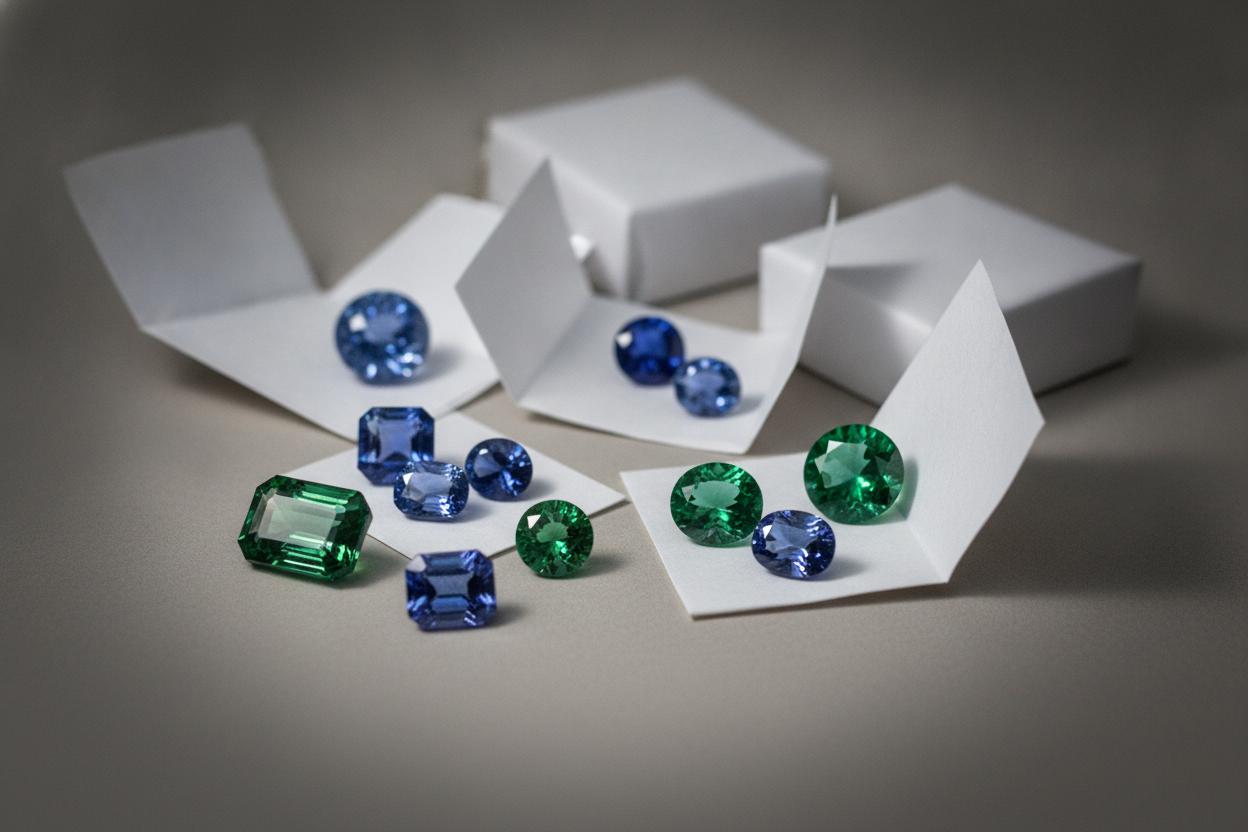
When investing in a birthstone, seek certification from reputable gemological laboratories. Certifications provide assurance regarding the stone's authenticity and quality. Look for documents from recognized entities such as the Gemological Institute of America (GIA) or the International Gemological Institute (IGI).
Frequently asked questions
What is a birthstone?+
A birthstone is a gemstone traditionally associated with each month of the year, often reflecting specific meanings and symbolism.
How do I choose the right birthstone for someone?+
Consider the recipient's birth month, personal preferences, and the meanings associated with the stone. Think about their style and lifestyle when making your selection.
Are all birthstones treated in the same way?+
No, different gemstones undergo various treatments. For example, sapphires may be heat-treated for color enhancement, while others might be oiled or coated. Always check for certification to understand treatment history.
What should I look for in a quality birthstone?+
Quality factors include clarity, cut, color, and carat weight. Familiarize yourself with these elements, and consider the stone's Mohs hardness for durability.
Can birthstones be customized?+
Yes, many jewelers offer customization options for birthstone jewelry. You can choose settings, metal types, and even combine multiple stones to create a personalized piece.
From our Journal
Buying guides, origin stories, and notes from the trade.