Blue Sapphire Meaning and Symbolism
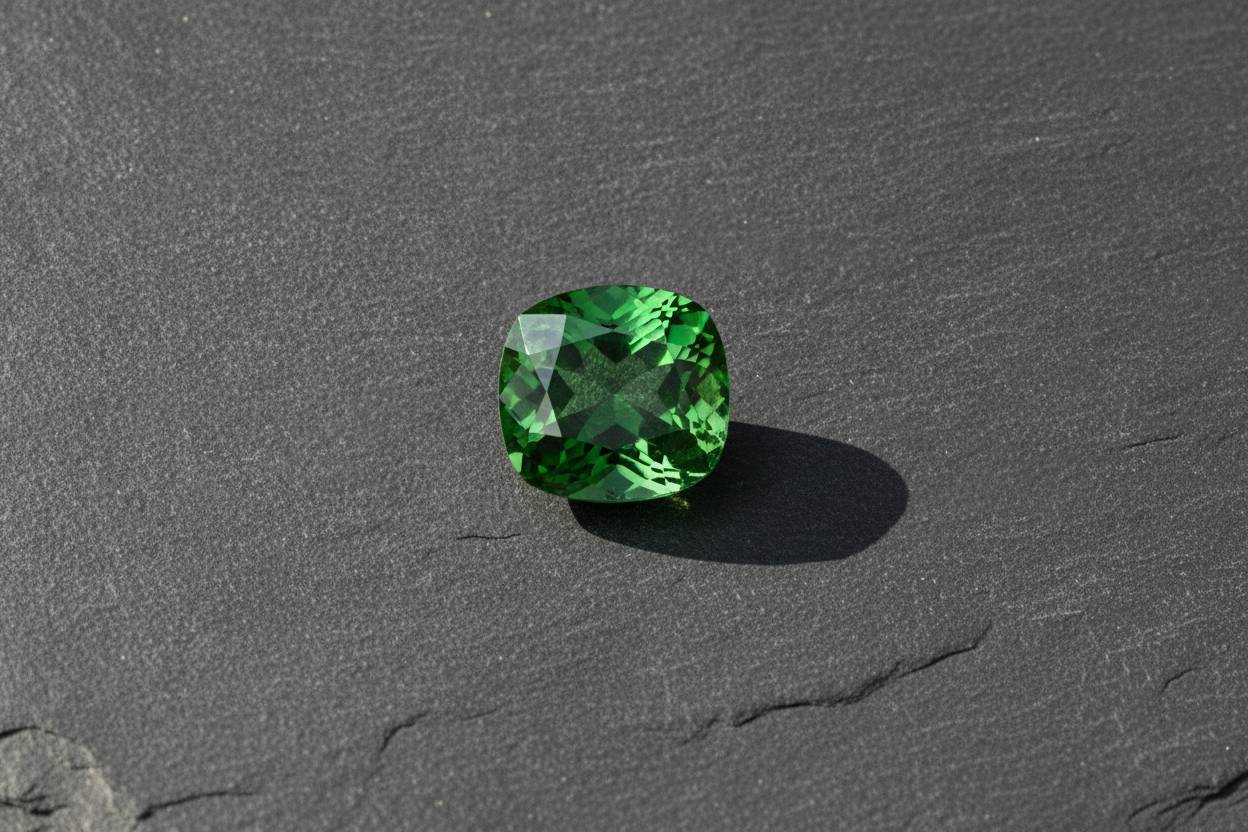
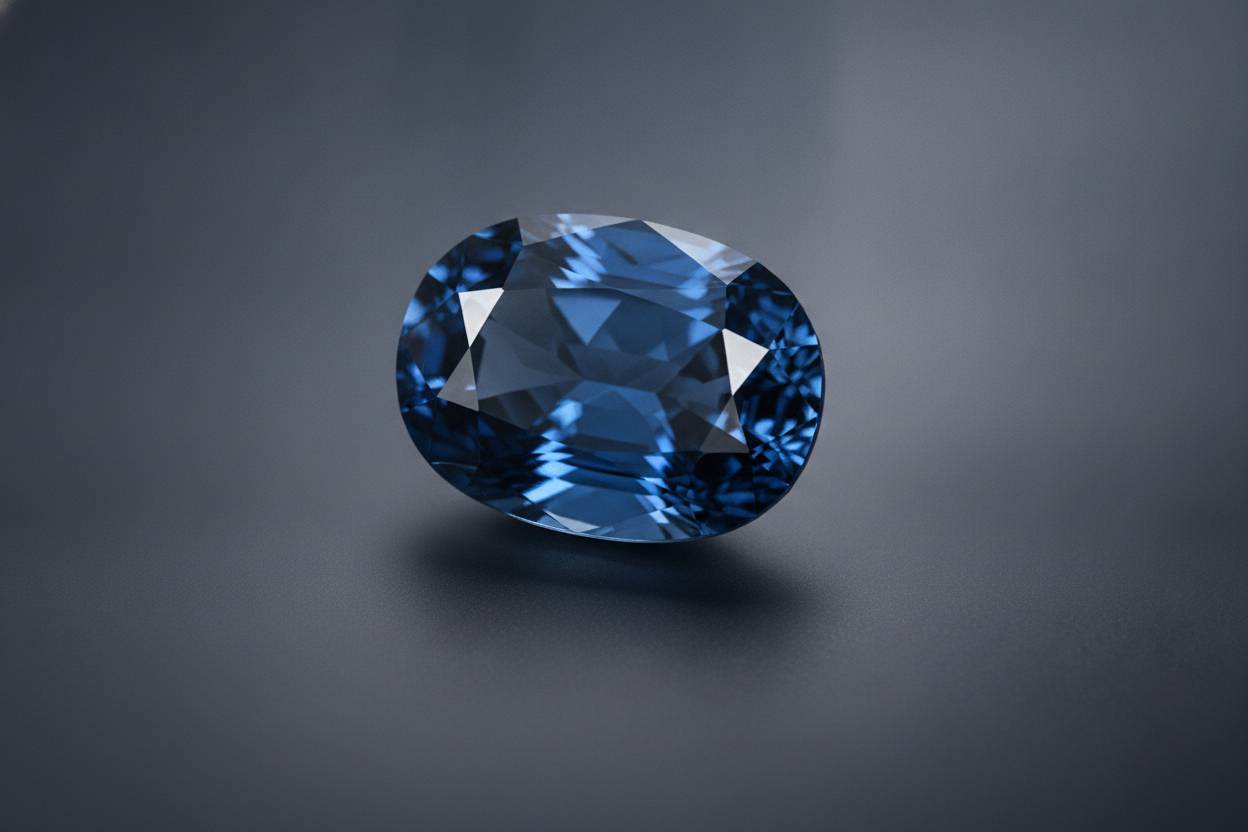
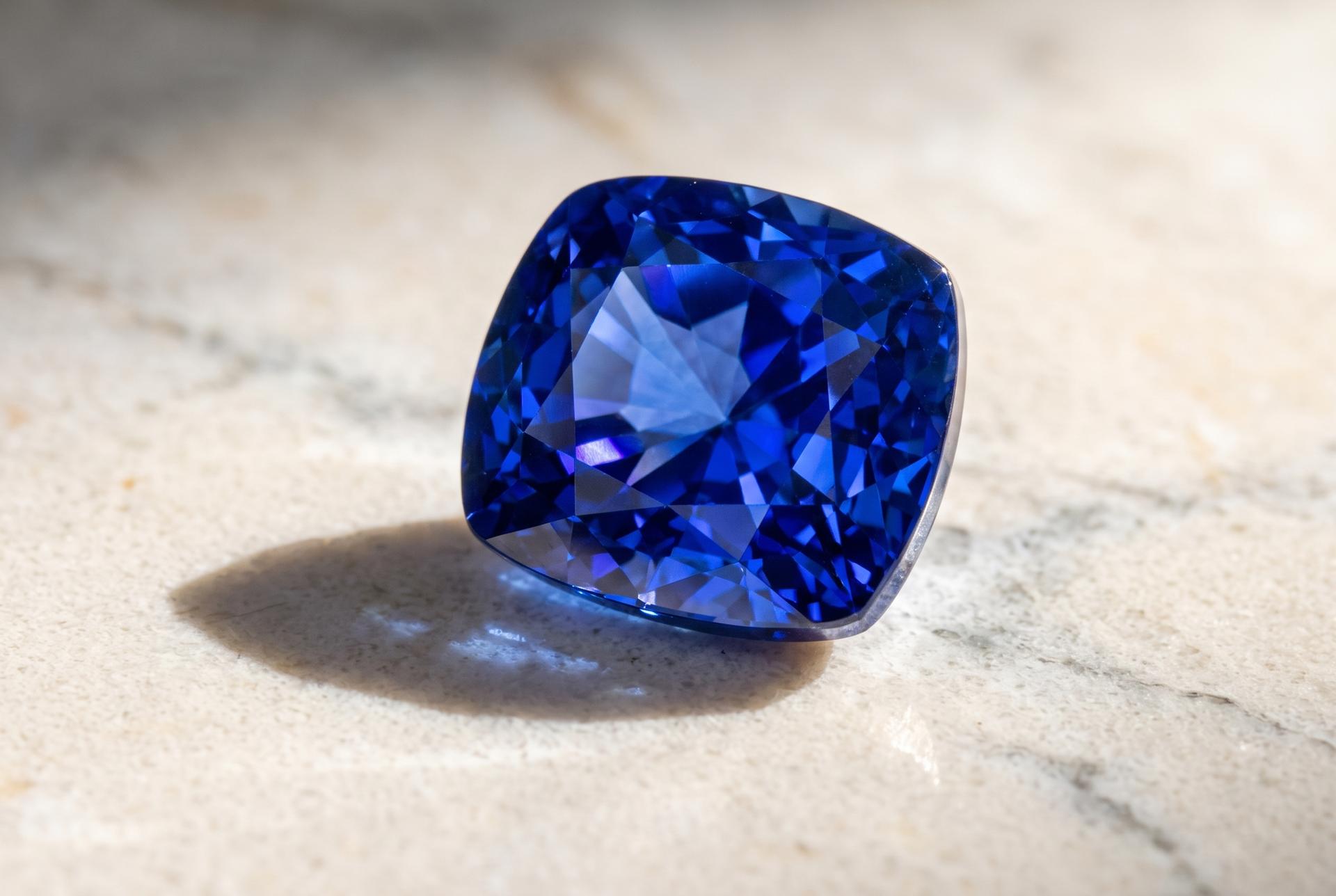
Blue sapphire meaning and symbolism centre on three enduring ideas: truth, constancy and protected authority — associations carried for centuries by clergy, monarchs and envoys who wore the stone as a pledge of fidelity. Those meanings were never abstract. They attached to particular mines, because the sapphires reaching medieval Europe and the courts of South Asia came overwhelmingly from Sri Lanka and Burma, and the colour of those deposits became the symbol. Madagascar now supplies a large share of the market, and for a serious buyer, knowing where a sapphire formed explains more about its colour, character and price than any symbolic claim attached to it.
Blue sapphire meaning and symbolism
The oldest associations are celestial. A deep, even blue was read as the colour of the heavens, and sapphire became the stone of clerical office, sworn oaths and steady judgement.
Later traditions layered on protection and clarity of thought, and in several South Asian systems the stone is linked to discipline and consequence rather than easy fortune. These are cultural meanings, not physical properties — the gem itself is corundum, coloured by trace elements, chiefly iron and titanium.
What matters for a buyer is that the symbolism was built around a specific visual ideal: a saturated, unclouded blue. That ideal came from particular ground.
Three sources that shaped it
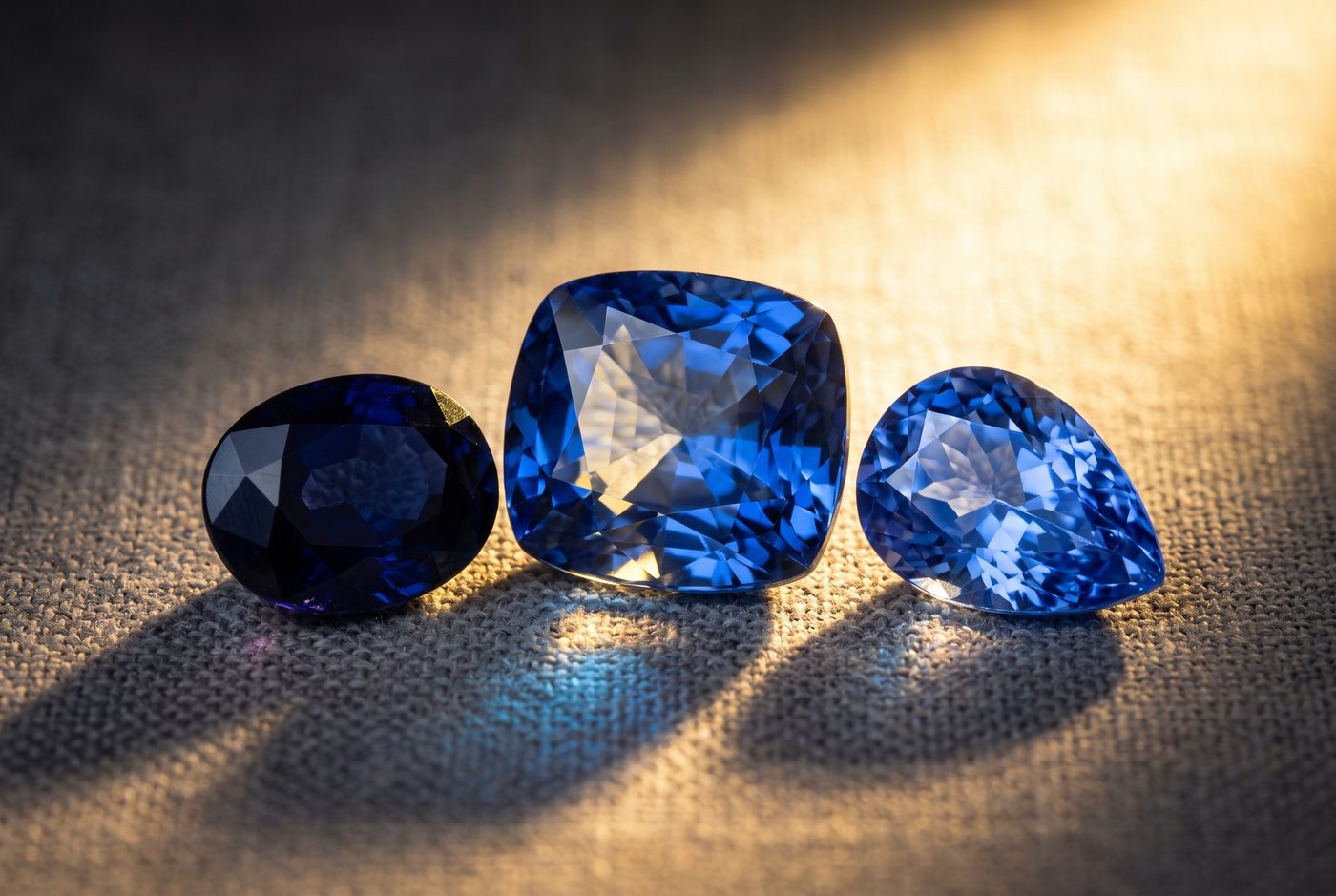
Three origins dominate the historical and modern story of fine blue sapphire. Each produces a recognisable range of material, though every deposit yields a spectrum rather than a single colour.
Sri Lanka
Sri Lanka — Ceylon in older trade usage — has been a continuous source for well over a thousand years, worked largely from alluvial gem gravels around Ratnapura and Elahera. Ceylon material is known for brightness and transparency, often in lighter to medium tones that hold life under low light.
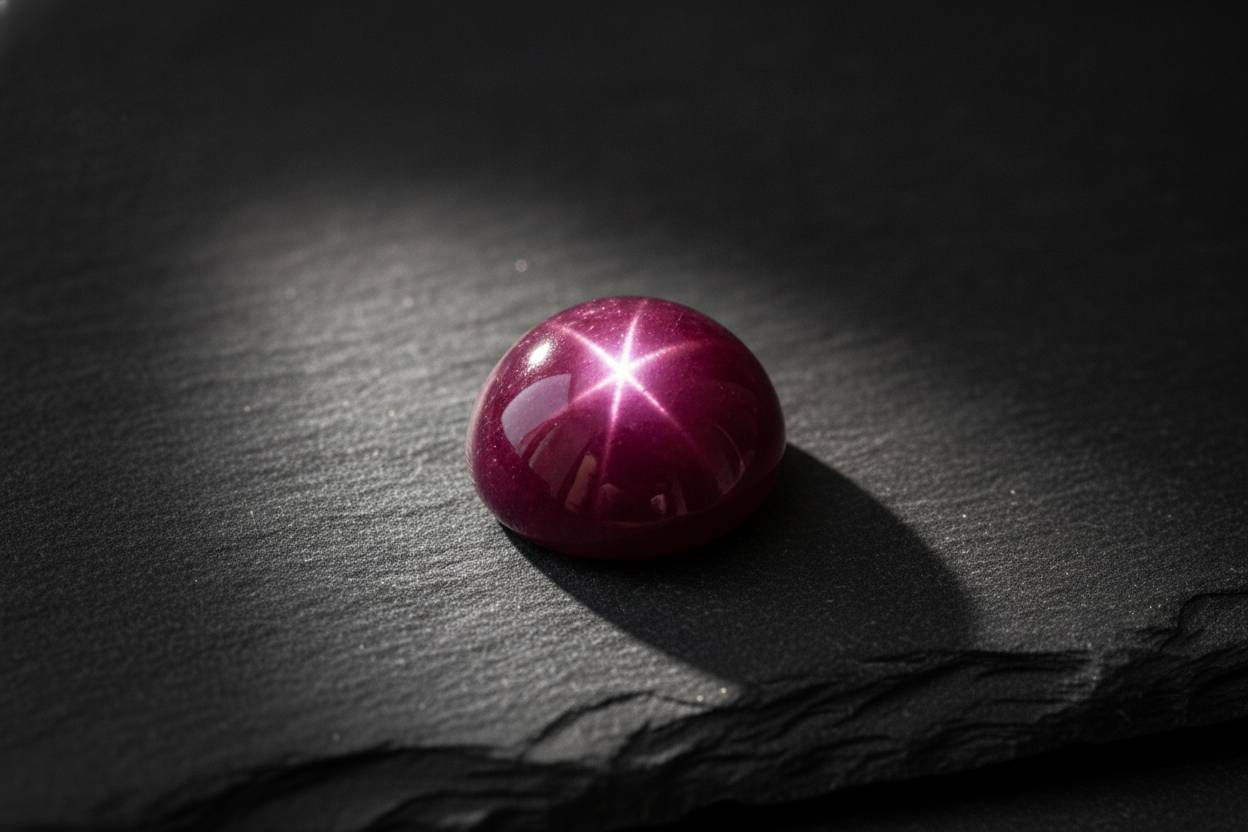
Many of the stones that earned the trade name Cornflower Blue have come from here, along with fine star sapphires produced by dense silk.
Burma
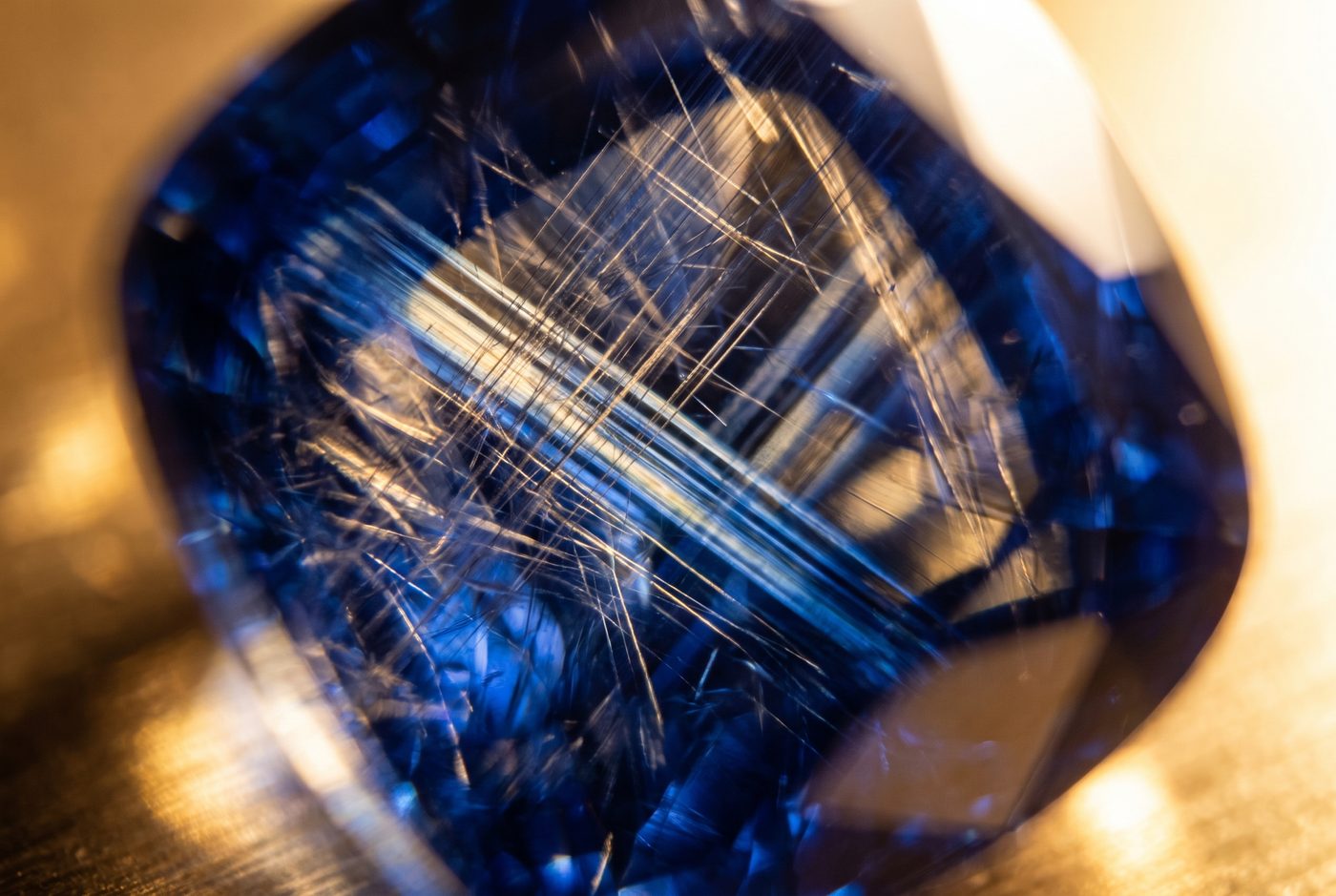
The Mogok valley in Burma built its reputation on a deeper, velvety blue, and much of the material described in the trade as Royal Blue draws on that benchmark. Fine rutile silk scatters light softly, giving Burmese stones their characteristic glow rather than a glassy flatness.
Supply has always been intermittent, and well-saturated Burmese goods in larger sizes are scarce.
Madagascar
Madagascar's southern and central deposits transformed the blue sapphire trade when they came into serious production in the late twentieth century. The island yields a very wide range, from pale greyish blues to rich, cleanly saturated stones that compare closely with classic Ceylon material.
Much of what is sold today as a fine blue sapphire is Madagascan, and that is no criticism of the stone.
More from Blue Sapphire


How origin shapes colour
Blue in sapphire comes from trace iron and titanium within the corundum structure. The proportion and distribution of those elements, set by the geology of the host rock, is why deposits develop recognisable tendencies in tone and saturation.
Origin also influences internal character. Rutile needles, silk and colour zoning are common, and their pattern — fine and evenly distributed, or coarse and banded — is part of what makes one sapphire read as velvety and another as crisp.
It is worth being blunt about the trade names. Cornflower Blue and Royal Blue describe colour; they do not certify a country, and a stone from any of the three sources may qualify.
How labs pinpoint origin
Origin is an opinion based on converging evidence, not a single measurement. Standard gemmological constants confirm the species only: a refractive index of 1.76–1.77 and a Mohs hardness of 9 tell you the stone is corundum, nothing more.
Laboratories build an origin opinion from three lines of evidence:
- Microscopy — the form and arrangement of rutile needles, silk, mineral inclusions and colour zoning.
- Trace-element chemistry — ratios of iron, titanium, gallium, magnesium and other elements measured by advanced analytical instruments.
- Spectroscopy — absorption behaviour that also helps establish whether the stone is heated or unheated.
Reports from laboratories such as GIA, SSEF, Gübelin, AGL and GRS state origin as a conclusion, and reputable labs occasionally differ where deposits overlap geologically. Ask to see the report itself, not a summary of it.
Origin and what it's worth
Four factors drive value in blue sapphire: colour saturation, clarity, origin and size. They are not independent, and origin is rarely the deciding one on its own.
A vividly saturated, clean Madagascan stone will outprice a dull, included Burmese one every time. Origin adds weight when the colour and clarity are already fine, and when the size is large enough that provenance becomes part of the stone's record.
Treatment is reported separately from origin. Both unheated and heated blue sapphires are traded openly, and the status should be stated plainly on the report and the invoice.
Blue Sapphire price guide
Blue Sapphire price guide (per carat, USD)
Based on 28 blue sapphire in stock, updated October 19, 2026.
Buying with origin in mind
Three mistakes recur among otherwise careful buyers:
- Overlooking treatment disclosure. If the paperwork is silent on heating, treat that as an unanswered question rather than a reassurance.
- Assuming every blue sapphire is heated. Unheated material is a normal part of the market, and the assumption leads buyers to stop asking.
- Neglecting to verify certification. Check the report number against the issuing laboratory directly, and confirm the stone's measurements and weight match.
Judge the stone first — saturation, transparency, how the colour holds across the face — then read the origin as context. The symbolism attached to blue sapphire was earned by stones that looked a certain way, and that standard, not a country name, is what you are buying.
Frequently asked questions
What does a blue sapphire symbolise?+
Blue sapphire has long been associated with truth, constancy, protection and clear judgement, which is why it appeared in ecclesiastical rings and oath jewellery. These are cultural meanings rather than physical properties of the stone, which is corundum coloured by trace iron and titanium.
What is the difference between Cornflower Blue and Royal Blue?+
Both are trade colour descriptions, not origin guarantees. Cornflower Blue describes a brighter, slightly lighter saturated blue, while Royal Blue describes a deeper, more intense tone; stones from Sri Lanka, Burma or Madagascar may fit either term.
Does a sapphire certificate always state the origin?+
No. Origin is an additional opinion that must usually be requested, and it is issued separately from the basic identification and treatment report. Laboratories such as GIA, SSEF, Gübelin, AGL and GRS state it as a conclusion drawn from inclusions, trace-element chemistry and spectroscopy.
Are all blue sapphires heated?+
No — both heated and unheated blue sapphires are traded, and assuming every stone is heated is a common buyer error. The report should state the treatment status explicitly, and if it is silent, ask before you buy.
Can you determine origin by looking at a sapphire?+
An experienced gemmologist can form an impression from inclusion patterns such as rutile silk and colour zoning, but a reliable conclusion requires laboratory trace-element analysis and spectroscopy. Refractive index of 1.76–1.77 and a hardness of 9 confirm corundum only, not the source.
What is an unheated cornflower blue star sapphire?+
It is a sapphire that has not been heat-treated, shows the bright medium-blue described in the trade as Cornflower Blue, and displays a star caused by dense, oriented rutile silk cut en cabochon. Both the unheated status and the colour description should be confirmed on a recognised laboratory report.
From our Journal
Buying guides, origin stories, and notes from the trade.