Trade Show Gems: Care and Durability
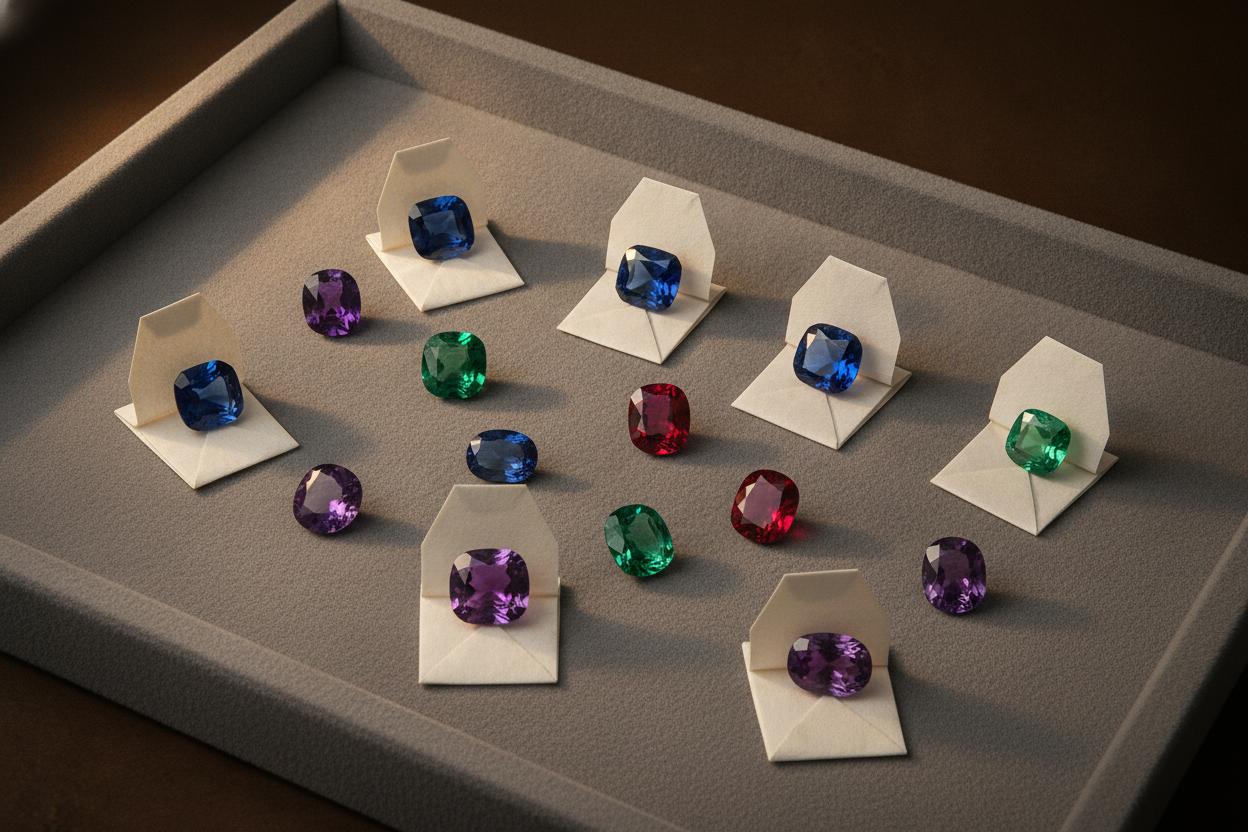
A December trade show is where durability stops being theory: stones are handled dozens of times a day, tipped across trays, wiped with whatever cloth is nearest, and then flown home in a pocket. The practical answer is threefold. Judge each purchase on toughness as well as Mohs hardness, since a stone can be hard and still chip; carry loose goods in individual folded paper parcels inside a padded case rather than loose in a tray; and clean only with warm water, mild soap and a soft brush — never an ultrasonic or steam cleaner on emerald, opal, or any fracture-filled or resin-treated material. Everything below is the detail behind those three rules.
The year-end fairs bring an unusual mix of goods together — Ceylon sapphire, Mozambique ruby, Ethiopian opal, tanzanite, spinel, tourmaline, sphene — and each of those behaves differently under stress. Buying well and keeping the stone intact are two separate skills.
Hardness and toughness are not the same
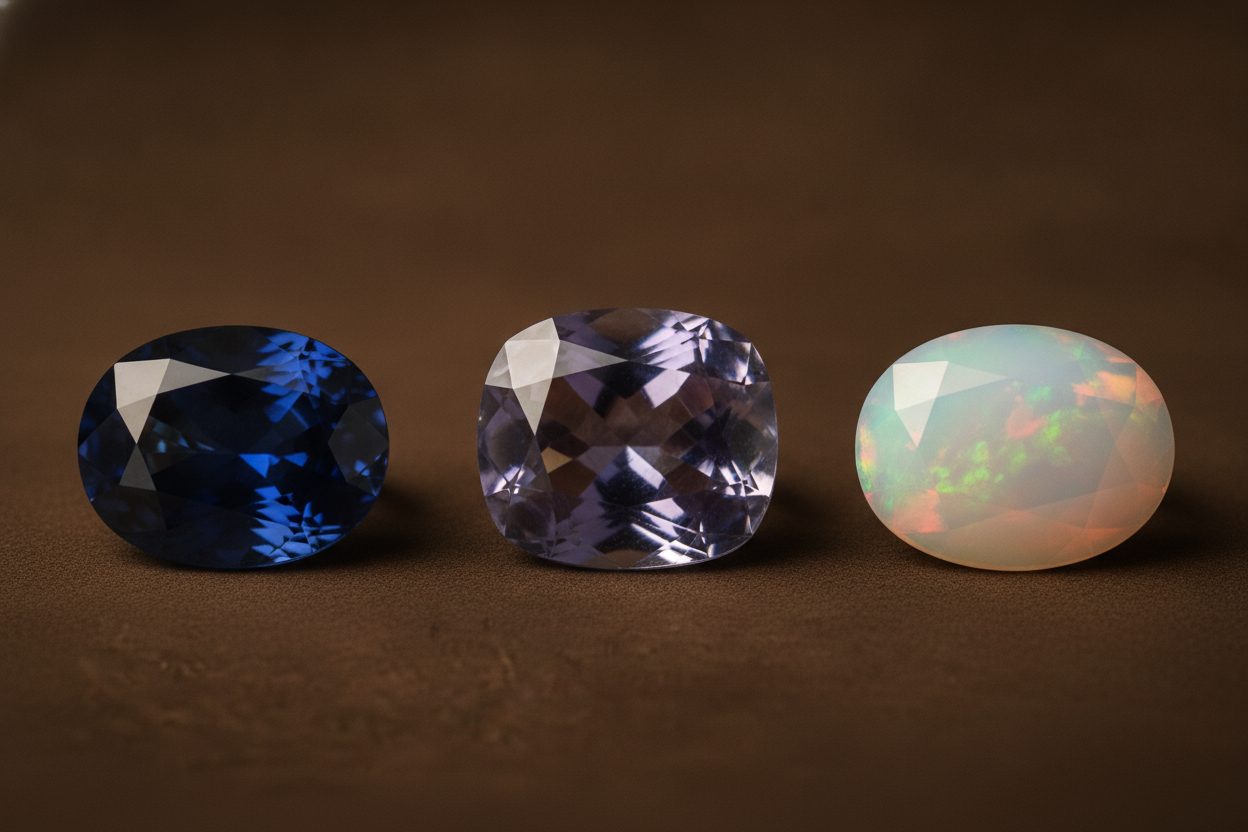
Hardness is resistance to scratching, measured on the Mohs scale. Toughness is resistance to breaking, chipping and cleaving, and the two properties are independent.
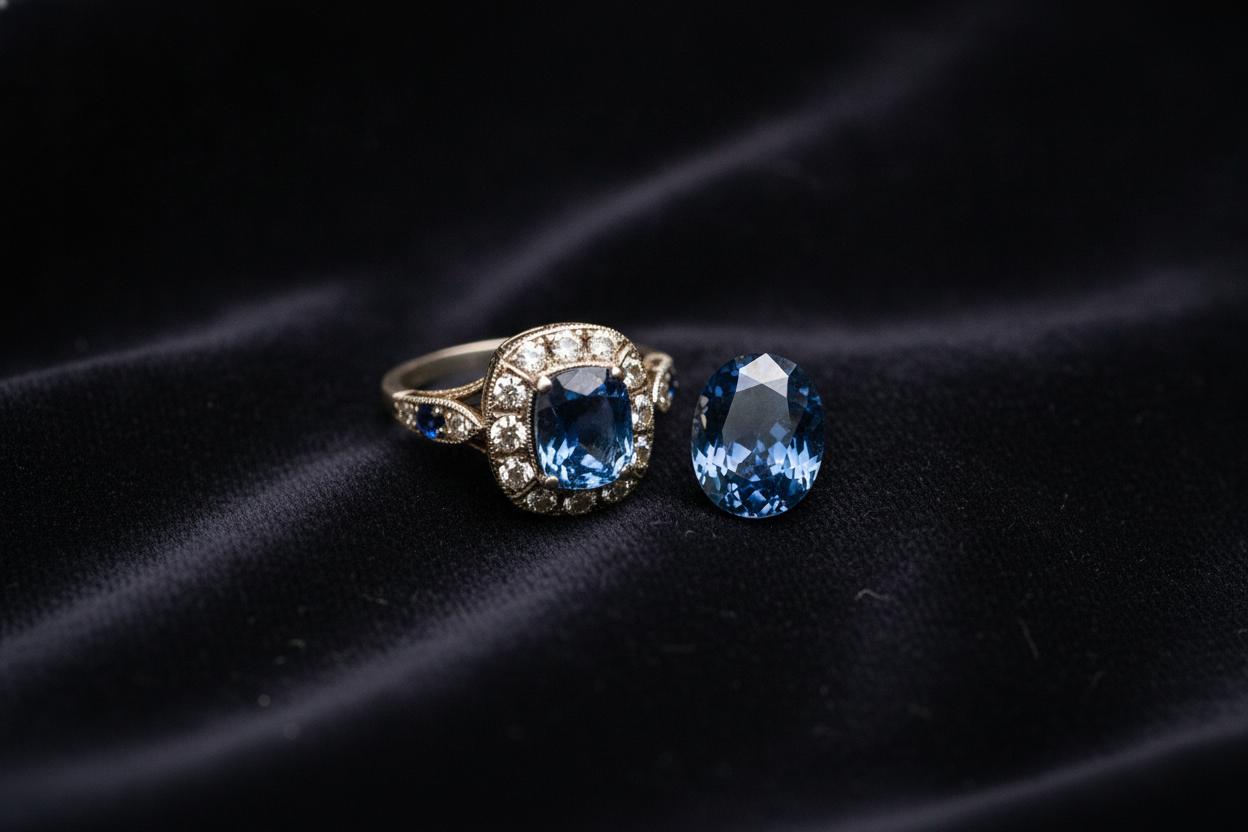
Corundum — sapphire and ruby — sits at Mohs 9 and is also genuinely tough, which is why it remains the default for a ring worn daily. Spinel at 8 and chrysoberyl are similarly forgiving.
Then there are the hard-but-brittle stones. Emerald is Mohs 7.5–8, yet its typical fissures and its brittleness make it far more fragile than the number suggests. Topaz is Mohs 8 but has perfect basal cleavage: a single sharp knock in the wrong plane can split it cleanly.
Below that sit the stones that need real thought before you commit them to a ring:
- Tanzanite — Mohs 6–6.5, with a distinct parting direction; excellent in pendants and earrings, demanding in rings.
- Opal — Mohs 5.5–6.5 and hydrous; sensitive to heat, dryness and sudden temperature change.
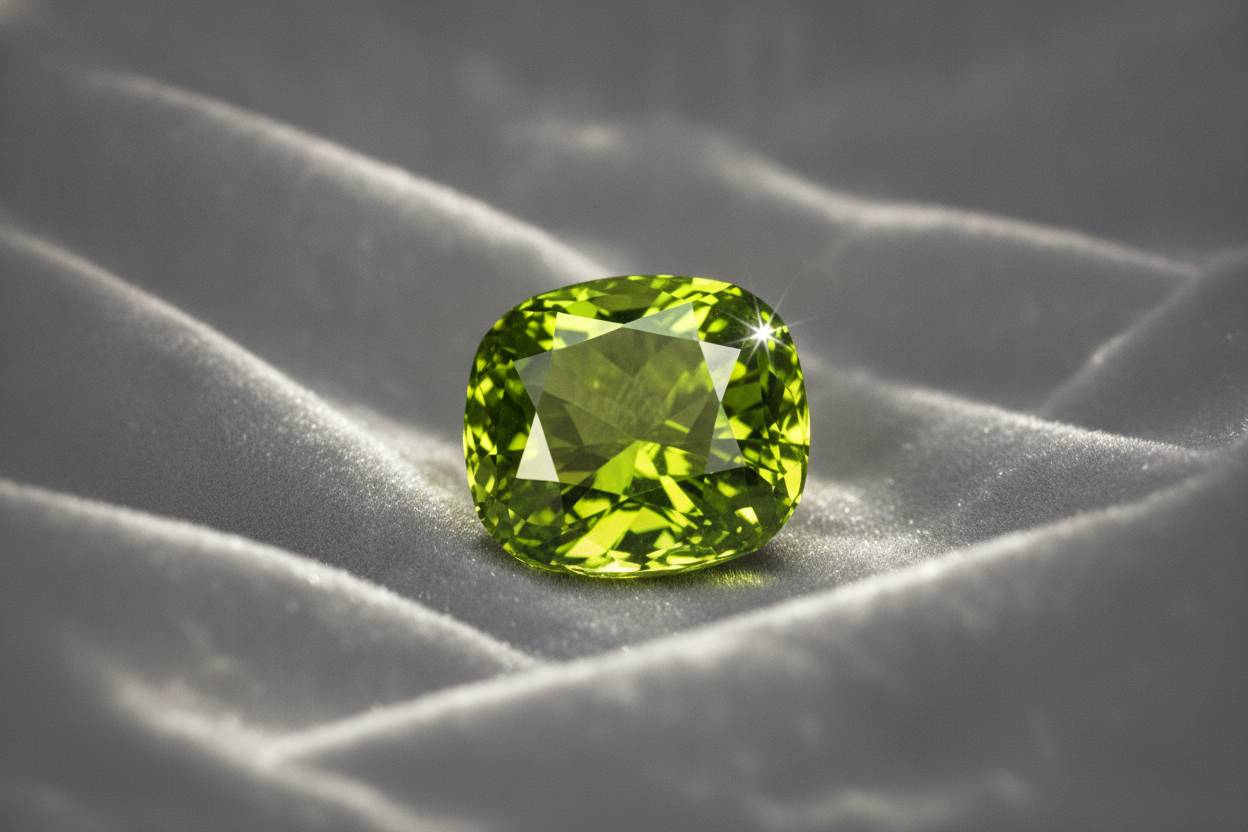
- Peridot — Mohs 6.5–7, brittle, and reactive to acids, including perspiration over long periods.
- Sphene — Mohs 5–5.5 with strong dispersion and low toughness; a collector's stone first.
- Moonstone and other feldspars — Mohs 6–6.5 with two cleavage directions.
- Kunzite — cleavage-prone, and its colour can fade with prolonged strong light.
None of this makes a stone unbuyable. It determines where the stone belongs.
What actually damages stones in transit
Most show damage is not dramatic. It is abrasion — dozens of small contacts that dull facet edges and soften the crispness of a girdle.
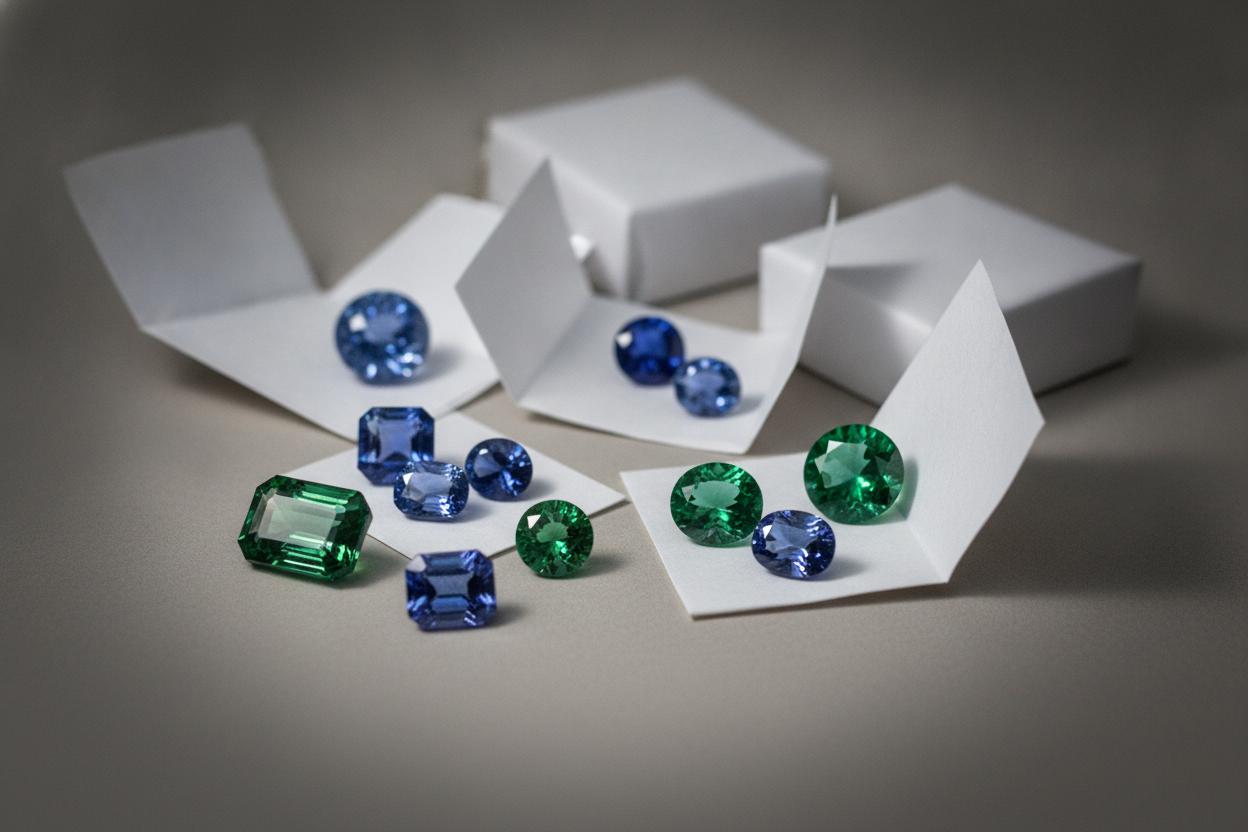
The commonest cause is stones travelling together. Two sapphires in one parcel will abrade each other's edges; a sapphire and a tanzanite in one parcel will leave the tanzanite marked. Fold each stone into its own paper parcel, or use a compartmented box with soft liners.
Temperature swings matter for the hydrous and heat-sensitive material. Moving from a cold December street into a heated hall, then into a dry hotel room, is exactly the cycle that stresses opal and can craze thin material over time. Keep opal away from radiators and never leave it in a car overnight.
Pressure and tweezers cause the rest. Ask to see fragile stones on a pad rather than gripped in tweezers, and never let a stone be levered out of a tight parcel with a metal tool.
Cleaning a trade show gem: safe or not
Start with the assumption that you do not yet know how the stone was treated. Cleaning decisions should follow the treatment, and at a show the treatment line is often abbreviated.
Safe for almost everything
Lukewarm water, a drop of plain dish soap, a soft toothbrush on the pavilion and under the setting, then a rinse and a lint-free cloth. This removes the film of hand oil and dealer-cloth residue that flattens brilliance more than any inclusion does.
Avoid unless you are certain
- Ultrasonic cleaners — cavitation can propagate existing fractures. Never on emerald, opal, tanzanite, peridot, kunzite, or any stone described as oiled, resin-filled, glass-filled or fracture-filled.
- Steam cleaners — heat plus pressure. The same exclusion list applies, and steam will drive oil out of an emerald visibly.
- Household chemicals — chlorine bleach attacks alloys in gold settings; acidic cleaners etch peridot and attack any carbonate.
- Jewellery-dip solutions — often ammonia-based, and unsuitable for porous or filled stones.
- Ultrasonic on a stone you have not inspected under loupe — a reaching feather near the girdle is the usual casualty.
GIA and AGTA both publish care guidance organised by species and by treatment; when a supplier's disclosure is thin, those are the references to check before you clean anything.
Settings that protect the stone
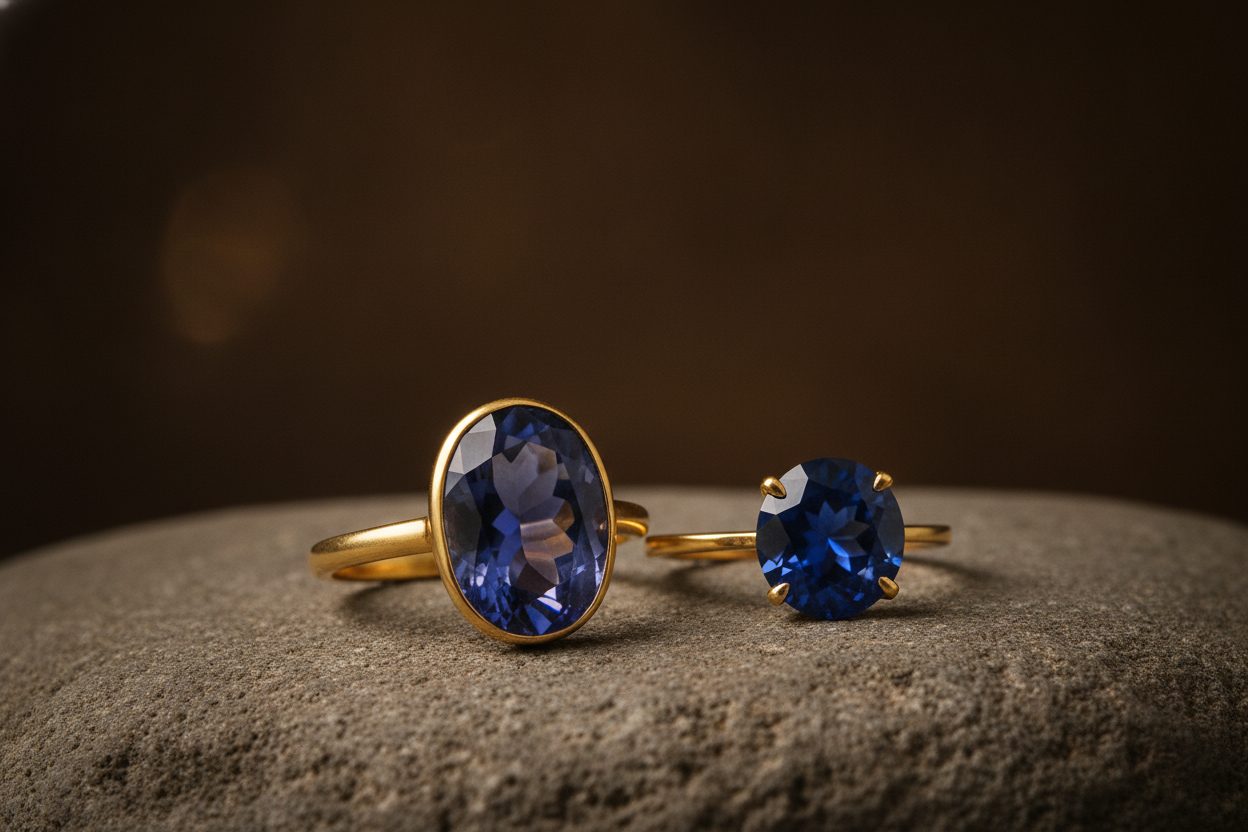
The setting does more for long-term survival than any cleaning habit. Protection works by covering the vulnerable edges and by keeping the table below the highest point of the metal.
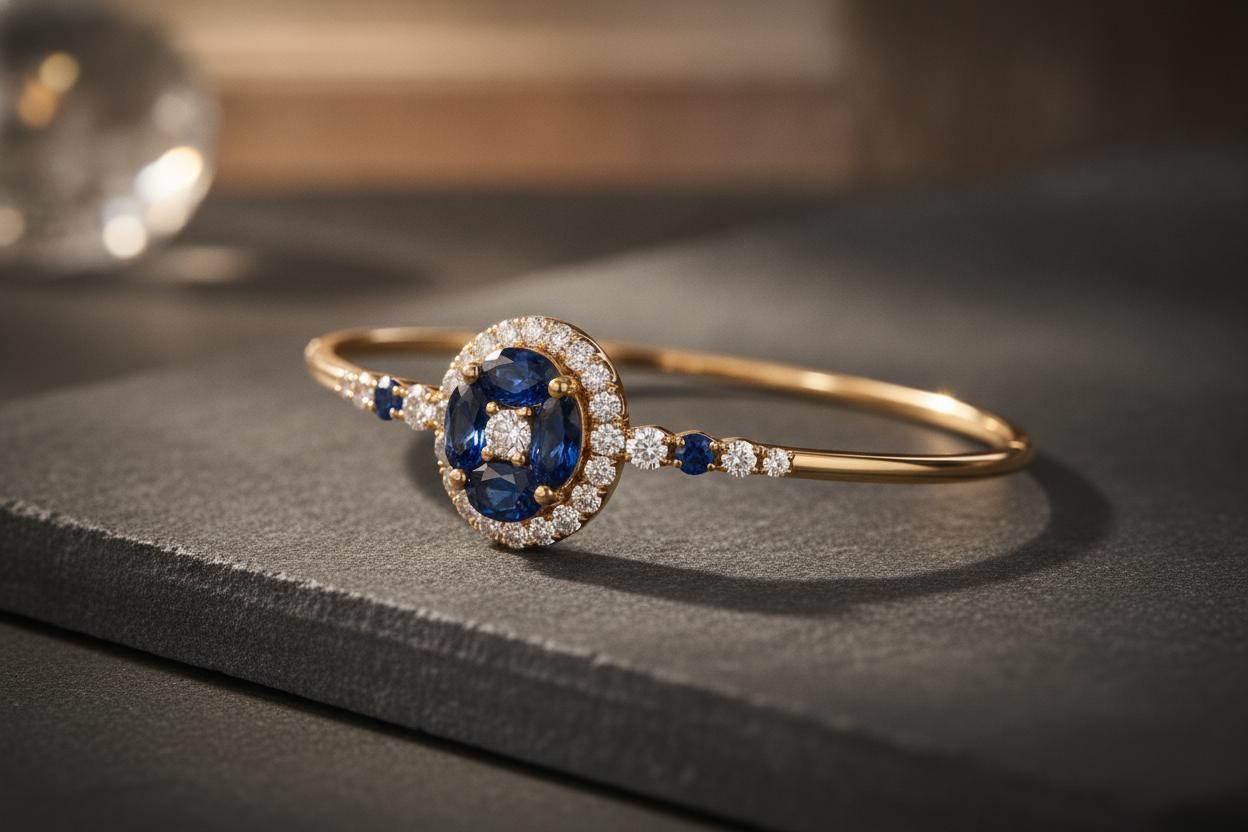
A full or partial bezel is the strongest choice for anything under Mohs 7.5, and the right answer for tanzanite, opal, moonstone and peridot rings. It shields the girdle, where chips almost always begin.
Where prongs are used, favour four or six substantial prongs over many fine ones, with the claws seated over the crown rather than merely gripping the girdle edge. Ask for slightly thicker prongs on brittle stones — the small loss of light is a fair trade.
Two structural points worth specifying with your bench:
- A raised gallery or a low profile? Low profile survives daily wear; high settings catch on fabric and take the impact.
- Heat during setting. Emerald, opal, tanzanite and heat-treated zircon should be set cold or with the stone removed; ask explicitly.
Channel and tension settings look clean but load the stone. Reserve them for corundum, spinel and diamond.
Matching the stone to the life it leads
A stone worn on the left hand of a right-handed gardener faces a different world from one worn on a pendant.
For daily rings: sapphire, ruby, spinel, chrysoberyl. For occasional rings with a bezel: tourmaline, aquamarine, garnet. For earrings, pendants and brooches, where impact is rare: tanzanite, opal, sphene, kunzite, moonstone.
Remove rings for gym work, gardening, swimming pools and cleaning. Chlorinated water and gripping a metal bar are the two most reliable ways to lose a stone.
Store separately. A soft pouch per piece prevents the quiet abrasion that accumulates over years and eventually requires recutting.
The value of walking a December fair is seeing hundreds of stones in one week and learning how each species handles being handled. Buy on that basis — hardness, toughness, and the setting you already have in mind — and the stone you carry home will still look the way it did on the dealer's tray a decade from now.
Frequently asked questions
Can I put a stone bought at a trade show in an ultrasonic cleaner?+
Not until you know the species and the treatment. Ultrasonic cleaning can extend existing fractures and is unsuitable for emerald, opal, tanzanite, peridot, kunzite and any oiled, resin-filled or glass-filled stone. Warm water, mild soap and a soft brush are safe for almost everything.
How should I carry loose stones home from a fair?+
Fold each stone into its own paper parcel or use a compartmented box with soft liners, then keep the case in hand luggage. Stones travelling loose together abrade each other's facet edges, and harder material such as sapphire will mark softer stones like tanzanite.
Which gemstones are safe for an everyday ring?+
Sapphire and ruby at Mohs 9, spinel at 8, and chrysoberyl are hard and genuinely tough, making them the most reliable choices for daily wear. Stones below about Mohs 7.5, or those with cleavage such as topaz and tanzanite, are better in pendants and earrings or set in a protective bezel.
Does high Mohs hardness mean a stone will not chip?+
No. Hardness measures scratch resistance only; toughness measures resistance to chipping and breaking, and the two are independent. Emerald is Mohs 7.5–8 yet chips easily because it is brittle and usually fissured, while topaz at Mohs 8 has perfect basal cleavage.
Is opal really too fragile to wear?+
Opal is Mohs 5.5–6.5 and contains water, so it dislikes heat, dry air and sudden temperature change rather than normal wear. Set in a bezel, kept out of ultrasonic and steam cleaners, and stored away from radiators, it wears well in pendants, earrings and occasional rings.
Should I tell my jeweller anything before a stone is set?+
Yes — state the species and any treatment, and ask whether the stone will be exposed to heat during setting. Emerald, opal, tanzanite and heat-treated zircon should be set cold or removed while the mounting is worked.
From our Journal
Buying guides, origin stories, and notes from the trade.