How to Choose Alexandrite: Key Checks
To choose alexandrite well, verify the species before you judge the beauty. Genuine alexandrite is a variety of chrysoberyl with a refractive index of 1.74–1.75, a Mohs hardness of 8.5, and colour caused by chromium and vanadium; its colour change varies in strength and completeness from one stone to the next, so a dramatic green-to-red shift should never be assumed. The single most useful step in learning how to choose alexandrite is to insist on a report from a recognised laboratory confirming that the stone is natural chrysoberyl and stating its treatment status, because synthetic alexandrite and colour-change simulants are common in the market and are convincing to the unaided eye.
What alexandrite really is
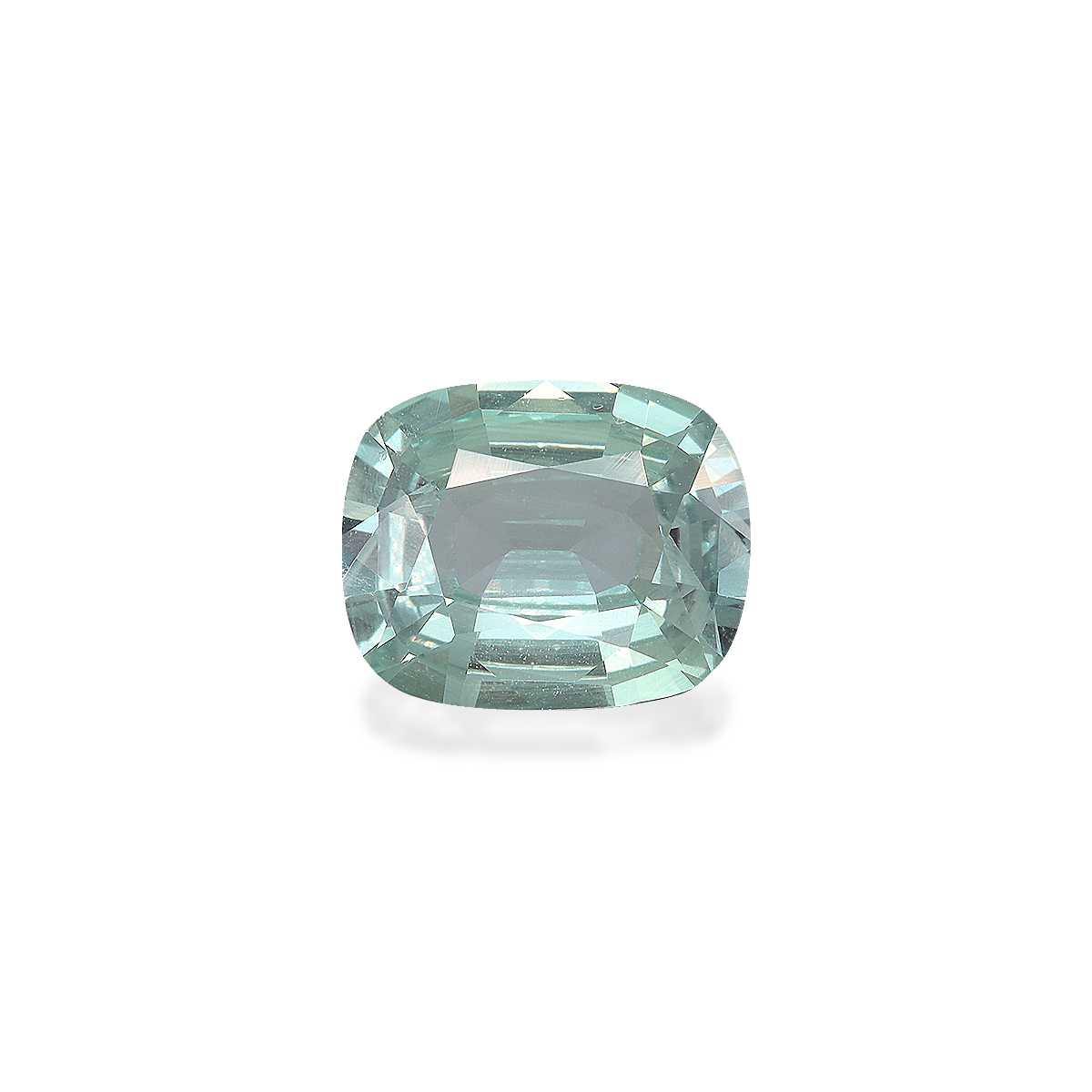
Alexandrite is not a species in its own right. It is chrysoberyl, an aluminium beryllium oxide, in which trace chromium and vanadium produce a colour that responds differently to daylight and incandescent light.
Its physical constants are fixed and testable. A refractive index of 1.74–1.75 with clear birefringence, and a hardness of 8.5, separate it from most of the stones it is confused with.
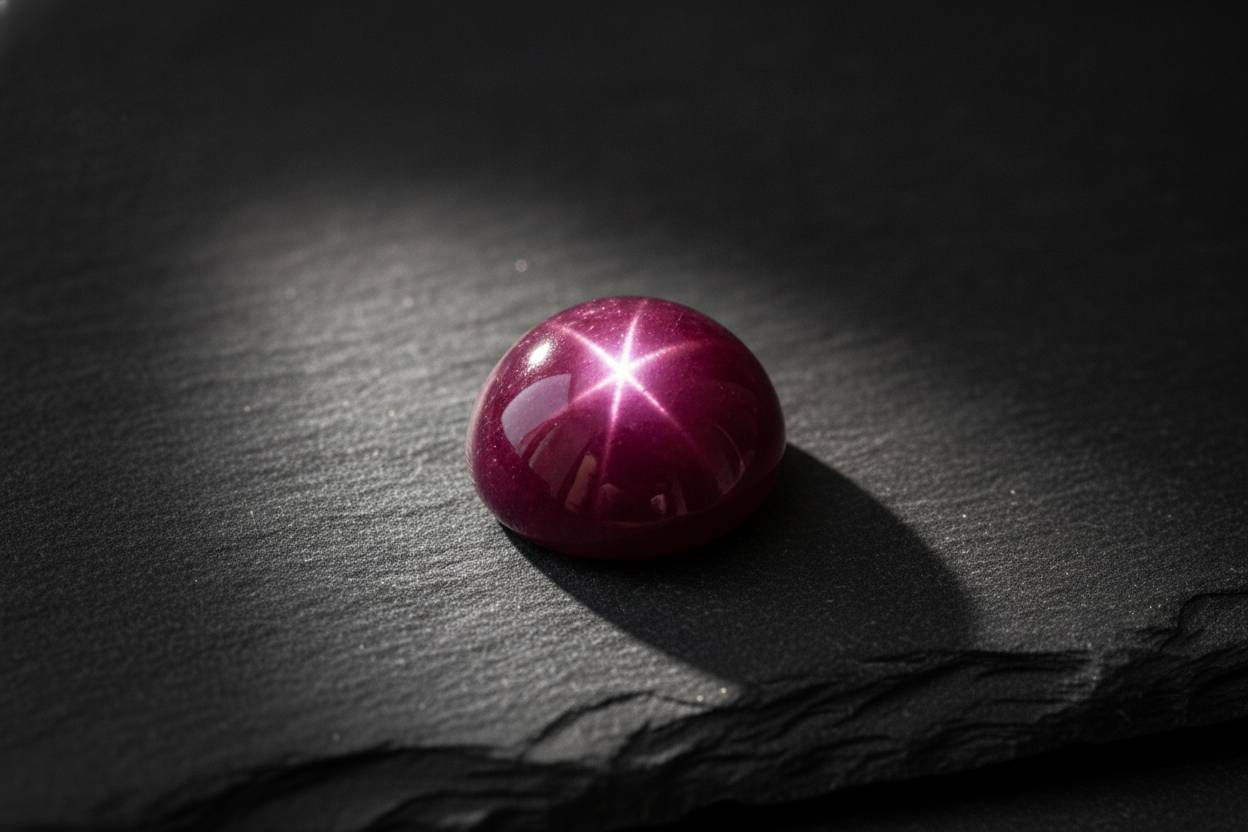
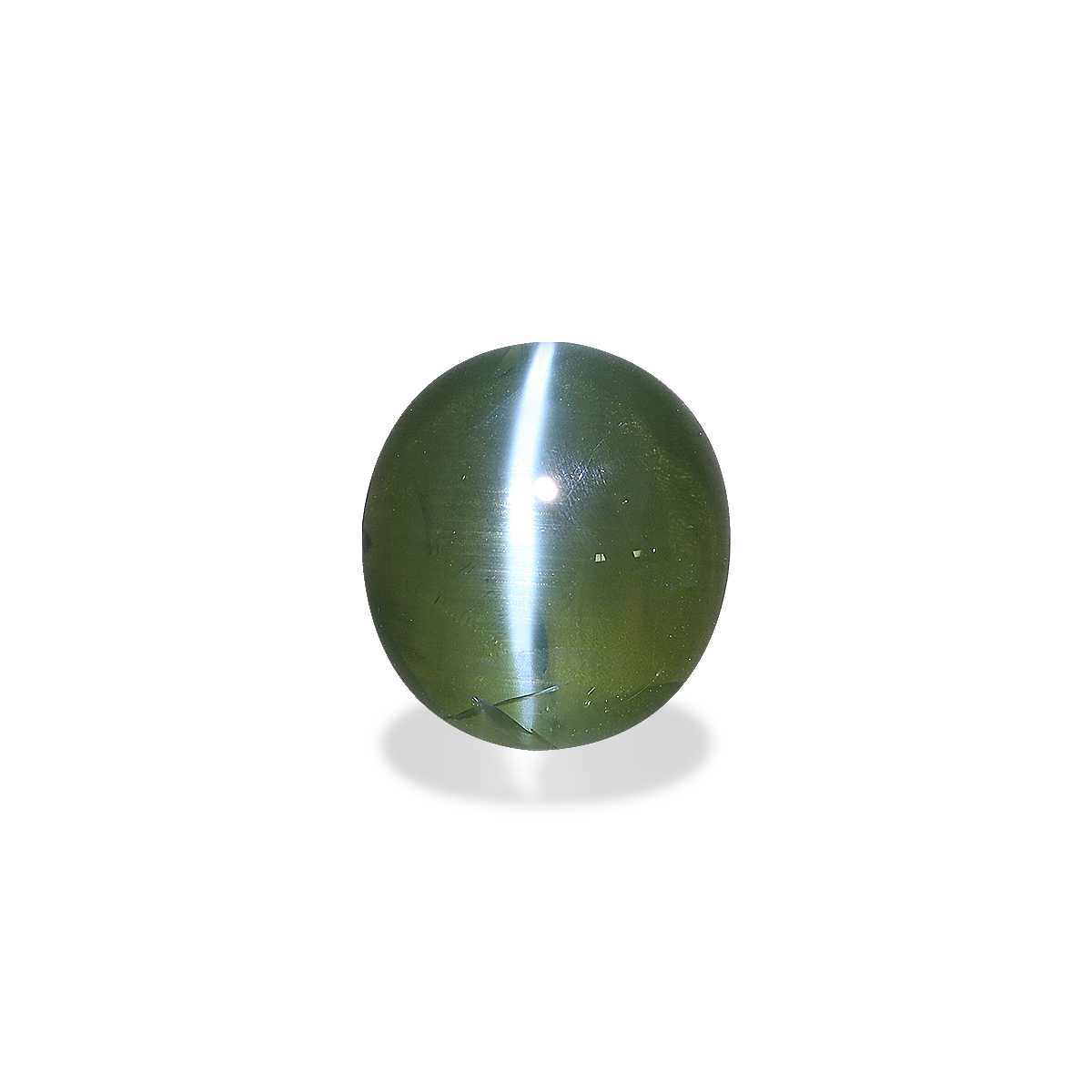
Two trade descriptions matter. Colour Change refers to the phenomenon itself; Cat's Eye describes material with dense parallel needles that produce a chatoyant band, occasionally combined with a colour change in the same stone.
Judging the colour change
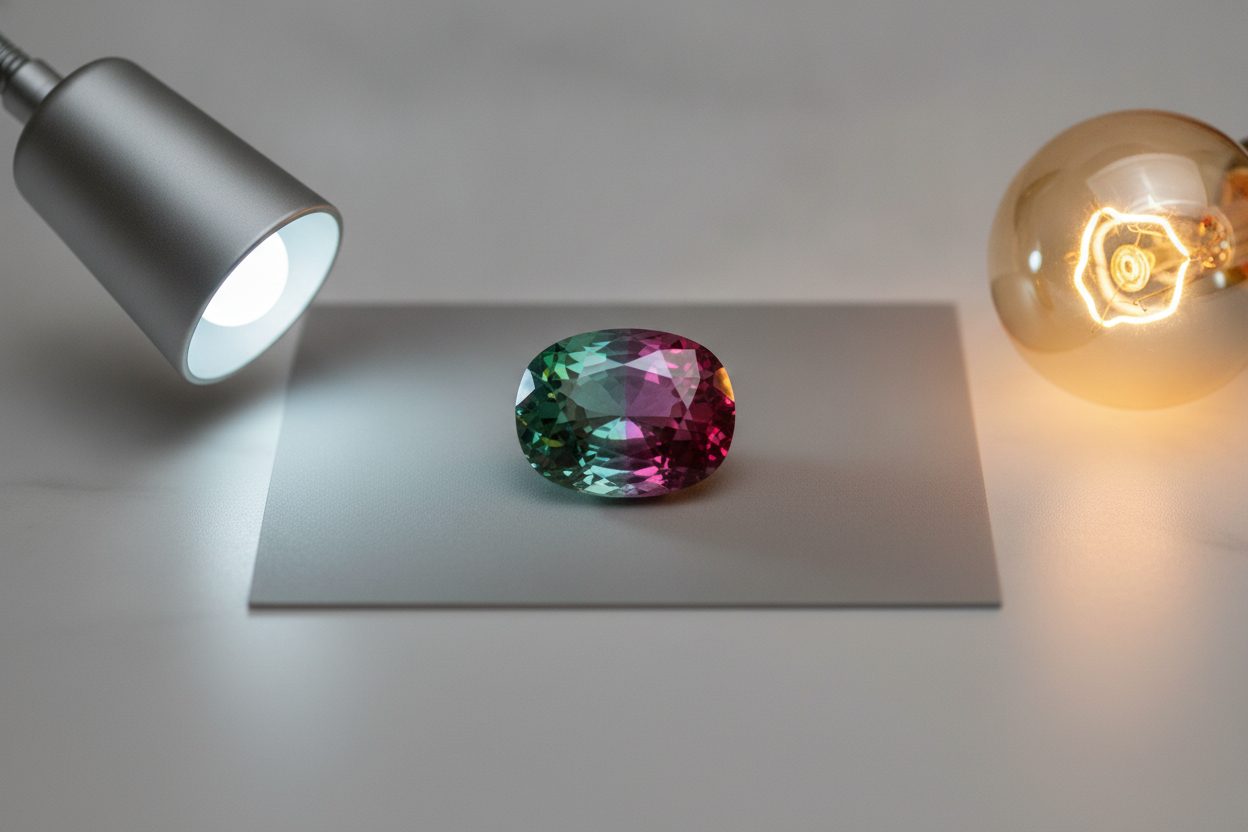
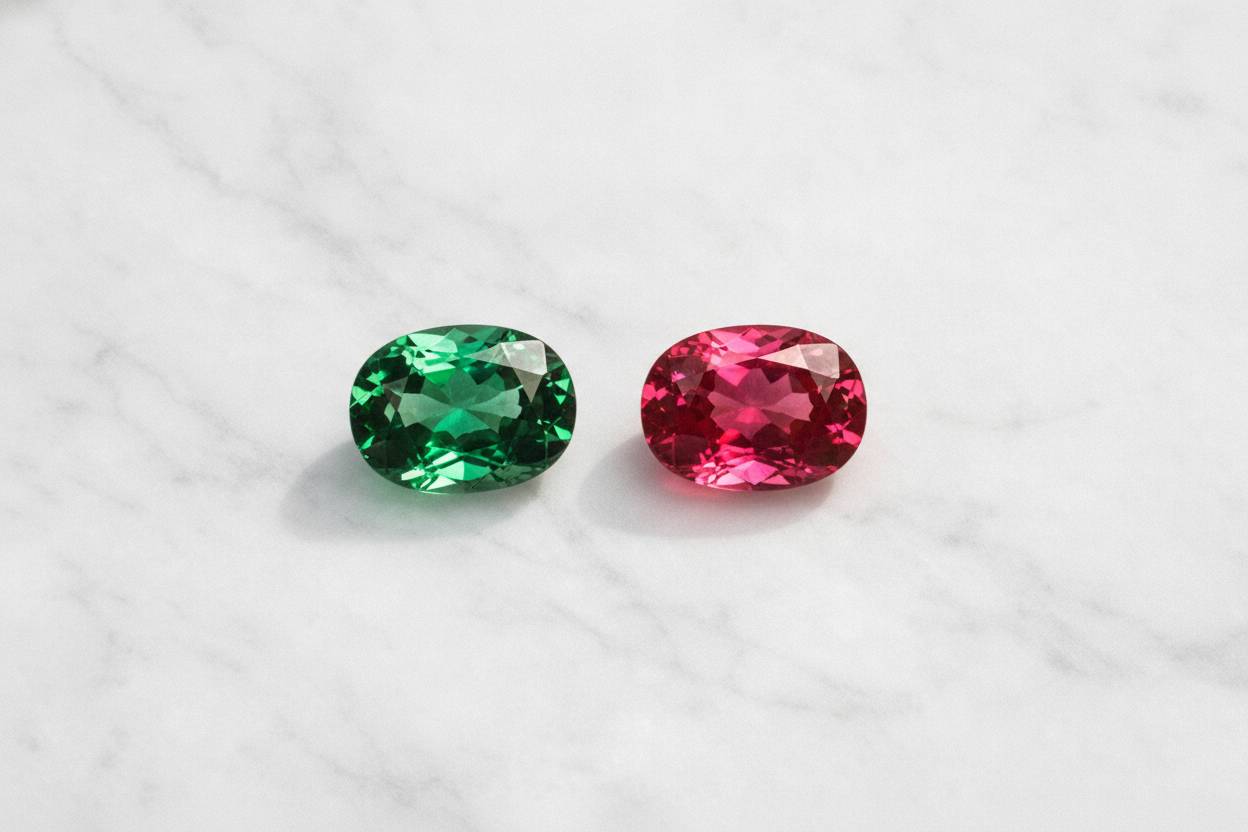
The change is a lighting effect, not a trick of the wrist. Judge it by holding the stone still and changing the light source, rather than tilting the stone under a single lamp.
Use two reference lights: daylight or a daylight-balanced fluorescent for the cooler face-up colour, and a genuine incandescent bulb or candle flame for the warmer one. Many LED bulbs labelled "warm white" have spiky, uneven spectra that can either suppress the change or exaggerate it.
Strength and completeness both count. Some stones move decisively from bluish green to purplish red; others shift only partially, from a greyish green to a brownish or muted purple, and the difference in value between the two is considerable.
A practical two-light test
- Photograph or view the stone in each light within a minute of the other, against a neutral grey or white background.
- Ask the seller for unedited images or video under both lights, with the light source named.
- Be wary of rapid light-switching clips that never show the stone settled under either source.
Synthetics and lookalikes
Laboratory-grown alexandrite has been produced commercially for decades by flux, pulled (Czochralski) and floating-zone methods. It has the same chemistry and the same constants as natural material, so refractometer readings will not separate it — only inclusion study and, in difficult cases, advanced laboratory testing will.
Pulled synthetics are often conspicuously clean and may show curved growth striae or gas bubbles. Flux-grown material can carry veils and fingerprints that mimic natural healed fractures closely enough to mislead a loupe examination.
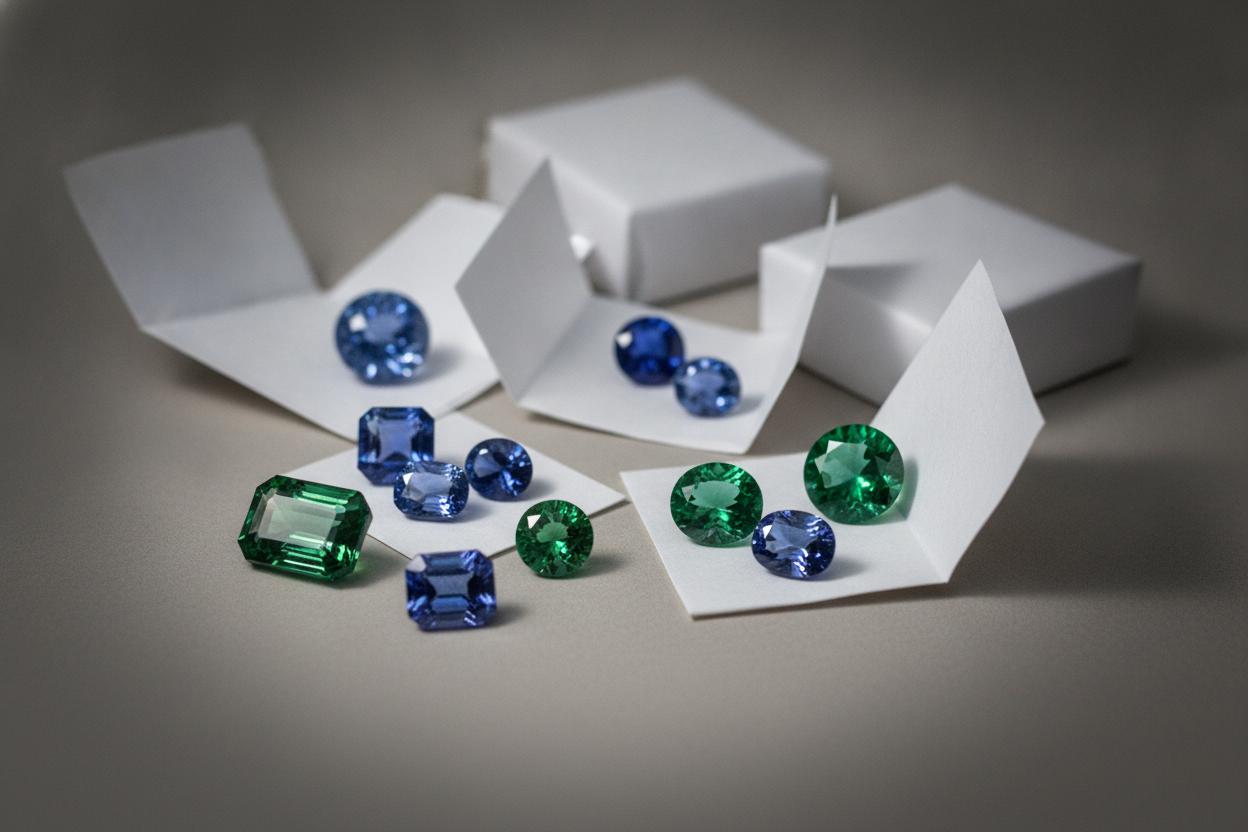
The older and more widespread deception is synthetic colour-change sapphire, doped with vanadium and sold for a century as an alexandrite substitute. It typically shifts from a greyish blue to a mauve or amethystine purple rather than green to red, and its refractive index sits above that of chrysoberyl.
Natural colour-change garnet is another frequent substitute. Garnet is singly refractive, so it shows no doubling of back facets and no birefringence — a reliable separation from chrysoberyl. Colour-change fluorite, synthetic spinel and cubic zirconia appear occasionally and are softer, sometimes markedly so.
More from Alexandrite
What inclusions reveal
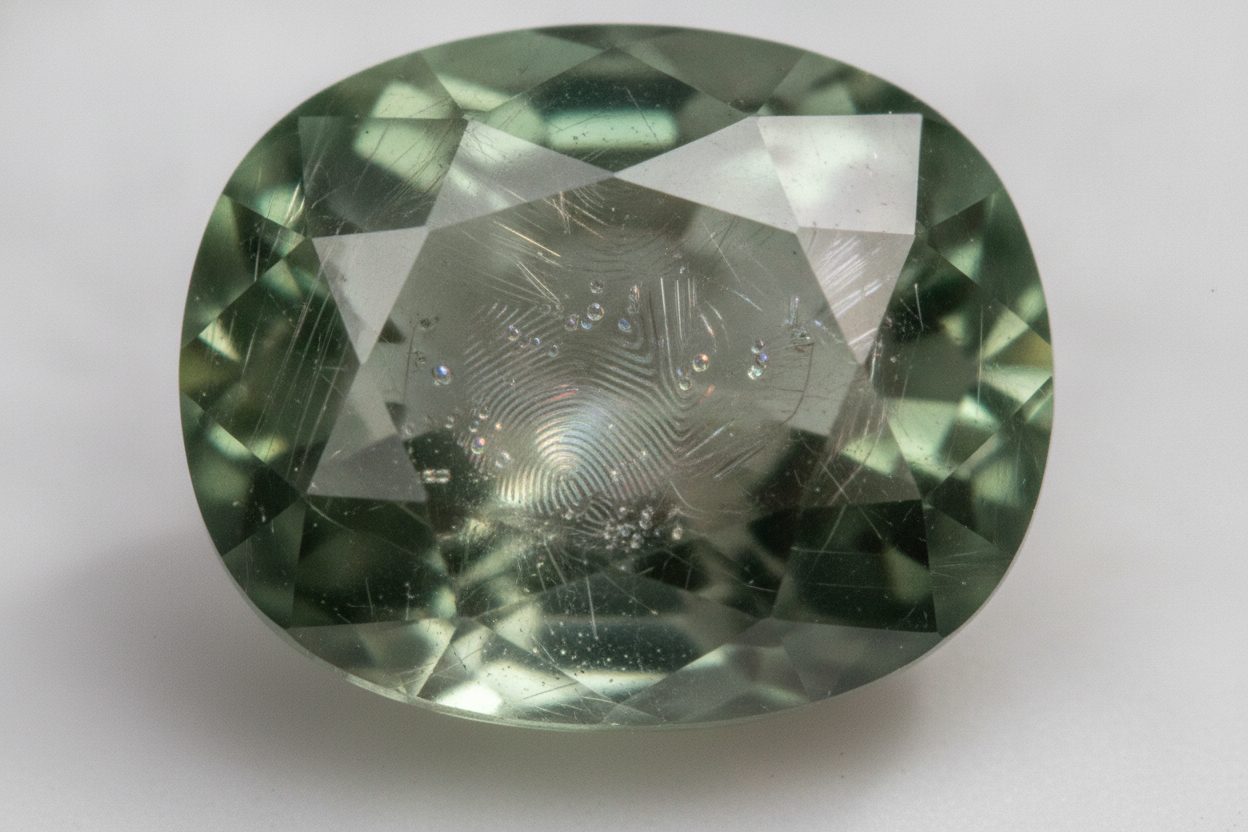
Natural alexandrite commonly contains silk, fine needle-like inclusions and liquid inclusions, often arranged in planes or fingerprint patterns. These are evidence of natural growth, not defects to be apologised for.
Dense, aligned needles are what produce cat's eye alexandrite. In such stones, judge the eye on sharpness, straightness and centring when the light is directly overhead.
A stone described as natural, loupe-clean and strongly colour-changing, all at once and at a modest price, deserves particular scepticism. Clarity is a genuine value driver in alexandrite precisely because clean material is uncommon.
How to choose alexandrite
Value in alexandrite rests on four things: the colour change phenomenon, size, clarity and origin. Work through them in that order and the decision becomes straightforward.
Origin today means principally India, Sri Lanka and Madagascar. Origin can influence how the market prices a stone, but it should never be used as a substitute for assessing the change, the clarity and the cut in front of you.
Size deserves realistic expectations. Alexandrite is scarce in larger sizes, and most material offered commercially is small, so a large stone at an ordinary price is a reason to pause rather than to hurry.
Cutting is a compromise. Chrysoberyl is usually oriented to give the best face-up colour in both lights, which often means a less symmetrical outline or a deeper stone than you might prefer; that trade-off is normal and acceptable.
Red flags in the offer
Alexandrite reaching the market is normally traded unheated and untreated. Do not simply assume this of any given stone — ask for the treatment status in writing and confirm it against a laboratory report rather than a verbal assurance.
- No report, or a report from a laboratory the seller cannot name. GIA, SSEF, Gübelin, AGL and Lotus are recognised references.
- A report that identifies "chrysoberyl" without stating natural versus laboratory-grown.
- Words such as created, lab, cultured or alexandrite-type placed in small print or in the item specifications rather than the title.
- Colour change shown only under a single lamp, or only in edited video.
- A price far below the market for the size and quality described.
- No returns period long enough for independent testing.
A serious seller will welcome verification. Buy on a return basis, have the stone checked by a laboratory of your choosing, and treat the report as part of the purchase rather than an afterthought.
Alexandrite rewards patience more than most gems. Confirm the species, see the change under two honest light sources, read the inclusions, and let the paperwork agree with what your eyes have already told you.
Frequently asked questions
How can I tell natural alexandrite from synthetic alexandrite?+
You cannot separate them by refractive index or hardness, because laboratory-grown alexandrite is chemically identical to natural chrysoberyl. Separation relies on inclusions — curved striae and gas bubbles in pulled material, flux residues in flux-grown — and in borderline cases on advanced laboratory testing. Always buy with a report from a recognised laboratory stating natural or laboratory-grown.
Does every alexandrite change from green to red?+
No. The strength and completeness of the change vary considerably between stones, and many shift only partially, moving from a greyish green to a muted brownish or purplish tone. Judge the change on the individual stone under two light sources rather than on the description.
What lighting should I use to test the colour change?+
Use daylight or a daylight-balanced fluorescent for the cooler colour and a true incandescent bulb or candle flame for the warmer one. Many LED bulbs have uneven spectra that can mask or exaggerate the effect. Keep the stone still and change the light rather than tilting the gem.
Is alexandrite treated?+
Alexandrite is normally traded unheated and untreated, but you should never assume it for a specific stone. Ask the seller to state the treatment status in writing and confirm it on a laboratory report before purchase.
Which stones are most often mistaken for alexandrite?+
Synthetic colour-change sapphire is the most common, typically shifting from greyish blue to mauve rather than green to red. Natural colour-change garnet is also frequent, but it is singly refractive and shows no doubling of back facets, unlike chrysoberyl. Colour-change fluorite, synthetic spinel and cubic zirconia appear less often.
Where does alexandrite come from today?+
The origins encountered in the market are principally India, Sri Lanka and Madagascar. Origin influences pricing, but it should be verified on a laboratory report rather than accepted on a seller's word, and it never replaces an assessment of the colour change and clarity.
From our Journal
Buying guides, origin stories, and notes from the trade.