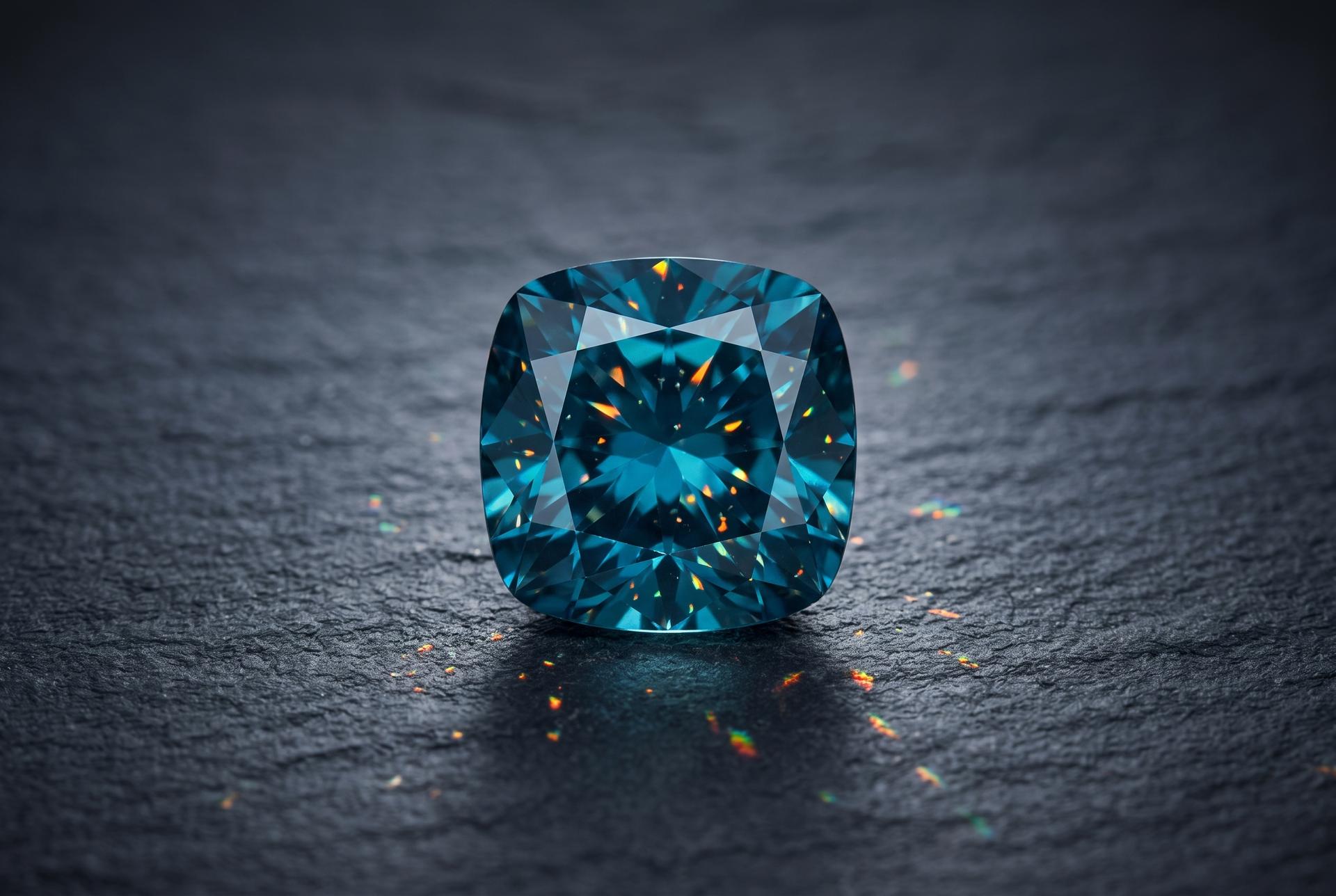
Blue Zircon: Origin, Colour and Value
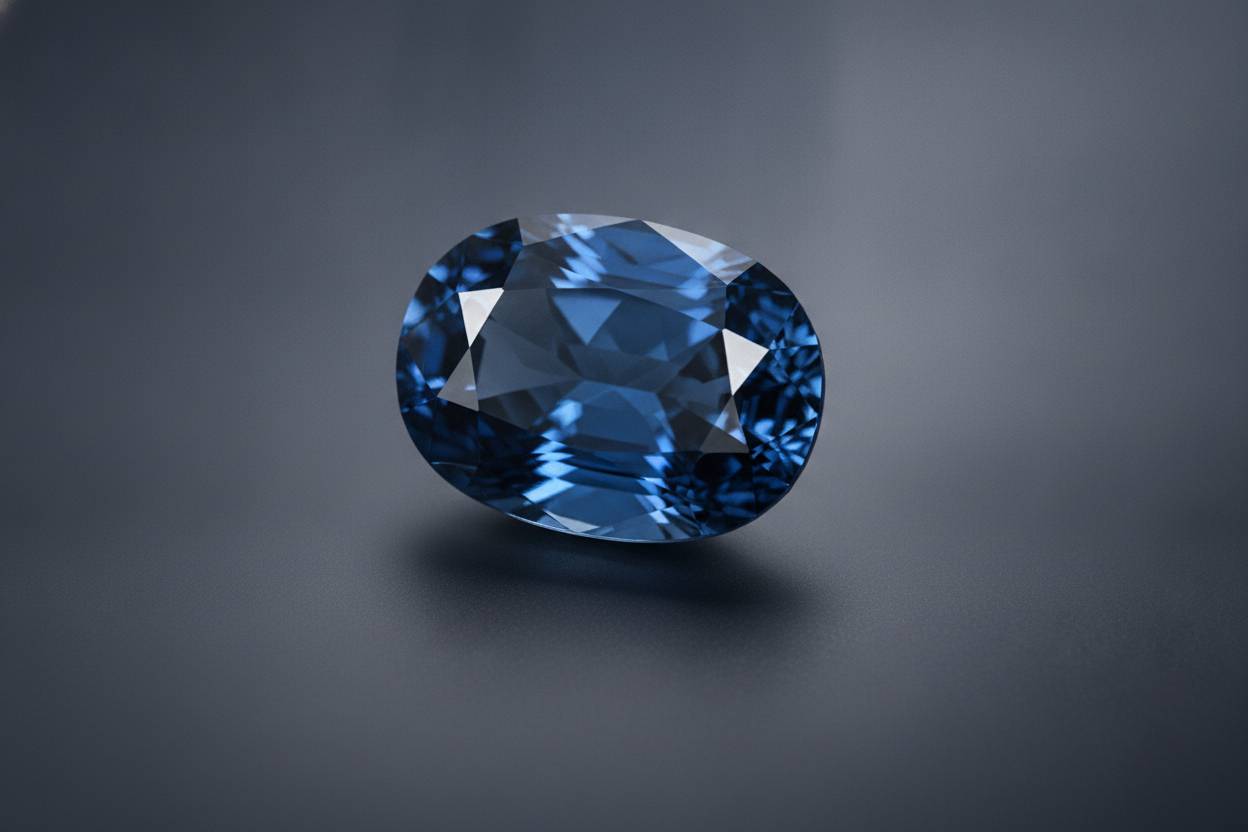
To choose blue zircon well, start with provenance: Cambodia is the source that defines the material trading today, and almost every fine blue zircon you will be offered has been heated to reach its colour. Judge colour saturation first, then clarity, size and cut quality — in that order — and treat any claim of an exotic origin or an "unheated" blue zircon with scepticism, because neither reflects how this gem actually reaches the market. Knowing how to choose blue zircon is largely a matter of understanding one supply chain, one trace element, and one standard treatment, and then grading the stone in front of you on its own merits rather than on a story attached to it.
Where blue zircon comes from
Zircon itself is one of the most widely distributed minerals on earth, turning up as an accessory mineral in granites and in alluvial gravels worldwide. Gem-quality blue zircon, however, is a far narrower story. The commercial supply that reaches cutters, dealers and jewellers is Cambodian.
Other countries produce zircon in brown, honey, red and colourless tones, and some of that rough is cut and sold as zircon. But the saturated sky-to-teal blues that buyers picture when they hear the name come overwhelmingly from Cambodian deposits. Claims of blue zircon from sources outside this established supply should be questioned; they are not recognised in the trade in any meaningful volume.
Inside the Cambodian deposits
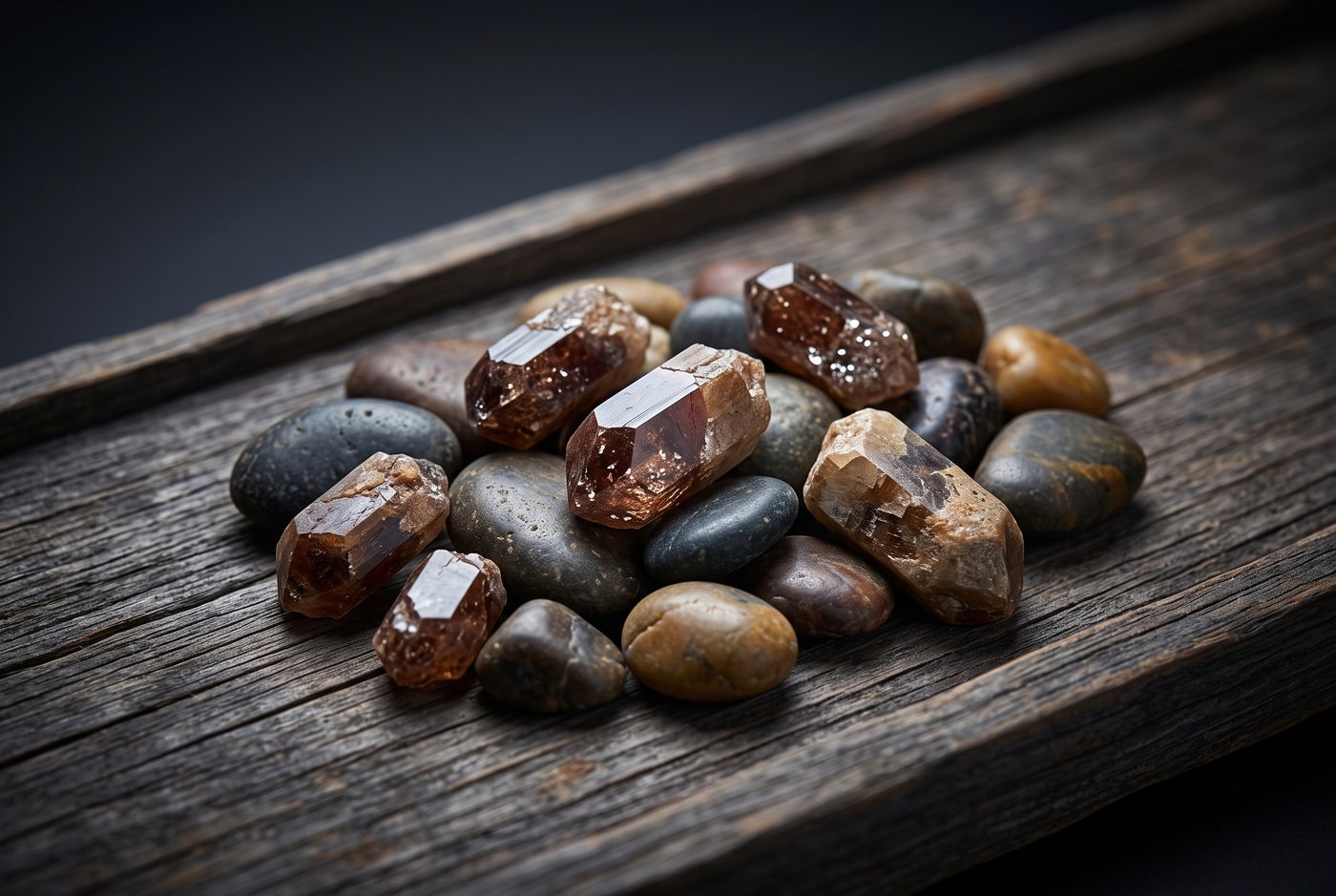
Cambodian zircon is recovered from alluvial and eluvial gravels in the country's basalt-related gem fields, in the northeast near the Vietnamese and Lao borders. The crystals weather out of their host rock and concentrate in soil and stream beds, where they are worked largely by hand and small-scale mechanised methods.
This matters for two practical reasons. Alluvial recovery means the rough has already been sorted by nature — brittle, fractured material tends not to survive transport, so surviving crystals are often clean. It also means supply is irregular, dependent on seasonal digging and local conditions rather than industrial output.
The crystals are tetragonal, typically stubby prisms, and often arrive as brownish or reddish-brown material rather than blue. What happens next is the defining step in the chain.
More from Blue Zircon
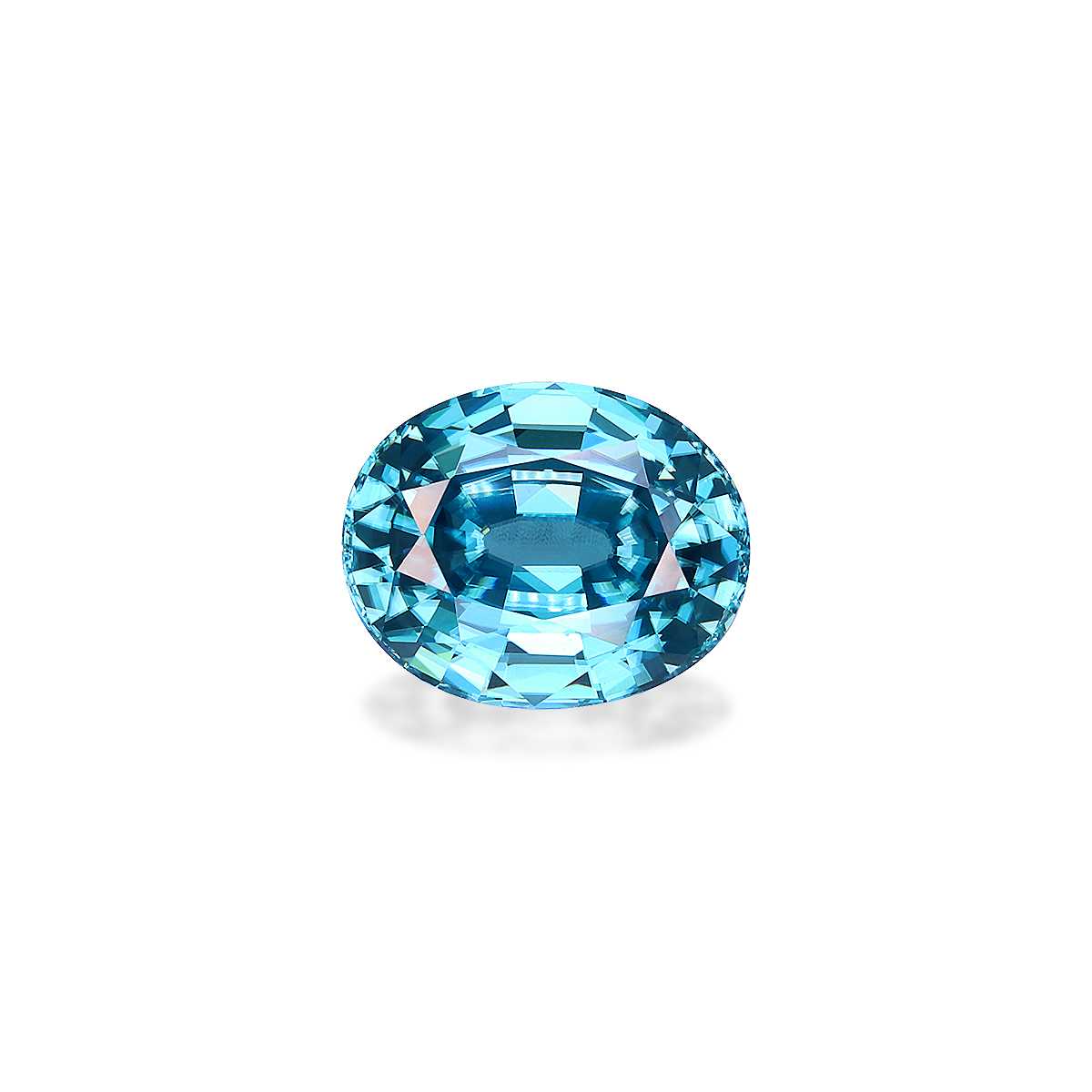
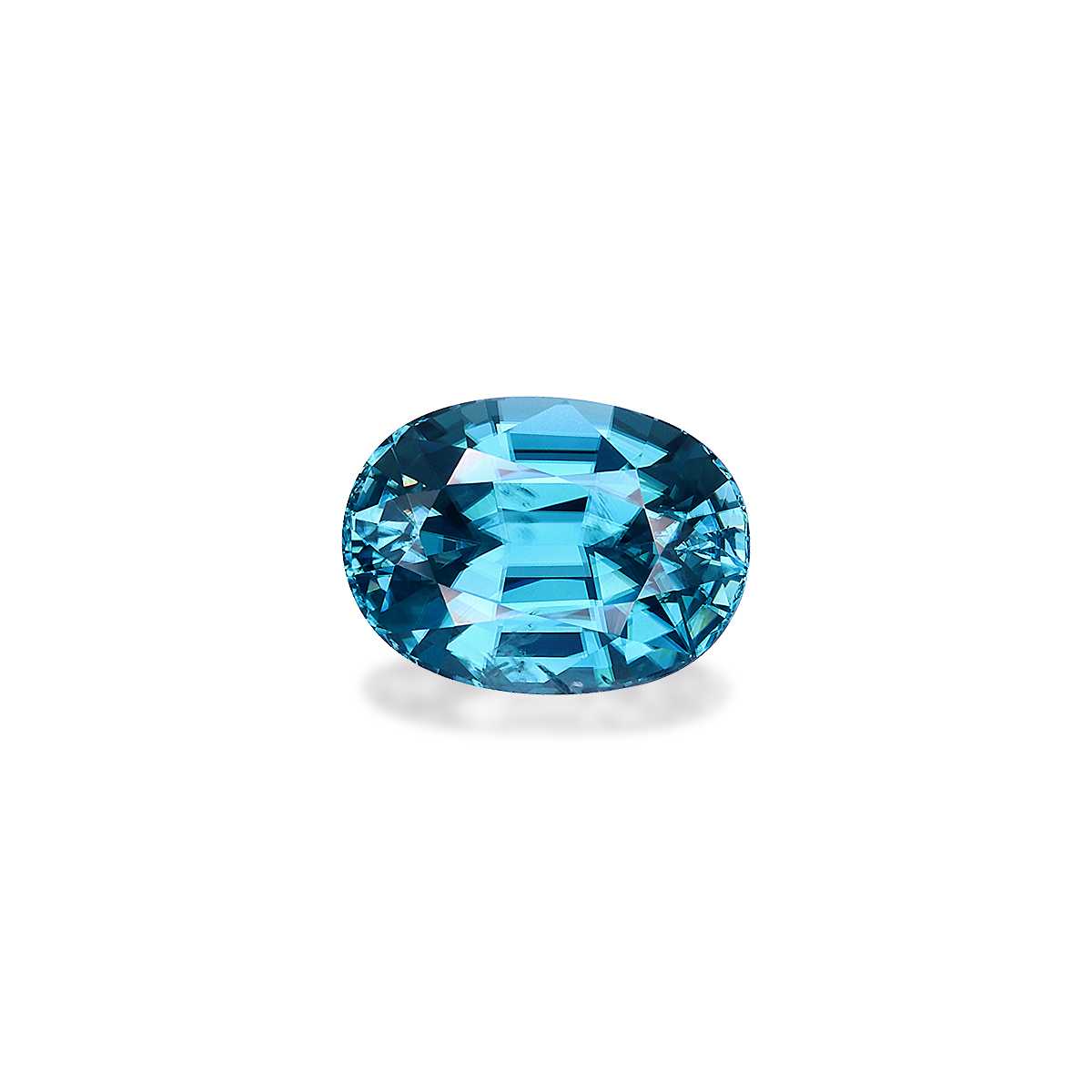
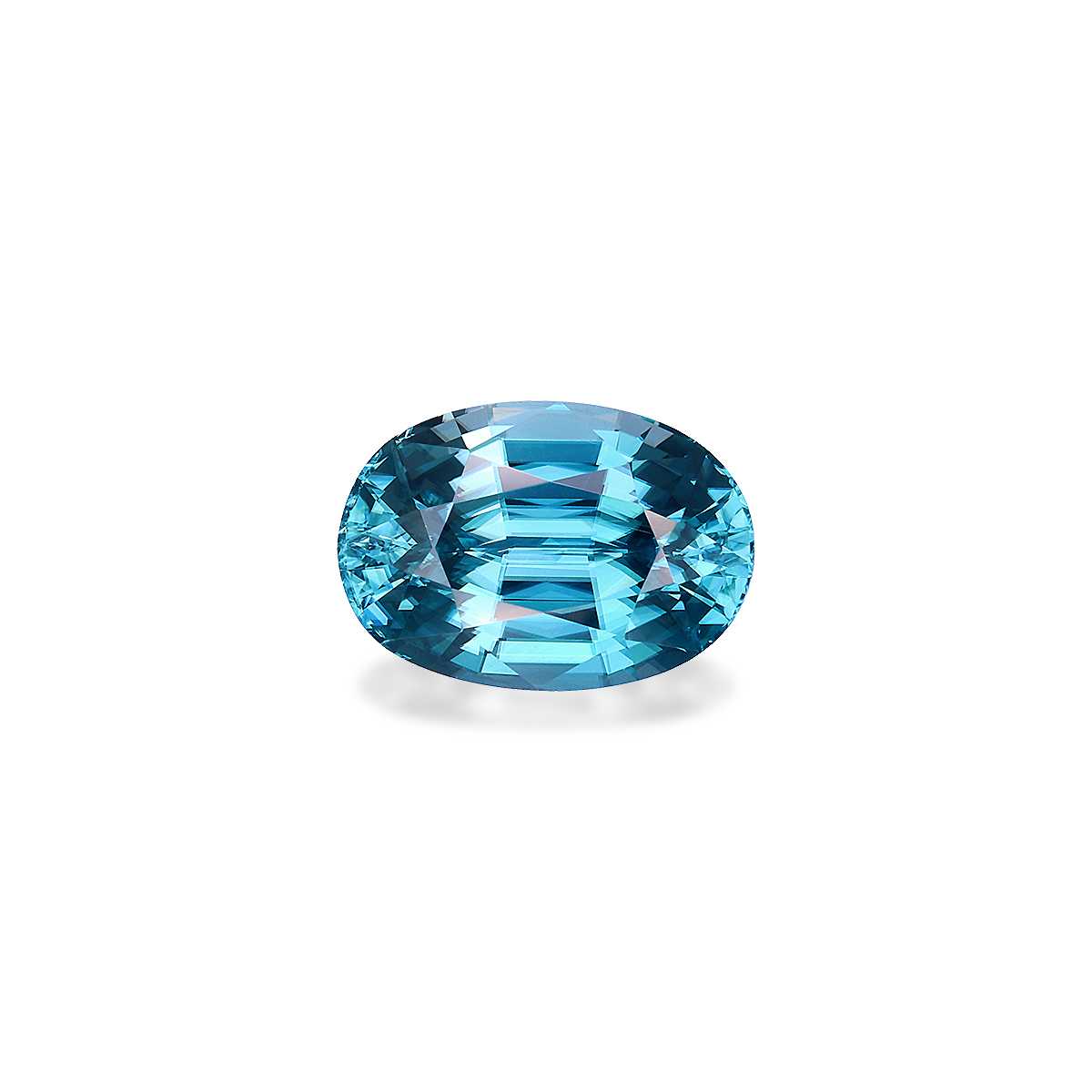
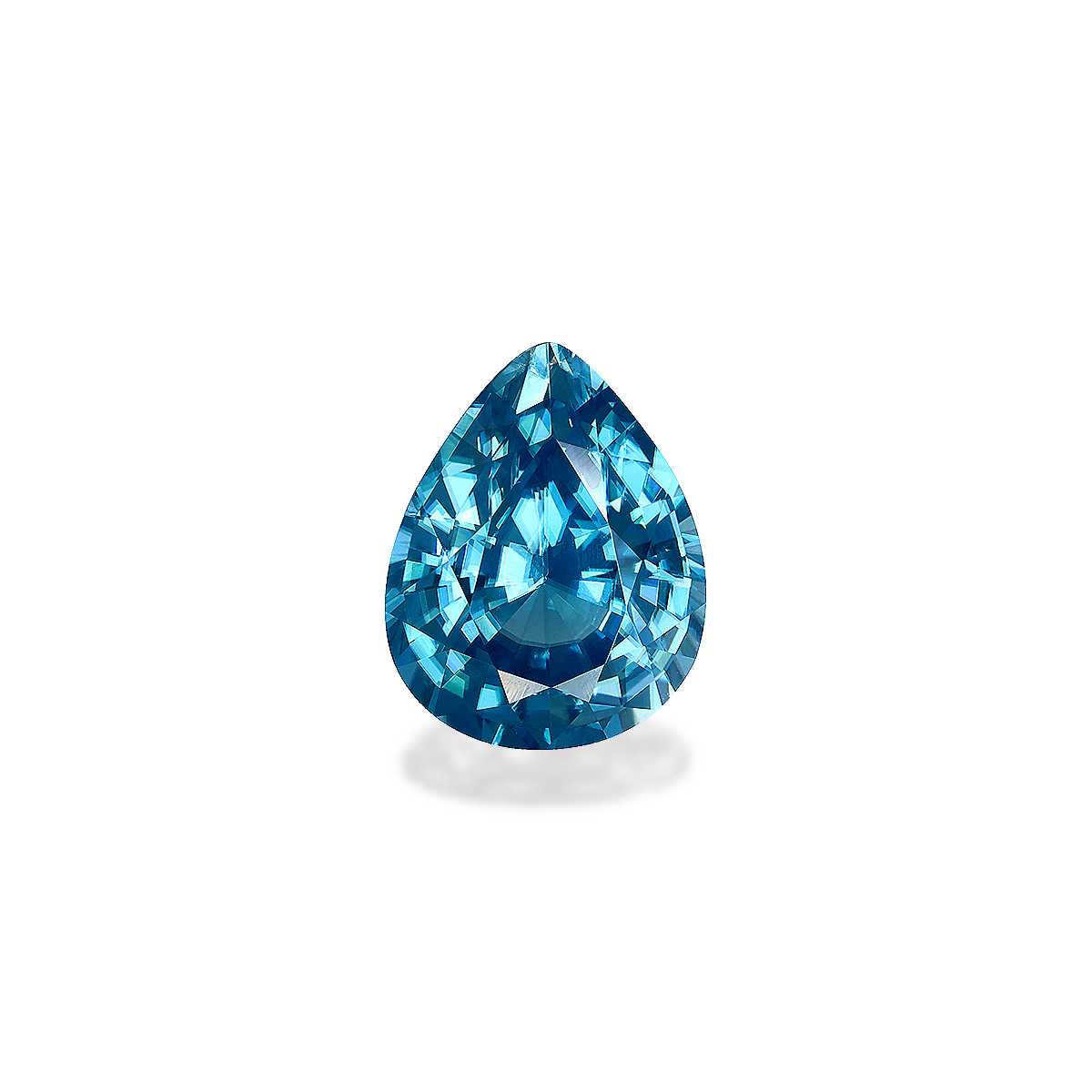
Heat, iron and the blue
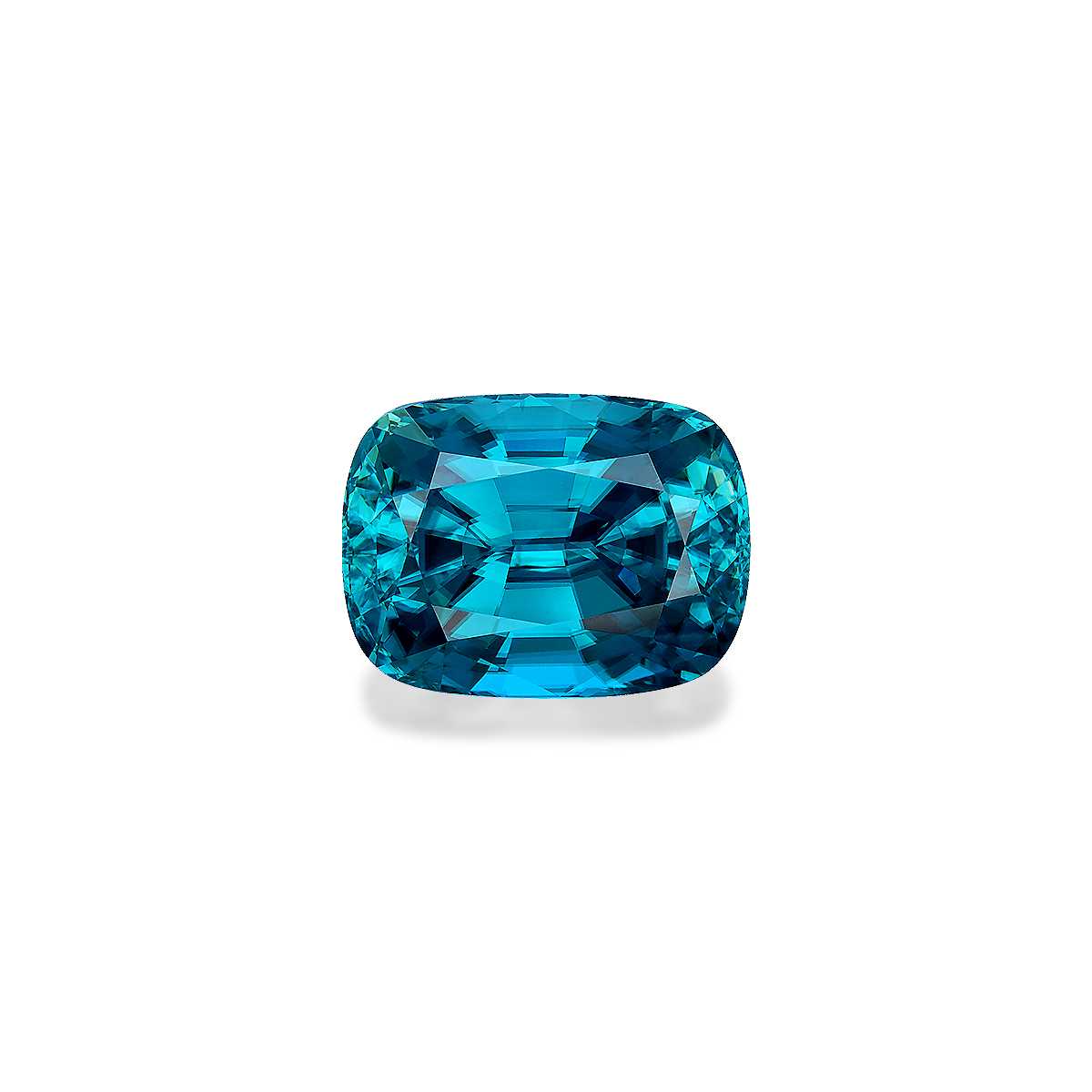
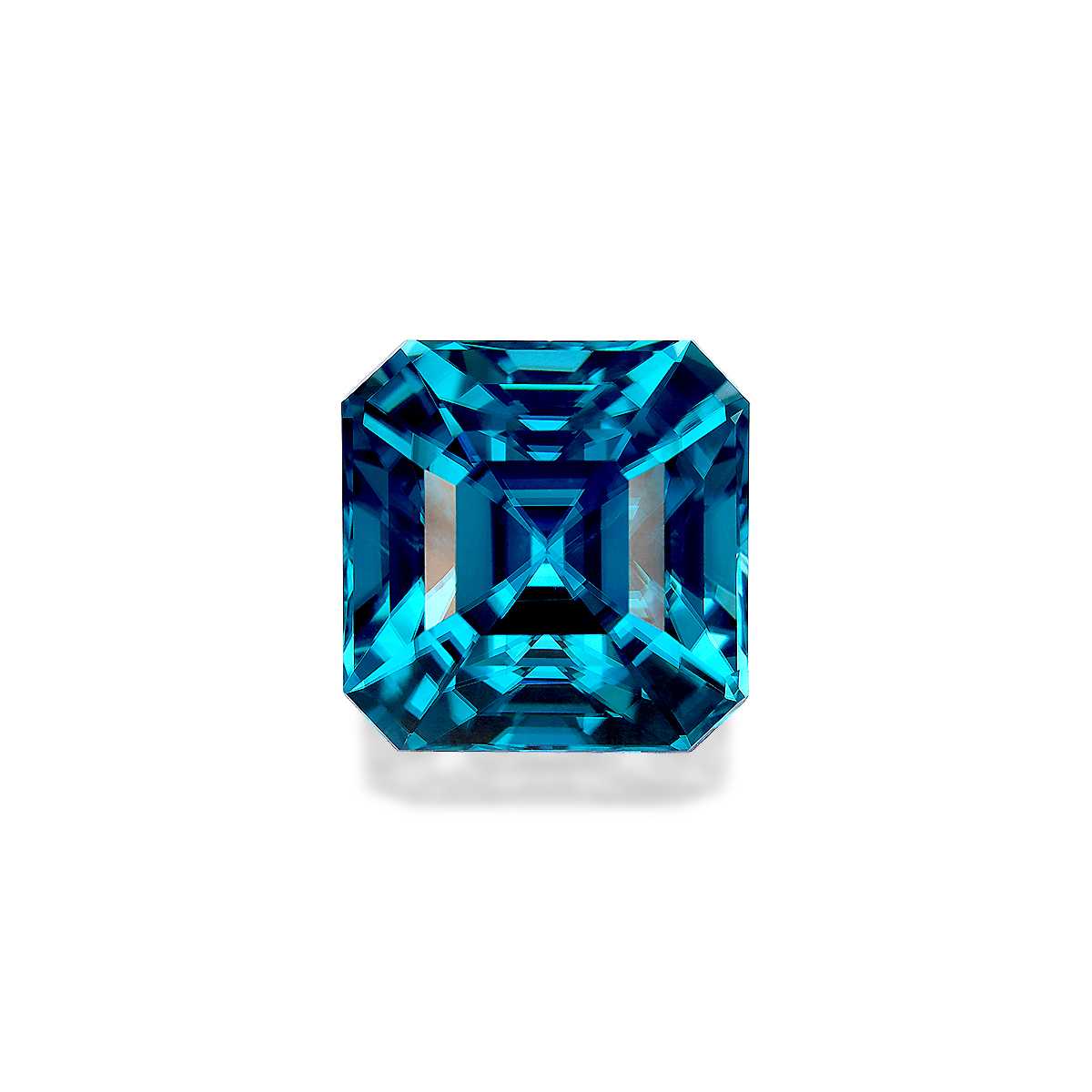
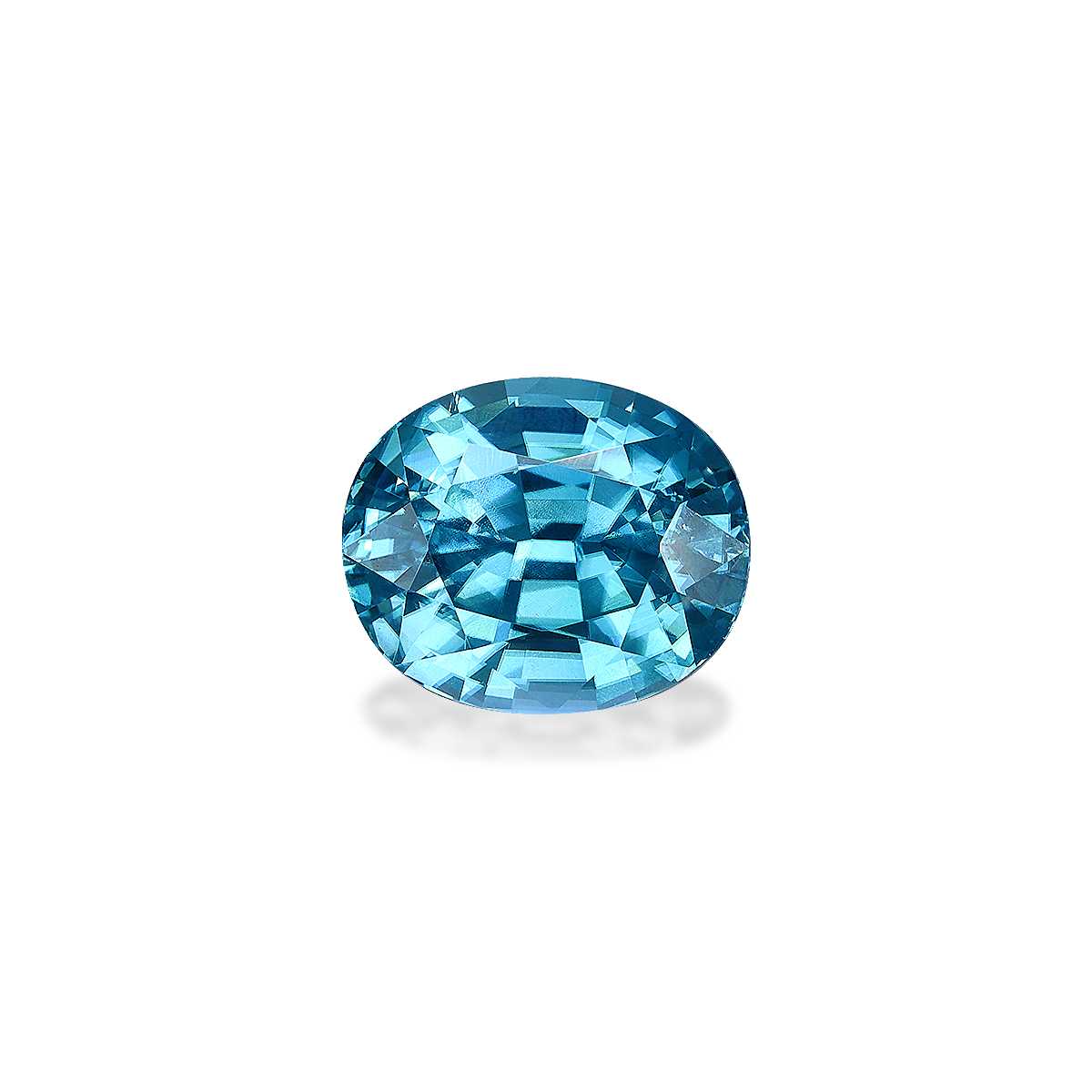
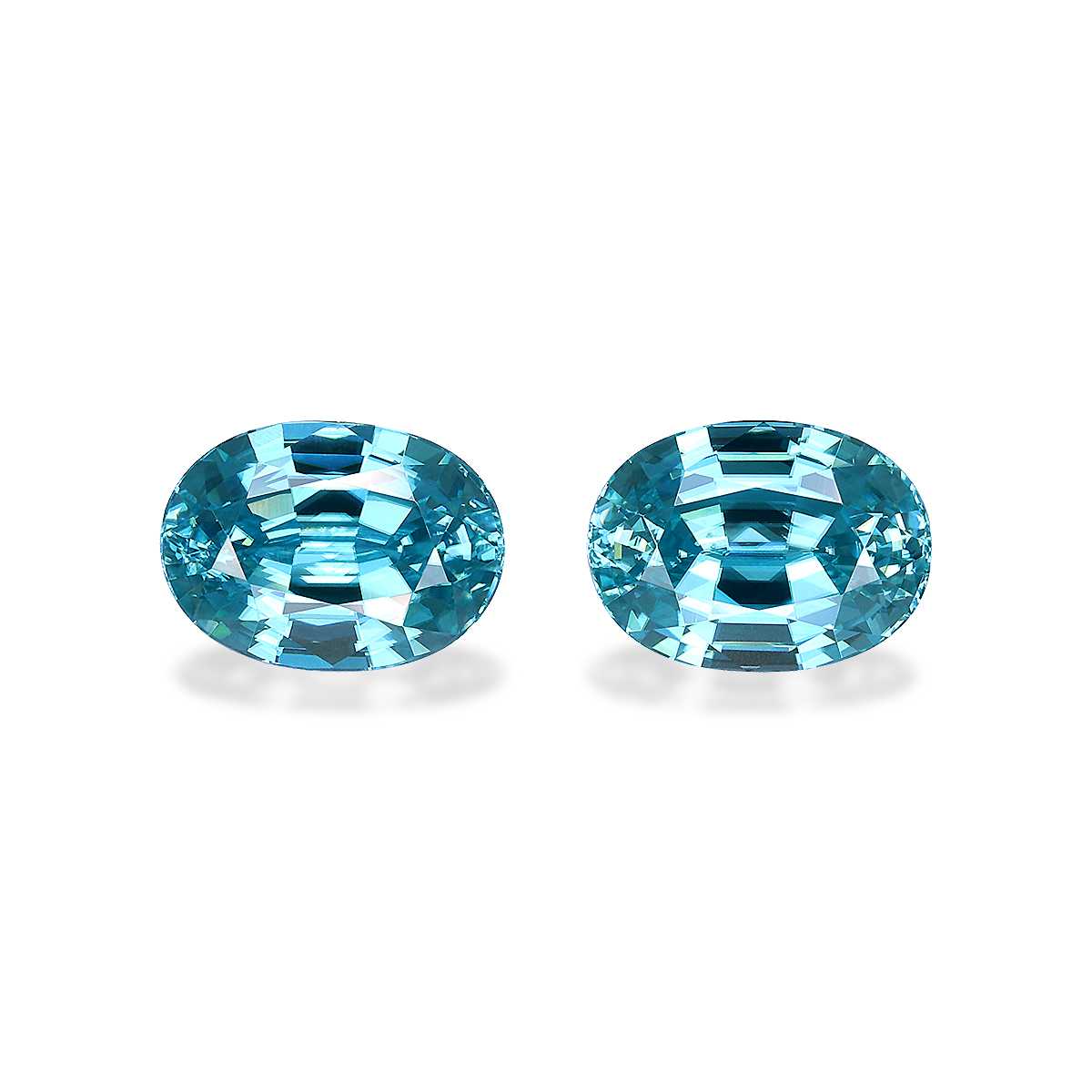
The blue colour is caused by trace amounts of iron, and it is brought out by heating. Brown Cambodian rough is heated under controlled conditions, after which the stone emerges in the blue range; material that does not respond is cut in its natural brown or colourless state, or recut for other markets.
This is the standard, expected process for the variety. Heating of blue zircon is routine, disclosed, and stable — it is not a hidden or marginal practice. For that reason, "unheated blue zircon" is not a recognised trade category, and any seller advertising one is either confused or being deliberately misleading.
Zircon also carries unusually high optical properties for a coloured stone, with a refractive index of 1.93 to 1.98 and strong dispersion. That combination gives well-cut Cambodian material its characteristic glassy brilliance and flashes of fire, which is a large part of why it has held its place in fine jewellery since the Victorian era.
How origin is determined
Origin determination for zircon is less formalised than it is for sapphire or ruby, partly because the supply is so concentrated. In practice, gemmologists rely on a combination of inclusion study, optical measurement and trade knowledge of what is actually being mined.
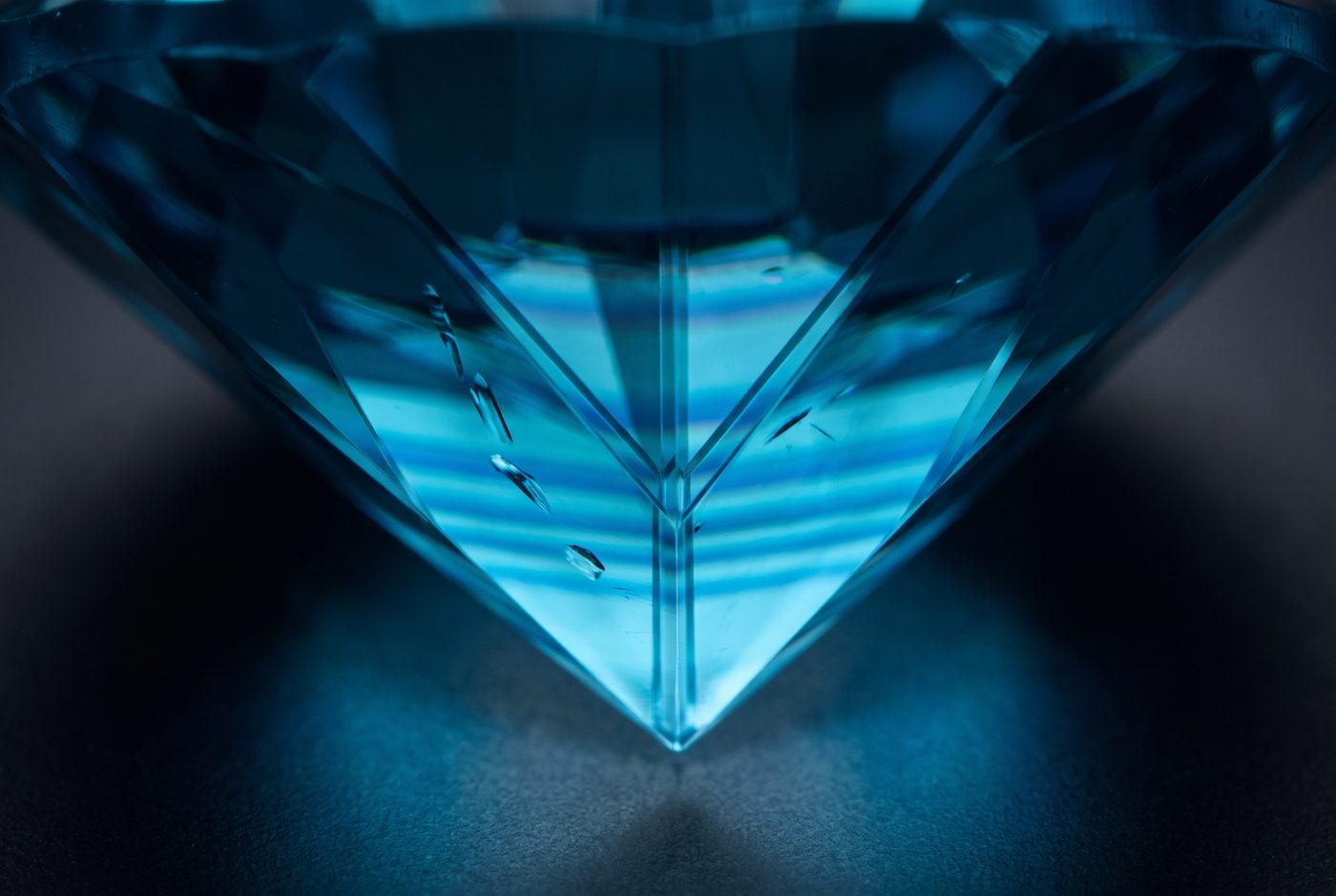
Under magnification, zircon commonly shows liquid inclusions, small crystal inclusions including zirconolite, and colour zoning. Zoning is particularly useful: parallel banding of lighter and deeper blue is natural, and its absence in a perfectly even, glassy stone should prompt a closer look.
What separates zircon from its look-alikes
- Refractive index — 1.93 to 1.98 is far above most blue stones and immediately distinguishes zircon from topaz, aquamarine and spinel.
- Birefringence — strong doubling of back facet edges, visible with a loupe, is diagnostic and absent in cubic zirconia and glass.
- Specific gravity — zircon is notably heavy for its size compared with similar-looking gems.
Cubic zirconia, despite the name, is a laboratory-made simulant with no relation to natural zircon. A reputable laboratory report from a recognised body such as GIA, AGL, SSEF or Gübelin removes any ambiguity, and for stones of significant size or price it is worth the modest cost.
What origin means for value
Because the fine blue supply is effectively single-source, origin does not create the tiered premiums you see in sapphire. Instead, value is driven by what the Cambodian material actually delivers: colour saturation, clarity, size and cut quality.
Saturation is the first lever. Stones that hold a deep, even blue without greying or washing out in low light sit at the top; pale or steely material trades well below. Clarity follows, since zircon's high refractive index punishes visible inclusions by interrupting the return of light.
Size compounds both. Clean, well-saturated rough large enough to yield sizeable finished stones is genuinely scarce, so prices rise sharply rather than proportionally as carat weight increases.
Blue Zircon price guide
Blue Zircon price guide (per carat, USD)
Based on 158 blue zircon in stock, updated October 19, 2026.
How to choose blue zircon
Work in a fixed order and the decision becomes straightforward. Confirm the species, then assess colour, then clarity, then cut, then weight — and ask about treatment disclosure at every stage.
- Confirm it is zircon. Ask for the stone's refractive index or a laboratory report. Synthetic simulants and treated stones misrepresented as natural zircon remain the most common trap.
- Judge colour in two lights. View the stone in daylight and under warm indoor light; the best material stays blue in both rather than collapsing to grey.
- Loupe it. Look for liquid inclusions, zirconolite crystals and colour zoning — expected features — and reject stones with inclusions that dull the brilliance.
- Scrutinise the cut. Precision matters more here than in most gems, because high dispersion rewards good angles and exposes poor ones. Windowing and extinction are the usual faults.
- Expect heat. Treatment should be disclosed as heating. Nothing else — no oiling, no dyeing — belongs in a description of this stone.
One last practical point: zircon rates 7.5 on the Mohs scale but is somewhat brittle, so facet edges can abrade with hard wear. Protective settings suit rings; pendants and earrings are more forgiving. Chosen carefully from Cambodian material and set sensibly, blue zircon offers a brilliance that few coloured stones at its price level can match.
Frequently asked questions
Where does the best blue zircon come from?+
Cambodia is the source behind the commercial supply of fine blue zircon, recovered from alluvial gravels in the country's northeastern gem fields. Other countries produce zircon in brown, honey and colourless tones, but the saturated blues that define the variety come from Cambodian material.
Is blue zircon always heated?+
Yes, heating is the standard and expected process for blue zircon. Brown Cambodian rough is heated to develop the blue colour produced by trace iron, and the result is stable. "Unheated blue zircon" is not a recognised trade term, so treat such claims with caution.
How can I tell blue zircon from cubic zirconia?+
Cubic zirconia is a laboratory-made simulant unrelated to natural zircon. Zircon shows strong birefringence — visible doubling of back facet edges under a loupe — and a refractive index of 1.93 to 1.98, neither of which cubic zirconia displays.
What inclusions are normal in blue zircon?+
Liquid inclusions, small crystal inclusions such as zirconolite, and colour zoning are all typical and help confirm natural origin. Because zircon's high refractive index makes any visible inclusion more obvious, prioritise stones where these features do not interrupt brilliance.
Is blue zircon durable enough for a ring?+
Blue zircon rates 7.5 on the Mohs scale, which is adequate for jewellery, but it is somewhat brittle and facet edges can abrade with hard daily wear. A protective setting such as a bezel or half-bezel is advisable for rings, while pendants and earrings are more forgiving.
What drives the price of blue zircon?+
Colour saturation leads, followed by clarity, size and cut quality. Because fine blue rough comes from a concentrated source, clean well-saturated stones in larger sizes are scarce and command a premium over pale or included material.
From our Journal
Buying guides, origin stories, and notes from the trade.