Most Popular Gemstones 2019: Price Factors
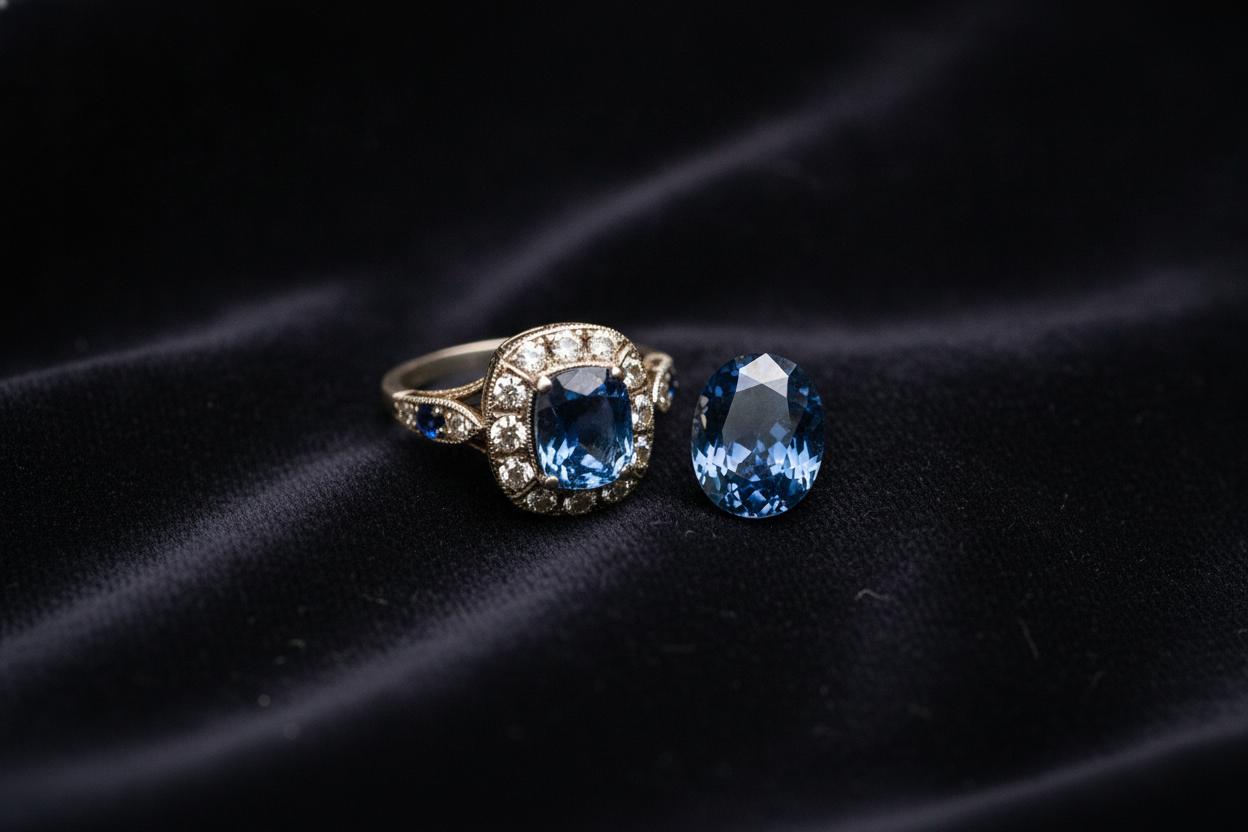
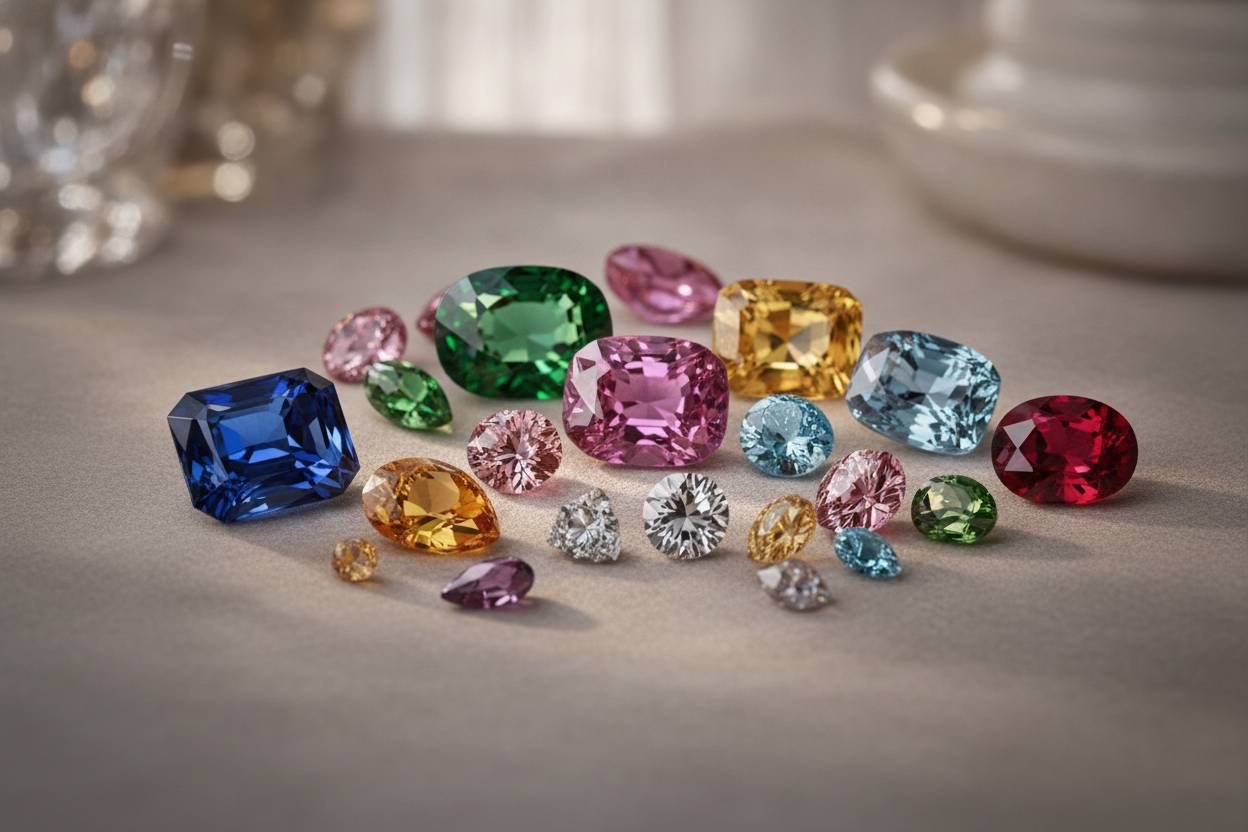
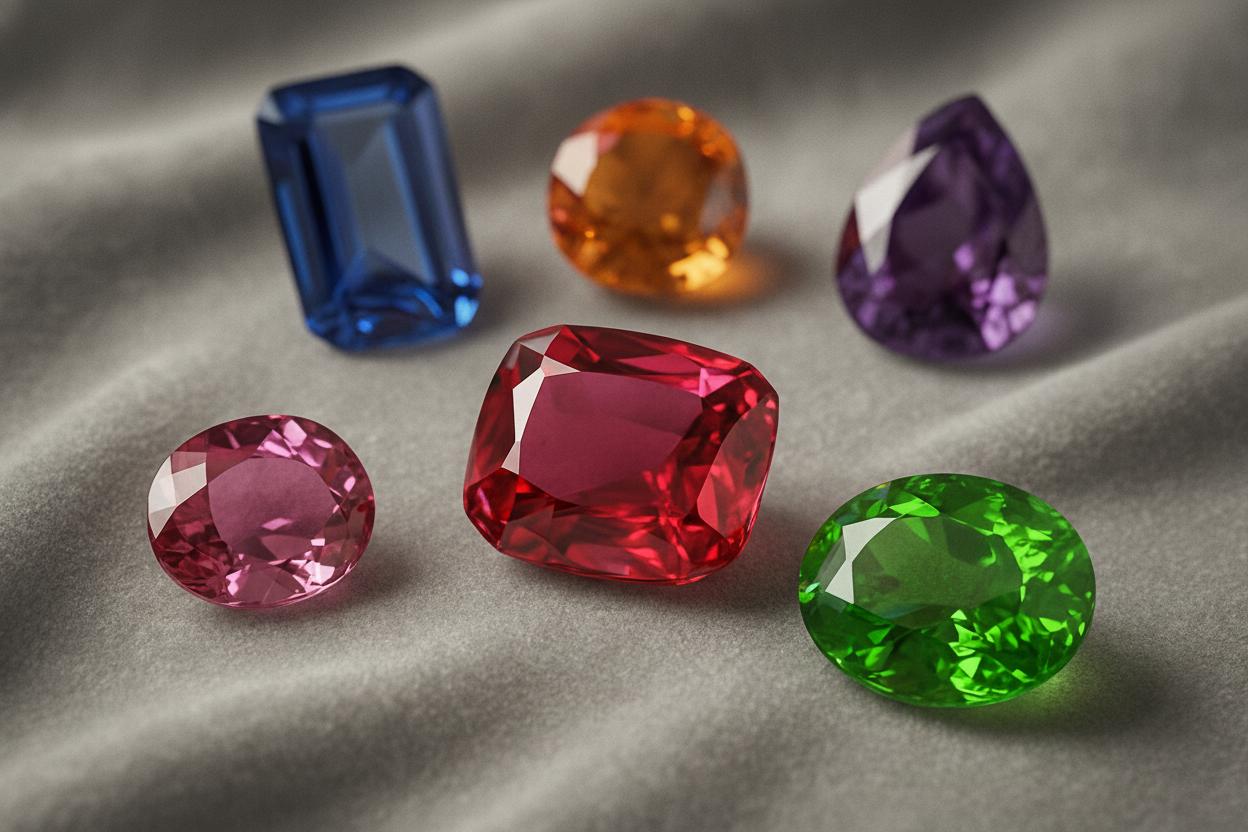
Among the most popular gemstones 2019 — blue sapphire, ruby, emerald, spinel, tanzanite, Paraíba-type tourmaline and Ethiopian opal — price per carat was set by the same four drivers in every case: colour saturation within the variety's ideal range, transparency, treatment status, and rarity at the specific size in front of you. Popularity added a premium only where supply was already thin; where material was plentiful, demand raised sales volume rather than price. For a buyer, that distinction is the whole game. A fashionable stone in abundant supply should be bought on quality alone, while a fashionable stone from a closed or exhausted deposit carries a scarcity premium you must decide whether to pay.
The 2019 shortlist, read as a market
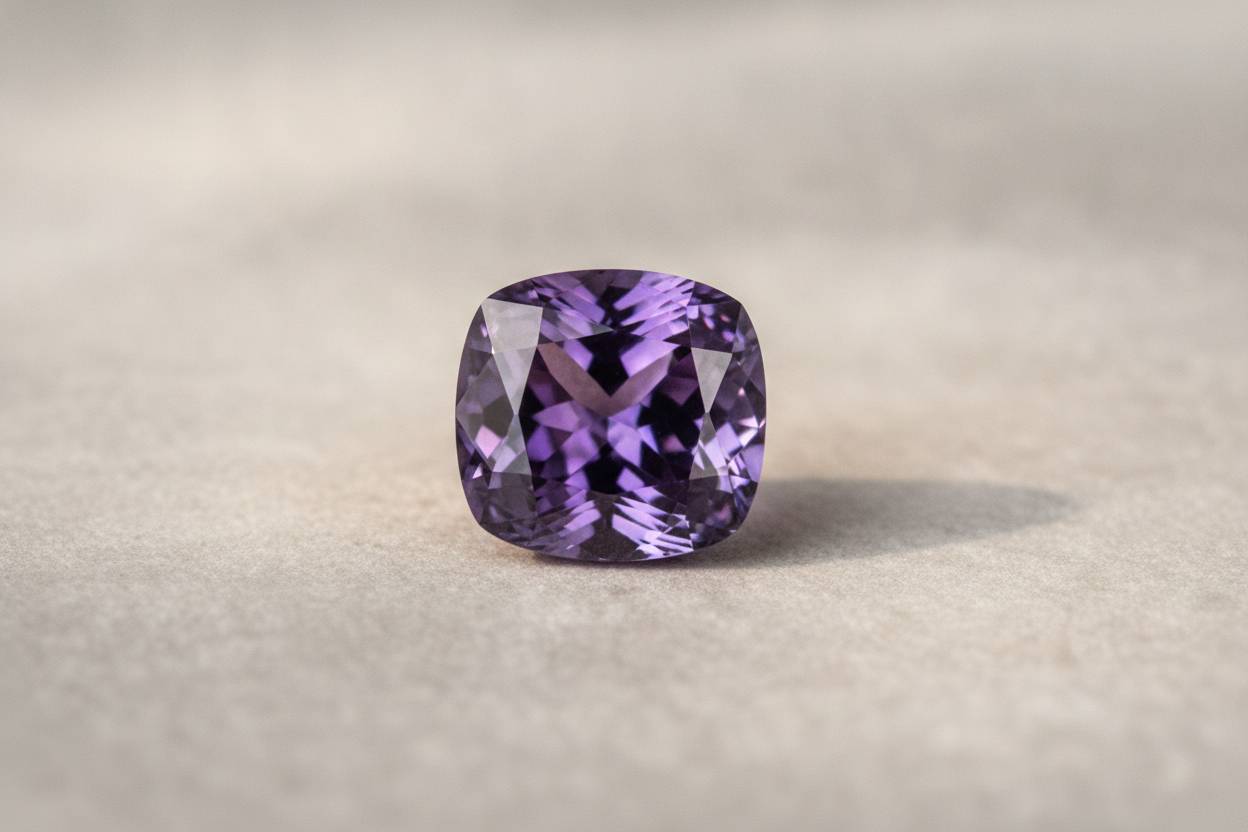
The stones that dominated trade conversation that year fell into two distinct groups. The classical trio — sapphire, ruby and emerald — held the top of the market as they always have, joined by fine spinel, which had moved from connoisseur curiosity to mainstream demand.
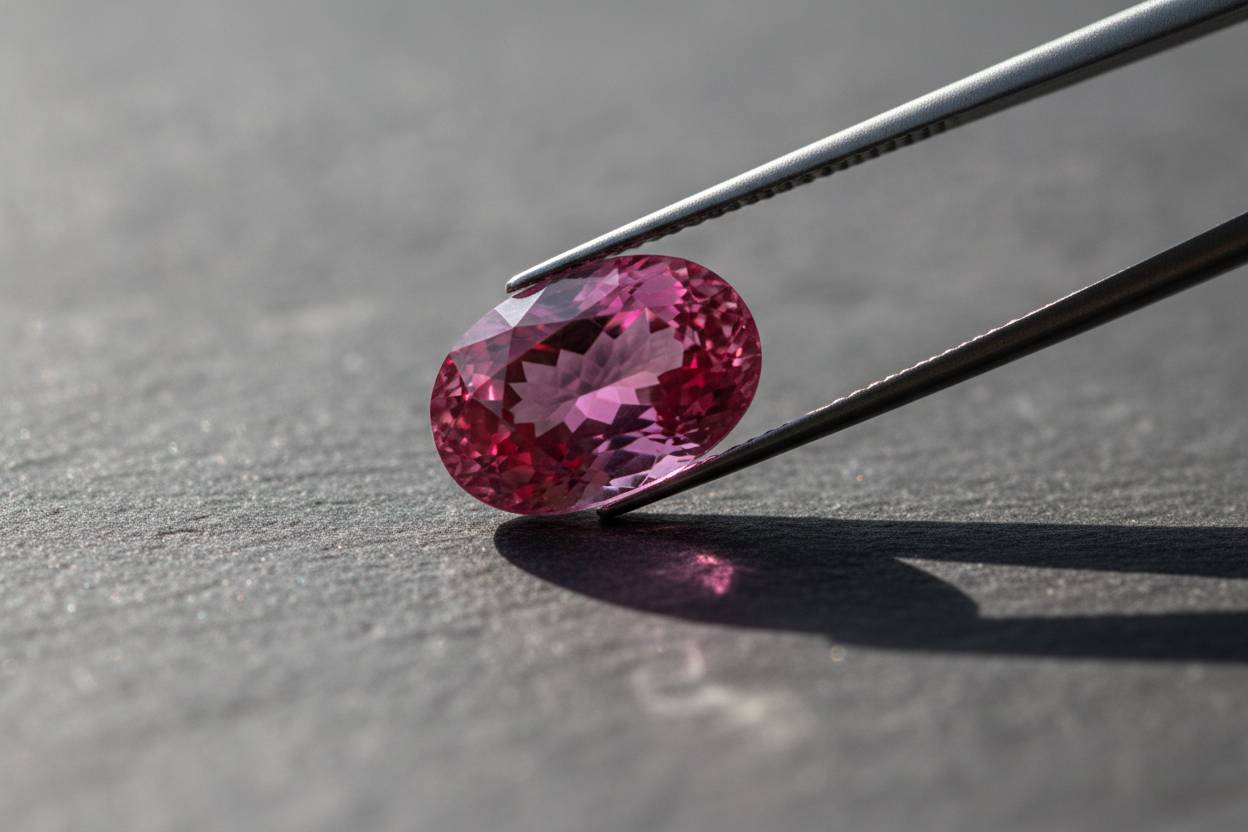
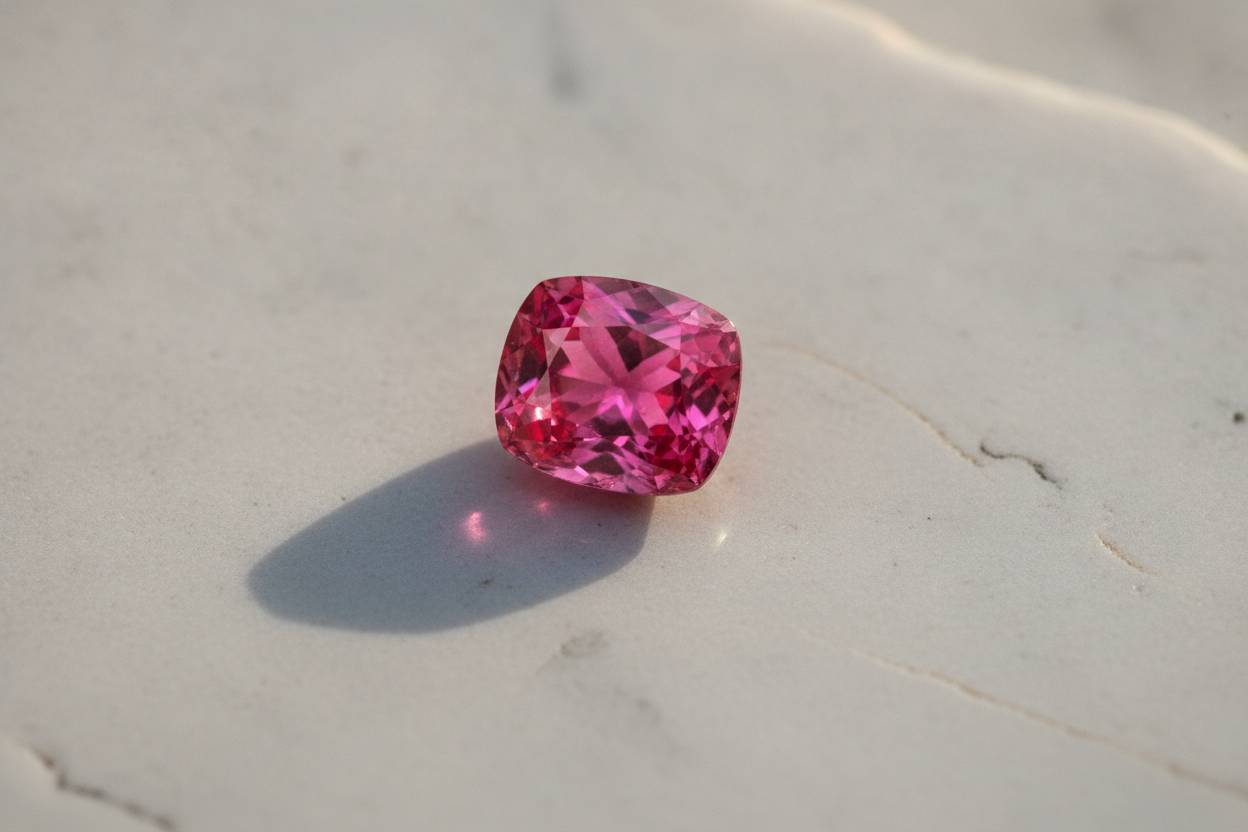
The second group was driven by novelty and colour: tanzanite, Paraíba-type cuprian tourmaline, rubellite, Ethiopian opal and the coloured sapphires, particularly padparadscha and the teal and peach tones that suited a market turning away from uniform blue.
These two groups behave differently on price. The first is anchored by decades of auction results and a deep secondary market; the second is more sensitive to fashion, new finds and supply interruptions.
Value drivers behind 2019's top gems
Ranked by how much money they actually move, the drivers are consistent across species.
- Colour. Not simply hue, but saturation and tone judged against the ideal for that variety. A vivid, evenly distributed colour with no visible zoning or extinction sits in a different price bracket from a stone one step lighter or greyer.
- Transparency. Clarity grading matters less than how light behaves. A ruby with visible silk that still reads bright will outprice a cleaner stone that looks sleepy.
- Treatment. Unheated sapphire and ruby, untreated spinel and tourmaline, and non-clarity-enhanced emerald all carry premiums. The size of the premium rises steeply with quality — it is modest on commercial goods and substantial at the top.
- Rarity at size. Every species has a weight above which fine material becomes genuinely hard to source, and the price curve bends upward there rather than rising in a straight line.
Price steps: size tiers by species
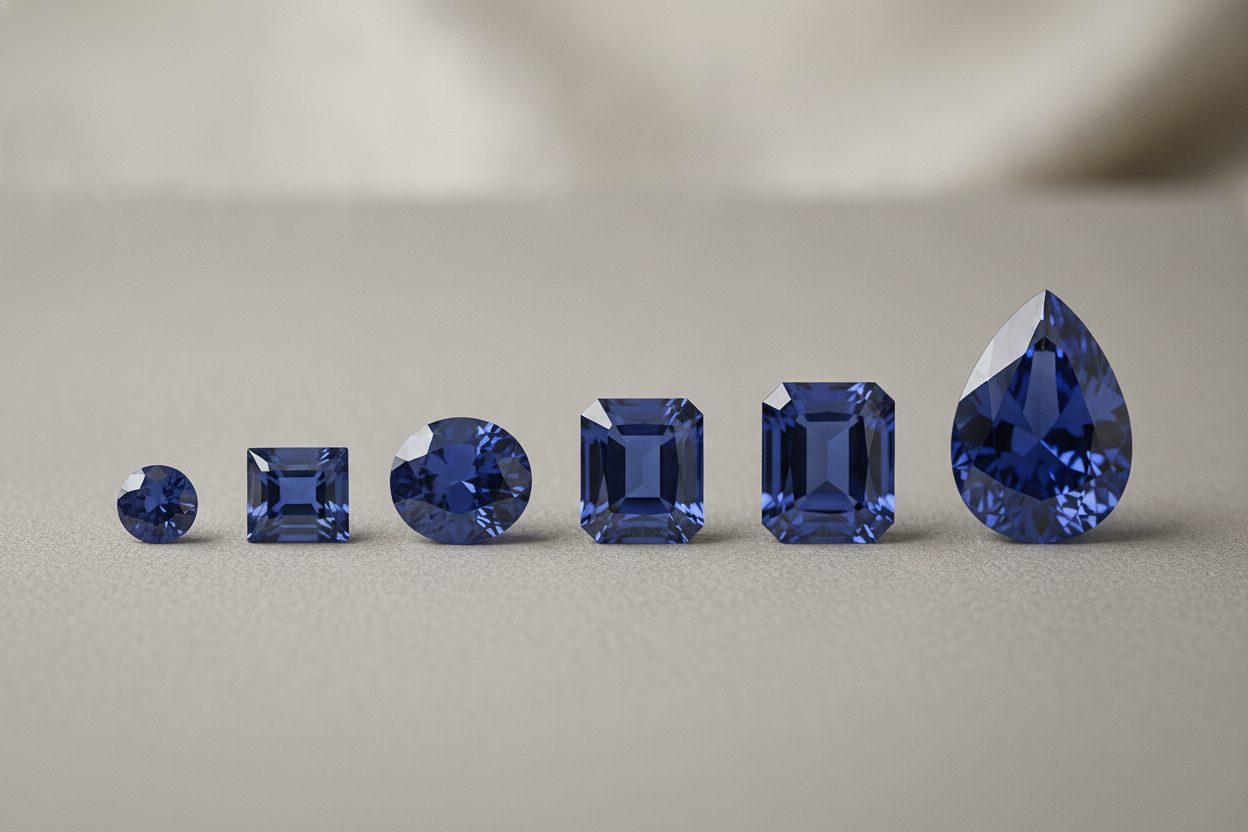
Price per carat does not increase smoothly with weight. It steps, and the step points differ by species because they reflect what the deposits actually yield.
Fine unheated Burmese and Mozambican ruby becomes scarce early; clean material in larger sizes is among the hardest things in coloured stones to find. Spinel from Mahenge and Burma follows a similar pattern, though rather more forgiving in the middle sizes.
Sapphire from Sri Lanka and Madagascar is more available across the size range, so the steps are gentler until you reach top colour combined with an unheated report. Tanzanite and Ethiopian opal are the opposite case entirely — larger sizes are readily available, so weight alone buys little, and colour or play-of-colour does all the pricing work.
Why this matters when comparing quotes
Two stones of the same variety and similar appearance can differ in price per carat because one sits just above a scarcity threshold. Comparing a stone against others of the same weight class, not the same variety broadly, is the only useful comparison.
More from Sapphire



Quality tiers inside a single variety
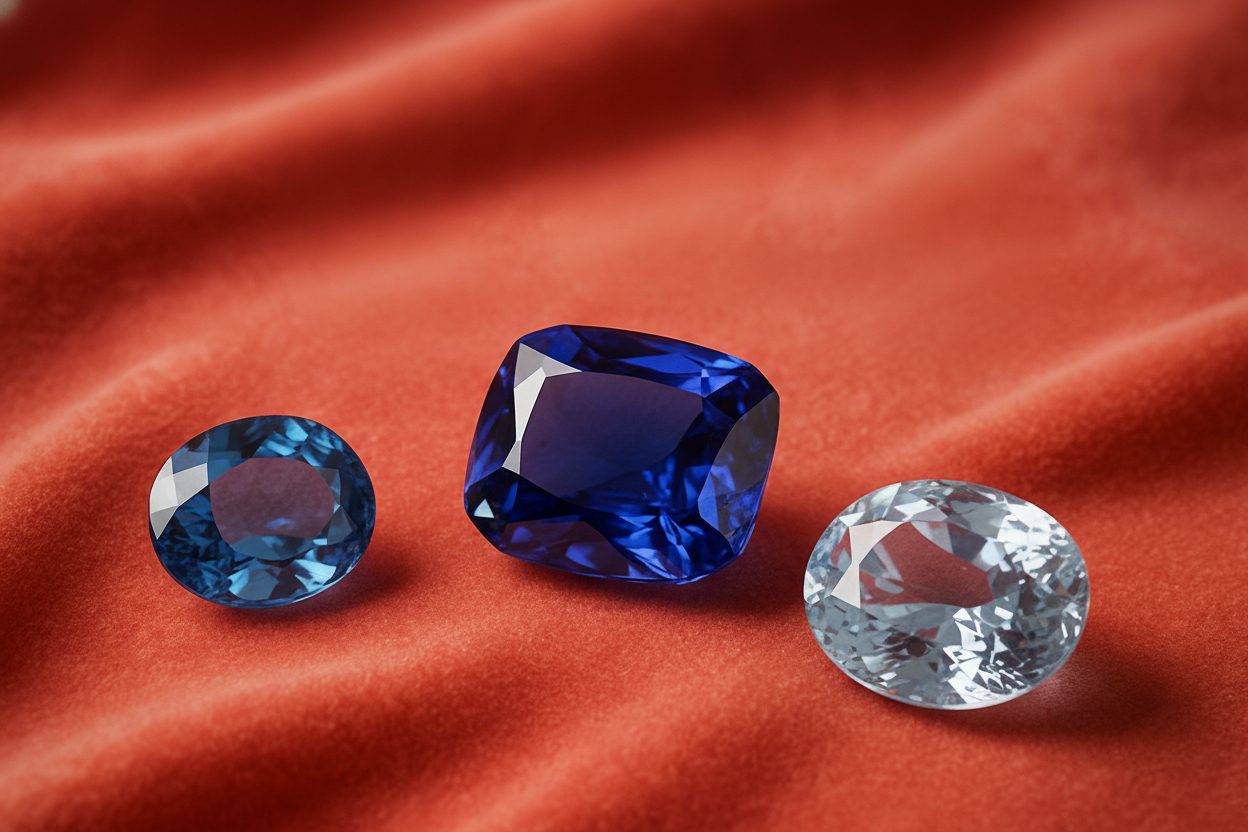
Most disappointment in coloured stone buying comes from treating a variety name as a quality statement. It is not. Within any of the popular 2019 stones you will find three broad tiers.
- Commercial: colour present but diluted, grey or overly dark; transparency compromised; routinely treated. Priced by the piece, effectively.
- Fine: good saturation, lively, eye-clean to lightly included, well cut with real symmetry. This is where most serious private buying happens.
- Exceptional: ideal colour, high transparency, untreated where relevant, and documented by a respected laboratory. Priced against auction comparables rather than dealer inventory.
The gap between commercial and fine is usually larger than buyers expect, and the gap between fine and exceptional larger still.
Fair ranges without a price list
There is no published price sheet for coloured stones as there is for diamonds, and any dealer quoting one figure for a variety is oversimplifying. What you can do is triangulate.
Ask for three comparables at the same weight, same treatment status and same origin, and look at where your stone sits within them. Auction records from the major houses give a ceiling; established dealer inventory gives a working middle.
Then check that the report supports the price. A GIA, SSEF, Gübelin or AGL report confirming no indications of heating or a specific origin justifies a premium; the absence of such documentation on a stone priced as though it had one is the most common overpayment in the market.
Popularity that did not become value
Some of 2019's most talked-about stones were fashionable rather than scarce. Ethiopian opal, tanzanite in commercial grades and much rubellite were widely available, and buying them at premium prices on the strength of trend coverage was a mistake.
Durability also deserves a place in the value judgement. Sapphire and ruby stand at 9 on the Mohs scale and tolerate daily wear; spinel at 8 and tourmaline around 7 to 7.5 are sound with sensible settings. Tanzanite, at roughly 6 to 7 with directional cleavage, and opal at 5.5 to 6.5 need protection — a real cost that follows the purchase.
The lasting lesson from the most popular gemstones 2019 is that fashion tells you what will be easy to sell, not what will hold value. Buy the individual stone — its colour, its transparency, its paperwork — and the trend becomes irrelevant.
Frequently asked questions
Which gemstones were most in demand in 2019?+
Trade demand centred on the classical trio of sapphire, ruby and emerald, joined by fine spinel, which had moved into mainstream buying. Colour-led stones such as tanzanite, Paraíba-type tourmaline, rubellite, Ethiopian opal and padparadscha and teal sapphires drove much of the fashion interest.
Does a gemstone being popular make it a good investment?+
Not on its own. Popularity increases how easily a stone sells, but price appreciation depends on scarcity — fine material from limited or exhausted deposits, at sizes that are genuinely hard to find. A fashionable stone in abundant supply should be bought on quality alone.
Why is unheated sapphire more expensive than heated sapphire?+
Heating is a permanent, widely accepted treatment that improves colour and clarity in a large share of rough, so untreated stones of fine colour are comparatively rare. The premium is modest on commercial goods and substantial at the top of the market, and it must be supported by a report from a respected laboratory.
How can I check whether a price per carat is fair?+
Ask the seller for comparable stones at the same weight, treatment status and origin, and see where your stone sits among them. Auction records from the major houses indicate the ceiling, while established dealer inventory shows the working middle of the market.
Why does price per carat jump at certain sizes?+
Deposits yield large clean crystals far less often than small ones, so above a certain weight fine material becomes genuinely scarce and the price curve bends upward rather than rising evenly. The threshold differs by species — it arrives early in ruby and later in Sri Lankan sapphire.
Are tanzanite and Ethiopian opal durable enough for daily wear?+
Both need care. Tanzanite sits at roughly 6 to 7 on the Mohs scale with directional cleavage, and opal at about 5.5 to 6.5, so both are better suited to pendants, earrings and protective settings than to rings worn every day.
From our Journal
Buying guides, origin stories, and notes from the trade.