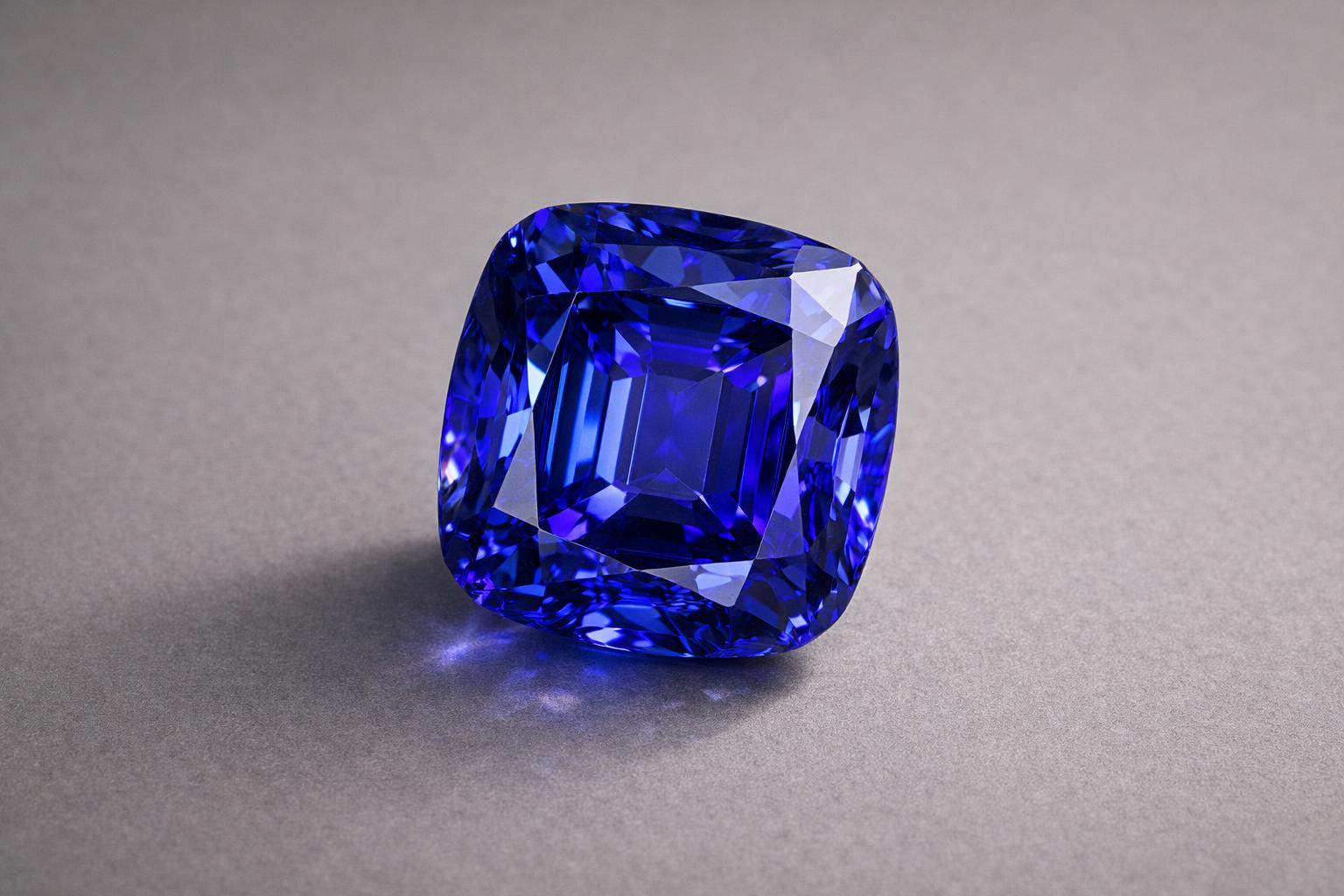
Understanding Tanzanite Value & Price Factors
The price of Tanzanite is primarily determined by three key factors: color intensity, clarity, and size. A deeper understanding of these elements will help buyers assess fair pricing and avoid common pitfalls in the market.
Color Intensity and Tanzanite Value
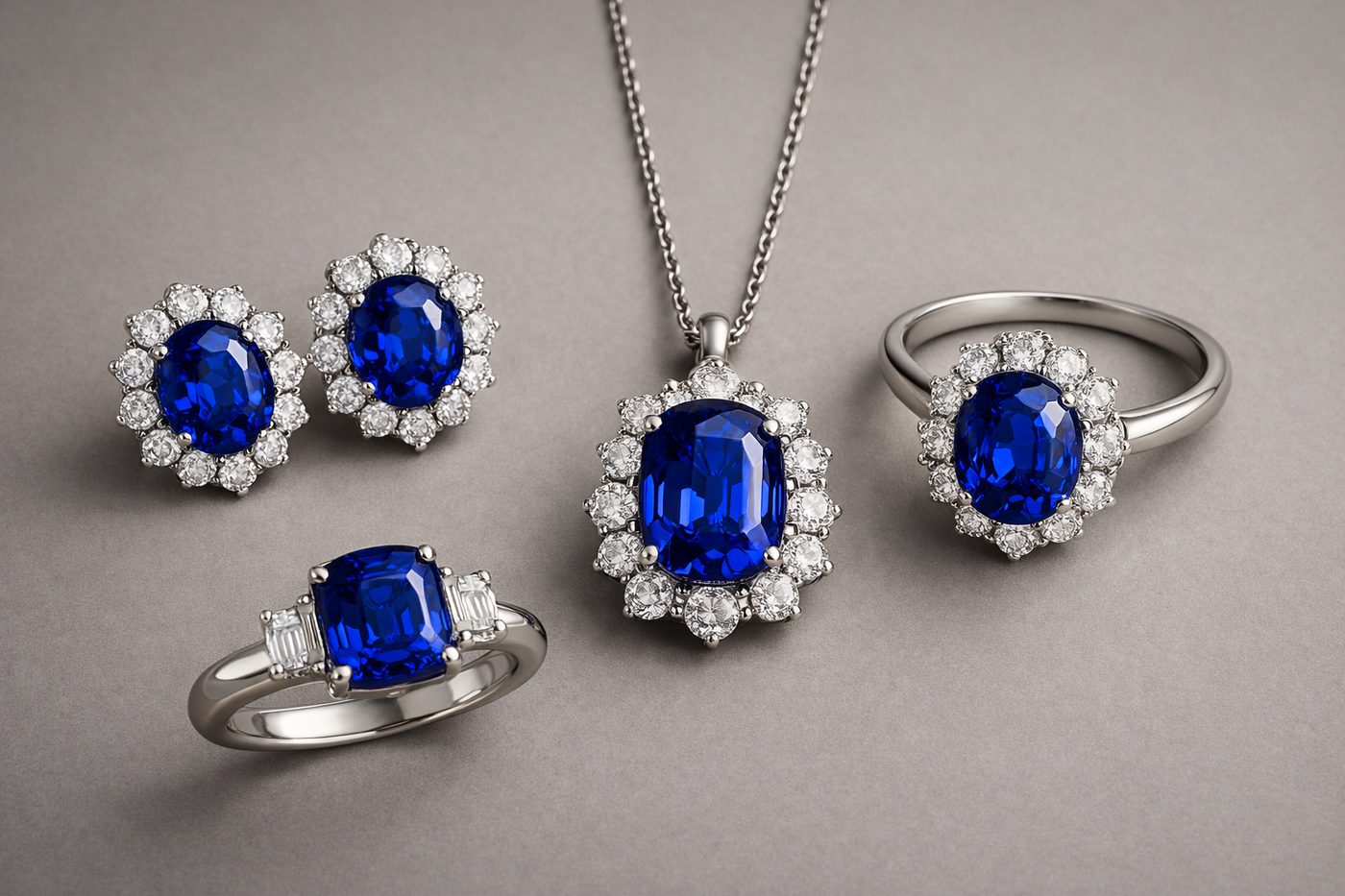
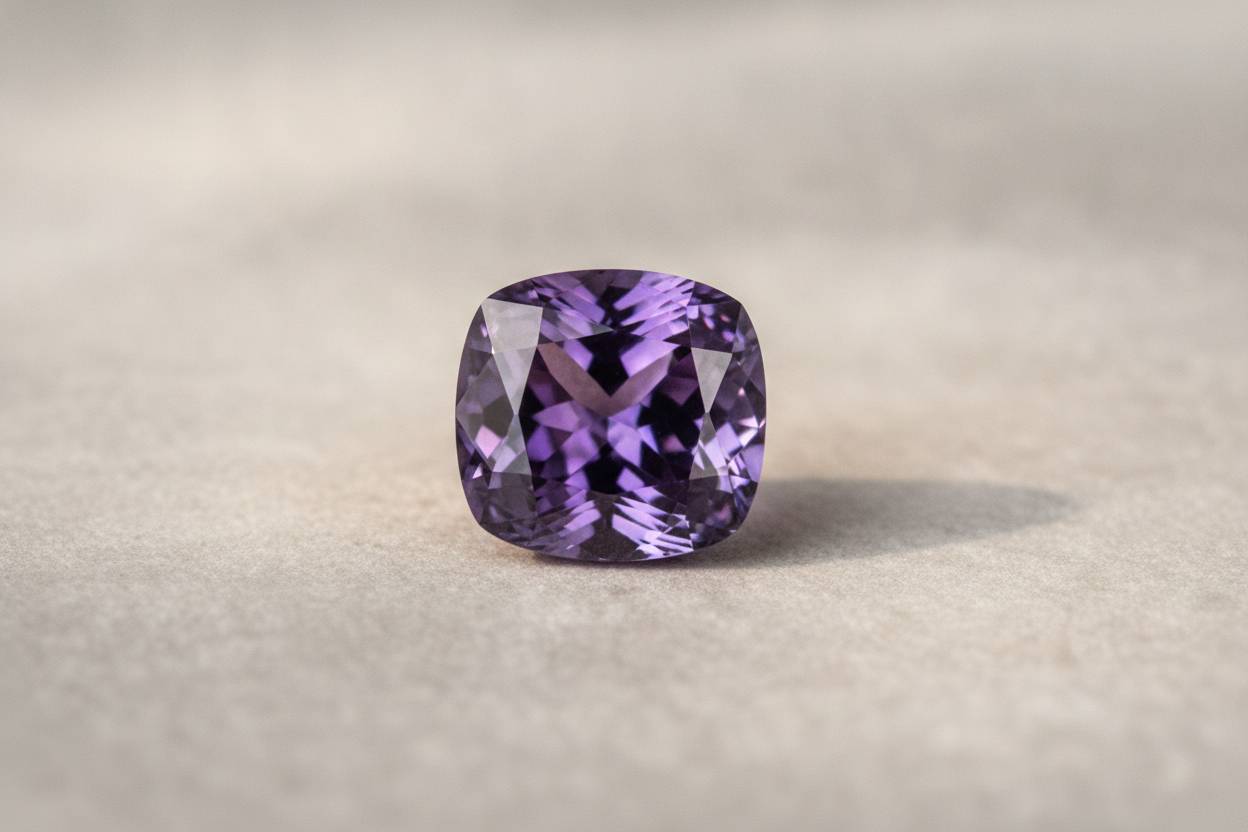
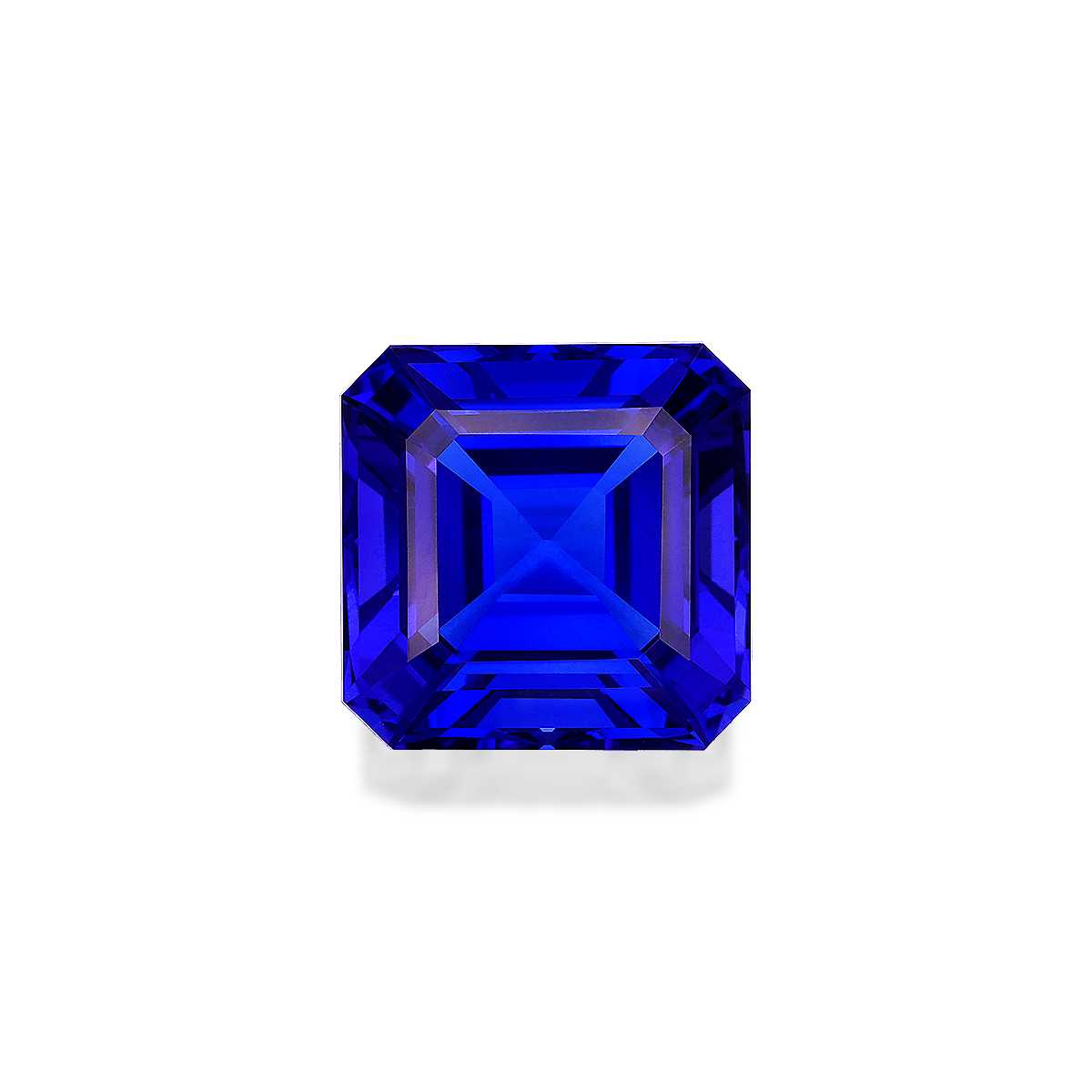
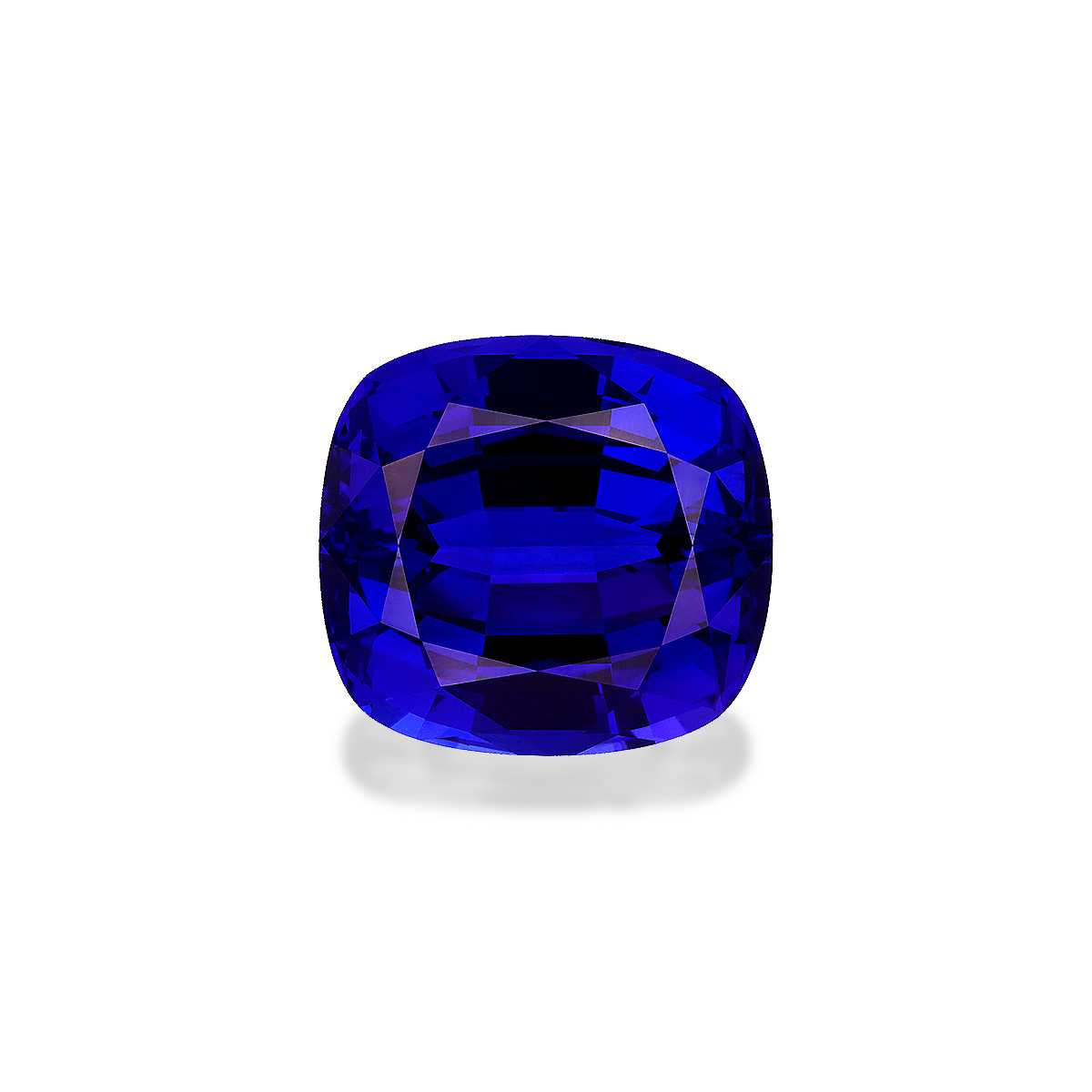
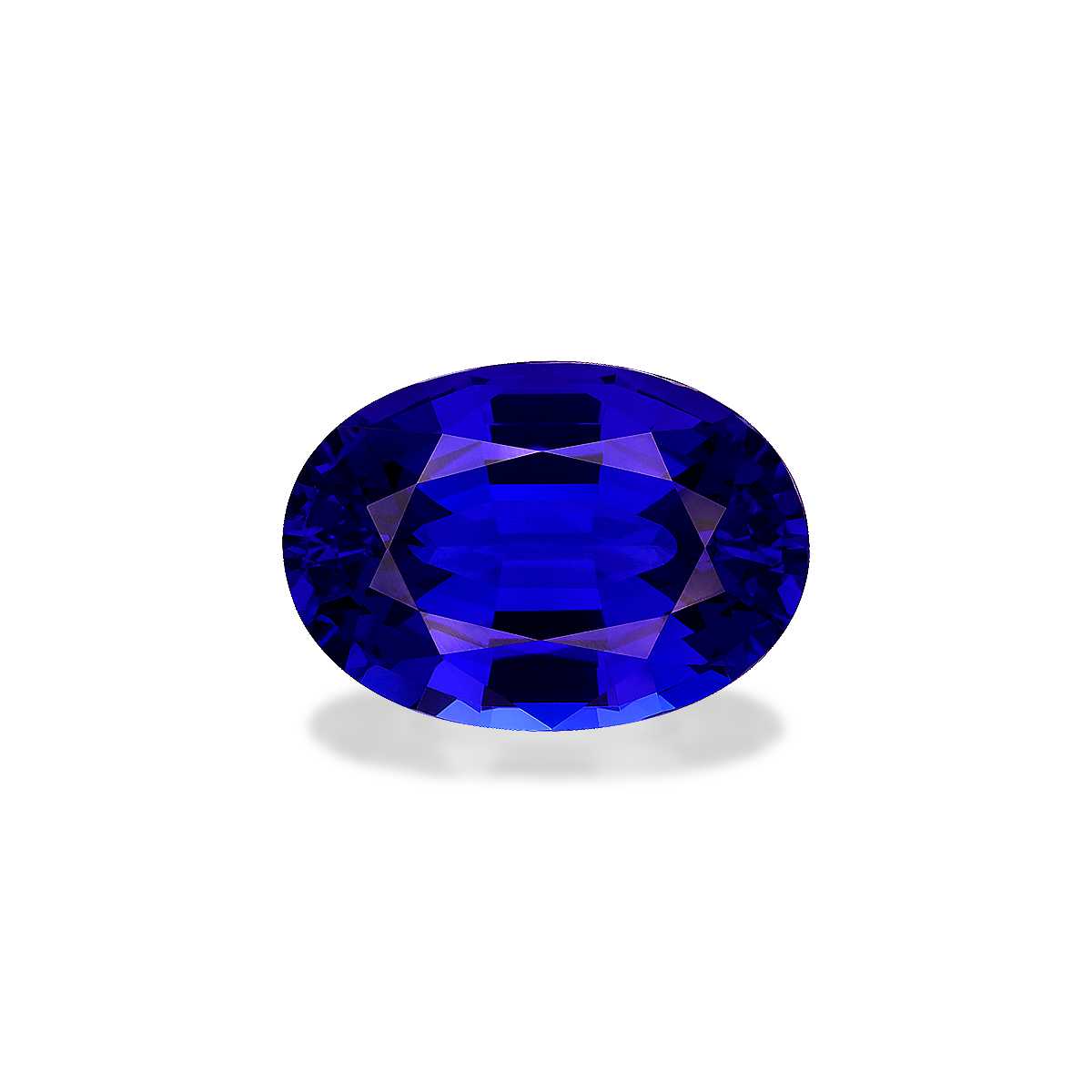
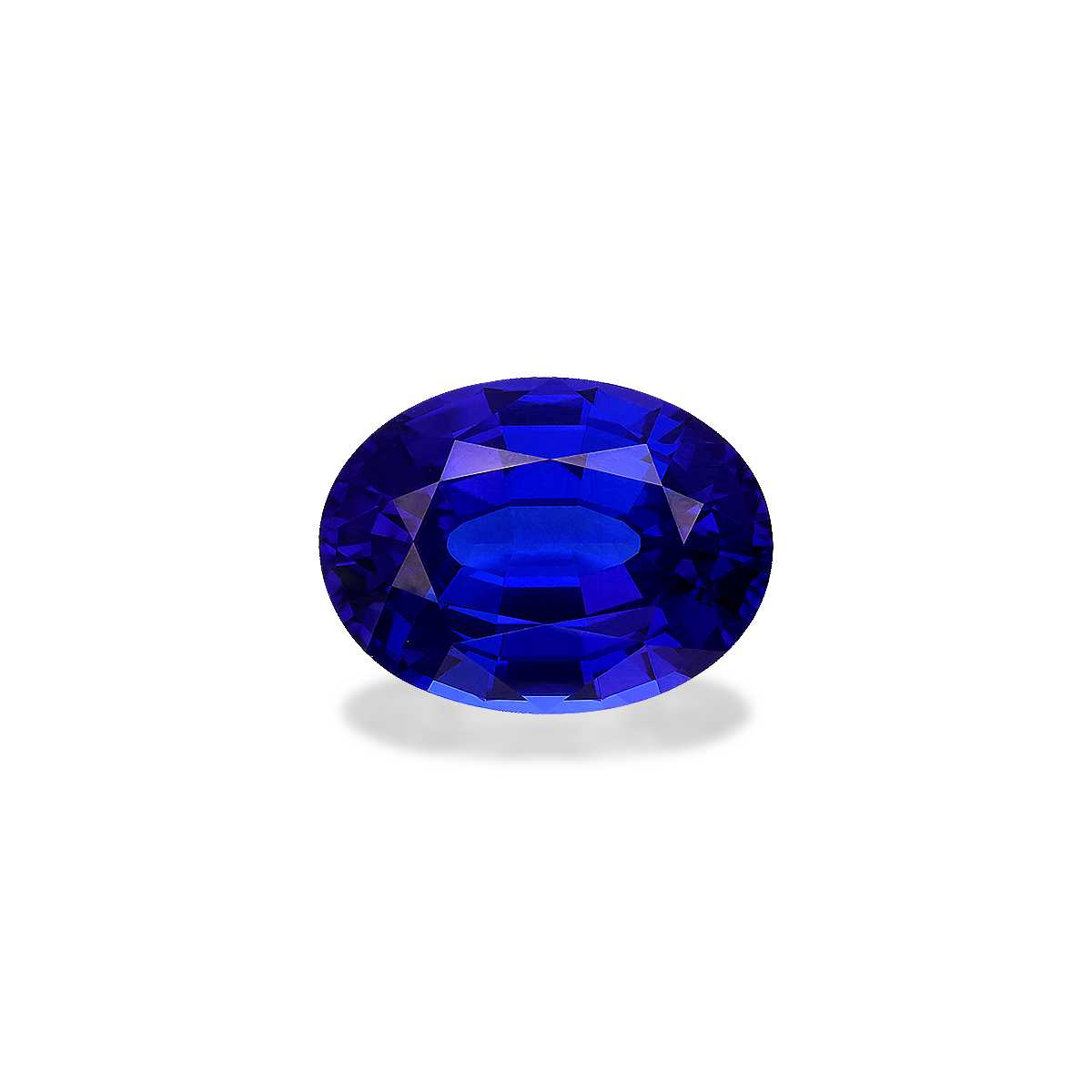
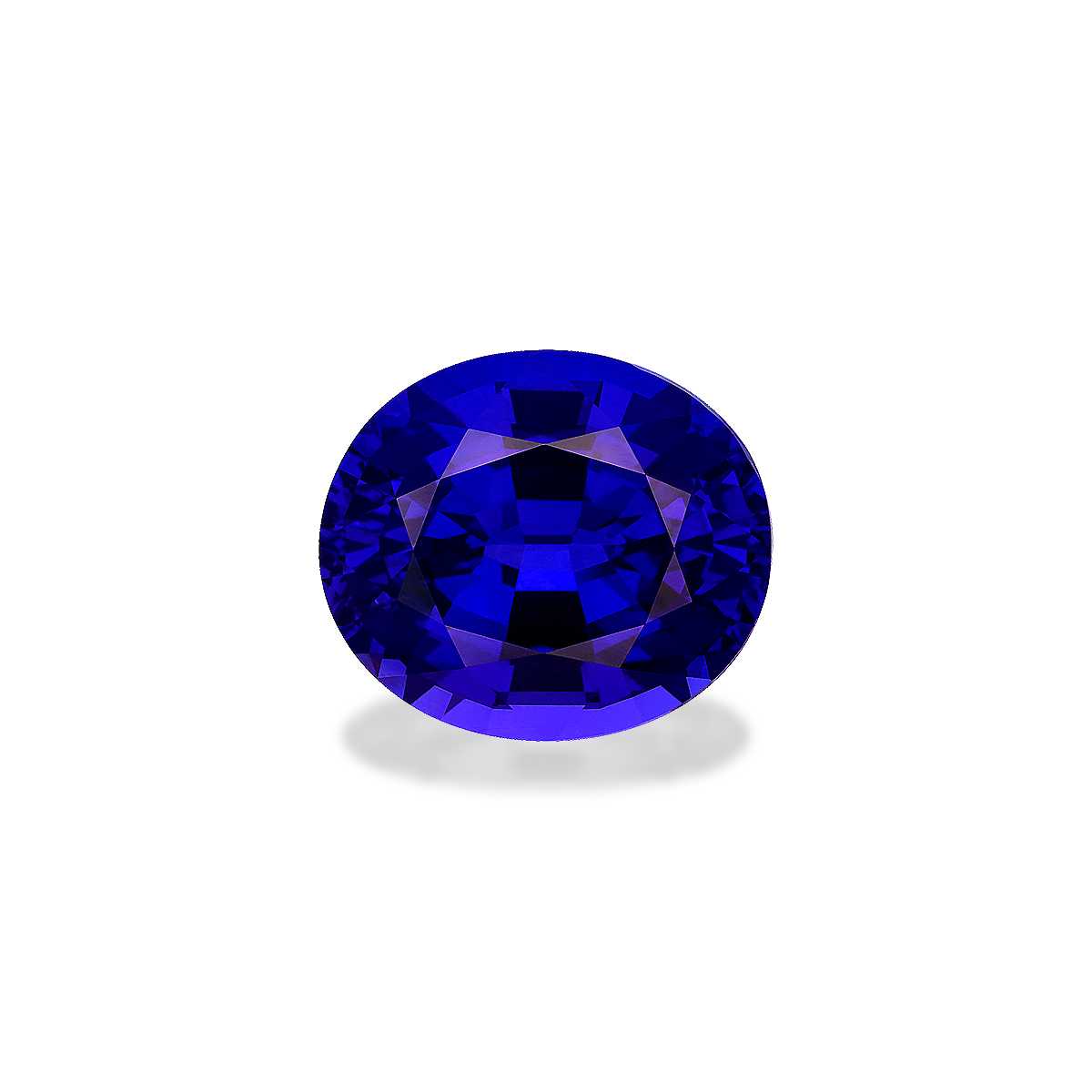
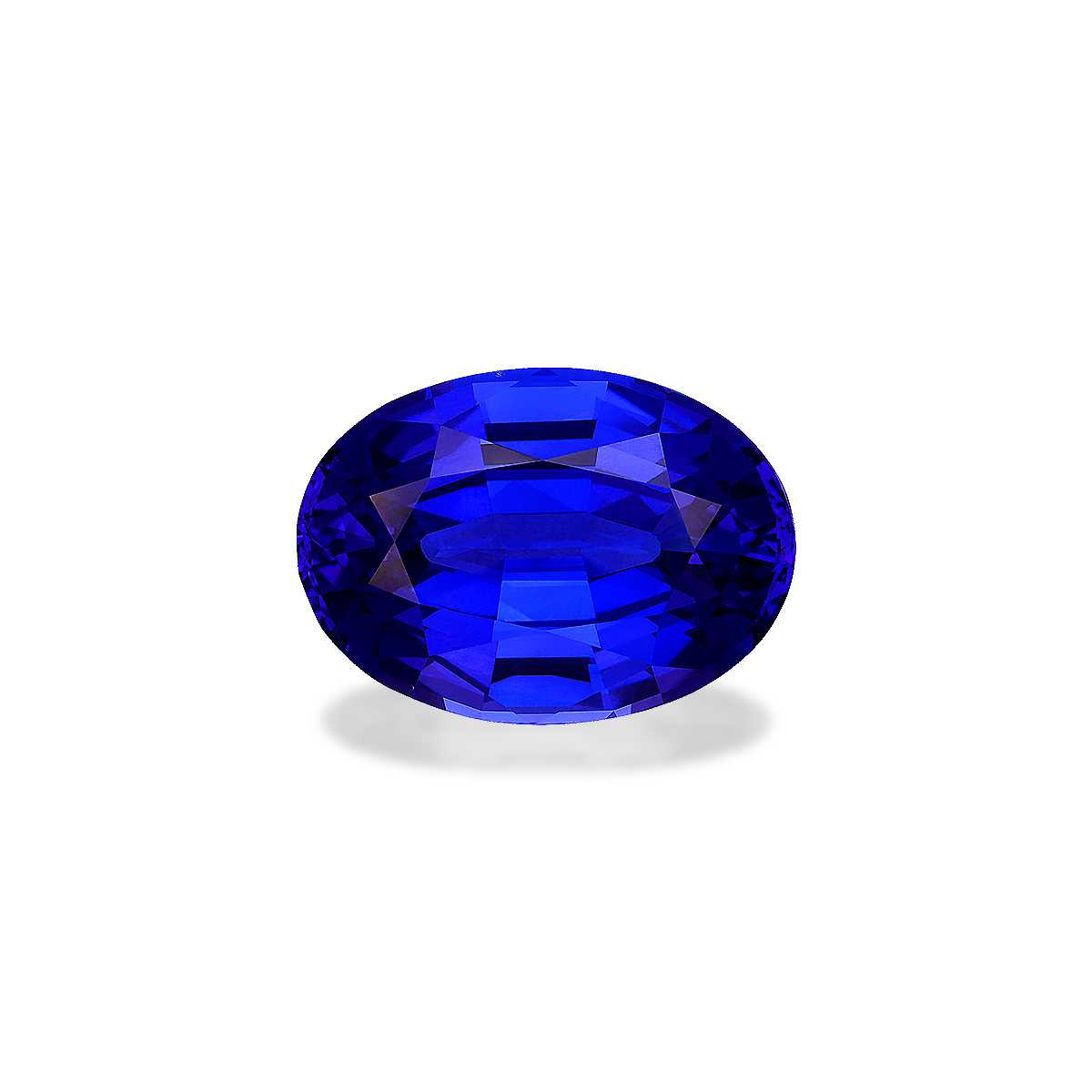
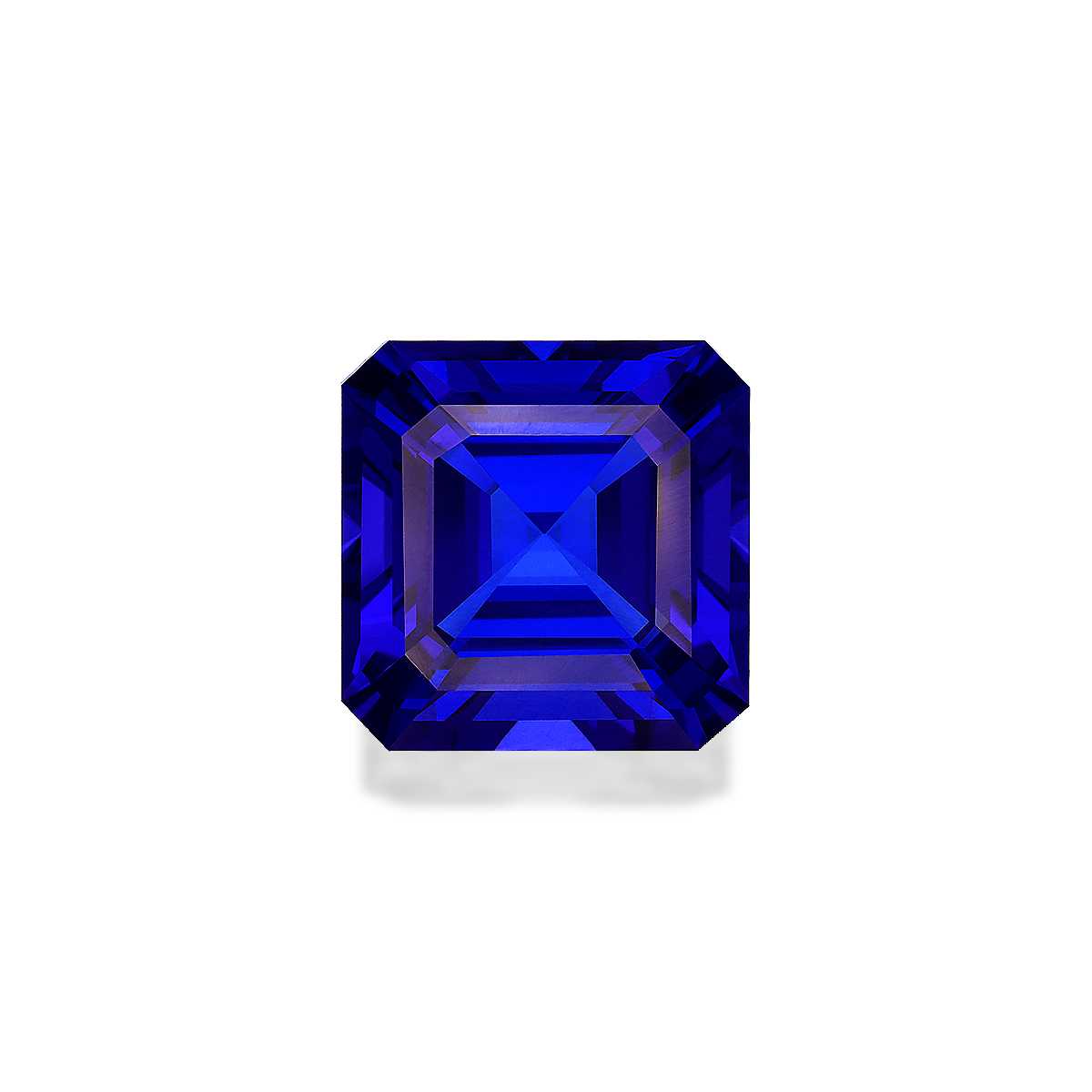
Color intensity is perhaps the most significant driver of Tanzanite's value. This gemstone exhibits a range of hues, from light violet to deep, saturated Royal Blue. Those stones with rich color saturation, particularly in the Royal Blue category, command higher prices per carat. Trade color names like AA and AAA+ also reflect variations in color intensity, with AAA+ representing the highest quality with the most vivid colors.
Clarity: Transparency and Inclusions
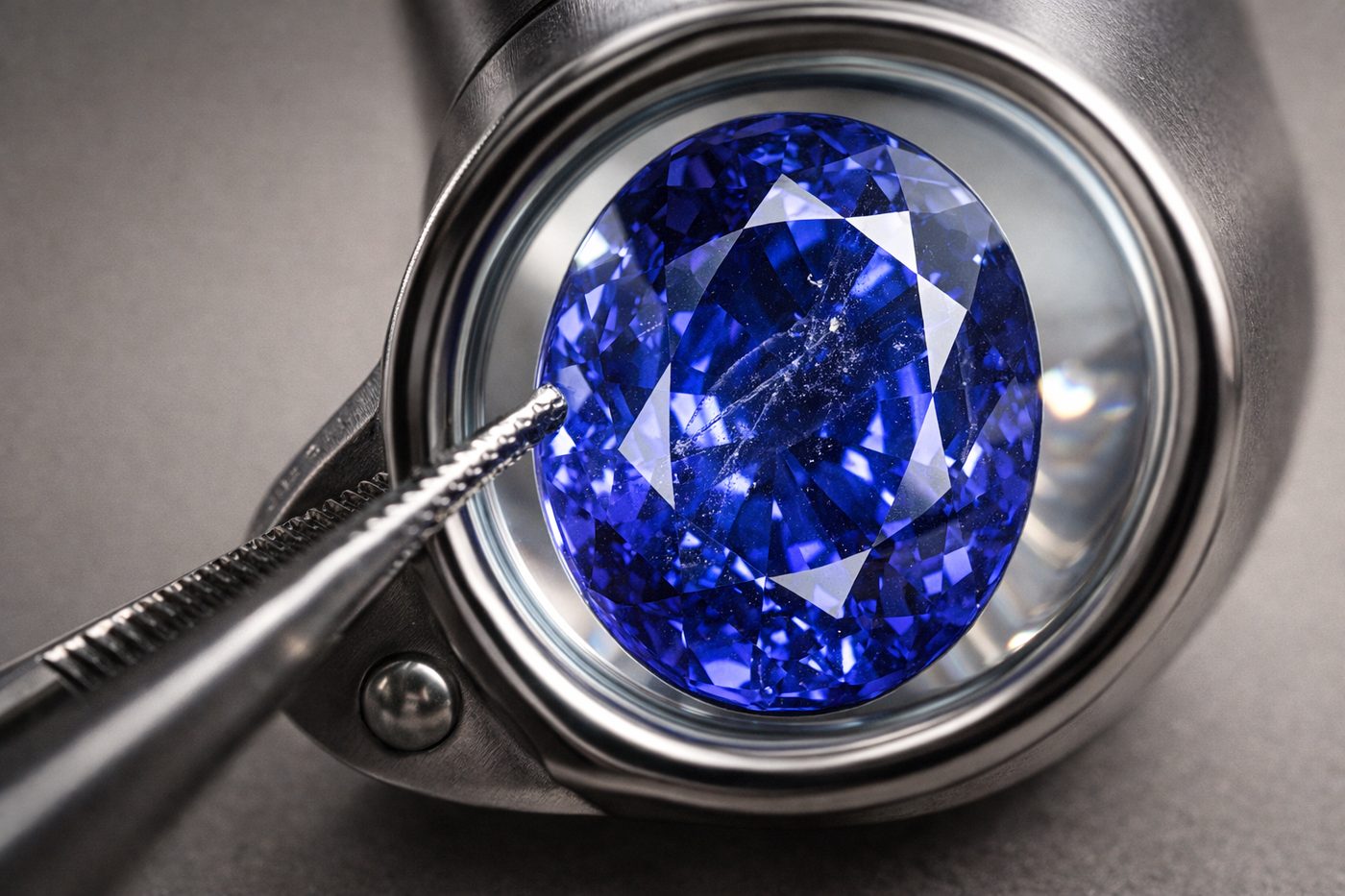
Clarity is another critical factor influencing the value of Tanzanite. Like many gemstones, Tanzanite can contain inclusions that affect its transparency. Stones with fewer inclusions and higher clarity are more desirable and can command a premium. Buyers should be aware of the clarity grading system to make informed decisions, as transparency significantly enhances the beauty of this unique gemstone.
More from Tanzanite
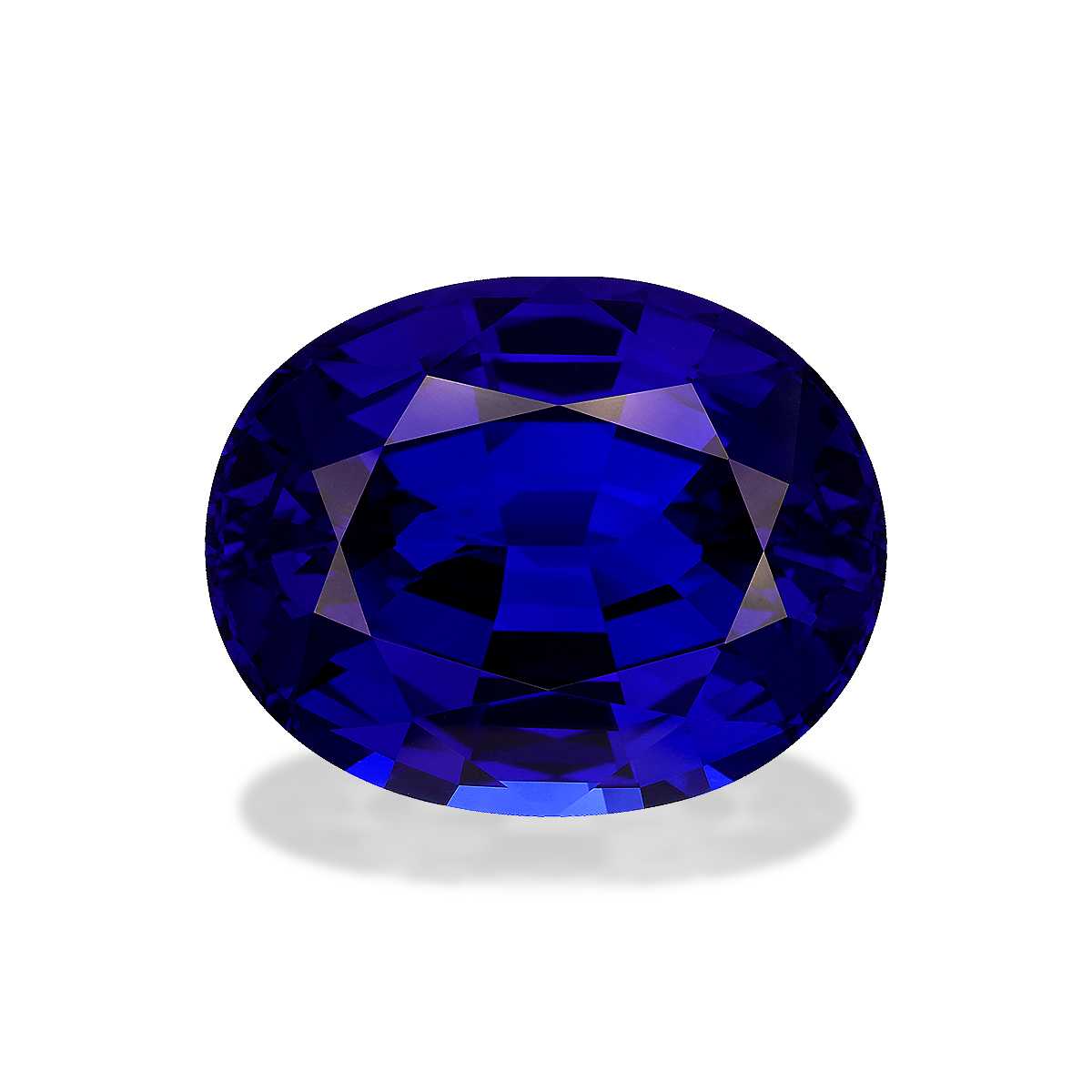
Size Matters: The Impact of Carat Weight
The size of Tanzanite also plays a vital role in determining its price per carat. Larger stones are scarcer and are often more valuable, particularly when they exhibit excellent color and clarity. However, it is important to note that the market can sometimes inflate prices of smaller stones marketed as high grade, leading to potential overpayment.
Buyer Pitfalls in the Tanzanite Market
When purchasing Tanzanite, buyers should be cautious of misleading claims regarding treatments. There are instances where stones are marketed as unheated, despite being heated, which can mislead buyers regarding their true value. Additionally, it's crucial to avoid overpaying for lower quality stones that may be falsely marketed as high grade. A well-informed buyer can navigate these pitfalls successfully.
Understanding Fair Price Ranges
Establishing a fair price range for Tanzanite requires an understanding of the interplay between color, clarity, and size. Generally, high-quality Tanzanite will be priced in a range that reflects its superior characteristics. Buyers should compare prices from reputable sources and consider the factors mentioned above to determine a reasonable price per carat for their preferred stone.
Tanzanite price guide
Tanzanite price guide (per carat, USD)
Based on 163 tanzanite in stock, updated October 19, 2026.
Frequently asked questions
What determines the price of Tanzanite?+
The price of Tanzanite is determined by color intensity, clarity, and size. Deeper colors and higher clarity typically command higher prices.
What are the trade color names for Tanzanite?+
Tanzanite is categorized into trade color names such as AA and AAA+, with AAA+ representing the highest quality and color intensity.
Are there common treatments for Tanzanite?+
Tanzanite is often marketed as unheated, though buyers should be cautious of misleading claims regarding treatments.
How does size affect Tanzanite pricing?+
Larger Tanzanite stones are scarcer and generally more valuable. However, it’s essential to assess their color and clarity as well.
From our Journal
Buying guides, origin stories, and notes from the trade.