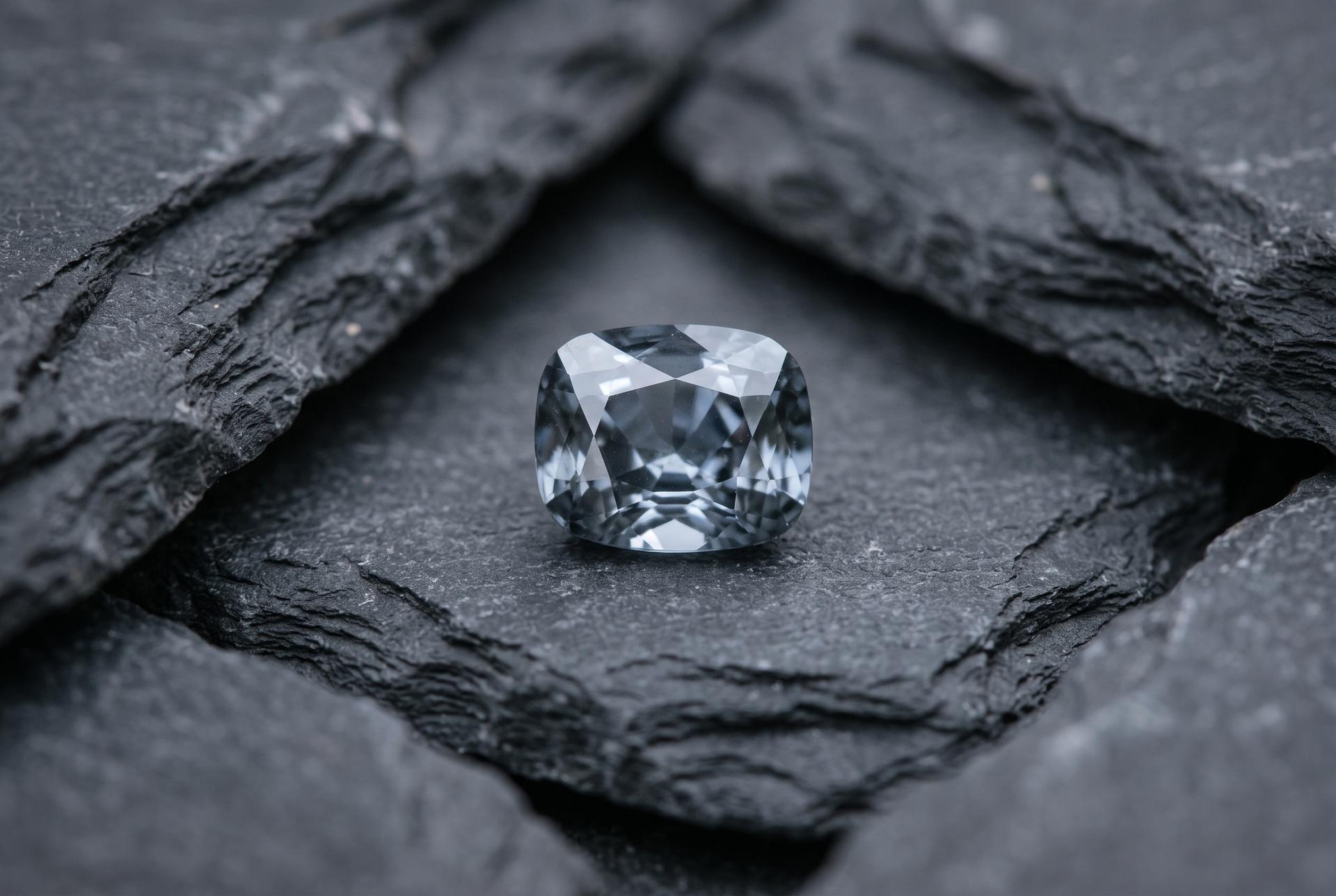
Grey Spinel: How to Spot the Real Thing
Genuine grey spinel is a singly refractive, cubic gemstone with a refractive index of 1.710–1.736 and a Mohs hardness of 7.5–8, coloured by iron and/or chromium and reaching the market unheated. Any "grey spinel" that shows doubling of back facets, reads outside that RI range, or arrives with a vague description and no species identification should be treated as unproven. This grey spinel value guide covers the tests that confirm the species, the grey gemstones most often mistaken for it, the inclusions you should expect to see, and the specific warning signs that separate a sound purchase from an expensive misunderstanding.
What grey spinel actually is
Spinel is a distinct mineral species, not a variety of sapphire or quartz, and it crystallises in the cubic system. That single fact underpins most of the identification work: cubic means singly refractive, so a correctly cut grey spinel shows no doubling of facet edges when viewed through a loupe.
Its refractive index sits between 1.710 and 1.736, and its hardness of 7.5–8 makes it a practical stone for rings as well as pendants. The grey body colour comes from the presence of iron and/or chromium within the crystal structure.
Material reaching the trade from Africa and Burma is unheated, and the trade colour name is simply grey. Spinel's history as an under-recognised species means grey stones are still sometimes sold under loose, invented names — treat any such name as a prompt to ask what the species actually is.
What "metallic grey" really means
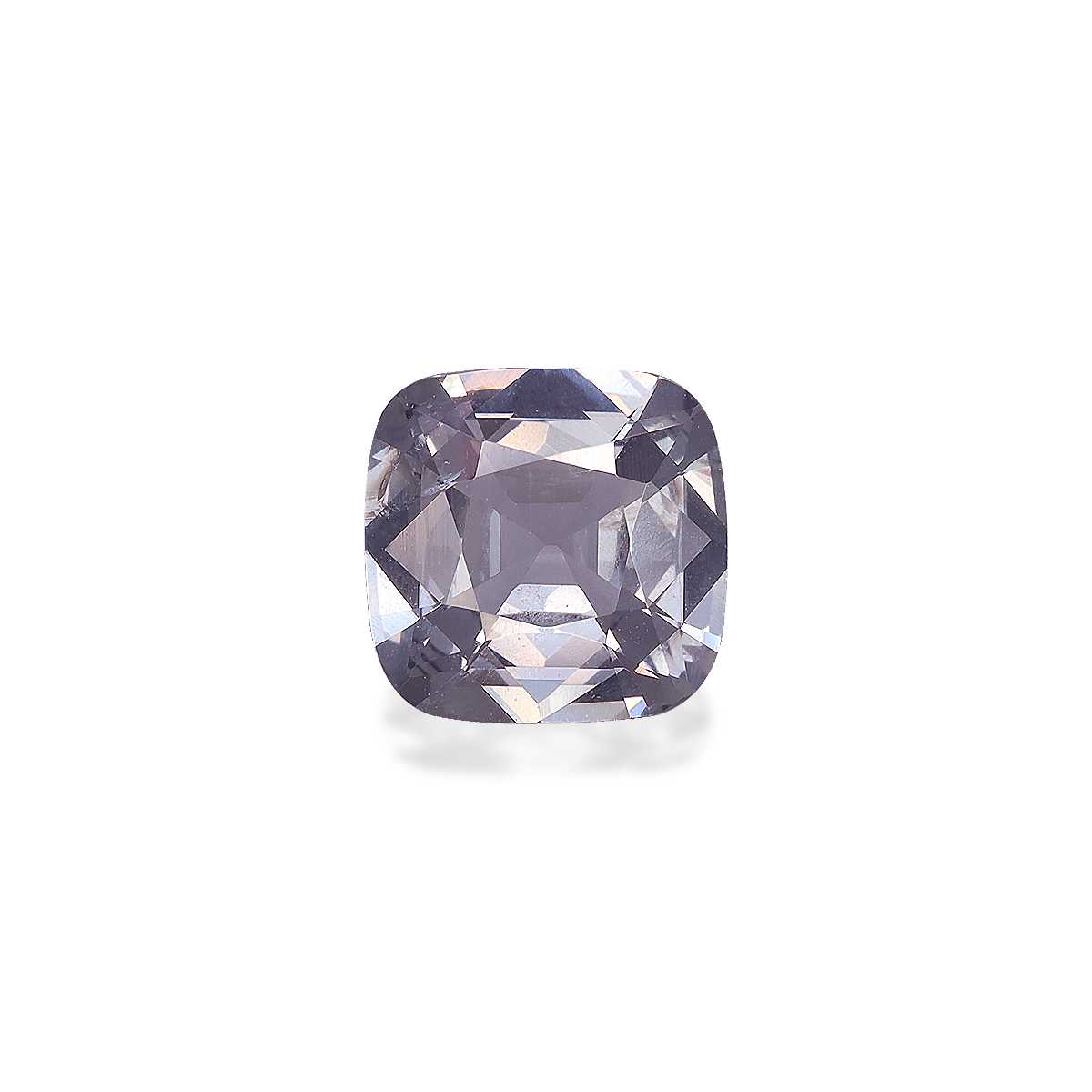
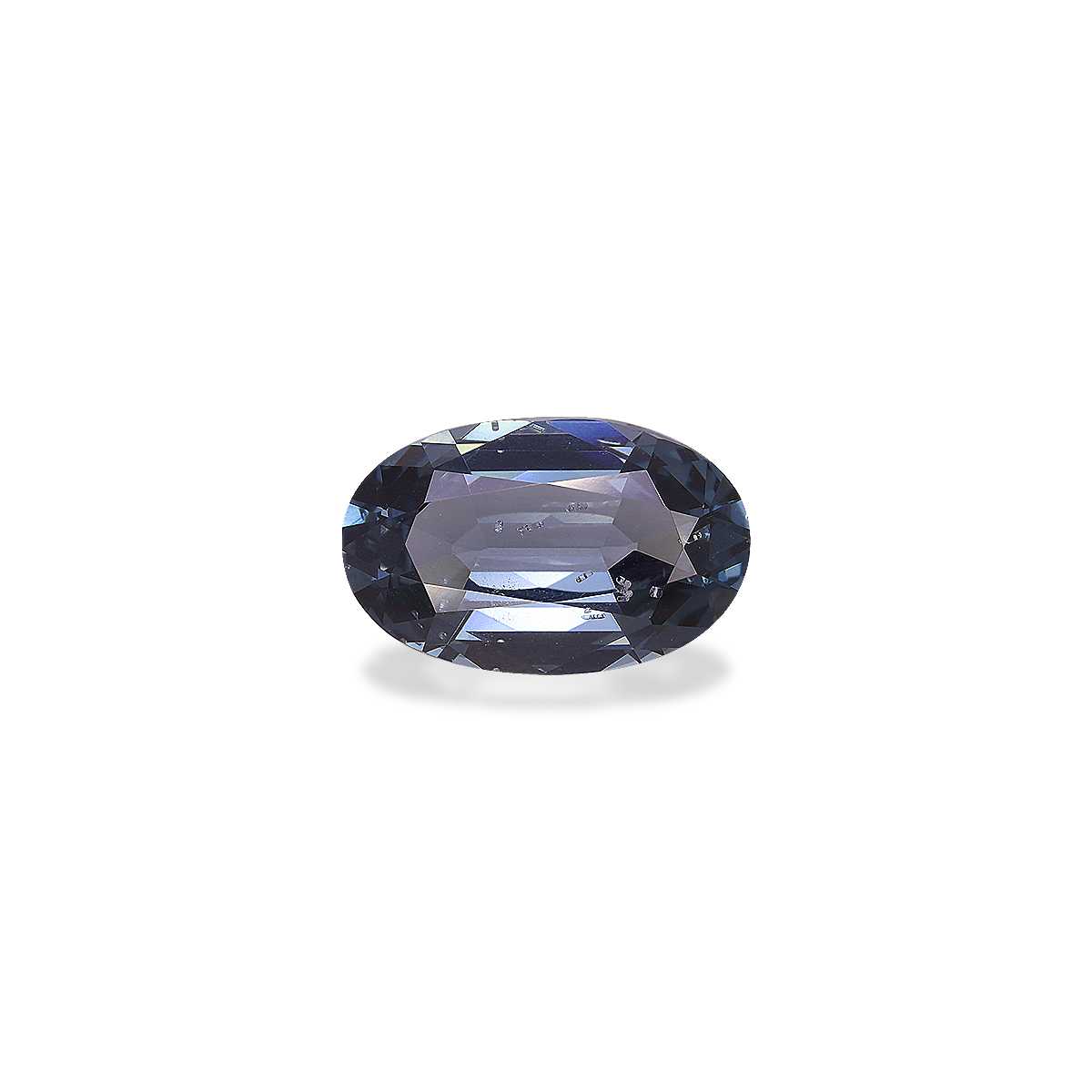
Buyers often search for metallic grey, and the phrase needs unpacking. A fine grey spinel can look steely or silvered because of the evenness of its body colour and the crispness of its return of light, but it does not have a true metallic lustre.
True metallic lustre — the opaque, mirror-like surface of hematite or marcasite — is a different optical phenomenon altogether. Grey spinel is transparent, with a vitreous lustre; light passes through it and returns from the pavilion facets.
If a stone described as metallic grey is opaque, or reflects like polished steel rather than glass, it is not spinel. Saturation of that grey — whether it reads as clean steel, smoky, or slightly bluish — is one of the main drivers of value, so it deserves assessment in daylight rather than under a single shop spotlight.
Tests that separate the look-alikes
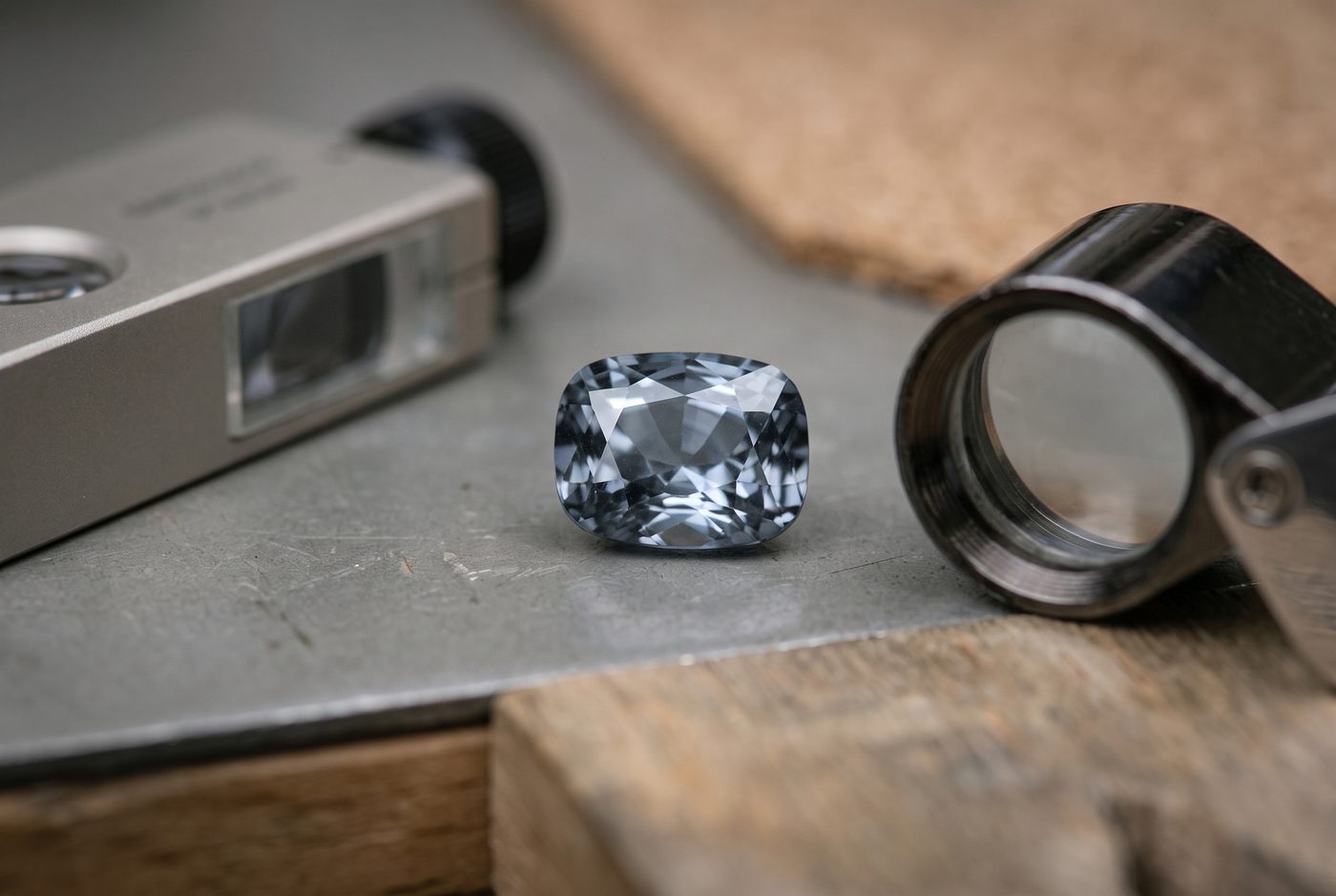
Confusing grey spinel with other grey gemstones is the most common pitfall of all. A refractometer reading and a check for doubling will resolve most cases in under a minute.
- Grey sapphire — doubly refractive, RI 1.762–1.770. Higher reading, visible doubling, and a tougher 9 on the Mohs scale.
- Grey zircon — RI around 1.92–1.98 with strong doubling that is obvious through a loupe.
- Grey quartz or smoky quartz — RI 1.544–1.553, doubly refractive, and noticeably softer at 7.
- Cubic zirconia — singly refractive like spinel, but RI near 2.15 with far stronger dispersion and a distinctly different feel in the hand.
- Moissanite — RI 2.65–2.69 with pronounced doubling; unmistakable once magnified.
- Grey moonstone and labradorite — feldspars showing sheen or iridescence, which spinel never does.
Grey spinel's RI range is relatively low and its single refraction is unusual among transparent grey gems. Those two properties together do most of the identification work.
More from Grey Spinel
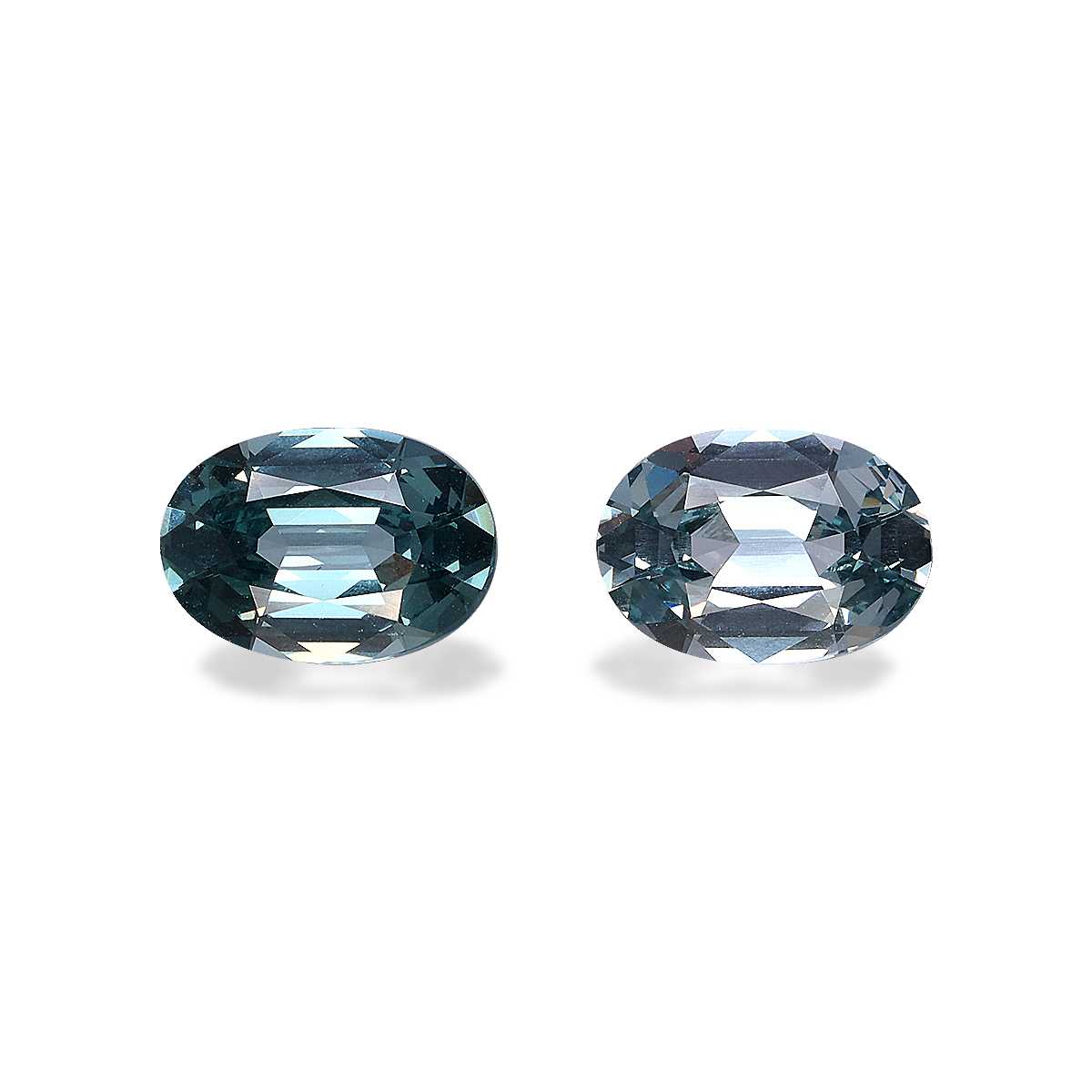
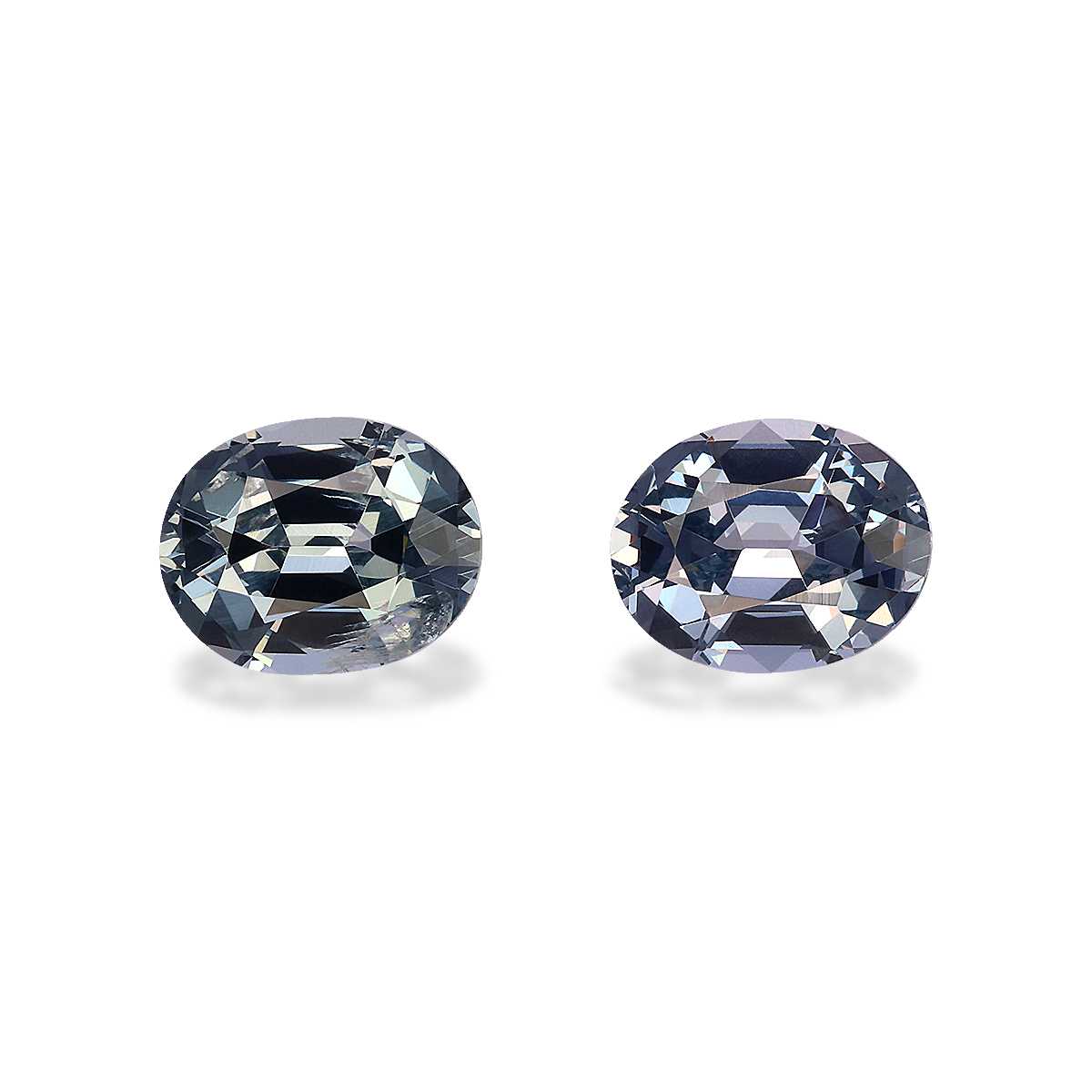
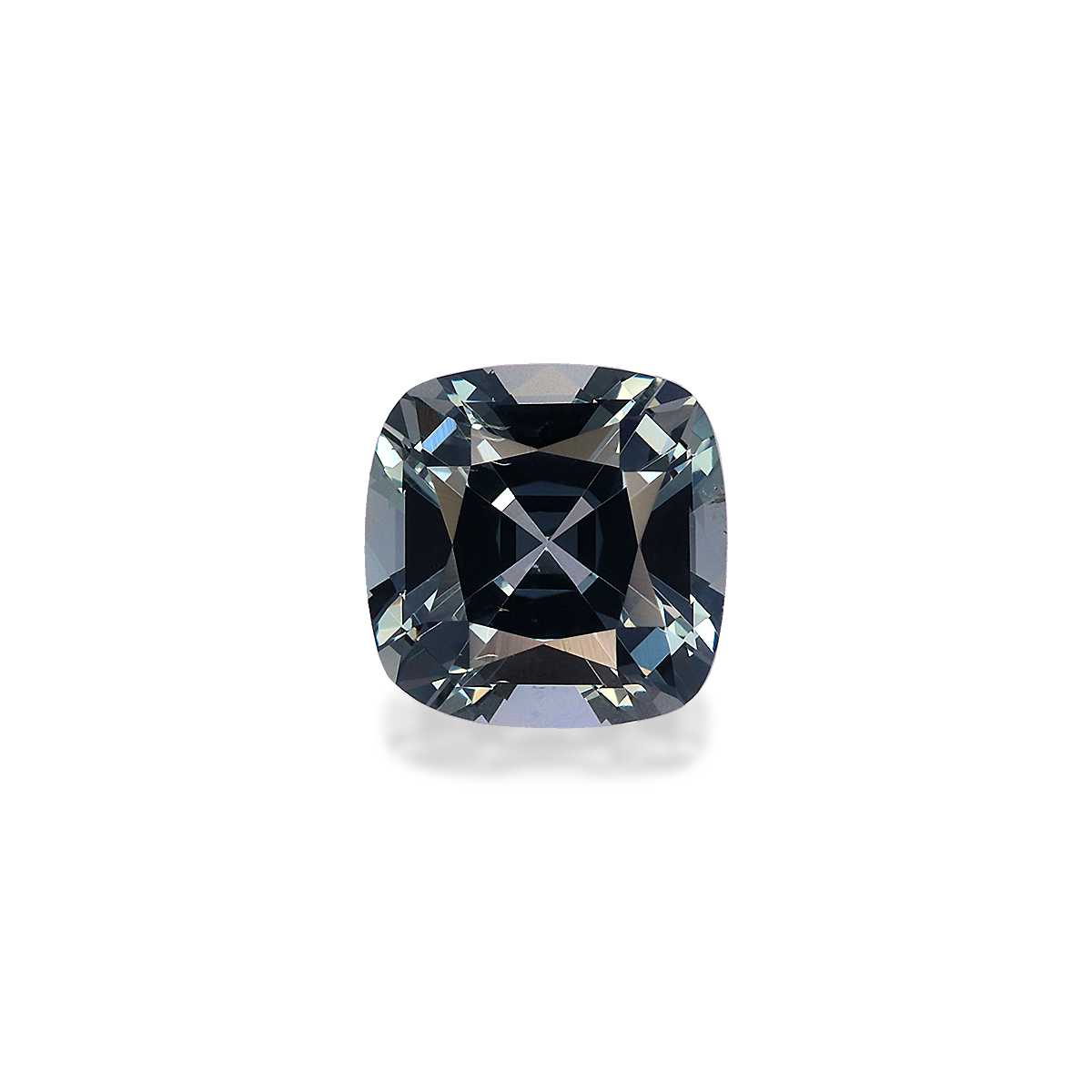
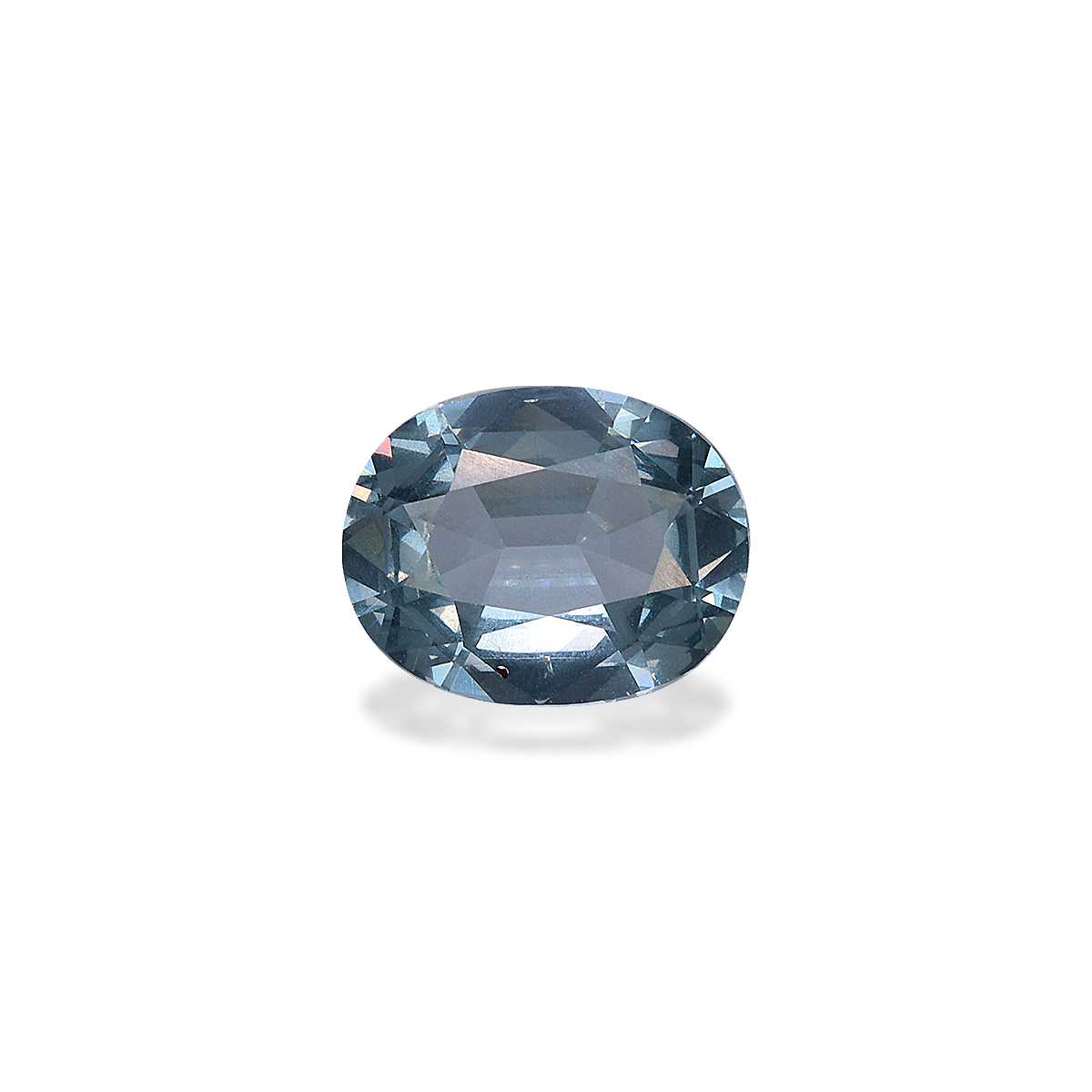
Inclusions and what they tell you
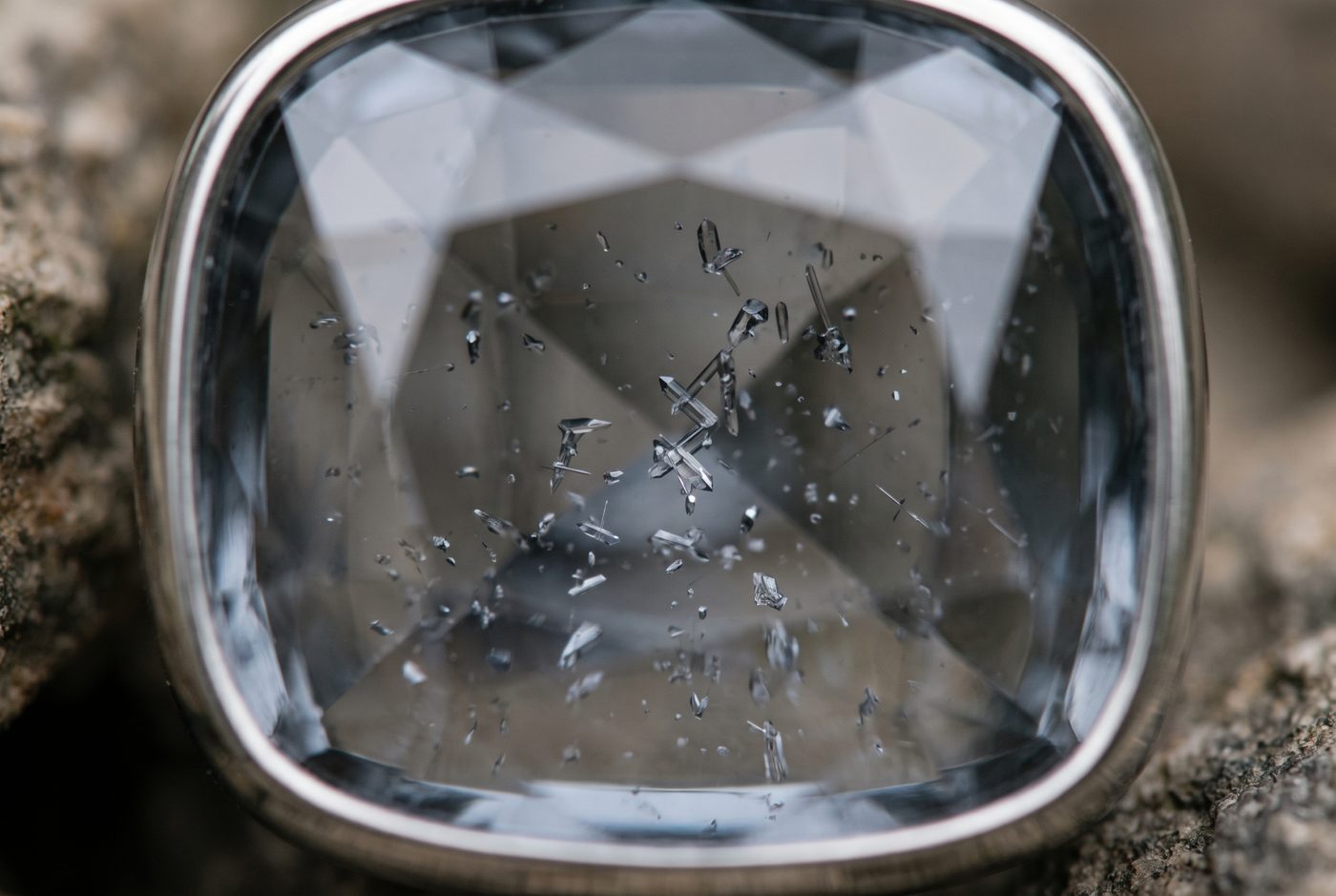
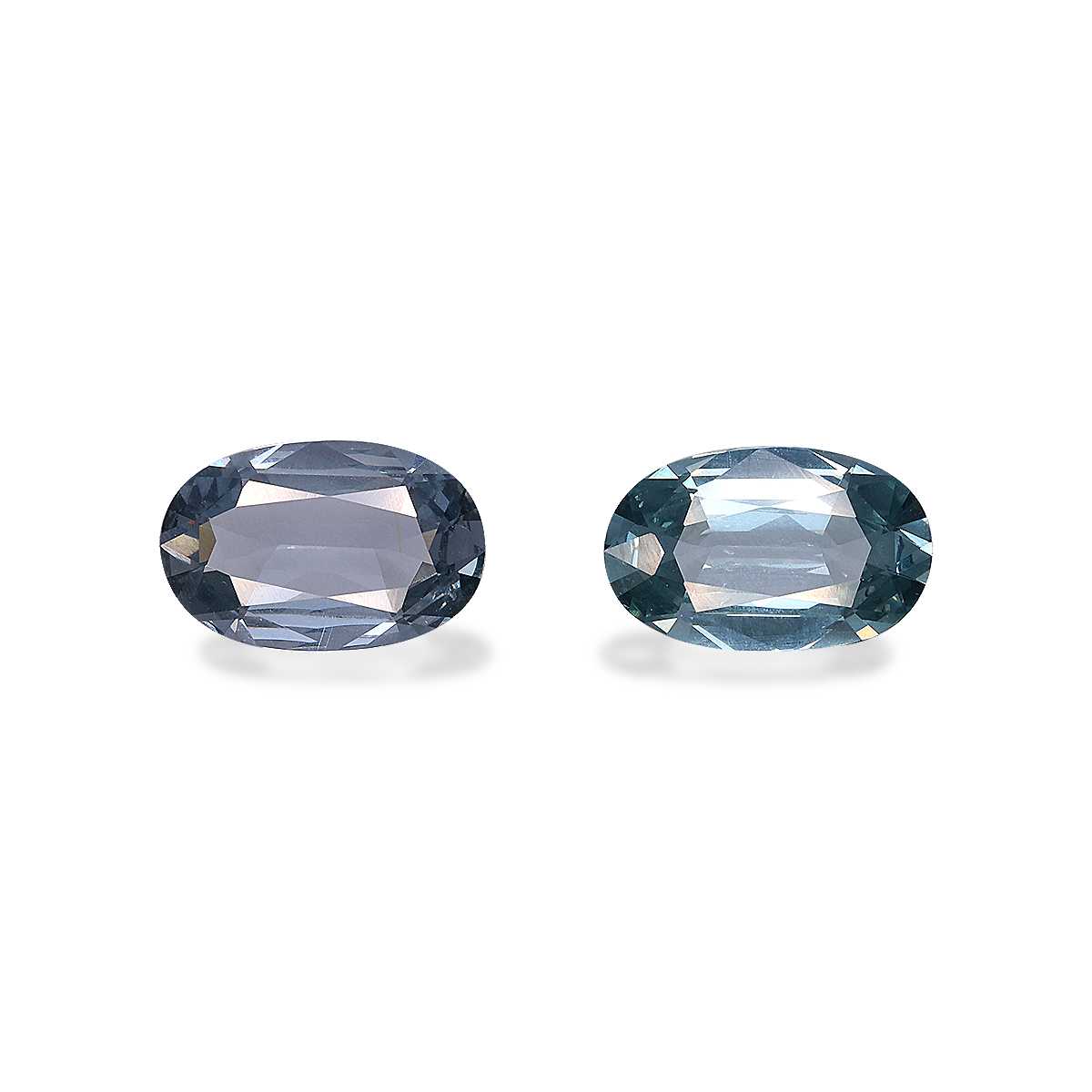
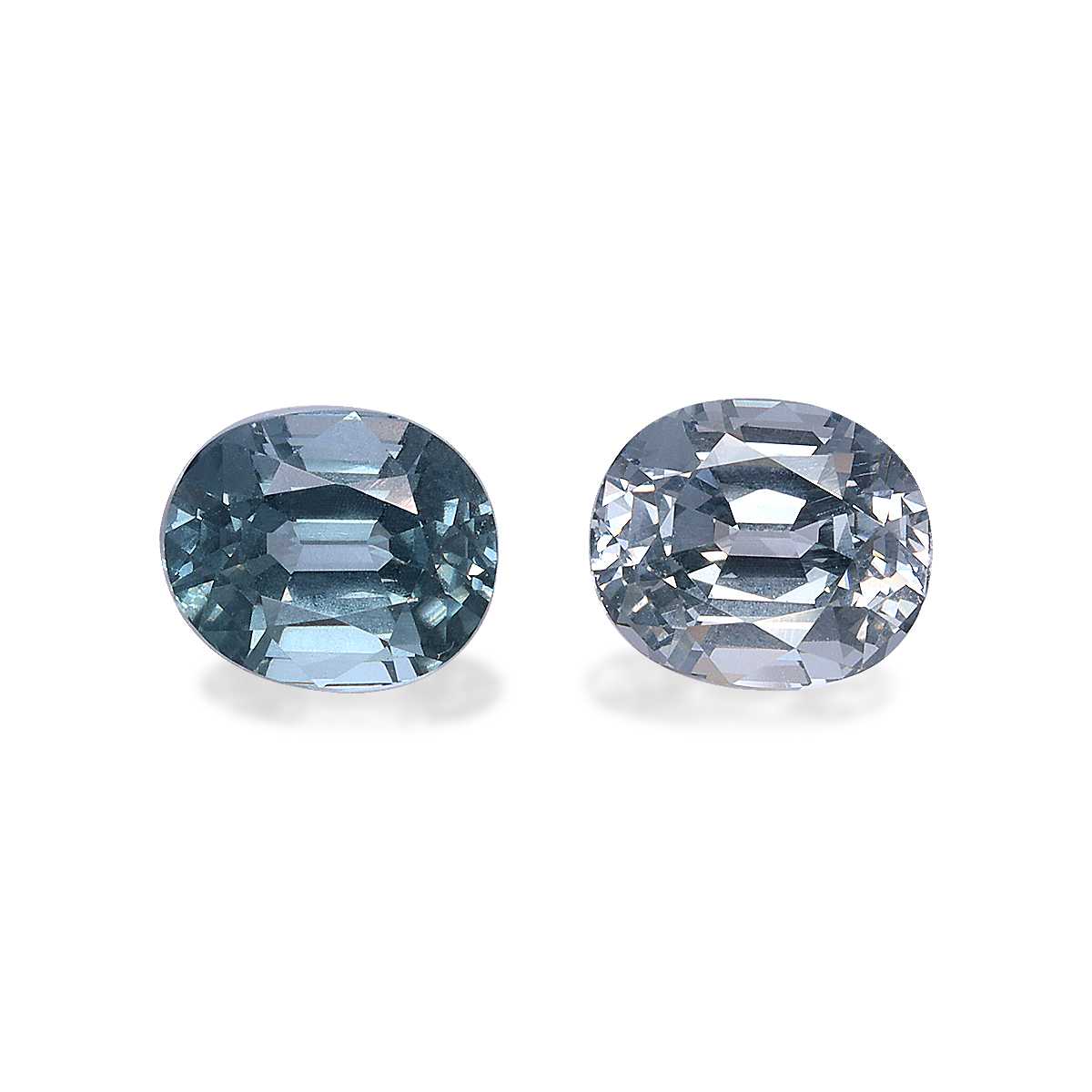
Expect to see something under magnification. Grey spinel typically shows minor inclusions visible under the loupe, including natural crystal inclusions sitting within the host.
These are evidence of natural growth, not defects to be apologised for. A well-placed crystal inclusion away from the table, invisible at arm's length, is normal in this material.
What matters is position and effect. Inclusions that sit under the table, break the surface at the girdle, or dull the return of light reduce value, and overlooking them is one of the easiest ways to overpay. Examine the stone face-up and from the side before you accept a clarity description.
Grey spinel value guide: red flags
Most problems announce themselves before the stone is even unwrapped. The following should all slow a purchase down.
- No species stated. "Grey gemstone" or a coined trade name with no mention of spinel is an answer waiting to be asked for.
- Doubling visible through the loupe. Spinel is cubic and singly refractive. Doubling rules it out immediately.
- Clarity described as flawless to the eye and the loupe. Minor inclusions are normal here; absolute cleanliness deserves verification rather than assumption.
- Photographs taken only under warm spotlights. Grey is exceptionally light-sensitive, and saturation is a primary value driver. Ask for daylight images.
- A window through the centre. Cut quality is a value driver in its own right, and a shallow or off-axis pavilion drains a grey stone of depth.
- Unsupported origin claims. Africa and Burma are both genuine sources for grey spinel, but origin stated without laboratory backing is opinion, not fact.
Questions to ask before buying
Ask the seller to confirm the species in writing as natural spinel, and to state the refractive index measured on the stone. Ask what the stone weighs, what its measurements are, and whether the clarity description refers to eye-clean or loupe-clean.
For stones of significant value, an independent report from a recognised laboratory — GIA, SSEF, Gübelin or AGL among them — settles species and natural origin beyond argument. Many reputable sellers will arrange this on request.
Finally, ask to see the stone in diffuse daylight. Colour saturation, clarity, size and cut quality are the four things that set the price of a grey spinel, and three of them can only be judged properly in honest light.
Grey spinel rewards a buyer who checks rather than assumes. A refractometer reading, a loupe, and a direct question about species will resolve almost every uncertainty this stone presents.
Frequently asked questions
How can I tell grey spinel from grey sapphire?+
Grey spinel is cubic and singly refractive with a refractive index of 1.710–1.736, while grey sapphire is doubly refractive and reads 1.762–1.770. Under a loupe, sapphire shows doubling of the back facet edges and spinel does not.
Is grey spinel treated or heated?+
Grey spinel reaches the market unheated. If a seller cannot confirm the stone's species and condition in writing, ask for an independent laboratory report before committing.
What does 'metallic grey' mean in a grey spinel?+
It describes a steely, evenly saturated grey body colour with a crisp return of light, not an actual metallic lustre. Grey spinel is transparent with a vitreous lustre; an opaque, mirror-like stone is a different material such as hematite.
Should a grey spinel be completely free of inclusions?+
No. Minor inclusions visible under magnification, including natural crystal inclusions, are typical of the material. What matters is whether they sit under the table or disturb the stone's brilliance, since that is where clarity affects value.
Where does grey spinel come from?+
Grey spinel in the trade is sourced from Africa and Burma. Origin should be supported by a laboratory report rather than stated as an unverified claim, since it can influence price.
What determines the price of a grey spinel?+
Colour saturation, clarity, size and cut quality are the four drivers. A well-cut stone with even, saturated grey and inclusions that do not interfere with light return sits at the top of the range.
From our Journal
Buying guides, origin stories, and notes from the trade.