Unique Engagement Rings: What You Pay For
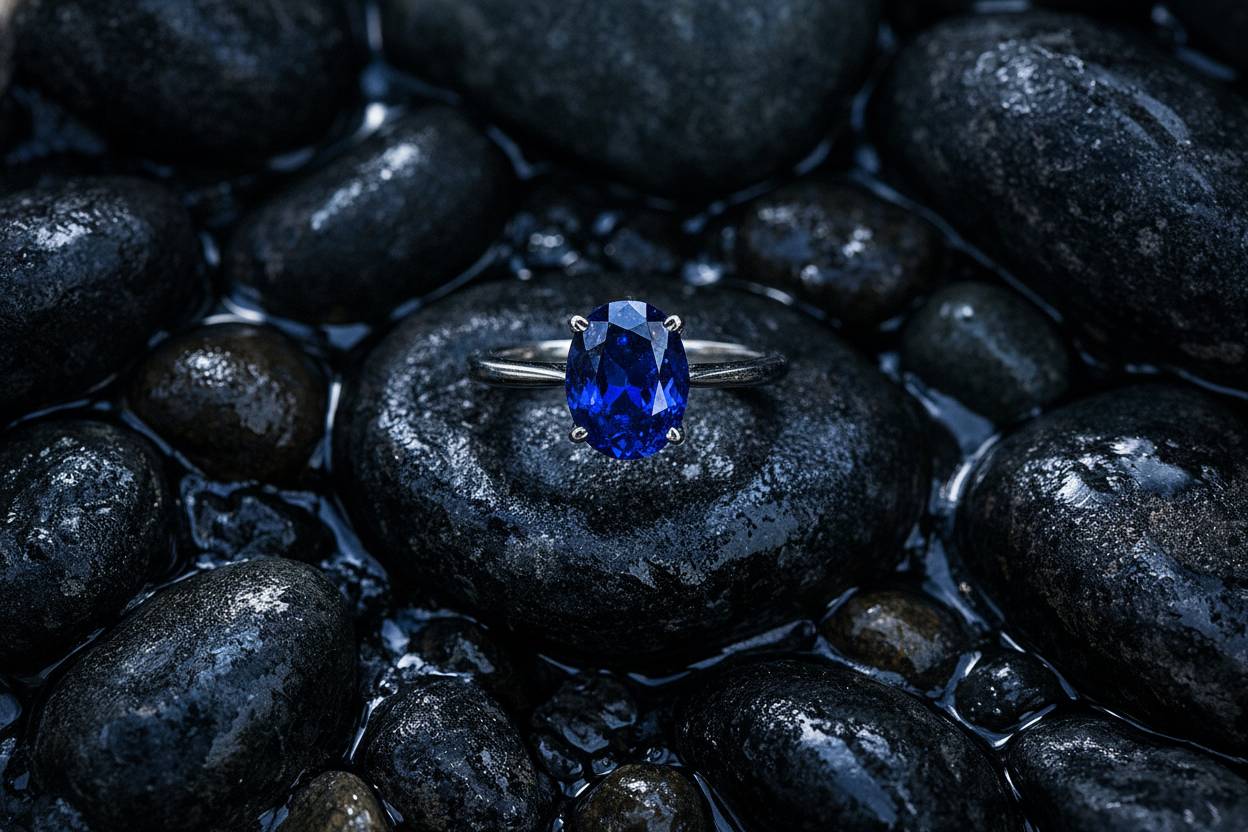
The price of unique engagement rings is governed mostly by one line item: the centre stone. Its species, colour, size, cut quality and treatment status usually account for the greater part of the final figure, while the mount — metal weight, setting labour and accent stones — makes up the remainder. A bespoke design does cost more than a stock mount, but the real premium almost always sits in the rarity of the gem rather than in the goldsmithing.
Knowing which of those drivers you are paying for is the difference between a ring that holds its value and one that simply cost a great deal.
What you are actually buying
Every quoted figure can be broken into four parts: the centre stone, the accent stones, the metal, and the labour that joins them. Of those, only the centre stone is genuinely scarce.
Metal is a traded commodity priced by weight. Labour is priced by hours and skill. Accent diamonds are priced by a well-documented grading system that leaves little room for ambiguity.
The centre stone is the only element where two apparently similar items can differ in price by several multiples. That is where your attention belongs.
The centre stone sets the price
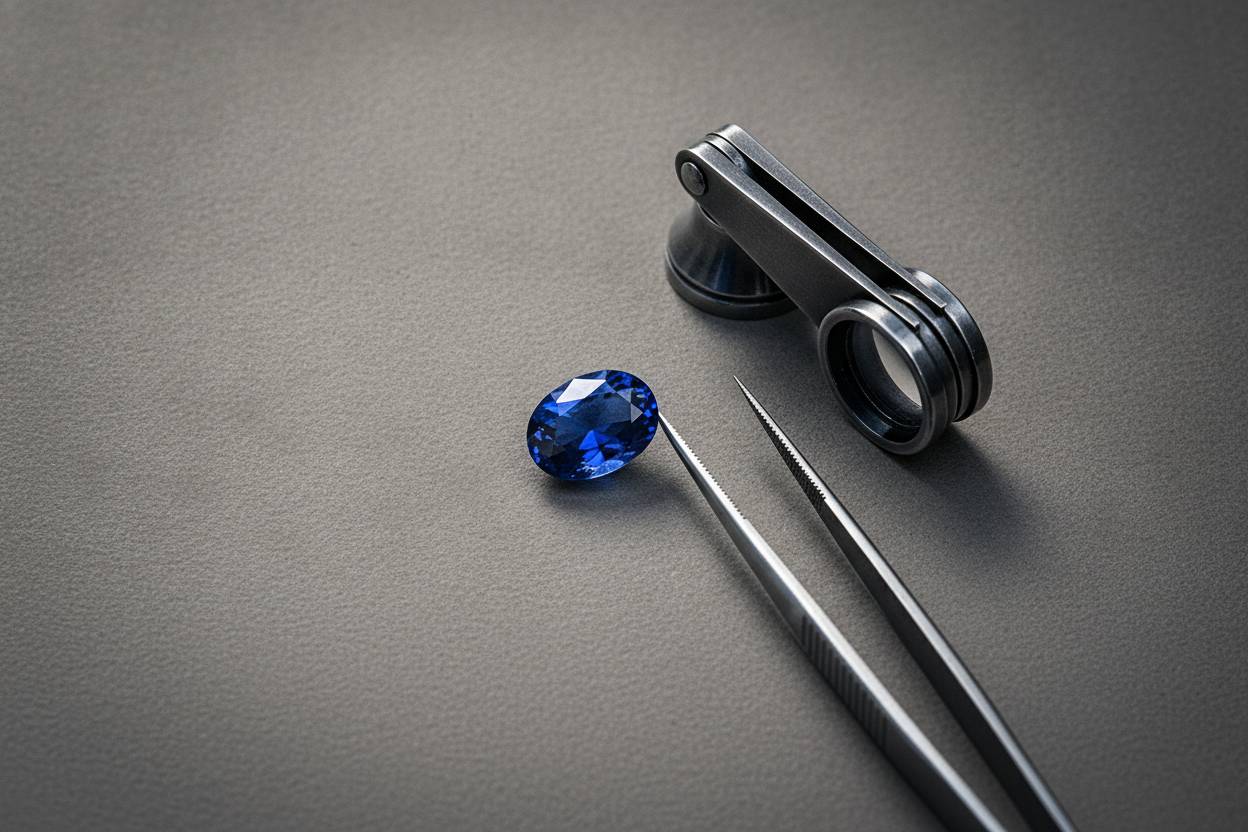
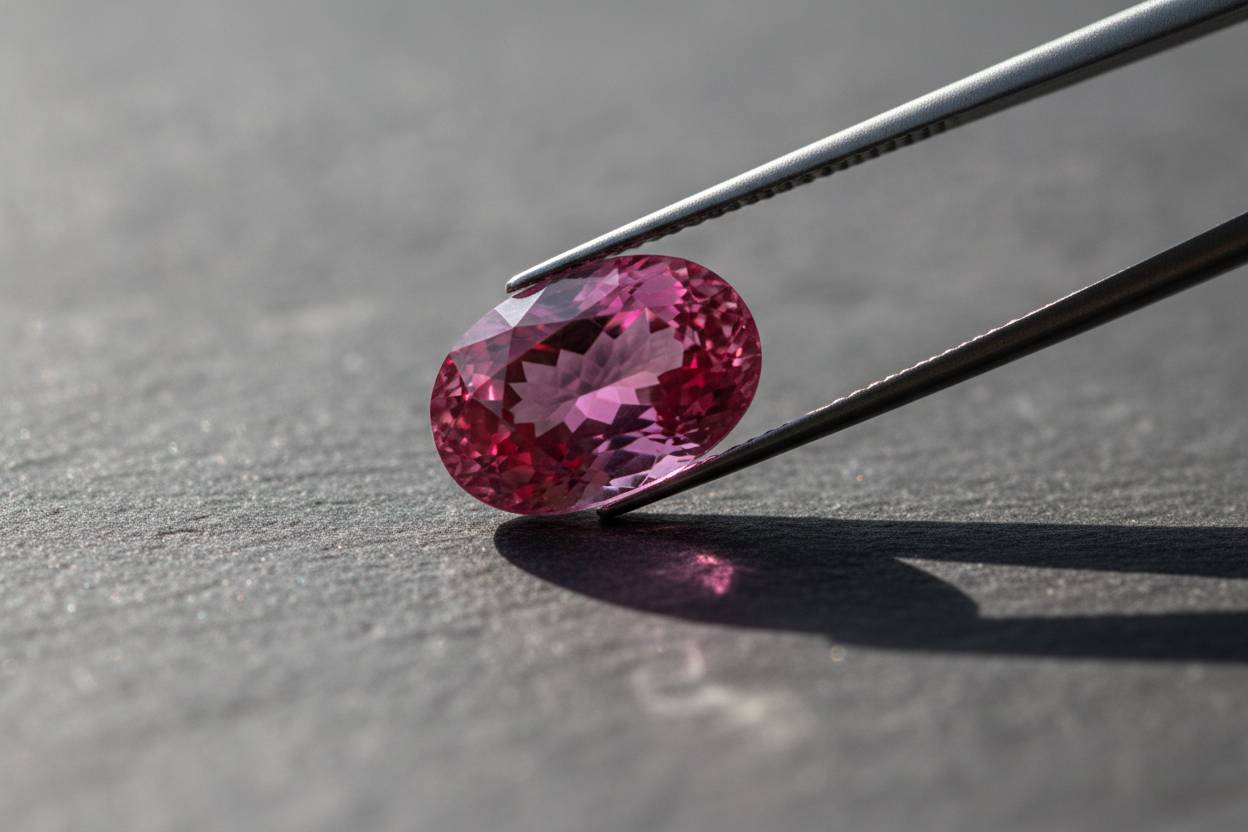
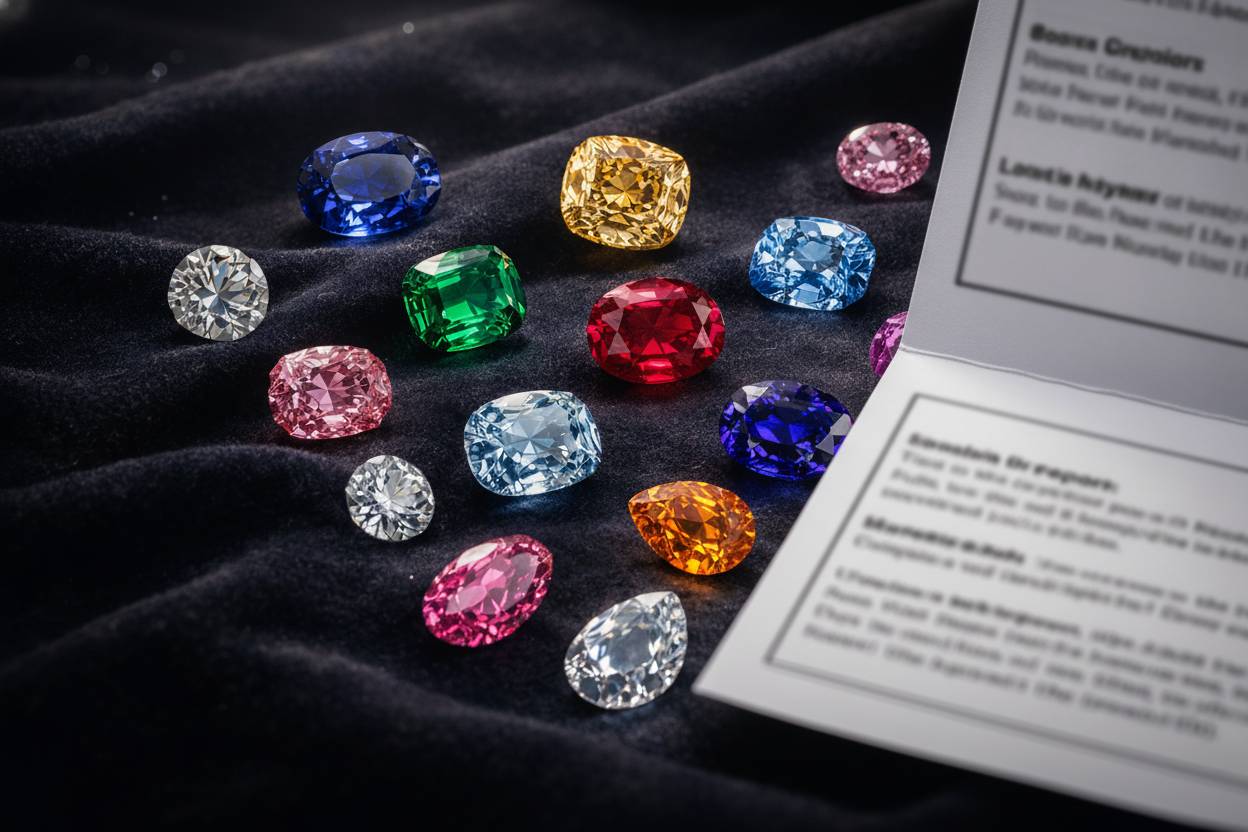
In coloured stones, colour is the dominant value driver. Saturation and tone matter more than any other single factor, and the market pays steeply for the narrow band where a stone is vivid without being too dark.
Clarity ranks second, but it is judged by effect rather than by a loupe count. Inclusions that scatter light and dull the stone depress price; those that sit quietly off-axis often do not.
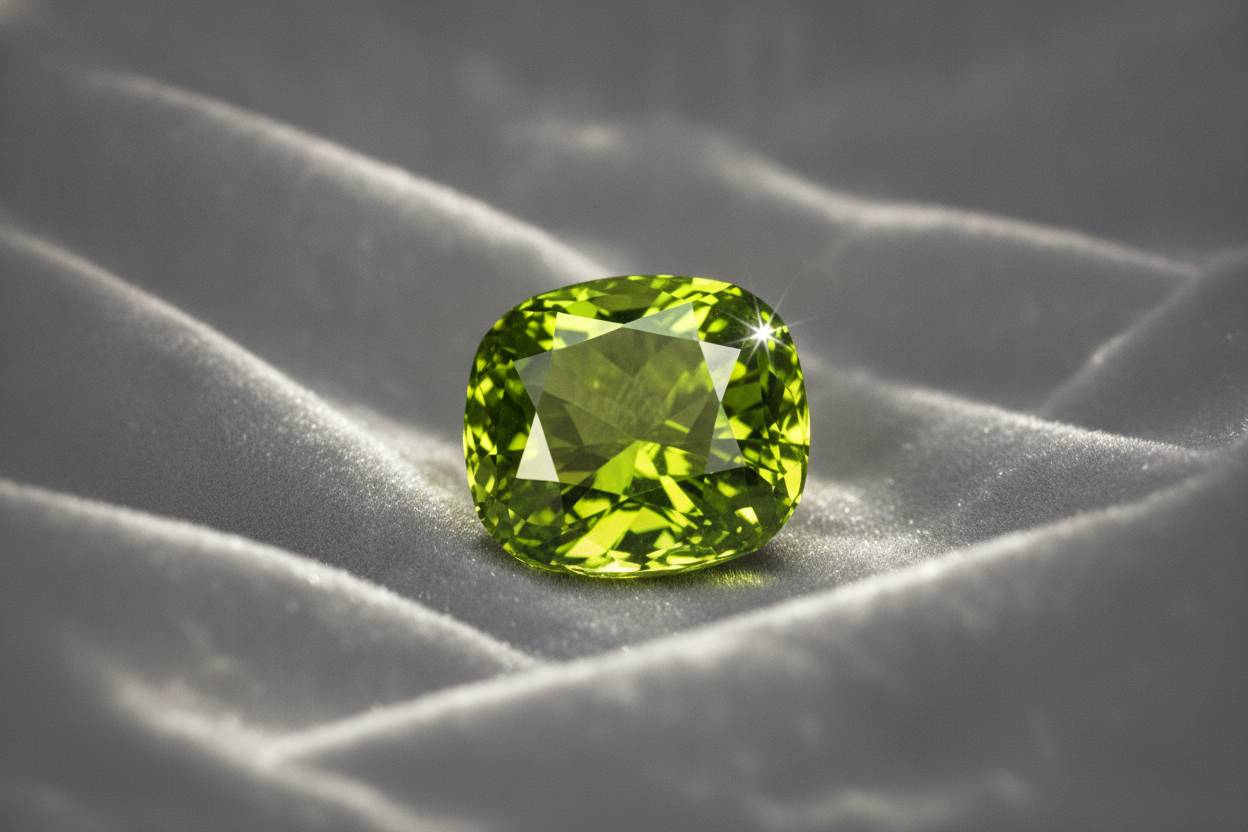
Cut is the factor buyers most often undervalue. A stone cut to retain weight rather than to perform will show a window through the centre and lose brilliance, yet it carries the higher carat weight onto the invoice.
Carat weight itself rises disproportionately. Price per carat steps up at the sizes the trade considers significant, so a single larger stone costs considerably more than two smaller ones of equal total weight.
Treatment and origin
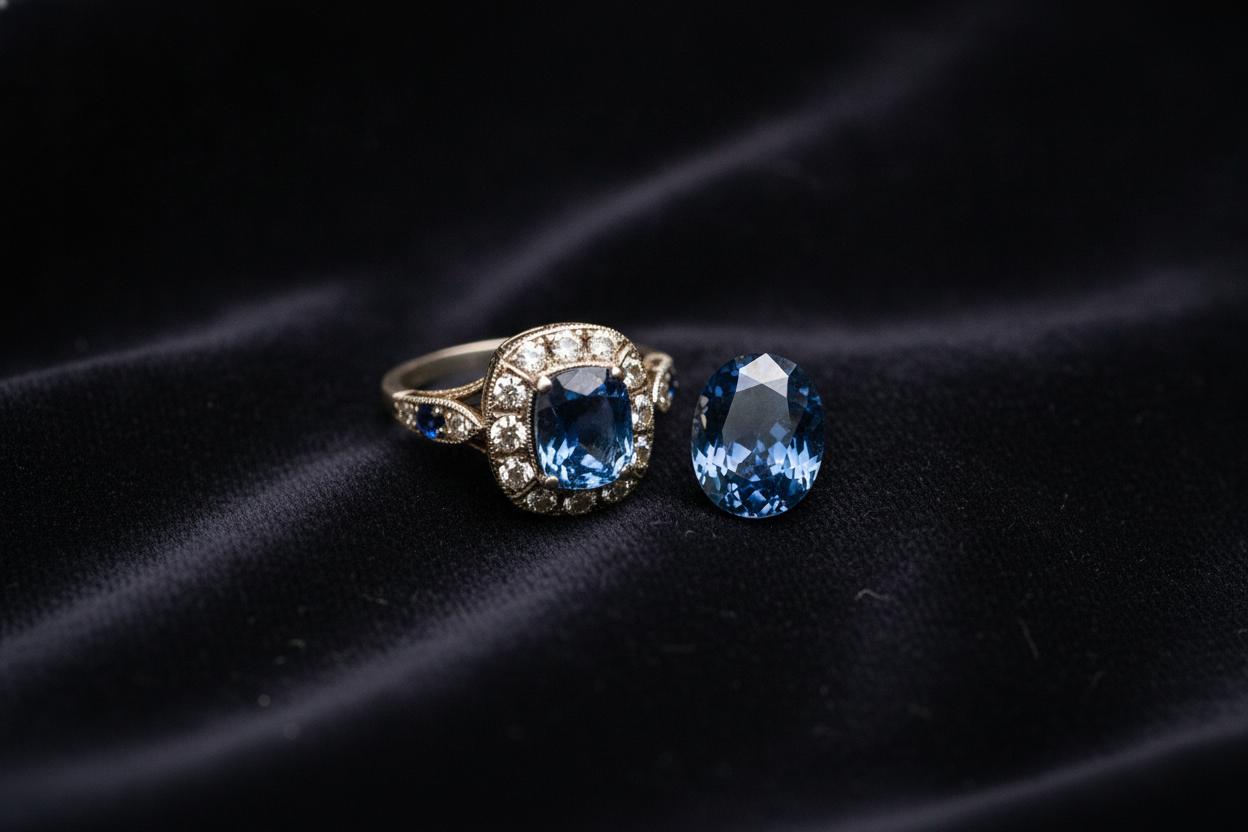
Treatment status is a hard price boundary. An unheated sapphire with a report from a respected laboratory sits in a different tier from a heated one of identical appearance, and emeralds are assessed on the extent of fissure filling rather than its presence alone.
Origin behaves the same way for a handful of classic sources. Kashmir, Burmese and Ceylon sapphires attract origin premiums that have nothing to do with how the stone looks and everything to do with what the report says.
Why gem species changes cost
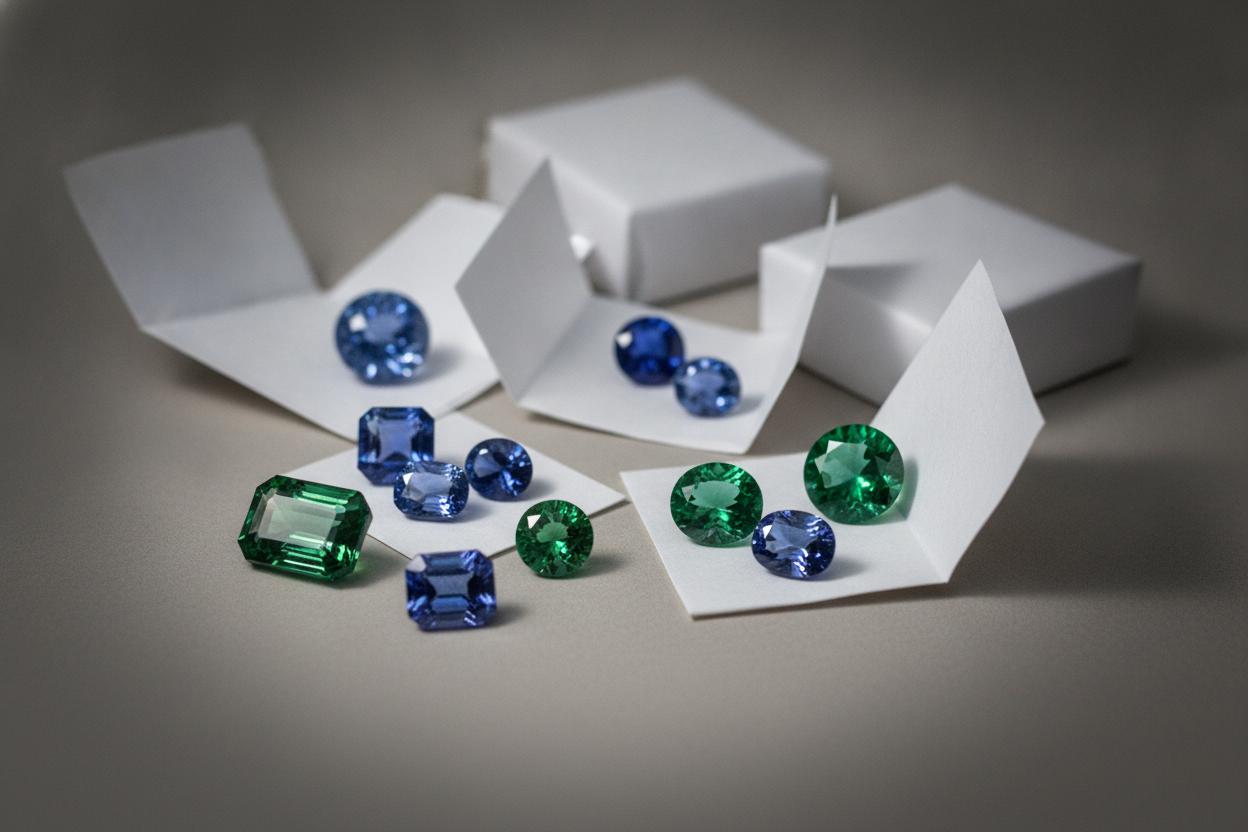
Species sets both the price band and the practical suitability for daily wear. Sapphire and ruby — both corundum — rate 9 on the Mohs scale, are trigonal in crystal system, and remain the benchmark for a ring worn every day.
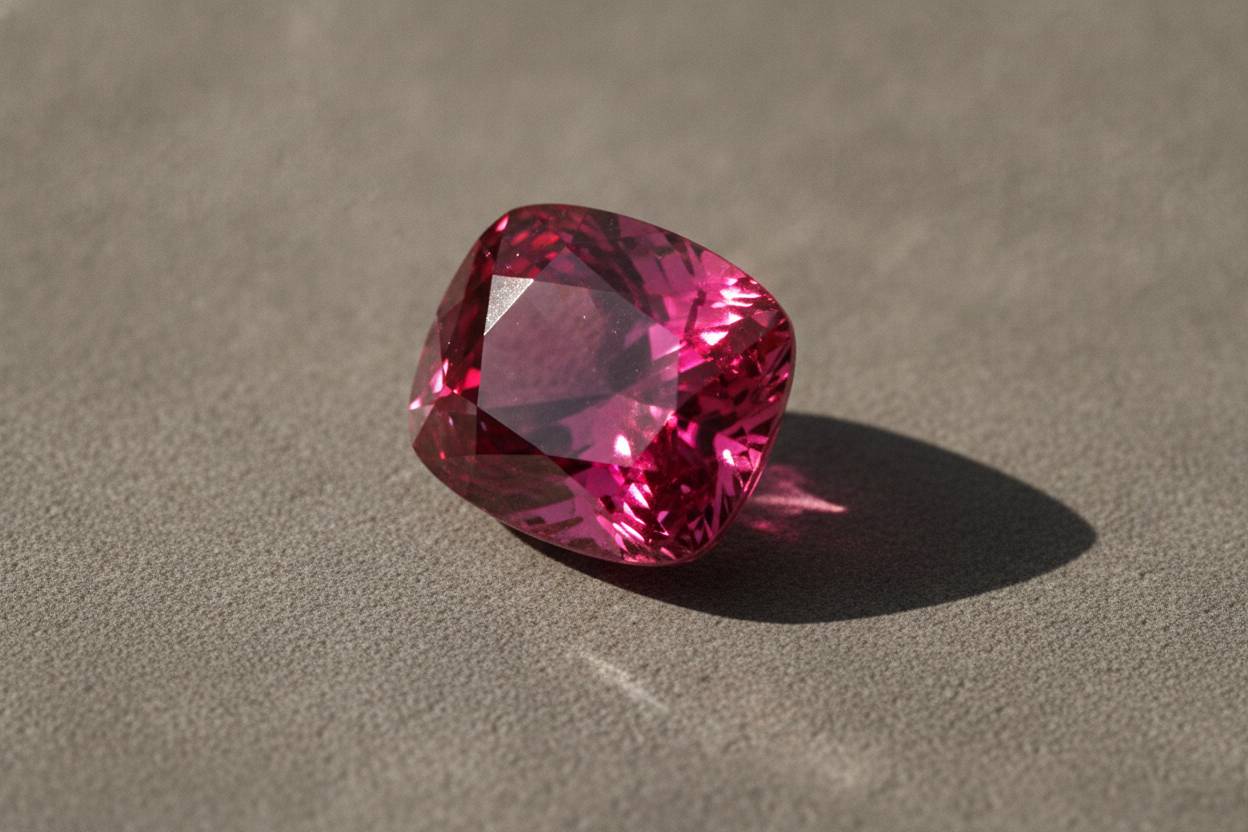
Spinel rates 8, is cubic and therefore singly refractive, and is very rarely treated. It occupies a respectable band below fine sapphire while offering comparable wearability.
Tourmaline rates 7 to 7.5 and comes in a wider colour range than almost any other species, which is why it appears so often in individual designs. It benefits from a protective setting, and that setting choice is itself part of the cost.
Emerald, at 7.5 to 8, is hard enough but comparatively brittle because of its typical inclusion content. A bezel or a well-shouldered setting is not an aesthetic preference here; it is structural, and it adds labour.
More from Sapphire



Metal, labour and setting
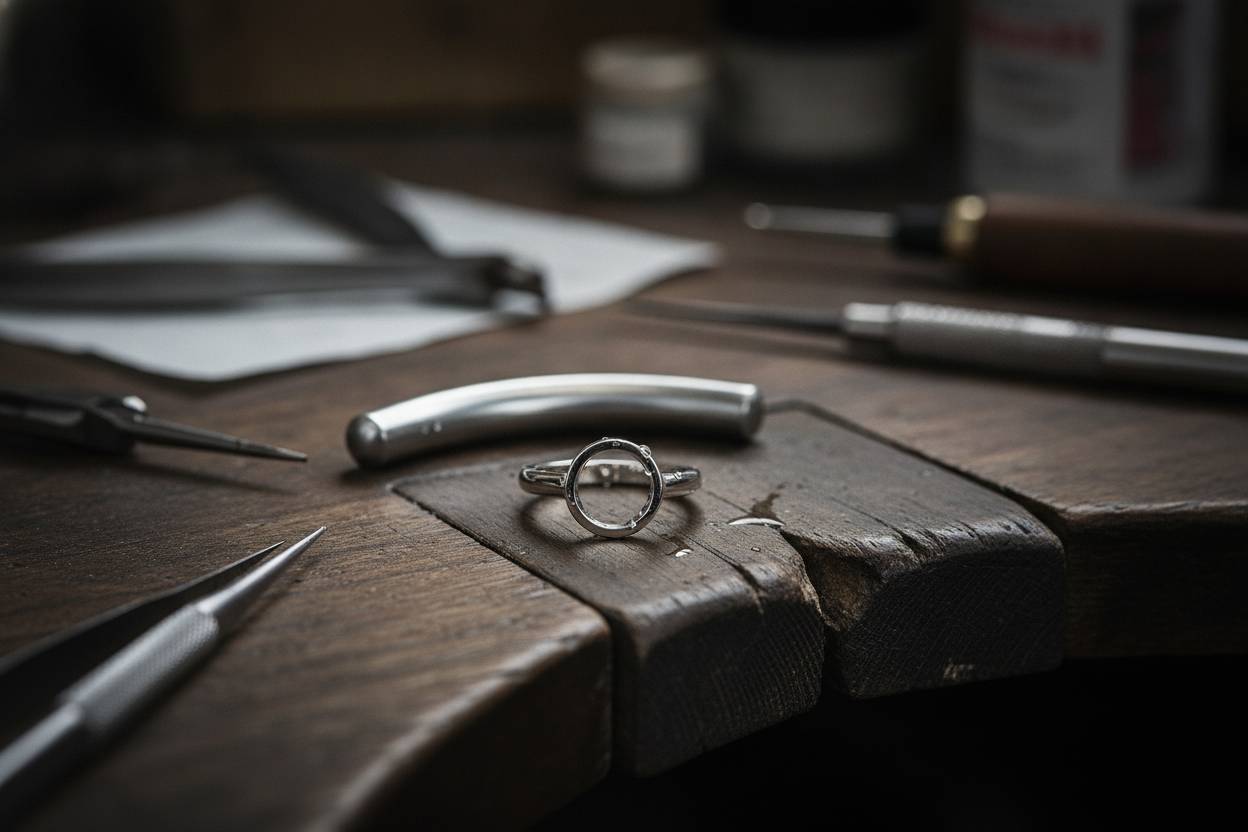
Platinum is substantially denser than 18-carat gold, so an identical mount made in platinum uses more metal by weight and costs more before a single hour of work is counted. It also machines and polishes more slowly.
Fabrication method matters. A cast mount produced from an existing mould carries modest labour; a hand-fabricated or individually modelled ring carries design time, CAD or wax work, casting, setting and finishing as separate charges.
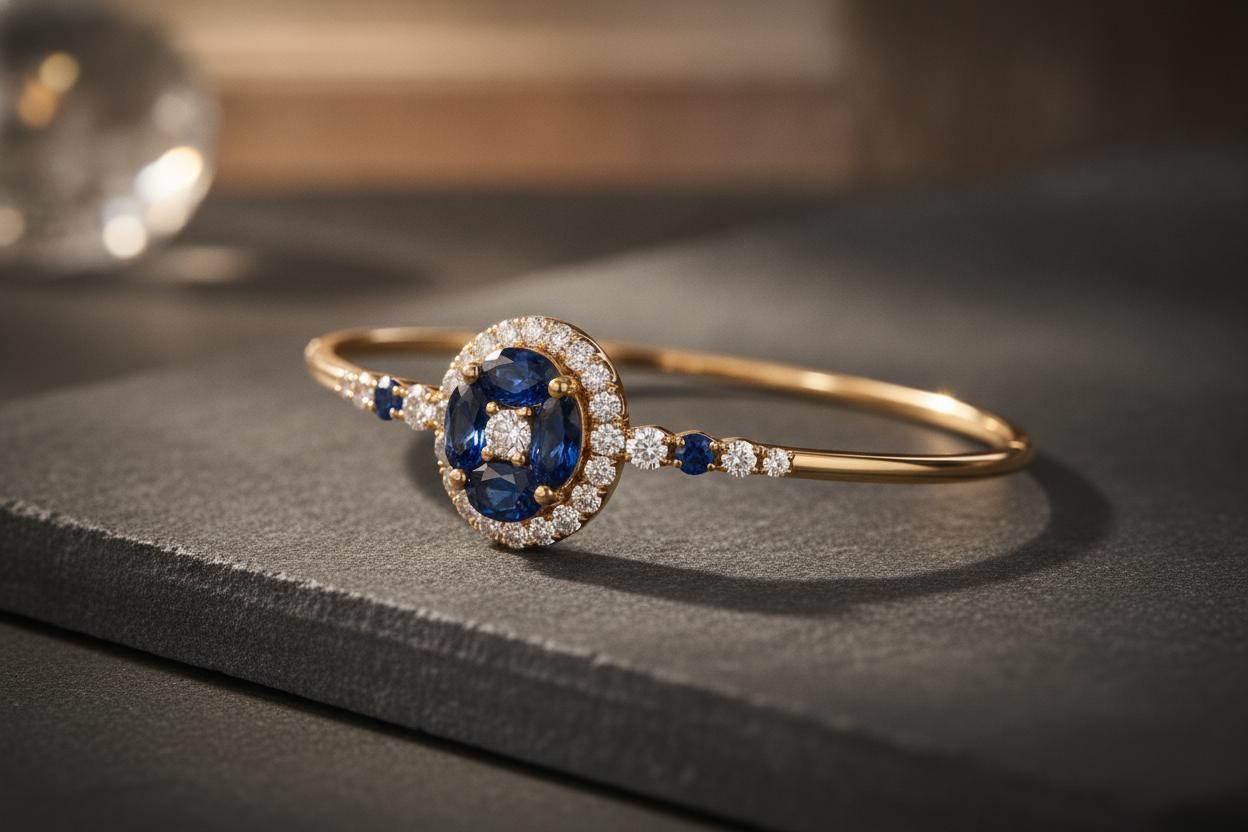
Accent stones add cost in two ways — the stones themselves, and the setting hours. A pavé shoulder with many small diamonds can cost more to set than the diamonds cost to buy.
What unique engagement rings cost
There is no single honest range for unique engagement rings, because the centre stone drives everything and centre stones span an enormous spread. What you can insist on is an itemised quotation.
A fair quote separates the stone price from the mount. It states the gem's weight, dimensions, treatment status and the issuing laboratory; it states metal type and finished weight; it states setting and accent-stone costs.
If a seller will only quote one combined figure, you cannot tell whether you are paying for rarity or for markup. That alone is reason to ask again.
- Centre stone: species, weight, dimensions, colour description, treatment, origin if reported
- Laboratory report: issuer and number, for any stone of significance
- Metal: alloy, finished weight, hallmark
- Accent stones: total weight and quality range
- Labour: design, setting and finishing, stated separately
Where budgets get wasted
The most common loss is paying for weight instead of performance. A heavy, deep, windowed stone looks smaller face-up than a well-proportioned lighter one and costs more.
The second is buying an unreported treatment claim. "Unheated" or "Burmese" written on an invoice carries no weight without a report from a laboratory such as GIA, SSEF, Gübelin or AGL.
The third is overbuying clarity in coloured stones, where the eye-clean threshold is what the market rewards. Beyond that point you are paying for something no one will see.
The fourth is choosing a soft or cleavage-prone species for a ring worn daily, then paying for repairs and recutting over the following decade.
Spend where scarcity is real — colour, cut, and honest documentation. The rest of the ring can be made beautifully at a sensible price.
Frequently asked questions
Why do two engagement rings with the same carat weight cost so differently?+
Carat weight is only one of several value drivers, and rarely the decisive one. Colour saturation, cut quality, treatment status and reported origin can each move a coloured stone between price tiers, so two stones of identical weight can sit in entirely different brackets.
Is a bespoke setting worth the extra cost?+
A hand-made or individually designed mount adds genuine labour hours for design, casting, setting and finishing, and that cost is real. However, it is usually a smaller part of the total than the centre stone, so a bespoke mount rarely explains a very large price difference on its own.
Which gemstones are durable enough for a daily engagement ring?+
Sapphire and ruby, both corundum at Mohs 9, are the most robust coloured options. Spinel at Mohs 8 is also well suited, while tourmaline at 7 to 7.5 and emerald at 7.5 to 8 are workable but benefit from protective settings such as bezels.
Does an unheated sapphire really cost more than a heated one?+
Yes. Verified unheated status places a sapphire in a higher price tier than a heated stone of similar appearance, because untreated fine material is scarcer. The premium only applies when a recognised laboratory report confirms it.
What should an engagement ring quotation include?+
It should separate the centre stone from the mount, stating the gem's weight, dimensions, treatment status and laboratory report number, plus metal alloy, finished weight, accent stone details and labour. A single combined figure makes it impossible to judge whether you are paying for rarity or markup.
Do I need a laboratory report for the centre stone?+
For any stone of significant value, yes. Reports from laboratories such as GIA, SSEF, Gübelin or AGL confirm species, treatment and, where applicable, origin — the three claims that most affect price.
From our Journal
Buying guides, origin stories, and notes from the trade.