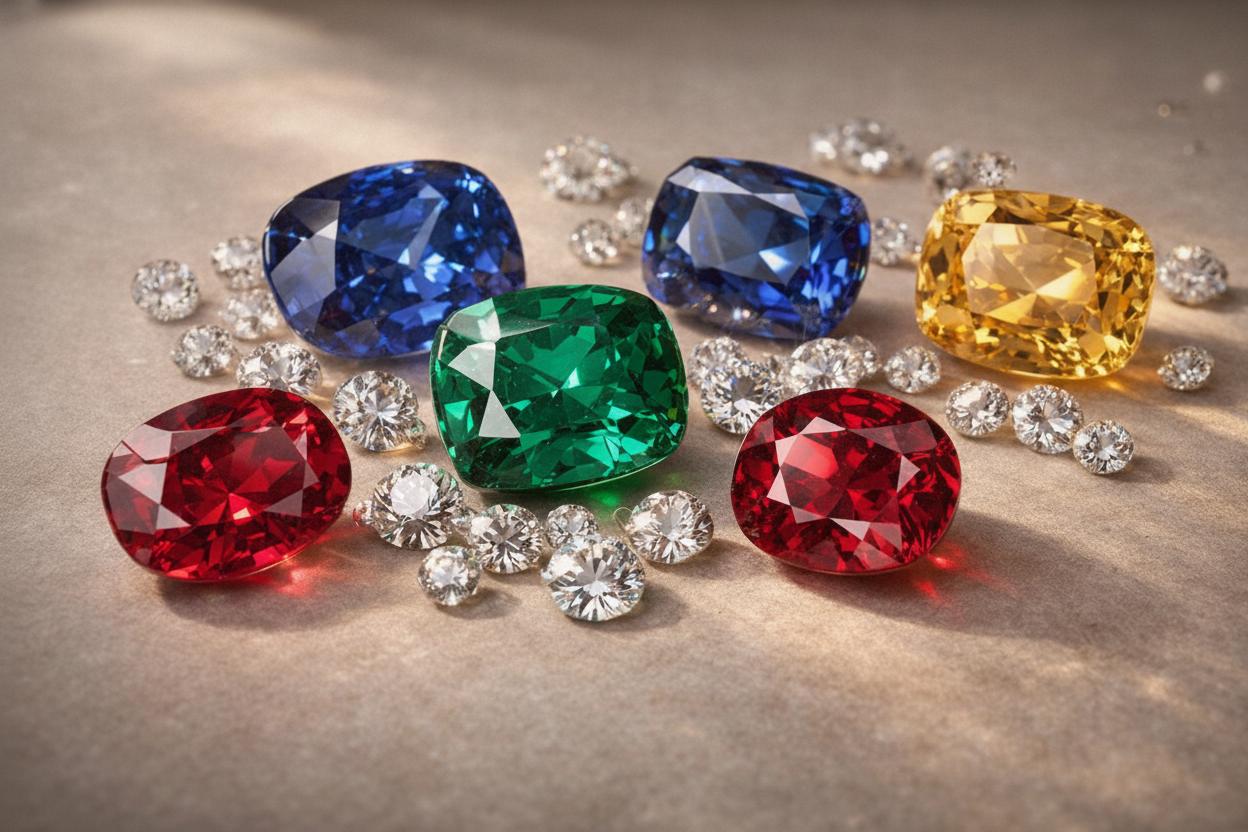
Colorful Gemstone Jewelry Trend 2026
The colorful gemstone jewelry trend running through 2026 is best read as a direct rival to the diamond-led jewellery that dominated the last decade, and the choice between them comes down to three things: how the stone handles light, how hard it is, and how much colour you get for your budget. Choose coloured stones when you want individuality, saturated colour and more visual presence per carat; choose diamond when you need maximum hardness, neutral versatility and the simplest resale path. The practical dividing line is wear: sapphire, ruby and spinel handle daily knocks comfortably, while emerald, tanzanite and opal belong in pendants, earrings and occasional rings.
Below, the two options are compared on the terms that actually matter at the counter.
The colorful gemstone jewelry trend
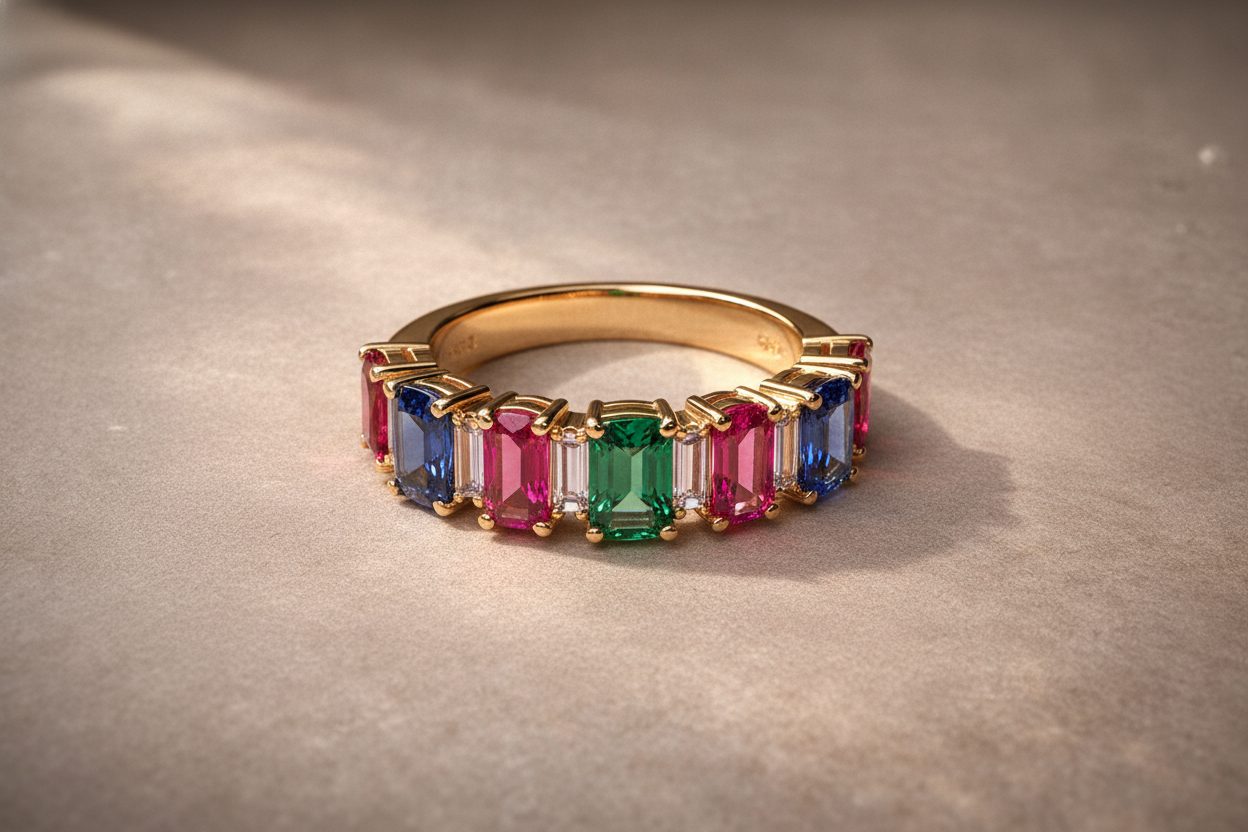
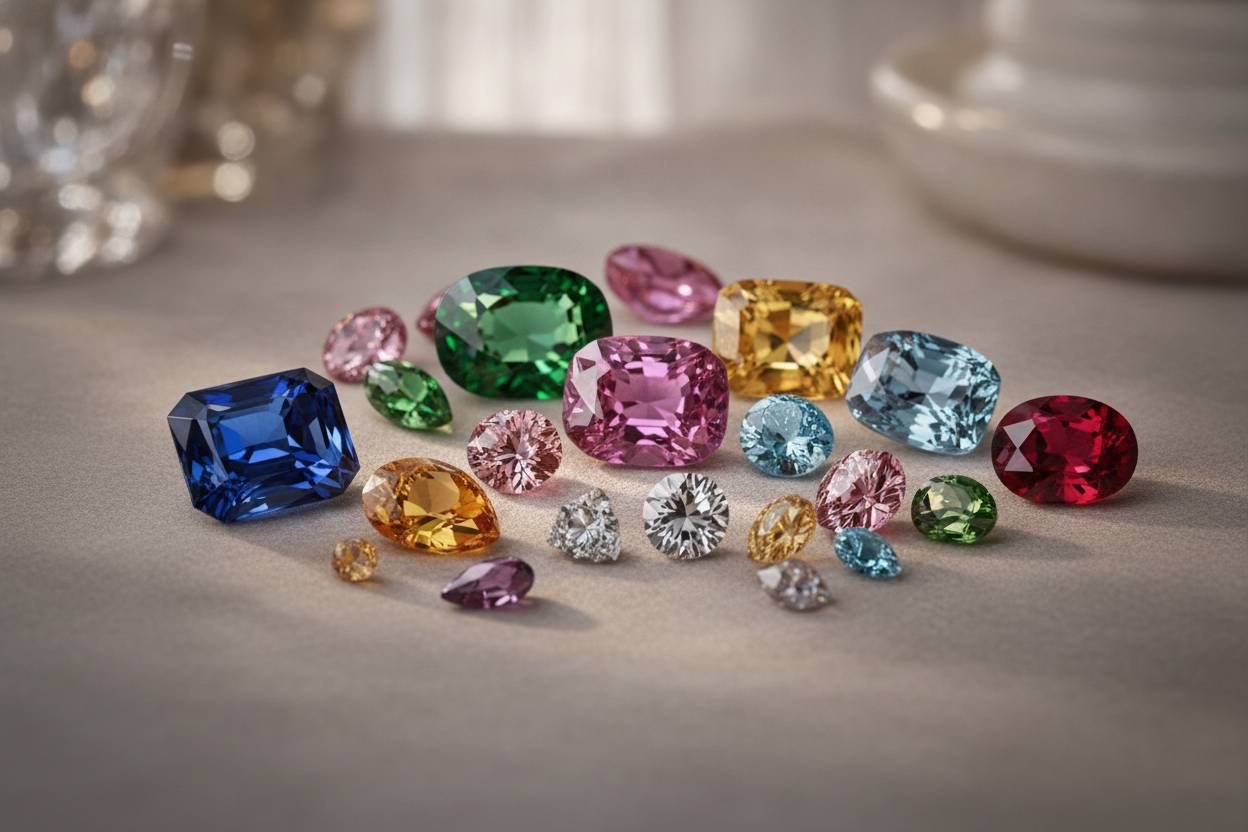
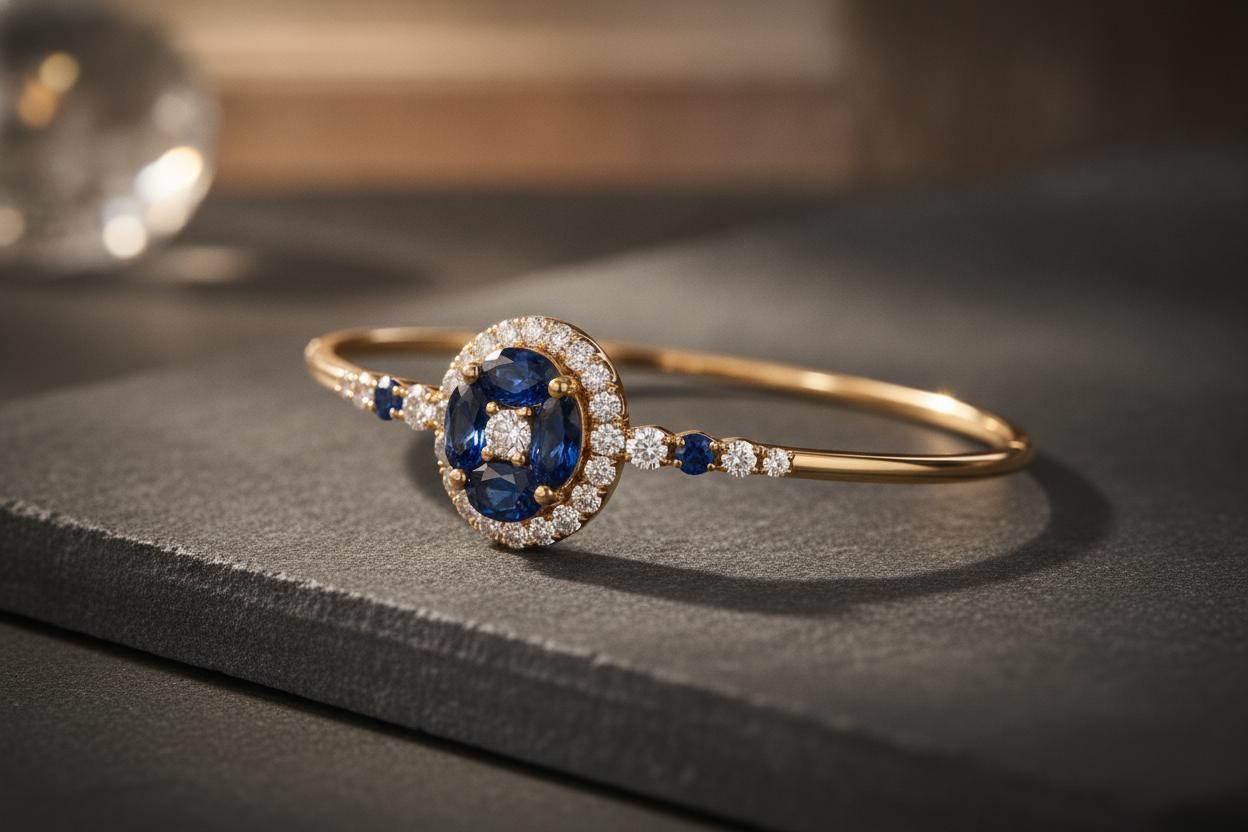
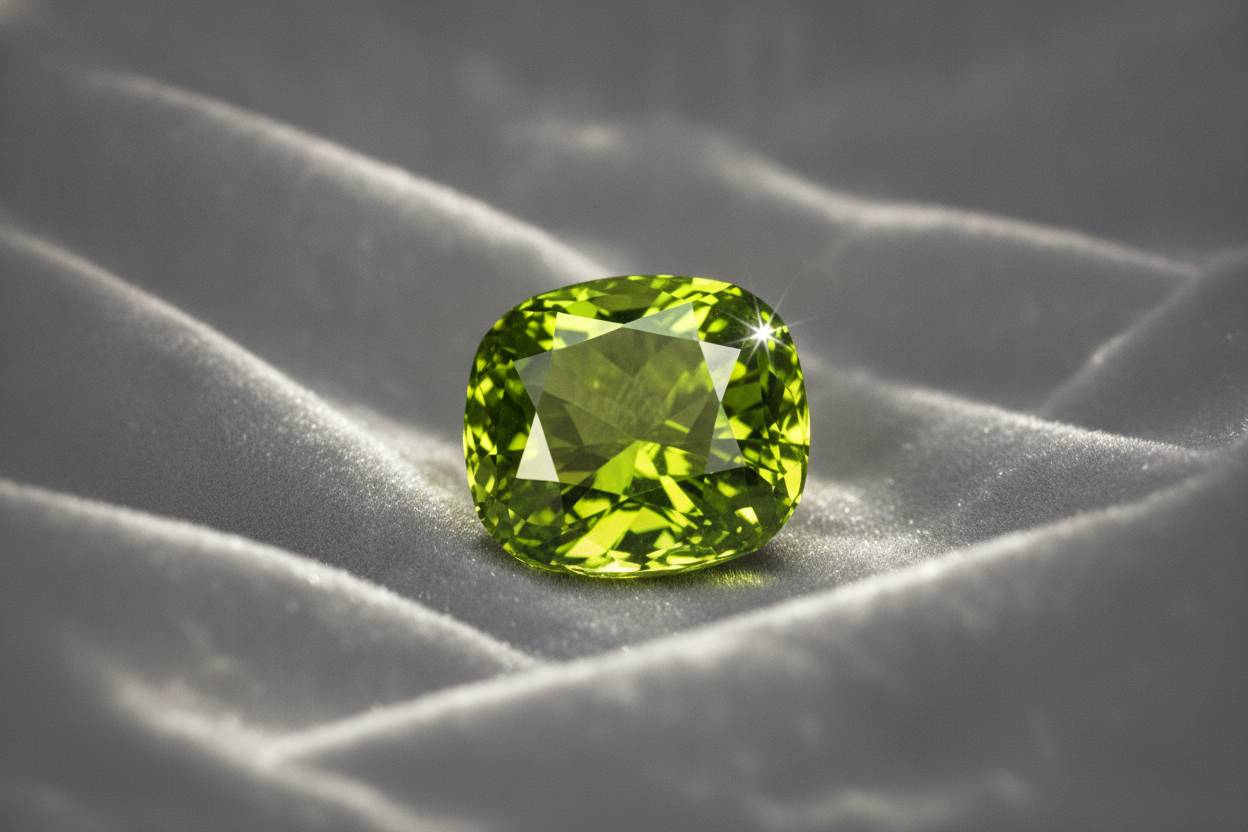
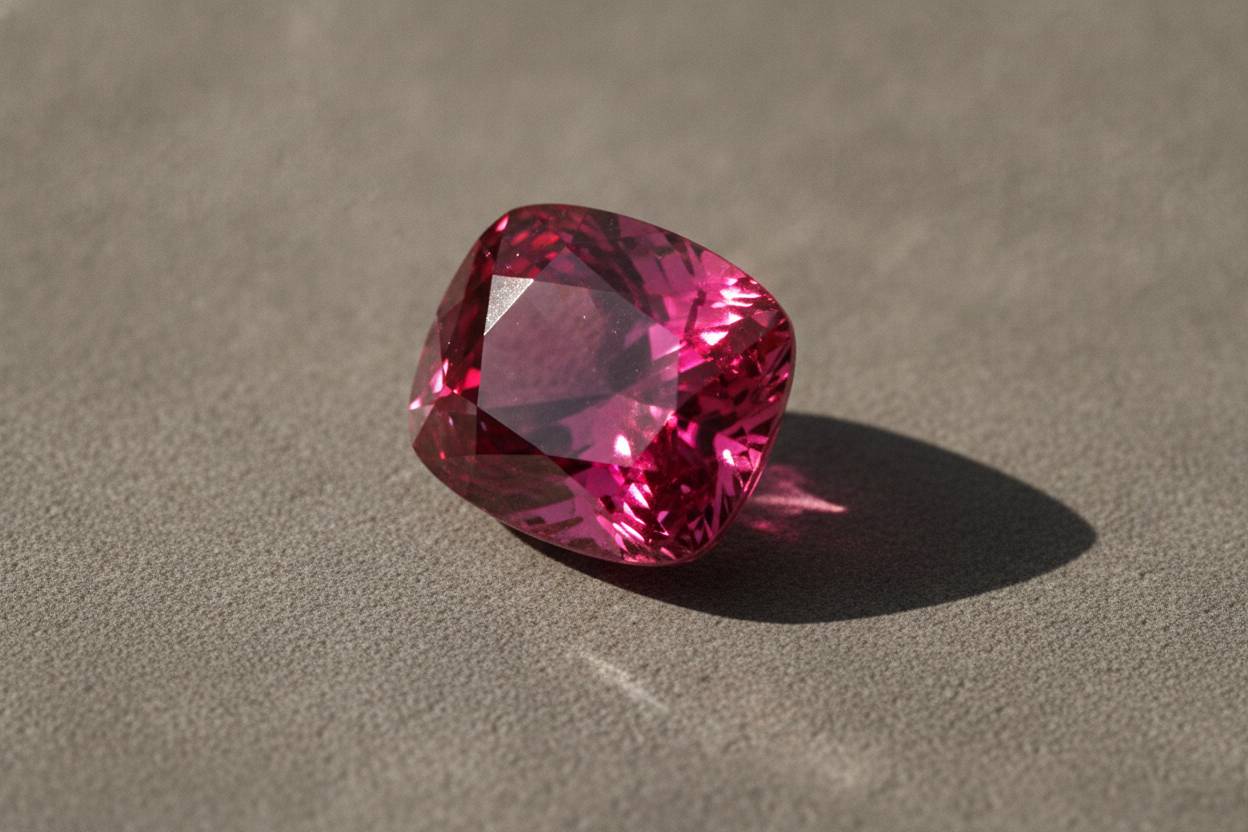
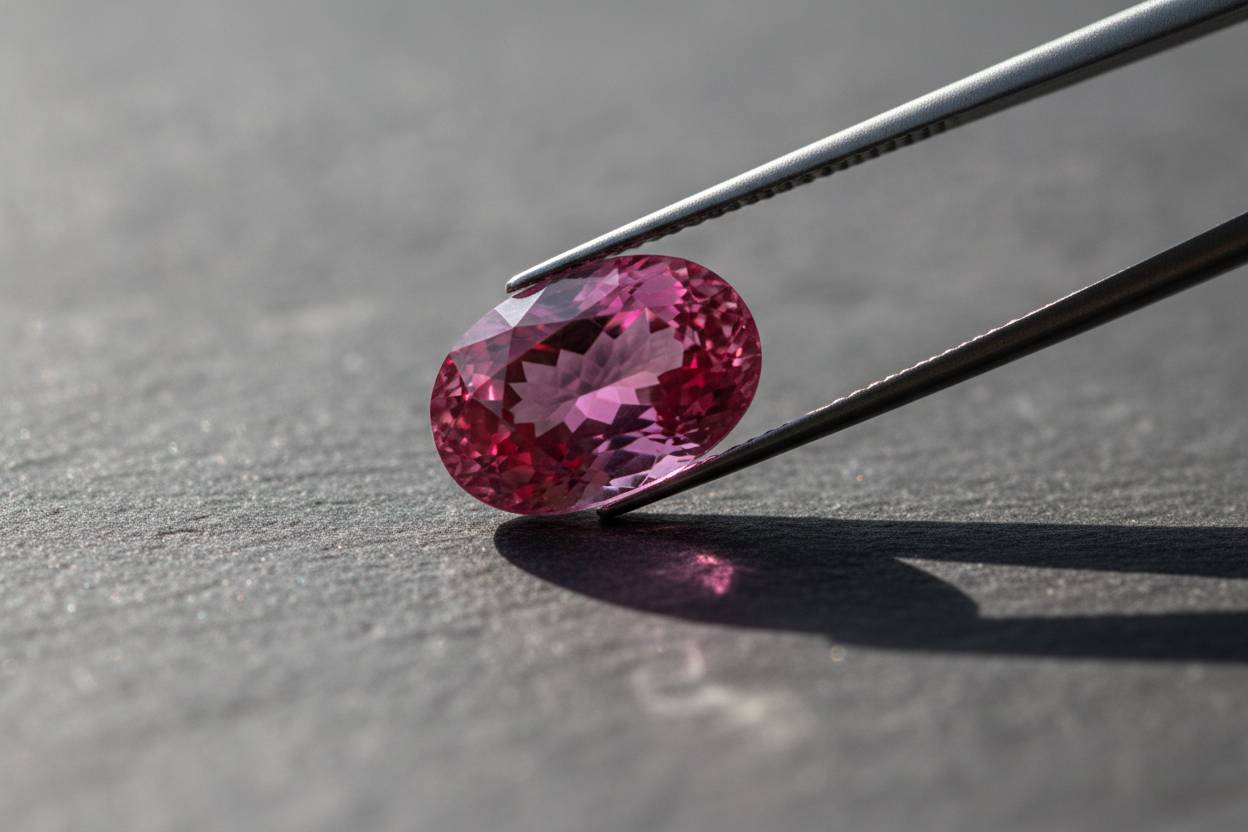
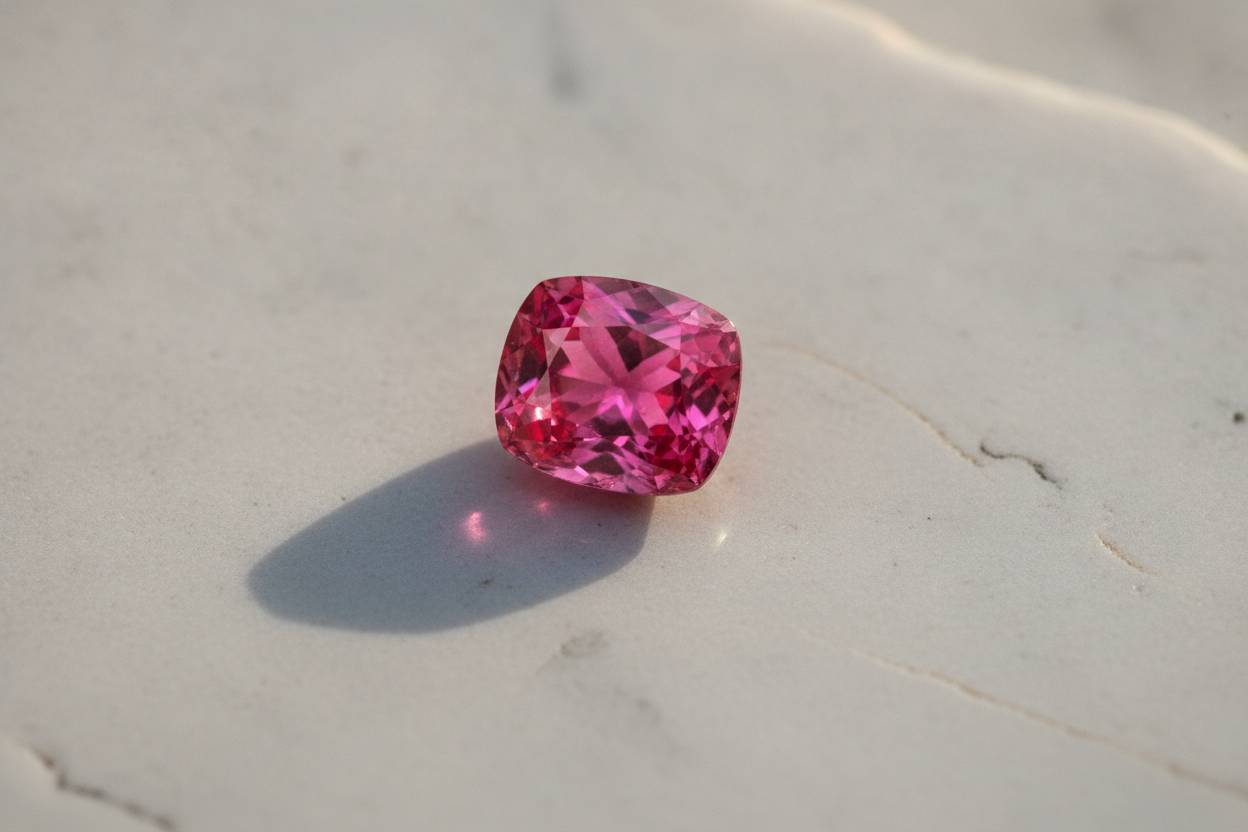
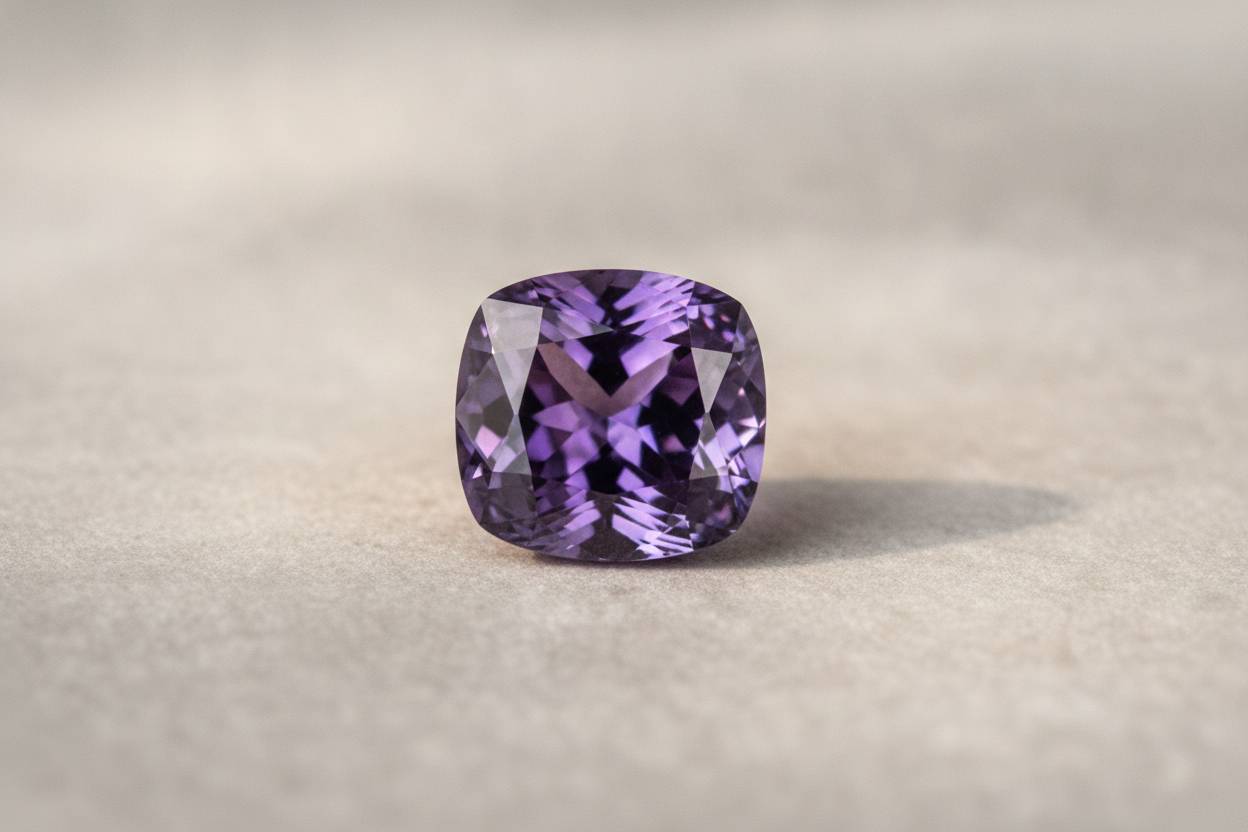
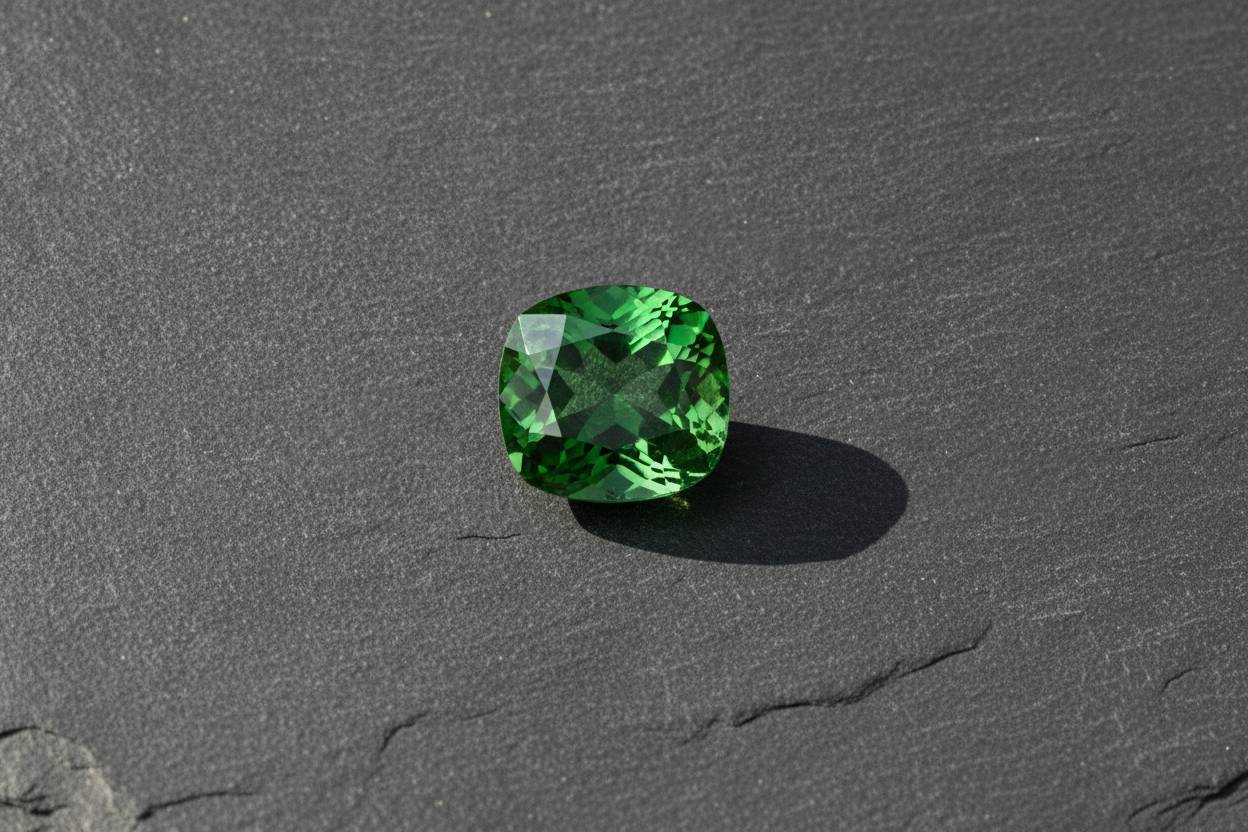
What is driving 2026 is not a new material but a change in emphasis. Designers are building pieces around a single saturated hue — padparadscha, rubellite, mint garnet, Paraiba-type tourmaline — and letting diamonds act as framing rather than the main event.
Mixed-colour settings have returned too: a row of unmatched stones chosen for rhythm instead of uniformity. This is the opposite instinct to diamond buying, where the aim has always been consistency.
The shift also reflects supply. Coloured stones come from many small deposits rather than a handful of industrial mines, so no two parcels behave alike, and that irregularity is now treated as a feature.
Light behaviour: colour vs diamond
Diamond has a refractive index of about 2.42 and strong dispersion, which is why it throws white sparkle and spectral fire even in dim rooms. Nothing in the coloured-stone world competes with that on brilliance alone.
Coloured gems work differently. Corundum — sapphire and ruby — sits near 1.76–1.77 RI, spinel around 1.718, tourmaline roughly 1.62–1.64, emerald about 1.577–1.583. Less light is returned as white flash; more of it passes through the body of the stone and comes back carrying colour.
That has a practical consequence. A coloured stone is judged first on hue, saturation and evenness of colour across the face, with cut assessed for windowing and extinction rather than for a graded brilliance score.
How to tell them apart on sight
A well-cut diamond reads as flashing light with little body colour. A fine coloured stone reads as a continuous field of colour that brightens and dims as it moves. If a coloured stone shows a pale, washed-out centre when held face-up, it has been cut too shallow — a common fault that no setting will hide.
Durability for daily wear
Diamond is Mohs 10, the hardest natural material, though it has cleavage directions and can chip on a sharp blow. For an everyday ring worn without thought, it remains the least demanding choice.
Among coloured stones, the honest hierarchy is:
- Sapphire and ruby — Mohs 9, no cleavage. The strongest practical alternative for daily rings.
- Spinel — Mohs 8, tough and untreated as a rule. Excellent and still under-appreciated.
- Tourmaline and garnet — roughly Mohs 7 to 7.5. Fine for rings worn with some care.
- Emerald — Mohs 7.5–8 but usually included and fissured, which lowers real-world toughness.
- Tanzanite, peridot, opal — Mohs 6.5 and below in places, with cleavage or sensitivity. Pendants and earrings.
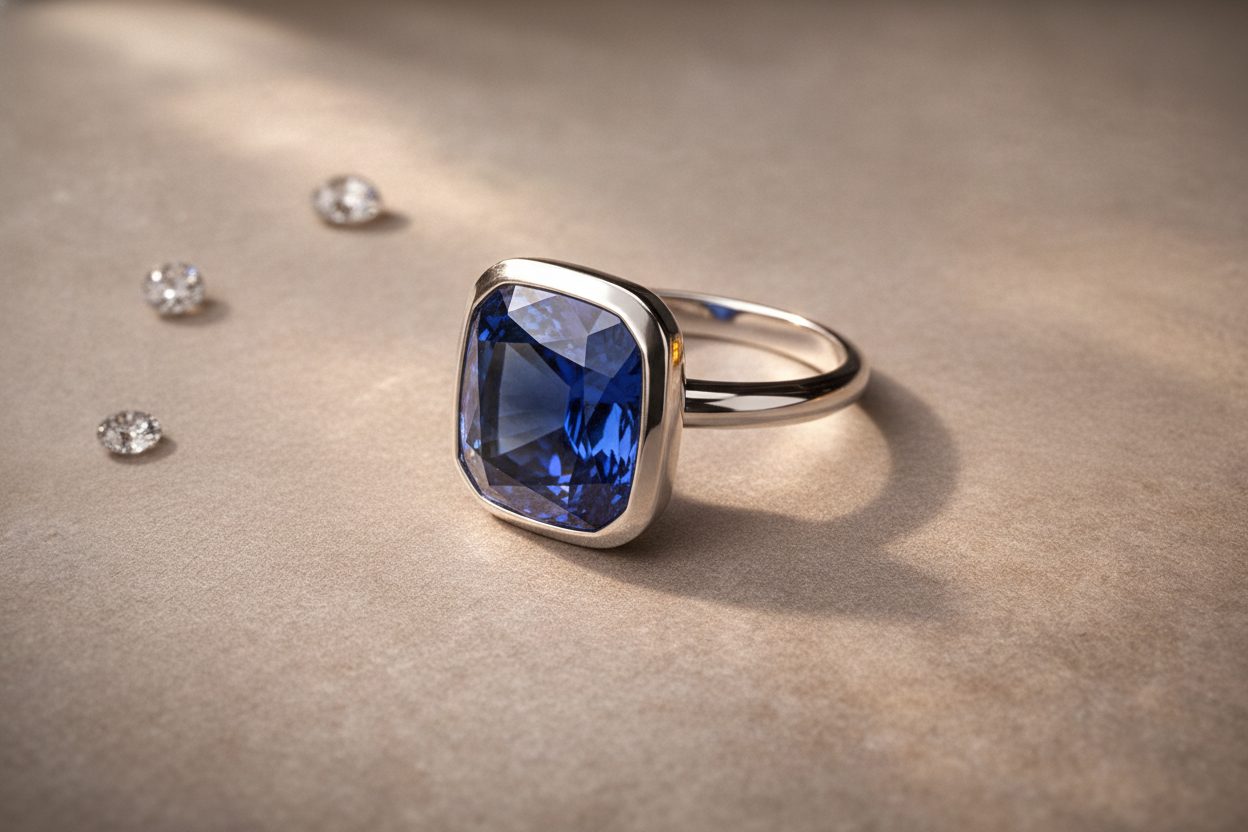
Setting style matters as much as hardness. A bezel or a protective halo changes the risk profile of a Mohs 7 stone considerably.
Price and value compared
Diamonds are priced against a transparent, well-published grading framework, which makes comparison easy and negotiation narrow. Coloured stones have no equivalent grid, so two stones of identical weight can differ in price by a wide margin on colour quality alone.
That opacity cuts both ways. It means more research is required, but it also means genuine value exists for buyers who learn to read colour — mid-grade sapphire, spinel and tourmaline still deliver considerable size and presence for the money.
At the top of the market the logic inverts. Untreated ruby, Kashmir-type blue sapphire, Colombian emerald and Paraiba-type tourmaline are rarer than fine diamonds of comparable size, and they command strong premiums as a result.
Treatment is the single largest price variable. Heated sapphire and oiled emerald are normal and accepted; diffusion, glass-filling and heavy fracture filling are not, and should be priced far lower.
Which to choose in 2026
Choose diamond if the piece will never come off, if you want neutral metal-agnostic versatility, or if liquidity matters more than character.
Choose a coloured stone if you want a piece that reads as yours alone, if you are buying a second or third ring rather than a first, or if you want visible size without the diamond price ladder.
For engagement rings specifically, the sensible compromise within the colorful gemstone jewelry trend is corundum: a blue, pink or peach sapphire at Mohs 9 behaves almost as well as diamond in daily life and costs less per carat at most quality levels.
Where buyers get it wrong
The most common error is applying diamond logic to coloured stones — chasing eye-clean clarity in emerald, or treating a certificate's carat weight as a proxy for how large the stone will look. Cut spread and colour saturation determine visual size far more than weight does.
The second error is buying unreported treatment. Ask for a report from an independent laboratory — GIA, Gübelin, SSEF or AGL are the names the trade relies on — stating species, treatment and, where relevant, geographic origin.
The third is ignoring the setting. A beautiful Mohs 7 stone in an exposed claw mount will eventually tell you it was the wrong decision.
Colour is the louder choice in 2026, but it is also the more demanding one. Buy the hue first, confirm the treatment second, and match the species to how the piece will actually be worn.
Frequently asked questions
Are coloured gemstones a sensible choice for an engagement ring?+
Sapphire and ruby are, at Mohs 9 with no cleavage, and spinel at Mohs 8 is close behind. Emerald, tanzanite and opal are better suited to pendants and earrings, or to rings worn occasionally in protective bezel settings.
Why do coloured stones sparkle less than diamonds?+
Diamond has a refractive index near 2.42 with strong dispersion, so it returns intense white and spectral flash. Most coloured gems sit between roughly 1.57 and 1.77 RI, returning light that carries body colour instead of white sparkle — which is the point of them.
Is heating a coloured gemstone acceptable?+
Heat treatment of sapphire and ruby, and oiling of emerald, are long-established and accepted practices provided they are disclosed. Diffusion, glass-filling and heavy polymer filling are far more aggressive and should be priced substantially lower.
Which coloured gemstone gives the most size for the budget?+
Tourmaline, garnet and spinel typically offer the most visible size per unit of spend among durable species. Within sapphire, less saturated blues, teals and peach tones cost less than top-colour material of the same weight.
Do I need a laboratory report for a coloured gemstone?+
For any significant purchase, yes. A report from GIA, Gübelin, SSEF or AGL confirms species, identifies treatment, and where relevant states geographic origin — all of which materially affect value in a market with no universal grading grid.
Will coloured gemstone jewellery hold value like diamonds?+
Diamonds are easier to resell because grading is standardised and comparison is straightforward. Fine untreated coloured stones in rare qualities have performed strongly, but value depends heavily on colour quality and documented treatment rather than carat weight alone.
From our Journal
Buying guides, origin stories, and notes from the trade.