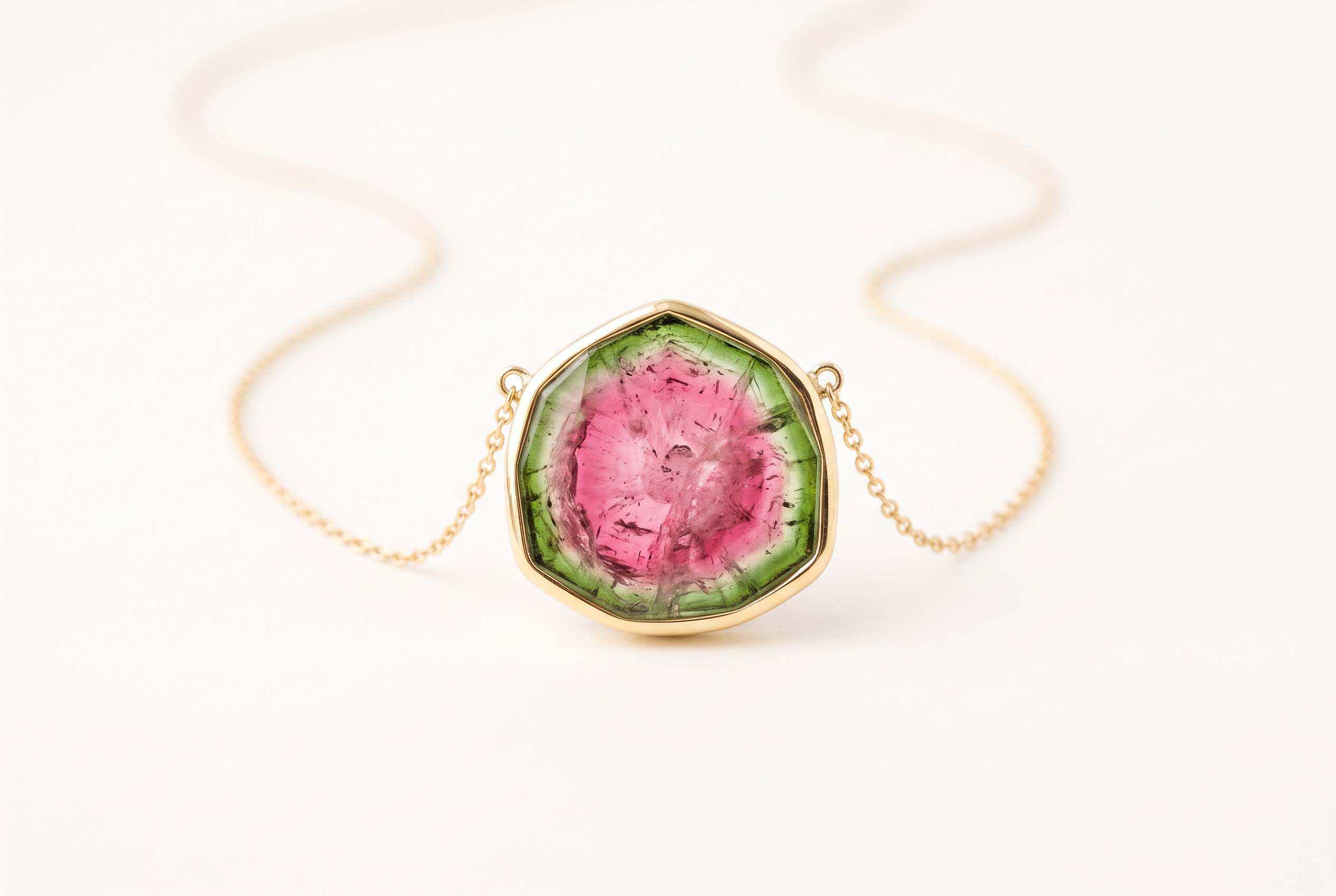
Bi Colour Tourmaline: Meaning & Lore
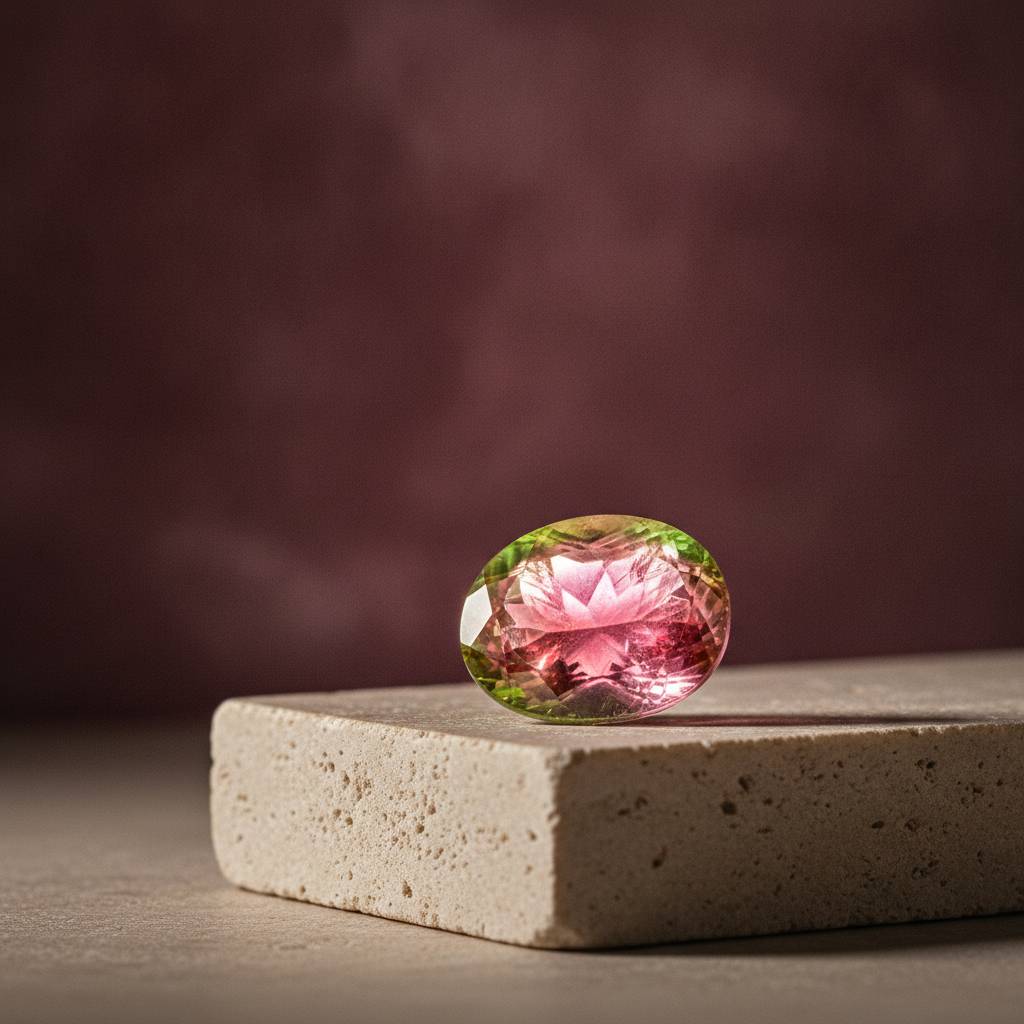
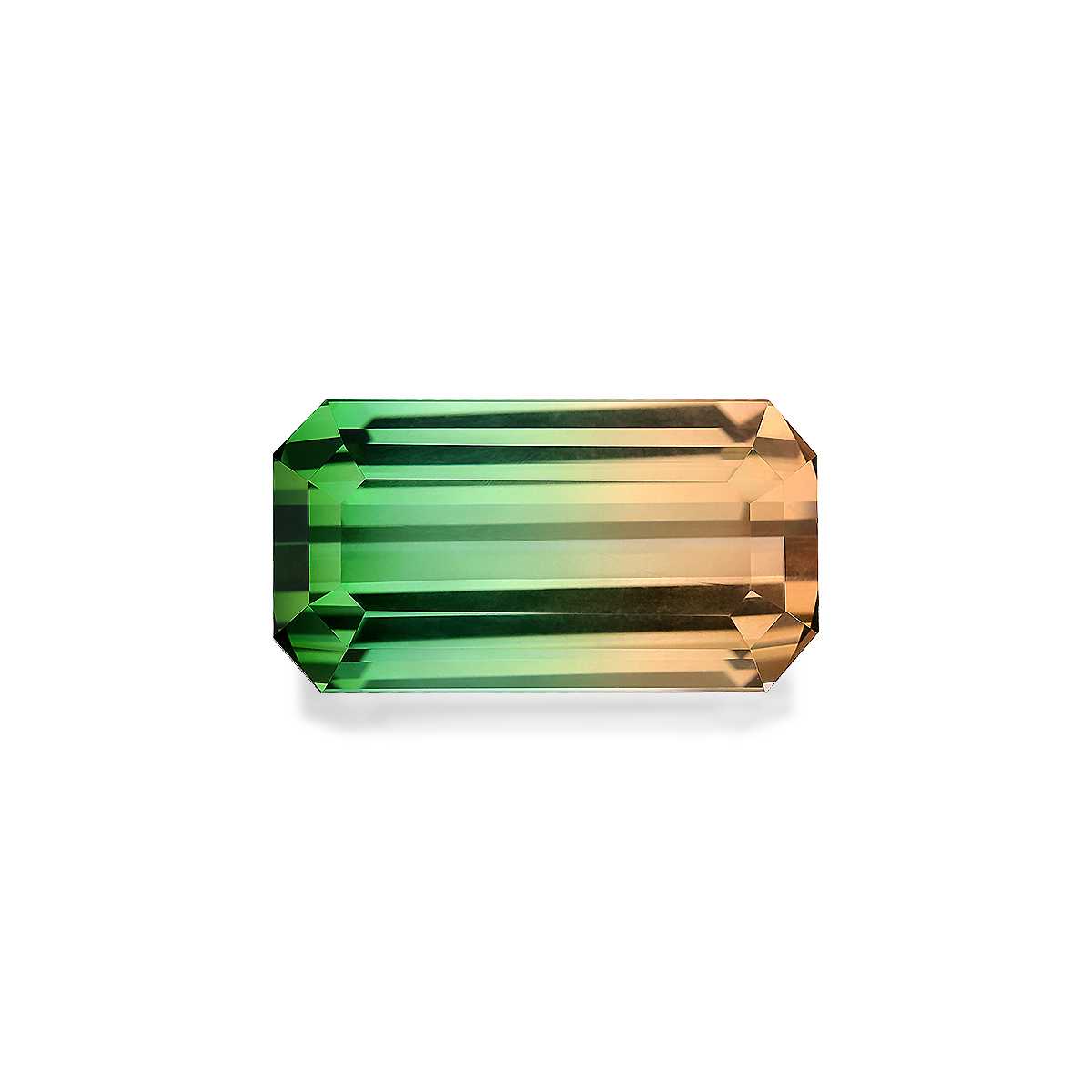
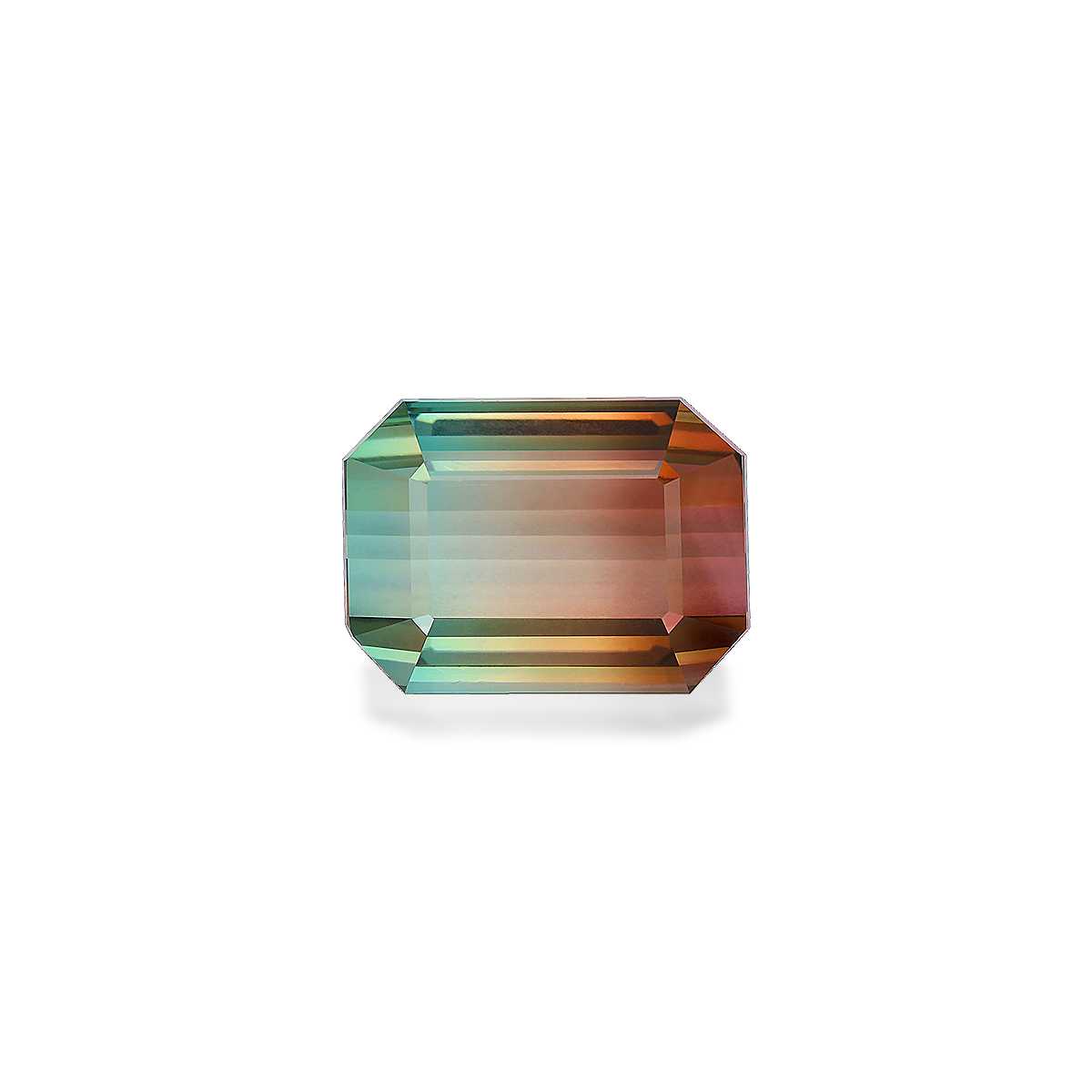
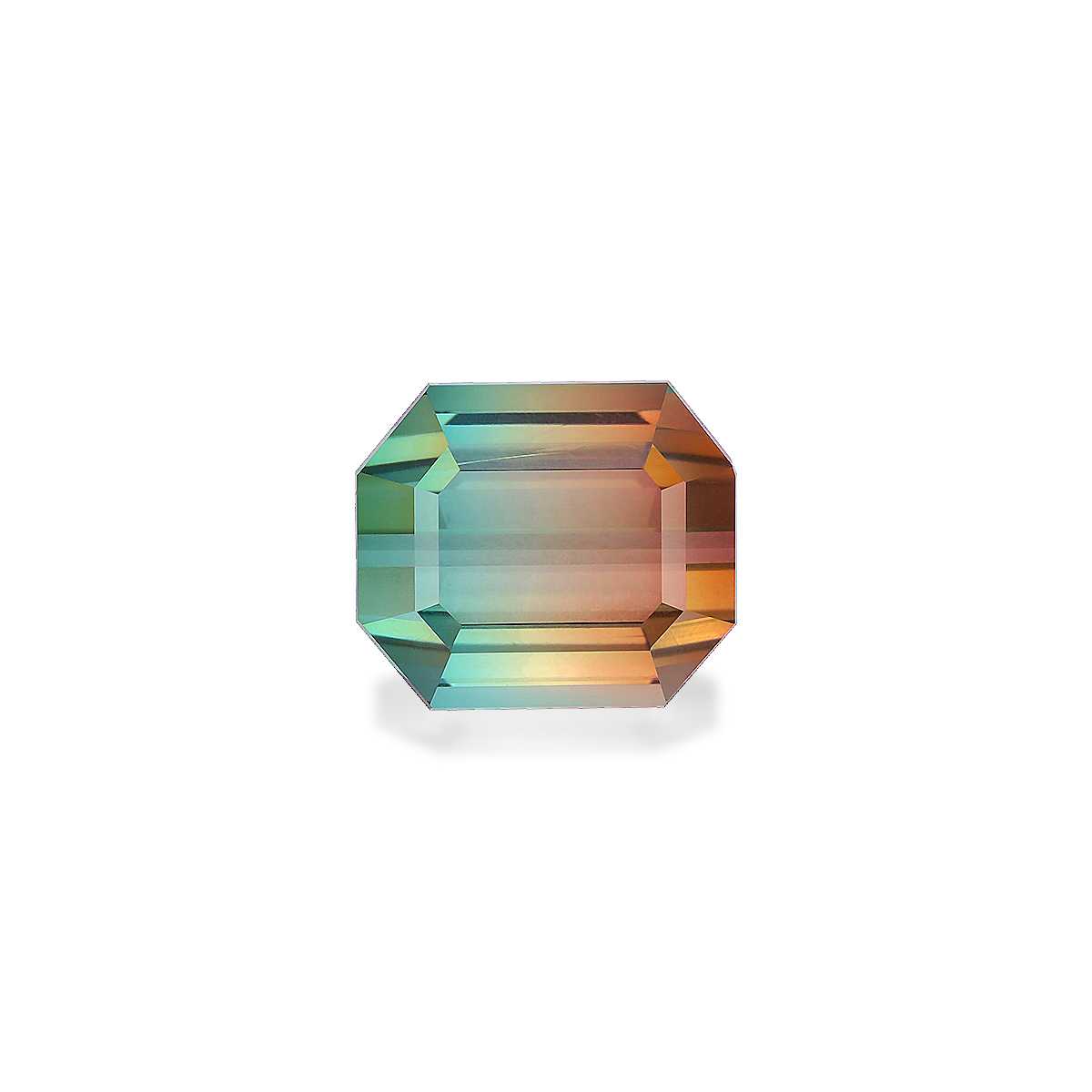
Bi colour tourmaline is a single tourmaline crystal that grew in two or more colours — most famously the pink-and-green combination the trade calls watermelon. Its meaning in gem culture has always turned on that duality: one stone holding two states, which is why it has long been read as a symbol of balance and reconciliation. Gemmologically it is straightforward and honest material — Mohs 7 to 7.5, refractive index 1.61 to 1.64, colour caused by multiple trace elements, and it is not typically treated. Much of the finest modern production comes from Mozambique. This STARLANKA buying guide to GIT certified sapphires & tourmaline sets out the lore, then the facts a buyer actually pays for: saturation, clarity and size.
A name born in Sri Lanka
The word tourmaline descends from the Sinhalese toramalli, a catch-all term for the mixed, multi-coloured pebbles washed from Sri Lanka's gem gravels. Dutch traders carried those parcels to Europe in the early 1700s, and the name travelled with them.
The name itself is an admission of confusion. For centuries, stones we now call tourmaline were sold as rubies, emeralds and peridot, because nobody had the means to separate them by species.
That history matters to a modern buyer. Misidentification of colour varieties is still one of the most common ways people overpay for tourmaline, and the problem is as old as the gem's European name.
The ash-puller and the parlour trick
Dutch merchants gave tourmaline a second, more practical nickname: aschentrekker, the ash puller. Warmed near a pipe or a fire, the crystals would draw up ash and dust, and the effect became a drawing-room curiosity.
This is pyroelectricity, a genuine physical property of tourmaline's trigonal, polar crystal structure, which develops an electrical charge along the c-axis under changing temperature. Tourmaline is piezoelectric too, and the property was later put to scientific use in pressure measurement.
It is worth being clear about what this is and is not. It is a property of the crystal, not a treatment — bi colour tourmaline reaches the market essentially as it came out of the ground.
Symbolism of two colours in one
Bi colour tourmaline's symbolism is not ancient scripture; it is a modern reading that grew out of an obvious visual fact. A crystal that is pink at one end and green at the other reads as two things held in one body, and it has been adopted as an emblem of balance, union and the resolution of opposites.
Lapidary traditions in China and Europe valued tourmaline chiefly for colour rather than doctrine. The best-documented episode is late nineteenth-century: the Empress Dowager Cixi acquired large quantities of pink tourmaline from the Himalaya Mine in San Diego County, California, for carvings and burial ornaments, creating a trans-Pacific trade that collapsed with the Qing dynasty.
In the English-speaking trade, tourmaline sits on the modern October birthstone list alongside opal and is associated with the eighth wedding anniversary. These are conventions of the jewellery industry rather than antiquity — useful to know, and honest to describe as such.
More from Bi Colour Tourmaline
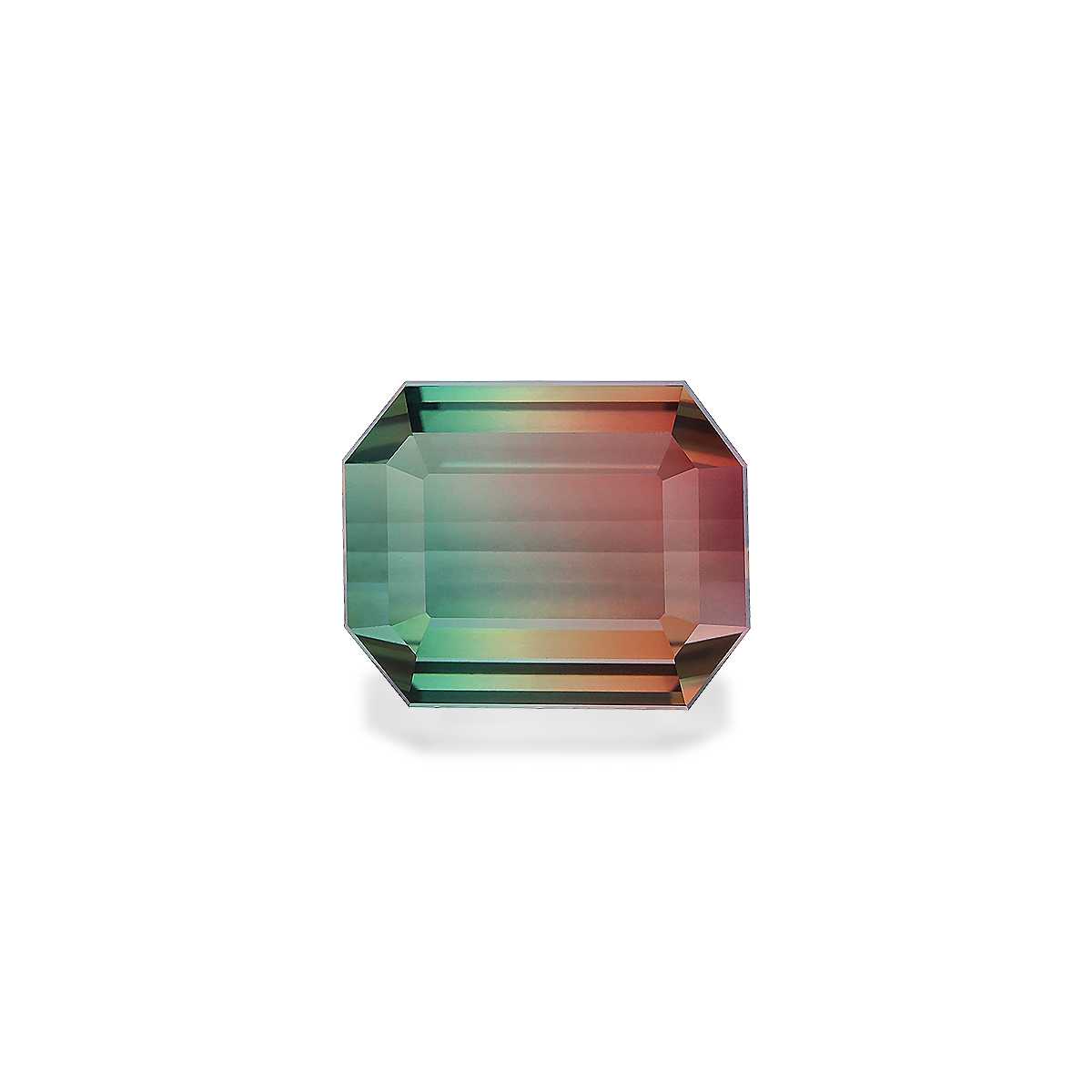
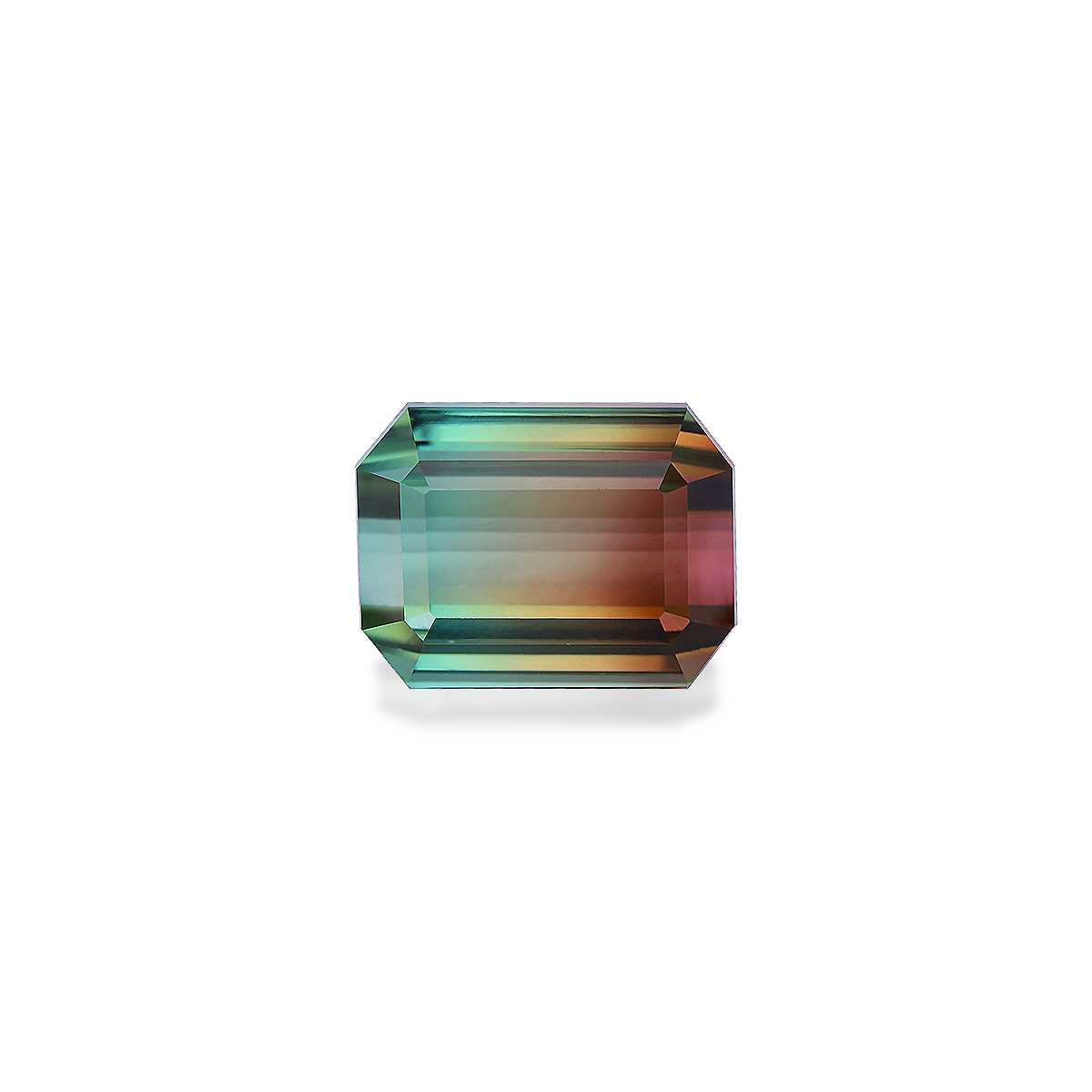
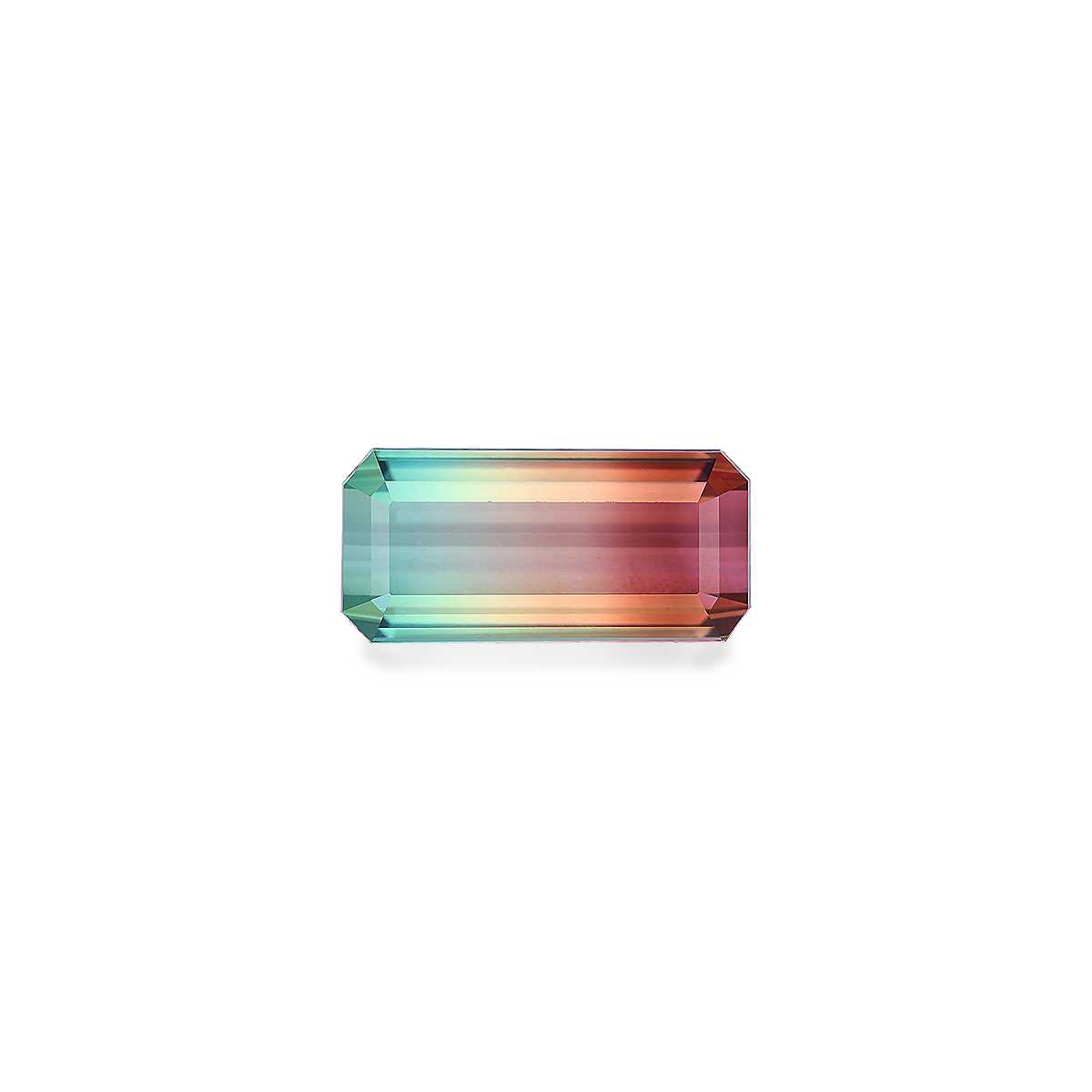
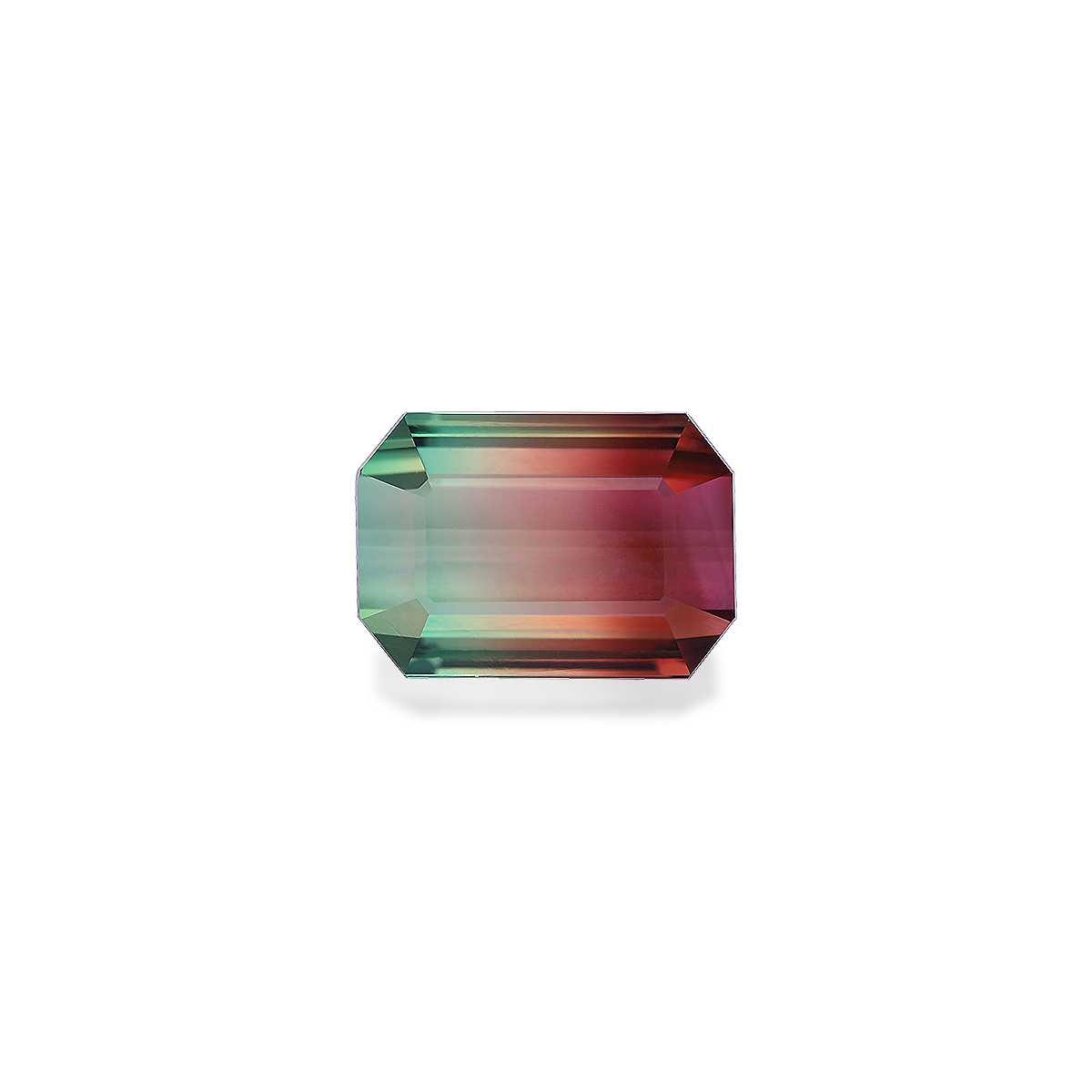
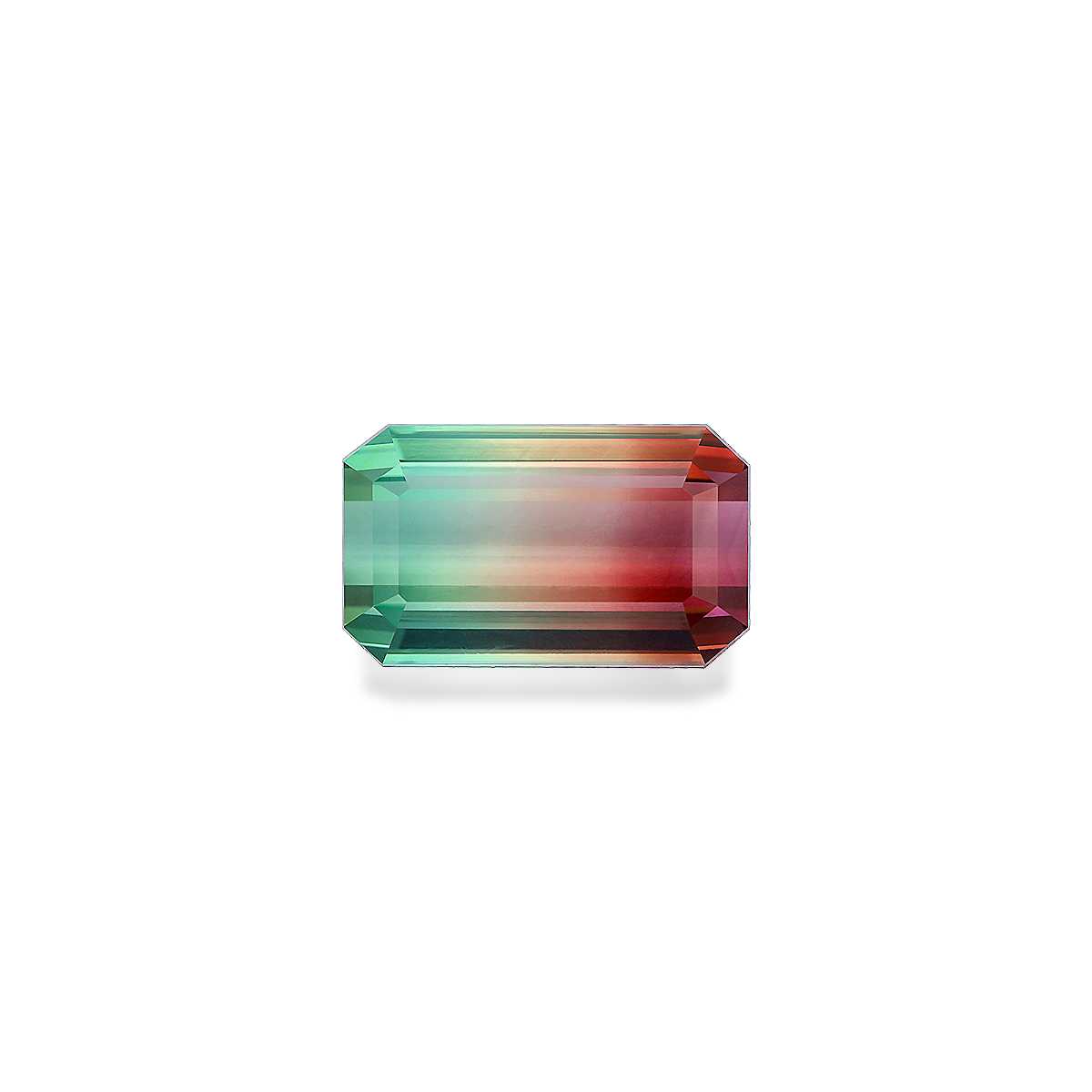
What bi colour tourmaline is
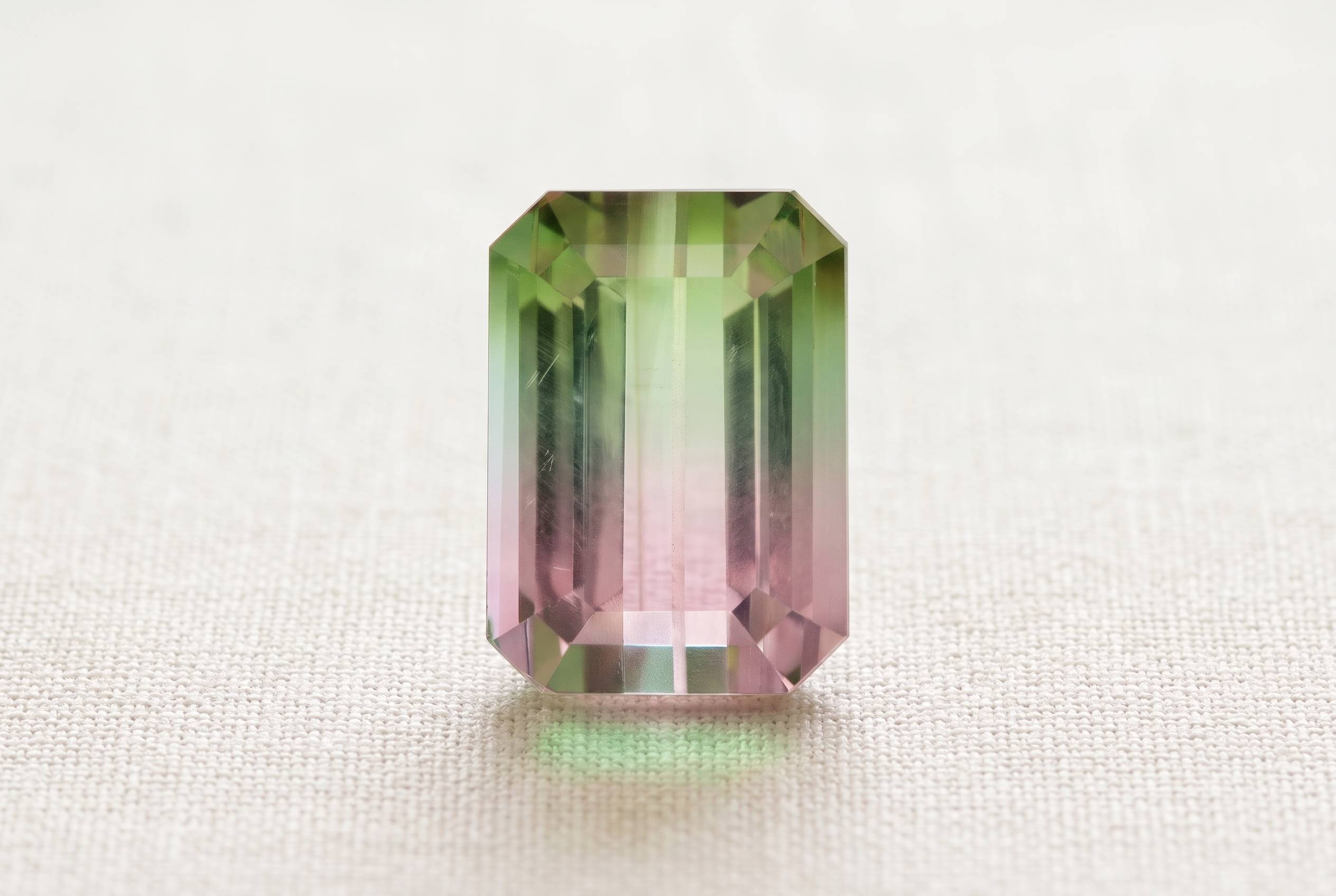
Tourmaline is not one mineral but a family of boron silicates, and gem-quality bi colour material is usually elbaite. The colour zoning records changes in the chemistry of the fluids feeding the crystal as it grew in a pegmatite.
Multiple trace elements are responsible for the colours — which is precisely why a single crystal can carry pink and green in sharp sequence. Nothing was added or altered; the zoning is a growth record.
- Hardness: 7 to 7.5 on the Mohs scale — durable enough for rings with sensible settings.
- Refractive index: 1.61 to 1.64, with strong birefringence and visible doubling of back facets in larger stones.
- Crystal system: trigonal, typically with the striated three-sided prisms familiar from mineral specimens.
- Treatment: not typically treated.
One caution on durability: strongly zoned crystals can carry internal strain at the colour boundary, and good cutters orient and set accordingly.
Mozambique and the modern trade
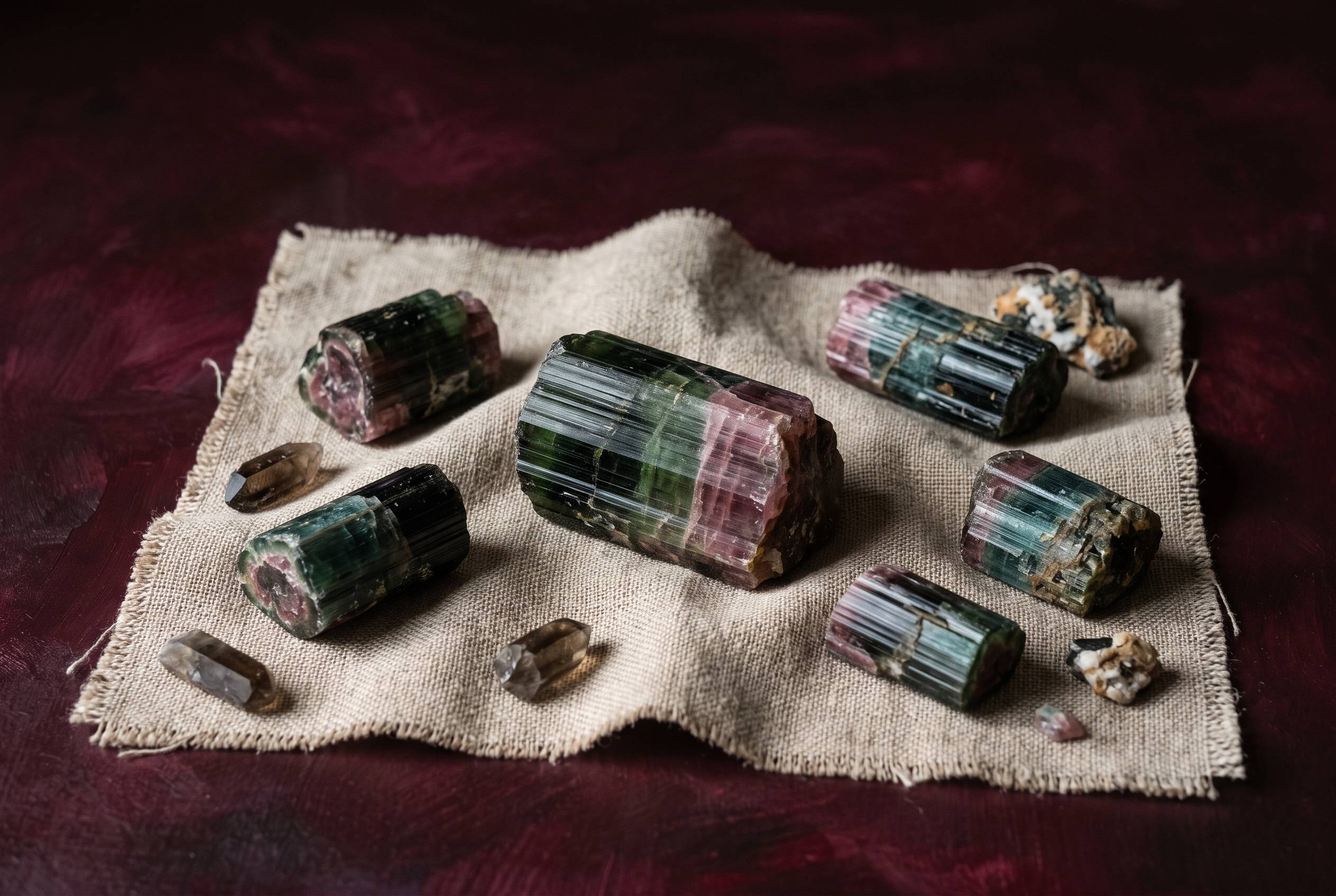
Mozambique has become a defining source for bi colour and watermelon tourmaline, working pegmatite deposits in Africa that yield well-zoned crystals in sizes suitable for slices and faceted stones. The country's output has reshaped what is routinely available in the market.
Brazil and Maine supplied the gem's earlier reputation — Mount Mica in Maine, worked from 1820, was one of the first commercial gem mines in the United States. African material now carries much of the day-to-day supply.
Origin alone does not set price in tourmaline the way it can in sapphire. Appearance does.
GIT certified tourmaline buying
Three things drive value: colour saturation, clarity and size. A watermelon crystal with washed-out pink and dull olive green is a different proposition from one with vivid, clearly separated zones, even at the same weight.
Clarity is where buyers most often lose money. Tourmaline commonly contains liquid-filled tubes and fractures, and heavily included stones should be priced accordingly — nobody should claim bi colour tourmaline is always internally flawless, because it is not.
The second pitfall is naming. "Watermelon" means a specific pink-core, green-rim or pink-to-green zoning; it is not a label for any two-toned tourmaline, and a report from a recognised laboratory such as GIT, GIA or SSEF confirms species, variety and treatment status in plain terms.
Bi Colour Tourmaline price guide
Bi Colour Tourmaline price guide (per carat, USD)
Based on 28 bi colour tourmaline in stock, updated October 26, 2026.See the full bi colour tourmaline price per carat →
Buying with meaning in mind
The lore of this gem is attractive precisely because it is honest: an untreated crystal that shows its own growth history on the surface. Buy the stone that holds its two colours cleanly and brightly, ask for the report, and let the symbolism follow the material rather than lead it.
Frequently asked questions
Is bi colour tourmaline treated?+
Bi colour tourmaline is not typically treated; the pink and green zoning is a natural growth feature caused by changing trace element chemistry as the crystal formed. A report from a recognised laboratory will state treatment status explicitly, and you should expect it to confirm no treatment for most material.
What is the difference between bi colour and watermelon tourmaline?+
Watermelon is a specific bi colour pattern — a pink core with a green rim, or a clear pink-to-green sequence along the crystal. All watermelon tourmaline is bi colour, but not every two-toned tourmaline qualifies as watermelon, and misuse of the term is a common cause of overpaying.
Is bi colour tourmaline durable enough for a ring?+
At Mohs 7 to 7.5 it is suitable for rings when sensibly set, though it is softer than sapphire and can carry internal strain along the colour boundary. Protective settings, avoiding ultrasonic cleaning, and removing the piece for manual work all extend its life.
What does bi colour tourmaline symbolise?+
It is widely read as a symbol of balance, union and the reconciliation of opposites, a meaning drawn from the simple fact of two colours in one crystal. This is a modern jewellery-trade and metaphysical association rather than a documented ancient tradition.
Where does most bi colour tourmaline come from today?+
Mozambique is a defining modern source, with African pegmatite deposits supplying well-zoned crystals in useful sizes. Brazil and Maine built the gem's earlier reputation, with Mount Mica in Maine worked from 1820.
What should I check before buying?+
Check saturation of both colours, clarity, and whether the size justifies the price, since tourmaline commonly contains tubes and fractures. Ask for a report from a laboratory such as GIT, GIA or SSEF confirming species, variety and treatment status.
From our Journal
Buying guides, origin stories, and notes from the trade.