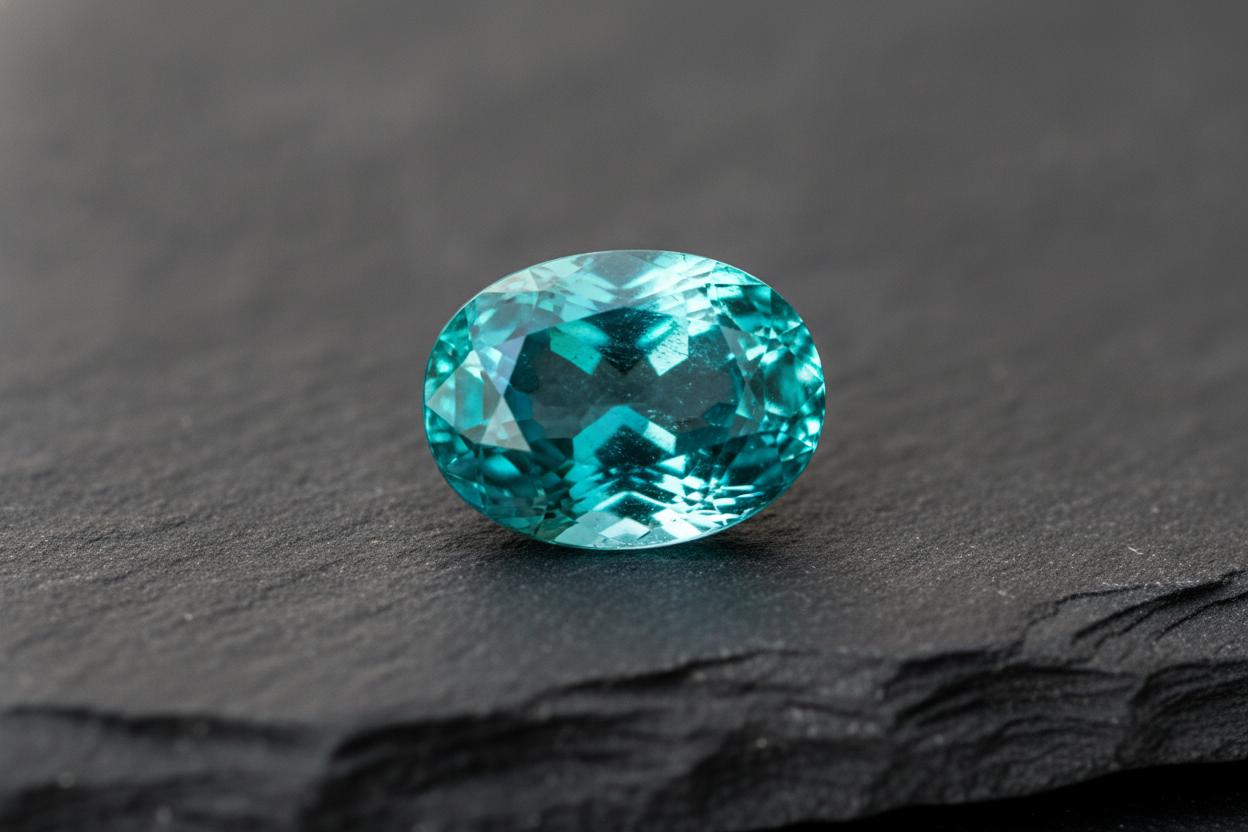
What Makes a Paraiba Stone Valuable
A paraiba stone is a copper-bearing tourmaline, and its price is set first by colour intensity — the neon blue-to-green glow that copper and manganese produce — then by clarity, size and origin. Saturation moves value more than any other factor: a greyish or washed-out copper-bearing tourmaline can be worth a small fraction of a vivid stone of identical weight. Heating is common in this material and widely disclosed; the practical task for a buyer is not to chase an untreated label but to judge the colour in front of them, confirm the copper content on a credible report, and understand that the name alone guarantees nothing about quality.
What counts as a paraiba stone
The term describes tourmaline coloured by copper, usually with manganese contributing to the green and violet end of the range. It is a variety defined by chemistry, not by country. Laboratories confirm it by detecting copper, typically through chemical analysis rather than visual judgement alone.
Physically it behaves like other tourmalines: Mohs hardness 7 to 7.5, refractive index 1.61 to 1.64. That hardness is durable enough for rings with sensible settings, though it does not match sapphire or spinel.
The trade uses neon and vivid as descriptive shorthand for the strongest material. Those words are not graded terms, and sellers apply them loosely. Treat them as a starting point for discussion, not a specification.
Colour intensity drives the price
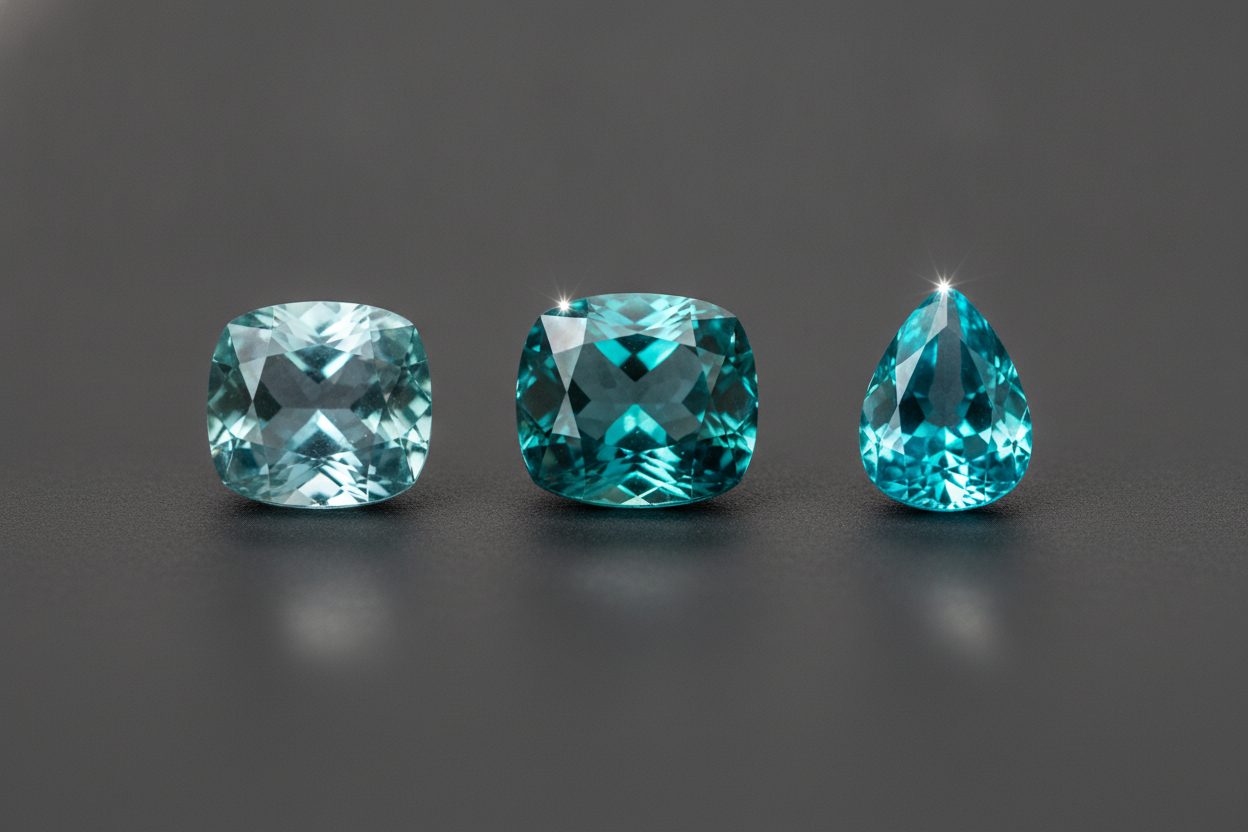
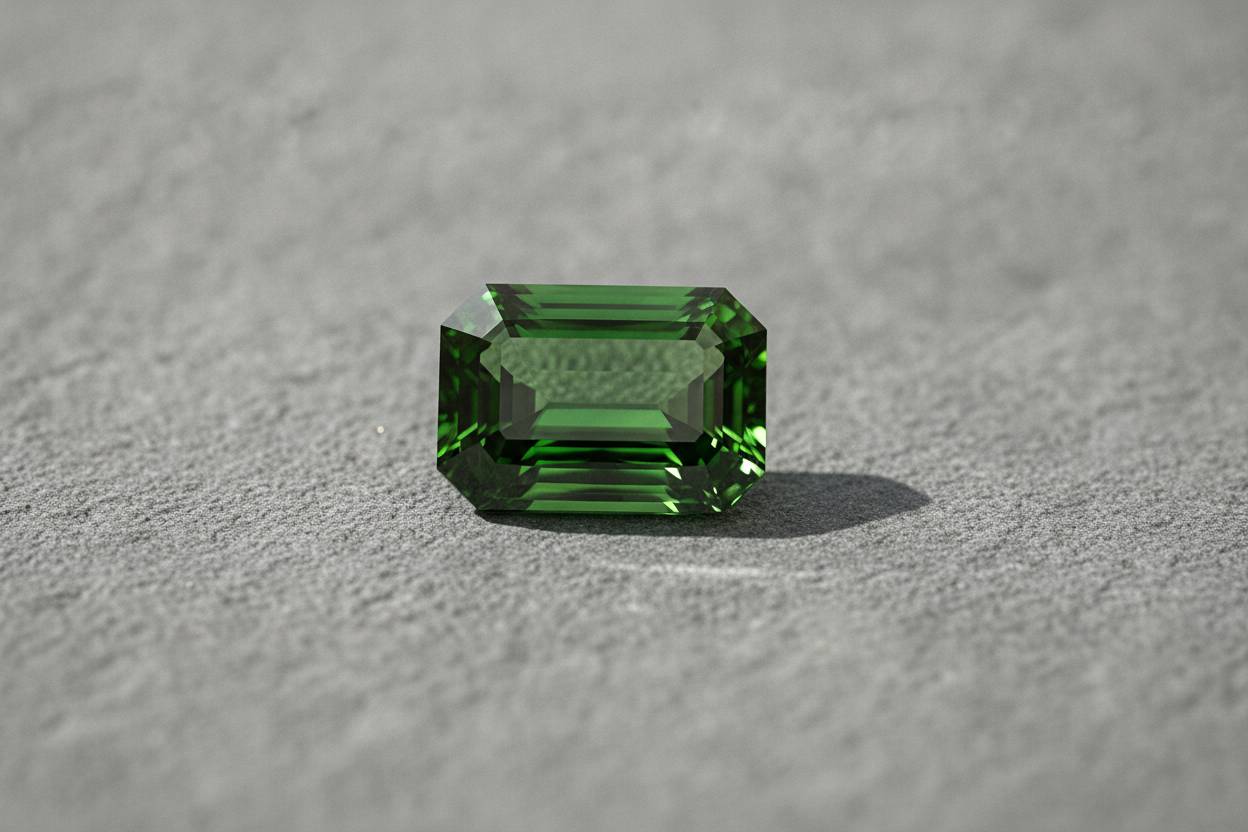
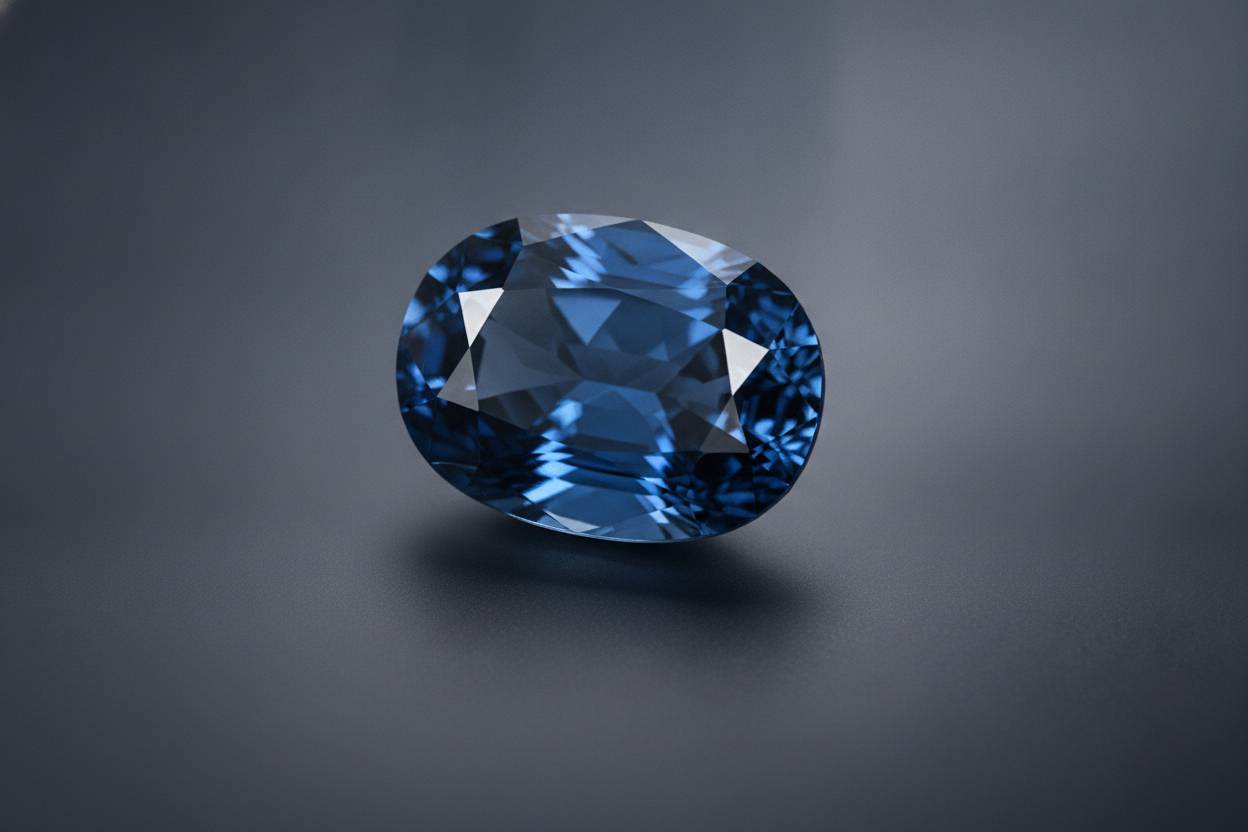
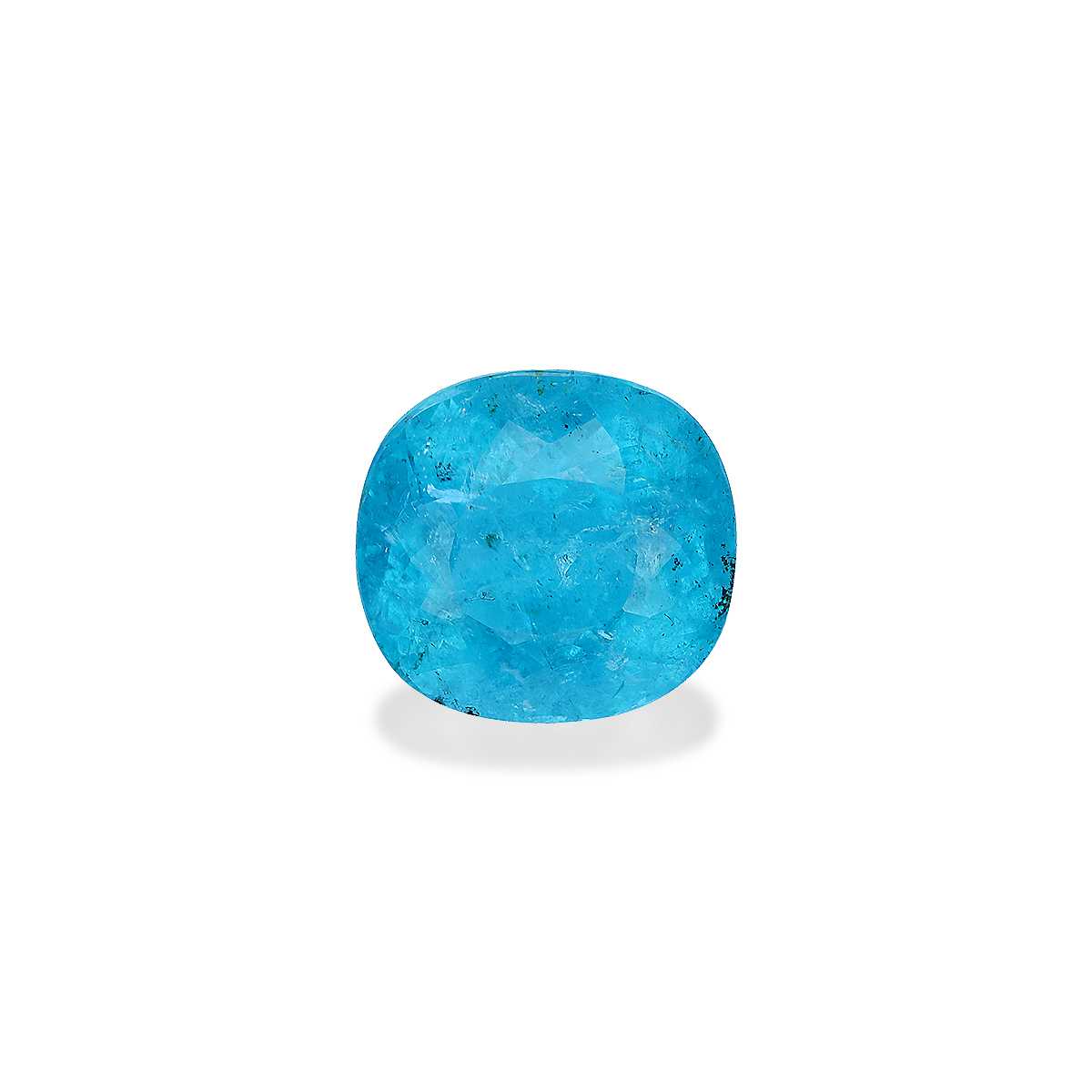
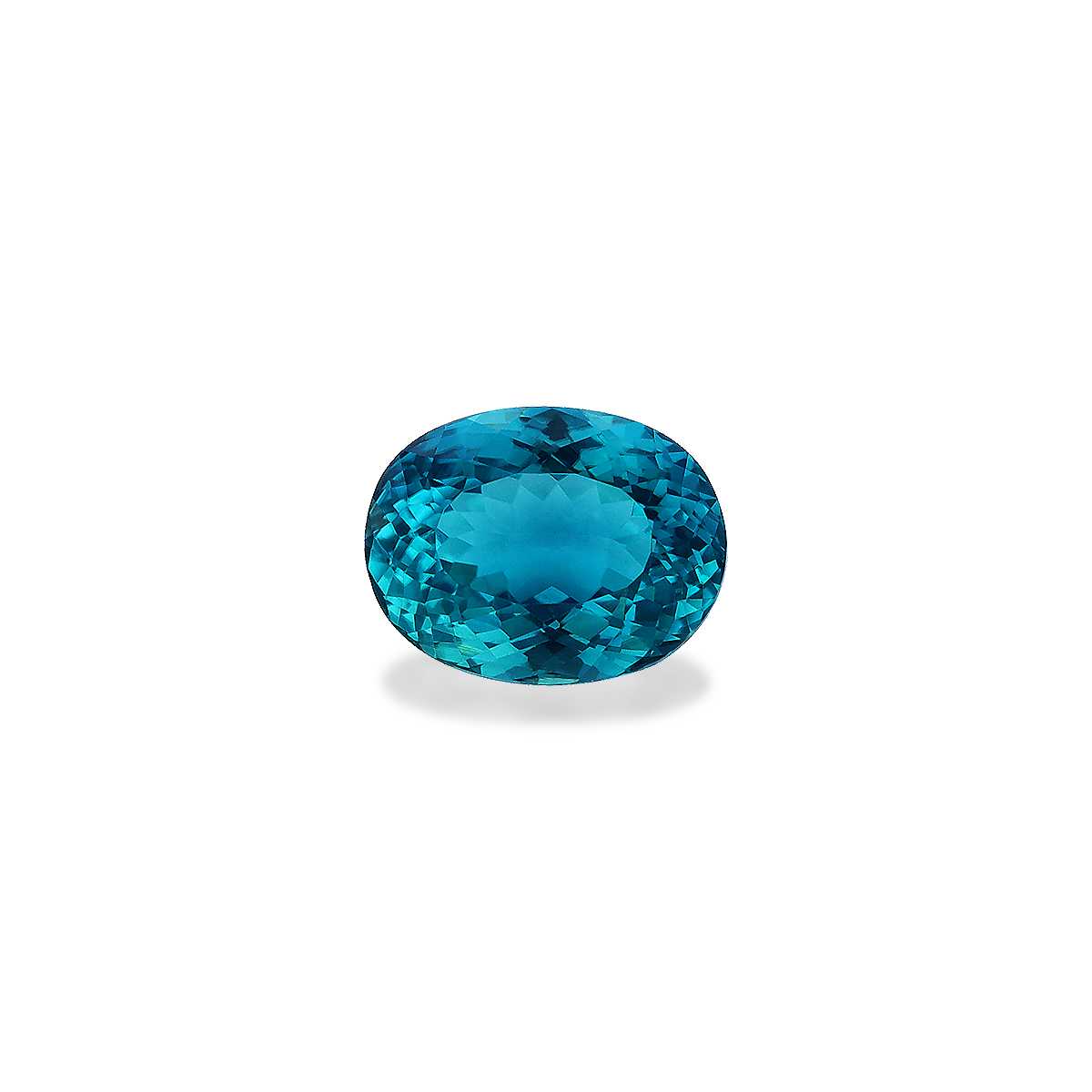
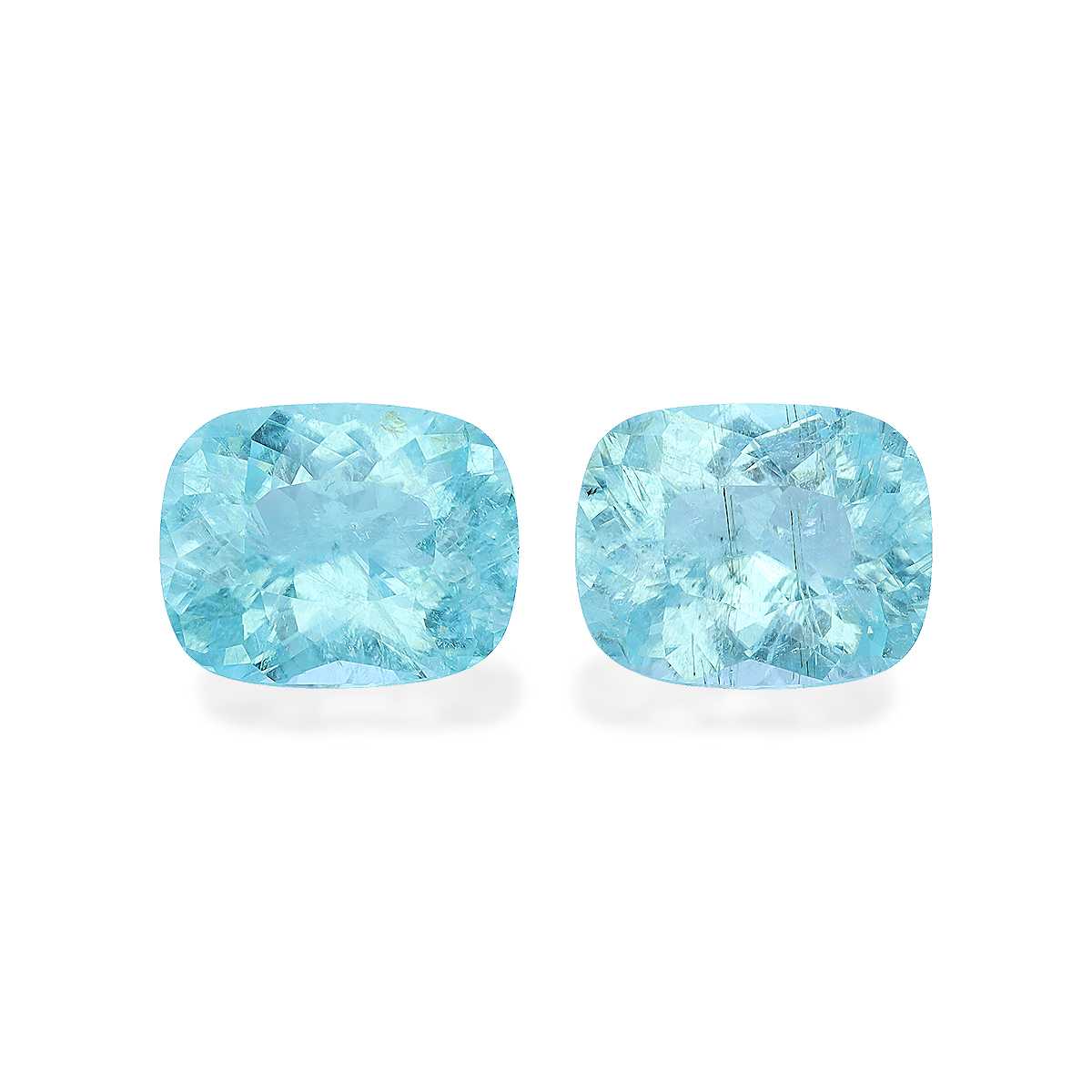
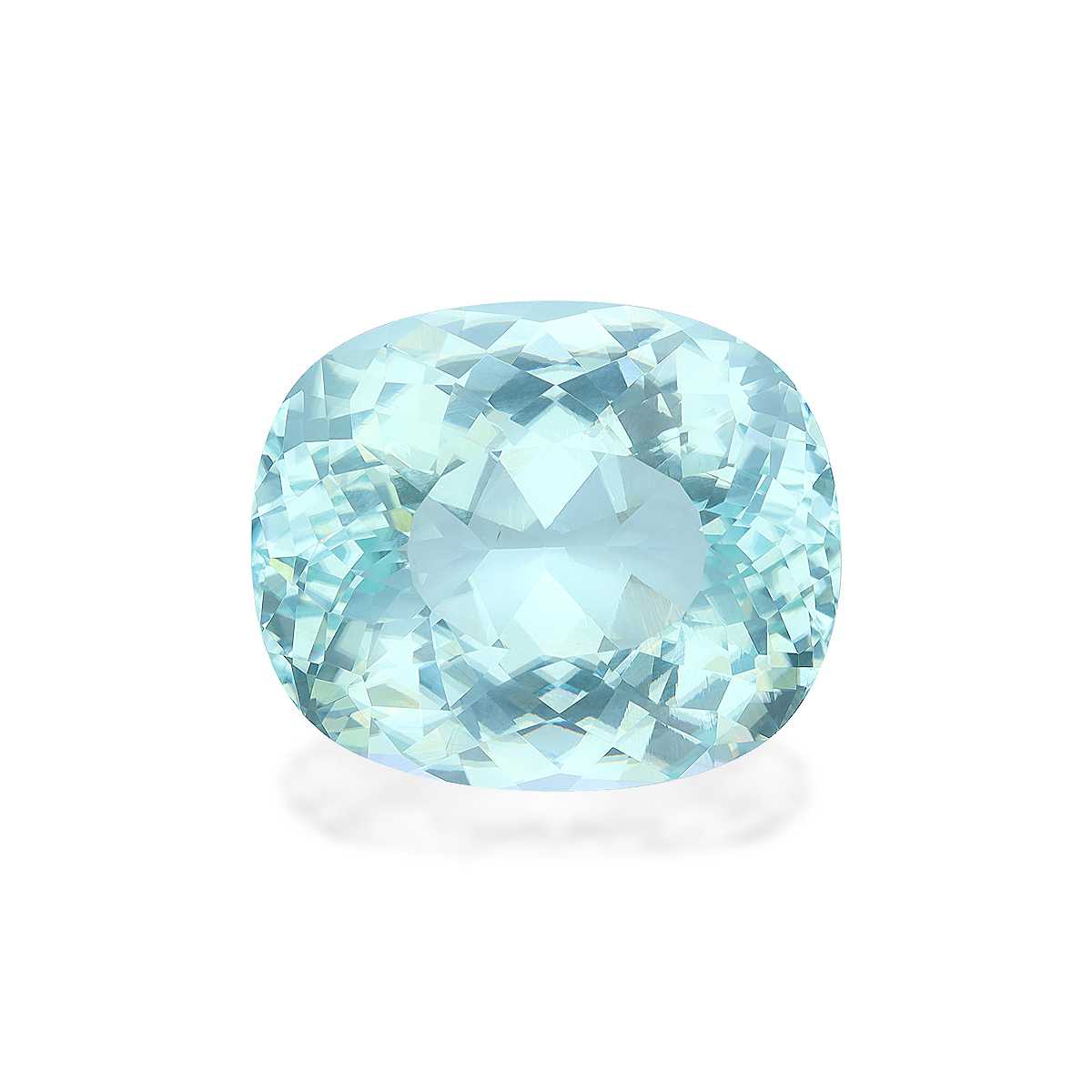
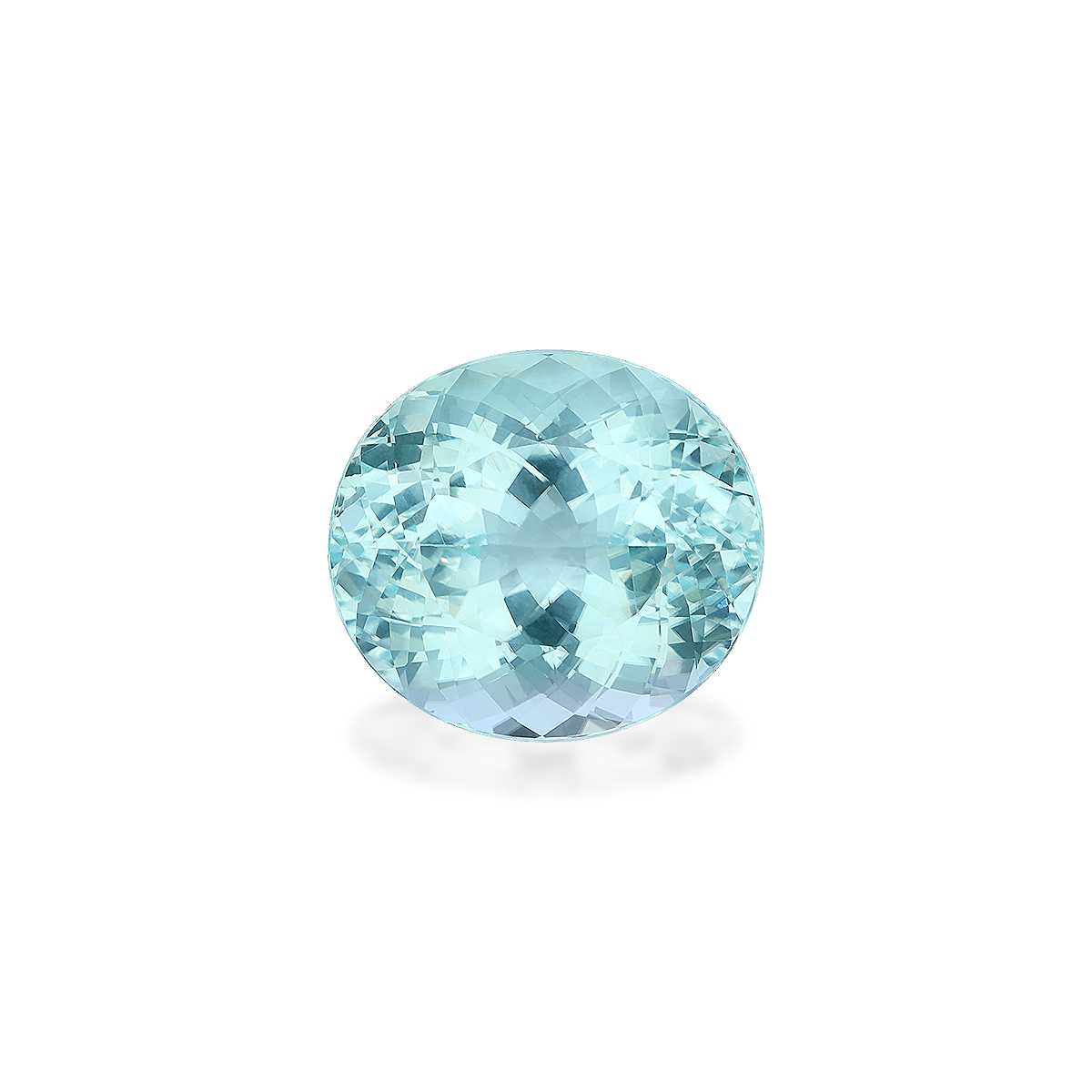
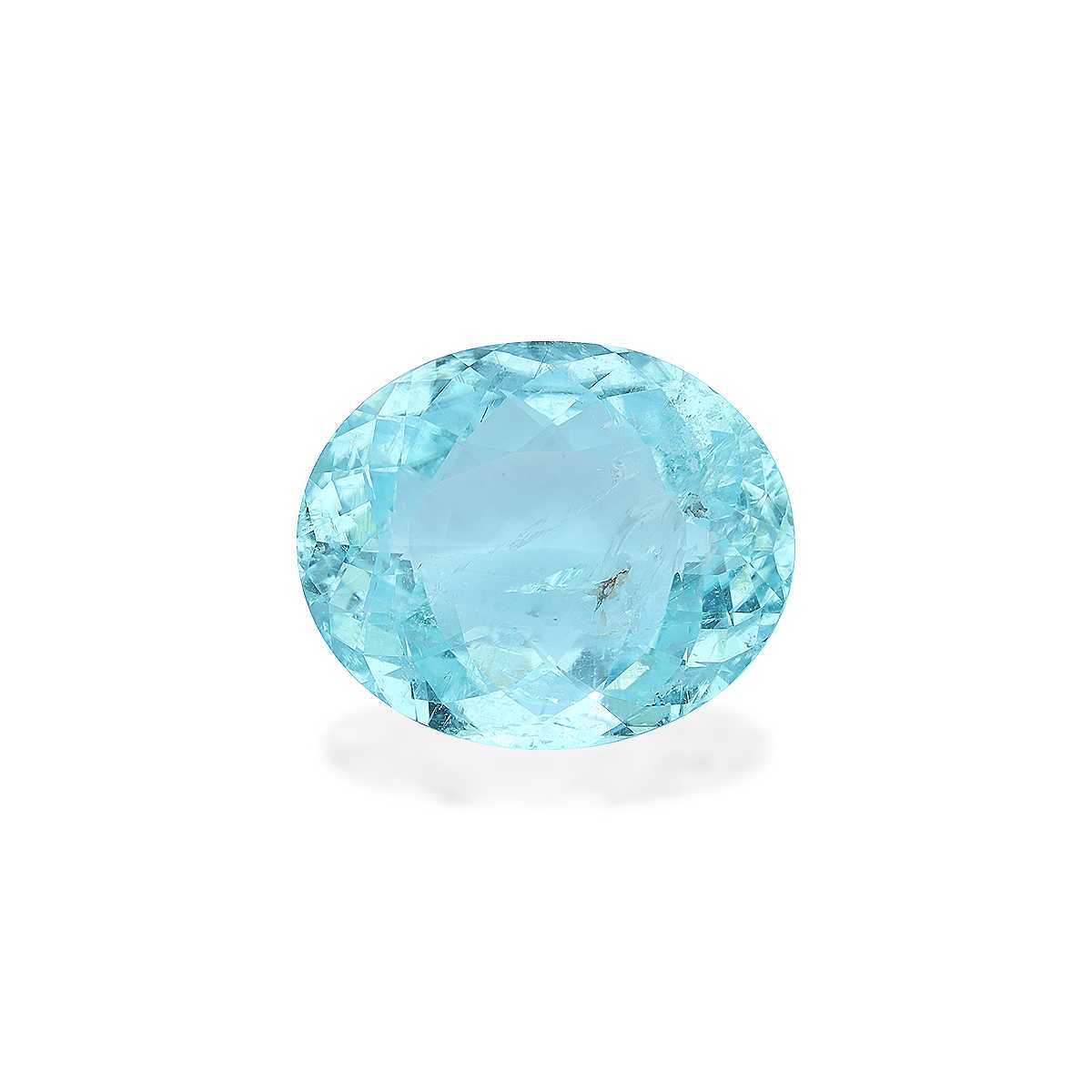
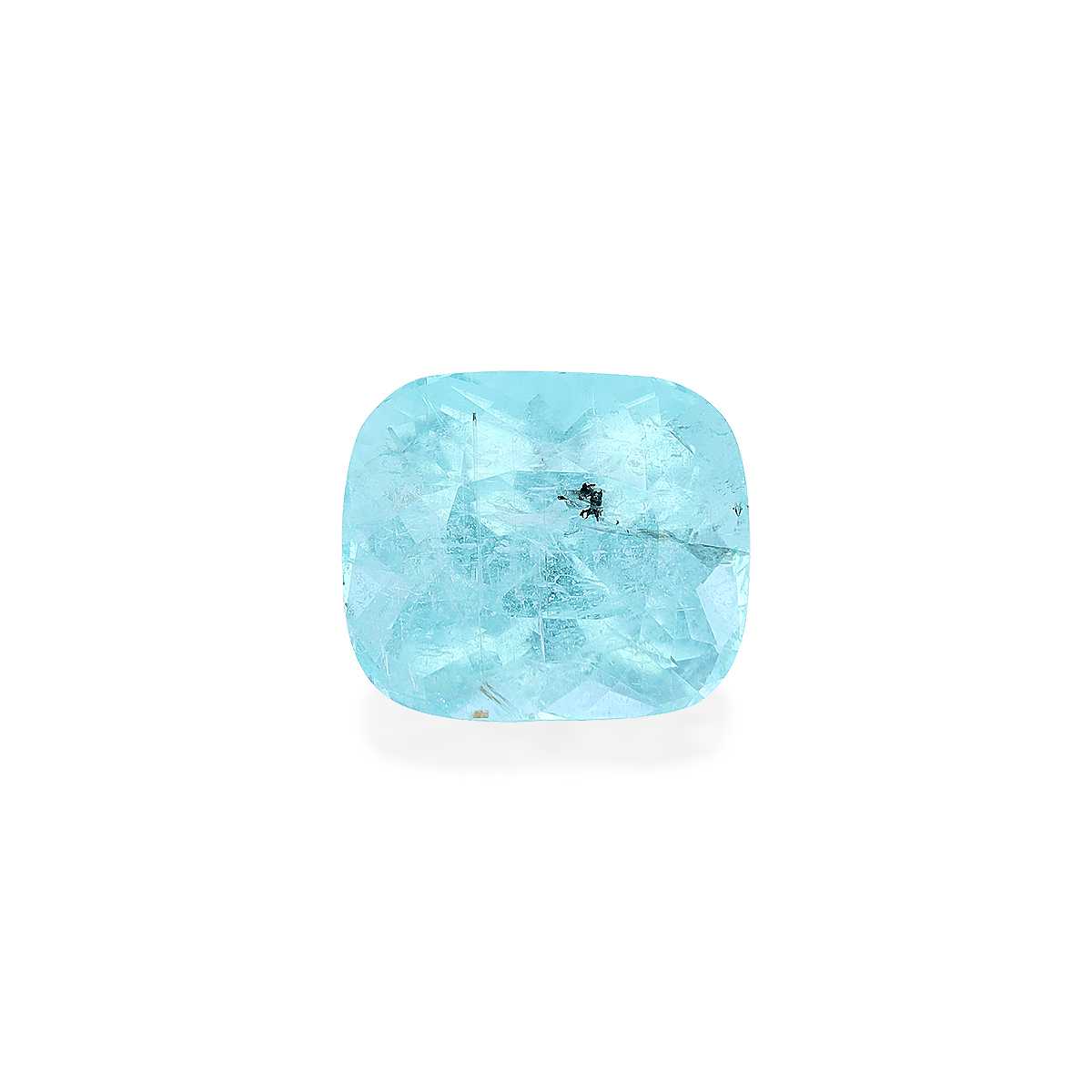
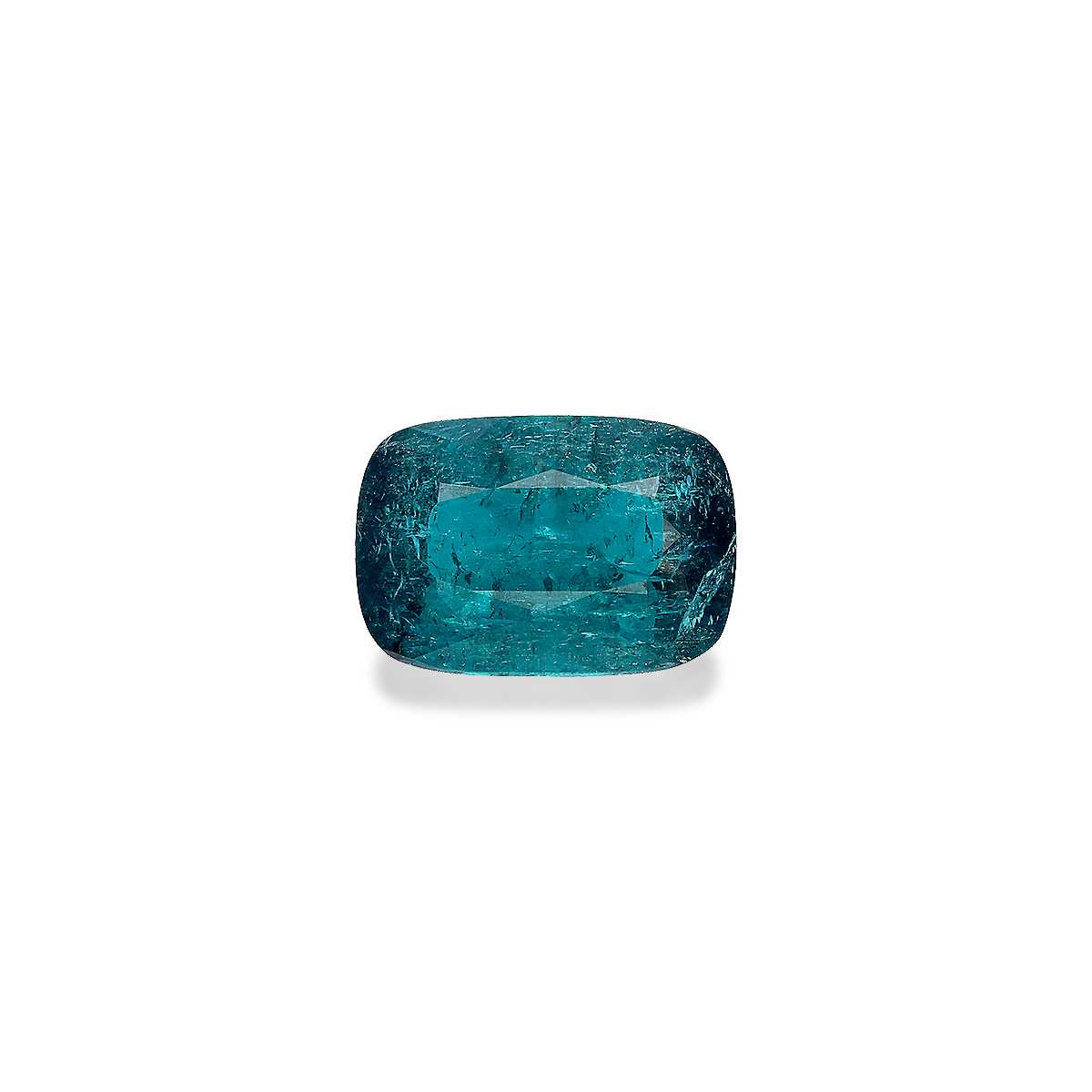
Colour accounts for most of the value spread in this material, and the spread is wide. The premium tones are an electric blue to blue-green that appears lit from within, holding saturation in ordinary indoor light rather than only under a spotlight.
Three things to assess, in order:
- Saturation — how pure and strong the colour is, and whether grey or brown dilutes it.
- Tone — mid tones usually glow; very light stones look pastel, very dark ones lose the neon effect.
- Consistency — colour that holds evenly across the face, with no dead zones or window.
Green-dominant and olive-leaning stones exist and are genuine copper-bearing tourmaline, but they sit well below neon blue in price. Some lighter material is heated to improve the blue; this is standard practice and should be stated on the invoice.
More from Paraiba Tourmaline
Reading clarity in this material
Copper-bearing tourmaline is rarely flawless, and the expectation is not the same as for sapphire. Typical inclusions are liquid inclusions, gas bubbles and small crystals, often in veils or trails.
What matters is whether those inclusions interrupt the glow. Dense veils scatter light and flatten the colour, which costs far more value than an isolated crystal off-centre. Eye-clean material in larger sizes is scarce and priced accordingly.
Examine the stone face-up in diffuse light before magnification. A loupe finds everything; the eye tells you what you will actually live with.
Size, scarcity and price tiers
Price per carat rises steeply with size because fine rough is small. Clean, strongly saturated stones above a few carats are genuinely rare, and a 10 carat neon blue example is a serious collector object rather than a routine purchase.
Cut interacts with this. Cutters orient and shape the rough to keep weight and colour, which is why so much of this material is cut in ovals, cushions and freer shapes. Rounds and calibrated sizes carry a premium because they waste more rough.
Expect wide ranges at every weight. Two stones of the same carat weight can differ several-fold in price on colour alone.
Paraiba Tourmaline price guide
Paraiba Tourmaline price guide (per carat, USD)
Based on 376 paraiba tourmaline in stock, updated October 19, 2026.
Origin and what it means
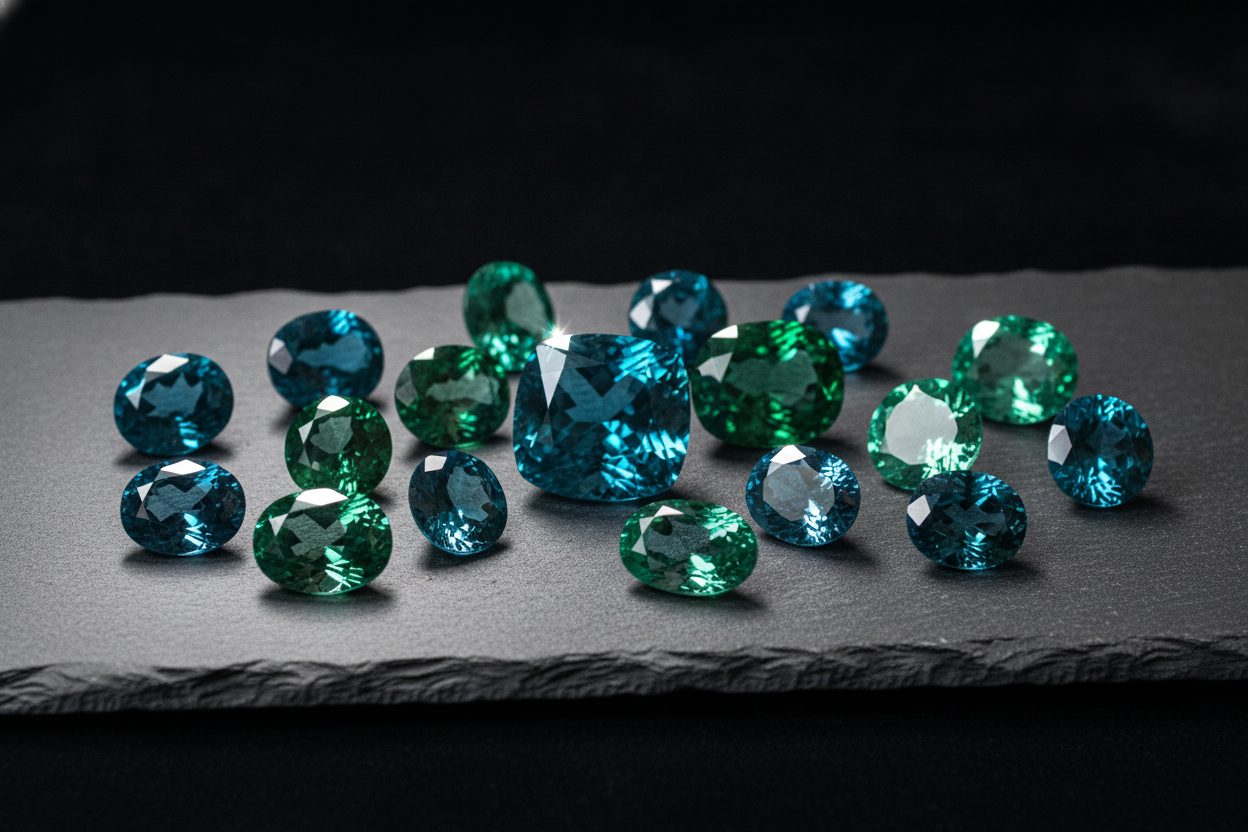
Copper-bearing tourmaline is mined in Mozambique, Nigeria, Brazil and Tanzania. Brazilian material from the original Paraíba deposits carries the strongest historical association and the highest premium when the colour supports it, but the deposits are largely worked out and output is small.
Mozambique supplies much of the fine neon blue and blue-green in the market today, sometimes in larger sizes than Brazil ever produced. Nigerian and Tanzanian stones cover a broad quality range, from pale to strongly saturated.
Origin is a modifier, not a verdict. A superb Mozambique stone outranks a mediocre Brazilian one in both appearance and price, and buyers who pay for a country name without examining the stone usually overpay.
Where buyers lose money
Three mistakes account for most regret in this category.
- Paying a neon price for a pastel stone. Weak material trades far below fine material, yet is often marketed with the same vocabulary. Compare side by side, in daylight, before committing.
- Misreading treatment. Heating is routine here and does not make a stone inferior; equally, an unheated report is not by itself a reason to pay more. Judge the colour you can see and insist on written disclosure either way.
- Assuming the name sets the value. Not all copper-bearing tourmaline is equally valuable — the range between a dull green stone and a vivid blue one is enormous.
A fourth, quieter risk is the unsupported origin claim. Country labels circulate freely in the trade and are easy to assert, difficult to prove. If origin is material to your price, buy with a report from a laboratory that performs chemical analysis, such as GIA, SSEF, Gübelin or AGL.
A sensible buying sequence
Set your colour standard first, then let budget decide the carat weight — not the reverse. Request the stone loose, view it unmounted in several lighting conditions, and ask directly whether it has been heated.
Confirm that the report identifies copper as a colouring element, since that is what makes a paraiba stone what it is. If the glow holds in ordinary light and the inclusions stay out of the way, you are looking at the right stone.
Frequently asked questions
Is there such a thing as Ethiopian Paraiba tourmaline?+
The established sources of copper-bearing tourmaline are Mozambique, Nigeria, Brazil and Tanzania. Material offered under other country names should be treated cautiously and supported by a laboratory report confirming copper content and, if origin is claimed, an origin determination.
Does heating reduce the value of a Paraiba stone?+
Heating is a common and accepted practice in copper-bearing tourmaline and is routinely disclosed. What matters commercially is the resulting colour, clarity and size rather than whether gentle heat was applied, so judge the stone on appearance and insist the treatment status appears in writing.
Why is neon blue worth so much more than green Paraiba?+
Neon blue and blue-green stones are the rarest expression of copper colouration and the most sought after in the trade. Olive and green-dominant material is genuine copper-bearing tourmaline but trades at a substantially lower level, so the price gap between two stones of equal weight can be several-fold.
Are 10 carat Paraiba tourmalines realistic to buy?+
They exist, mostly from Mozambique, but fine colour at that weight is rare and priced as a collector item. Below top colour, larger stones are easier to find, which is why saturation should be assessed before carat weight.
Are round Paraiba tourmalines more expensive?+
Usually yes, per carat. Rounds and calibrated sizes waste more rough during cutting, and cutters generally favour ovals, cushions and freeform shapes to preserve weight and colour orientation.
How durable is Paraiba tourmaline for daily wear?+
It has a Mohs hardness of 7 to 7.5, which suits rings in protective settings but is softer than sapphire or spinel. Avoid ultrasonic cleaning, especially in included stones, and clean with warm soapy water and a soft brush.
From our Journal
Buying guides, origin stories, and notes from the trade.